Blog

  • Cerralbo Museum Madrid: Best Eclectic Mansion Guide 2026

    Cerralbo Museum Madrid: Best Eclectic Mansion Guide 2026

    The Cerralbo Museum Madrid is one of the city’s most extraordinary preserved time capsules — a 19th-century aristocratic palace, frozen exactly as the Marqués de Cerralbo left it in 1922, packed floor to ceiling with paintings, weapons, ceramics, archaeological objects, and decorative arts collected over decades of obsessive accumulation. The Cerralbo Museum Madrid is for visitors who love eclectic, opinionated private collections and the architectural intimacy of an actual aristocratic home rather than a designed museum space. Walking through its 30 rooms feels like stepping into a Wes Anderson film set. This guide covers tickets, hours, must-see works, and how to plan a Cerralbo Museum Madrid visit.

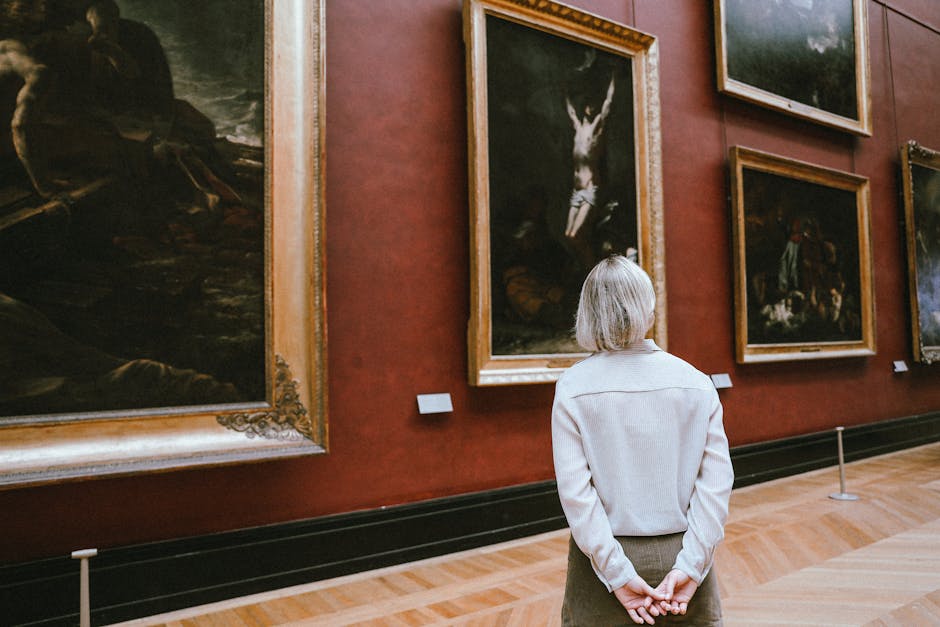
    Cerralbo Museum Madrid — Victorian-era decorative interior
    The Cerralbo Museum Madrid preserves an aristocratic palace exactly as it was in 1922.

    Table of Contents

    Cerralbo Museum Madrid at a Glance

    • Address: Calle de Ventura Rodríguez 17, 28008 Madrid (near Plaza de España)
    • Hours: Tuesday–Saturday 9:30am–3pm; Thursday until 8pm; Sunday 10am–3pm
    • Closed: Mondays plus major holidays
    • Standard ticket: €3
    • Reduced: €1.50
    • Free: Thursday 5pm–8pm; Saturday after 2pm; Sunday all day; under-18s; EU students under 25; on May 18, October 12, December 6
    • Audio guide: €4
    • Average visit time: 90-120 minutes
    • Metro: Plaza de España (Lines 2, 3, 10) — 5-minute walk; or Ventura Rodríguez (Line 3)

    Who Was the Marqués de Cerralbo?

    Enrique de Aguilera y Gamboa, 17th Marqués de Cerralbo (1845–1922), was a Spanish aristocrat, politician, and obsessive collector. He built this Madrid mansion in 1893 and spent the next 30 years filling it with art, archaeology, weapons, ceramics, and curiosities collected on his travels across Europe. He bequeathed the entire collection and house to the Spanish state on the condition that nothing be moved or rearranged — a condition the museum has preserved scrupulously since opening in 1944. The result is one of Spain’s most authentic 19th-century aristocratic interiors.

    Must-See Rooms and Objects at the Cerralbo Museum Madrid

    Cerralbo Museum Madrid — collection of antique objects
    The Cerralbo Museum Madrid collection spans paintings, weapons, ceramics, and decorative arts.

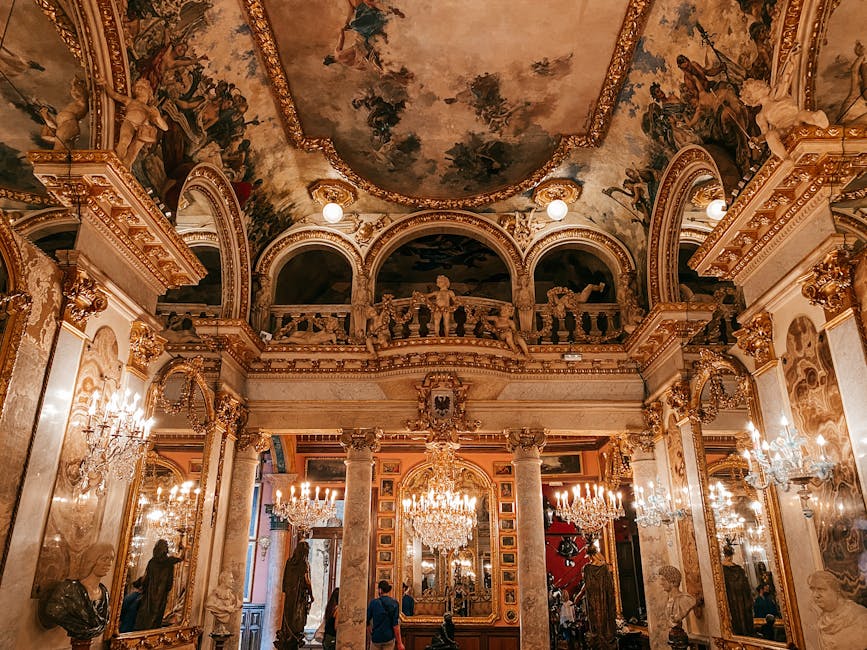
    1. The Ballroom (Salón de Baile)

    Spectacular gilt-and-mirror ballroom with chandeliers and ceiling frescoes — the Cerralbo Museum Madrid’s most photographed room. Dwarfs many palace ballrooms in elegance.

    2. The Library

    Two-story library with a wrought-iron staircase. The Marqués collected over 50,000 books and manuscripts. The space alone is one of Madrid’s most beautiful interiors.

    3. Master Bedroom

    Preserved with the original 19th-century furniture, family portraits, and personal objects. Period intimacy that’s hard to find elsewhere.

    4. Armory

    Hundreds of swords, daggers, firearms, and pieces of armor — many extraordinarily decorated. The Cerralbo had a particular passion for historic weaponry.

    5. Painting Galleries

    The Cerralbo Museum Madrid holds Spanish Old Masters (El Greco, Zurbarán, Ribera), Italian Renaissance paintings, Flemish works, and 19th-century Romantic painting. Not the Prado’s quality but a substantial private collection in its own right.

    6. Archaeological Objects

    The Marqués funded archaeological digs at Numantia and other Spanish sites; many of his archaeological finds are displayed alongside Greek vases, Roman bronzes, and Egyptian objects.

    7. The Stair and Grand Hall

    Marble staircase with ceiling frescoes and tapestries — the formal entrance designed to impress arriving guests. Photogenic.

    8. The Marqués’s Personal Study

    Smaller, more intimate room with the collector’s desk, books, and personal objects. The most “lived-in” feeling room in the house.

    Tickets and Hours

    • Standard: €3
    • Reduced: €1.50
    • Free: Thursday 5pm–8pm, Saturday after 2pm, Sunday all day, plus permanent free for under-18s
    • Tickets: At the door or online

    Practical Tips for the Cerralbo Museum Madrid

    • Audio guide highly recommended: €4 — much of the signage is Spanish-only.
    • Photography permitted: No flash; tripods prohibited.
    • Combine with Templo de Debod: 5-minute walk; both are in the Plaza de España area.
    • Allow 90-120 minutes: The collection is dense and the rooms reward slow attention.
    • Closed Mondays: Plan around this.
    • Best times: Tuesday–Wednesday morning. Avoid Saturday afternoons during free hours.
    • Wheelchair accessible: Partially — the historic mansion has stairs; some rooms are not accessible.
    • Family-friendly: Kids fascinated by the weapons, the eclectic objects, and the “old house” atmosphere.

    Cerralbo Museum Madrid FAQs

    Is the Cerralbo Museum Madrid worth visiting?

    Yes — for visitors who enjoy eclectic private collections and preserved historic interiors, it’s one of Madrid’s best small museums. The ballroom and library alone justify the €3 admission.

    How much does the Cerralbo Museum Madrid cost?

    €3 standard. Free Thursday evenings, Saturday afternoons, and Sunday all day. Free permanent for under-18s.

    When is the Cerralbo Museum Madrid open?

    Tue–Sat 9:30am–3pm; Thursday until 8pm; Sunday 10am–3pm. Closed Mondays.

    How long should I spend at the Cerralbo Museum Madrid?

    90-120 minutes. The 30 rooms reward slow attention and there’s a lot to see in each.

    Is the Cerralbo Museum Madrid wheelchair accessible?

    Partially — the historic mansion has multiple stairs, and some rooms are not accessible. The ground floor is largely accessible. Confirm specific accessibility before visiting.

    What other museums should I combine with the Cerralbo?

    The Sorolla Museum (15-minute walk to Chamberí) makes an excellent pairing — both small house-museums with eclectic personalities. Also combine with Templo de Debod (5-minute walk) for sunset views.

    Is the Cerralbo Museum Madrid family-friendly?

    Yes for older children (8+). The weapons, archaeological objects, and “old house” feel often hold attention well. Free for under-18s.

    Can I take photos at the Cerralbo Museum Madrid?

    Yes, no flash. Tripods not permitted.

    Background and Heritage

    The Museo Cerralbo is the perfectly preserved late-19th century Madrid mansion of Enrique de Aguilera y Gamboa, 17th Marquis of Cerralbo (1845-1922) — politician, archaeologist, art collector, and Carlist political activist. The Marquis built the palace 1885-1893 and lived there with his wife and stepchildren until his death in 1922. He bequeathed the entire estate — building, art collection, library, and furnishings — to the Spanish state with the explicit condition that nothing be moved or rearranged. The Museo Cerralbo opened in 1944 and remains one of Europe’s most intact aristocratic period interiors. The collection holds about 50,000 objects: paintings (El Greco’s “Ecstasy of Saint Francis,” Tintoretto, Zurbarán, Ribera), sculpture, decorative arts, weapons and armor, archaeological finds (the Marquis was a serious archaeologist, leading Iron Age and Bronze Age excavations in Iberia), antique furniture, tapestries, glass, ceramics, and a 12,000-volume library. Walking through the Cerralbo Museum Madrid is closer to a time-machine experience than a typical museum visit — every room remains as the Marquis arranged it, with paintings hung salon-style, decorative objects on every surface, and the original 1893 gas chandeliers (later electrified) still in place.

    Must-See Items at the Cerralbo Museum Madrid

    • The Ecstasy of Saint Francis by El Greco (c. 1610): The masterpiece of the collection; in the Saleta room.
    • Ballroom (Salón de Baile): Rococo-style entertainment hall with marble columns, ceiling frescoes, and original 1893 gilt furniture.
    • The Library: 12,000 volumes including incunabula and rare 16th-century editions.
    • Tintoretto’s Crucifixion: Late 16th-century Venetian.
    • Armory: 16th-17th century Spanish, Italian, and Turkish weapons; one of Madrid’s best private armor collections.
    • Antique sculpture: Roman busts, Renaissance terracottas.
    • Decorative arts: French and Spanish 18th-century furniture, Sèvres porcelain, Bohemian glass.

    Visiting the Cerralbo Museum Madrid

    • Address: Calle Ventura Rodríguez, 17 (just south of Plaza de España).
    • Metro: Plaza de España (Lines 3 and 10) or Ventura Rodríguez (Line 3) — 5-min walk.
    • Hours: Tue-Sat 9:30-15:00; Thu also 17:00-20:00; Sun 10:00-15:00; Mon closed.
    • Admission: €3 regular; free Thu 17:00-20:00, Sat 14:00-15:00, Sun 10:00-15:00.
    • Time required: 90 minutes for full visit.
    • Photography: Permitted without flash.
    • Audio guide: Free downloadable app.

    Combine the Cerralbo Museum Madrid with Plaza de España Area

    • 10:00-11:30: Cerralbo Museum (90 min).
    • 11:30-12:30: Templo de Debod (free) — Egyptian temple in the Parque del Oeste.
    • 12:30-13:30: Walk through Parque del Oeste to the Faro de Moncloa.
    • 13:30-15:00: Lunch at Casa Mingo (Asturian cider house) or in Argüelles.
    • 15:00-17:00: Royal Palace (3-min walk back south) or Sabatini Gardens.
    • 17:00-18:30: Plaza de España; cocktails at Picalagartos rooftop (Hotel Riu Plaza España).

    Free Hours at the Cerralbo Museum Madrid

    Free admission Thursday 17:00-20:00, Saturday 14:00-15:00, and Sunday 10:00-15:00. Always free for under-18, over-65, EU students with ID.

    Sunday morning is the most pleasant time — uncrowded.

    Cerralbo Museum vs. Other Madrid Period Mansions

    vs. Lázaro Galdiano Museum: Both are private collections in original 19th/early-20th century mansions. Cerralbo is smaller and more atmospheric (everything kept as the Marquis left it); Lázaro Galdiano is broader and art-historically deeper.

    vs. Museo del Romanticismo: Both preserve 19th-century Spanish bourgeois interiors. Romanticismo focuses on the Romantic period (early-mid 19th century); Cerralbo is later (1880s-1920s) and more aristocratic.

    vs. Sorolla Museum: Sorolla is artist-focused; Cerralbo is collector-focused. Both preserve original interiors beautifully.

    Where to Eat Near the Cerralbo Museum Madrid

    • Casa Mingo (Paseo de la Florida): Asturian cider house since 1888.
    • El Corral de la Morería: Flamenco-dinner show; Michelin-starred kitchen.
    • La Bola Taberna: Cocido madrileño since 1870; 5-min walk south.
    • El Anciano Rey de los Vinos: Historic vermouth bar near Royal Palace.
    • Café del Real: Coffee opposite the Royal Theatre.

    More Cerralbo Museum Questions

    Is the Cerralbo Museum Madrid worth visiting?

    Yes — among Madrid’s most atmospheric small museums. The intact 1890s aristocratic interior is unique in central Madrid; the El Greco alone justifies the visit.

    How long do I need at the Cerralbo Museum Madrid?

    90 minutes for full visit across both floors. Allow 2 hours with audio guide.

    Are the rooms really original?

    Yes — the Marquis stipulated that nothing be moved or changed. Furniture, paintings, and decorative objects remain as he arranged them in 1922.

    Can I take photos at the Cerralbo Museum Madrid?

    Yes — permitted without flash. Ballroom and Saleta photograph particularly well.

    Is the Cerralbo Museum Madrid kid-friendly?

    Suitable for older children (8+). The armory and decorative objects engage children; younger kids may find period rooms restrictive.

    Official Resources

    Plan Your Visit

    The Cerralbo Museum Madrid is the ideal small museum for travelers who want something less institutional than the Prado — an actual lived-in 19th-century aristocratic mansion preserved exactly as the collector left it. €3, two hours, one of Madrid’s most distinctive cultural experiences.

  • Art Galleries Madrid Contemporary: Best 10 Picks 2026

    Art Galleries Madrid Contemporary: Best 10 Picks 2026

    Art galleries Madrid contemporary scene visitors should know about extends well beyond the famous Reina Sofía — the city has emerged in recent decades as one of Europe’s most exciting contemporary art markets, with strong commercial galleries clustered in Justicia, Salamanca, and Chamberí, plus public exhibition spaces like CaixaForum, Conde Duque, and Matadero. This guide covers the best art galleries Madrid contemporary art lovers should visit, organized by neighborhood, with notes on what each represents, opening hours, and how to time visits around major art events like ARCO Madrid (Spain’s flagship contemporary art fair held every February). Most galleries are free to enter.

    Art galleries Madrid contemporary — modern gallery with abstract paintings
    Madrid’s art galleries contemporary scene has expanded dramatically in the past two decades.

    Table of Contents

    Top Commercial Art Galleries Madrid Contemporary Visitors Must Know

    Art galleries Madrid contemporary — visitors at modern art exhibition
    Most art galleries Madrid contemporary visitors will find are free to enter and welcome browsing.

    1. Galería Helga de Alvear (Calle del Doctor Fourquet, 12)

    Madrid’s most internationally prominent commercial gallery, representing major Spanish and international artists. Helga de Alvear is a key figure in the Spanish contemporary art world; her gallery shows top-tier work. Lavapiés district.

    2. Travesía Cuatro (Calle de San Mateo, 16)

    Justicia gallery showing emerging and mid-career international artists. Excellent program; consistently strong shows.

    3. Galería Elba Benítez (Calle de San Lorenzo, 11)

    One of Madrid’s longest-running serious galleries, in a beautifully restored 19th-century building in Justicia. Strong stable of conceptual artists.

    4. Galería Heinrich Ehrhardt (Calle de San Lorenzo, 11)

    German-Spanish gallery showing emerging international artists; sister gallery to Elba Benítez.

    5. Galería Marlborough Madrid (Calle de Orfila, 5)

    Branch of the major international Marlborough chain. Solid blue-chip representations of mid-career and established artists.

    6. Galería Maisterravalbuena (Calle de Doctor Fourquet, 6)

    Lavapiés gallery known for thoughtful programming with focus on international emerging artists.

    7. Casado Santapau (Calle de Conde Duque, 11)

    Conde Duque gallery showing strong program of Spanish and international contemporary artists.

    8. Sabrina Amrani (Calle de Sallaberry, 52)

    One of Madrid’s most international galleries, focused on artists from Africa, Asia, and the Middle East. Important program for global contemporary art.

    9. Galería Marta Cervera (Calle de Doctor Fourquet, 19)

    Strong gallery in Lavapiés with international program and consistent quality.

    10. Galería Juana de Aizpuru (Calle de Barquillo, 44)

    One of the most historic galleries in Madrid, representing artists since the 1970s. Founder Juana de Aizpuru was instrumental in launching ARCO.

    Public Exhibition Spaces

    • CaixaForum Madrid (Paseo del Prado): Major free public exhibitions, often blockbusters. Herzog & de Meuron’s striking vertical-garden building.
    • Conde Duque Cultural Center (Conde Duque area): Free contemporary art exhibitions in converted 18th-century barracks.
    • Matadero Madrid (Madrid Río): Converted 1910 slaughterhouse; multiple galleries showing experimental work, films, performance.
    • La Casa Encendida (Ronda de Valencia): Cultural center with rotating contemporary exhibitions, often free.
    • Centro Centro (Plaza de Cibeles): Inside the Palacio de Cibeles building; rotating free exhibitions.
    • Tabacalera (Embajadores): Former tobacco factory now hosting contemporary art exhibitions in massive industrial spaces.
    • Sala Alcalá 31 (Calle de Alcalá, 31): Madrid government’s exhibition space; high-quality free shows.

    Art Galleries Madrid Contemporary by Neighborhood

    Lavapiés / Doctor Fourquet

    Calle de Doctor Fourquet has emerged as Madrid’s “gallery row” — multiple major galleries (Helga de Alvear, Maisterravalbuena, Marta Cervera) cluster here. Easy walking circuit. Includes Reina Sofía a few minutes away.

    Justicia / Salesas

    Travesía Cuatro, Elba Benítez, Heinrich Ehrhardt, Juana de Aizpuru, and others cluster in Justicia. Combine with Chueca dining.

    Salamanca

    Higher-end commercial galleries cluster around Calle Velázquez and Calle Claudio Coello. Marlborough is here. Often combined with luxury shopping.

    Conde Duque / Malasaña

    Conde Duque cultural center plus several smaller galleries. Combine with Malasaña indie shops.

    ARCO Madrid and Major Art Events

    ARCO Madrid is Spain’s flagship contemporary art fair, held every late February at IFEMA. Over 200 galleries from 30+ countries exhibit. Professional days (Wednesday-Thursday) trade-only; Friday-Sunday open to public (€40/day). During ARCO week the entire art galleries Madrid contemporary scene activates with simultaneous openings, satellite fairs (JUSTMAD, Urvanity, Hybrid), and art-world parties. Excellent time for visitors to engage with the city’s contemporary art scene.

    See our Madrid festivals calendar for ARCO dates and other art events.

    Practical Tips for Art Galleries Madrid Contemporary

    • Most commercial galleries are free: Just walk in during opening hours; staff welcome browsers.
    • Tuesday–Saturday afternoons: Most galleries open Tue-Sat 11am-2pm and 5pm-9pm; many close Sundays and Mondays.
    • Show openings (vernissages): Usually Thursdays 7-9pm; free, often with drinks. Anyone welcome.
    • August closures: Most galleries close 2-4 weeks in August.
    • Photography: Often allowed without flash; ask first.
    • No purchase pressure: Galleries don’t expect every visitor to buy. Browse freely.
    • Combine with Reina Sofía: Doctor Fourquet galleries are 5 minutes from the Reina Sofía. See our Reina Sofía guide.
    • Best time of year: ARCO week (late February) is peak energy; September-October is also strong.

    Art Galleries Madrid Contemporary FAQs

    Are art galleries Madrid contemporary visitors should see free?

    Yes — commercial galleries are free to enter. Major public spaces (CaixaForum, Conde Duque, Matadero) are mostly free. Only ARCO Madrid charges admission (€40/day) and only during the fair.

    When is ARCO Madrid?

    Last week of February or first week of March each year. 5-day fair at IFEMA Madrid, with public days Friday-Sunday. €40/day public admission.

    Where are the best art galleries Madrid contemporary scene cluster?

    Calle de Doctor Fourquet (Lavapiés) and the Justicia/Salesas neighborhood have the highest concentration. Salamanca (Calle Velázquez area) hosts more blue-chip galleries.

    Can I buy art in Madrid?

    Yes — commercial galleries actively sell. Prices vary widely (€500 for emerging artists’ prints to €100,000+ for established artists). Most galleries ship internationally.

    When are gallery openings?

    Most Madrid gallery openings (vernissages) are Thursday evenings 7-9pm. Free, drinks usually served, anyone welcome.

    Can I take photos in Madrid art galleries?

    Generally yes without flash. Some galleries restrict photography for specific shows; ask the staff first.

    What’s the best free public art space in Madrid?

    CaixaForum offers blockbuster contemporary exhibitions free of charge in Herzog & de Meuron’s striking building on Paseo del Prado. Matadero Madrid is excellent for experimental work in converted industrial space.

    Do galleries close in summer?

    Most close 2-4 weeks in August. Mid-July through end of August can see significant gallery closures. Plan around this if visiting specifically for art.

    Background and Heritage

    Madrid’s contemporary art gallery scene reached international prominence in the 1980s with the founding of ARCO (Feria Internacional de Arte Contemporáneo), Spain’s largest contemporary art fair, held annually in February. The art galleries Madrid contemporary scene clusters in three districts: Calle Doctor Fourquet near the Reina Sofía (the densest concentration, with NoguerasBlanchard, Juana de Aizpuru, Marlborough Madrid); the Salamanca district around Calle Claudio Coello (Marlborough flagship, Maior, Galería Elvira González); and the emerging Conde Duque / Malasaña districts (Lab36, La New Gallery, Sabrina Amrani). Madrid’s gallery scene is shaped by Spain’s Civil War legacy (many leading 20th-century Spanish artists worked in exile, returning only after 1975) and by the strong cultural funding of post-Franco democracy. The contemporary Spanish artists most often shown — Antoni Tàpies, Eduardo Chillida, Juan Genovés, Cristina Iglesias, Jaume Plensa — combined formal modernism with a distinctive Iberian sensibility. The art galleries Madrid contemporary scene also hosts strong international programs: Marlborough has shown Bacon and Auerbach for decades, while emerging galleries focus on Latin American and African artists. Most galleries are free to enter and welcome casual visitors.

    Top Art Galleries Madrid Contemporary: 10 Essential Stops

    • Galería Helga de Alvear (Calle Doctor Fourquet): Major German-born collector and dealer; rotating Spanish and international.
    • Marlborough Madrid (Calle Orfila): Madrid branch of the global gallery; Bacon, Auerbach, Spanish moderns.
    • Juana de Aizpuru (Calle Barquillo): Founded 1970; pioneer of contemporary Spanish art.
    • Galería Elvira González (Calle General Castaños): Strong American minimalists (Donald Judd, Dan Flavin) and Spanish moderns.
    • NoguerasBlanchard (Calle Doctor Fourquet): Barcelona/Madrid gallery; emerging international.
    • Lab36 (Calle Velarde, Malasaña): Cutting-edge emerging artists.
    • Sabrina Amrani (Calle Madera): Contemporary Middle Eastern and African artists.
    • Maior (Calle de Juan Bravo): Contemporary Spanish painting and sculpture.
    • Galería Maisterravalbuena (Calle Doctor Fourquet): Conceptual and emerging international.
    • La New Gallery (Calle Conde Duque): Young Spanish artists.

    How to Visit the Art Galleries Madrid Contemporary Scene

    • Entry is free: All commercial galleries in Madrid are free to walk into.
    • Hours typically: Tue-Fri 11:00-14:00 and 16:00-20:00; Sat 11:00-14:00. Closed Sun-Mon.
    • Walking circuits: Calle Doctor Fourquet area can be walked in 2-3 hours visiting 8-10 galleries. Salamanca cluster is more spread out (allow 4 hours).
    • Apertura: Annual September festival (3rd weekend) — all galleries open simultaneously with extended hours and openings. The single best time to visit.
    • ARCO week (late February): Madrid’s contemporary art fair; galleries hold special openings.
    • Etiquette: Casual visitors welcome; staff may not approach unless you ask. Browse without pressure.
    • Buying art: Most works are for sale; ask for price lists. Major galleries handle international shipping.

    Two-Day Art Galleries Madrid Contemporary Itinerary

    Day 1 (Lavapiés / Doctor Fourquet circuit):

    • 11:00-13:00: Doctor Fourquet cluster — Helga de Alvear, NoguerasBlanchard, Juana de Aizpuru, Maisterravalbuena.
    • 13:00-14:30: Lunch at Mercado de Antón Martín food stalls.
    • 14:30-17:00: Reina Sofía Museum (the institutional anchor of contemporary Madrid).
    • 17:00-19:00: Continue Lavapiés galleries; cocktails at El Caripén in Plaza de la Paja.

    Day 2 (Salamanca / Almagro circuit):

    • 11:00-14:00: Calle Claudio Coello and Calle de Juan Bravo galleries — Marlborough, Maior, Elvira González.
    • 14:00-15:30: Lunch at Lakasa or Estado Puro Salamanca.
    • 15:30-17:00: Continue gallery circuit through Almagro and Justicia districts.
    • 17:00-18:30: Galería Elba Benítez (Calle San Lorenzo) — major contemporary Spanish.

    Apertura and ARCO: When the Art Galleries Madrid Contemporary Scene Is Most Active

    Apertura (third weekend of September): The annual gallery festival when all major art galleries Madrid contemporary venues open simultaneously with extended hours, special openings, and free guided routes. Highlight of the Madrid art year for non-collectors.

    ARCO (late February): Spain’s premier contemporary art fair at IFEMA. €40 entry; the global art world descends on Madrid. Galleries also hold special openings the week before.

    Year-round: Free entry to all commercial galleries; check individual gallery websites for current shows.

    Madrid vs. Other European Contemporary Art Capitals

    vs. Berlin: Berlin has a larger, more experimental gallery scene; Madrid is more focused and commercial. Madrid is a better introduction for casual visitors.

    vs. Paris: Paris has more international blue-chip galleries (Marais district); Madrid has stronger Spanish and Latin American programs.

    vs. London: London has more major commercial galleries; Madrid is friendlier for casual visitors and most museums are cheaper.

    Where to Eat Between Gallery Visits

    • NuBel (Reina Sofía rooftop): Modern Spanish; favored by gallery visitors.
    • El Caripén (Plaza de la Paja): Historic gay-friendly cocktail bar.
    • La Carmencita (Calle Libertad, Chueca): Madrid bistro since 1854.
    • Triciclo (Calle Santa María): Modern Spanish; popular with art crowd.
    • Sala de Despiece (Calle Ponzano): Modern tapas; near Salamanca galleries.

    More Art Galleries Madrid Contemporary Questions

    Are art galleries Madrid contemporary scene visits free?

    Yes — all commercial galleries are free to enter. Tipping not expected. Casual browsing welcome.

    Do I need to dress up for art galleries Madrid contemporary venues?

    No — smart casual is fine. Madrid gallery culture is more relaxed than Paris or London.

    When is Apertura?

    The third weekend of September annually. The single best weekend to visit Madrid’s contemporary art scene.

    Can I buy art at Madrid galleries?

    Yes — most works are for sale. Ask for price lists; major galleries handle international shipping.

    What’s the best gallery district for visitors with limited time?

    Calle Doctor Fourquet near the Reina Sofía — densest concentration, walkable circuit in 2-3 hours.

    Official Resources

    Plan Your Visit

    Art galleries Madrid contemporary scene rivals any major European capital — and most of it is free to visit. Plan a Thursday afternoon walking tour through Doctor Fourquet or Justicia, hit a 7pm vernissage, and you’ll experience working Madrid art at its best.

  • Archaeological Museum Madrid: Best Visitor Guide 2026

    Archaeological Museum Madrid: Best Visitor Guide 2026

    The Archaeological Museum Madrid (Museo Arqueológico Nacional) is Spain’s flagship archaeological collection — covering Iberian prehistory through the Visigothic and Moorish periods to medieval Christian Spain, with 13,000+ objects on display across an elegant 19th-century building in Salamanca. The Archaeological Museum Madrid holds Spain’s most important pre-Roman objects (the Lady of Elche bust), the Visigothic Treasure of Guarrazar (gold votive crowns), and exceptional Roman, Greek, and Egyptian collections. This guide covers tickets, hours, the must-see artifacts, and how to plan an Archaeological Museum Madrid visit — particularly relevant for travelers interested in Iberian history before the modern era.

    Archaeological Museum Madrid — ancient tools and artifacts
    The Archaeological Museum Madrid spans Iberian prehistory through the Christian Reconquista.

    Table of Contents

    Archaeological Museum Madrid at a Glance

    • Address: Calle de Serrano 13, 28001 Madrid (Salamanca district)
    • Hours: Tuesday–Saturday 9:30am–8pm; Sunday 9:30am–3pm
    • Closed: Mondays, January 1 and 6, May 1, December 24, 25, 31
    • Standard ticket: €3
    • Reduced: €1.50
    • Free: Saturday after 2pm; Sunday all day; under-18s; EU students under 25; on May 18, October 12, December 6
    • Audio guide: €4
    • Average visit time: 2-3 hours
    • Metro: Serrano (Line 4) or Colón (Line 4) — both 2-3 minute walk

    Must-See Artifacts at the Archaeological Museum Madrid

    Archaeological Museum Madrid — ancient stone relief sculpture
    Ancient stone sculptures and reliefs are among the Archaeological Museum Madrid’s most striking holdings.

    1. The Lady of Elche (4th century BCE)

    The single most important artifact at the Archaeological Museum Madrid and Spain’s most famous pre-Roman sculpture. This limestone bust of an Iberian noblewoman, discovered in Elche in 1897, dates from the 4th century BCE and shows extraordinary detail in her elaborate headdress and jewelry. A masterpiece of pre-Roman Iberian art.

    2. Treasure of Guarrazar (7th century)

    Spectacular Visigothic gold votive crowns and crosses, discovered in the 19th century in a small village near Toledo. Among the finest surviving examples of Visigothic gold-work — encrusted with sapphires, pearls, and gemstones, dedicated by Visigothic kings to local churches.

    3. Lady of Baza

    Another major Iberian sculpture — a seated noblewoman discovered in Baza, Granada. Less famous than the Lady of Elche but equally fine, with traces of original polychrome paint.

    4. Iberian Bicha de Balazote

    A 6th-century BCE Iberian sphinx-like creature in stone — important for understanding pre-Roman Iberian mythology and art.

    5. Roman Mosaics from Hispania

    Several stunning Roman floor mosaics from villas across Hispania (Roman Spain), some still showing their original vivid colors after 1,800 years.

    6. Replica of Altamira Cave Paintings

    An impressive full-scale replica of the famous Altamira cave paintings (15,000-18,000 years old) from Cantabria. The original cave is rarely accessible to visitors; this replica gives a faithful experience.

    7. Egyptian and Greek Collections

    Smaller but quality collections of Egyptian mummies, Greek pottery, and Etruscan objects — providing context for the Iberian collections that share Mediterranean roots.

    8. Al-Andalus / Moorish Spain

    A surprisingly strong collection of Moorish-era objects — ceramics, metalwork, architectural fragments — covering Spain’s 800-year Islamic period.

    Museum Layout

    The Archaeological Museum Madrid is organized chronologically across three floors:

    • Lower floor: Prehistory and Protohistory (Paleolithic to Iron Age, including Lady of Elche)
    • Ground floor: Roman Hispania, Visigothic Spain (Treasure of Guarrazar)
    • Upper floor: Al-Andalus, Medieval Christian Spain, Egyptian and Greek collections

    Allow 2 hours minimum to walk through chronologically; 3+ hours for a thorough visit.

    Tickets and Hours

    • Standard: €3
    • Reduced: €1.50
    • Free: Saturday after 2pm; Sunday all day; under-18s; EU students under 25; May 18, October 12, December 6
    • Online tickets: man.es or door

    Practical Tips for the Archaeological Museum Madrid

    • Audio guide is essential: €4 — much of the signage is Spanish-only, audio guides are in 6 languages.
    • Photography permitted: No flash; tripods prohibited.
    • Combine with Lázaro Galdiano: Both are in Salamanca; 15-minute walk apart.
    • Combine with shopping: Calle Serrano luxury shopping is one block away. See our Madrid shopping guide.
    • Closed Mondays: Plan around this.
    • Weekends are busier: Tuesday–Friday morning is quietest.
    • Wheelchair accessible: Yes throughout.
    • Family-friendly: Older children especially enjoy mummies, swords, and the Altamira cave replica.

    Archaeological Museum Madrid FAQs

    Is the Archaeological Museum Madrid worth visiting?

    Yes for history enthusiasts — Spain’s flagship archaeology collection holds the Lady of Elche, the Visigothic Treasure of Guarrazar, and outstanding Iberian, Roman, and Moorish materials. The €3 admission is exceptional value.

    How much does the Archaeological Museum Madrid cost?

    €3 standard. Free Saturday afternoons (after 2pm) and Sunday all day. Free permanent for under-18s and EU students under 25.

    When is the Archaeological Museum Madrid open?

    Tue–Sat 9:30am–8pm; Sunday 9:30am–3pm. Closed Mondays.

    How long should I spend at the Archaeological Museum Madrid?

    2-3 hours for a thorough visit. The collection is dense; rushing through misses the depth.

    What’s the most important work at the Archaeological Museum Madrid?

    The Lady of Elche (4th century BCE Iberian limestone bust) is the museum’s flagship and Spain’s most famous pre-Roman sculpture.

    Is the Archaeological Museum Madrid kid-friendly?

    Yes — older children (8+) particularly enjoy the Egyptian mummies, swords, and the Altamira cave painting replica. Free for under-18s.

    What’s the difference between the Archaeological Museum Madrid and the Museum of America?

    The Archaeological Museum Madrid covers Iberian/European prehistory through medieval Spain. The Museum of America Madrid covers pre-Columbian American civilizations and Spanish colonial art. Different geographic and chronological focus.

    Where can I eat near the Archaeological Museum Madrid?

    Salamanca neighborhood has excellent options. Mercado de la Paz (5-min walk) for Casa Dani’s famous tortilla. La Castela for traditional Madrid tapas. See our Madrid food guide.

    Background and Heritage

    The Museo Arqueológico Nacional (MAN) is Spain’s premier archaeological collection, founded in 1867 by Queen Isabel II to consolidate the royal cabinet of antiquities and various dispersed collections. The museum has occupied its current building (shared with the Biblioteca Nacional) on Calle Serrano since 1895; a major 6-year renovation (2008-2014) restored the building and dramatically modernized the displays. The Archaeological Museum Madrid covers Iberian prehistory through the medieval period — about 30,000 years of human history in the Iberian Peninsula and adjacent regions. Highlights span Paleolithic Altamira cave-painting reproductions, the world-famous “Lady of Elche” (Iberian limestone bust, 4th century BC), the “Lady of Baza” (Iberian polychrome female sculpture), the Treasure of Guarrazar (Visigothic 7th-century gold votive crowns), and exceptional Roman, Greek, and Egyptian collections. The Egyptian holdings are unexpectedly strong — including the Lady Takushit bronze and a near-complete chapel from the temple of Debod (the temple itself is in Madrid’s Parque del Oeste). The Archaeological Museum Madrid offers free admission Saturdays and Sundays — exceptional value for one of Europe’s premier archaeological collections.

    Must-See Objects at the Archaeological Museum Madrid

    • Lady of Elche (Dama de Elche, 4th century BC): Iberian limestone bust with elaborate headdress; arguably Spain’s most famous archaeological object.
    • Lady of Baza (Dama de Baza, 4th century BC): Polychrome Iberian female sculpture; equally important counterpart.
    • Treasure of Guarrazar (7th century AD): Visigothic gold votive crowns including the Crown of Recceswinth — among Europe’s finest early-medieval goldwork.
    • Bicha de Balazote (5th century BC): Iberian winged-bull sculpture.
    • Altamira cave reproduction: Full-scale recreation of the Cantabrian Paleolithic ceiling (the original is closed to most visitors).
    • Pyxis of Zamora (10th century AD): Carved ivory casket from caliphal Córdoba; among the masterpieces of Hispano-Islamic art.
    • Roman mosaic collection: From Hispania’s Roman cities (Itálica, Mérida, Complutum).
    • Egyptian Lady Takushit bronze (8th century BC).

    Visiting the Archaeological Museum Madrid

    • Address: Calle de Serrano, 13 (north of central Madrid; Salamanca district).
    • Metro: Serrano (Line 4) or Colón (Line 4) — 5-min walk.
    • Hours: Tue-Sat 9:30-20:00; Sun 9:30-15:00; Mon closed.
    • Admission: €3 regular; free Sat 14:00-20:00 and Sun 9:30-15:00; under-18 always free.
    • Time required: 3-4 hours for full visit.
    • Photography: Permitted without flash.
    • Audio guide: €3; recommended given the collection’s depth.
    • Children: Excellent — interactive displays, dinosaur skeleton in entrance hall.

    Combine the Archaeological Museum Madrid with Salamanca District

    • 10:00-13:00: Archaeological Museum Madrid (3 hours).
    • 13:00-14:30: Lunch at Café Gijón (literary historic café) or Plaza del Rey eateries.
    • 14:30-15:30: Walk through Plaza de Colón / Jardines del Descubrimiento.
    • 15:30-17:00: Calle Serrano luxury shopping or Calle Goya boutiques.
    • 17:00-18:30: Museo Lázaro Galdiano (1.5 km north; metro to Rubén Darío).

    Free Hours at the Archaeological Museum Madrid

    Free admission Saturday 14:00-20:00 and Sunday 9:30-15:00. Always free for under-18, over-65, EU students with ID.

    Free hours can be busy — arrive at opening for fewer crowds.

    Archaeological Museum Madrid vs. Other Major European Archaeology Collections

    vs. British Museum (London): The British Museum is far larger and more global. Madrid focuses on Iberian Peninsula and Mediterranean — and is Iberia’s premier institution.

    vs. National Roman Museum (Rome): Rome dominates Roman material; Madrid has stronger pre-Roman Iberian holdings (Lady of Elche, Bicha).

    For Iberian and Visigothic material: The Archaeological Museum Madrid is unrivaled.

    Where to Eat Near the Archaeological Museum Madrid

    • Café Gijón (Paseo de Recoletos): Historic 1888 literary café; light meals.
    • Estado Puro Salamanca: Modern tapas by Paco Roncero.
    • StreetXO (Calle Serrano): Modern Asian-fusion by Dabiz Muñoz; pricey.
    • Mercado de Salesas: Local food market; cheap quick eats.
    • Casa González: Historic wine and tapas shop; 10-min walk.

    More Archaeological Museum Questions

    Is the Archaeological Museum Madrid worth visiting?

    Yes — among Madrid’s most underrated cultural visits. The Lady of Elche, Visigothic crowns, and Altamira reproduction alone justify the trip.

    How long do I need?

    3-4 hours for the full collection across all three floors. Children’s visit: 90 min.

    Is the Archaeological Museum Madrid kid-friendly?

    Excellent — interactive panels, dinosaur skeleton in entrance, mummies, and pre-Columbian objects engage children 6+.

    Can I see the original Altamira cave?

    The original is in Cantabria (350 km north of Madrid) and access is severely restricted. The Museum’s reproduction is the most accessible way to see the masterpiece.

    When is the Archaeological Museum Madrid closed?

    Mondays year-round; January 1, January 6, May 1, December 24-25, December 31.

    Official Resources

    Plan Your Visit

    The Archaeological Museum Madrid is Spain’s most important archaeological collection — €3 admission, three floors of pre-Roman, Roman, Visigothic, and medieval Iberian artifacts, plus the iconic Lady of Elche. A 2-3 hour cultural deep-dive at exceptional value.

  • Naval Museum Madrid: Best Free Visitor Guide 2026

    Naval Museum Madrid: Best Free Visitor Guide 2026

    The Naval Museum Madrid (Museo Naval) is one of the city’s most underrated cultural attractions — Spain’s national maritime museum, housed in a grand 1932 building on Paseo del Prado, telling the story of 500 years of Spanish sea power. The Naval Museum Madrid holds extraordinary artifacts including original navigational instruments used by Christopher Columbus and Magellan, the first European map to depict the Americas (the Juan de la Cosa world map of 1500), historic ship models, naval weapons, and personal items of Spanish admirals. With free admission and a central location two blocks from the Prado, the Naval Museum Madrid is an essential stop for history enthusiasts. This guide covers everything: tickets, hours, the must-see artifacts, and how to plan your visit.

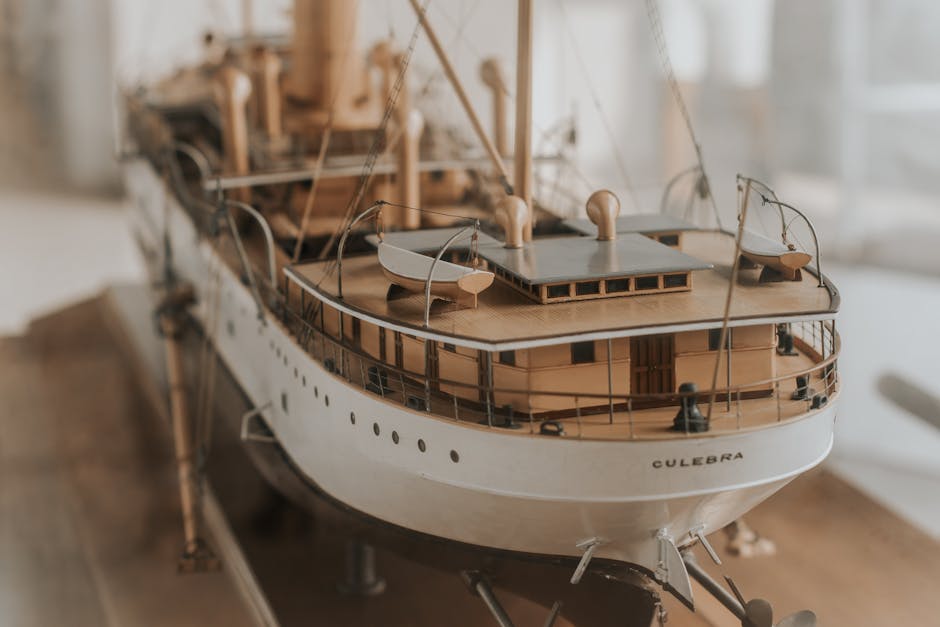
    Naval Museum Madrid — detailed wooden model ship
    The Naval Museum Madrid holds hundreds of historic ship models spanning 500 years.

    Table of Contents

    Naval Museum Madrid at a Glance

    • Address: Paseo del Prado 5, 28014 Madrid
    • Hours: Tuesday–Sunday 10am–7pm
    • Closed: Mondays plus major holidays
    • Admission: Free (€3 suggested donation)
    • Audio guide: €2
    • Average visit time: 90-120 minutes
    • Metro: Banco de España (Line 2) — 2-minute walk

    Must-See Artifacts at the Naval Museum Madrid

    Naval Museum Madrid — model ship with miniature sailors
    Detailed model ships with miniature sailors are among the Naval Museum Madrid’s most beloved exhibits.

    1. The Juan de la Cosa Map (1500)

    The Naval Museum Madrid’s single most important artifact — and arguably one of the most important maps in world history. Drawn by Juan de la Cosa, who sailed with Columbus on his second voyage, this is the first surviving European map to depict any part of the Americas. The map shows the Caribbean and the eastern coast of South America. A masterpiece of cartography and a foundational document of the modern world.

    2. Columbus and Magellan Navigational Instruments

    Astrolabes, quadrants, and other navigational instruments from the Age of Discovery — including pieces directly attributed to or contemporary with Columbus and Magellan’s voyages.

    3. Historic Ship Models

    Hundreds of ship models from the 16th to 20th centuries — Spanish galleons, frigates, ships of the line, modern warships. Many are extraordinarily detailed, with miniature sailors and equipment.

    4. Battle of Trafalgar Artifacts

    Items from the 1805 battle in which the Spanish-French fleet was defeated by Nelson — including weapons and personal artifacts of Admiral Federico Gravina.

    5. Naval Weapons and Cannons

    Beautifully preserved 16th-19th century naval cannons, swords, and firearms — many with intricate engravings showing royal emblems.

    6. Spanish Empire Maps

    16th-18th century maps showing the Spanish empire at various stages — including charts used for treasure-fleet voyages, military expeditions, and trade.

    A Brief History of the Naval Museum Madrid

    Founded in 1843 by royal decree as the historical archive of the Spanish Navy, the Naval Museum Madrid moved to its current 1932 building on Paseo del Prado in the 20th century. The collection grew as the Spanish Navy contributed objects from decommissioned ships, naval academies, and government archives. Today the museum holds approximately 11,000 artifacts including 700+ ship models, 1,000+ navigational instruments, hundreds of paintings depicting naval scenes, and primary documents from the Age of Discovery onward.

    Practical Tips for the Naval Museum Madrid

    • Bring photo ID: Required for entry (yes, even though admission is free).
    • Free admission with €3 suggested donation: Cash or card; entirely optional.
    • Audio guide is excellent: €2 — well worth it given the highly specialized content.
    • Combine with the Prado: 5-minute walk; perfect afternoon pairing.
    • Allow 90-120 minutes: The collection is dense.
    • Photography permitted: No flash; tripods prohibited.
    • Closed Mondays: Plan around this.
    • Family-friendly: Older children fascinated by ships and naval history especially enjoy it.
    • Wheelchair accessible: Yes throughout.

    Naval Museum Madrid FAQs

    Is the Naval Museum Madrid free?

    Yes — admission is free with a €3 suggested donation (entirely optional). Photo ID is required for entry.

    Where is the Naval Museum Madrid?

    Paseo del Prado 5, just two blocks from the Prado Museum and the Westin Palace hotel. 2-minute walk from Banco de España metro (Line 2).

    When is the Naval Museum Madrid open?

    Tuesday–Sunday 10am–7pm. Closed Mondays plus major holidays.

    Is the Naval Museum Madrid worth visiting?

    Yes, especially for visitors interested in Spanish history, the Age of Discovery, or maritime history. The Juan de la Cosa map alone justifies the visit. With free admission, it’s one of Madrid’s best cultural value propositions.

    How long should I spend at the Naval Museum Madrid?

    90-120 minutes for a thorough visit. Less if you focus only on the highlights.

    Is the Naval Museum Madrid kid-friendly?

    Yes — older children fascinated by ships, sailors, and naval history enjoy it greatly. Free under-18s. The detailed ship models particularly appeal to kids.

    Can I take photos at the Naval Museum Madrid?

    Yes, no flash. Tripods not permitted.

    What other museums should I combine with the Naval Museum Madrid?

    The Prado is 5 minutes away — perfect pairing. The Thyssen-Bornemisza is across the street. See our Golden Triangle Madrid museums guide.

    Background and Heritage

    The Museo Naval de Madrid documents five centuries of Spanish maritime history — a story that includes the Reconquista naval campaigns, the New World expeditions of Columbus and Magellan, the Spanish Armada, the Pacific exploration of the 18th century, the Trafalgar disaster of 1805, and the loss of the last colonies in 1898. The museum was founded in 1843 by royal decree and has occupied its current building on Paseo del Prado (the former Ministry of the Navy headquarters) since 1932. The Naval Museum Madrid holds approximately 10,000 objects, with about 1,000 on permanent display across 24 themed rooms. Highlights include the Mappa Mundi of Juan de la Cosa (1500) — the oldest surviving map showing the Americas, drawn by Columbus’s navigator on his second voyage; the Astrolabe of Christopher Columbus; ship models ranging from 16th-century galleons to 21st-century frigates; original navigational instruments from the Magellan-Elcano circumnavigation (1519-22); and extensive paintings depicting Spanish naval engagements. Admission is free (suggested €3 donation), making the Naval Museum Madrid one of the city’s best-value cultural visits.

    Must-See Objects at the Naval Museum Madrid

    • Mappa Mundi of Juan de la Cosa (1500): The oldest surviving cartographic depiction of the Americas, drawn on cowhide by Columbus’s navigator. Centerpiece of the museum.
    • Astrolabe attributed to Christopher Columbus: Late-15th century; one of the few surviving navigational instruments of the period.
    • Ship model collection: 16th-19th century scale models including the Real (Spanish flagship at Lepanto), the Santísima Trinidad (lost at Trafalgar), and various galleons.
    • Magellan-Elcano expedition relics: Navigational instruments and reconstructed maps from the first circumnavigation.
    • Trafalgar room: Battle paintings, captured British flags, cannon fragments.
    • Pacific exploration gallery: Malaspina expedition (1789-94) — naturalist drawings, ethnographic objects.
    • Naval uniforms collection: 17th-20th century Spanish naval dress.

    Visiting the Naval Museum Madrid

    • Address: Paseo del Prado, 5 (next to Plaza de Cibeles, opposite the Thyssen).
    • Metro: Banco de España (Line 2) — 3-min walk.
    • Hours: Tue-Sun 10:00-19:00; Mon closed.
    • Admission: Free (€3 donation suggested).
    • Time required: 60-90 minutes.
    • Photography: Permitted without flash.
    • Children: Excellent for kids interested in ships and exploration; many large ship models at child eye-level.

    Combine the Naval Museum Madrid with the Golden Triangle

    The Naval Museum sits opposite the Thyssen-Bornemisza on the Paseo del Prado. Easy combination with Golden Triangle visits:

    • 10:00-12:00: Thyssen-Bornemisza.
    • 12:00-13:30: Naval Museum Madrid (across the street).
    • 13:30-15:00: Lunch at Estado Puro or Café Murillo.
    • 15:00-18:00: Prado Museum.
    • 18:00-19:00: Free Prado evening hours, or Retiro Park stroll.

    The Naval Museum Madrid Is Always Free

    Admission is free year-round (€3 donation suggested at entry). One of the best free cultural visits in central Madrid — pair with a Thyssen visit for an art-and-history combination.

    Naval Museum Madrid vs. Other European Maritime Museums

    vs. National Maritime Museum (Greenwich, London): Greenwich is larger and has unrivaled British naval collections. Madrid is more focused on Spanish exploration and the Age of Discovery — the Juan de la Cosa map alone is a singular treasure.

    vs. Marine Museum (Lisbon): Both excellent for Iberian Age of Discovery. Lisbon has stronger Portuguese imperial holdings; Madrid has the deeper New World ethnographic objects.

    For Madrid visitors: Free, central, 60-90 minutes — easy yes for any traveler interested in history or exploration.

    Where to Eat Near the Naval Museum Madrid

    • Estado Puro (Plaza Cánovas del Castillo): Modern tapas — same building.
    • Casa González (Calle León): Historic deli and wine shop; perfect for a quick tapa.
    • El Brillante (Atocha): Bocadillo de calamares; 10-min walk.
    • NuBel (Reina Sofía rooftop): Modern Spanish; 10-min walk.
    • Mallorca (Calle Bravo Murillo): Historic pastry shop; 5-min walk.

    More Naval Museum Questions

    Is the Naval Museum Madrid free?

    Yes — €3 donation suggested but not required. One of central Madrid’s best free museum visits.

    How long do I need at the Naval Museum Madrid?

    60-90 minutes for full visit. With audio guide or detailed reading, allow 2 hours.

    Is the Naval Museum Madrid family-friendly?

    Excellent for children — large ship models, navigational instruments, and exploration stories engage kids 6+.

    Can I see the Juan de la Cosa map?

    Yes — on permanent display, the museum’s centerpiece. Special low-light room to preserve the 1500 cowhide.

    When is the Naval Museum Madrid closed?

    Mondays year-round; January 1, January 6, May 1, December 24-25, December 31, August (some years; confirm for August dates).

    Official Resources

    Plan Your Visit

    The Naval Museum Madrid is an underrated free cultural experience — 90 minutes of Spanish maritime history, including the world’s most important early Americas map, all two blocks from the Prado. Combine with a Golden Triangle museum visit for a complete Paseo del Prado afternoon.

  • Museum of America Madrid: Best Visitor Guide 2026

    Museum of America Madrid: Best Visitor Guide 2026

    The Museum of America Madrid is one of the city’s most underrated cultural attractions — a national museum dedicated to the art, archaeology, and ethnography of the Americas, with collections spanning from pre-Columbian civilizations through Spanish colonial art to ethnographic objects from indigenous peoples across the Americas. The Museum of America Madrid (Museo de América) holds Spain’s largest single collection of pre-Columbian art outside the source countries, with works from Maya, Aztec, Inca, Zapotec, and other civilizations. This guide covers tickets, hours, must-see works, and how to plan a Museum of America Madrid visit — particularly relevant for travelers interested in colonial Spanish history and the cultures Spain encountered in the New World.

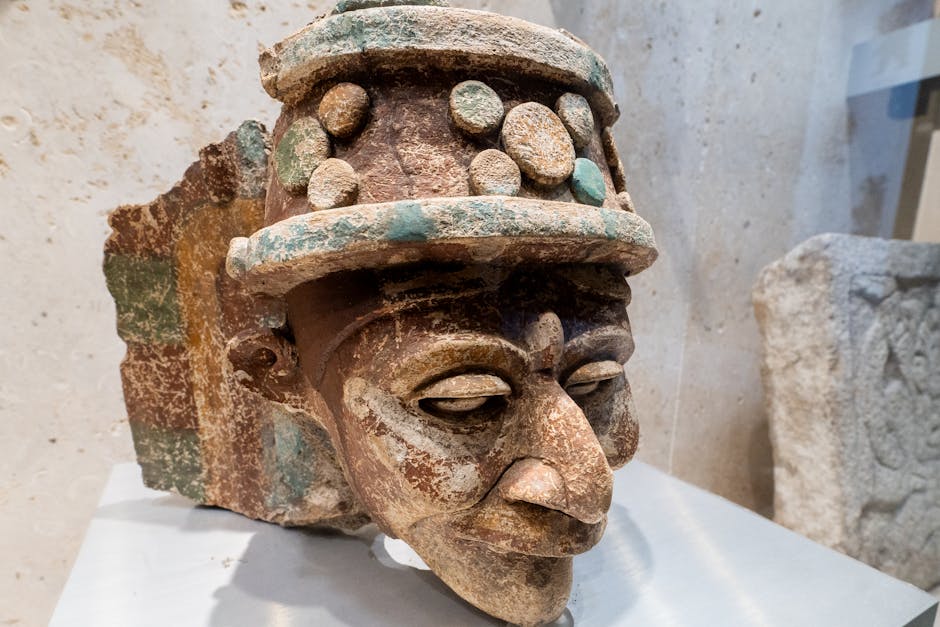
    Museum of America Madrid — ancient Mayan stone sculpture
    The Museum of America Madrid holds Spain’s largest pre-Columbian collection.

    Table of Contents

    Museum of America Madrid at a Glance

    • Address: Avenida de los Reyes Católicos 6, 28040 Madrid (Moncloa-Aravaca district, near Plaza de España)
    • Hours: Tuesday–Saturday 9:30am–3pm (Thursdays until 7pm); Sunday and holidays 10am–3pm
    • Closed: Mondays plus several holidays
    • Standard ticket: €3
    • Reduced: €1.50
    • Free: Sundays, Saturday afternoons, May 18, October 12, December 6, plus permanent free for under-18s and EU students
    • Audio guide: €4
    • Average visit time: 90-120 minutes
    • Metro: Moncloa (Lines 3, 6) — 5-minute walk

    What You’ll See at the Museum of America Madrid

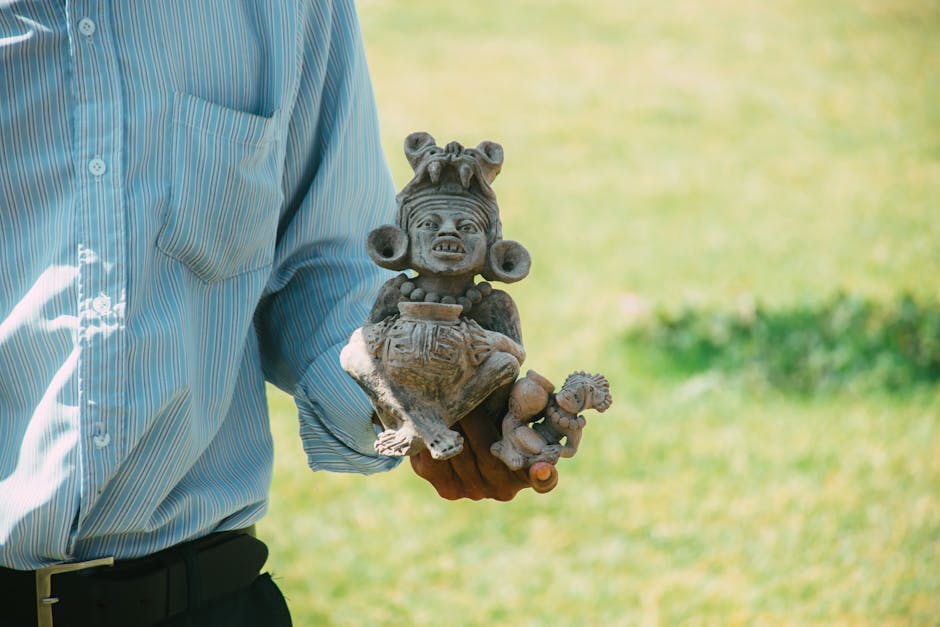
    Museum of America Madrid — Zapotec pre-Columbian figurine
    The Museum of America Madrid features pre-Columbian artifacts from Mesoamerica and the Andes.

    The Museum of America Madrid is organized thematically across two floors:

    First Floor: Knowledge of America

    How Spaniards encountered, mapped, and represented the Americas. Includes early colonial maps, conquistador-era manuscripts, scientific drawings of New World flora and fauna, and the famous “Treasure of the Quimbayas” (extraordinary gold-work).

    Second Floor: The Reality of America

    Pre-Columbian and indigenous American art organized by theme rather than chronology — society, communication, religion. Includes Mesoamerican (Maya, Aztec, Olmec) and Andean (Inca, Moche, Chimú) collections.

    Must-See Works at the Museum of America Madrid

    1. Treasure of the Quimbayas

    122 pieces of gold-work from the pre-Columbian Quimbaya culture (modern-day Colombia). Donated to Spain in 1893, these are among the museum’s most spectacular holdings — exquisite craftsmanship, intricate iconography. The current ownership is contested by Colombia, but the works remain in Madrid.

    2. Tudela Codex

    One of the most important surviving pre-Hispanic Mexican manuscripts — a 16th-century painted codex documenting Aztec religious calendars, customs, and beliefs. Rare survival from the early colonial period when most pre-Hispanic codices were destroyed.

    3. Mayan Stelae

    Carved stone monuments from Maya cities including Yaxchilán and Quiriguá — covered in glyphs and figures depicting royal rituals.

    4. Andean Ceramics and Textiles

    The Moche, Chimú, and Inca pottery and woven textiles show extraordinary technical skill — particularly the Moche portrait vessels and Paracas embroidered textiles.

    5. Spanish Colonial Painting

    Colonial-era painting from Mexico, Peru, and elsewhere — including casta paintings (depicting racial mixing), religious works, and viceregal portraits. A rare large collection of colonial Spanish American art.

    6. Native American Ethnographic Objects

    Objects from indigenous peoples across the Americas — feather work, ritual masks, weapons, ceremonial costumes — collected from the 16th to 20th centuries.

    Tickets and Hours

    • Standard: €3
    • Reduced: €1.50
    • Free entries: Sundays, Saturday after 2pm, May 18, October 12, November 9, December 6, plus first Sunday of every month — and permanent free for under-18s and EU students under 25
    • Buy: At door or online

    Practical Tips for the Museum of America Madrid

    • Combine with nearby attractions: Templo de Debod is a 10-minute walk; Faro de Moncloa observation tower is across the street.
    • Allow 90-120 minutes: The collection is dense and rewards focused attention.
    • Audio guide is excellent: €4 — many objects have minimal English signage, so audio guides help significantly.
    • Photography permitted: No flash; tripod prohibited.
    • Less-crowded museum: Even on weekends rarely as busy as the Prado or Reina Sofía.
    • Closed Mondays: Plan around this.
    • Wheelchair accessible: Yes.
    • Spanish history context: For visitors interested in Spanish colonial history, see our Madrid history and architecture guide.

    Museum of America Madrid FAQs

    Is the Museum of America Madrid worth visiting?

    Yes for visitors interested in pre-Columbian art, Spanish colonial history, or anthropology — Spain’s largest pre-Columbian collection plus colonial Spanish American art makes this a unique cultural experience. Less essential for first-time Madrid visitors who haven’t yet seen the Prado or Reina Sofía.

    How much does the Museum of America Madrid cost?

    €3 standard. Free Sundays, Saturday afternoons, and on May 18, October 12, and December 6.

    When is the Museum of America Madrid open?

    Tue–Sat 9:30am–3pm (Thursday until 7pm); Sunday 10am–3pm. Closed Mondays.

    How long should I spend at the Museum of America Madrid?

    90-120 minutes for a thorough visit. Allow more time if you’re particularly interested in pre-Columbian or colonial art.

    Is the Museum of America Madrid family-friendly?

    Yes for older children (8+). The pre-Columbian artifacts (Mayan stelae, Inca pottery, gold-work) often hold attention well. Free for under-18s.

    What’s the most important work at the Museum of America Madrid?

    The Treasure of the Quimbayas (122 pieces of pre-Columbian Colombian goldwork) is widely considered the museum’s most spectacular holding. The Tudela Codex is the most historically important.

    Where is the Museum of America Madrid?

    Avenida de los Reyes Católicos 6, in the Moncloa-Aravaca district. 5-minute walk from Moncloa metro (Lines 3, 6). 10-minute walk from Templo de Debod.

    What other museums should I combine with the Museum of America Madrid?

    The Museo Cerralbo (15-minute walk; preserved aristocratic mansion) and Museo del Traje (Costume Museum, 10-minute walk) make excellent same-day combinations. All three are smaller museums in the Moncloa area.

    Background and Heritage

    The Museo de América Madrid houses Spain’s national collection of pre-Columbian, colonial, and ethnographic art from the Americas — accumulated over five centuries of Spanish colonial presence in the New World (1492-1898). The collection’s deepest holdings come from three sources: 16th-17th century Spanish royal collections (objects sent by viceroys and conquistadors as tribute or gifts), the late-18th century scientific expeditions of Carlos III (Mutis to Colombia, Malaspina around the world), and 19th-20th century archaeological expeditions to Mexico, Guatemala, and Peru. The museum opened in 1965 in a purpose-built modernist complex designed by Luis Martínez Feduchi and Luis Moya. Highlights span the Tudela Codex (a rare 16th-century Aztec illustrated manuscript), the Treasure of the Quimbayas (a collection of pre-Columbian Colombian gold artifacts gifted to Spain in 1893), Mayan carved stone reliefs from Yaxchilán, Inca textiles, Andean silverwork, and one of the world’s finest collections of Spanish colonial casta paintings (18th-century Mexican depictions of mixed-race social hierarchies). The Museum of America Madrid is one of the world’s most important resources for studying pre-Columbian and colonial American material culture.

    Must-See Objects at the Museum of America Madrid

    • Tudela Codex (16th century): Aztec ritual calendar and ethnographic manuscript; one of about 20 surviving pre-conquest-style codices anywhere.
    • Treasure of the Quimbayas: 122 pre-Columbian gold objects from western Colombia (c. 600-1100 AD); donated to Spain by Colombia in 1893.
    • Mayan stone reliefs from Yaxchilán: 8th-century carved limestone door lintels — among the masterpieces of Mayan figurative art.
    • Mochica ceramics from Peru: 1st-7th century AD portrait vessels; the most expressive pre-Columbian portraiture.
    • Casta paintings collection: 18th-century Mexican racial-hierarchy paintings — controversial but historically essential.
    • Inca quipus: Knotted-cord recording devices; rare survivals.
    • Aztec featherwork: Including ceremonial headdresses.
    • Spanish colonial silverware: 17th-18th century Bolivian and Peruvian silver objects.

    Visiting the Museum of America Madrid

    • Address: Avenida de los Reyes Católicos, 6 (Moncloa district, west of central Madrid).
    • Metro: Moncloa (Lines 3 and 6) — 5-min walk.
    • Hours: Tue-Wed 9:30-15:00; Thu 9:30-19:00; Fri-Sat 9:30-15:00; Sun 10:00-15:00; Mon closed.
    • Admission: €3 regular; free Thu 16:00-19:00 and Sun 10:00-15:00.
    • Time required: 2-3 hours for full visit.
    • Photography: Permitted without flash.
    • Children: Family activities on weekends; engaging for older children.

    Combine the Museum of America Madrid with the Faro de Moncloa

    The Museum of America sits next to the Faro de Moncloa observation tower (110m, panoramic Madrid views). Half-day combo:

    • 10:00-12:30: Museum of America Madrid (2.5 hours).
    • 12:30-13:00: Faro de Moncloa observation deck (€3; 360° views).
    • 13:00-14:30: Lunch at Casa Mingo (asturian cider house) or one of Argüelles’s many tapas bars.
    • 14:30-17:00: Walk through Parque del Oeste (rose garden in May-June) to the Templo de Debod.
    • 17:00-18:30: Templo de Debod (free) — the Egyptian temple gifted by Egypt to Spain in 1968.

    Visit the Museum of America Madrid for Free

    Free admission Thursday 16:00-19:00 and Sunday 10:00-15:00. Always free for under-18, over-65, EU students with ID.

    Sunday morning is usually quiet; Thursday late afternoon attracts more local visitors.

    Museum of America Madrid vs. Other Pre-Columbian Collections

    vs. National Museum of Anthropology, Mexico City: Mexico City is far larger and the global benchmark for Mesoamerican art. Madrid is a strong specialized collection focused on objects historically removed by Spain.

    vs. British Museum (London) and Quai Branly (Paris): Madrid has narrower focus (Americas only) but excellent depth in Spanish colonial material — the casta paintings collection is unmatched.

    For Madrid visitors interested in non-European art: The Museum of America Madrid is the city’s premier resource — and surprisingly underrated.

    Where to Eat Near the Museum of America Madrid

    • Casa Mingo (Paseo de la Florida): Asturian cider house since 1888; roast chicken and cabrales cheese.
    • Bodegas Cervantes (Argüelles): Old-school taverna with cocido madrileño.
    • El Doble (Calle Ponzano): Modern tapas; 15-min walk.
    • Casa Mortero: Modern Spanish in Argüelles; popular with locals.
    • Mercado de Argüelles: Local food market for cheap quick eats.

    More Museum of America Questions

    Is the Museum of America Madrid worth visiting?

    Yes for travelers interested in pre-Columbian, Mesoamerican, or Spanish colonial history. The collection is among Europe’s best for these topics. Less essential for visitors prioritizing European Old Masters.

    How long do I need?

    2-3 hours for full visit across both floors. Allow 3+ hours if reading all interpretive panels.

    Is the Museum of America Madrid family-friendly?

    Yes — engaging for children 8+. Weekend family workshops; the colorful pre-Columbian objects appeal to younger viewers.

    Can I take photos at the Museum of America Madrid?

    Yes — without flash. Selfie sticks prohibited.

    When is the Museum of America Madrid closed?

    Mondays year-round; January 1, January 6, May 1, December 24-25, December 31.

    Official Resources

    Plan Your Visit

    The Museum of America Madrid is the right choice for travelers wanting a different angle on Spain’s history — the Americas Spain encountered, conquered, and shaped over 400 years of colonial rule. €3 admission, less-crowded galleries, and Spain’s deepest pre-Columbian holdings make it one of Madrid’s most distinctive cultural experiences.

  • Lázaro Galdiano Museum Madrid: Best Hidden Gem Guide 2026

    Lázaro Galdiano Museum Madrid: Best Hidden Gem Guide 2026

    The Lázaro Galdiano Museum Madrid is the city’s most extraordinary “hidden gem” cultural attraction — a private mansion in upscale Salamanca containing 12,000+ artworks assembled over a lifetime by 19th-century financier and bibliophile José Lázaro Galdiano (1862–1947). The Lázaro Galdiano Museum Madrid spans medieval reliquaries, Renaissance jewelry, Spanish Old Master paintings (including Goya, Bosch, and El Greco), Italian Renaissance paintings, English portraits, and an exceptional collection of decorative arts. Most travelers haven’t heard of it; those who go often call it Madrid’s most surprising cultural experience. This guide covers tickets, hours, must-see works, and how to plan a Lázaro Galdiano Museum Madrid visit.

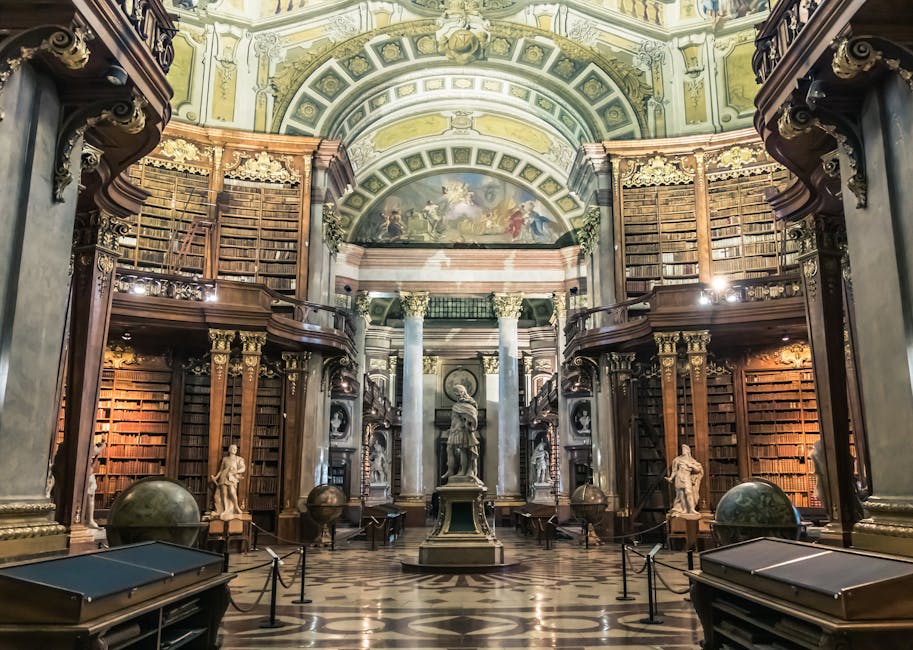
    Lázaro Galdiano Museum Madrid — ornate historic library interior
    The Lázaro Galdiano Museum Madrid preserves a private collector’s mansion exactly as he left it.

    Table of Contents

    Lázaro Galdiano Museum Madrid at a Glance

    • Address: Calle de Serrano 122, 28006 Madrid (Salamanca district)
    • Hours: Tuesday–Saturday 9:30am–3pm; Sunday 10am–3pm
    • Closed: Mondays, January 1, May 1, December 24, 25, 31
    • Standard ticket: €7
    • Reduced: €4 (students, EU seniors)
    • Free: Last hour daily; under-18s; EU students under 25; on May 18 and other dates
    • Audio guide: €3
    • Average visit time: 90-120 minutes
    • Metro: Gregorio Marañón (Lines 7, 10) or Núñez de Balboa (Lines 5, 9)

    Who Was Lázaro Galdiano?

    José Lázaro Galdiano (1862–1947) was a self-made Madrid financier, publisher, and one of the great private art collectors of his era. From his teens he obsessively collected European art, manuscripts, and decorative objects, traveling annually to Paris, London, Rome, and Vienna to acquire pieces. By the time of his death he had assembled 12,000+ artworks ranging from medieval enamels to 19th-century English portraits. His widow donated the entire collection and the Salamanca mansion to the Spanish state in 1947, opening as a public museum in 1951.

    The Lázaro Galdiano Museum Madrid preserves the original house exactly as he left it — visitors walk through period rooms with the collector’s furniture, decoration, and paintings still in their original arrangement.

    Must-See Works at the Lázaro Galdiano Museum Madrid

    Lázaro Galdiano Museum Madrid — Renaissance gallery sculpture
    The Lázaro Galdiano Museum Madrid spans medieval to 19th-century European fine and decorative arts.

    1. Goya — Multiple Masterpieces

    The Lázaro Galdiano Museum Madrid holds one of the world’s strongest private Goya collections — including “The Witches’ Sabbath” (1798), “El Aquelarre,” and several portraits. The Goya rooms alone justify the visit.

    2. Hieronymus Bosch — Saint John the Baptist

    One of only ~25 confirmed Bosch paintings in the world. The Lázaro Galdiano holding is intimate and fine, complementing the Prado’s larger Bosch works.

    3. El Greco — Saint Francis

    One of multiple El Greco depictions of Saint Francis — the elongated figure and dramatic light typical of his late style.

    4. Reynolds, Gainsborough, and English Portraits

    The Lázaro Galdiano Museum Madrid has a surprisingly strong English 18th-century portrait collection — including works by Reynolds, Gainsborough, and Lawrence. Rare in Spain.

    5. Italian Renaissance — Bramantino and others

    The Italian Renaissance gallery includes Bramantino, Giovanni Bellini, and the famous “Saviour” attributed to Leonardo’s circle.

    6. Medieval Reliquaries and Ivory Works

    Some of Spain’s finest medieval enamels, reliquary crosses, and Byzantine ivories — religious objects that survived centuries of devotional use.

    7. Renaissance Jewelry

    The jewelry collection is exceptional — Renaissance pendants, rings, and ornaments showing extraordinary craftsmanship. Few comparable collections in Europe.

    8. The Period Rooms Themselves

    The mansion is preserved as a period home with original furniture, ceiling frescoes, and decoration. The library, the chinoiserie room, and the master suite all show how a wealthy 19th-century Madrid collector actually lived.

    Tickets and Hours

    • Standard: €7
    • Reduced: €4 (EU students, seniors)
    • Free: Last hour daily, under-18s, EU students under 25, May 18, October 12, December 6
    • Free hours: Last hour every open day (so 2pm–3pm Tue–Sat; Sundays 2pm–3pm)
    • Online: museolazarogaldiano.es
    • Allow: 90-120 minutes for a thorough visit

    Practical Tips for the Lázaro Galdiano Museum Madrid

    • Photography permitted: No flash; tripod not allowed.
    • Audio guide is excellent: €3, in 8 languages; helps navigate the eclectic collection.
    • Combine with Sorolla Museum: 15-minute walk between the two — perfect “small museums afternoon” pairing.
    • Combine with Salamanca shopping: Calle Serrano luxury shopping is 5 minutes south. See our Madrid shopping guide.
    • Best times: Tuesday–Friday morning. Avoid Saturday afternoons during free hours.
    • Closed Mondays: Plan around this.
    • Garden: Small but pleasant — accessible during museum hours.
    • Wheelchair accessible: Yes throughout.

    Lázaro Galdiano Museum Madrid FAQs

    Is the Lázaro Galdiano Museum Madrid worth visiting?

    Yes — for art lovers especially, it’s one of Madrid’s most rewarding cultural experiences. The combination of high-quality paintings, decorative arts, and the preserved mansion creates an intimate experience the bigger museums can’t match.
    How much does the Lázaro Galdiano Museum Madrid cost?

    €7 standard. Free during the last hour daily, plus on May 18, October 12, and December 6. Free for under-18s and EU students under 25 anytime.

    When is the Lázaro Galdiano Museum Madrid open?

    Tuesday–Saturday 9:30am–3pm; Sunday 10am–3pm. Closed Mondays.

    How long should I spend at the Lázaro Galdiano Museum Madrid?

    90-120 minutes. The collection is large and eclectic; rushing through misses the depth.

    What’s the best work in the Lázaro Galdiano Museum Madrid?

    The Goya holdings — particularly “The Witches’ Sabbath” — are widely considered the strongest single attraction. The Bosch and El Greco are also major.

    Is the museum kid-friendly?

    For older children (10+) interested in art, yes. The eclectic collection (jewelry, weapons, religious objects) often holds attention longer than a pure painting museum. Free under 18.

    Should I combine the Lázaro Galdiano with the Sorolla?

    Absolutely — the two museums are 15 minutes’ walk apart and complement each other perfectly. Both are smaller intimate alternatives to the Golden Triangle Madrid museums; together they make an excellent half-day.

    Where should I eat near the Lázaro Galdiano?

    The Salamanca neighborhood has excellent options. Mercado de la Paz (5-min walk) for the famous Casa Dani tortilla. La Castela for traditional Madrid tapas. Hotel Único’s Ramón Freixa Madrid (2 Michelin stars) for fine dining. See our Madrid food guide.

    Background and Heritage

    The Museo Lázaro Galdiano is the personal art collection of José Lázaro Galdiano (1862-1947), a wealthy publisher, financier, and art editor who assembled one of Spain’s most extraordinary private collections during the late 19th and early 20th centuries. Galdiano made his fortune publishing the influential cultural magazine “La España Moderna” (founded 1889) and through banking ventures. He bought voraciously: medieval ivories, Limoges enamels, Italian and Flemish Renaissance paintings, Spanish masters (El Greco, Goya, Velázquez, Zurbarán), English portraiture (Reynolds, Gainsborough, Constable), 18th-century French furniture, and decorative arts ranging from medieval reliquaries to 17th-century goldsmith work. Galdiano lived with the collection in his Italianate mansion on Calle Serrano (built 1903-09), the Parque Florido, and at his death bequeathed the entire estate to the Spanish state. The museum opened to the public in 1951 and has been continuously expanded. Today the Lázaro Galdiano Museum Madrid holds approximately 12,600 objects, with about 5,000 on permanent display across four floors of the original Galdiano mansion. Highlights include Bosch’s “Saint John the Baptist,” Goya’s “Witches’ Sabbath,” Constable’s “Field of Wheat,” and exquisite Renaissance enamels.

    Must-See Works at the Lázaro Galdiano Museum Madrid

    • Saint John the Baptist in Meditation by Hieronymus Bosch (c. 1490) — surrealist landscape decades before Surrealism existed.
    • Witches’ Sabbath (El Aquelarre) by Francisco de Goya (1798) — early version of the dark themes that culminate in the Black Paintings.
    • The Saviour attributed to Leonardo da Vinci’s circle — disputed but striking.
    • Portrait of Cardinal Tavera by El Greco — one of the great Toledo portraits.
    • Constable’s Field of Wheat — major British landscape.
    • Reynolds’ Portrait of Lord Inchiquin — English Grand Manner.
    • Limoges enamel collection (12th-13th century): Reliquaries, crucifixes, altar pieces — Europe’s finest holdings outside Limoges itself.
    • Spanish armor and weaponry collection: Including a 16th-century Turkish saber.

    Visiting the Lázaro Galdiano Museum Madrid

    • Address: Calle de Serrano, 122 (north Salamanca district).
    • Metro: Rubén Darío (Line 5) or Gregorio Marañón (Line 7).
    • Hours: Tue-Sun 9:30-15:00 (last entry 14:30); Wed-Sat extended to 16:30.
    • Admission: €7 regular; free last hour daily and Sun 14:00-16:00.
    • Time required: 2-3 hours for full visit.
    • Photography: Permitted without flash.
    • Audio guide: €4; recommended given the collection’s depth.
    • Garden: Free during museum hours.

    Combine the Lázaro Galdiano Museum Madrid with Salamanca District

    The Lázaro Galdiano sits in the elegant Salamanca neighborhood — Madrid’s most upscale shopping district. Half-day combo:

    • 10:00-12:30: Lázaro Galdiano Museum (2.5 hours).
    • 12:30-13:30: Walk south on Calle Serrano (Madrid’s premier luxury shopping street).
    • 13:30-15:00: Lunch at Lakasa, Punto MX, or Estado Puro Salamanca.
    • 15:00-16:00: Museo Arqueológico Nacional (10-min walk south).
    • 16:00-18:00: Museo Arqueológico continued OR shopping in Calle Goya / Calle Velázquez.

    When the Lázaro Galdiano Museum Madrid Is Free

    Free admission during the last hour daily (typically 14:00-15:00 or 15:30-16:30 depending on day) and Sunday 14:00-16:00. Always free for under-18, over-65, and EU students with ID.

    Free last hour is rarely crowded — excellent value visit.

    Lázaro Galdiano Museum vs. Other Madrid Private Collections

    vs. Cerralbo Museum: Both are private mansion-collections of late 19th-century Spanish aristocrats. Cerralbo is more eclectic and personal; Lázaro Galdiano is broader and more art-historically significant.

    vs. Thyssen-Bornemisza: Both originated as private collections. Thyssen is far larger and has a stronger 20th-century component; Lázaro Galdiano excels in medieval-Renaissance decorative arts.

    vs. Sorolla Museum: Sorolla is artist-focused (one painter); Lázaro Galdiano is collector-focused (broad sweep).

    Where to Eat Near the Lázaro Galdiano Museum Madrid

    • Lakasa (chef César Martín): Modern Spanish; Michelin-recommended.
    • Punto MX: Mexican fine dining; Michelin-starred.
    • Estado Puro Salamanca: Modern tapas by Paco Roncero.
    • El Paraguas: Asturian fine dining since 2003.
    • Mercado de la Paz: Local food market; cheaper option for a quick lunch.

    More Lázaro Galdiano Museum Questions

    Is the Lázaro Galdiano Museum Madrid worth visiting?

    Yes for serious art enthusiasts — the Bosch Saint John alone is a revelation, and the Limoges enamel collection is world-class. Less essential for first-time visitors prioritizing the Golden Triangle.

    How long do I need at the Lázaro Galdiano?

    2-3 hours for full visit across all four floors. With the audio guide, allow 3+ hours.

    Is the Lázaro Galdiano accessible?

    Partially — elevator serves all floors, but some narrow gallery passages may be tight for wheelchairs. Call ahead for current access.

    Can I see the Goya Witches’ Sabbath?

    Yes — on permanent display in the Goya gallery. One of the museum’s most famous works.

    What’s the best time to visit Lázaro Galdiano?

    Tuesday-Friday mornings (10:00-12:00) for fewest visitors. Avoid weekends.

    Official Resources

    Plan Your Visit

    The Lázaro Galdiano Museum Madrid is exactly the kind of “hidden gem” travelers brag about discovering — a private mansion stuffed with Goyas, Boschs, El Grecos, and 12,000 other treasures, a 5-minute walk from Madrid’s premier shopping street, with the last hour daily free. €7 of the best cultural value Madrid offers.

  • Sorolla Museum Madrid: Best Visitor Guide 2026

    Sorolla Museum Madrid: Best Visitor Guide 2026

    The Sorolla Museum Madrid is one of the city’s most under-visited cultural treasures — the preserved home and studio of Joaquín Sorolla (1863–1923), Spain’s greatest Impressionist painter, in a quiet 19th-century mansion in Chamberí. The Sorolla Museum Madrid feels like stepping into the artist’s life: his easels and brushes still on the studio table, his Mediterranean-inspired Andalusian-style garden in bloom outside the windows, hundreds of his sun-saturated paintings hanging in the very rooms he designed for them. This guide covers everything you need for a Sorolla Museum Madrid visit: tickets, hours, the must-see paintings, the garden, the artist’s biography, and why this small museum is many art lovers’ favorite stop in Madrid.

    Sorolla Museum Madrid — Mediterranean courtyard with lush trees
    The Sorolla Museum Madrid garden was designed by the artist himself and features Andalusian and Italian elements.

    Table of Contents

    Sorolla Museum Madrid at a Glance

    • Address: Paseo del General Martínez Campos 37, 28010 Madrid (Chamberí)
    • Hours: Tuesday–Saturday 9:30am–8pm; Sunday 10am–3pm
    • Closed: Mondays, January 1, May 1, December 24, 25, 31, plus a few other holidays
    • Admission: €3 standard; free for under-18s, EU students under 25; free Saturdays after 2pm and Sunday mornings
    • Audio guide: €4 (available in English, Spanish, French, German, Italian)
    • Average visit time: 60-90 minutes
    • Metro: Iglesia (Line 1), Rubén Darío (Line 5), or Gregorio Marañón (Lines 7, 10)

    Who Was Joaquín Sorolla?

    Joaquín Sorolla (1863–1923) was Spain’s most important late-19th and early-20th-century painter — known internationally as the master of Mediterranean light. Born in Valencia and orphaned young, he rose to become one of the most commercially successful European painters of his time, exhibiting widely in Paris, London, and especially the United States, where his 1909 New York exhibition was a phenomenon. Sorolla’s signature subjects: Valencian beach scenes, fishermen, sun-dappled gardens, and Spanish family life. His painterly style — described as “luminism” — captures Mediterranean sunlight with extraordinary technical skill and emotional warmth.

    Sorolla designed and built this Madrid mansion in 1910 with the proceeds of his American success. He lived and worked here for the remaining 12 years of his life. His widow Clotilde donated the house and contents to the Spanish state in 1929, opening the Sorolla Museum Madrid in 1932.

    Must-See Paintings at the Sorolla Museum Madrid

    Sorolla Museum Madrid — charming Andalusian patio with traditional tiles
    Sorolla’s Andalusian-inspired interiors and garden create the museum’s distinctive atmosphere.

    1. Walk on the Beach (1909)

    Sorolla’s wife Clotilde and their daughter María walking on a Valencian beach in white dresses against the turquoise Mediterranean. Among Sorolla’s most famous compositions and a perfect introduction to his luminist style.

    2. Sad Inheritance! (1899)

    One of Sorolla’s most famous social paintings — disabled children bathing in the Mediterranean under the supervision of a monk. The painting won the Grand Prix at the 1900 Paris Universal Exhibition.

    3. The Studio

    The painter’s actual studio is preserved with his easels, palette, and brushes still in place. Walking through it feels like Sorolla just stepped out for a moment.

    4. Valencian Beach Scenes

    Multiple paintings of fishermen, oxen pulling boats, children playing in the surf, and women in white walking along the shore — Sorolla’s signature subject. Among the world’s most extraordinary depictions of beach life and sunlight.

    5. Portraits of His Family

    Sorolla painted his wife Clotilde, daughter María, and son Joaquín dozens of times. The intimacy of these family portraits — viewed in the very rooms they lived in — is one of the museum’s distinctive pleasures.

    6. Vision of Spain (Reproductions)

    Sorolla’s most ambitious project — 14 enormous regional panels commissioned by Archer Huntington for the Hispanic Society of America in New York. The originals are in NYC; the Sorolla Museum Madrid has high-quality reproductions and his preparatory studies.

    The House and Garden of the Sorolla Museum Madrid

    The 1910 house Sorolla designed for himself is a masterpiece in its own right — combining Andalusian, Mediterranean, and modernist elements with the artist’s personal taste:

    • The garden: Three connected garden rooms, each in a different style — an Italian-inspired courtyard with cypresses, an Andalusian patio with tile fountains and citrus trees, and a French formal garden. Designed by Sorolla himself based on his travels.
    • The studio: The largest room in the house, north-light oriented, with the artist’s painting equipment preserved.
    • The dining room: Decorated with original Andalusian tile work and family portraits.
    • The library: Contains Sorolla’s personal book collection and photographs.
    • The gallery rooms: Where Sorolla displayed his finished paintings — also where his major works hang today.

    The garden alone justifies a 30-minute visit, especially in spring when the wisteria and citrus blossom.

    Sorolla Museum Madrid Tickets and Hours

    • Standard ticket: €3
    • Reduced: €1.50 (students, EU seniors)
    • Free: Under-18s, EU students under 25, on May 18 and a few other dates
    • Free hours: Saturdays after 2pm and Sunday 10am–3pm
    • Where to buy: At the door or online at culturaydeporte.gob.es (Ministry of Culture site)
    • Hours: Tue–Sat 9:30am–8pm; Sun 10am–3pm; closed Mondays

    Practical Tips for the Sorolla Museum Madrid

    • Allow 60-90 minutes: Smaller than the major museums; perfect for a focused visit.
    • Audio guide is excellent: €4 — covers the artist’s life, technique, and the house architecture.
    • Photography permitted: No flash; tripod prohibited.
    • Combine with Chamberí: After the museum, walk 10 minutes south to Plaza Olavide for excellent neighborhood cafés and lunch spots.
    • Best day to visit: Tuesday–Friday morning for fewest crowds. Avoid Sunday morning free slot if you want a quieter experience.
    • Spring is ideal: April–May the gardens are at their most beautiful with wisteria and citrus in bloom.
    • Wheelchair accessible: Yes — ramps and elevators throughout the house.
    • Combine with Lázaro Galdiano: Both small museums are in the same Chamberí/Salamanca area; perfect pairing for an afternoon.

    Sorolla Museum Madrid FAQs

    Is the Sorolla Museum Madrid worth visiting?

    Yes — for many art lovers it’s their favorite Madrid museum. The combination of Sorolla’s extraordinary luminist paintings, the preserved house, and the beautiful gardens creates an intimate cultural experience the bigger museums can’t match.

    How much does the Sorolla Museum Madrid cost?

    €3 standard; €1.50 reduced. Free Saturday afternoons (after 2pm) and Sunday mornings. Free permanent for under-18s.

    When is the Sorolla Museum Madrid open?

    Tuesday–Saturday 9:30am–8pm; Sunday 10am–3pm. Closed Mondays plus major holidays.

    How long should I spend at the Sorolla Museum Madrid?

    60-90 minutes is comfortable. Allow more time if you want to linger in the gardens.

    Can I take photos at the Sorolla Museum Madrid?

    Yes, no flash. Tripods are not permitted.

    What other museums should I combine with the Sorolla?

    Lázaro Galdiano (15-min walk) for another small private-collection museum experience. Or pair with the Museo Cerralbo or Museo del Romanticismo for a “small museums” day. See our Madrid museums guide.

    Does the Sorolla Museum Madrid have a café?

    No on-site café, but the surrounding Chamberí neighborhood has many excellent options — Plaza Olavide and Calle Gonzalo de Córdoba have great cafés and lunch spots within 10 minutes’ walk.

    Is the museum kid-friendly?

    Older children (10+) often appreciate the museum, especially the studio and gardens. Younger kids may find the focused painting display less engaging. Free under 18 — try a 30-minute visit and see how it goes.

    Background and Heritage

    The Museo Sorolla occupies the actual home and studio of Joaquín Sorolla y Bastida (1863-1923), Spain’s foremost Impressionist and “painter of light.” Sorolla designed the Andalusian-style house himself in 1910-11 with architect Enrique María Repullés, intending it from the start as both his family home and his eventual museum. After Sorolla’s stroke in 1920 and death in 1923, his widow Clotilde García del Castillo donated the entire complex — house, studio, gardens, and collection — to the Spanish state. The museum opened in 1932 and has been continuously operating since. Sorolla painted approximately 2,000 canvases over his career; the museum holds about 1,200, with 250 typically on display. His subjects ranged from Valencian beach scenes (the famous “Children at the Beach” type), to society portraits, to massive ethnographic murals (the Hispanic Society of America commission, 1911-19). The Museo Sorolla offers visitors the rare experience of seeing major works in the very rooms where they were painted, with the artist’s brushes and palette still on the easel — among the most intimate artist-house museums in Europe. The Sorolla Museum Madrid is one of the city’s most underrated gems.

    Must-See Paintings at the Sorolla Museum Madrid

    • Strolling Along the Seashore (Paseo a Orillas del Mar, 1909): Sorolla’s wife Clotilde and daughter María on a Valencia beach, white parasols against luminous sea — the masterpiece. Studio room.
    • Sad Inheritance! (Triste Herencia, 1899): Polio-stricken children at the Valencia shore — Sorolla’s social-realist breakthrough; won Grand Prix at the 1900 Paris Universal Exposition.
    • The Pink Robe (La Bata Rosa, 1916): Sorolla’s daughter María in a pink kimono — quintessential late-period portraiture.
    • Clotilde with Marble (Clotilde con la Pulsera, 1900): Sorolla’s life-long muse; sensitive portraiture.
    • Studies for the Hispanic Society Provinces of Spain: 14 large oil sketches for the New York commission; downstairs gallery.
    • Self-portraits: Several across galleries — track the artist’s aging.
    • Garden paintings: Sorolla’s own Andalusian garden subjects, painted from his studio window.

    Visiting the Sorolla Museum Madrid: Practical Logistics

    • Address: Paseo del General Martínez Campos, 37 (north of central Madrid; 15-min walk from Iglesia metro).
    • Metro: Iglesia (Line 1) or Rubén Darío (Line 5).
    • Hours: Tue-Sat 9:30-20:00; Sun 10:00-15:00; Mon closed.
    • Admission: €3 (regular); free Sat 14:00-20:00 and Sun 10:00-15:00; under-18, over-65, EU students always free.
    • Time required: 90 minutes for full visit.
    • Photography: Permitted without flash in most rooms.
    • Audio guide: €5; recommended.
    • Garden: Free entry to garden via separate gate; lovely for picnics.

    Combine the Sorolla Museum Madrid with Other North-Central Sights

    The Sorolla Museum sits in the elegant Almagro / Chamberí district. Combine in a half-day cultural circuit:

    • 10:00-11:30: Sorolla Museum Madrid (90 min).
    • 11:45-13:00: Walk south to Plaza de Olavide; coffee at one of the plaza cafés.
    • 13:00-14:30: Lunch at Sala de Despiece (modern tapas) or Bodega de la Ardosa (vermouth and tapas).
    • 14:30-16:00: Museo del Romanticismo (10-min walk); 19th-century Spanish bourgeois life.
    • 16:30-18:00: Museo Lázaro Galdiano (15-min walk); private collection of Bosch, Goya, El Greco.
    • 18:00: Walk south through Salesas neighborhood for evening tapas.

    How to Visit the Sorolla Museum Madrid Free

    Free hours: Saturday 14:00-20:00 and Sunday 10:00-15:00. Always free for EU citizens under 18, over 65, and EU students with ID.

    Free hours are far less crowded than free hours at the Prado or Reina Sofía — typically no queue. Excellent value visit.

    Sorolla Museum vs. Other Artist-House Museums

    The Sorolla Museum Madrid is one of Europe’s best-preserved artist homes. Worthwhile comparisons:

    Sorolla Museum Madrid vs. Musée Rodin (Paris): Both are converted artist homes with sculpture-garden complements. Rodin is grander; Sorolla is more intimate.

    vs. Frederic Leighton House (London): Both are Orientalist-influenced 19th-century artist mansions. Sorolla has the luminous paintings; Leighton has the over-the-top Arab Hall.

    vs. Cerralbo Museum (Madrid): Cerralbo is a collector’s mansion (similar period); Sorolla is a working artist’s home and studio. Visit both.

    Where to Eat Near the Sorolla Museum Madrid

    • Sala de Despiece (Calle Ponzano): Modern tapas, butcher-counter style; 15-min walk.
    • Bodega de la Ardosa (Calle Colón): Historic vermouth bar; classic tapas.
    • El Pedrusco: Castilian classics; popular with locals.
    • Casa Salvador: Bullfighting-themed restaurant since 1941; famous rabo de toro.
    • Café del Real: Coffee and pastries on Plaza de Olavide.

    More Sorolla Museum Questions

    How long do I need at the Sorolla Museum Madrid?

    90 minutes for a full visit including the studios, period rooms, and garden. Add 30 min for the audio guide.

    Is the Sorolla Museum Madrid worth visiting?

    Absolutely — among Madrid’s most underrated. The combination of a major Spanish painter’s masterworks displayed in his actual studio, plus the period home and garden, makes for one of Madrid’s most rewarding small-museum experiences.
    Can I take photographs at the Sorolla Museum Madrid?

    Yes — permitted without flash in most rooms. Selfie sticks prohibited.

    Is there a café at the Sorolla Museum Madrid?

    No — but the surrounding Almagro district has many. Or picnic in the Sorolla Museum garden (open to public during museum hours).

    When is the Sorolla Museum Madrid closed?

    Mondays year-round; January 1, May 1, December 24-25, December 31.

    Official Resources

    Plan Your Visit

    The Sorolla Museum Madrid is one of those small museums that consistently makes lists of “favorite Madrid experiences” — intimate, beautiful, and a perfect counterpoint to the demanding scale of the Prado or Reina Sofía. €3 to spend 90 minutes inside Spain’s greatest Impressionist’s home is one of the best deals in European travel.

  • Free Museum Hours Madrid: Best Free Visits Guide 2026

    Free Museum Hours Madrid: Best Free Visits Guide 2026

    Free museum hours Madrid offers represent some of the best cultural value in Europe — the Prado, Reina Sofía, Thyssen-Bornemisza, Royal Palace, and many smaller museums all open their doors free of charge during specific weekly windows. With careful planning, you can see Madrid’s most important art and history collections without spending a euro on admission. This guide compiles every free museum hours Madrid window across the city’s major institutions, with practical advice on queues, what to expect, and a sample free-museum day plan that lets you visit two or three world-class collections in a single afternoon for nothing.

    Free museum hours Madrid — illuminated ticket sign
    Free museum hours Madrid — major institutions waive admission during specific weekly windows.

    Table of Contents

    Golden Triangle Free Museum Hours Madrid

    Prado Museum — Mon–Sat 6pm–8pm; Sun 5pm–7pm

    Spain’s flagship art museum offers the city’s most generous free schedule — 12 hours per week across 7 days. Plan to queue 30-45 minutes in peak season; arrive 30 minutes before free hours start to position yourself in line. Two hours is enough to hit the major works (Velázquez’s Las Meninas, Goya’s Black Paintings, Bosch’s Garden of Earthly Delights). Permanent free for under-18s and students under 25 anytime. See our Prado Museum guide.

    Reina Sofía — Mon, Wed–Sat 7pm–9pm; Sun 12:30pm–2:30pm

    Picasso’s Guernica plus 20th-century Spanish art — closed Tuesdays. Sunday’s free morning slot is the most crowded; the weekday evening slots tend to be more manageable. Free permanent for under-18s. See our Reina Sofía guide.

    Thyssen-Bornemisza — Mondays 12pm–4pm

    Smaller and less crowded than the Prado or Reina Sofía. The Monday free slot is the only weekly free window — but it’s a generous 4 hours. The museum is half-day open specifically for these free hours. See our Thyssen-Bornemisza guide.

    Royal Palace and Royal Sites Free Museum Hours Madrid

    Free museum hours Madrid — visitors viewing museum exhibits
    Madrid’s free museum hours can be crowded but offer extraordinary value.

    Royal Palace of Madrid (Palacio Real)

    Free for EU citizens, EU residents (with proof), and Latin American citizens during these hours:

    • Winter (October–March): Mon–Sat 4pm–6pm; Sun 3pm–5pm
    • Summer (April–September): Mon–Sat 6pm–8pm; Sun 4pm–6pm

    Reservation required — book a free timed slot online at patrimonionacional.es. Bring photo ID proving eligibility. Tourists from outside the EU/Latin America cannot use this free window.

    Other Patrimonio Nacional Sites

    Convento de las Descalzas Reales, Palacio de El Pardo, and other royal sites have similar EU/Latin American free entry windows. Check patrimonionacional.es for each site’s schedule.

    Always-Free Museums in Madrid

    Several Madrid museums are completely free year-round, no hours restrictions:

    • Museo de Historia de Madrid: City history museum in the Churrigueresque-facaded former Hospicio de San Fernando. Always free.
    • Museo Tiflológico: Tactile museum designed for blind visitors but open to everyone. Always free.
    • Museo Geominero: Geology and mineralogy museum near Atocha — beautiful 1880s building. Always free.
    • Conde Duque Cultural Center: Free contemporary art exhibitions in the converted 18th-century barracks.
    • Biblioteca Nacional: National Library main hall and museum — always free.
    • CaixaForum: Most exhibitions free (occasionally a few euros for special shows).

    Free Museum Hours Madrid: Other Major Museums

    • Museo Arqueológico Nacional: Free Saturdays after 2pm and Sundays.
    • Museo Sorolla: Free Saturdays 2pm–8pm and Sunday mornings.
    • Museo del Romanticismo: Free Saturdays 2pm–8:30pm and Sundays.
    • Museo Cerralbo: Free Thursdays 5pm–8pm, Saturdays after 2pm, and Sundays.
    • Real Academia de Bellas Artes de San Fernando: Free Wednesdays.
    • Museo Lázaro Galdiano: Free last hour of every day, plus Saturdays after 3:30pm.
    • Museo de América: Free Sundays.
    • Museo Naval: Always free with €3 suggested donation.
    • Museo del Traje (Costume Museum): Free Saturdays after 2:30pm and Sundays.
    • Museo Nacional de Artes Decorativas: Free weekends after 2pm.

    A Free Museum Day Plan

    This Sunday plan packs three world-class museums into a single day at zero admission cost:

    • 10:00 am: Museo Sorolla opens free Sunday morning. 90 minutes.
    • 12:00 pm: Walk to Reina Sofía (or metro 2 stops).
    • 12:30 pm: Reina Sofía free Sunday slot 12:30–2:30pm. Focus on Guernica + Dalí. 2 hours.
    • 2:30 pm: Lunch in Barrio de las Letras (€12-15 menú del día).
    • 4:00 pm: Walk to Prado.
    • 5:00 pm: Prado free Sunday 5pm–7pm. Spanish masters focus.
    • 7:00 pm: Stroll Retiro Park or sunset at Templo de Debod.

    Three world-class museums in one day for €0 admission cost. With a budget lunch, you’ll spend €15-20 total for the entire day.

    Free Museum Hours Madrid Tips

    • Arrive 30 minutes early: Queues form before free hours start, especially at the Prado on weekends.
    • Photo ID: Required at Royal Palace (proves EU/Latin America citizenship).
    • Skip the audio guide: Audio guides are not free during free hours; use the museum’s free app or printed map.
    • Free hours = crowds: Prado free hours are notoriously busy. If you can afford €15, paying gives a much better experience.
    • Tuesdays: Reina Sofía closed; Prado is open but no free hours that morning.
    • Bag check is mandatory: Free or paid, all major Madrid museums require bag check for backpacks.
    • International Museum Day (May 18): All major Madrid museums free, all day.
    • Spanish national holidays: Several major museums offer free entry on October 12 (Día de la Hispanidad), November 9 (Almudena Day), December 6 (Constitution Day), and others.

    Free Museum Hours Madrid FAQs

    When can I visit the Prado Museum for free?

    Mon–Sat 6pm–8pm and Sun 5pm–7pm. The Prado is free for under-18s and students under 25 anytime. Free entry days include May 18, October 12, November 9, and December 6.

    Are free museum hours Madrid worth the queue?

    For budget travelers, yes. For those who can afford €12-15 admission, the regular hours offer a much better experience with shorter queues and less crowded galleries.

    Do I need to book free museum entries in advance?

    Royal Palace requires advance free reservation at patrimonionacional.es. Most other museums are walk-up only — arrive 30 minutes before free hours start.

    Are free museum hours Madrid available to non-EU citizens?

    Yes for the Prado, Reina Sofía, and Thyssen-Bornemisza — these are open to all visitors during free hours. The Royal Palace’s free hours are restricted to EU and Latin American citizens.

    What’s the best free museum in Madrid?

    The Prado during free hours offers the highest quality-to-price ratio (free vs €15 normal). For always-free, the Museo de Historia de Madrid combined with Conde Duque make a strong free afternoon. See our free things to do guide.

    When is International Museum Day?

    May 18 — all major Madrid museums offer free entry on this day. Crowded but the absolute best value of the year.

    Are smaller museums free?

    Many smaller Madrid museums (Sorolla, Cerralbo, Romanticismo, Decorative Arts) are €3-7 normally and free on Saturday afternoons or Sundays. The Museo de Historia de Madrid, Museo Geominero, and Museo Tiflológico are always free.

    Can I take an audio guide during free hours?

    Audio guides are not free — they cost €4-5 regardless of admission. Most museums offer free apps with selected audio commentary as a budget alternative.

    Background and Heritage

    Madrid’s tradition of free museum hours is one of Europe’s most generous — most major museums open admission-free for at least 2 hours daily, and some are entirely free year-round. The policy reflects Spain’s post-Franco constitutional commitment to democratized cultural access (the 1978 Constitution explicitly mandates state support for cultural patrimony) and the Comunidad de Madrid’s strong city-level cultural funding. The Prado, Reina Sofía, and Thyssen-Bornemisza all opened their free hours in the early 2000s following European trends pioneered by London (whose national museums have been free since 2001). For travelers planning a tight Madrid budget, knowing the free museum hours Madrid offers can save €60-100 per person across the standard 5-day itinerary. This guide covers every major museum, exact free windows, expected wait times, and strategies to minimize queueing.

    Free Museum Hours Madrid: Complete Schedule

    • Museo del Prado: Mon-Sat 18:00-20:00; Sun 17:00-19:00. Last entry 30 min before close.
    • Reina Sofía: Mon and Wed-Sat 19:00-21:00; Sun 12:30-14:30. Closed Tuesdays.
    • Thyssen-Bornemisza: Mon 12:00-16:00 (permanent collection only).
    • Museo Arqueológico Nacional: Sat 14:00-20:00; Sun 9:30-15:00. Always free for under-18 / over-65.
    • Museo Sorolla: Sat 14:00-20:00; Sun 10:00-15:00.
    • Museo Cerralbo: Thu 17:00-20:00; Sat 14:00-15:00; Sun 10:00-15:00.
    • Museo Nacional de Artes Decorativas: Thu 17:00-19:00; Sat 14:00-15:00; Sun 10:00-15:00.
    • Museo del Romanticismo: Sat 14:00-18:30; Sun 10:00-15:00.
    • Museo Lázaro Galdiano: Last hour daily (16:30-17:30); also free Sundays 14:00-16:00.
    • Museo de América: Thu 16:00-19:00; Sun 9:30-15:00.
    • Museo Naval: Always free (suggested €3 donation).
    • Templo de Debod: Always free.
    • Real Academia de Bellas Artes de San Fernando: Wed always free.

    Practical Tips for Free Museum Hours Madrid

    • Arrive 30 minutes early: Lines for Prado free hours start forming 17:30; Reina Sofía around 18:30. Earlier on weekends.
    • Bring ID: EU citizens 18-25 are free at the Prado always; under-18 and over-65 free at most museums anytime — show passport or national ID.
    • Check official websites the night before: Free hours occasionally change for holidays or special exhibitions.
    • Special exhibitions usually charge: Free hours typically cover only the permanent collection.
    • Queue management: Free-hour queues are physical (no online booking); join at the museum’s main entrance.
    • Last entry: Most museums stop admitting visitors 30-60 minutes before closing, so a “free hour 19:00-21:00” effectively gives 60-90 productive minutes.
    • Audio guides cost extra: Even during free admission, audio guides are €5-7. Free downloadable apps from official museum sites are an alternative.

    Three-Day Free Museum Hours Madrid Itinerary

    This itinerary visits 8+ museums across 3 days entirely during free hours, saving ~€80 per person:

    Day 1 (Sunday):

    • 9:30-11:30 — Arqueológico Nacional (free Sun morning).
    • 12:30-14:30 — Reina Sofía (free Sun midday) — Guernica.
    • 17:00-19:00 — Prado (free Sun evening).

    Day 2 (Monday):

    • 12:00-15:00 — Thyssen (free Mon afternoon).
    • 18:00-20:00 — Prado (free Mon evening — second visit).

    Day 3 (Saturday):

    • 10:00-13:00 — Templo de Debod + Cerralbo Museum (Cerralbo free Sat 14:00-15:00 — visit just before).
    • 14:00-15:00 — Cerralbo Museum (free).
    • 15:00-16:00 — Lunch.
    • 16:00-18:00 — Museo Sorolla (free Sat afternoon).
    • 19:00-21:00 — Reina Sofía (free Sat evening — second visit if needed).

    How Much Money Do You Save with Free Museum Hours Madrid?

    Standard adult admission to Madrid’s major museums (without combined tickets):

    • Prado: €15
    • Reina Sofía: €12
    • Thyssen: €13
    • Sorolla: €3
    • Cerralbo: €3
    • Lázaro Galdiano: €7
    • Arqueológico: €3
    • Romanticismo: €3

    Total savings using only free hours: €59 per person across 8 museums. For a couple, that’s €118 saved on a 5-day Madrid trip.

    Free hours strategy works best if: You’re traveling on a budget; you don’t mind queueing 30-45 minutes; you can plan around specific time windows; you’re OK with shorter visit times (free windows are often only 1-2 hours).

    Madrid Free Museum Hours vs. London / Paris

    London: All major national museums (British Museum, National Gallery, V&A, Tate) are free always — no time restrictions. Madrid is more restricted but has more diverse cultural offerings.

    Paris: Permanent collections at Louvre/Orsay/Pompidou are free first Sunday of each month plus EU under-26 always. Less generous than Madrid’s daily windows.

    Madrid’s strength: Daily free hours (not just monthly), generous EU youth/senior discounts, and many smaller museums entirely free always.

    Cheap Eats Between Free Museum Visits

    • El Brillante: Bocadillo de calamares (€3.50); across from Reina Sofía.
    • 100 Montaditos: €1-2 mini sandwiches; multiple central locations.
    • Mercado de Antón Martín: 10 min from Reina Sofía; €5-10 quick stalls.
    • Casa Labra: Historic tavern near Sol; €3 bacalao croquettes.
    • Picnic in Retiro Park: Buy supplies at Mercado de la Cebada; eat before evening Prado free hours.

    More Free Museum Hours Questions

    Are free museum hours Madrid really free?

    Yes — €0 admission for the permanent collection. Special exhibitions usually charge separately. No registration or ticket required for most.

    How long are the free hour queues?

    Prado evening free hours: 30-60 minute wait typical. Reina Sofía: 15-30 min. Smaller museums: rarely any wait.

    Can I skip the line during free hours?

    No — free admission requires the standard physical queue. Paid timed-entry skips ahead but obviously isn’t free.

    Are children always free at Madrid museums?

    Under-18 free at most museums (Prado, Reina Sofía, Thyssen, Arqueológico, Sorolla, Cerralbo, Lázaro Galdiano). Bring ID/passport.

    What about EU students?

    EU citizens 18-25 are free at the Prado always with ID. Other museums offer student discounts (50% typical) for international students with valid ID card.

    Official Resources

    Plan Your Visit

    Free museum hours Madrid offers are one of the best deals in European cultural travel — with planning, you can experience three world-class museum collections in a single day at zero admission cost. Arrive early, accept the crowds, and you’ll see the Prado, Reina Sofía, and more for nothing.

  • Golden Triangle Madrid Museums: Best Combined Guide 2026

    Golden Triangle Madrid Museums: Best Combined Guide 2026

    The Golden Triangle Madrid museums refers to the three world-class art museums clustered along Paseo del Prado within a 1.2 km stretch — the Prado, the Reina Sofía, and the Thyssen-Bornemisza. Together they hold the most important art collection in any single European city outside Paris and London, spanning 800 years of Western painting from medieval altarpieces to Picasso’s Guernica. This guide covers the Golden Triangle Madrid museums comprehensively: how to plan a 1-day or 2-day visit, the combined Paseo del Arte ticket that saves €13, the must-see masterpieces at each museum, when to go for free, and a smart visit order that lets you enjoy three of the world’s great art collections without burning out.

    Golden Triangle Madrid museums — visitor observing paintings in art gallery
    The Golden Triangle Madrid museums hold the most important single-city art collection outside Paris and London.

    Table of Contents

    What Is the Golden Triangle Madrid Museums Cluster?

    The Golden Triangle Madrid museums name was coined in the 1990s when the Thyssen-Bornemisza opened on Paseo del Prado, joining the longstanding Prado Museum (1819) and the Reina Sofía (1992). The three sit within a 15-minute walk of each other along Madrid’s grand Bourbon-era boulevard. Together they cover:

    • Prado: 12th–19th-century European painting (medieval, Renaissance, baroque, Goya). Spain’s national art museum.
    • Reina Sofía: 20th- and 21st-century Spanish and international art. Picasso’s Guernica is here.
    • Thyssen-Bornemisza: A private collection (now state-owned) filling gaps the other two leave — Italian Renaissance, Anglo-American, German Expressionism, Impressionism.

    Inscribed on the UNESCO World Heritage list in 2021 (along with Retiro Park) as the “Paseo del Prado and Buen Retiro: A Cultural Landscape of Arts and Sciences.”

    The Three Golden Triangle Madrid Museums Compared

    Golden Triangle Madrid museums — luxurious baroque-style museum interior
    Each Golden Triangle Madrid museum has a distinct character — historic, modern, and private collection.

    Prado Museum (€15)

    Spain’s flagship — Velázquez’s Las Meninas, Goya’s Black Paintings, Bosch’s Garden of Earthly Delights, El Greco, Titian, Rubens. The collection is staggering: 8,000+ paintings, with about 1,500 on display. Allow 2.5–4 hours minimum. See our dedicated Prado Museum guide.

    Reina Sofía (€12)

    The 20th-century complement. Picasso’s Guernica is the biggest draw, but the Dalí, Miró, and post-war Spanish collections are exceptional. Closed Tuesdays. Allow 2.5 hours. See our Reina Sofía guide.

    Thyssen-Bornemisza (€13)

    Smaller, less crowded, and chronologically organized — 800 years of Western painting in 80 rooms. Strong Italian Renaissance, Anglo-American, German Expressionism, Impressionism. Allow 2 hours. See our Thyssen-Bornemisza guide.

    Paseo del Arte Combined Ticket

    The single most useful purchase for Golden Triangle Madrid museums visitors: the Paseo del Arte combined ticket, €32, covers single visits to all three museums within one year of purchase.

    • Individual cost: €15 + €12 + €13 = €40
    • Combined cost: €32 (saves €8 immediately, more if you’d otherwise pay extras)
    • Where to buy: At any of the three museums or online at each museum’s website
    • Validity: 365 days from first use
    • One visit per museum: You can’t re-enter once you’ve used it at a given museum

    A 1-Day Golden Triangle Madrid Museums Plan

    Visiting all three Golden Triangle Madrid museums in a single day is intense but doable for committed art viewers. Plan for 8-9 hours including lunch.

    • 10:00 am: Thyssen-Bornemisza opens. Start here — smallest, easiest to absorb fresh. 2 hours.
    • 12:30 pm: Lunch at NuBel restaurant in the Reina Sofía courtyard, or in Barrio de las Letras (10 min walk). 90 minutes.
    • 2:00 pm: Reina Sofía. Focus on Guernica + Dalí + Miró. 2.5 hours.
    • 4:30 pm: Coffee break.
    • 5:00 pm: Prado Museum. Free entry from 6pm Mon–Sat — pay €15 to enter at 5pm and stay 3 hours.
    • 8:00 pm: Done. Dinner at Lhardy or somewhere in Barrio de las Letras.

    Caveat: 8-9 hours of art is exhausting. Many visitors prefer the 2-day approach.

    A 2-Day Golden Triangle Madrid Museums Plan

    Day 1: Prado + Thyssen

    • 10:00 am – 1:00 pm: Prado Museum (3 hours).
    • 1:00 pm – 2:30 pm: Lunch in Barrio de las Letras.
    • 2:30 pm – 4:30 pm: Thyssen-Bornemisza.
    • 5:00 pm onward: Free time — Retiro Park or evening walk.

    Day 2: Reina Sofía

    • 10:00 am – 1:00 pm: Reina Sofía (closed Tuesdays).
    • Lunch + free afternoon.

    This pacing leaves space for digestion between heavy art days. Most visitors enjoy the museums more this way.

    Practical Tips for the Golden Triangle Madrid Museums

    • Buy the Paseo del Arte combined ticket: Save €8 over individual purchase.
    • Avoid Tuesdays: Reina Sofía is closed.
    • Free hours options: Prado Mon–Sat 6pm–8pm, Sun 5pm–7pm; Reina Sofía Mon and Wed–Sat 7pm–9pm, Sun 12:30pm–2:30pm; Thyssen Mondays 12pm–4pm. Combine free hours strategically.
    • Photography: Restricted at the Prado; allowed at Thyssen and Reina Sofía (except Guernica).
    • Audio guides: €4-5 at each museum; worthwhile for first-time visitors.
    • Bag check is mandatory for backpacks at all three.
    • Best entrance: Prado from Jerónimos side (north); Reina Sofía from the new Nouvel building entrance; Thyssen from the main entrance on Paseo del Prado.
    • Stay nearby: See our hotels near Prado Museum guide for accommodation within 15 min walk.

    Top 6 Must-See Works Across the Golden Triangle

    • Las Meninas — Velázquez (Prado, Room 12)
    • The Garden of Earthly Delights — Bosch (Prado, Room 56A)
    • The Black Paintings — Goya (Prado, Rooms 66–67)
    • Guernica — Picasso (Reina Sofía, Room 205.10)
    • The Great Masturbator — Dalí (Reina Sofía, Room 205.06)
    • Hotel Room — Edward Hopper (Thyssen-Bornemisza)

    Golden Triangle Madrid Museums FAQs

    Can I visit all three Golden Triangle Madrid museums in one day?

    Yes, but it’s intense — 8-9 hours including lunch. Two days is more comfortable. The Paseo del Arte combined ticket gives you 365 days to use it, so you don’t have to do them all at once.

    What’s the best order to visit?

    Thyssen first (smallest, easiest), then either Prado or Reina Sofía depending on energy. Save the Prado for last only if you have stamina; it’s the largest and most demanding.

    Is the Paseo del Arte ticket worth it?

    Yes if you plan to visit all three Golden Triangle Madrid museums. €32 vs €40 individually saves €8 and includes the year-long flexibility to space them out.

    Are the Golden Triangle Madrid museums free?

    Yes during specific free hours: Prado Mon–Sat 6pm–8pm; Reina Sofía Mon, Wed–Sat 7pm–9pm; Thyssen Mondays 12pm–4pm. See our free museum hours Madrid guide.

    How long should I spend at each museum?

    Prado: 2.5–4 hours. Reina Sofía: 2.5 hours. Thyssen: 2 hours. Total minimum 7 hours; more for serious art viewers.

    Where should I stay near the Golden Triangle Madrid museums?

    Hotels along Paseo del Prado (Mandarin Oriental Ritz, Westin Palace) put you 2-5 minutes from all three. Barrio de las Letras hotels are 8-12 minutes’ walk. See our hotels near Prado guide.

    When are the Golden Triangle Madrid museums least crowded?

    Tuesday or Wednesday morning at opening. Avoid Saturdays generally and Sunday afternoons. Free hours are very crowded.

    Are the Golden Triangle Madrid museums wheelchair accessible?

    Yes, all three are fully accessible with elevators, accessible restrooms, and wheelchairs available at each.

    Background and Heritage

    The “Golden Triangle of Art” (Triángulo del Arte) is the marketing term for the Paseo del Prado’s three world-class museums clustered within a 15-minute walk: the Museo del Prado, the Museo Nacional Centro de Arte Reina Sofía, and the Museo Thyssen-Bornemisza. The Prado opened in 1819 in a Juan de Villanueva neoclassical building originally intended as a natural history museum; Carlos III had commissioned it in 1785 but Napoleon’s invasion delayed completion until Fernando VII reclassified it as the royal art collection. The Reina Sofía opened in 1992 in the converted 18th-century Hospital General de Madrid; it now houses Spain’s national collection of 20th-century art including Picasso’s Guernica (transferred from the Prado annex in 1992 and from MoMA New York in 1981). The Thyssen-Bornemisza was acquired by the Spanish state in 1993 from the Thyssen-Bornemisza family for $350 million — a 700-painting collection considered the most important private art assemblage of the 20th century, ranging from medieval icons to American 20th-century painting. UNESCO inscribed the entire Paseo del Prado-Buen Retiro complex as the “Landscape of Light” World Heritage Site in 2021. The Golden Triangle Madrid museums together display roughly 15,000 works on permanent view from approximately 30,000 in the combined collections — an art-historical density unmatched in any other walking-distance European concentration.

    The Single Most Important Works to See in Each Golden Triangle Madrid Museum

    If you only have 4 hours total across all three Golden Triangle Madrid museums, prioritize these works:

    At the Prado (1.5 hours):

    • Las Meninas by Diego Velázquez (1656) — Room 12. The most analyzed painting in Western art.
    • The Garden of Earthly Delights by Hieronymus Bosch (c. 1500) — Room 56A. The triptych is overwhelming up close.
    • The Third of May 1808 by Francisco de Goya (1814) — Room 64. Foundational anti-war painting.
    • The Black Paintings by Goya — Room 67. Saturn Devouring His Son and 13 others.
    • The Annunciation by Fra Angelico (c. 1426) — Room 56B.
    • The Cardinal by Raphael (c. 1510) — Room 49.

    At the Reina Sofía (1.5 hours):

    • Guernica by Pablo Picasso (1937) — Room 206. Allow at least 20 minutes.
    • Woman in Blue by Picasso (1901) — adjacent room.
    • The Great Masturbator by Salvador Dalí (1929) — Surrealism gallery.
    • Joan Miró selection — Surrealism rooms.
    • Tapies, Saura, Chillida — Spanish post-war abstraction.

    At the Thyssen (1 hour):

    • Young Knight in a Landscape by Vittore Carpaccio — early Venetian Renaissance landmark.
    • Portrait of Henry VIII by Hans Holbein.
    • The Dream by Paul Klee.
    • Hotel Room by Edward Hopper — anchor of American gallery.

    Optimal Logistics for the Golden Triangle Madrid Museums

    The three Golden Triangle Madrid museums are within a 15-minute walking circle, but each requires its own ticket. Combined approaches:

    • Paseo del Arte combined ticket: €34, valid one year — covers Prado + Reina Sofía + Thyssen with no time limit. Best value if doing all three.
    • Strategic visit order: Prado first (largest, most demanding); Thyssen second (manageable break); Reina Sofía last (closes latest, less crowded evenings).
    • Free hours strategy: Prado free 18:00-20:00 daily; Reina Sofía free 19:00-21:00 Mon/Wed-Sat and Sunday afternoons; Thyssen free Monday afternoons. Lines are long during free hours — arrive 30 min early.
    • Skip-the-line options: Buy timed entry online at each museum’s official site; the Prado’s 12:30 and 15:00 slots are typically the calmest.
    • Coat checks: All three offer free coat check; bags larger than tote-size must be checked.
    • Photography: Prado prohibits all photography; Reina Sofía permits without flash in most rooms (Guernica room prohibited); Thyssen permits in permanent collection without flash.

    Two-Day Golden Triangle Madrid Museums Itinerary

    For visitors with serious art interest, the Paseo del Arte ticket lets you split the visits across two unhurried days:

    Day 1 (Prado focus):

    • 10:00-13:00: Prado — Spanish masters wing (Velázquez, Goya, El Greco). Three hours minimum.
    • 13:00-14:30: Lunch at Estado Puro (Plaza Cánovas del Castillo, modern tapas).
    • 14:30-17:00: Prado continued — Italian and Flemish masters, Royal Collections.
    • 17:30-19:00: Thyssen — start with the medieval-Renaissance second floor, work down chronologically.

    Day 2 (Modernist focus):

    • 10:00-13:00: Reina Sofía — Picasso (Guernica), Dalí, Miró, Spanish surrealism.
    • 13:00-14:30: Lunch at NuBel (Reina Sofía rooftop).
    • 14:30-16:30: Reina Sofía continued — post-war Spanish abstraction, contemporary collection.
    • 17:00-19:00: Thyssen — finish 20th-century galleries (Hopper, Lichtenstein, German Expressionism).

    How to See the Golden Triangle Madrid Museums Free

    All three Golden Triangle Madrid museums offer free admission during specific hours. With strategy, you can see all three for €0:

    • Prado free hours: Monday-Saturday 18:00-20:00; Sunday 17:00-19:00. Last entry 30 min before close. Queue from 17:00 — arrive 17:30.
    • Reina Sofía free hours: Monday/Wednesday-Saturday 19:00-21:00; Sunday 12:30-14:30. Less crowded than Prado free hours.
    • Thyssen free hours: Monday 12:00-16:00 (permanent collection only).
    • Sample free Sunday plan: 12:30-14:30 Reina Sofía free; 17:00-19:00 Prado free. Two of three in one day, €0.
    • Special discounts: EU citizens 18-25 free at Prado always with ID; under-18 free at all three; over-65 free at all three.
    • Drawback: Free hours are crowded; you have less time and the lines are long. Paid timed entry is more pleasant.

    Golden Triangle Madrid Museums vs. World Equivalents

    How do the Golden Triangle Madrid museums compare to the Louvre + Orsay + Pompidou or the Met + MoMA + Guggenheim?

    Strengths of Madrid’s Golden Triangle: Walking distance density (15-min circle vs. 30-min metro rides in Paris); single combined ticket (€34 covers all three); world’s deepest Velázquez and Goya holdings; Picasso’s Guernica in its rightful national context.

    Where Madrid is weaker: Less depth in non-European art (Asian, African, pre-Columbian); fewer ancient world holdings (no Egyptian wing).

    Verdict: Madrid offers the most efficient world-class art experience in Europe. For Spanish painting, no city competes; for European Old Masters, Madrid rivals Paris and London.

    Where to Eat Between Golden Triangle Madrid Museums

    Each museum has a café, but the surrounding Paseo del Prado has better options:

    • Estado Puro (Plaza Cánovas del Castillo): Modern tapas by chef Paco Roncero; right between Prado and Thyssen.
    • NuBel (Reina Sofía rooftop): Modern Spanish, panoramic views, pricier.
    • Prado Café: Casual; fine for a quick refuel.
    • La Platería del Martínez (Calle de las Huertas): Old-school Madrileño tavern, 5-min walk from Thyssen.
    • El Brillante (Plaza del Emperador Carlos V): Historic Madrid bocadillo de calamares — across from Reina Sofía.
    • Mercado de Antón Martín: 10-min walk; multiple food stalls for cheap quick eats.

    More Golden Triangle Questions

    Can I see all three Golden Triangle Madrid museums in one day?

    Possible but exhausting. Most visitors burn out after 6-7 hours of sustained looking. Better to split across two days, or do Prado + Thyssen in one day and Reina Sofía in another.

    Which is the best Golden Triangle Madrid museum?

    The Prado for European Old Masters; the Reina Sofía for 20th-century Spanish art (especially if you want to see Guernica); the Thyssen for the most varied, broad sweep of Western art history. Most visitors find the Prado the most essential.

    Is the Paseo del Arte combined ticket worth it?

    Yes if doing all three — €34 vs. €15+€12+€13 = €40 individual. Plus the combined ticket allows splitting across multiple days.

    When is the Golden Triangle Madrid museums least crowded?

    Tuesday-Thursday mornings (10:00-12:00) or evenings (17:00-19:00). Avoid weekends, free hours, and holiday weeks.

    Do I need a guide for the Golden Triangle Madrid museums?

    Audio guides at each museum (€5-7) cover the highlights well. Private guided tours (€80-120 for half-day) add deeper analysis but constrain timing. Self-guided with a good guidebook works for most visitors.

    Official Resources

    Plan Your Visit

    The Golden Triangle Madrid museums together comprise the most important single-city art experience in Europe outside Paris and London. With the Paseo del Arte combined ticket and a smart 2-day plan, you’ll see 800 years of Western painting at top quality without burning out.

  • Flamenco Dinner Shows Madrid: Best Tablaos and Prices 2026

    Flamenco Dinner Shows Madrid: Best Tablaos and Prices 2026

    Flamenco dinner shows Madrid hosts are one of the city’s signature evening experiences — historic tablaos that combine traditional Andalusian flamenco performance (cante, baile, toque, palmas — singing, dancing, guitar, hand-clapping) with multi-course Spanish dinner in intimate venues, some of which date back over half a century. While flamenco originated in Andalusia, Madrid is widely considered the world capital of flamenco performance, with the highest concentration of professional artists in Spain. This guide ranks the best flamenco dinner shows Madrid offers, with venue characteristics, performer reputation, ticket prices, and the difference between traditional puro flamenco tablaos and modern “flamenco show” tourist productions.

    Flamenco dinner shows Madrid — graceful flamenco dancer with fan
    Flamenco dinner shows Madrid offers combine intense Andalusian performance with traditional Spanish dinner.

    Table of Contents

    What Is a Flamenco Tablao?

    A “tablao” is a small flamenco performance venue — typically a vaulted-cellar or intimate room with a small wooden stage, seating 40-150 audience members, where flamenco performers (typically 4-6 musicians and dancers) perform 60-90 minute sets. Unlike concert-hall flamenco, tablao performances are intimate; you sit close enough to see the sweat on the dancer’s face. Most flamenco dinner shows Madrid offers include:

    • The performance: 60-90 minutes of cante (singing), baile (dancing), toque (guitar), palmas (hand-clapping).
    • Optional dinner: 3-course Spanish dinner before or during the performance.
    • Drinks: A glass of wine or sangria included with most “show + dinner” tickets.
    • Two performance levels: Most tablaos have two daily shows (typically 7pm and 9:30pm).

    Best Flamenco Dinner Shows Madrid Has

    Flamenco dinner shows Madrid — traditional flamenco performance
    Madrid hosts the highest concentration of professional flamenco performers in Spain.

    1. Corral de la Morería (Calle de la Morería, 17)

    Madrid’s most prestigious tablao, founded 1956. Considered by many critics the best flamenco venue in the world. The 1-Michelin-star restaurant on-site offers refined Spanish cuisine. Famous performers including Manuela Carrasco have appeared here. Show + dinner: €110-185 per person. Show only: €55-85.

    2. Casa Patas (Calle de Cañizares, 10)

    Founded 1986 in a 17th-century cellar near Atocha. Considered the most authentic (“puro”) flamenco venue in Madrid — performances are less polished but more intense than the bigger tablaos. Excellent for serious flamenco enthusiasts. Show + dinner: €90-110. Show only: €40-50.

    3. Cardamomo Tablao Flamenco (Calle de Echegaray, 15)

    Modern, central tablao in Barrio de las Letras. Polished production with international-quality performers. Popular with tourists and accessible for first-time flamenco viewers. Show + drinks: €55-75. Show + dinner: €85-115.

    4. Torres Bermejas (Calle de Mesonero Romanos, 11)

    Founded 1960 in a Moorish-style basement near Gran Vía. Long history of legendary performers. Show + dinner: €90-120. Show only: €45-55.

    5. Tablao Flamenco Las Tablas (Plaza España)

    More accessible price point. Solid show with good production values. Popular for first-time flamenco viewers. Show + drink: €40-55. Show + dinner: €65-85.

    6. Café de Chinitas (Calle de Torija, 7)

    One of Madrid’s oldest tablaos, founded 1970. Classic Madrid flamenco venue with traditional production. Show + dinner: €85-110. Show only: €45-55.

    7. Villa Rosa (Plaza Santa Ana, 15)

    Historic 1911 tile-fronted building (you may have seen it in films). Ground-floor restaurant; basement flamenco shows. Show + drinks: €40-60.

    8. Las Carboneras (Plaza del Conde de Miranda, 1)

    Located in the old town near Plaza Mayor. Long-running tablao with reliable shows. Show + drinks: €40-55. Show + dinner: €65-85.

    Prices and What’s Included

    • Show + drink only: €40-85 per person — typically includes a glass of wine, sangria, or beer.
    • Show + tapas: €60-95 per person — adds 3-4 small plates.
    • Show + dinner: €85-185 per person — typically a 3-course Spanish dinner.
    • VIP / front row: Add €20-40 to any tier for premium seating.
    • Length: Show is 60-90 minutes; full evening with dinner runs 2-3 hours.

    Booking Strategy

    • Book 1-2 weeks ahead: Most tablaos sell out for popular dates.
    • Book direct vs through GetYourGuide/Viator: Direct booking saves 5-10%; third-party platforms offer convenient comparison and reviews.
    • Front row vs back: Front row puts you 2-3 meters from dancers; back row offers wider stage view.
    • Skip dinner option: Many tablaos’ on-site dinners are mediocre; consider eating elsewhere first and just doing show + drink.
    • Two performances per night: Most tablaos have 7pm and 9:30pm shows — the late show typically has more intense performance energy.
    • Photography: Generally not allowed during performance; flash strictly prohibited.

    Audience Etiquette

    • Olé!: Yes, you can shout “olé!” during powerful moments — but only at the right moments. Watch what locals do.
    • Palmas: Hand-clapping along is welcome but tricky — flamenco rhythms are complex.
    • Silence between numbers: Quietly respect the breaks; don’t talk over performers.
    • No phones: Generally turn phones off; flash photography is prohibited.
    • Dress code: Smart casual; no specific dress code but most attendees dress nicely.

    Practical Tips for Flamenco Dinner Shows Madrid

    • Arrive 15-20 minutes early: Check in, find seat, settle.
    • Skip the dinner option: Eat at a nearby tapas bar first if you want better food, then arrive for the show.
    • Casa Patas for purists: Less polished, more intense, more authentic.
    • Cardamomo or Torres Bermejas for first-timers: Polished, accessible, good performers.
    • Corral de la Morería for splurge: World-class venue with Michelin-starred dinner.
    • Las Tablas for budget: €40-55 for show + drink.
    • Two shows per night: Late show (9:30pm) often has better energy than early show.

    Flamenco Dinner Shows Madrid FAQs

    What is the best flamenco show in Madrid?

    Corral de la Morería is the most prestigious and considered by critics one of the world’s best flamenco venues. Casa Patas is the choice for puro flamenco purists. Cardamomo and Torres Bermejas are excellent for first-time flamenco viewers.

    How much do flamenco dinner shows Madrid cost?

    Show + drink only: €40-85. Show + dinner: €65-185 depending on venue. Premium splurge (Corral de la Morería with Michelin dinner): €185-200+.

    Should I get the dinner option?

    Many tablao dinners are mediocre. The exception is Corral de la Morería, which has its own Michelin-starred kitchen. For most tablaos, eating beforehand at a nearby tapas bar and getting just the show + drink is better value.

    Is flamenco authentic in Madrid?

    Yes — Madrid hosts the highest concentration of professional flamenco artists in Spain. While flamenco originated in Andalusia, Madrid is the international capital of flamenco performance. Casa Patas is the most “puro” of Madrid tablaos.

    How long does a flamenco show last?

    The performance is 60-90 minutes. With dinner before and drinks after, expect 2-3 hours total at the venue.

    Is flamenco family-friendly?

    Yes — most flamenco shows are appropriate for children 8+ (younger may find sitting through 60+ minutes hard). Most tablaos welcome children with adult ticket. See our Madrid with kids guide.

    Can I take photos?

    Generally no during performance — flash is strictly prohibited and silent photography is often discouraged. Most tablaos allow photos at the start before the show begins.

    When should I book?

    1-2 weeks ahead for popular dates and weekends. Same-week booking sometimes works at less-popular tablaos. Saturday nights at Corral de la Morería sell out 2-3 weeks ahead.

    Background and Context

    Flamenco — UNESCO Intangible Cultural Heritage since 2010 — originated in Andalusia among the Roma (Gitano) communities of Seville, Cádiz, and Jerez de la Frontera. While Andalusia remains its home, Madrid hosts more flamenco performances per year than any other city — over 1,000 annual shows across 20+ venues. The Madrid flamenco scene includes traditional tablaos (small intimate venues with dinner service, the most authentic experience), modern theater shows (larger venues, pure performance without dining), and free street performances (Plaza Mayor and Lavapiés, variable quality). Quality varies enormously: tablaos like Casa Patas, Corral de la Morería, Cardamomo, and Tablao Flamenco 1911 feature Spain’s top performers; tourist-focused venues offer more spectacle than authenticity. Tickets range €30-50 for show-only, €60-90 with drinks, €80-120 with full dinner. This guide covers the best flamenco dinner shows Madrid offers, helps distinguish authentic from tourist-trap, explains the structure of a flamenco performance (cante, baile, toque), and provides reservation strategy.

    Top Flamenco Dinner Shows Madrid: Best Tablaos

    • Corral de la Morería (Calle Morería, 17): Founded 1956; Madrid’s most prestigious tablao. Michelin-starred kitchen. €70-150 (show + dinner). Reservation required.
    • Cardamomo (Calle Echegaray, 15): Smaller intimate tablao; top performers. €45-85.
    • Casa Patas (Calle Cañizares, 10, Lavapiés): Authentic tablao; quality cante. €40-70.
    • Tablao Flamenco 1911 (Calle Cigarreras, 4): Spain’s oldest tablao (claims 1911); €40-80.
    • Las Carboneras (Plaza del Conde de Miranda, 1, Centro): Atmospheric old-Madrid setting; €40-70.
    • Café de Chinitas (Calle Torija, 7): Historic tablao; €60-110.
    • Sala Berlanga (Calle Andrés Mellado, 53): Modern flamenco theater shows; varied program.
    • Teatro Real / Teatros del Canal: Major flamenco productions; €30-100.
    • Centro Cultural Flamenco de Madrid: Lectures, classes, occasional performances.
    • Sala Garage (Lavapiés): Underground venue; €15-30 cheap shows.

    How to Book and Attend Flamenco Dinner Shows Madrid

    • Show-only tickets: €30-50; arrive 15 min before.
    • Drink + show: €50-80; includes one drink.
    • Dinner + show: €70-150; full meal during/before performance.
    • Show duration: 60-90 minutes typical.
    • Seating: Front row best for facial expressions; second row best for full body view.
    • Reservations: Top tablaos require 1-2 weeks ahead, longer for Corral de la Morería.
    • Audience etiquette: No flash photography; respectful silence except during “jaleos” (vocal encouragements).
    • Timing: Most shows 20:30-22:00 or 22:30-midnight. Late show often features stronger performances.

    Madrid Flamenco vs. Andalusia

    Madrid flamenco: More tablaos per square km; top performers from across Spain; prices generally €40-70.

    Seville flamenco: Origin city; smaller venues; prices €25-40; sometimes more authentic atmosphere.

    Jerez flamenco: Pure cante (singing) tradition; harder to access for tourists.

    Verdict: Madrid is the easiest place to see top-quality flamenco; Andalusia for purists.

    Best Time for Flamenco Dinner Shows Madrid

    Year-round. Madrid flamenco scene is consistent across seasons. Summer months (July-August) sometimes feature outdoor festivals — Suma Flamenca (June) is a major Madrid flamenco festival.

    Insider Tips for Flamenco Dinner Shows Madrid

    • Skip the dinner option: Tablao kitchens are competent but rarely outstanding. Eat dinner at a tapas bar before the show; book show-only.
    • Late show preferred: 22:30 shows often feature better, more intense performances than the 20:30 “tourist show.”
    • Corral de la Morería is the splurge: Madrid’s most prestigious tablao; performers are international stars; book 2+ weeks ahead.
    • Cardamomo for serious flamenco fans: Smaller venue means closer to the dancers; intense performances.
    • Casa Patas is the connoisseur’s choice: Lavapiés location; pure cante focus; less polished but more authentic.
    • Avoid Plaza Mayor street “flamenco”: Tourist trap; not real flamenco.
    • Suma Flamenca festival (June): Annual Madrid flamenco festival; major Spanish performers.

    More Flamenco dinner shows Questions

    What’s the best flamenco show in Madrid?

    Corral de la Morería (since 1956) is the most prestigious; Cardamomo and Casa Patas are excellent alternatives at lower prices.

    How much do flamenco dinner shows cost in Madrid?

    Show-only €30-50; drink + show €50-80; full dinner + show €70-150. Corral de la Morería €100-180.

    Is Madrid flamenco authentic?

    Top tablaos (Corral de la Morería, Cardamomo, Casa Patas) feature top performers from across Spain — fully authentic, just commercially presented.

    Should I get the dinner option?

    Generally no — tablao kitchens are competent but rarely outstanding. Eat at a tapas bar before; book show-only.

    When are flamenco shows in Madrid?

    Two daily shows typical: 20:30 (tourist-focused, often shorter) and 22:30 (later, often more intense).

    Official Resources

    Plan Your Visit

    Flamenco dinner shows Madrid hosts are an essential evening — book ahead at one of the recommended tablaos, arrive 15 minutes early, and let yourself be transported by the world’s most concentrated flamenco scene. For purity, Casa Patas; for polish, Cardamomo; for splurge, Corral de la Morería.