Jamón ibérico is one of the world’s genuinely great food products — and Madrid is the best city in Spain to buy it, taste it, and understand it. Genuine jamón ibérico de bellota, from acorn-fed pure-breed Iberian pigs cured for 36+ months, runs €120–300+/kg (2026). That sounds steep until you taste it: the fat dissolves on your tongue, the umami lingers, and suddenly the price makes sense. This guide on jamón ibérico Madrid covers the full range — from Museo del Jamón for a quick affordable tasting to Señorío de Montanera for serious quality, with Calle Toledo and La Latina shops in between. Full Madrid food context starts with the Madrid food guide.
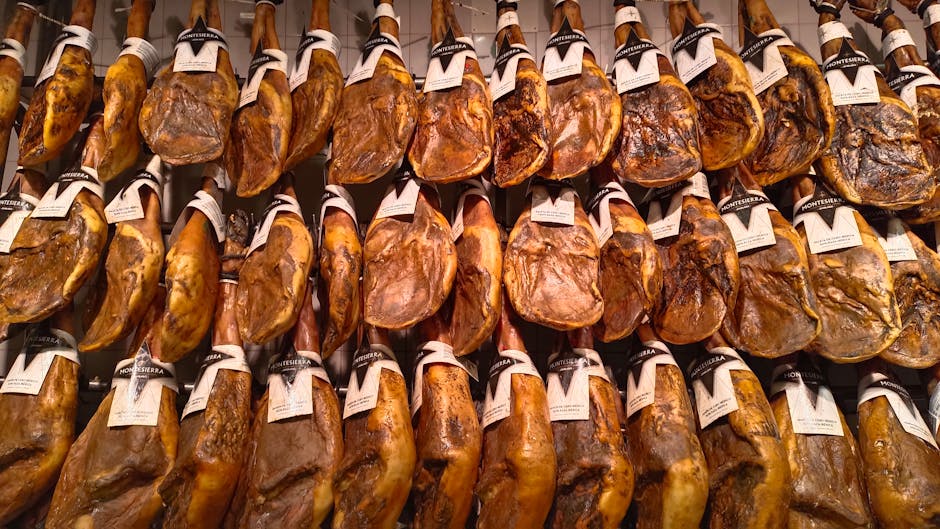
Table of Contents
- Understanding the Four Grades
- Where to Buy in Madrid
- Calle Toledo and La Latina Shops
- Where to Eat Jamón in Madrid
- How to Taste It Properly
- Taking Jamón Home
- Practical Tips
- FAQs
The Four Official Grades: What the Labels Mean
Spain regulates jamón ibérico with a four-tier colour-coded label system. The key variables are breed purity and diet during the montanera (autumn acorn-fattening season).
- Black label — Bellota 100% Ibérico: Top grade. Pure-breed Iberian pig, finished exclusively on free-range acorns, cured 36+ months. €200–400+/kg whole; €15–30 per 80g sliced.
- Red label — Bellota Ibérico: 50–75% Ibérico breed, acorn-finished. €120–200/kg.
- Green label — Cebo de Campo Ibérico: Field-raised on grass and grain, mostly Ibérico breed. €60–120/kg.
- White label — Cebo Ibérico: Grain-raised on industrial farms. €40–80/kg.
Below ibérico sits jamón serrano — white-pig breed, shorter cure (12–18 months), much simpler flavour — €15–30/kg. Acceptable everyday ham, not in the same class as ibérico.
The four DOPs (Denominations of Protected Origin) — Jabugo, Guijuelo, Dehesa de Extremadura, Los Pedroches — guarantee additional regional quality standards on top of the grade system.
Where to Buy Jamón Ibérico in Madrid
Cinco Jotas (Multiple locations)
The most prestigious jamón ibérico brand in Spain — exclusively 100% Ibérico de Bellota from Jabugo DOP. Shops on Calle Alcalá and in Salamanca. €30–50 per 80g sliced; €600–800 per kg whole leg. Tasting bars at some locations. The gold standard if you’re buying for a special occasion.
Joselito (Calle Velázquez and Goya)
Family-owned since 1868, Guijuelo region, perennial rival to Cinco Jotas for the top-end crown. €25–45 per 80g sliced. Tasting available. Worth comparing directly with Cinco Jotas if you’re buying a whole leg.
Señorío de Montanera (Specialist shops and El Corte Inglés)
Extremadura producer known for exemplary bellota 100% quality at prices slightly below Cinco Jotas and Joselito. One of the best quality-to-price ratios in the top tier. Look for it at gourmet delicatessens and the El Corte Inglés gourmet floor.
Mantequerías Bravo (Calle de Ayala, 24, Salamanca)
Madrid’s grand cured-meat shop since 1931. Stocks Joselito, Cinco Jotas, and multiple producers. In-store tasting bar. Expert staff who will talk you through grades and cuts. €18–35 per 100g. Metro: Serrano or Goya.
López Pascual (Jamonería López Pascual, Mercado de la Paz)
Specialist stall inside Mercado de la Paz (Salamanca neighbourhood). Hand-cut jamón ibérico across all grades. Fair pricing, expert staff who let you taste. €18–35 per 100g. Metro: Serrano or Núñez de Balboa.
Museo del Jamón (Multiple locations)
The value option. Chain with dozens of legs hanging from the ceiling and bocadillo de jamón from €2.50. You’re not getting black-label bellota here, but for a first taste of jamón at an accessible price — and for picking up vacuum-packed serrano — it does the job. Locations near Sol, Gran Vía, and across the city.
El Corte Inglés Gourmet (Plaza de Callao or Paseo de la Castellana)
The flagship gourmet floor covers the full jamón ibérico range — Joselito, Cinco Jotas, Señorío de Montanera, and more. Vacuum-packed sliced jamón here is the easiest souvenir option: sealed, ready to travel, clearly labelled with grade.
Calle Toledo and La Latina: Best Shopping Streets
Calle Toledo runs south from Plaza Mayor through La Latina — one of the best streets in Madrid for traditional deli shopping. You’ll find several independent jamonerías and charcutería shops selling jamón ibérico, chorizo, morcilla, and other cured meats at honest prices, typically aimed at residents rather than tourists. The La Latina neighbourhood is worth exploring after — tapas bar lunch, then a jamón shop for the flight home. La Brújula (Calle de la Cruz, 21) near Plaza Mayor also offers hand-cut jamón at fair prices with friendly, unhurried service.
For broader Madrid shopping — where to find Spanish food products and what else to bring home — the Madrid shopping guide has the full picture.
Where to Eat Jamón Ibérico in Madrid (Sit-Down)
- Cinco Jotas restaurants: Tasting menus and à la carte at multiple locations. The most consistent premium jamón eating experience in the city.
- Mercado de San Miguel: Read the Mercado de San Miguel guide — two or three stalls here specialise in hand-cut jamón; €18–30 for 80g.
- Casa Lucio (La Latina, Cava Baja, 35): Order a plato de jamón (€25–35) before the famous huevos estrellados.
- Casa González (Calle León, 12): Wine and jamón shop with bar; 50g plates from €15.
- Bodega de la Ardosa (Calle de Colón, 13): Classic vermut bar; excellent jamón plate. Pairs well with a visit to the best vermut bars.
- La Castela (Doctor Castelo, Salamanca): Plato de jamón ibérico with good house wine.
How to Taste Jamón Ibérico Properly
- Temperature matters. Cold jamón is muted. Allow 10 minutes at room temperature before eating. Never microwave to warm.
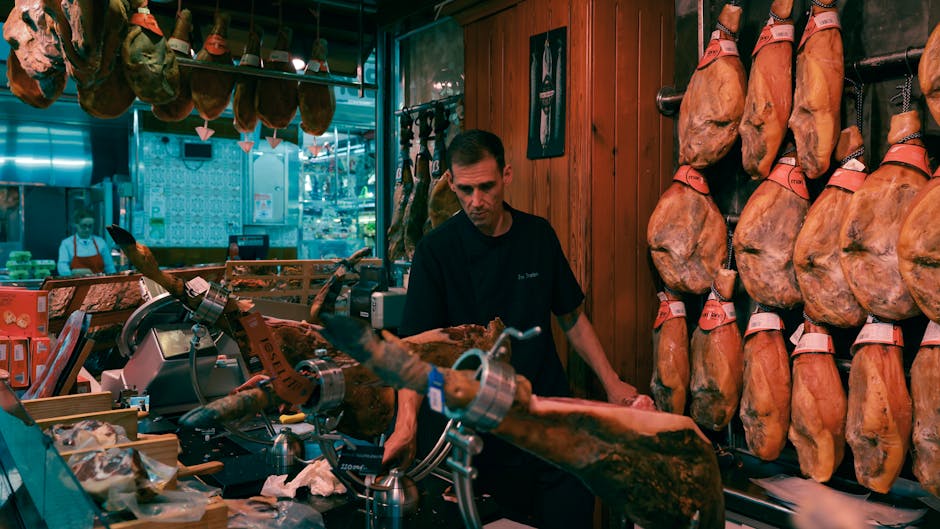
- Slice thickness defines the experience. Hand-cut (al cuchillo) produces translucent 1–2mm slices where the fat melts on contact. Machine-cut is acceptable for everyday; hand-cut is what the great producers intend.
- Eat it plain first. A slice on its own, no bread, no oil. Feel the texture, notice the fat dissolving, hold the finish. Then add plain bread if you want.
- Different cuts taste different. Maza (main leg muscle) is richer and fattier. Punta (tip end) is more concentrated. Jarrete (shank) is tighter and more intense. Ask the cortador (carver) to show you the difference.
- Simple pairings only. A glass of dry fino sherry, a light red Rioja, or cold sparkling water. Not beer, not sangria — they overwhelm the flavour.
For the sit-down jamón tasting experience alongside Madrid’s broader food culture, the cocido madrileño guide covers what else you should eat before leaving.
Taking Jamón Home
- Vacuum-packed sliced jamón: Travels well in hand luggage or checked bags. Quality preserved for 30–60 days unopened. €15–50 per 80–150g pack. El Corte Inglés Gourmet is the most convenient source.
- Whole leg (pata): €500–800+ for top grade; requires a jamonera (leg holder) and slicing skill at home. A serious purchase for serious enthusiasts.
- EU travel: Jamón travels freely within the EU — no quantity limits for personal consumption.
- Non-EU (USA, UK, Canada, Australia): Restrictions apply. Vacuum-packed sealed product for personal consumption is generally permitted but customs rules change — verify before purchasing.
- Most shops vacuum-pack on the spot. Ask at point of purchase; adds 5–10 minutes.
Practical Tips
- Ask to taste before buying. Most specialist shops will give you a small sample. Don’t be shy.
- Hand-cut is worth the premium. Pay €5–10 extra for hand-cut over machine-cut at the same grade.
- Bigger quantity, better value. A 200g hand-cut portion feeds two generously; a 500g portion works for a small group and the per-gram cost drops.
- Shop in the morning. Many specialist shops have reduced afternoon hours or close mid-afternoon.
- Compare neighbourhood markets to designer shops. López Pascual at Mercado de la Paz consistently offers comparable quality to the flagship brand shops at lower per-gram prices.

Jamón Ibérico Madrid FAQs
What is the best jamón ibérico in Madrid?
For the top tier: Cinco Jotas (Jabugo DOP, 100% Ibérico de Bellota) and Joselito (Guijuelo) are the consensus choices. Señorío de Montanera offers comparable quality at a slightly lower price. All three are far above supermarket jamón.
How much does jamón ibérico cost in Madrid?
By grade in 2026: Cebo white label €40–80/kg; Cebo de Campo green label €60–120/kg; Bellota red label €120–200/kg; 100% Ibérico de Bellota black label €200–400+/kg. Sliced 80g portions: €8–30 depending on grade.
Can I take jamón ibérico home from Madrid?
Within the EU: freely, no limits. To USA, Canada, Australia, UK: vacuum-packed sealed product for personal consumption is generally permitted but rules change — check current customs regulations before purchasing.
Should I buy a whole leg or sliced jamón?
Sliced vacuum packs are far more practical for travellers. Whole legs require a jamonera (leg holder), a sharp slicing knife, and the skill to use it — plus significant luggage space and budget (€500–800+).
What’s the difference between jamón serrano and jamón ibérico?
Different pig breed and entirely different quality tier. Jamón ibérico comes from black-footed Iberian pigs, often acorn-fed, cured 24–48 months — €60–400+/kg. Jamón serrano comes from white-breed pigs, cured 12–18 months, much milder flavour — €15–30/kg. Both are cured ham; only one is exceptional.
Is hand-cut jamón significantly better than machine-cut?
Yes, especially for top-grade bellota. Hand-cutting (al cuchillo) produces paper-thin translucent slices that allow the inter-muscular fat to melt on the tongue — the fat is where most of the flavour lives. Machine-cut slices are thicker and the experience is noticeably different.
How long does vacuum-packed jamón ibérico last?
30–60 days vacuum-sealed and refrigerated. Once opened: 5–7 days if kept refrigerated and covered. At room temperature on a whole leg: months, covered with the leg’s own surface fat.