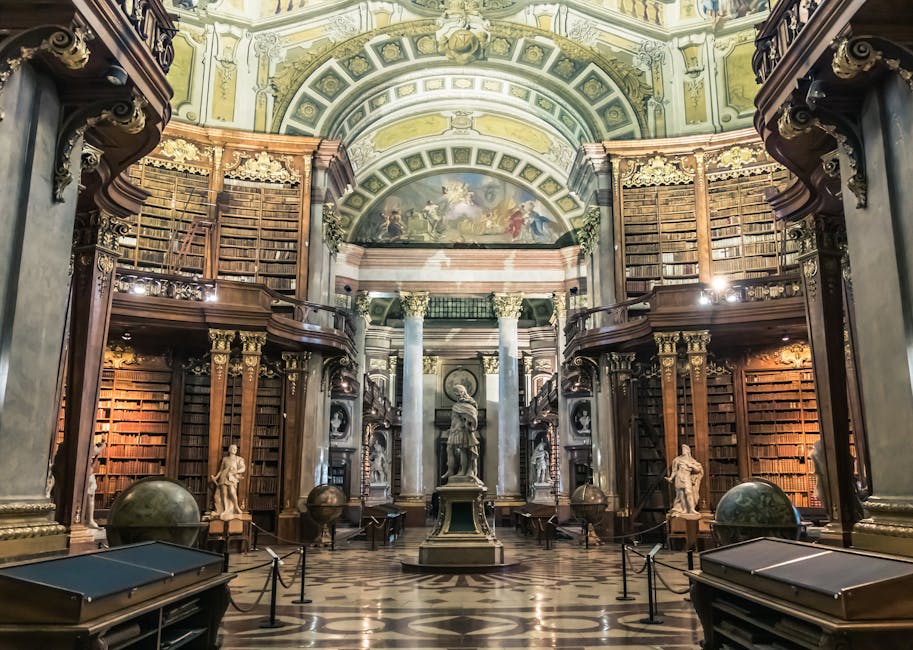
I’ve been to a lot of Madrid museums, and I’ll tell you upfront: the Lázaro Galdiano is the one that still surprises me every time I walk in. This is a collector’s fever dream — Goya sketches and Flemish enamel in the same room, a Bosch panel on one wall, a 16th-century Turkish saber in the next case. José Lázaro Galdiano spent his entire adult life buying the best things he could find across Europe, and the result is one of the most idiosyncratic major collections on the continent. If you’re already planning a broader Madrid museum itinerary, the Madrid Museums & Art Guide lays out the full landscape — but the Lázaro Galdiano deserves its own deep dive.
It sits at Calle de Serrano 122, in the Salamanca district, inside the Villa Florido — an Italianate mansion Galdiano had built between 1903 and 1909 specifically to house himself and his collection. When he died in 1947, he left the whole lot to the Spanish state. The museum opened in 1951 and has been quietly one of Madrid’s most underrated cultural destinations ever since. Not because nobody knows about it — it gets respectful mentions in every serious art guide — but because it never quite dominates the conversation the way the Prado or Thyssen does. That’s Madrid’s loss, not the museum’s.
Lázaro Galdiano Museum: Quick Facts
- Address: Calle de Serrano 122, 28006 Madrid (Salamanca district)
- Metro: Gregorio Marañón (Line 7) or Núñez de Balboa (Lines 5 and 9)
- Hours: Tuesday–Saturday 10:00–16:30; Sunday 10:00–15:00; closed Mondays
- Standard ticket: ~€7 (2026)
- Free admission: Wednesdays (all day)
- Reduced ticket: €4 (students, EU seniors)
- Audio guide: €3 — worth it for the decorative arts rooms
- Average visit: 90–120 minutes; 2+ hours if you’re thorough
- Photography: Permitted without flash
Who Was José Lázaro Galdiano?
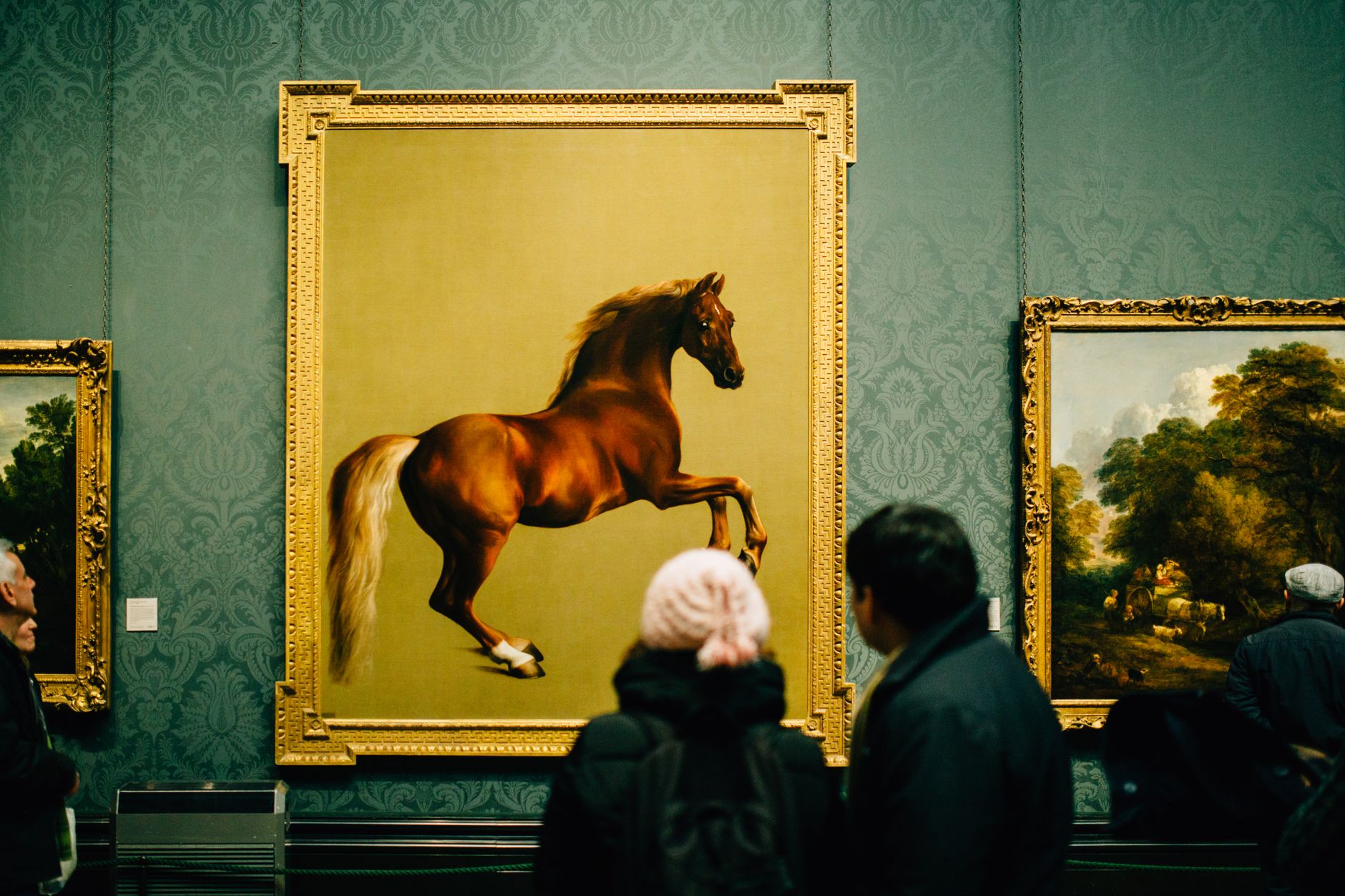
Galdiano (1862–1947) was a self-made Madrid financier and publisher — he founded the influential cultural magazine La España Moderna in 1889, which ran for decades and helped shape Spain’s intellectual scene during the Restoration period. But publishing was the vehicle; art collecting was the obsession. From his early twenties he traveled annually to Paris, London, Rome, and Vienna with a single purpose: buying things. Not as an investor, not as a status display, but as someone who genuinely couldn’t stop. Medieval ivories, Limoges enamels, Italian Renaissance paintings, Spanish Old Masters, English portraiture, 18th-century French furniture, jewellery, clocks, armour, manuscripts — all of it accumulated over six decades.
By the time of his death, the collection numbered roughly 12,600 objects. About 5,000 are on permanent display across four floors of the Villa Florido. The rest is in storage and study rooms. What makes the Lázaro Galdiano different from, say, the Cerralbo Museum — another Madrid private-mansion-turned-museum from roughly the same era — is the sheer ambition of the collection. The Cerralbo is personal and atmospheric; the Lázaro Galdiano has genuine art-historical weight, with works that would anchor any major public collection.
The Collection: What to Actually Look For
The collection is huge, and without a framework it can feel overwhelming. Here’s how I’d approach it across the four floors.
Goya — The Undisputed Highlight
The museum holds one of the strongest private Goya collections in the world. The centrepiece is The Witches’ Sabbath (1798) — not to be confused with the later, larger Black Paintings version at the Prado, but an earlier, arguably more coherent treatment of the same subject. Seeing this painting here, in a mansion rather than a national gallery, feels more intimate and stranger at the same time. There are also portrait studies, sketches, and smaller works that give you a sense of how prolific and restless Goya was across his long career. Anyone serious about Spanish painting needs to spend time in these rooms.
Bosch — Saint John the Baptist in Meditation
One of approximately 25 confirmed Bosch paintings in the world. This small panel (c. 1490) shows the Baptist reclining in a landscape that shouldn’t make sense — surrealist imagery predating Surrealism by four centuries. If you’ve been to the Prado and seen the Garden of Earthly Delights, this is a different register: quieter, more personal, still deeply strange. Worth stopping in front of for longer than you think you need to.
El Greco — Portrait of Cardinal Tavera
El Greco painted this posthumous portrait of Juan de Tavera from a death mask — one of the last works he completed before his own death in 1614. The psychological intensity is characteristic: the Cardinal looks as though he might speak, but probably wouldn’t say anything reassuring. One of the great Toledo portraits outside the Prado.
The Limoges Enamel Collection
This is where many visitors are caught off guard. Galdiano’s collection of 12th- and 13th-century Limoges enamels — reliquaries, crucifixes, altar pieces, chasse boxes — is considered one of the finest holdings outside Limoges itself. Medieval enamelwork of this quality is rare, fragile, and in most museums presented behind glass in dim rooms with minimal context. Here it fills an entire floor with a density that starts to feel like Galdiano himself is trying to tell you something about the relationship between religious devotion and extraordinary craft. Give it time.
The Clocks and Jewellery Rooms
Galdiano collected clocks and jewellery with the same obsessive thoroughness he applied to paintings. The clock collection spans several centuries of European horology; the jewellery ranges from Renaissance pendants to 19th-century pieces. These rooms are often empty when the painting galleries are busy — worth exploring even if decorative arts aren’t your usual focus.
English Paintings — Constable, Reynolds, Gainsborough
Constable’s Field of Wheat is a serious work in a serious collection, not a token British presence. Reynolds’ portrait of Lord Inchiquin and several Gainsborough works fill out an English gallery that most visitors don’t expect to find in a Madrid museum. Galdiano bought heavily in London during his annual trips and had a particular affinity for British landscape and portraiture.
The Villa Florido Itself
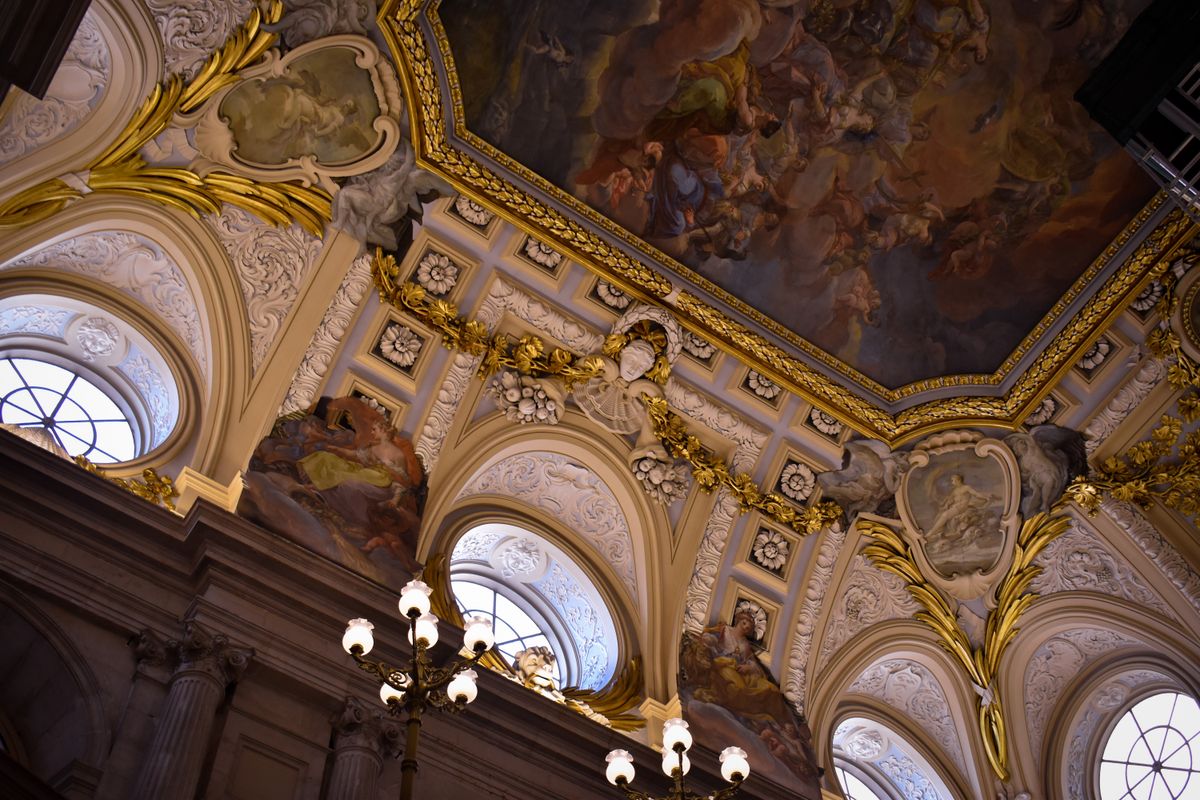
The building is part of the experience in a way that’s easy to underestimate. Galdiano commissioned architect Javier de Luque to design the Villa Florido as a residence-cum-showcase — every room was planned around displaying a specific type of object. The result is a space that reads as both a private home and a deliberate curatorial argument about how art and life should coexist. Walking through it feels different from walking through a museum designed as a museum. The furniture is original. The arrangement is roughly as Galdiano left it. You’re a guest in someone’s house, not a visitor moving through an institution.
The garden is free to enter during museum hours — a quiet formal garden on the Serrano side, worth a few minutes before or after your visit, particularly in spring when the Salamanca streets are at their best.
Tickets, Hours, and Free Entry
Standard admission is approximately €7 in 2026. Wednesdays are free all day — no last-hour restriction, just free. That’s the best deal in the Salamanca museum circuit. If you’re planning multiple museum visits across your stay, check whether the Madrid Museum Pass makes sense for your schedule — it covers several major institutions and can represent significant savings over two or three days. And if you want a full rundown of which Madrid museums offer free entry and when, the free museum hours guide covers every major institution in one place.
Hours: Tuesday through Saturday, 10:00–16:30; Sunday, 10:00–15:00. Closed Mondays. Check the official museum website before visiting, as hours occasionally change around Spanish public holidays.
Getting there: Gregorio Marañón on Line 7 is the most direct metro option — exit onto Calle de Serrano and walk north about five minutes. Núñez de Balboa (Lines 5 and 9) works equally well from the south side of Salamanca. Taxis and rideshares can drop right at the front gate on Serrano 122.
Lázaro Galdiano vs. Other Madrid Private Collections
Madrid has several private-mansion collections that open an interesting question about what it means to collect seriously over a lifetime. The Lázaro Galdiano sits in conversation with a few of them.
The Cerralbo Museum is the closest comparison — another late-19th-century Spanish aristocrat’s mansion, preserved with its original furnishings and art. The Cerralbo is more atmospheric and perhaps more personal; the Lázaro Galdiano has broader art-historical reach, particularly in medieval and decorative arts. Both are worth your time if you’re spending more than three days in Madrid.
The Sorolla Museum is a completely different proposition — artist-focused rather than collector-focused, with work by a single painter displayed in his former studio and home. If you love Sorolla’s light-filled canvases, that museum is essential. The Lázaro Galdiano is for people who want depth across six centuries of European art in a single afternoon.
For the Prado, Thyssen, and Reina Sofía context, the Golden Triangle museums guide covers those three in detail. The Lázaro Galdiano is what you visit after you’ve done the Golden Triangle and want something that genuinely surprises you.
Combining the Lázaro Galdiano with a Salamanca Half-Day
The museum is at the north end of Salamanca, Madrid’s upmarket shopping and residential district. A sensible half-day looks like this:
- 10:00–12:30: Lázaro Galdiano Museum (2.5 hours, all four floors)
- 12:30–13:30: Walk south on Calle Serrano — Madrid’s premier shopping street, with Spanish designers alongside international brands
- 13:30–15:00: Lunch at Lakasa (modern Spanish, Michelin-recommended), Punto MX (Mexican, Michelin-starred), or Mercado de la Paz for a cheaper market lunch
- 15:00–16:30: Museo Arqueológico Nacional (10-minute walk south on Serrano — excellent Roman and pre-Roman Spain collections, largely free)
This pairs well with an afternoon in Retiro Park if you want to finish the day outdoors — it’s about 20 minutes south by metro or a pleasant walk through the Salamanca grid. For a broader city overview, the things to do in Madrid guide covers the full city by neighbourhood and interest.
Practical Tips Before You Go
- Best time to visit: Tuesday–Friday, 10:00–12:00. Weekends bring more visitors, particularly Sunday when the hours are shorter anyway.
- Wednesday free entry: Goes surprisingly uncrowded — locals know about it but tourists often don’t plan around it.
- Audio guide: The €3 audio guide earns its cost in the decorative arts rooms, where the visual context is harder to parse without background on Limoges enamel technique or European horology.
- Start at the top: Begin on the upper floors and work down — the top floors have the best natural light and the painting galleries feel less institutional approached from above.
- Garden: Free, open during museum hours. Worth five minutes before you head back to the metro.
- Bookshop: Small but good — strong on Spanish art history and decorative arts catalogues not easily found elsewhere in the city.
Common Questions
Is the Lázaro Galdiano worth visiting? Yes, particularly for anyone interested in Spanish Golden Age painting, medieval decorative arts, or the history of private collecting. The Bosch panel and the Goya rooms alone justify the €7. For first-time visitors who only have two or three days in Madrid and are prioritising the Prado and Reina Sofía, it might wait for a return trip — but it shouldn’t be skipped indefinitely.
How long do I need? 90 minutes is comfortable for a selective visit. Two to three hours if you want to cover all four floors properly. With the audio guide, budget three hours.
Is it accessible? An elevator serves all floors, but some gallery passages are narrow. If you have specific access requirements, call ahead — the museum staff are helpful and the situation is better than in many older Madrid buildings.
Can I see the Goya Witches’ Sabbath? Yes — it’s on permanent display in the Goya gallery on the upper floor. It’s the most frequently asked-about work and is reliably there year-round.
Is there a gift shop? A small bookshop near the exit. The catalogues for the enamel and Goya collections are worth picking up if those rooms moved you.
Official Resources
- Official museum site: museolazarogaldiano.es
- Madrid official tourism: Lázaro Galdiano on esmadrid.com
The Lázaro Galdiano is exactly the kind of place that makes Madrid’s museum scene genuinely great rather than merely well-stocked. A Goya, a Bosch, an El Greco, a Constable, and twelve thousand other things — all in a mansion on Serrano that most tourists walk past on their way to the shops. Tickets are €7. Wednesdays are free. Go on a Tuesday morning when it’s quiet and give it two hours. I haven’t met anyone who regretted it.