Casa de Campo Madrid is the city’s largest public park — a 1,535.52-hectare (about 3,794-acre) urban forest. Originally a 16th-century royal hunting estate that King Felipe II acquired from the Vargas family in 1562, Casa de Campo Madrid opened to the public on 1 May 1931 under the Second Spanish Republic. Today Casa de Campo Madrid combines vast Mediterranean oak forest with the city’s major attractions: Madrid Zoo Aquarium (3,000+ animals from giant pandas to penguins), Madrid Amusement Park (Parque de Atracciones, 30+ attractions including the famous TNT roller coaster), the recreational lake with rowing boats, restaurant complexes, swimming pool, and cycling and walking routes that include a 15.5 km circular route. The Teleférico cable car from Pintor Rosales is closed for refurbishment, with reopening planned for the first quarter of 2027, so for now you reach the park by Metro at Lago or Casa de Campo. This Casa de Campo Madrid guide covers all attractions, transport options, opening hours, ticket prices, and how to plan a full or half-day visit.
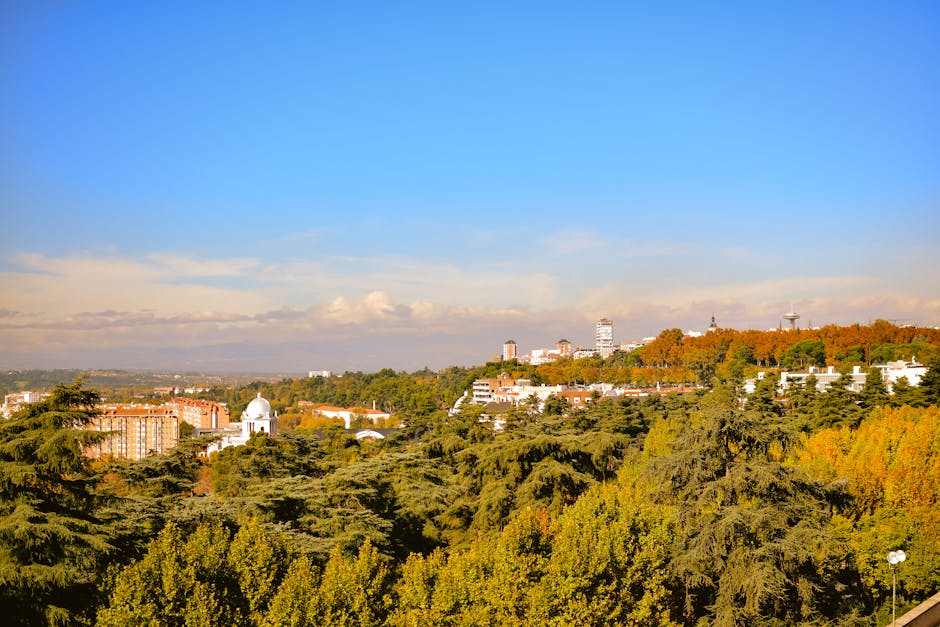
Table of Contents
- Casa de Campo Madrid Basics
- Madrid Zoo Aquarium
- Parque de Atracciones de Madrid
- Teleférico Cable Car
- Casa de Campo Lake
- Casa de Campo Hiking and Cycling Trails
- Casa de Campo History
- Casa de Campo Madrid Tips
- FAQs
Casa de Campo Madrid Basics
- Address: Western Madrid, across the Manzanares River.
- Size: 1,535.52 hectares (about 3,794 acres) — Madrid’s largest public park.
- Metro: Lago (Line 10) at lake area; Casa de Campo (Line 5/10) at amusement park; Príncipe Pío (Line 6/10/R) also serves the park. The teleférico is closed for refurbishment.
- Bus: EMT buses reach the park; check routes and stops on the EMT Madrid website.
- Hours: Park open to pedestrians year-round, but the access points at the Zoo, amusement park, Paseo de Extremadura and lake close 01:00-06:00; individual attractions vary.
- Entry: Free entry to park; attractions individual tickets.
- Best for: Families (zoo, amusement park), nature lovers (Mediterranean forest), cyclists (15.5 km circular route), runners.
Madrid Zoo Aquarium
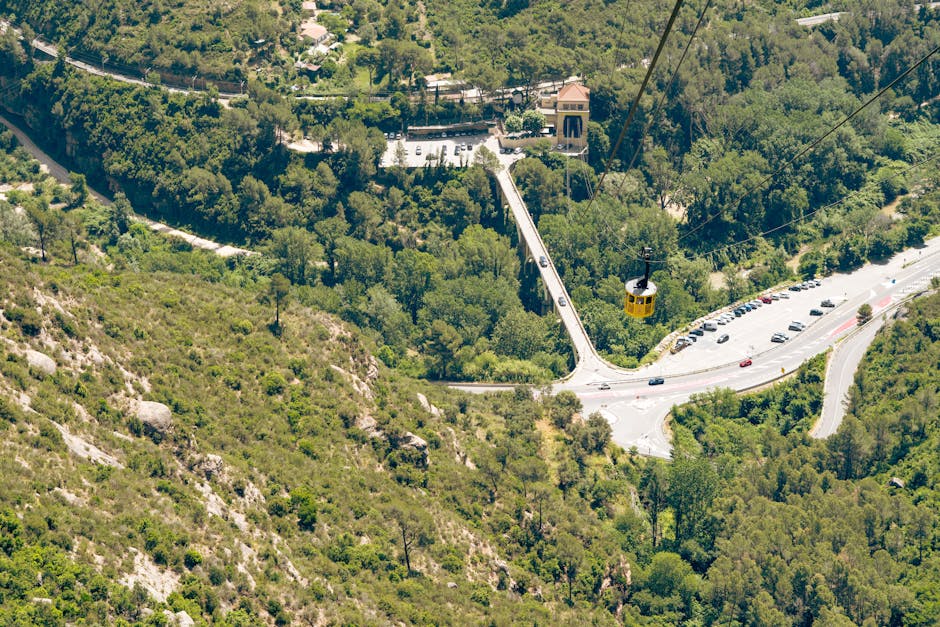
The Madrid Zoo Aquarium (Zoo Aquarium de Madrid) houses more than 3,000 animals across more than 500 species. It is best known for its giant pandas: Madrid first received pandas from China in 1978, and the current pair is Jin Xi and Zhu Yu.
- Hours: Vary by date; check the calendar on zoomadrid.com.
- Tickets: General (8-64) from €19.90 online, €29.50 at the gate; child (3-7) from €16.90 online, €23.90 at the gate; under-3s free. Online prices vary by visit date.
- Booking online recommended: the starting prices save up to about 33% on general admission and 29% on child admission against the gate.
- Highlights: Giant pandas (panda house), dolphinarium with shows, aquarium with sharks and rays, koala family, Komodo dragons, tigers and lions, gorilla family.
- Visit time: 4-5 hours minimum.
- Children’s area (Pequemundo): Petting zoo for young children.
- Free WiFi throughout zoo.
Parque de Atracciones de Madrid
The Parque de Atracciones (Madrid Amusement Park) is part of the Parques Reunidos group. Set inside Casa de Campo Madrid, the park has more than 30 attractions, including major roller coasters and family rides.
- Hours: Vary seasonally; weekends only winter; daily mid-March through end of October. Check parquedeatracciones.es.
- Tickets: Dated general ticket (over 140 cm) from €23.90 online, €44.90 at the gate; reduced (100–140 cm) from €23.90 online, €35.90 at the gate. Under 100 cm free with a paying ticket holder. Online prices depend on the date.
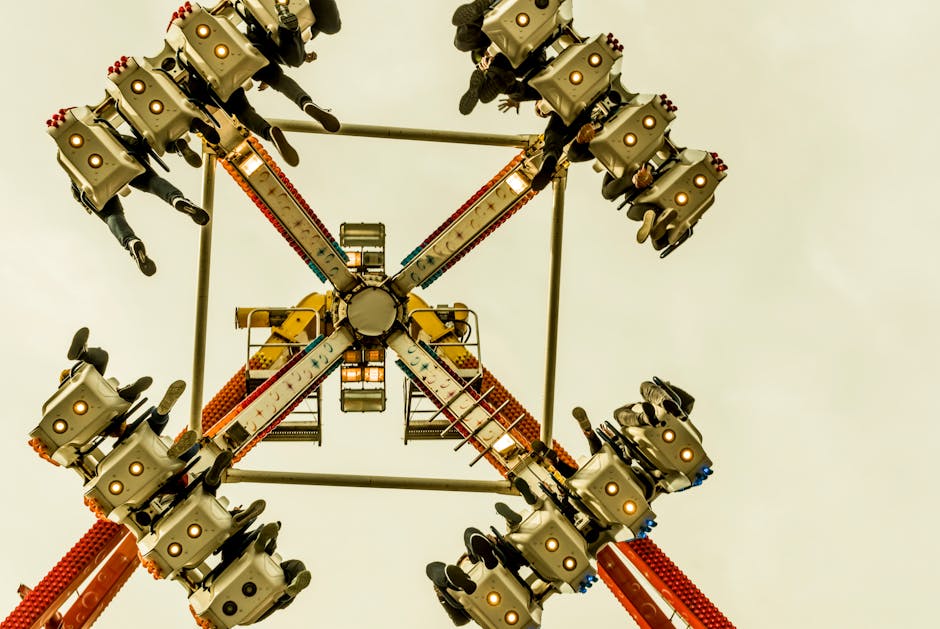
- Top thrill rides: Abismo (vertical drop coaster), TNT (suspended steel coaster), Tornado (inverted coaster), Tarántula (roller coaster).
- Family rides: Top Spin, Vertigo, La Lanzadera, Nickelodeon Land for younger children.
- Visit time: Full day recommended.
- Halloween (October) and Christmas (December): Special seasonal events.
- Restaurants and food courts on site.
Teleférico Cable Car
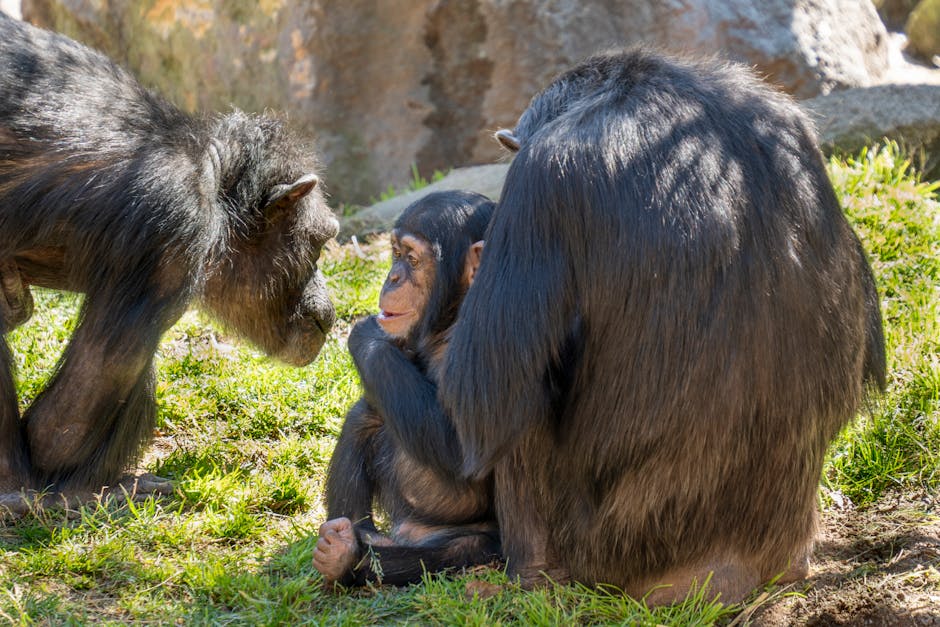
The Teleférico de Madrid, the aerial cable car between Paseo del Pintor Rosales (central Madrid, Argüelles) and the heart of Casa de Campo Madrid, is closed for refurbishment. Reopening is planned for the first quarter of 2027; check the operator before you plan a ride, as times and fares may change. Until then, take the Metro to Lago (Line 10) for the lake or Casa de Campo (Line 5/10) for the amusement park.
- Status: Closed for refurbishment; reopening planned for the first quarter of 2027.
- Maximum height: 40 meters above ground.
- Hours and tickets: Check teleferico.emtmadrid.es for times and fares once it reopens.
- Boarding stations: Estación Pintor Rosales (Calle Marqués de Urquijo near metro Argüelles); Casa de Campo station mid-park.
- Capacity: 6 people per cabin.
- Best photography: Approach to Casa de Campo with Madrid skyline in background.
- Once it reopens, combine with a picnic in Casa de Campo or a visit to the amusement park.
Casa de Campo Lake
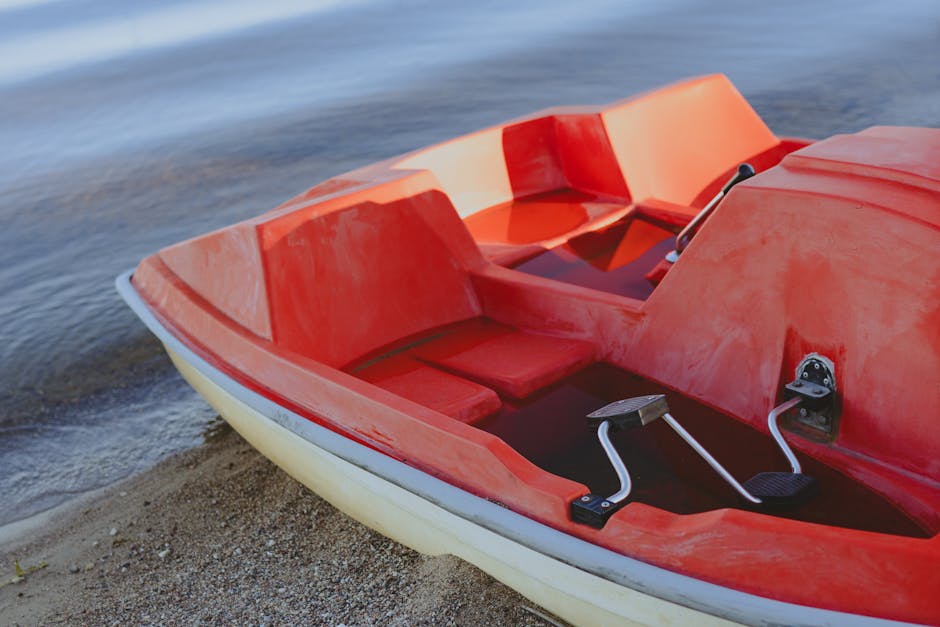
The Casa de Campo lake (Estanque del Lago) is the park’s recreational waterfront — an 80,150 sq m artificial lake with 16th-century origins. The lakeshore is lined with restaurants and tapas bars (Madrid’s only “beach” alternative), rowing boat rental, and views back across the Manzanares to the Palacio Real and central Madrid skyline.
- Rowing boat rental: €6 Monday–Friday, €8 Saturdays, Sundays and holidays, for 45 minutes (up to 4 people).
- Restaurants on lakeshore: Several traditional Spanish restaurants and terrazas.
- Lakeside walk: 1.37 km perimeter loop.
- Photography: Sunset views toward central Madrid Royal Palace skyline.
- Metro: Lago (Line 10) at lakefront entrance.
Casa de Campo Hiking and Cycling Trails
- Routes: A 15.5 km circular route explores much of the park’s perimeter; a separate botanical trail is 4 km long.
- Anillo Verde Ciclista (Green Belt Cycling Ring): Casa de Campo connects to Madrid’s 65-km cycling ring around the city.
- Garabitas: At 679 metres, the highest hill in Casa de Campo; terrain near the Somosaguas entrance reaches 690 metres.
- Mediterranean oak (encina) forest: Native Iberian forest ecosystem; rabbits, foxes, eagle owls.
- Birdwatching: Diverse birdlife across the park.
- Trail difficulty: Mostly easy; some hills toward Garabitas.
- Recommended cycling rental: BiciMAD stations at multiple Casa de Campo entrances; private rentals at amusement park.
Casa de Campo History
Casa de Campo originated in 1519, when Francisco de Vargas commissioned a country residence on the land. King Felipe II acquired the Vargas estate in 1562 and enlarged it through further land purchases, consolidating it as a royal hunting reserve. Felipe II’s court architect Juan Bautista de Toledo and later Juan de Herrera (architect of El Escorial) shaped the estate’s royal architecture. The royal family hunted Casa de Campo for over 350 years.
Casa de Campo Madrid opened to the public May 1, 1931 by decree of the Second Spanish Republic — a landmark moment of democratization, transferring royal property to the citizens. During the Spanish Civil War (1936-1939), Casa de Campo was a major battlefront, with Republican defenses against Nationalist forces approaching from the west. The civil war damage is still visible — bunkers, trenches, and bullet-marked buildings are preserved as memorial sites within the park. Post-war, Casa de Campo regained recreational character with the addition of the Zoo (1972 modern reopening), Amusement Park (1969), and Teleférico (1969).
Casa de Campo Madrid Tips
- Bring full-day plan: zoo + amusement park is too much for one day. Pick one major attraction.
- Buy tickets online — saves €5-10 per person.
- The Teleférico is shut for refurbishment until its planned reopening in early 2027 — use Metro Lago or Casa de Campo to get in.
- Lake rowing boats best weekday afternoons — €6 rather than the €8 weekend rate, and no weekend queues.
- Bring water and sunscreen — Casa de Campo Madrid lacks shade in many open areas.
- Cycling routes are extensive — bring your own or rent BiciMAD.
- Avoid Casa de Campo at night — historically known for sex worker activity in some areas; daytime fully family-safe.
- Birdwatching best early morning year-round.
- Picnicking welcome — bring supplies; few shops within park.
- Restrooms scattered; some paid €0.50.
FAQs
How big is Casa de Campo Madrid?
1,535.52 hectares (about 3,794 acres) — Madrid’s largest public park. Originally 16th-century royal hunting estate.
How do I get to Casa de Campo?
Metro Lago (Line 10) at lake area; Casa de Campo (Line 5/10) at amusement park; Príncipe Pío (Line 6/10/R) also serves the park. The Teleférico cable car is closed for refurbishment. Park is free to enter.
How much is the Madrid Zoo?
General (8-64) from €19.90 online, child (3-7) from €16.90 online; prices vary by visit date. At the gate, €29.50 and €23.90. Under-3s free. Hours vary by date: check the calendar on zoomadrid.com.
When did Casa de Campo open to the public?
May 1, 1931 by decree of the Second Spanish Republic — transferring 350+ years of royal hunting estate to public ownership. Major civil war battlefront 1936-1939.
Is Casa de Campo safe for families?
Yes — daytime Casa de Campo is fully family-safe with the zoo, amusement park, lake, and trails. Avoid isolated areas at night.