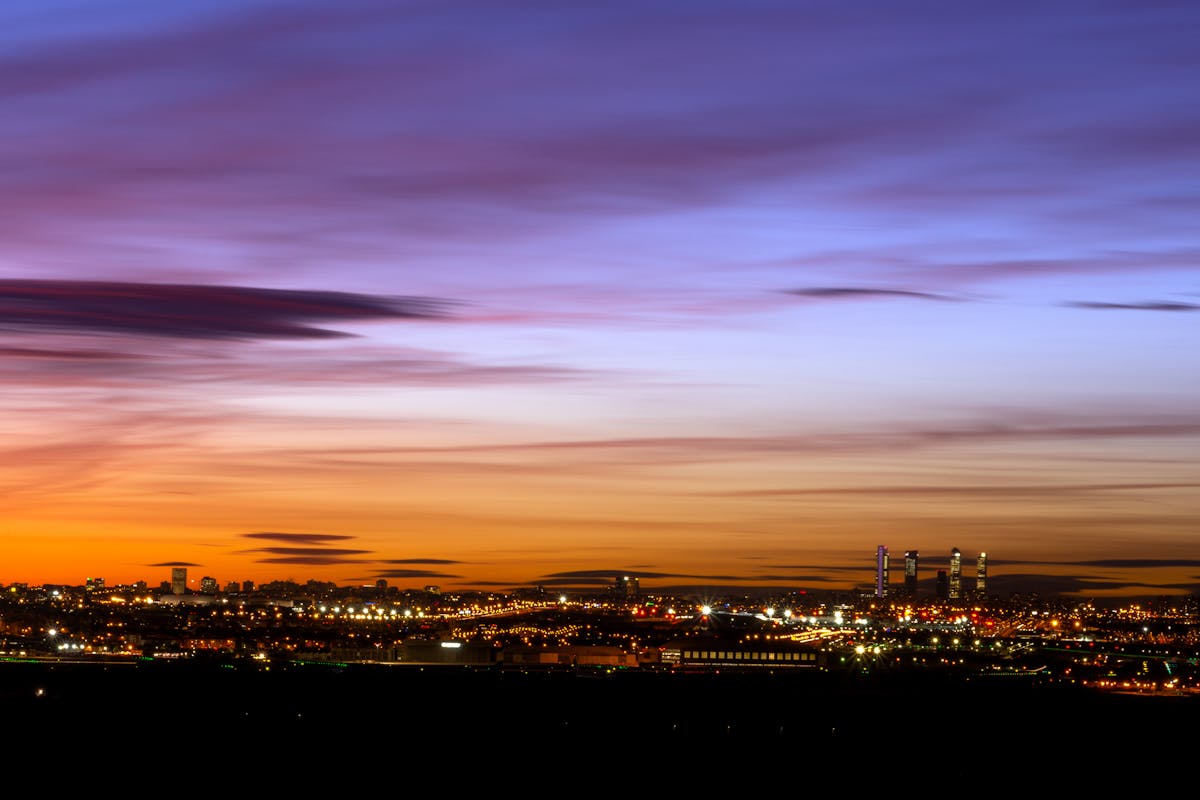
Madrid, Spain’s vibrant capital, stands as one of Europe’s most dynamic and captivating destinations. With a population of over 3 million residents, this sprawling metropolis effortlessly blends centuries of royal heritage with cutting-edge modern culture, creating an intoxicating atmosphere that draws over 8 million visitors annually. Whether you’re an art enthusiast seeking masterpieces in world-renowned museums, a history buff eager to explore Renaissance palaces, a foodie hunting for authentic Spanish tapas, or an adventure seeker looking for outdoor adventures in sprawling urban parks, Madrid offers an inexhaustible array of experiences to satisfy every traveler’s interests.
From the moment you arrive in Madrid, you’ll sense the city’s pulsing energy. The locals, known as madrileños, possess a distinctive warmth and pride in their city that’s immediately contagious. Unlike many European capitals that can feel steeped in history and tradition, Madrid manages to feel both deeply rooted in its past and eagerly embracing the future. This unique balance makes the city ideal for visitors of all ages and interests, whether you’re planning a romantic getaway, a cultural deep-dive, a family vacation, or an adrenaline-fueled weekend escape. With its excellent public transportation, world-class dining scene, vibrant neighborhoods each with their own personality, and nearly 300 days of sunshine annually, Madrid is genuinely designed for exploration and discovery.
This comprehensive guide will walk you through everything you need to know about visiting Madrid, from iconic landmarks and world-class museums to local neighborhoods, culinary traditions, and insider tips that even many regular visitors might miss. By the end, you’ll have a thorough understanding of why Madrid deserves its place among Europe’s greatest cities—and you’ll be ready to make the most of every moment of your visit.
World-Class Museums & Art Galleries: Madrid’s Cultural Treasures
Madrid’s reputation as a cultural powerhouse is fundamentally built on its extraordinary collection of art museums. The city is home to one of the world’s most impressive concentrations of museums, and the world-famous “Golden Triangle of Art”—formed by three consecutive museums along the Paseo del Prado—is absolutely not to be missed. This triumvirate of institutions houses some of humanity’s greatest artistic achievements and collectively represents millennia of Western artistic expression.
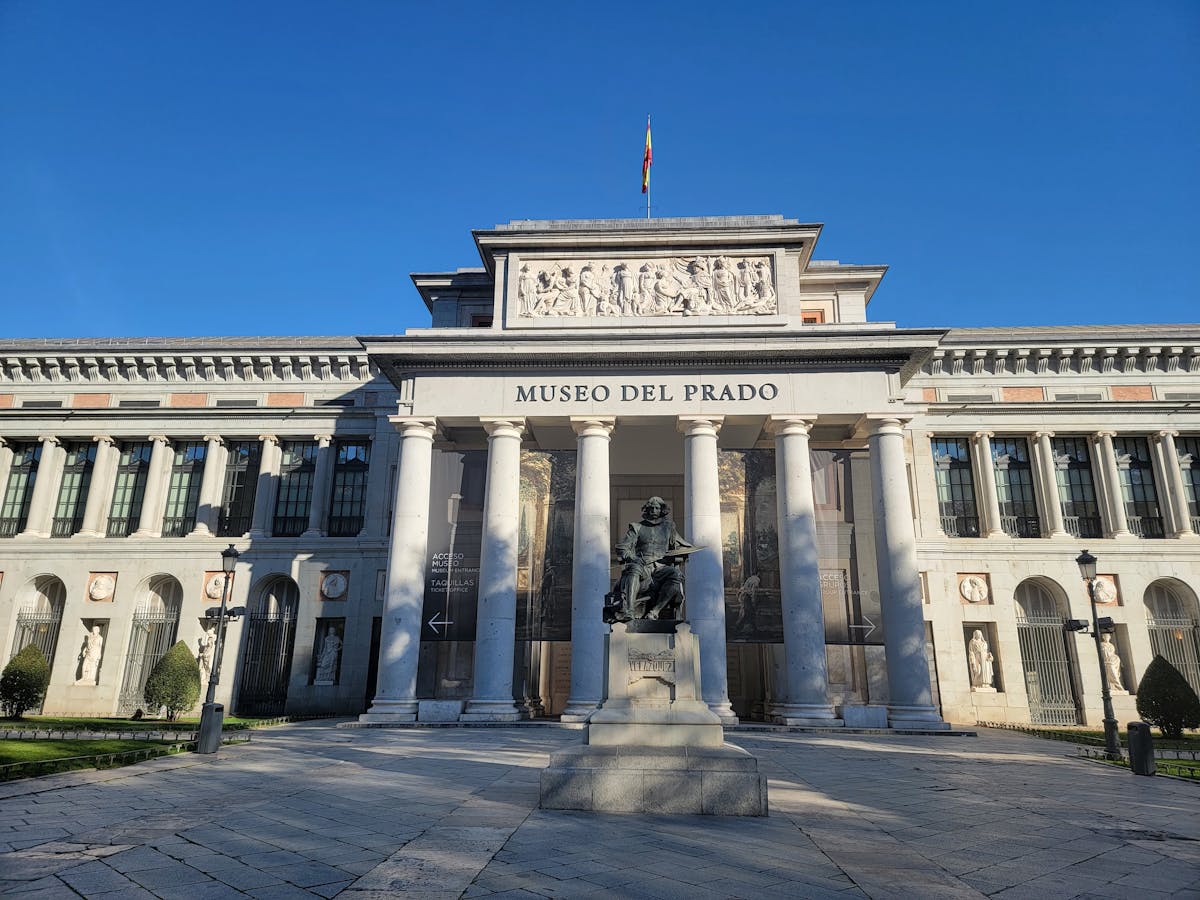
The Prado Museum: A Cathedral of Masterpieces
The Museo del Prado stands as one of the world’s finest art museums, housing an unparalleled collection of Spanish, European, and Flemish art spanning from the 12th to the early 19th centuries. This neoclassical building, which opened in 1819, contains works that have literally shaped how we understand and appreciate art itself. A single visit is rarely enough to adequately absorb the wealth of masterpieces within its walls.
Cornerstone works that demand your attention include Diego Velázquez’s iconic “Las Meninas” (1656), often considered the greatest painting ever created, which hangs in a specially lit gallery that invites prolonged contemplation. The painting’s mysterious composition and revolutionary use of perspective continue to fascinate art historians centuries after its creation. You’ll also encounter Goya’s haunting “The Third of May 1808” (El tres de mayo de 1808), a visceral and powerful depiction of war’s brutality that remains as emotionally impactful today as it was nearly 200 years ago. Hieronymus Bosch’s fantastical “The Garden of Earthly Delights” with its surrealist dream-logic offers hours of discovery with each viewing, while works by El Greco showcase the distinctive Byzantine-influenced style that makes his paintings instantly recognizable.
Admission to the Prado costs €15 for general entry, but the museum offers several money-saving opportunities worth noting. Free admission is available from 6:00 PM to 8:00 PM Monday through Saturday, and from 5:00 PM to 7:00 PM on Sundays—though be prepared for significant crowds during these windows. The museum is open Tuesday through Saturday from 10:00 AM to 8:00 PM, Sunday from 10:00 AM to 7:00 PM, and Monday from 10:00 AM to 5:00 PM. I recommend arriving early in the morning before crowds build, as this allows for a more contemplative experience.
Museo Reina Sofía: Contemporary Masterpieces and Picasso’s Guernica
If the Prado represents centuries of classical Western art, the Museo Reina Sofía focuses on modern and contemporary works, anchored by Pablo Picasso’s monumental “Guernica” (1937). This black-and-white oil painting, measuring nearly 4 meters tall and 3.5 meters wide, stands as perhaps the 20th century’s most powerful artistic statement against war and violence. Painted in response to the bombing of the Basque city of Guernica during the Spanish Civil War, this cubist masterpiece combines distorted human and animal figures in a composition that radiates anguish and chaos. Standing before Guernica for the first time is an emotionally profound experience that many visitors describe as transcendent.
Beyond Guernica, the Reina Sofía houses an impressive collection of contemporary Spanish and international art, including works by Dalí, Miró, and other 20th and 21st-century artists. The museum building itself, a converted hospital from the 18th century augmented with a modern glass addition, is architecturally interesting and worth exploring. General admission costs €12, with free hours available 7:00 PM to 9:00 PM Monday, Wednesday through Saturday, and from 1:30 PM to 7:00 PM on Sundays. The museum operates Tuesday through Sunday from 10:00 AM to 9:00 PM (closed Mondays), making it an ideal evening visit option if you want to maximize your day.
Thyssen-Bornemisza Museum: Art Across the Centuries
The final piece of Madrid’s Golden Triangle of Art, the Museo Thyssen-Bornemisza, presents an ambitious chronological journey through Western art from the 13th century through the late 20th century. This museum fills gaps that the Prado and Reina Sofía leave, with particularly strong holdings in Renaissance Italian painting, Impressionist works, and American contemporary art. The collection includes pieces by Caravaggio, Rubens, Canaletto, Monet, Van Gogh, and more modern figures like Kandinsky, Hopper, and Pollock.
The Thyssen-Bornemisza stands out among the three for its accessibility and manageable size—it’s possible to see the highlights without feeling overwhelmed by the scope of the collection. Admission is €13, but the museum offers a particularly generous free admission policy: entry is completely free every Monday from noon to 4:00 PM, making it an excellent option if you’re visiting on a Monday and want to maximize your museum time without exceeding your budget. The museum is open Tuesday through Sunday from 10:00 AM to 7:00 PM and Tuesday through Sunday evenings until 9:00 PM, providing evening options as well.
Other Notable Museums Worth Your Time
Beyond the Golden Triangle, Madrid boasts other excellent museums that deserve consideration depending on your interests. The Sorolla Museum, housed in the former home and studio of Spanish painter Joaquín Sorolla, offers an intimate glimpse into an artist’s working life, with his most celebrated luminous paintings of beaches and sunlit gardens. The Archaeology Museum contains Spanish archaeological treasures including the famous Lady of Elche. The Cerralbo Museum showcases an eclectic private collection including paintings, sculptures, furniture, and decorative arts. For film enthusiasts, the Spanish Cinema Museum (Museo del Cine) houses extensive collections related to Spanish cinematic history.
Iconic Landmarks & Historic Sites: Royal Madrid and Beyond
Beyond its museums, Madrid’s historic landmarks and monuments offer tangible connections to centuries of Spanish royal history and urban development. These sites represent not just architectural achievements but also pivotal moments in European history.
The Royal Palace: Europe’s Grandest Surviving Royal Residence
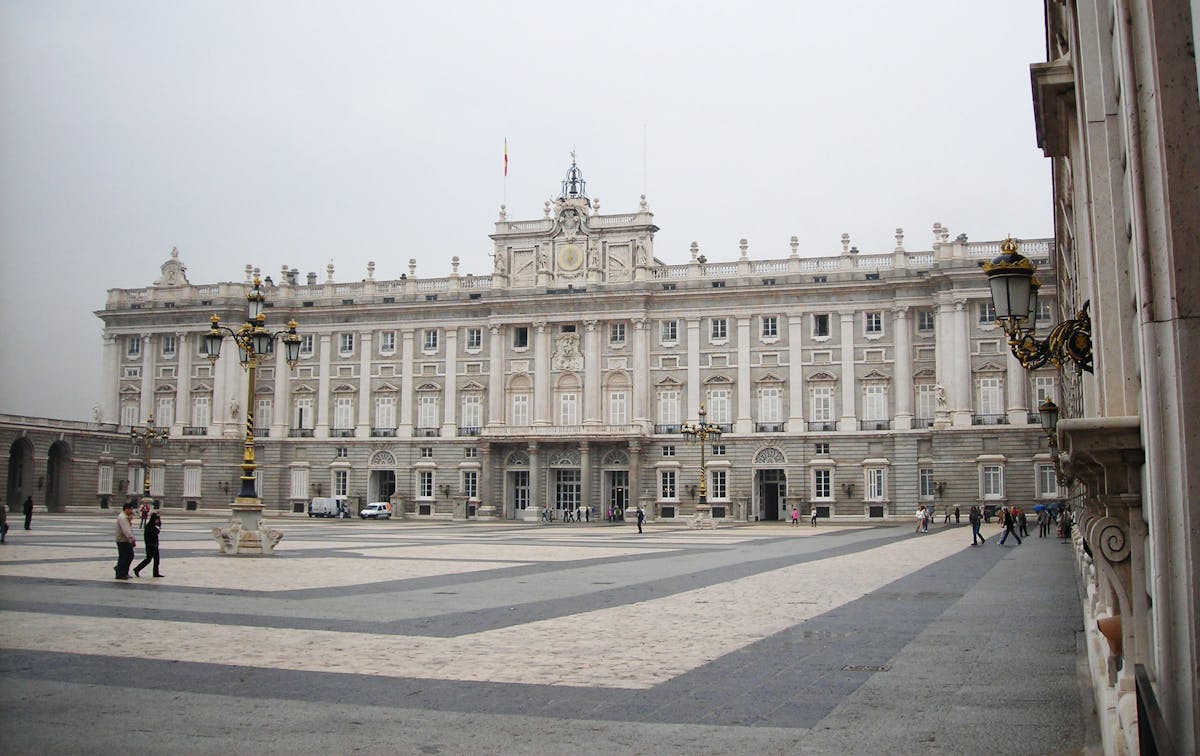
The Palacio Real de Madrid (Royal Palace of Madrid) stands as the official residence of the Spanish monarchy and is the largest royal palace in Western Europe—larger even than Versailles, with over 3,000 rooms and more than 135,000 square meters of floor space. Though the Spanish royal family now resides at the smaller Zarzuela Palace on the city’s outskirts, the Royal Palace remains a powerfully symbolic seat of monarchy and serves as the location for state ceremonies and official functions.
Constructed between 1738 and 1755 in response to the original Alcázar palace burning in 1734, the Royal Palace exemplifies 18th-century Spanish royal architecture, with influences from Italian and French palatial design. The facade stretches across an enormous plaza, and the interior is a marvel of baroque and neoclassical decoration. Visitors can tour approximately 18 richly decorated rooms open to the public, including the lavish Throne Room with its gilded throne and elaborate frescoed ceiling, the Mirror Galleries, and the Royal Armoury—a museum-within-a-palace containing historic weapons and armor. The Palace’s staircases alone are architectural marvels, with some spanning entire stories without visible support.
General admission costs approximately €15, with discounts available for students, seniors, and groups. Visiting hours are Monday through Saturday from 10:00 AM to 6:00 PM (8:00 PM in summer), and Sundays from 10:00 AM to 3:00 PM. I recommend booking tickets in advance online to skip queues, particularly during peak tourist season. Allow 2-3 hours for a thorough visit, though you could spend an entire day if you become absorbed in the palace’s history and architecture. The surrounding plaza offers excellent photo opportunities, and the palace’s proximity to other attractions makes it easy to incorporate into a walking itinerary.
Plaza Mayor: The Heart of Historic Madrid
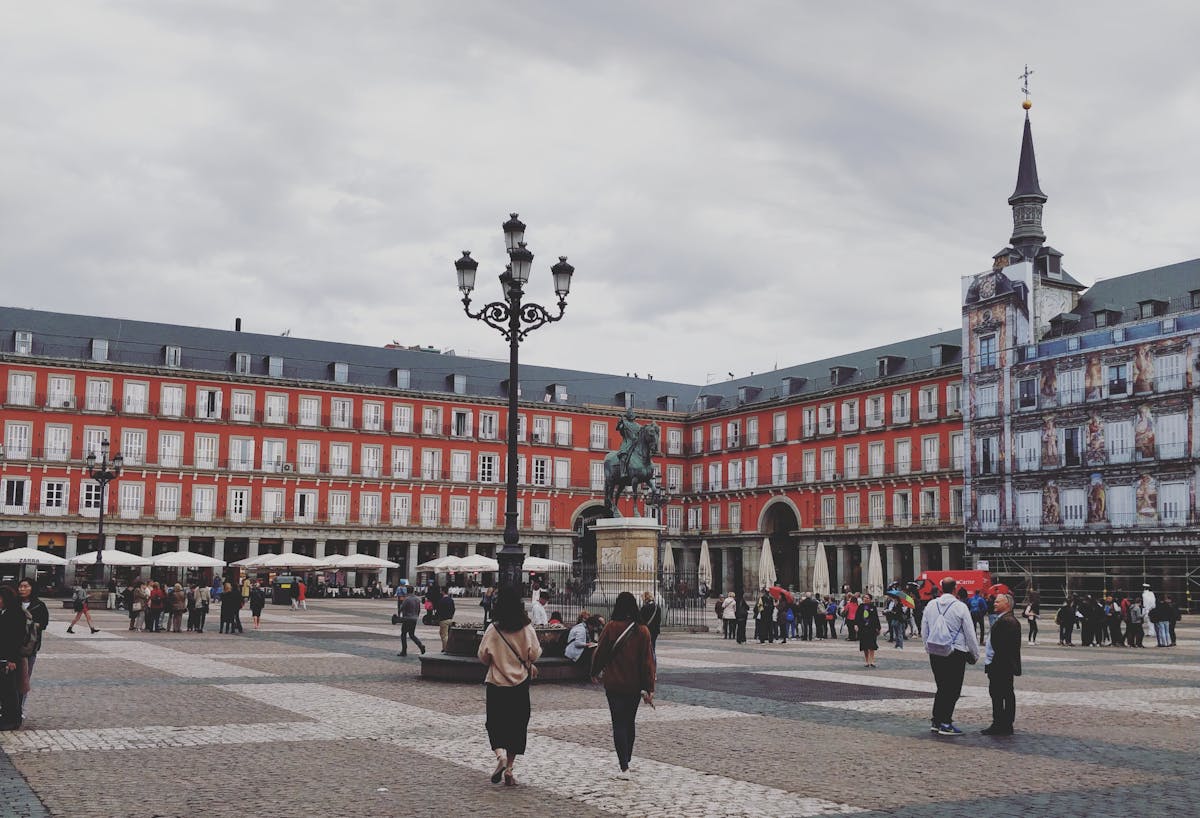
Plaza Mayor stands as the beating heart of old Madrid, a vast rectangular plaza surrounded by uniform arcaded buildings dating back to the 17th century during Madrid’s development as the Spanish capital. Constructed between 1580 and 1619, this plaza has served countless functions throughout Madrid’s history—from bullfights and executions to markets and public celebrations. Today, it pulses with life: tourists mingling with locals, street musicians and artists creating entertainment, outdoor restaurants serving sangria and bocadillos, and the iconic equestrian statue of King Philip III commanding the center of the plaza.
The plaza is surrounded by elegant porticoes with hundreds of small shops, restaurants, and cafes built into the ground floor, while the apartments above maintained their residential purpose for centuries. Exploring the various shops and cafes beneath the archways is itself an enjoyable experience, as you’ll find vintage bookshops, souvenir vendors, and family-run restaurants that have operated in the same locations for generations. The plaza comes alive at different times of the day—peaceful and atmospheric in early morning, bustling with activity in afternoon, and beautifully lit by evening, making it worth visiting multiple times during your Madrid stay.
Puerta del Sol: Madrid’s Iconic Center Point
Puerta del Sol (Gate of the Sun) represents Madrid’s most symbolic public space and the literal center of Madrid. This iconic plaza features the Kilometer Zero marker—a brass marker embedded in the ground from which all distances on Spanish national roads are measured. At Puerta del Sol, you’ll find the famous Bear and Strawberry Tree statue (El Oso y el Madroño), which has become an unofficial symbol of Madrid and the city’s coat of arms.
The plaza has played a central role in Spanish history: it was the site of uprisings against Napoleonic occupation, key moments during the Spanish Civil War, and countless celebrations and demonstrations throughout the modern era. The Royal Palace, Prime Minister’s office, and other governmental institutions are within walking distance, making the area a nexus of Spanish political and cultural life. The plaza itself is a major public gathering space and the starting point for New Year’s Eve celebrations each December 31st, when thousands of madrileños converge to watch the clock tower and consume their traditional twelve grapes as the clock strikes midnight.
Almudena Cathedral: Madrid’s Most Important Religious Site
The Santa María la Real de la Almudena Cathedral stands directly adjacent to the Royal Palace, offering a striking visual and spiritual counterpoint to the royal residence. Unlike many European cathedrals built over centuries in medieval and Renaissance styles, the Almudena was constructed between 1879 and 1993, making it one of Europe’s newer major cathedrals. Its Neo-Gothic exterior contrasts dramatically with a bright, modern interior featuring contemporary stained glass and artwork, creating an unusual aesthetic that bridges historical reverence with modern spirituality.
The cathedral’s construction story itself is fascinating—the site has been sacred since the 9th century, but the current building wasn’t completed until over a century after construction began. Pope John Paul II consecrated the cathedral in 1993, and it remains an important pilgrimage site and destination for weddings and religious ceremonies. Visitors can explore the interior free of charge, and the crypt contains religious artifacts including relics of various saints. The cathedral’s location directly adjacent to the Royal Palace makes it convenient to visit during a palace tour, and the juxtaposition of the two buildings offers interesting perspectives on Madrid’s layered history.
Parks & Outdoor Spaces: Madrid’s Green Lungs
Madrid’s parks provide essential respite from urban hustle and showcase the city’s commitment to urban green spaces. From sprawling former royal hunting grounds to carefully curated gardens, Madrid’s parks offer diverse outdoor experiences for relaxation, exercise, and nature appreciation.
Retiro Park: Madrid’s Most Iconic Green Space
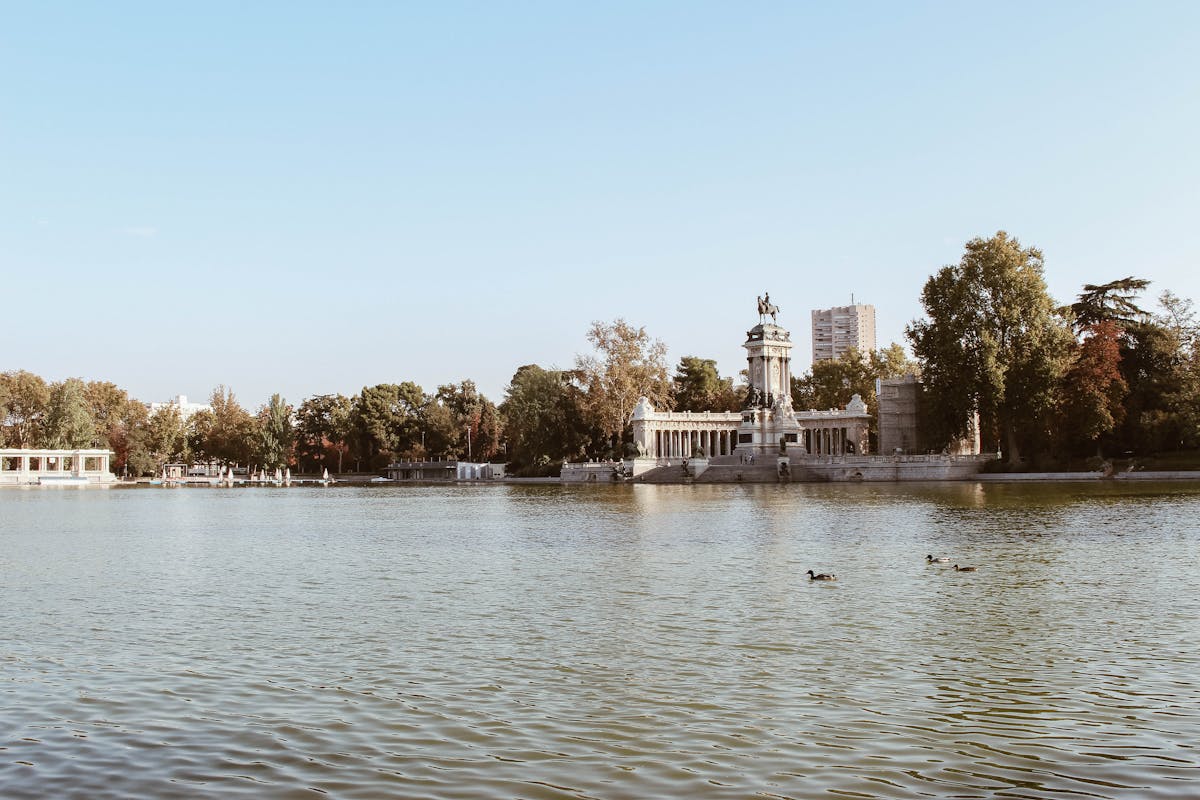
Retiro Park (Parque del Buen Retiro) sprawls across 300 acres in central Madrid and stands as one of Europe’s greatest urban parks, recognized as a UNESCO World Heritage Site. Originally developed as a royal retreat and hunting ground beginning in the 17th century, the park was opened to the public in the 19th century and has since become a beloved destination for madrileños and visitors alike. A morning or afternoon wandering through Retiro’s pathways, gardens, and lakeside promenades provides a quintessentially Madrid experience.
The park’s highlights include the stunning Retiro Lake (Estanque del Retiro), where you can rent rowboats for leisurely recreation on the water while surrounded by landscaping and monuments. The park contains numerous statues and monuments commemorating Spanish historical figures, the beautiful Rosaleda rose garden featuring over 4,000 roses that bloom spectacularly in spring and early summer, and the ethereal Crystal Palace (Palacio de Cristal)—a striking iron-and-glass pavilion originally built in 1887 as a winter garden that now serves as an exhibition space. The Ángel Caído monument, depicting a falling angel, has become a symbol of the park and offers excellent photo opportunities from nearby benches.
Retiro is completely free to enter and open from 6:00 AM until sunset (times vary seasonally). The park is easily accessible via Metro Line 2 (Retiro station) or Line 9 (Ibiza station), making it convenient to incorporate into your itinerary. I recommend spending at least 2-3 hours exploring, though many visitors spend entire afternoons here, renting boats, visiting the Crystal Palace, and simply enjoying the atmosphere. The park is particularly beautiful in spring when flowers bloom and weather becomes warm, and equally lovely in autumn when temperatures cool and crowds diminish.
Temple of Debod: Ancient Egypt in the Heart of Madrid
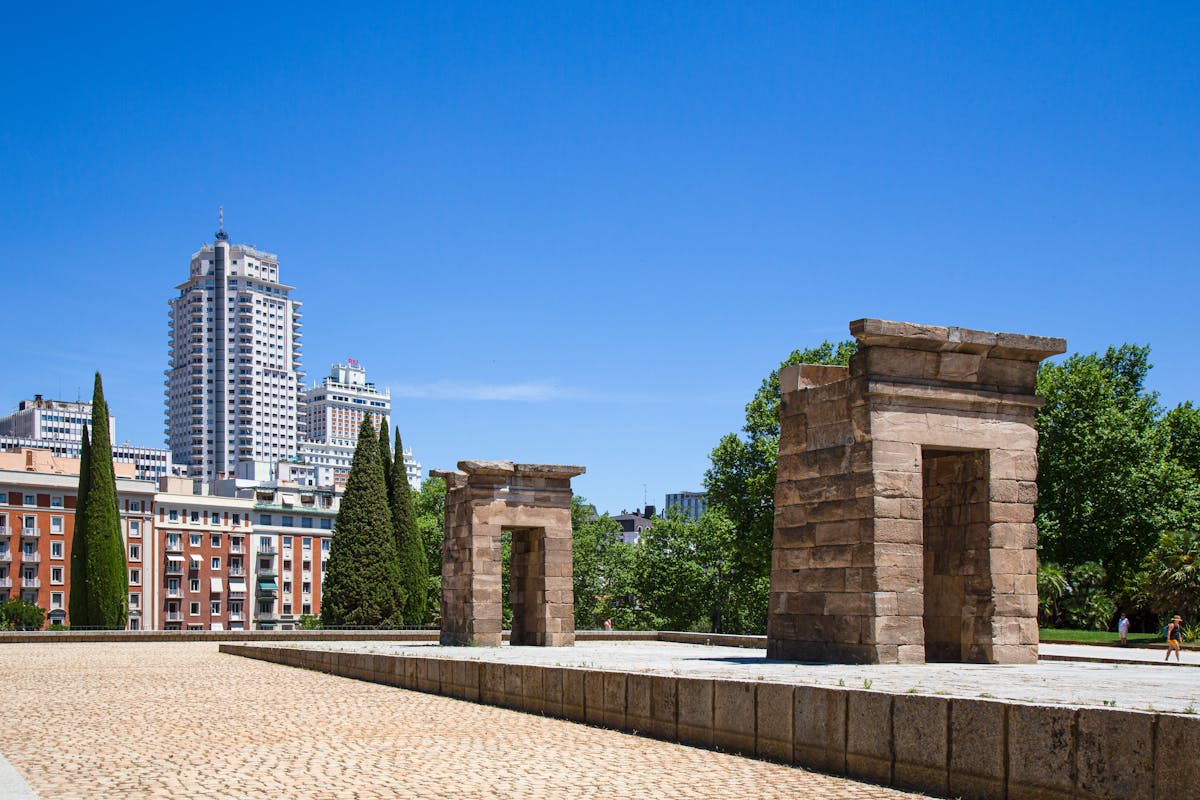
The Temple of Debod represents an extraordinary example of international cultural generosity and stands as one of Madrid’s most unique attractions. This authentic ancient Egyptian temple, dating to the 2nd century BC, was originally constructed in Nubia (modern-day Sudan) as a place of worship dedicated to the god Amun. When the Aswan High Dam’s construction threatened to submerge the temple forever under rising waters, the Egyptian government, in gratitude for UNESCO’s efforts to save Abu Simbel, donated the temple to Spain in 1968. Spanish archaeologists carefully dismantled, transported, and reassembled the temple in Madrid, where it reopened to the public in 1972.
Today, the Temple of Debod stands in a peaceful plaza surrounded by gardens, offering an otherworldly experience as you encounter this 2,000-year-old structure with Madrid’s modern skyline visible in the background. The juxtaposition of ancient architecture with contemporary surroundings creates a surreal atmosphere that fascinates visitors. The temple is completely free to enter and explore, with the interior containing small exhibition spaces explaining the temple’s history and significance. However, the real magic happens at sunset, when golden light illuminates the temple’s sandstone walls while the city lights begin to twinkle in the distance—many photographers and visitors time their visit specifically for this golden hour experience.
Located in the Moncloa neighborhood west of the city center, the Temple of Debod is accessible via Metro Line 2 (Moncloa station) with a short walk through surrounding streets. The surrounding area contains additional parks and museums, making it possible to combine a temple visit with exploration of the broader neighborhood. Hours are typically 10:00 AM to 7:00 PM Tuesday through Sunday (extended to 8:00 PM in summer), closed Mondays.
Casa de Campo & Madrid Río: Larger Parks and Waterside Recreation
Casa de Campo, Madrid’s largest park spanning 3,070 acres, offers extensive opportunities for outdoor recreation including a lake for boating, bicycle rental, recreational areas, and even a zoo and amusement park within its boundaries. The park originated as a royal hunting ground and retains that expansive, natural quality despite its location within the city. Casa de Campo attracts locals seeking serious outdoor recreation and is ideal if you want to escape the dense urban core for extended nature time.
Madrid Río represents a newer urban development along the Manzanares River, creating recreational and cultural spaces through architectural intervention and park development. The project transformed what had been an underutilized area into a series of connected parks, bridges, and cultural spaces offering riverside recreation, public art installations, and access to museums and cultural venues. Madrid Río is particularly popular for cycling, and the pathway system makes it accessible for runners, walkers, and families.
Food & Culinary Experiences: Spain’s Gastronomic Traditions
Madrid’s culinary scene represents one of Spain’s greatest pleasures—a combination of traditional Spanish dishes, modern innovative cuisine, and the famous tapas culture that transforms eating into a social experience. From standing at a bar to enjoy wine and small plates to sitting for elaborate multi-course meals, Madrid offers gastronomy at every level.
Tapas Culture: Madrid’s Soul Food
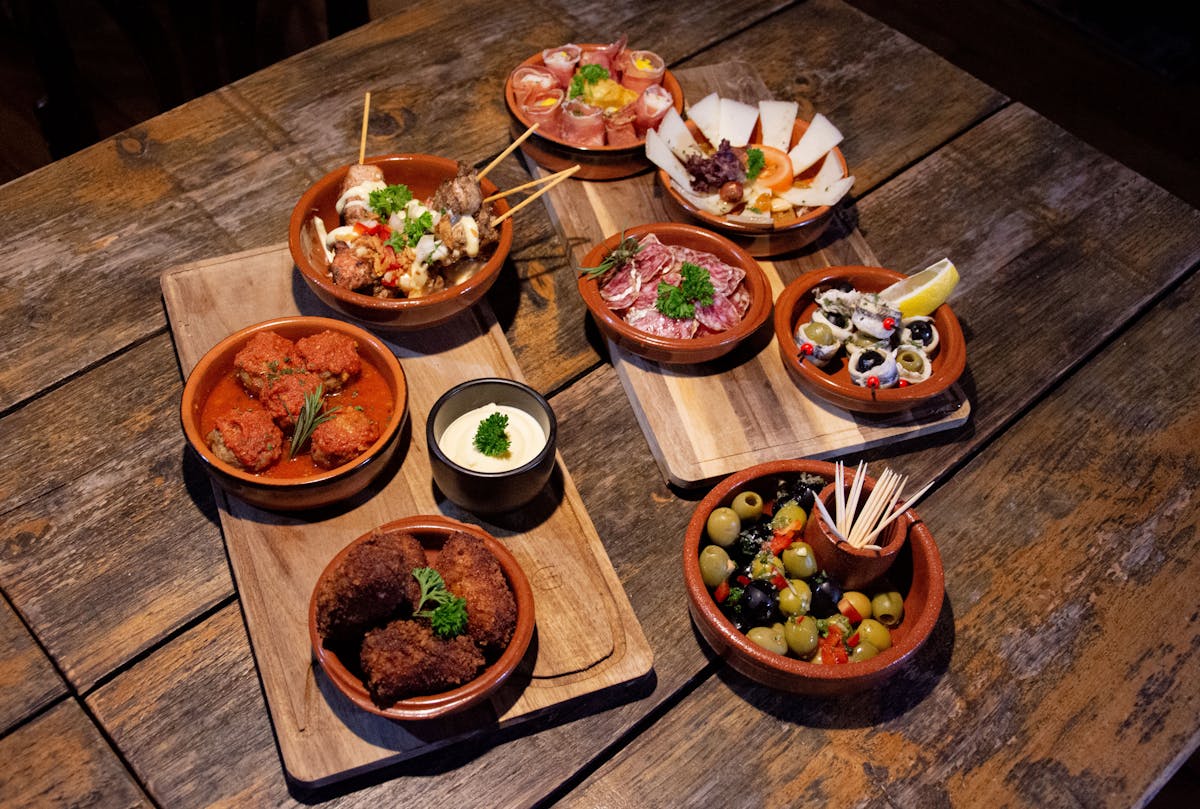
The tapas tradition—eating small plates of cured meats, cheeses, seafood, and cooked dishes while enjoying wine or beer in social settings—represents the heart of Madrid’s food culture. The origin of tapas remains debated among food historians, but the most charming explanation suggests that bartenders covered drinks with saucers (tapas means “covers” or “lids”) topped with cheese or ham to keep flies away, and customers eventually expected food with their drinks. Today, tapas have evolved into an entire culinary art form, with elaborate small plates available at everything from casual neighborhood bars to Michelin-starred establishments.
The traditional Madrid tapas experience involves moving from bar to bar (called a “tapeo”), ordering small plates and drinks at each location, enjoying the social atmosphere, and gradually sampling a wide variety of dishes. Iconic Madrid tapas include “bocadillo de calamares” (squid sandwich), particularly famous from Plaza Mayor establishments that have perfected this simple-yet-delicious combination of fried squid on crusty bread; “croquetas” in varieties like jamón ibérico (Iberian ham), cod, or mushroom; “albóndigas” (meatballs); “aceitunas” (olives); “jamón serrano” (cured ham); “queso manchego” (cheese); “gambas al ajillo” (garlic shrimp); and countless preparations of fish, seafood, and vegetables.
For a curated tapas introduction, visit the classic neighborhood bars in La Latina or Malasaña districts, where you’ll find authentic establishments that cater more to locals than tourists. Casa Lucio, a legendary Madrid institution operating since 1932, serves excellent traditional fare in an atmospheric setting. Alternatively, the modern tapas scene offers innovative approaches at restaurants like Punto MG or Bazaar, where acclaimed chefs reimagine traditional dishes with contemporary techniques.
Mercado San Miguel: Gourmet Market & Social Hub
Mercado San Miguel represents Madrid’s most famous food market—a stunning iron-framed structure originally built in 1916 that has been transformed into a gourmet tapas marketplace and social hub. This beautiful Belle Époque building houses dozens of specialty food stalls offering everything from fresh seafood to ibérico ham, artisanal cheeses, Spanish wines, craft beers, and prepared tapas that you can enjoy standing at high tables throughout the market’s interior.
The market operates as a both a destination unto itself and a starting point for explorations into Madrid’s food culture. Whether you want to sample multiple small bites from various vendors, purchase specialty ingredients to take home, or spend an afternoon standing among crowds of locals and tourists enjoying drinks and food, Mercado San Miguel accommodates all approaches. The market is located directly adjacent to Plaza Mayor, making it convenient to visit during your exploration of that historic plaza. Hours are typically 10:00 AM to midnight daily, with drinks and tapas service from noon onwards.
Traditional Madrid Cuisine: Cocido Madrileño and Beyond
Beyond tapas, Madrid possesses distinctive traditional dishes that reflect the city’s history and culture. Cocido Madrileño stands as Madrid’s most famous traditional dish—a hearty chickpea stew historically eaten by working-class madrileños and now considered a cultural treasure. This rich, warming dish features chickpeas, various cuts of pork (including ham bones, ribs, and sausages), chicken, beef, and vegetables like carrots, turnips, and cabbage, traditionally served as a three-course meal: first the broth with pasta or rice, then the vegetables and legumes, finally the meats. This dish represents comfort food at its finest and remains beloved among madrileños, available at traditional restaurants throughout the city.
Other important traditional Madrid dishes include “rabo de toro” (oxtail stew), various meat and vegetable preparations reflecting Spanish culinary traditions, and desserts like “torrijas” (Spanish French toast) and “churros con chocolate” (fried dough with hot chocolate). The neighborhoods of La Latina, Chamberí, and Malasaña contain numerous traditional restaurants (tascas) that have served these dishes for generations, offering authentic experiences at reasonable prices.
Shopping for Food: Markets and Specialty Shops
Madrid’s food markets and specialty shops provide opportunities to shop like locals and discover authentic ingredients. Beyond Mercado San Miguel, visit neighborhood markets like Mercado de San Antón or numerous neighborhood markets scattered throughout the city where locals shop for fresh produce, fish, and meat. Specialty shops selling jamón ibérico, Spanish wines, and regional products allow you to explore Spain’s culinary diversity and potentially purchase items to take home. The Salamanca neighborhood contains particularly upscale food shops catering to Madrid’s wealthiest residents.
Shopping & Markets: Madrid’s Commercial Districts
Madrid offers shopping experiences ranging from historic flea markets to contemporary shopping districts, with options to suit every budget and aesthetic preference.
Gran Vía: Madrid’s Broadway
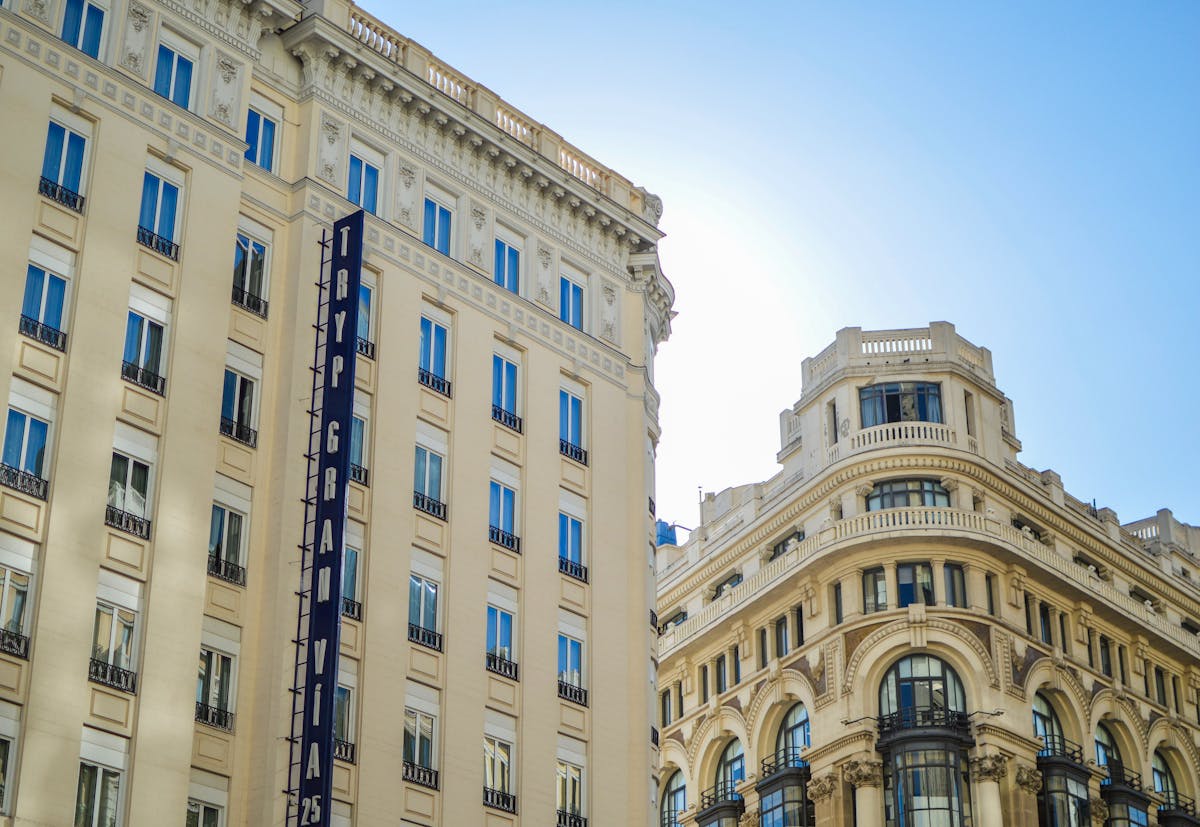
Gran Vía represents Madrid’s most famous avenue and principal shopping street, stretching nearly 1.3 kilometers through the heart of the city. Constructed between 1910 and 1952, this grand avenue was designed to modernize Madrid and provide a monumental thoroughfare comparable to Paris’s Champs-Élysées or Barcelona’s Passeig de Gràcia. The avenue’s architecture showcases distinctive early 20th-century styles including Art Nouveau, Art Deco, and Spanish regionalism, with impressive buildings housing international fashion brands, major department stores, theaters, and restaurants.
Walking Gran Vía provides both shopping and architectural exploration, as the street itself is as much a tourist attraction as its individual establishments. The street features wide sidewalks, outdoor seating areas, and numerous interesting buildings worth examining. Major anchors include the flagship stores of luxury brands, the Corte Inglés (Spain’s premier department store), and theaters featuring theatrical productions. Gran Vía is easily accessible via Metro and served by numerous bus lines, making it a natural focal point during Madrid visits.
El Rastro: Madrid’s Historic Flea Market
El Rastro stands as Madrid’s most famous flea market and an institution in the city’s culture for over 400 years. This massive weekly market sprawls through the La Latina neighborhood every Sunday (and some holidays) from approximately 9:00 AM to 3:00 PM, with hundreds of vendors selling everything from antique furniture and vintage clothing to books, records, art, collectibles, and genuine junk. The market has traditionally attracted both serious collectors seeking valuable items and casual browsers looking for unusual finds and entertainment.
The experience of El Rastro is as much about the atmosphere and social experience as about actual shopping. Sunday mornings in La Latina are quintessentially Madrid—madrileños browsing for bargains, international visitors hunting for unique souvenirs, musicians playing in the streets, and the distinctive energy of a city-wide ritual that’s been repeated for centuries. The markets offer opportunities to practice Spanish while negotiating prices, discover unusual artifacts, and experience an authentically local tradition. Even if you don’t intend to purchase anything, spending a few hours wandering through El Rastro provides genuine insights into Madrid’s character.
The Salamanca District: Upscale Shopping & Designer Boutiques
The Salamanca district, located in the eastern part of central Madrid, represents the city’s most exclusive and upscale shopping neighborhood. This wealthy residential and commercial area features independent designer boutiques, flagship stores for international fashion houses, luxury home goods shops, and gourmet food establishments catering to the district’s affluent residents. Calle Serrano particularly serves as the main thoroughfare for luxury shopping, with virtually every major European designer maintaining a presence.
The Salamanca district also encompasses beautiful Belle Époque architecture, intimate plazas, and numerous excellent restaurants and cafes. While less about flea-market discovery and more about contemporary fashion, the Salamanca district offers an aspirational window into Spanish style and an opportunity to understand how Madrid’s most affluent residents shop and live. The district is easily accessible via Metro and provides a neighborhood-focused experience unlike the crowds of Gran Vía.
Fuencarral & Alternative Shopping Districts
For alternative, vintage, and indie shopping, the Calle Fuencarral and the surrounding Malasaña neighborhood offer a more bohemian and artistic shopping experience. This historic street connects Gran Vía to Madrid’s most alternative neighborhood, lined with independent boutiques, vintage shops, punk stores, thrift outlets, and quirky establishments that reflect the neighborhood’s artistic and countercultural history. The shopping here is less about brand names and more about individual style and discovery.
Nightlife & Entertainment: Evening Experiences in Madrid
Madrid’s nightlife scene is renowned throughout Europe for its energy, diversity, and late-night culture. Madrileños embrace a distinctive schedule where dinner often begins at 9:00 PM, bars fill after 11:00 PM, and nightclubs don’t peak until 1:00 or 2:00 AM—an adjustment that international visitors must prepare for psychologically and physically.

Flamenco: Authentic Spanish Passion
Flamenco dancing and music represent quintessential Spanish cultural expressions, and Madrid offers numerous opportunities to experience this passionate art form. Authentic flamenco originated in Andalusia (southern Spain) but has become embraced throughout Spain, and Madrid’s flamenco venues range from casual taverns where spontaneous performances occur to professional theaters featuring polished productions.
For authentic experiences, seek out traditional “peñas” (flamenco clubs) in neighborhoods like La Latina or Malasaña, where you might encounter impromptu performances by regular members and experience the art in its most genuine context. For more formal productions, established venues like Cardamomo, Teatro Flamenco, and Las Tablas offer nightly performances featuring professional dancers and musicians. These venues typically offer dining packages where you enjoy dinner while watching the performance, creating a complete evening entertainment experience.
Be aware that flamenco as a commercial tourist product can sometimes feel manufactured or watered down compared to authentic performances. Research venues carefully, read recent reviews, and consider recommendations from locals. Many tourists find that the most memorable flamenco experiences occur unexpectedly in neighborhood bars or cultural centers rather than at formal venues explicitly marketing to tourists.
Rooftop Bars & Cocktail Culture
Madrid’s rooftop bar scene has exploded in recent years, with numerous establishments offering elevated vantage points over the city combined with sophisticated cocktails. These venues are particularly popular in summer when temperatures cool in the evening and the outdoor experience becomes one of the evening’s highlights. Venues like Círculo Gran Vía, El Club Allard’s sister venue, and numerous rooftop spaces throughout the city offer craft cocktails, often prepared by talented bartenders, combined with views of illuminated monuments and cityscape.
The rooftop bar experience has become increasingly important to Madrid’s nightlife scene, attracting locals and tourists alike who want entertainment with a view. Many upscale hotels incorporate rooftop bars or lounges, making it possible to enjoy the experience even without patronizing exclusively nightlife establishments.
Malasaña & Chueca: Madrid’s Alternative Nightlife Neighborhoods
Malasaña and Chueca neighborhoods represent the heart of Madrid’s alternative, bohemian, LGBTQ-friendly, and independent nightlife scenes. These adjacent neighborhoods near the city center contain numerous bars, clubs, and establishments catering to diverse crowds and offering an authentic neighborhood nightlife experience distinct from the more touristy areas.
Malasaña particularly emerged from working-class origins to become Madrid’s countercultural epicenter in the 1980s, and while gentrification has transformed the neighborhood significantly, it retains artistic and alternative character. The area contains vintage shops, street art, indie bars, and a bohemian atmosphere that appeals to visitors seeking Madrid beyond tourist circuits. Chueca, historically Madrid’s LGBTQ neighborhood, remains vibrant with diverse bars, clubs, and cultural venues creating an inclusive and energetic atmosphere throughout the evening and night hours.
Live Music & Jazz Venues
Madrid’s live music scene encompasses everything from jazz clubs to rock venues to contemporary concert halls. Venues like Café Central, one of Europe’s oldest jazz clubs, offer intimate performances in atmospheric settings. Sala Berlín, La Riviera, and other mid-sized venues host rock, pop, and alternative bands. The Auditorio Nacional presents classical music and larger contemporary performances. The Theater District along Gran Vía offers theatrical productions and cultural performances for all interests.
Live music venues and concert calendars change seasonally and frequently, so I recommend checking venue websites or asking your hotel concierge for current performance schedules. Many venues don’t require reservations and welcome walk-ups, making it possible to spontaneously experience live music during your visit.
Sports & Stadium Tours: Real Madrid and Atlético Madrid
Madrid is home to two of Europe’s greatest football clubs—Real Madrid and Atlético Madrid—whose headquarters and stadiums draw visitors from around the world, even those with only casual interest in football. These visits provide insights into Spanish sporting culture and the architectural/institutional significance of football in Spanish society.
Santiago Bernabéu Stadium: Real Madrid’s Temple
Real Madrid’s Santiago Bernabéu Stadium stands as one of world football’s most iconic venues, with a capacity exceeding 81,000 and a legendary history spanning decades. The recently completed renovation of the stadium included a complete modernization while respecting the venue’s historical significance. Stadium tours available Monday through Saturday from 9:30 AM to 7:00 PM and Sunday from 10:00 AM to 6:30 PM provide access to the pitch, press areas, player tunnels, and a museum documenting the club’s extensive trophy collection and history.
Even visitors without deep football enthusiasm often find the stadium experience meaningful, as it represents a significant cultural institution in Spanish society. The tour includes access to the Real Madrid Museum, which contains the club’s historic trophies including multiple European Cups, La Liga championships, and memorabilia spanning the club’s illustrious history. Attending an actual match, if scheduling permits, provides an incomparably authentic experience of stadium atmosphere and Spanish sporting passion, though tickets for marquee matches become very difficult to obtain.
Wanda Metropolitano: Atlético Madrid’s Modern Stadium
Atlético Madrid’s newer Wanda Metropolitano Stadium, opened in 2017, represents state-of-the-art sporting facility design with a capacity of 68,000. The stadium, constructed outside the city center in the San Blas district, includes modern amenities and a contemporary museum documenting Atlético Madrid’s history and achievements. Stadium tours and museum access provide insights into this club’s culture and heritage, often with less crowding than the more famous Real Madrid facility.
Day Trips from Madrid: Regional Exploration
Madrid’s central location in Spain makes it an excellent base for exploring neighboring regions and historic cities. While comprehensive coverage of day trips deserves dedicated guides (which you’ll find in our detailed destination pages), these three destinations offer particularly rewarding excursions from Madrid.
Toledo: Medieval Masterpiece
Toledo, perched dramatically on a hilltop approximately 70 kilometers south of Madrid, represents one of Spain’s most visually stunning historic cities. This UNESCO World Heritage Site features medieval architecture, narrow winding streets, historic religious sites, and an intensely atmospheric environment that seems frozen in earlier centuries. Toledo was Spain’s capital before Madrid and remains an important spiritual and cultural center. The city’s layered religious history—with Christian churches, mosques, and synagogues occupying the same spaces—reflects medieval Spain’s unique multicultural character.
Toledo is easily reached by train from Madrid (approximately 30-40 minutes) and worth a full day of exploration. El Greco, the iconic painter, spent much of his career in Toledo, and the city contains numerous his works as well as the artist’s former house, now a museum. The Cathedral of Toledo, one of Spain’s greatest Gothic structures, contains masterworks of Spanish art. Wandering through Toledo’s atmospheric medieval streets, eating at local restaurants, and enjoying views from the surrounding hillsides create memorable experiences distinct from Madrid’s contemporary urban character.
Segovia: Roman Engineering & Culinary Excellence
Segovia, located approximately 90 kilometers northwest of Madrid, enchants visitors with its extraordinarily preserved medieval character, a magnificent Roman aqueduct, and a reputation for exceptional cuisine. The Aqueduct of Segovia, constructed by Roman engineers approximately 2,000 years ago and remarkably preserved, stands as one of Europe’s finest examples of Roman engineering, stretching over 800 meters through the city’s historic center with 166 arches supporting its structure.
Segovia’s Alcázar castle dominates the skyline and inspired Disney’s Cinderella castle design. The Cathedral of Segovia showcases late Gothic architecture, and the Plaza Mayor provides a charming central gathering space. The city’s culinary reputation centers on “cochinillo asado” (roasted suckling pig) and “cordero asado” (roasted lamb), with numerous traditional restaurants serving these specialties in centuries-old dining rooms. Segovia is reached by train or bus from Madrid (approximately 30 minutes) and rewards a full day of exploration combining sightseeing with dining experiences.
El Escorial: Royal Monastery & Felipe II’s Legacy
El Escorial, located approximately 45 kilometers northwest of Madrid, houses one of Spain’s most important historical monuments—a massive monastery, royal palace, library, and mausoleum commissioned by King Philip II in the 16th century. This austere yet magnificent complex served as the Spanish royal residence for centuries and contains an extraordinary collection of art, manuscripts, and historical artifacts. The library contains over 40,000 volumes including medieval manuscripts and first editions. The extensive museum contains works by Velázquez, Titian, and other masters of European art.
El Escorial is easily reached by train from Madrid’s Atocha station (approximately 45-60 minutes) or by car. A full day exploring the complex—including its numerous galleries, royal apartments, monastery spaces, and surrounding gardens—allows adequate time to appreciate its significance. El Escorial’s architectural influence on Spanish palace design and its importance to Spanish royal history make it essential for those interested in Spanish cultural heritage.
Practical Tips for Visiting Madrid
Best Time to Visit
Madrid’s climate makes spring (March through May) and autumn (September through November) ideal visiting seasons. Temperatures during these periods range from comfortable 15-24°C (59-75°F), with sunny weather most days and minimal rain. Spring brings blooming flowers, particularly spectacular in Retiro Park’s rose gardens, while autumn offers pleasant temperatures and fewer crowds than summer. July and August, while sunny, bring intense heat (often exceeding 35°C/95°F) and reduced activity due to madrileño holidays, making museums and restaurants less busy but the city feeling less vibrant. Winter (December-February) brings cold temperatures (5-10°C/41-50°F) and occasional rain but also reduced crowds and festive holiday atmospheres in December.
Madrid Tourist Pass & Museum Access
The Madrid Tourist Pass, available in 3-day (approximately €95) and 5-day (approximately €135) options, includes skip-the-line admission to over 50 attractions plus unlimited public transportation. For visitors planning to visit multiple museums, this pass often delivers excellent value by reducing both costs and queuing time. However, if you’re interested in only a few specific museums, individual admission may be more economical. The pass is purchased online and allows flexibility in choosing which attractions to visit during the validity period.
For budget-conscious travelers, remember that major museums offer free admission during specific hours: Prado Museum free 6-8 PM Monday-Saturday and 5-7 PM Sunday, Reina Sofía free 7-9 PM Monday, Wednesday-Saturday and 1:30-7 PM Sunday, and Thyssen-Bornemisza free Mondays noon-4 PM. Planning museum visits around these free hours requires schedule flexibility but allows visiting multiple museums without admission charges.
Getting Around Madrid
Madrid’s public transportation system, operated by Metro de Madrid, is one of Europe’s most efficient. The Metro system includes 12 lines serving 302 stations throughout the city, with trains running from 6:00 AM until 1:30 AM daily. The network provides coverage to virtually all major attractions and neighborhoods, making it unnecessary to rent a car for city exploration. A 10-trip MetroBús pass (valid on both Metro and buses) costs approximately €12.20, providing excellent value for transportation. Single journeys typically cost €1.50-€3.00 depending on zones traveled. Tickets can be purchased at ticket offices or automated machines in Metro stations.
For exploring specific neighborhoods on foot, walking represents an excellent option as Madrid is designed for pedestrians with sidewalks, traffic regulations protecting walkers, and compact neighborhoods encouraging exploration by foot. However, the city’s size means some connections require public transportation or taxis. Ride-hailing services like Uber and Bolt operate in Madrid, offering convenient alternatives to traditional taxis, particularly during peak nightlife hours.
Budget Planning
Madrid offers good value for European travel. Mid-range visitors typically budget €80-120 per person daily when accounting for moderate accommodation (€60-100 per night for mid-range hotels), dining (€30-50 daily for mixed restaurant and tapas experiences), and activities/attractions (€20-50 daily depending on museum and activity choices). This estimate assumes enjoying Madrid’s excellent food culture and visiting museums, though costs can be reduced through free activities (parks, plazas, free museum hours) and budget accommodations/dining.
Safety & Practical Considerations
Madrid is generally a safe city for tourists who exercise normal urban precautions. Pickpocketing occurs in tourist-heavy areas and on crowded public transportation, so secure valuables and remain aware of surroundings in crowded areas. Avoid walking alone in unfamiliar neighborhoods very late at night, though central areas remain well-lit and busy even late. The Spanish health system is excellent, with pharmacies (“farmacias”) clearly marked with illuminated green crosses widely available throughout the city.
Language considerations: English is increasingly spoken in tourist areas, hotels, and restaurants, but learning basic Spanish phrases significantly enhances interactions with locals. Many museums and cultural institutions provide English language information, though having a translation app on your phone provides backup support for communication.
Hidden Gems & Local Favorites: Beyond Tourist Circuits
Beyond the famous attractions, Madrid contains numerous establishments and locations that madrileños frequent regularly but tourists often miss. These local favorites offer more authentic experiences and insight into how residents actually engage with their city.
Matadero Madrid: Contemporary Culture in Unexpected Spaces
Matadero Madrid, located in the Arganzuela neighborhood, occupies a stunningly converted neo-mudéjar slaughterhouse dating to the 1920s. This industrial-turned-cultural-center now houses art studios, galleries, performance spaces, and laboratories for artistic experimentation. The architectural transformation of the building—maintaining its distinctive industrial character while creating contemporary art spaces—represents fascinating adaptive reuse of historic infrastructure. Matadero hosts experimental performances, art exhibitions, design shows, and cultural events that offer insights into Madrid’s contemporary art scene beyond mainstream museums. The surrounding neighborhood, once industrial, has similarly transformed into an artistic and creative district worth exploring.
Sorolla Museum: Intimate Artist’s Legacy
The Sorolla Museum, located in the former home and studio of Spanish painter Joaquín Sorolla, offers an intimate museum experience quite different from Madrid’s larger institutions. This modest mansion maintains much of the artist’s original studio arrangement and personal collection, creating an impression of stepping directly into the artist’s working environment. Sorolla’s luminous paintings of beaches, gardens, and sunlit figures showcase his mastery of light and color. The museum’s small size allows for a contemplative experience without crowds, and the surrounding garden, originally designed by Sorolla himself, provides peaceful refuge. This museum particularly appeals to those who find larger museums overwhelming and prefer intimate encounters with art and artist’s personal spaces.
Quinta de los Molinos: Suburban Oasis
Quinta de los Molinos, a historic estate and park in Madrid’s northeastern suburbs, offers a tranquil alternative to central park experiences. This 18th-century estate retains its original gardens, sculpture collections, and peaceful atmosphere, making it popular with locals seeking escape from urban intensity. The gardens feature various themed areas including a rose garden, English garden areas, and a sculpture collection. The estate’s historical significance and beautiful landscaping create an experience quite different from Retiro Park’s grandeur, appealing to visitors seeking quieter, more intimate natural settings.
Cecilio Rodríguez Gardens: Peaceful Respite
Located adjacent to Retiro Park but less touristed, the Cecilio Rodríguez Gardens provide peaceful spaces for walking, relaxation, and nature appreciation. These gardens, originally a palace site, feature beautiful landscaping, sculptures, and vegetation. The combination of formal garden areas and more natural zones creates diverse experiences within a single park. Many locals prefer these gardens to the more crowded Retiro, making them ideal for visitors seeking authentic local park experiences.
Mercado de Motores: Alternative Market Culture
Mercado de Motores, an alternative market operating in a unique industrial space, represents a more contemporary take on Madrid’s market culture. Hosting independent vendors, designers, artisans, and food producers, this weekend market has become a gathering space for Madrid’s creative community and visitors seeking handmade, vintage, and local products. The market atmosphere blends commercial activity with artistic performance and socializing, reflecting Madrid’s evolving cultural landscape.
Neighborhood Exploration: Chamberí, Salamanca, and Moncloa
Beyond the main districts, exploring residential neighborhoods provides genuine insights into how madrileños actually live. Chamberí, a mid-range residential neighborhood, contains historic architecture, neighborhood plazas, independent shops and restaurants, and the authentic character of local life. The Salamanca district, while more upscale, reflects how wealthy madrileños create beautiful urban environments with distinctive architecture and cultural sophistication. Moncloa, historically a university and working-class area, offers alternative culture, student energy, and access to outdoor areas including the Temple of Debod. Simply wandering these neighborhoods, eating at neighborhood restaurants, and observing daily life provides culturally enriching experiences distinct from tourist-heavy areas.
Conclusion: Planning Your Perfect Madrid Adventure
Madrid rewards visitors with a seemingly inexhaustible array of experiences combining world-class art and culture, historic landmarks representing centuries of Spanish heritage, culinary traditions expressing Spain’s regional diversity, vibrant neighborhoods each with distinctive personalities, and a spirit of urban energy and creativity that makes the city feel alive and welcoming. Whether you visit for three days or three weeks, whether you’re a first-time visitor or a returning explorer, Madrid offers discoveries that deepen your appreciation for both the city and Spain itself.
Your ideal Madrid itinerary depends on your personal interests, but I recommend balancing museum experiences with neighborhood exploration, reserving time for leisurely meals and social experiences that reflect Spanish food culture, and maintaining flexibility to discover unexpected neighborhoods and establishments that capture your attention. The madrileños’ ability to enjoy life—whether through conversations with friends over coffee, spontaneous bar-hopping for tapas, or late-night social gatherings—represents perhaps the city’s greatest cultural lesson.
Start your Madrid planning by identifying your core interests—are you primarily motivated by art and museums, historical sites and architecture, food experiences, nightlife and entertainment, or outdoor recreation? This will help you prioritize from among Madrid’s countless attractions. Consider purchasing the Madrid Tourist Pass if planning multiple museum visits, research free museum hours if budget-conscious, and structure your days to balance major attractions with unplanned neighborhood exploration.
Remember that the best travel experiences often come not from checking items off pre-planned itineraries but from spontaneous discoveries, conversations with locals, unexpected restaurants, and simply wandering with openness to surprise. Madrid is designed for this kind of exploration—safe enough to wander, compact enough to explore on foot, with friendly residents generally happy to help visitors, and with countless hidden corners awaiting discovery.
We hope this guide has prepared you for an extraordinary Madrid adventure. The city awaits with its museums, monuments, parks, restaurants, neighborhoods, and distinctive energy. Whether this is your first visit or a return journey, Madrid invites you to experience the Spanish capital’s magic and understand why millions of visitors return annually to this captivating city.
Ready to start your Madrid adventure? Explore our detailed guides to specific neighborhoods, museums, restaurants, and activities to dive deeper into any aspect of Madrid that has captured your interest. Share your Madrid experiences, tips, and discoveries in our community forums, and help future travelers discover their own perfect Madrid moments.