El Rastro Madrid flea market is Spain’s largest open-air market and one of Europe’s most iconic Sunday morning experiences — 3,000+ stalls spread across Calle de la Ribera de Curtidores and surrounding La Latina/Lavapiés streets every Sunday 09:00-15:00, selling antiques, vintage clothing, vinyl records, leather goods, art, books, jewelry, kitchenware, and tourist trinkets. The El Rastro Madrid flea market dates to medieval times when leather tanners worked these streets (“rastro” means trail of blood from the slaughterhouses). For tourists, El Rastro offers cheap souvenirs, vintage finds, haggling culture, and Madrid’s most authentic Sunday morning experience — combine with the legendary La Latina vermouth crawl (12:00-16:00) for the iconic Madrid Sunday.
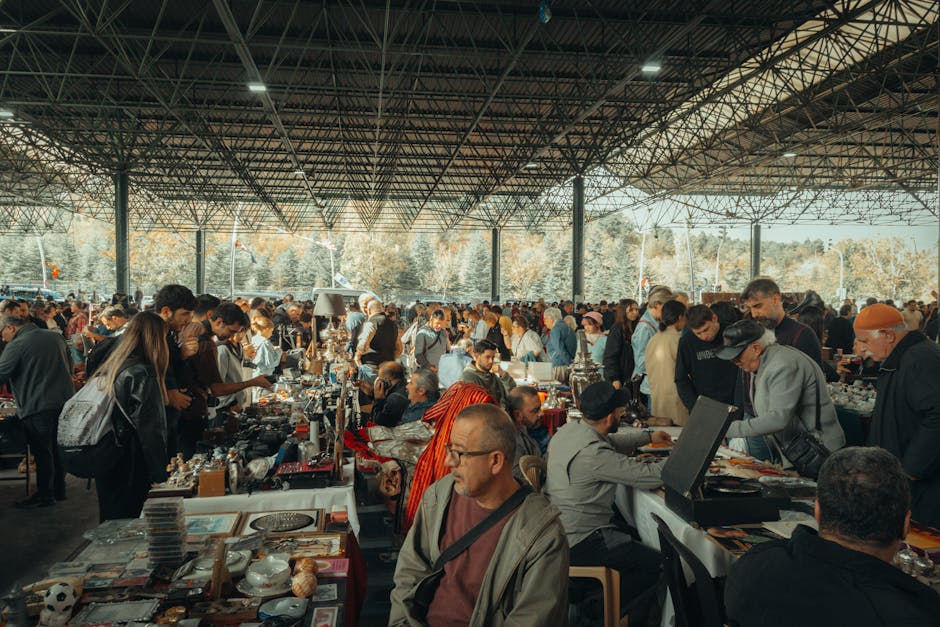
Table of Contents
- El Rastro Madrid Flea Market: Sunday Tradition
- What You Can Find at El Rastro Madrid Flea Market
- El Rastro Madrid Flea Market Layout
- Best Time to Visit El Rastro
- Haggling at El Rastro Madrid Flea Market
- Safety at El Rastro
- Eating Around El Rastro
- Getting to El Rastro
- FAQs
El Rastro Madrid Flea Market: Sunday Tradition
El Rastro operates every Sunday from 09:00-15:00 (sometimes extended to 16:00 in summer) and on public holidays. The market spreads outward from Plaza de Cascorro at the top of Calle de la Ribera de Curtidores — the central spine — through narrow La Latina and Lavapiés streets. 3,000+ vendors and 1,500+ permanent shops participate. The atmosphere is genuinely chaotic: shoulder-to-shoulder crowds, vendors calling out prices, families haggling, music from buskers, the smell of churros from nearby vendors. El Rastro Madrid flea market is one of Europe’s great Sunday institutions — comparable to Paris’s Marché aux Puces de Saint-Ouen or London’s Portobello Road but rougher, cheaper, and more authentically working-class.
What You Can Find at El Rastro Madrid Flea Market
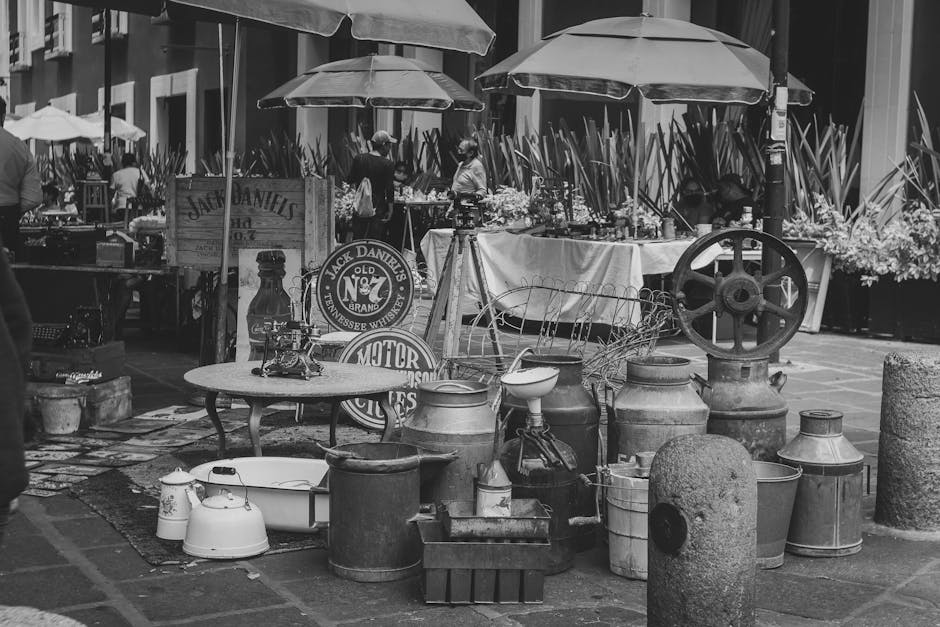
- Antiques: Spanish ceramics, religious icons, brass, silverware, furniture, mirrors. Permanent shops on Calle Mira el Río Alta have specialized antiques.
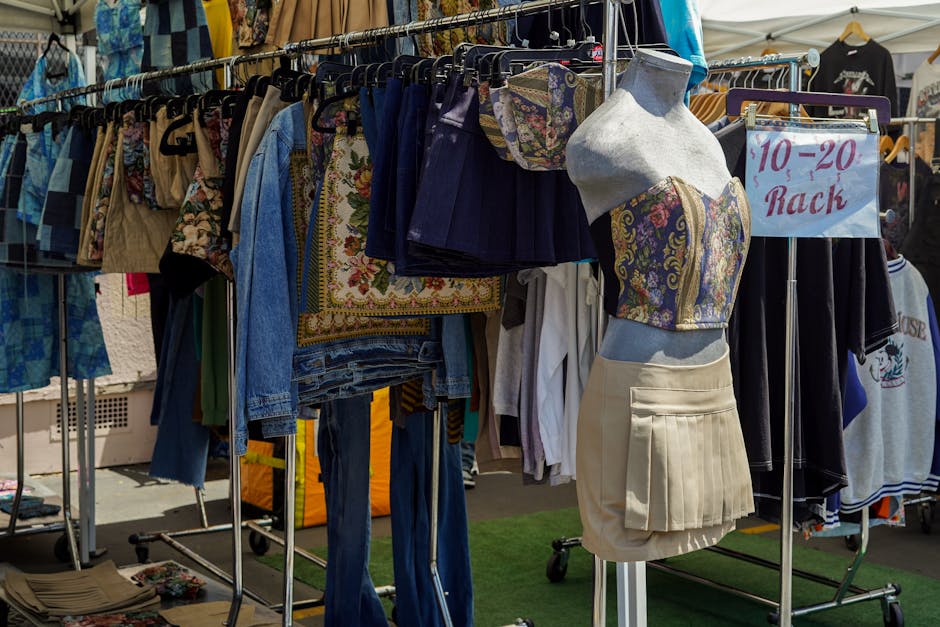
- Vintage clothing: 1960s-1990s leather jackets, dresses, hats. Best on side streets off Calle Ribera.
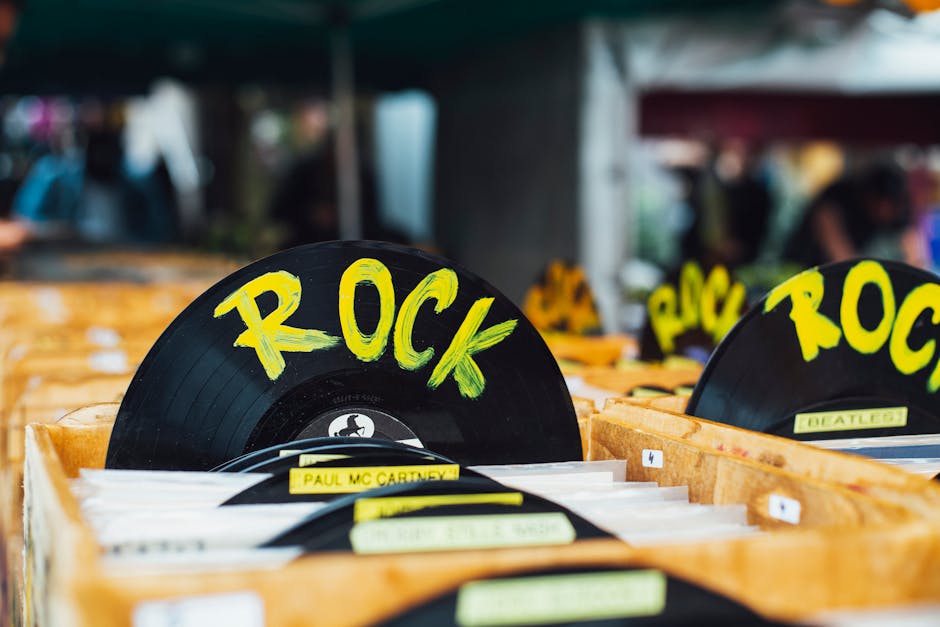
- Vinyl records: Multiple stalls; Spanish 60s-80s rock; flamenco; classical.
- Books: Spanish-language mostly; some English; comics.
- Leather goods: Spanish-made wallets, belts, bags €10-50.
- Art and prints: Local artists; vintage posters; framed art.
- Jewelry: Vintage costume jewelry; handmade Spanish silver.
- Tourist trinkets: Hand fans, flamenco-themed items, magnets, scarves.
- Coins and stamps: Specialized vendors at Plaza General Vara del Rey.
- Kitchenware: Spanish ceramics, pottery, paella pans.
- Electronics: Used electronics — verify before buying.
- Random treasures: The unexpected finds are the best part of El Rastro.
El Rastro Madrid Flea Market Layout
- Plaza de Cascorro (top, La Latina end): Main entrance; food kiosks, churros, drinks.
- Calle de la Ribera de Curtidores: Central spine running south; main vendor street.
- Calle Mira el Río Alta: Antique-specialist permanent shops.
- Calle de los Estudios: Vintage clothing.
- Plaza General Vara del Rey: Coins, stamps, collectibles.
- Plaza de Campillo del Mundo Nuevo: Books and art.
- Calle del Carnero: Permanent leather goods shops.
- Around Plaza de Tirso de Molina: Eastern edge; mixed merchandise.
- Bottom of Ribera de Curtidores (Embajadores): Cheaper goods; less tourist; locals.
Best Time to Visit El Rastro
- 09:00-10:00: Early arrival for serious antique hunters; best selection. Vendors setting up.
- 10:00-11:30: Optimal browsing; full vendor presence; manageable crowds.
- 11:30-13:30: Peak crowds; difficult navigation; best atmosphere.
- 13:30-14:30: Vendors begin packing; potential discounts as they want to sell remaining stock.
- 14:30-15:00: Last chance; aggressive bargains as vendors pack.
“By 10:30 it will be too late for real antique finds, but you can still fully enjoy the spirit of the market.” The serious antique dealers arrive at 09:00 and strip the best items before tourists wake up. For genuine vintage finds, arrive at opening; for atmosphere, arrive 11:00.
Haggling at El Rastro Madrid Flea Market
Haggling is expected and welcomed at El Rastro for items without prominent price tags. Spanish bargaining culture is friendlier than Middle Eastern or Asian markets — start with a smile, learn basic Spanish phrases, expect modest discounts (15-20% off asking price typical). Permanent shops have firm prices; “blanket sellers” (vendors selling from blankets on the ground) negotiate.
- “¿Cuánto cuesta?”: How much does it cost?
- “Es muy caro”: It’s very expensive.
- “¿Me hace un descuento?”: Can you give me a discount?
- “Le ofrezco X euros”: I offer you X euros.
- “Está bien por X”: It’s a deal at X.
Safety at El Rastro
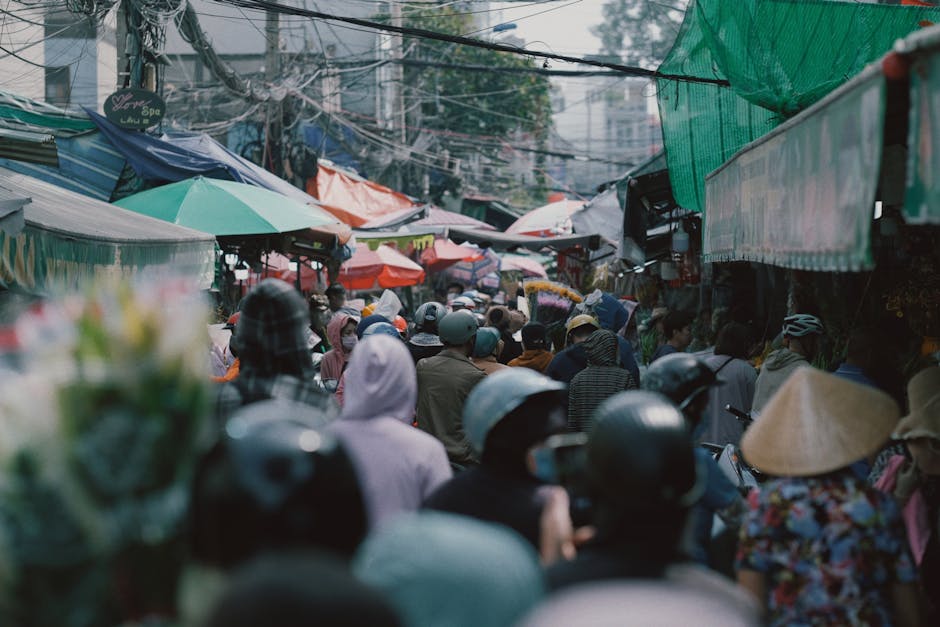
El Rastro Madrid flea market is famously crowded and pickpocket-targeted. Tourists are obvious targets. Specific safety measures:
- Bag in front: Wear backpacks on front of body or use crossbody bag with closed zipper.
- Cash in front pocket: Never back pocket.
- Phone secured: Wrist strap or zipped pocket; phone snatching by mopeds is documented.
- Decoy wallet: Carry small wallet with €20 + expired card; main wallet hidden separately.
- Watch for distraction teams: One person spills/asks directions while accomplices steal.
- Avoid early-morning isolated streets: Stick to busy main spine.
- Carry only what you’ll spend: €50-100 cash maximum.
Eating Around El Rastro
- Churros con chocolate at Plaza de Cascorro: Iconic post-shopping breakfast.
- Sunday vermouth crawl in La Latina: Calle Cava Baja immediately adjacent; vermouth bars open 12:00 for the post-Rastro crowd.
- Bodega de la Ardosa: Madrid’s vermouth icon; standing-room-only Sundays.
- Casa Lucas, Casa Lucio: Traditional tapas in La Latina.
- Calamari sandwich at Plaza Mayor: 8-min walk; iconic Madrid €3.50 bocadillo.
- Mercado de la Cebada: 5-min walk; working market with food stalls.
Getting to El Rastro
- Metro La Latina (Line 5): Closest; 2-min walk to Plaza de Cascorro entrance.
- Metro Tirso de Molina (Line 1): Eastern edge; 5-min walk.
- Metro Embajadores (Line 3): Southern entrance; less crowded approach.
- Walking from Sol: 8-10 min south.
- Walking from Plaza Mayor: 5-7 min south.
- No parking: Don’t drive — pedestrian-only Sundays.
FAQs
When is El Rastro open?
Every Sunday and public holiday 09:00-15:00 (sometimes extended to 16:00 in summer). Closed weekdays.
What can I buy at El Rastro?
Antiques, vintage clothing, vinyl records, leather goods, books, art, jewelry, kitchenware, tourist trinkets. 3,000+ vendors covering wide variety.
Is haggling allowed at El Rastro?
Yes — expected at items without prominent price tags. Start with smile; expect 15-20% discount typical. Permanent shops have firm prices.
Is El Rastro safe for tourists?
Generally safe but heavily pickpocket-targeted. Use front-facing backpacks, decoy wallet, watch for distraction teams. Don’t carry passport or large cash.
How long do I need at El Rastro?
2-3 hours for casual browsing. Half-day if seriously hunting for finds + La Latina vermouth crawl after.
Can I pay by card at El Rastro?
Larger permanent shops yes; many street vendors cash-only. Bring small bills for haggling.