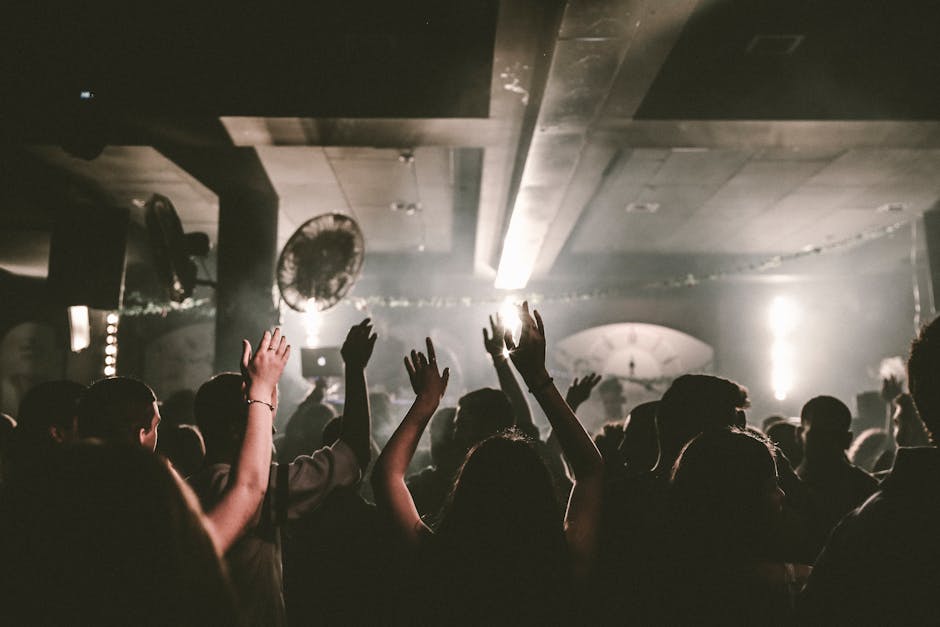
Madrid’s nightlife runs later than almost anywhere in Europe, and the single most common mistake visitors make is starting too early and giving up before it begins. A club that closes at 06:00 is not busy at midnight. Understanding the clock is most of the battle.
This is a five-night plan built around neighbourhoods rather than venues, because Madrid’s scene turns over fast — several famous clubs named in guides written two years ago have shut, been sealed by the city, or reopened under different names. Everything below was checked against the venues’ own listings, and where I couldn’t confirm something I’ve said so rather than filling the gap.
Table of Contents
- The timing rules
- Night 1: La Latina Tapas + Cocktails
- Night 2: Malasaña Indie Scene
- Night 3: Chueca LGBTQ+ + Drag
- Night 4: Mega-Club Night
- Night 5 (Optional): Underground / Live Music
- Flamenco: if you only do one show
- Madrid Nightlife Party Itinerary: Best Venues
- Madrid Nightlife Timing Reality
- What things cost
- Doors, dress codes and guest lists
- Getting home
- Staying safe
- Madrid Nightlife Party Itinerary Tips
- FAQs
- Plan Your Visit
The Timing Rules
Madrid’s closing times aren’t a matter of venue preference — they’re set by regional licensing law, and knowing the categories tells you exactly how late any given place can stay open.
- Discotecas and dance halls — 17:00 to 05:30
- Bares especiales (cocktail and late bars) — 12:00 to 03:00
- Ordinary bars, cafés and cafeterías — 06:00 to 02:00
- Taverns, bodegas and restaurants — 10:00 to 02:00
- Concert halls and theatres — 10:00 to 01:00
- Terraces — 08:00 to 01:30 between mid-March and the end of October
Add 30 minutes on Fridays, Saturdays and the eves of public holidays, which is why the big clubs advertise 06:00 rather than 05:30. During patronal fiestas and major holidays a two-hour extension applies, so a club can legally reach 07:30. When a Madrid venue closes, the law requires lights up, doors open, no further entry, no further drinks and the music off — so the ending is abrupt rather than gradual.
A practical consequence: there is no legal “afterhours” category in Madrid. A discoteca cannot open before 17:00 or stay open past 05:30, or 06:00 at weekends. Places advertising themselves as afters generally hold ordinary bar licences, which permit opening from 06:00 but prohibit music. I’m not going to name one, because I couldn’t verify any as properly licensed. The legitimate alternatives are the long daytime events (see Night 4) and the occasional club night that extends to 08:00 under a fiesta permit.
Night 1: La Latina Tapas + Cocktails
Start gently. La Latina is where Madrid eats and drinks standing up, and the strip is Calle Cava Baja with Cava Alta and Almendro either side.
Taberna La Concha at Cava Baja 7 is the vermouth address — no reservations, kitchen open 13:00 to 23:30, tosta de gambas €6.00, hatillo de morcilla €5.50, tosta de foie €12.00, carrilleras €15.00. Casa Lucas at Cava Baja 30 is walk-in only Thursday to Sunday. Taberna Almendro 13 does huevos rotos and roscas, no reservations, and rings a bell when your number comes up; under €15 a head. La Perejila at Cava Baja 25 runs 13:00 to 16:00 and 20:15 to midnight. La Chata at number 24 has no weekday lunch service.
The gap to plan around: much of Cava Baja shuts between roughly 16:00 and 20:00. If you’re out in that window, Delic on Plaza de la Paja runs Tuesday to Sunday 11:00 to 02:00 (to 02:30 Fridays and Saturdays) and does a €12 menú del día, and Enotaberna del León de Oro at Cava Baja 12 serves food straight through 12:30 to midnight at weekends.
For a rooftop, El Viajero on Plaza de la Cebada 11 — the azotea is the reason to go, open Tuesday and Wednesday noon to 01:00 and Thursday and Friday to 02:00. To carry on later, La Musa Latina has a club in the basement called The Downstairs.
Two corrections to older guides: Casa Lucio is a restaurant, not a bar, and closes for the whole of August. And Café del Nuncio has changed concept — it’s now a French-bistro-style café at Travesía del Nuncio 2, no longer a late-night dive.
Night 2: Malasaña Indie Scene
Malasaña is where La Movida happened after Franco died, and a surprising number of the bars from that period are still trading under the same management.
Casa Camacho at San Andrés 4 has been open since the 1920s and still pours from original brass vermouth taps. The order is a yayo — soda, vermouth and gin. Monday to Saturday 12:30 to 02:00, closed Sunday. La Vía Láctea at Velarde 18 is the Movida survivor, Monday to Thursday 19:00 to 03:00 and Friday to 03:30, and entry is free. Café Manuela at San Vicente Ferrer 29 has been going since 1979 and keeps board games behind the bar, Monday to Thursday 13:00 to 02:00 and Friday and Saturday to 03:00. La Vaca Austera at La Palma 20 has played 70s rock since 1981 but now opens Fridays and Saturdays only, 21:00 to 03:30.
For cocktails: 1862 Dry Bar at Pez 27, Monday to Thursday 16:00 to 02:00 and Saturday 15:30 to 02:30, is the serious stop on Pez. Macera Taller Bar at San Mateo 21 stocks no brand-name spirits at all — everything is macerated in-house — Friday and Saturday 17:00 to 03:30. Bodega de la Ardosa at Colón 13 has vermouth on tap, Sunday to Thursday 09:00 to 02:00. OJALÁ Beach Bar at San Andrés 1 has a basement floored with real sand.
For live music and a club afterwards, Café La Palma at La Palma 62 is open Wednesday and Sunday 18:00 to 03:00, Thursday to 05:00, and Friday and Saturday to 06:00. Club entry is €14 plus fees in advance, €16 on the door between midnight and 02:00, €17 after — and every tier includes a drink, exchangeable for two draught beers before 02:00. One house rule worth knowing: step outside to smoke and drink in the street and you’ll be charged entry again.
Sala Siroco at San Dimas 3 has been running since 1989 under the same founders — concerts 21:00 to midnight, then club Thursday 00:00 to 04:30, Friday 00:00 to 05:30 and Friday and Saturday 00:30 to 06:00. Maravillas Club at San Vicente Ferrer 33 occupies the old Nasti space and runs Thursday, Friday and Saturday, €8 to €15 advance or €10 to €18 on the door.
One expectation to manage: Plaza Dos de Mayo is thinner than its reputation. The square is where people drink outside; the bars worth naming are a street back on San Andrés, La Palma and San Vicente Ferrer.
Night 3: Chueca LGBTQ+ + Drag
Chueca is one of Europe’s most established gay neighbourhoods and its nightlife is genuinely mixed rather than segregated. A vocabulary note that helps: bar de ambiente is the standard Spanish term for a gay bar — it’s a description, not a venue name, despite what some listings suggest.
LL Show Bar at Pelayo 11 is the best-documented venue in the district and the drag institution — open every day of the year, with a show nightly from 22:30 through to close and doors at 22:00, running to 03:00 Sunday to Wednesday and 03:30 Thursday to Saturday. There is a cover charge and it includes a drink; the venue confirms this but doesn’t publish the amount, so treat any figure you read elsewhere with suspicion. Their stated door policy is refreshingly blunt: no dress code, no VIP list.
Boyberry at Valverde 3 is the one Chueca venue that actually publishes prices — no cover, beers and soft drinks from €5.30, mixed drinks from €8.50, two-for-one on Tuesdays for under-30s. Monday to Thursday noon to 03:00, Friday to 03:30, Saturday 15:00 to 03:30, Sunday 15:00 to 03:00. It has a cruising area and photography is strictly prohibited on pain of permanent expulsion.
Black & White at Libertad 34 has been going since 1984, open daily from around 23:30 or midnight to 05:30 and to 06:00 Fridays and Saturdays. DLRO Live — formerly Delirio, now at Pelayo 59 — has run since 2004, Sunday to Thursday 00:00 to 05:30 and Friday, Saturday and holiday eves to 06:00. Café Acuarela at Gravina 10 is the pre-party café rather than a dance venue, daily 14:00 to 03:00.
For lesbian and LBT+ venues: Fulanita de Tal at Regueros 9 has run about twenty years with a capacity of 80, Thursday to Sunday 22:00 to 03:30, with Hot Bingo at weekends; its sister Fulanita VIP Club at Barquillo 29 is the late option, Fridays, Saturdays and holiday eves 00:30 to 06:00. Fluide Scape at Gravina 13 is the main lesbian club, Friday and Saturday 22:00 to 06:00, filling up after 03:00. Club 33 at Cabeza 33 is the oldest lesbian bar in the city, Thursday 23:30 to 05:30 and to 06:00 at weekends. Truco at Gravina 10 has a summer terrace open to all and a women-only interior.
Also worth knowing: Long Play on Plaza de Pedro Zerolo 2 reopened in November 2025, Friday and Saturday 00:00 to 06:00; Medias Puri on Plaza de Tirso de Molina 1 is a speakeasy hidden behind a fake haberdashery; and Toni 2 at Almirante 9 is a piano bar where the singalongs get going around four in the morning.
Two timing warnings. First, Pride is not in August. MADO 2026 ran 25 June to 5 July, with the state march on the first Saturday of July. If you’re visiting in late summer you’ve missed it by weeks and there’s no secondary Pride event in August or September. Second, August is Chueca’s slowest month — LL Bar ran reduced hours from 3 to 30 August, and several venues’ event calendars were simply empty. Check on the day.
One more correction: the well-known Tanga! Party is not weekly. It’s roughly monthly, takes a summer break, and now runs at Medias Puri rather than Teatro Barceló.
Night 4: Mega-Club Night
Teatro Kapital at Atocha 125 is the one everyone has heard of — a converted theatre with five signposted floors (its own older material says seven, so expect to see both numbers): Main Room, Karaoke, Pista, Cocktail Bar and a reggaeton floor. Open Wednesday, Thursday and Sunday 23:00 to 05:30 and Friday and Saturday 23:00 to 06:00. Entry starts from €21 through the group’s own ticket store, and includes two drinks if you arrive before 01:00, one after — which tells you when the room fills. VIP starts at €420 for a six-person table on the dance floor.
Kapital’s published door policy bans dirty or damaged clothing, swimwear and sportswear, along with under-18s and anyone without ID or visibly drunk. There’s nothing about jackets or shoes — the rest is door discretion. Closure rumours you may have read concerned only the Kapital restaurant, which was sealed in August 2024 after a fire-safety report; the club itself faces no 2026 licence action.
Independance at Atocha 127, next door, is 1,000 square metres of rock, 80s and 90s plus reggaeton, K-pop and metalcore nights. Friday and Saturday 23:30 to 06:00, plus a Saturday tardeo session from 17:00 or 18:00 to 23:30. It’s the genuine exception to Madrid’s guest-list economics: a real free guest list at €0, published on its own site, or €11 for no-queue entry with a drink, or €18 with two.
Fabrik is the biggest room in the region, at Avenida de la Industria 82 in Humanes de Madrid, about 22 kilometres southwest and firmly outside the city. It’s event-based rather than weekly — general admission runs €20 to €40 depending on the line-up. Doors are generally between 18:00 and 22:00, and the drink allowance steps down by arrival time: two drinks if you’re in between 18:00 and 19:00, one between 19:00 and 20:00, none after.
Fabrik runs its own continuous shuttle buses, departing Madrid at the Templo de Debod on Pintor Rosales 2 and dropping returns at Príncipe Pío, with outbound services to about 01:00 and returns from around 04:30. It’s €6 one way or €10 return — but you have to buy online by noon on the day of the event or pay more on the bus. Cloakroom is €3 an item, cash only. Strictly 18+ with original photo ID; driving licences are not accepted. No fixed dress code.
Mondo Disko is the techno and house institution, now running at Sala But, Barceló 11, Thursdays and Saturdays 23:59 to 06:00 with some dates extended to 08:00. Entry is €23 including one drink valid until 01:00, or €32 with two; an extra drink is €12. Its daytime sister strand, Mondo Open Air, runs Saturdays 15:00 to 23:00 at Terraza Jowke in Alcorcón for €27 including a drink, with a ticketed bus from Atocha for €8 more.
Shôko at Toledo 86 is the most consistent central option, open five nights — Thursday through Monday, doors from 23:45 — and it runs the one dependable Monday club night in central Madrid. LAB The Club is on the roof of Chamartín station (access at Agustín de Foxá 40), capacity 1,450 with free parking, Thursday to Saturday, and its published drinks card lists beer at €8 and mixers at €8. Gabana has moved to María de Molina 39, Wednesday and Thursday 00:00 to 05:30 and Friday and Saturday to 06:00, closed Sunday, Monday and Tuesday.
Two venues I’d check before travelling across town. Teatro Barceló has a live website and a Thursday student night listed at €20, but it was sealed in November 2025 for a one-year period after capacity infractions and put on the market in March 2026, with reporting suggesting it can’t reopen as a nightclub until the seal lifts in November 2026. The website looks like an unmaintained shell. Check its Instagram before going. This does not affect Sala But at Barceló 11 Local B, which is a separate and verifiably active operation. And Opium Madrid at José Abascal 56 has an official site returning server errors and no scheduled events listed anywhere since March — treat its status as unverified.
Night 5 (Optional): Underground / Live Music
Sala El Sol at Jardines 3 has been open since 1979 and is the historic room — live sets at 20:00 or 21:00, then a club from 00:30 Thursday to Saturday. Concert tickets run about €22 in advance and €25 on the door; the box office opens at 21:00 for same-day sales only, and the cloakroom is €2. Club guest lists there are run by promoters rather than the venue.
Wurlitzer Ballroom at Tres Cruces 12 is the best-signposted small venue in the city precisely because it has no sign at all — a black door, open every day from 22:00, gigs €12 to €15. It marked its twentieth anniversary with five consecutive nights from 22 to 26 September 2026 and deliberately didn’t announce the line-up.
Café Central, the jazz institution, has relocated — it’s no longer on Plaza del Ángel. It now runs as Café Central Ateneo at Santa Catalina 10 plus a second room, La Cátedra, at Prado 21, open daily 17:30 to 00:30 with two sets nightly at 20:00 and 22:00. Ticket prices are dynamic by seating zone; cocktails are €12 to €14.
Two more: Sala Villanos at Bernardino Obregón 18 occupies the old Sala Caracol and is programmed by Villanos del Jazz, and Cadavra Club at Caballero de Gracia 10 has taken over the old Costello space. Tempo Audiophile Club at Duque de Osuna 8 has a listening room where conversation is kept deliberately low, with food by David García of Corral de la Morería — Thursday 19:00 to 03:00, Friday and Saturday to 03:30.
If Lavapiés appeals, it’s the least polished and most genuinely mixed nightlife in the centre — starts later than La Latina, ends later than Huertas, cash-friendly, no dress codes. La Inquilina at Ave María 39, Nuevo Café de Barbieri at Ave María 45 (marble and mirrors, dating to 1902), and Café El Despertar at Torrecilla del Leal 18 for live jazz and flamenco, Thursday and Sunday 19:00 to midnight and Friday and Saturday 19:30 to 02:30. Bar Melo’s at Ave María 44 does the famous zapatilla sandwich but ran an evenings-only summer schedule until 10 September.
Flamenco: If You Only Do One Show
Two things first. Book direct — resellers add real money; one aggregator adds €2.42 to €4.27 a ticket, and Cardamomo is €19 on its own site against €20 at its own box office. And Casa Patas has closed permanently, despite still appearing in a great many guides; the building was vacated in March 2022. Villa Rosa also no longer exists under that name — it now trades as Tablao Flamenco 1911. Café de Chinitas is effectively closed too.
- Corral de la Morería, Morería 17 — the most famous tablao in the world, €29.95 to €49.95 for the show, or €79.90 to €129.90 a head with dinner before wine. It also has a four-table Michelin-starred gourmet room. Session times change with the date, so check when booking. Under-7s aren’t admitted.
- Torres Bermejas, Mesonero Romanos 11 — the clearest price ladder: €28 for a side seat with no drink, €38 with a drink, €75 to €85 with dinner. Children 4 to 12 pay €18 to €42.50. Open every day of the year, doors 30 minutes before each pass at 17:00, 19:00, 21:00 and 22:45, plus 15:00 Friday to Sunday. Camarón and Paco de Lucía both launched here.
- Tablao Flamenco 1911, Plaza de Santa Ana 15 — the only Madrid tablao that lets you pick your exact table from a floor plan. From about €29 including a drink, children 4–12 €25, under-3s free. A €2 supplement buys a full refund up to three hours before. No dress code.
- Teatro Flamenco Madrid, Calle Pez 10 — €32 promotional without a drink, €42 with, up to €75 VIP. Daily at 17:00, 19:00 and 20:45, plus 22:30 Fridays and Saturdays.
- Café Ziryab, Paseo de la Esperanza 17 in Acacias — the local option at €32, with senior €23, student €25 and child €16. Wednesday to Friday 20:30, weekends 18:30 and 20:30.
- Las Tablas, Plaza de España 9 — €45, shows at 19:00 and 21:30.
Madrid Nightlife Party Itinerary: Best Venues
If you’re picking rather than following the five nights in order:
- Best big club — Teatro Kapital, for the scale and the five floors, from €21 with drinks included before 01:00
- Best value door — Independance, a genuine €0 guest list
- Best electronic — Mondo Disko at Sala But, €23 with a drink
- Best for a Monday — Shôko, which is the only reliable central Monday night
- Best small live room — Wurlitzer Ballroom, €12 to €15, no sign on the door
- Best historic bar — Casa Camacho in Malasaña, for a yayo from 1920s taps
- Best sherry — La Venencia, Echegaray 7: sherry only, no photos, no tips, tab chalked on the bar
- Best drag — LL Show Bar, Pelayo 11, show nightly from 22:30, every day of the year
- Best daytime — Mondo Open Air or Independance’s Saturday tardeo
Madrid Nightlife Timing Reality
Here is the shape of a Madrid night, and the honest basis for each figure.
- 21:30–22:00 — dinner. Spanish press treats this as the norm. The hard backstop is legal: restaurant kitchens must close by 02:00, or 02:30 Fridays and Saturdays.
- 21:30–02:30 — the bar window. The city’s own nightlife mediation teams work Thursday, Friday and Saturday 21:30 to 02:30, which is effectively the Ayuntamiento defining when the streets and bars are busy.
- 00:00–01:00 — clubs open and are quiet. Doors are typically 23:00 to 23:59.
- 01:00–04:00 — the actual peak. No occupancy data is published, so the honest evidence is how venues price their doors: Kapital gives an extra drink for arriving before 01:00, Shôko’s drink deals expire at 02:00 and its re-entry stamps start then, Fabrik’s allowance steps down hourly. Everyone is pricing to pull people in early because they know the room fills later.
- 05:30–06:00 — hard stop. Lights on, music off, by law.
The genuinely counter-intuitive part is that Spaniards increasingly aren’t doing this at all. A July 2026 leisure survey found 51% prefer the early-evening tarde-noche slot, 43% choose afternoon plans and 31% do vermouth before lunch — while late-night partying came last at 16%. Tardeo — afternoon drinking that ends at a sensible hour — is a real and growing thing, which is why Independance runs a Saturday afternoon session and Mondo has a daytime open-air strand.
What Things Cost
I’m going to be careful here, because most published Madrid drink prices are invented. There is no official price index for a caña, and a Spanish broadcaster said so explicitly in August 2026. What’s defensible:
- Caña (small draught beer) — under €2.20 is increasingly hard to find in Madrid, around €2.90 is common, and over €4 in tourist zones. One viral case hit €8.
- Club entry — €20 to €25 for a normal big-club night, €30 to €40 for a named international DJ or a holiday special. Verified live from operators’ own stores: Kapital from €21, Fabrik from €20 to €40.
- Drinks inside a club — €10 to €12 for a standard spirit, €13 to €15 premium, €5 to €8 for beer. These come from commercial listings rather than official menus, so treat them as indicative.
- Bottle service — €150 to €250, with VIP tables €200 to €400 and up.
- Venues that actually publish prices — Café Central (cocktails €12–14), Boyberry (beer €5.30, mixed drinks €8.50), LAB (beer €8), and full food menus at Casa Alberto and Taberna La Concha. Across roughly ninety venues checked, those were the only ones.
For scale, national figures put the average Spanish club ticket at €12 and average spend at €18 a night, with tickets bought 5.6 days in advance on average. A quarter of clubgoers spend under €20 a night and only 8% spend over €60.
A consumer right worth knowing: Madrid clubs are legally obliged to display, clearly and visibly, their opening and closing hours, maximum capacity, the entry price and the price of drinks. They must keep a complaints book, and they cannot refuse cash. A venue that won’t show you a price list is breaking the rules, which is a better reason to walk away than a hunch.
Doors, Dress Codes and Guest Lists
Dress codes barely exist as published text in Madrid. Kapital posts a full admission notice banning dirty or damaged clothing, swimwear and sportswear — and says nothing about jackets or shoes. Fabrik and Mondo state effectively no code. The only venue found stating a positive requirement is Teatro Barceló, whose wording is simply that you need to come arreglado — smartened up. Everything else is door discretion.
That discretion has legal limits. Under the regional public entertainment law, operators may exercise derecho de admisión, but it cannot be used to restrict access arbitrarily or in a discriminatory way, and the conditions must be posted visibly at the entrance. Venues over 700 capacity need a complaints book at every entrance.
The guest list is usually not free. An RRPP is a commission-paid promoter whose job is filling a room, and what a list typically buys is a cheaper bundled price with a time cutoff — Shôko’s promoter list is €10 with one drink or €15 with two, valid until 02:00, against €18 with a drink for walk-ups. Its value evaporates after about 01:00 or 02:00. Independance’s genuinely free €0 list, published on its own website, is the real exception.
Lista chica — free entry for women before a set hour — is openly advertised by promoters and sits awkwardly with the ban on arbitrary or discriminatory admission. I found no Madrid ruling on it either way, so treat it as an unresolved tension rather than settled law.
The practical advice for 2026 is simpler than working a promoter: buy online from the venue group’s own store three to seven days ahead. It’s cheaper than the door, and it avoids street sellers entirely — street sale and resale of club entry is explicitly illegal, which is the legal basis for ignoring anyone selling you entry on the pavement. Online pre-sale across Spanish clubs went from 3% to nearly 40% in five years, and over 80% of venues now sell online.
Getting Home
The Metro runs 06:00 to 01:30 and does not run all night on any night of the year, New Year’s Eve included. Interchanges between lines aren’t guaranteed outside those hours either.
Búho night buses take over: 31 night lines as of early 2026, with N1 to N24 all radiating from Plaza de Cibeles, which is the hub to aim for. Frequency is every 35 minutes Sunday to Thursday and every 17 or 18 minutes Friday and Saturday. Departures from Cibeles run midnight, 00:35, 01:10, 01:45, 02:20, 02:55, 03:30, 04:05, 04:40, 05:15 midweek; at weekends it’s midnight then every 15 to 20 minutes through to around 07:00.
A Metro single ticket does not work on a búho bus. What works: €1.50 cash on board, a 10-trip Metrobús, an Abono or a tourist pass. Single bus tickets can’t be loaded onto a Tarjeta Multi at all. There is no night Cercanías service.
Taxis switched to the 2026 tariff on 1 January: the night rate (all days 21:00 to 07:00, plus weekends and holidays around the clock) starts at €3.20 plus €1.60 a kilometre. Any journey under 1,450 metres is a flat €8.00. Airport runs are a flat €33.00 to or from anywhere inside the M-30, 24 hours a day, and that fare admits no supplements at all.
For an early flight: the Exprés Aeropuerto bus, line 203, runs 24 hours a day, 365 days a year, €5.00 on board, every 15 minutes 06:00 to 23:30 and every 35 minutes overnight. At night its city terminus is Cibeles rather than Atocha, which is convenient given that’s where the night buses gather.
Staying Safe
Clip joints are a documented problem, not a rumour. In February 2026 the Policía Nacional dismantled an operation in central Madrid in which a woman recruited foreign tourists through dating apps and always brought them to the same cocktail bar, where staff pressured them into paying inflated bills. Eleven victims lost €23,000 between them; four people were arrested, including the venue’s manager. Individual bills ran €200 to €2,000, single tickets reached €4,000, and “exclusive” whisky was charged at €583 a glass. Police noted it was the second time they’d found the scam at that venue.
The protection is the price-display rule above: a venue that won’t show you what drinks cost is breaking a legal obligation. Combine that with the illegality of street ticket sales and you have two concrete, checkable red flags rather than vague warnings.
Drink spiking. The Comunidad de Madrid publishes a proper resource on sumisión química, updated in April 2026, and it’s worth reading rather than paraphrasing. Alcohol is the most commonly used substance, followed by GHB, ketamine, benzodiazepines, zolpidem, scopolamine and others. The warning signs it lists are reduced consciousness, disoriented or distressed behaviour, dizziness, blurred vision, tachycardia, and signs of having handed over money or documents without any physical threat. The official advice is to call 112, stay with the person at all times, get them to a hospital and report it. On needle-prick reports specifically, the official page states that no assault, robbery or abuse has been documented as associated with that practice — worth knowing before you panic about it.
Standard sense applies: buy your own drinks and keep them in sight, and be aware that measures poured in Spanish bars are often considerably larger than you’re used to. Save your accommodation’s location in your maps app before you go out.
If something goes wrong, Madrid’s tourist emergency service is no longer at the Leganitos police station — every guide still saying so is out of date. Since 2025 it operates from municipal tourist information points, principally Plaza Mayor 27, open daily 10:00 to 20:00, tel 91 578 78 10, reachable from Metro Sol, Ópera or Tirso de Molina. They’ll help you file a report, replace documents, contact your embassy, cancel cards and arrange medical help — and under the 2026 service charter they can issue a free one-day transport pass if you’ve lost every means of payment. Emergencies: 112.
Madrid Nightlife Party Itinerary Tips
Check the venue exists this week. This is the single most useful habit for Madrid. Of the venues most commonly recommended in English-language guides, a striking number have closed or moved: Casa Patas, Sala Cool, Marula Café, Mamá Inés and El Palentino are gone; Sala Caracol is now Sala Villanos, Costello is Cadavra Club, Nasti is Maravillas Club, Villa Rosa is Tablao 1911, and Joy Eslava is now Teatro Eslava. Café Central and Gabana have both relocated. A quick look at a venue’s Instagram before you set out saves a wasted taxi.
Buy club entry online, three to seven days out. Cheaper than the door, and it removes any dealing with street sellers.
Arrive before 01:00 if drinks are included. Kapital, Mondo, Café La Palma and Fabrik all bundle drinks with early entry and withdraw them later. That’s real money.
Carry original photo ID. Fabrik explicitly refuses driving licences. Bring a passport.
Carry some cash. Fabrik’s cloakroom is cash-only, Toledo-style small bars chalk tabs, and búho buses take €1.50 in coins.
Don’t plan a big night for August in Chueca, or expect Pride outside late June and early July.
Walk one street off Huertas. The Santa Ana and Huertas strip is the most touristed nightlife in the centre — photo menus, mojito jugs, people outside inviting you in. The good houses are on the side streets, Echegaray especially. As a rule, be suspicious of any bar with someone stationed outside trying to bring you in.
FAQs
What time do clubs actually get busy in Madrid? Roughly 01:00 to 04:00. Doors open at 23:00 or midnight but the rooms are quiet until at least one. The clearest evidence is how venues price early entry — several include extra drinks before 01:00 specifically to pull people in sooner.
How late can clubs stay open? 05:30, extended to 06:00 on Fridays, Saturdays and holiday eves, with a further two hours possible during patronal fiestas. It’s set by licensing law, not by the venue.
Are there afterhours clubs? Not legally as such. There’s no afterhours licence category — a discoteca can’t open before 17:00 or close after 05:30 or 06:00. Places calling themselves afters generally hold bar licences that permit a 06:00 opening but prohibit music. The legitimate options are long daytime events like Fabrik’s or Mondo Open Air.
Is there a dress code? Rarely a published one. Kapital bans sportswear, swimwear and damaged clothing. Teatro Barceló is the only venue asking you to come smartened up. Most large clubs including Fabrik and Mondo state no code at all.
Is the guest list free? Usually not. It’s typically a discounted bundle with a cutoff around 02:00 rather than free entry. Independance publishes a genuine €0 list; that’s unusual.
How do I get home after the Metro stops? Búho night buses from Plaza de Cibeles, every 17 to 18 minutes at weekends. Bring €1.50 in cash or use a Metrobús book — a Metro single won’t work. Taxis start at €3.20 on the night tariff, and any trip under 1,450 metres is a flat €8.00.
Is Madrid nightlife safe? Broadly yes, with two specific risks worth respecting: clip-joint bars that inflate bills, which the price-display law helps you screen for, and drink spiking, on which the regional health service publishes proper guidance. Pickpocketing is a normal big-city concern in crowded venues.
Can I do this on a budget? Yes. Independance’s free list, La Vía Láctea’s free entry, cañas at €2.50 in a normal bar, and búho buses home at €1.50 make for a genuinely cheap night. A quarter of Spanish clubgoers spend under €20 an evening.
Plan Your Visit
Pick your big-club night first and buy that ticket online a few days ahead — it’s the only thing here that genuinely benefits from advance planning. Everything else can be decided at 22:00 over a vermouth. Check the two venues flagged above on Instagram before committing to them, and if you’re out past 01:30, work out which búho line serves your accommodation from Cibeles before you need it.
For more, see our guides to Madrid nightlife, the city’s neighbourhoods, getting around and where to eat. For where this fits into a longer trip, see the five-day and seven-day itineraries.