Monte de El Pardo Madrid is the city’s northern royal forest — 16,000 hectares of pristine Mediterranean oak woodland (encinar) protected for over 1,000 years as a royal hunting reserve. Monte de El Pardo Madrid is the largest extant Mediterranean encinar (holm oak forest) in Europe and one of the best-preserved native ecosystems remaining anywhere on the Iberian Peninsula. The forest is home to wild red deer (ciervo), wild boar (jabalí), Iberian lynx (very rare reintroduction efforts), Spanish imperial eagles (the world’s most endangered large eagle, with breeding pairs here), Egyptian vultures, and over 200 bird species. Monte de El Pardo Madrid is significantly more restricted access than Casa de Campo or Retiro — only specific marked trails, the Palacio Real de El Pardo (Royal Palace), and the Convento del Capuchinos are open to the public. This Monte de El Pardo Madrid guide covers visitable areas, the Royal Palace El Pardo, Casita del Príncipe, transport from central Madrid, and what wildlife and historic interest you can see.
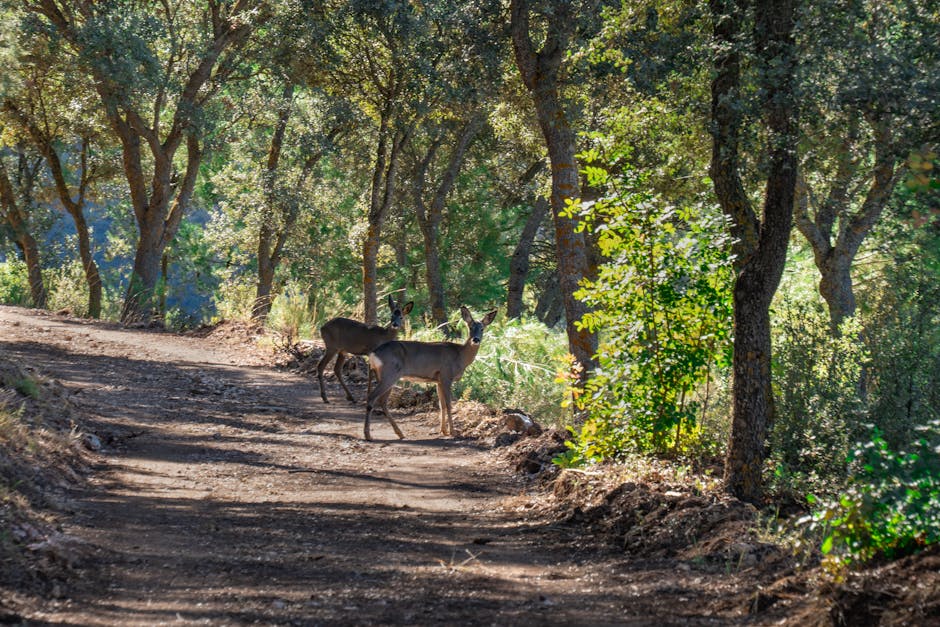
Table of Contents
- Monte de El Pardo Madrid Basics
- Mediterranean Encinar Forest
- Monte de El Pardo Wildlife
- Palacio Real de El Pardo
- Casita del Príncipe and Convento de los Capuchinos
- Monte de El Pardo History
- Monte de El Pardo Trails and Access
- Monte de El Pardo Madrid Tips
- FAQs
Monte de El Pardo Madrid Basics
- Location: Northern Madrid; 15 km from Puerta del Sol; village of El Pardo.
- Size: 16,000 hectares (40,000 acres) — Madrid’s second-largest park after Casa de Campo.
- Status: Patrimonio Nacional (National Heritage); restricted access royal forest; protected ecosystem.
- Access: Public access limited to El Pardo village, the Royal Palace, Convento del Capuchinos, and marked trail areas.
- Bus: EMT bus 601 from Moncloa to El Pardo village (30 min); 720 alternative.
- Car: M-30 → M-605 to El Pardo (20-30 min from central Madrid).
- No metro service to El Pardo.
- Free public access to El Pardo village area; Royal Palace €9 admission.
Mediterranean Encinar Forest
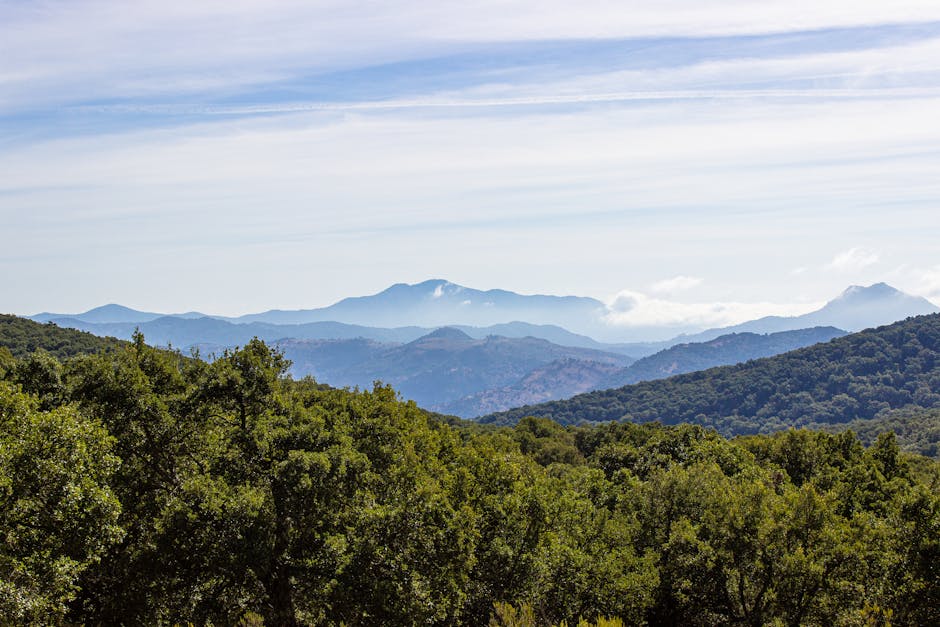
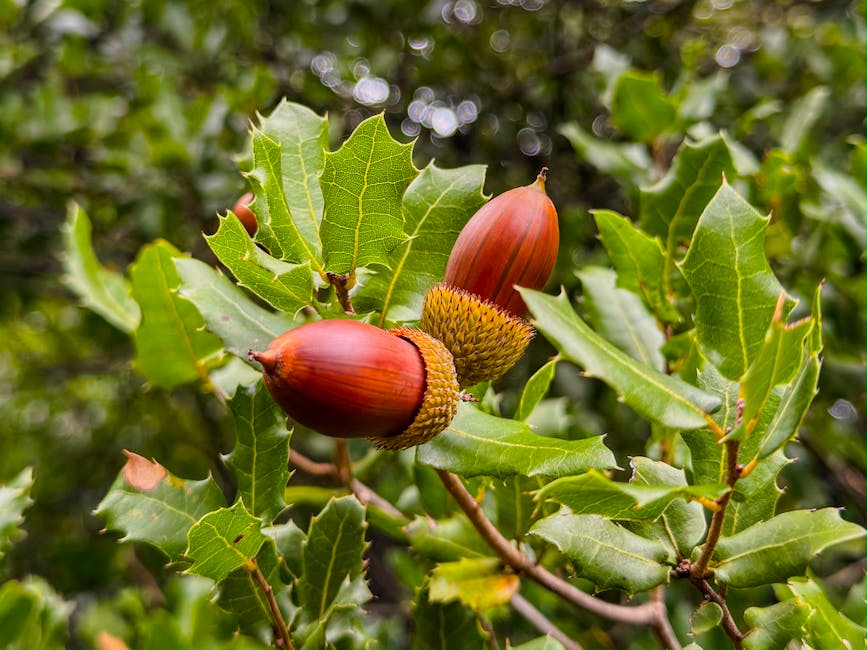
The Monte de El Pardo Madrid encinar (holm oak forest) is the most significant Mediterranean oak forest remaining in Europe — preserved for 1,000 years through royal hunting protection. The encinar combines holm oak (Quercus ilex), cork oak (Quercus suber), gall oak (Quercus faginea), and dense Mediterranean shrub layer (rockrose, lavender, broom, retama). The forest provides Madrid green lung essential for the city’s air quality and microclimate.
- Forest type: Mediterranean dehesa (managed oak savanna) and dense encinar (oak woodland).
- Dominant tree: Holm oak (encina) — Iberian native evergreen oak.
- Forest age: Some oak trees centuries old; ancient stand structure preserved.
- Ecological value: European Special Protection Area for Birds (ZEPA designation under EU Birds Directive).
- Climate: Mediterranean continental — hot dry summers, cold wet winters.
- Spring wildflowers: April-May spectacular bloom of native Mediterranean flora.
Monte de El Pardo Wildlife
- Red deer (Ciervo común): 1,500-2,000 wild red deer population — the most visible large mammals; rutting season September-October spectacular.
- Wild boar (Jabalí): 1,000+ wild boar; nocturnal mostly.
- Roe deer (Corzo): Smaller deer species.
- Iberian fox, badger, beech marten, polecat: Smaller mammals.
- Spanish imperial eagle (Aquila adalberti): World’s most endangered large eagle; 2-3 breeding pairs in El Pardo.
- Black vulture (Aegypius monachus): Major roosting site.
- Egyptian vulture, booted eagle, golden eagle: Other raptors.
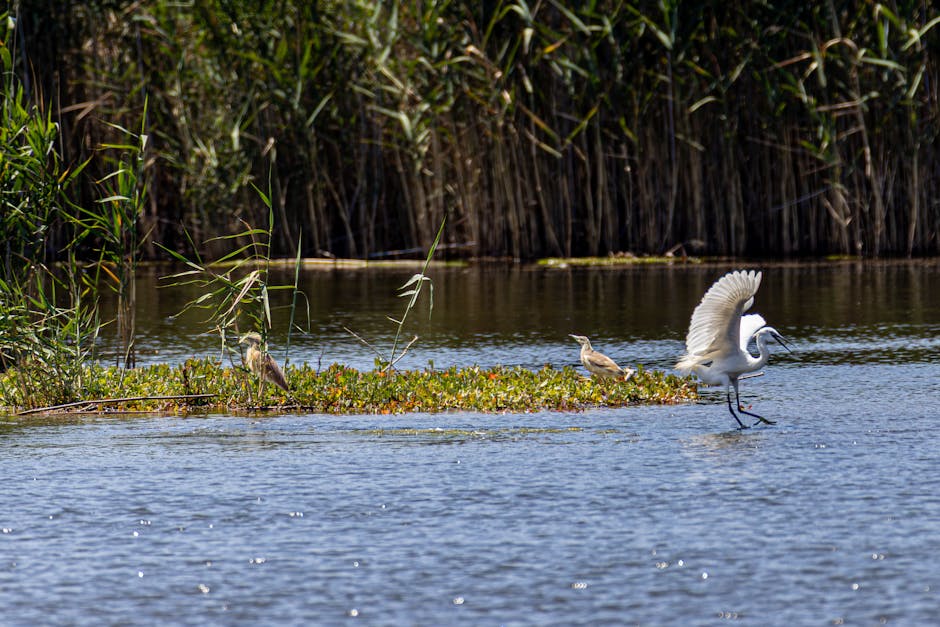
- Black stork: Endangered breeding population.
- 200+ bird species recorded.
- Where to see wildlife: Casa de Vacas viewpoint area; deer often visible from El Pardo road; bird hides at marked locations.
Palacio Real de El Pardo
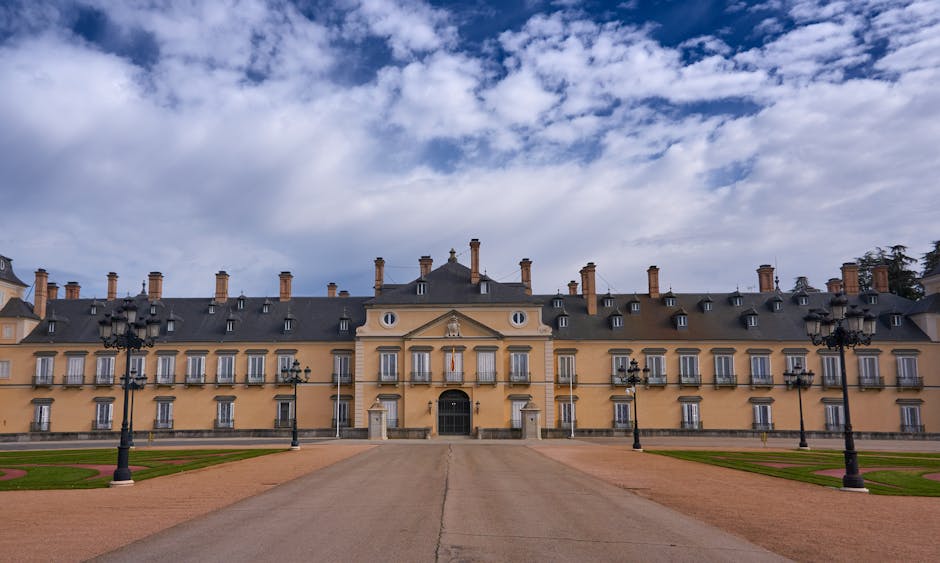
The Palacio Real de El Pardo (El Pardo Royal Palace) is the most visitable historic building in Monte de El Pardo Madrid. Originally a 14th-century royal hunting lodge expanded by King Carlos V (1547) and rebuilt by King Carlos III (1772) into present neoclassical palace, El Pardo Palace served as the official residence of Spanish heads of state since the 16th century. From 1940-1975, El Pardo was the official residence of dictator Francisco Franco. Today El Pardo Palace is used as official residence for visiting heads of state.
- Address: El Pardo village.
- Hours: Tuesday-Sunday 10:00-18:00 (April-September), 10:00-17:00 (October-March); closed Mondays.
- Tickets: €9 adult; free 18:00-20:00 weekdays, 15:00-18:00 Sundays.
- Highlights: Tapestries by Goya cartoons; royal apartments; Franco-era preserved rooms; gardens.
- Audio guide €4.
- Visit time: 60-90 minutes.
- Combine with Casita del Príncipe and Convento de los Capuchinos.
Casita del Príncipe and Convento de los Capuchinos
- Casita del Príncipe (Prince’s Cottage): Small neoclassical pavilion; 1784 Juan de Villanueva architect (also designed Prado Museum); decorative arts and silk.
- Hours: Combined visit with Royal Palace tickets.
- Convento de los Capuchinos (Capuchin Monastery): 1612 monastery; Cristo Yacente (Recumbent Christ) by Gregorio Fernández — masterpiece of Spanish baroque sculpture.
- Hours: Friday-Saturday-Sunday limited hours; check Patrimonio Nacional website.
- Free entry.
- El Pardo village walk: Small village around Royal Palace; restaurants, traditional setting.
Monte de El Pardo History
Monte de El Pardo became royal hunting land in the 9th century during the Reconquista. King Enrique III formally established the royal forest reserve in 1405. King Felipe II (16th century) significantly expanded protections; King Carlos III (18th century) constructed today’s Royal Palace; through to the 20th century the forest remained royal/state hunting reserve, preventing the deforestation that affected most Iberian Mediterranean oak forests.
Francisco Franco resided at El Pardo Palace from 1940 until his death in 1975, governing Spain from this northern Madrid estate. After Franco’s death, El Pardo passed to Patrimonio Nacional (National Heritage) and gradually opened to public access. The forest itself remains under restricted royal-style protection — significantly more restrictive than Casa de Campo. Recent ecological recovery efforts have focused on Spanish imperial eagle recovery program and Iberian lynx reintroduction studies.
Monte de El Pardo Trails and Access
- Marked public trails are limited to specific perimeter areas — not full forest interior.
- El Pardo village trails: Short walks around village and palace grounds.
- Casa de Vacas viewpoint: Drive to viewing area for landscape and possible deer sightings.
- Mingorrubio reservoir area: Northern El Pardo; some marked walking trails.
- El Pardo road (M-605): Drive through forest; deer often visible from road.
- Cycling: Limited cycling access; check current Patrimonio Nacional regulations.
- Hunting: Royal/state hunting still occurs in restricted areas (not public).
- Photography: Best from El Pardo road and viewpoints; long lens recommended for wildlife.
Monte de El Pardo Madrid Tips
- Combine Royal Palace visit with village stroll and lunch (good Madrid restaurant traditions in El Pardo).
- September-October red deer rutting season — most active wildlife viewing.
- Spring April-May best for wildflowers and bird breeding activity.
- Bring binoculars for wildlife and bird watching.
- Stick to marked trails — most forest is restricted access.
- El Pardo village restaurants: La Marquesita (traditional Madrileño), Sociedad Recreativa El Pardo (members + visitors), Mesón Carlos III.
- Avoid August midday heat — Mediterranean forest dry and intense.
- Free Royal Palace entry weekday evenings 18:00-20:00; Sunday afternoons.
- Photography ethics: respect wildlife distance; no flash for animals.
- Bus 601 from Moncloa most convenient public transport.
FAQs
Is Monte de El Pardo open to the public?
Partially — public access is limited to El Pardo village, the Royal Palace, Convento de los Capuchinos, and specific marked trail areas. Most forest interior is restricted royal/state hunting reserve.
How big is Monte de El Pardo?
16,000 hectares (40,000 acres) — Madrid’s second-largest park after Casa de Campo. The largest extant Mediterranean holm oak (encinar) forest in Europe; protected since 9th century.
Can I see wild deer at El Pardo?
Yes — 1,500-2,000 red deer live wild in Monte de El Pardo Madrid. Often visible from El Pardo road (M-605) and viewpoint areas. Rutting season September-October most active.
How do I get to El Pardo from Madrid?
EMT bus 601 from Moncloa metro to El Pardo village (30 minutes); also bus 720. By car: M-30 → M-605 (20-30 minutes). No metro service to El Pardo.
How much is the El Pardo Royal Palace?
€9 adult admission; free entry weekday evenings 18:00-20:00 and Sunday afternoons 15:00-18:00. Hours Tuesday-Sunday 10:00-18:00 (April-September) or 10:00-17:00 (October-March); closed Mondays.
Did Franco live at El Pardo?
Yes — Francisco Franco resided at Palacio Real de El Pardo from 1940 until his death in 1975, governing Spain from this northern Madrid royal estate. Some Franco-era rooms preserved in current visitor route.