Río Manzanares Madrid — the historic river that gives Madrid its name origin (from Arabic “Mayrit” referring to underground water sources feeding the Manzanares) — has been transformed in the 21st century into one of Europe’s most ambitious urban park projects. The Río Manzanares Madrid corridor includes Madrid Río linear park (10 km of riverside cycling/walking paths), the historic stone bridges (Toledo Bridge 1719, Segovia Bridge 1584), eight new architect-designed bridges, urban beaches with sand for summer cooling, 17+ children’s playgrounds, the Matadero Madrid contemporary cultural center (former slaughterhouse), Madrid Arena, and Caja Mágica (Madrid Open tennis venue). The Río Manzanares Madrid project — completed 2007-2011 by burying the M-30 ring road underground — restored the river to citizens after 50 years of urban highway separation. This guide covers Madrid Río linear park, river attractions, history, and how to explore the Río Manzanares Madrid.
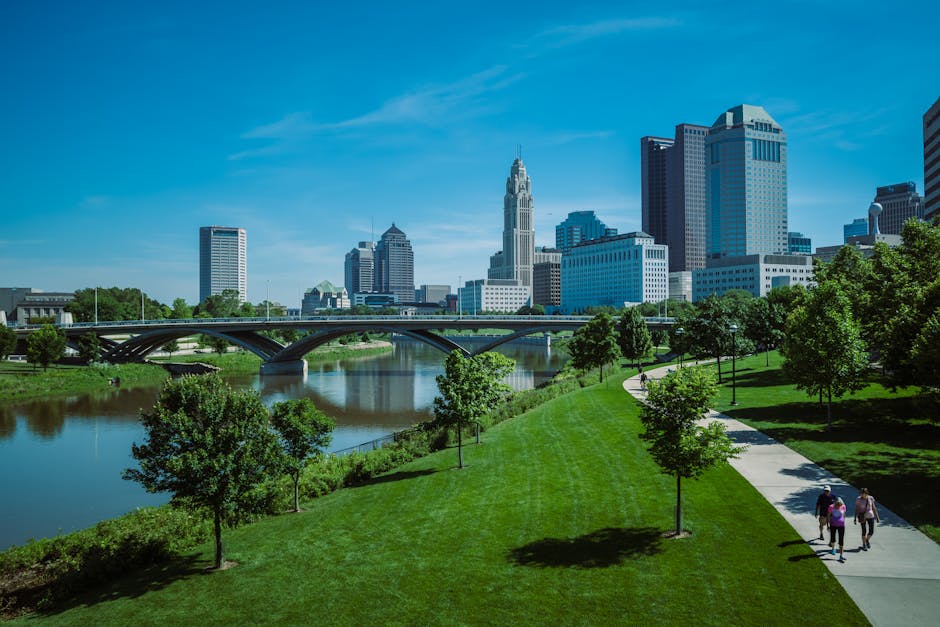
Table of Contents
- Río Manzanares Madrid Basics
- Madrid Río Linear Park
- Río Manzanares Madrid Bridges
- Matadero Madrid Cultural Center
- Río Manzanares Madrid History
- Madrid Río Playgrounds and Family Areas
- Río Manzanares Madrid Events
- Río Manzanares Madrid Visitor Tips
- FAQs
Río Manzanares Madrid Basics
- River origin: Sierra de Guadarrama mountains; Tres Cantos area.
- Flow through Madrid: Western Madrid, separating central city from Casa de Campo.
- River length through Madrid: 12 km within Madrid municipal boundaries.
- Madrid Río linear park: 10 km cycling/walking paths along both riverbanks.
- Created: 2007-2011 (M-30 underground burial project).
- Architect: Burgos & Garrido, Porras La Casta, Rubio & Álvarez-Sala, West 8 (Holland).
- Cost: €4 billion (M-30 + Madrid Río combined).
- Free; 24/7 access.
- Multiple metro stations along route.
Madrid Río Linear Park
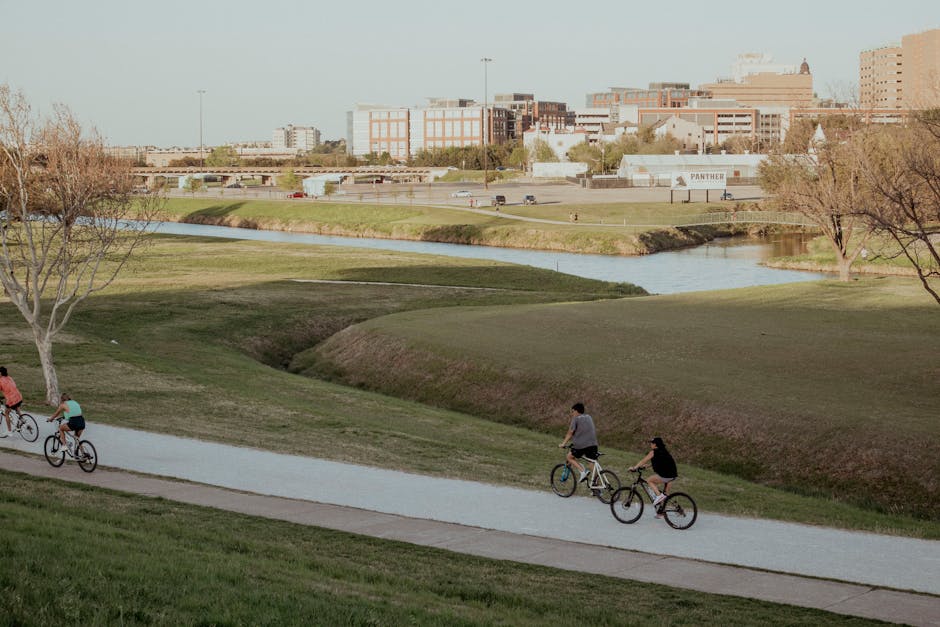
Madrid Río linear park stretches 10 km along the Río Manzanares Madrid from Puente de los Franceses (north) to Nudo Sur (south), connecting central Madrid with Casa de Campo and the Matadero/Legazpi cultural district. The Madrid Río linear park provides extensive recreational facilities:
- Cycling and walking paths: 30+ km of paths combining both riverbanks.
- 17 children’s playgrounds with diverse themes.
- 3 urban beaches: Sand-filled cooling areas (Playa Madrid Río) — popular summer.
- Skate park (multiple locations).
- Outdoor workout/calisthenics stations.
- Multiple sports courts: Basketball, football, paddle tennis.
- 30+ historical and contemporary bridges crossing the river.
- Restaurants and cafés along route.
- Free WiFi at major hubs.
Río Manzanares Madrid Bridges
Río Manzanares Madrid features both historic and contemporary architect-designed bridges. The most significant:
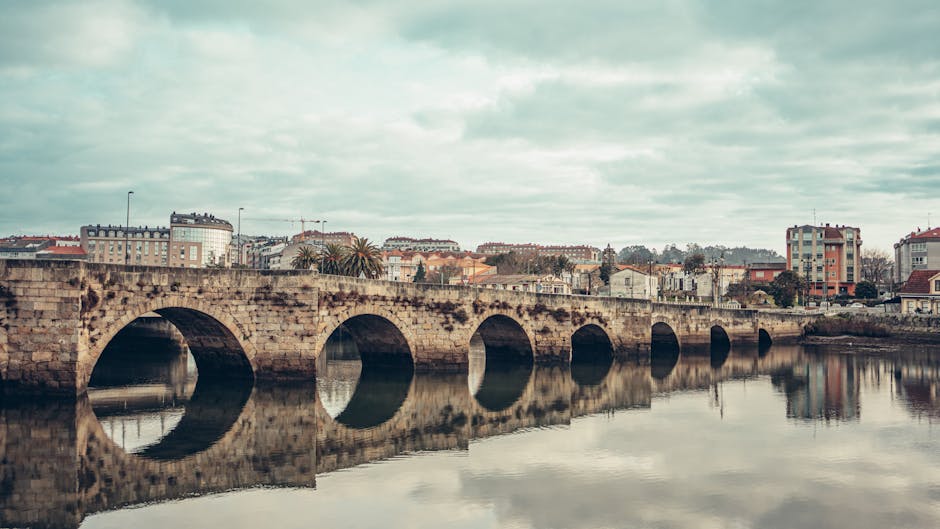
- Puente de Segovia (1584): Madrid’s oldest bridge; commissioned by King Felipe II; designed by Juan de Herrera (architect of El Escorial); 9-arch granite bridge.
- Puente de Toledo (1719-1732): Spectacular Spanish baroque granite bridge; designed by Pedro de Ribera; 9 arches; sculpted niches with statues of San Isidro and Santa María de la Cabeza.
- Puente del Rey (1816): Connects Casa de Campo with central Madrid; iron and stone.
- Puente de los Franceses (railway bridge): 19th-century iron railway bridge.
- Puente de Praga (1952): Modern reinforced concrete arch.
- Puente Monumental (2011, Daniel Canogar artist): Pedestrian bridge; iconic curving design.
- Puente de la Salamandra (2011): Pedestrian bridge; salamander-shaped.
- Puente de Cáscara (2011): Pedestrian bridge with playground.
- Puente Y (2011): Y-shaped pedestrian bridge.
- Puente de la Arganzuela (2011, Dominique Perrault): 278-meter spiral pedestrian bridge — Madrid’s most ambitious modern bridge.
- Puente del Matadero (2011): Contemporary pedestrian.
Matadero Madrid Cultural Center
Matadero Madrid is the city’s premier contemporary culture center, located on the southern Río Manzanares Madrid bank in Legazpi district. Created from the 1908-1925 former Madrid municipal slaughterhouse complex (one of Spain’s most spectacular industrial heritage buildings), Matadero Madrid was renovated 2005-2011 into 8 cultural pavilions hosting contemporary art, design, theater, dance, and film:
- Address: Plaza de Legazpi 8, 28045 Madrid (metro Legazpi Line 3/6).
- Hours: Tuesday-Sunday 16:00-21:00 (varies by space); free general entry.
- Cineteca Madrid: Independent cinema with national and international film programming.
- Naves Matadero International Performing Arts Center: Theater and dance.
- Centro de Diseño: Design and architecture exhibitions.
- Casa del Lector: Library and literary events.
- Café Matadero (popular hangout).
- Connect with Madrid Río linear park bike paths.
Río Manzanares Madrid History
The Río Manzanares Madrid has shaped Madrid’s history for over 1,000 years. Madrid’s name originates from “Mayrit” (Arabic, 9th century) referring to underground water sources feeding the Manzanares River — making the Río Manzanares the geographic reason Madrid exists as a city. Despite Madrid’s reputation for being a “river-less city” (a Spanish saying mocks the relatively small Manzanares: “El río de Madrid me dio risa” — “Madrid’s river made me laugh”), the Manzanares was historically significant for the city’s royal palaces (Royal Palace overlooks the river) and economic functions (laundries, mills, bullring fights, popular celebrations).
By the mid-20th century, urban expansion saw the M-30 ring road built directly along the Río Manzanares Madrid, separating the city from its river with 8 lanes of high-speed traffic. The riverbank deteriorated. In 2002, Mayor Alberto Ruiz-Gallardón initiated the M-30 burial project — placing 6 km of the M-30 underground in tunnels and creating Madrid Río park above. The €4 billion project completed 2007-2011, restoring the river to public access. Madrid Río has won multiple international urbanism awards and reshaped Madrid’s relationship with its founding river.
Madrid Río Playgrounds and Family Areas
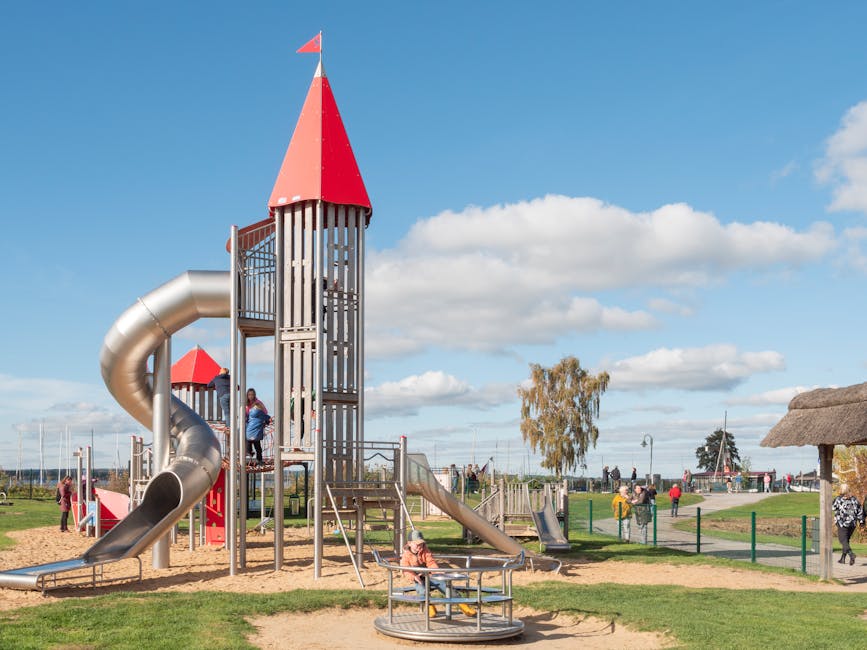
- 17 themed children’s playgrounds along Madrid Río.
- Playa Madrid Río beaches: Sand-filled summer cooling areas (3 locations).
- Puente de Cáscara playground: Built into the bridge structure; popular.
- Avenida de Portugal playground: Adventure playground with climbing structures.
- Skate park (Plaza del Matadero): Free use for skaters/BMX.
- Calistenia outdoor workout stations multiple locations.
- Bicycle paths suitable for children.
- Pedal boat rental at Casa de Campo lake (5-min walk from Madrid Río).
- Multiple cafés with terrazas for parents.
Río Manzanares Madrid Events
- San Antonio de la Florida festival (June 13): Local festival at Ermita de San Antonio.
- San Juan night (June 23): Beach-style summer celebration.
- Madrid Río Yoga (summer evenings): Free outdoor yoga classes; multiple locations.
- Open-air cinema (summer): Cineteca Matadero outdoor screenings.
- Veranos de la Villa programming: Summer cultural festival venues along Madrid Río.
- Madrid Marathon (October typically): Course follows Madrid Río.
- San Isidro May 15 weekend: Many festival activities along river.
Río Manzanares Madrid Visitor Tips
- Combine Madrid Río walk with Casa de Campo or Royal Palace visit.
- Toledo Bridge — best photography from southern bank looking north.
- Spring (April-May) and autumn (October-November) ideal walking temperatures.
- Summer evenings — popular outdoor activity time.
- Sunday mornings — local atmosphere; runners, cyclists, families.
- BiciMAD bike-share excellent for full Madrid Río 10-km exploration.
- Matadero Madrid free general entry — combine with riverside walk.
- Restaurants along route: La Cabaña Argentina, restaurants near Príncipe Pío, Matadero Café.
- Free WiFi at multiple Madrid Río hubs.
- Photography golden hour: Toledo Bridge, contemporary bridges, Royal Palace from western bank.
FAQs
What is Madrid Río park?
Madrid Río is the city’s 10-km linear park along the Río Manzanares Madrid. Created 2007-2011 by burying the M-30 ring road underground. Includes cycling paths, 17 playgrounds, urban beaches, contemporary bridges.
Where does the name ‘Madrid’ come from?
Madrid’s name originates from ‘Mayrit’ (Arabic, 9th century) referring to underground water sources feeding the Río Manzanares Madrid — making the river the geographic reason Madrid exists.
What are the famous bridges over the Manzanares?
Puente de Segovia (1584, oldest, by Juan de Herrera), Puente de Toledo (1719-1732, Spanish baroque masterpiece by Pedro de Ribera), plus 8 contemporary architect-designed bridges including Dominique Perrault’s spiral Puente de la Arganzuela.
What’s at Matadero Madrid?
Matadero Madrid is the city’s premier contemporary cultural center in former 1908-1925 municipal slaughterhouse buildings. Houses Cineteca Madrid, Naves Matadero performing arts, design center, Casa del Lector library. Free general entry.
Is there a beach in Madrid?
Madrid is landlocked but Madrid Río includes 3 urban beaches (Playa Madrid Río) — sand-filled cooling areas with sunbeds for summer cooling. Not swimming beaches; sand and atmospheric only.
How much did Madrid Río cost?
€4 billion combined cost for M-30 underground burial + Madrid Río park creation 2002-2011. Major Madrid urban transformation project under Mayor Alberto Ruiz-Gallardón.