Botanical Garden Madrid — officially the Real Jardín Botánico de Madrid (Royal Botanical Garden of Madrid) — is one of Europe’s great botanical institutions, founded 1755 by King Fernando VI and moved to its current 8-hectare site beside Prado Museum in 1781 by King Carlos III. The Botanical Garden Madrid houses 5,000+ plant species from across Spain, the Iberian Peninsula, the Mediterranean, the Americas (a particular focus given Spain’s colonial history and Madrid’s 18th-century Enlightenment-era collecting expeditions), Asia, and northern Africa. The Botanical Garden Madrid is part of the UNESCO World Heritage Site “Paseo del Prado and Buen Retiro Landscape of Arts and Sciences” (inscribed 2021), recognizing its scientific and cultural significance. This Botanical Garden Madrid guide covers visitor information, opening hours, ticket prices, key collections, the historic terraced design, the herbarium and library research collections, and how to combine with Prado Museum and Retiro Park.
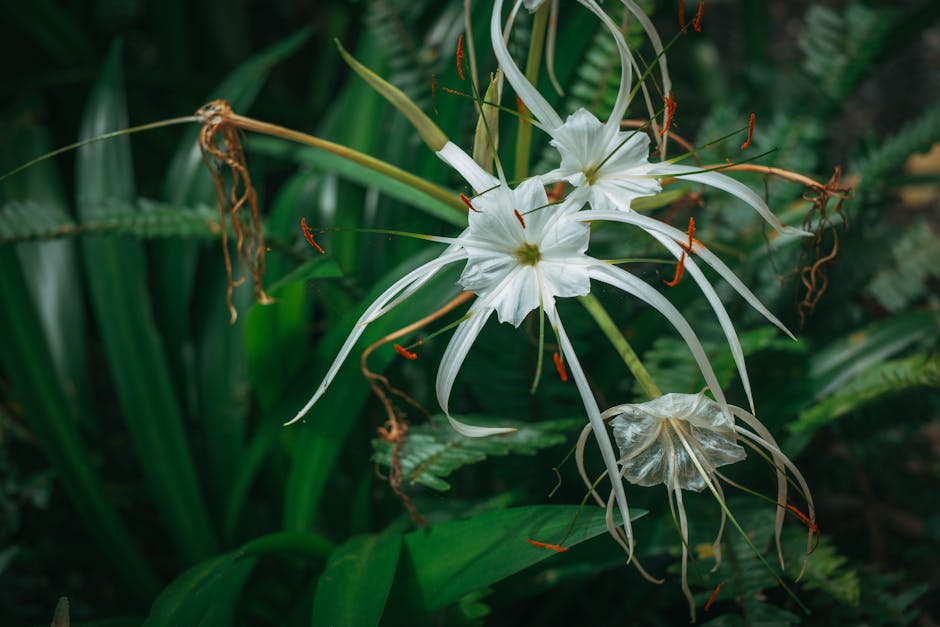
Table of Contents
- Botanical Garden Madrid Visitor Basics
- Botanical Garden Madrid Design
- Botanical Garden Madrid Plant Collection
- Botanical Garden Madrid Greenhouses
- Botanical Garden Madrid History
- Herbarium and Research Library
- Botanical Garden Madrid Events
- Botanical Garden Madrid Tips
- FAQs
Botanical Garden Madrid Visitor Basics
- Address: Plaza de Murillo, 2, 28014 Madrid (next to Prado Museum south side).
- Metro: Atocha (Line 1; 5-min walk); Banco de España (Line 2; 10-min walk).
- Hours: Daily 10:00-21:00 (April-August); 10:00-20:00 (September-March); 10:00-18:00 (November-February).
- Tickets: €6 adult; €3 reduced (students 12-25, over 65); free under 12.
- Free entry days: Tuesday afternoons 17:00-close; April 18 (International Day Monuments and Sites); October 12 (Spanish National Day); December 6 (Constitution Day).
- Audio guide: €4 (download free Botánico app).
- Visit time: 1-2 hours minimum; 3-4 hours for deep botanical interest.
- UNESCO World Heritage Site since July 2021.
Botanical Garden Madrid Design
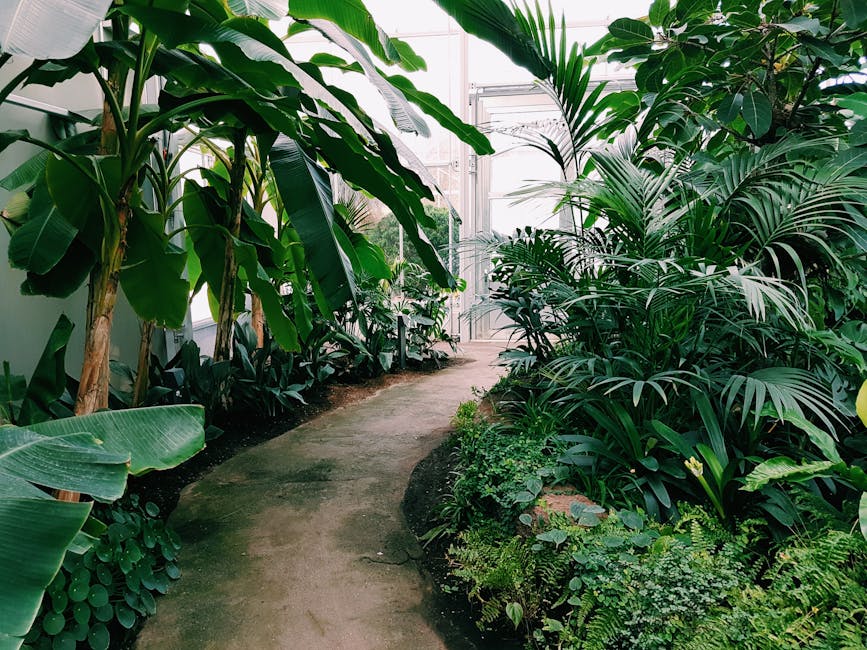
The Botanical Garden Madrid follows the original 1781 design by architect Juan de Villanueva (also designer of Prado Museum) and Francesco Sabatini — three-tier terraced garden ascending the hillside from Paseo del Prado westward toward Calle Alfonso XII. The terraces were inspired by 18th-century French formal gardens and Italian Renaissance villa gardens, with neoclassical greenhouses, orderly geometric beds, and water features.
- Three terraces: Cuadros Terrace (lowest, scientific plant collection), Plana Terrace (middle, traditional ornamental), Laurel Terrace (highest, romantic landscape).
- Design architects: Juan de Villanueva (1781), Francesco Sabatini (1779 initial planning).
- Site size: 8 hectares.
- Plant beds: Approximately 200 ornamental beds.
- Greenhouses: 3 historic + 1 contemporary tropical greenhouse.
- Trees: 1,500+ trees including ancient specimens.
- Water features: Multiple fountains and pools.
Botanical Garden Madrid Plant Collection
The Botanical Garden Madrid houses 5,000+ plant species organized by geographic origin and botanical family:
- Iberian flora: Comprehensive collection of native Spanish and Portuguese plants.
- Mediterranean basin: Plants from Mediterranean climate regions globally.
- American collection: Special emphasis given Spain’s colonial collecting expeditions to South America (José Celestino Mutis, Ruiz-Pavón Peruvian expedition).
- Asian collection: Plants from Japan, China, Himalayas.
- Bonsai collection: 70+ Japanese bonsai specimens donated by former Spanish PM Felipe González — one of finest European bonsai collections.
- Cactus and succulent collection.
- Aquatic plants in pools.
- Medicinal plants garden.
- Aromatic herbs garden.
- Old vegetable garden (Huerta) — heritage variety vegetables.
Botanical Garden Madrid Greenhouses
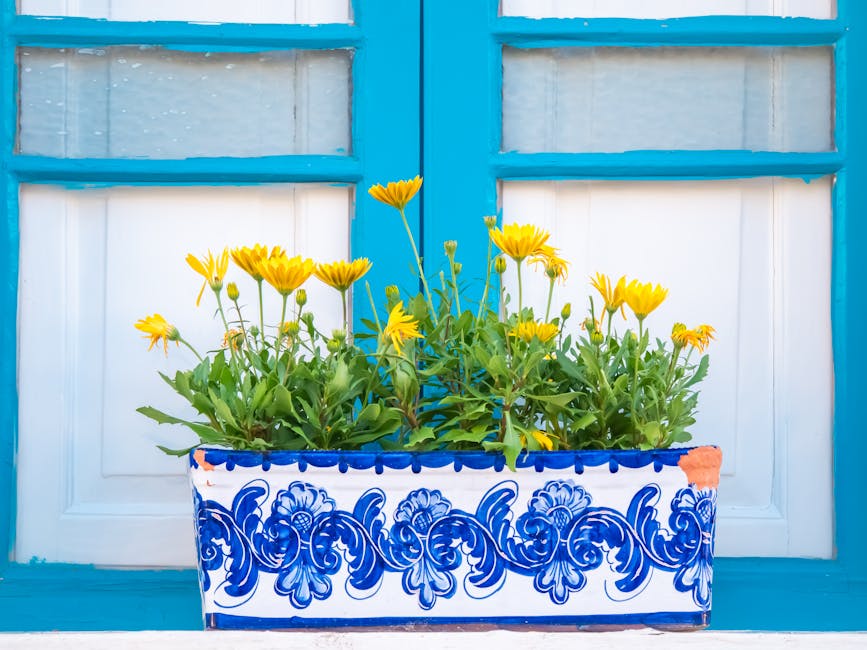
- Estufa de Graells (1856 historic greenhouse): Iron and glass; tropical and subtropical species.
- Pabellón Villanueva (1781 historic structure): Original Juan de Villanueva neoclassical greenhouse pavilion; now temporary exhibitions.
- Invernadero de los Cuadros: Historic greenhouse for traditional plant displays.
- Invernadero de Exhibiciones (modern): Three-climate display: tropical wet, tropical dry, temperate.
- Cactus and succulent house.
- Bonsai house with controlled climate.
- Each greenhouse free entry with garden ticket.
Botanical Garden Madrid History
The Real Jardín Botánico de Madrid was founded 1755 by King Fernando VI on the orders of his ministers in the Migas Calientes area (current Puerta de Hierro near Casa de Campo). The original garden moved to its present location 1781 under King Carlos III as part of the Salón del Prado urban renewal project (alongside Prado Museum, Royal Astronomical Observatory, Royal Astronomical Institute) — a comprehensive Enlightenment-era project to make Madrid a European center of arts and sciences.
The Botanical Garden Madrid played a critical role in 18th-century scientific exploration. Director José Celestino Mutis led the Royal Botanical Expedition to New Granada (1783-1816), generating thousands of plant specimens still preserved in the Botanical Garden Madrid herbarium. The Ruiz-Pavón Peruvian Expedition (1777-1788) added Andean plants. These colonial-era collecting expeditions made the Botanical Garden Madrid herbarium one of the world’s most important historical botanical archives — over 1 million specimens. UNESCO inscribed the Botanical Garden Madrid as part of the Paseo del Prado and Buen Retiro World Heritage Site in July 2021.
Herbarium and Research Library
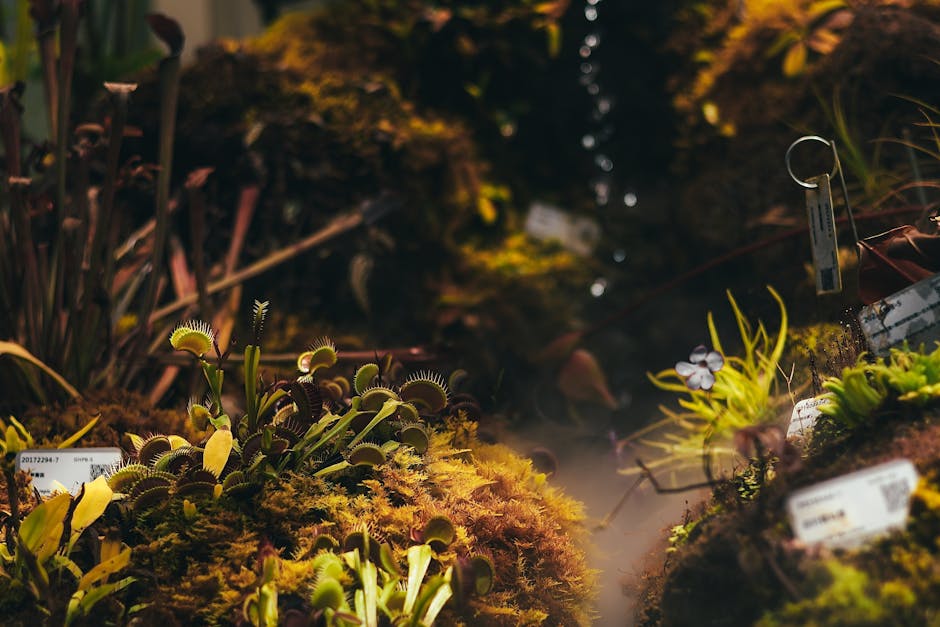
- Herbarium (MA): Over 1.1 million specimens dating from late 16th century — one of the world’s 10 largest historical herbariums.
- Royal Botanical Expedition specimens: Mutis (New Granada), Ruiz-Pavón (Peru), Sessé and Mociño (New Spain/Mexico) collections.
- Library: 30,000+ botanical books and manuscripts; rare 16th-18th century botanical texts.
- Botanical Garden Madrid is part of CSIC (Consejo Superior de Investigaciones Científicas, Spain’s research council).
- Active research in plant taxonomy, conservation, and ethnobotany.
- Herbarium and library by appointment for researchers; some materials on display in pavilions.
Botanical Garden Madrid Events
- Spring tulip and bulb display (March-April): Annual spring color event.
- Rose collection peak (May-June).
- Naturaleza Encendida (Christmas illumination, December-January): Spectacular illuminated evening garden experience; separate ticket.
- Photography competitions and exhibitions throughout year.
- Botanical Garden Madrid summer evening concerts.
- Educational workshops for children weekends.
- International Mediterranean Plant Conference periodically.
- Free guided tours offered weekends 12:00 in Spanish.
Botanical Garden Madrid Tips
- Combine with Prado Museum (5-min walk) for full UNESCO Paseo del Prado experience.
- Spring (April-May) peak bloom; autumn (October-November) golden colors.
- Tuesday afternoons free entry — useful for budget travelers.
- Bring water; refillable fountain stations available.
- Photography excellent year-round — bring macro lens for plant details.
- Educational labels in Spanish + Latin scientific name; English translation app helpful.
- Café in garden; nearby Prado area many restaurant options.
- Bonsai collection particularly impressive — don’t miss bonsai house.
- Naturaleza Encendida Christmas illumination (December-January) — spectacular but separate ticket.
- 1-2 hours typical visit; 3-4 hours for deep botanical interest.
FAQs
How much is the Botanical Garden Madrid?
€6 adult; €3 reduced (students 12-25, over 65); free under 12. Free entry Tuesday afternoons 17:00-close, April 18, October 12, December 6.
When is the Botanical Garden Madrid open?
Daily 10:00-21:00 (April-August), 10:00-20:00 (September-March), 10:00-18:00 (November-February). Open year-round.
How old is the Botanical Garden Madrid?
Founded 1755 by King Fernando VI. Moved to current location beside Prado Museum 1781 by King Carlos III as part of Salón del Prado Enlightenment urban project. UNESCO World Heritage Site since July 2021.
How many plants does the Botanical Garden Madrid have?
5,000+ plant species across 200+ ornamental beds and 4 greenhouses. Major collections: Iberian flora, Mediterranean, American (colonial expedition heritage), Asian, bonsai (70+ specimens donated by former PM Felipe González).
Is the Botanical Garden Madrid worth visiting?
Yes — UNESCO World Heritage Site with 5,000+ plant species, historic greenhouses, world-class bonsai collection, and 18th-century neoclassical garden design by Juan de Villanueva. Combines naturally with adjacent Prado Museum visit.
What’s the best time to visit the Botanical Garden Madrid?
Spring (April-May) for peak bloom; autumn (October-November) for golden colors. Christmas (December-January) for spectacular Naturaleza Encendida illumination. Tuesday afternoons free entry.