
At six in the evening on 5 January, the Three Kings set off along the Paseo de la Castellana, and children ride on their parents’ shoulders, holding out plastic bags to catch the sweets thrown from the floats. Within days the same families are back in the centre, hunting for half-price coats in the sales. Madrid in January is a month of two halves: a last, loud burst of Christmas in the first week, then a calmer, cheaper stretch, cold and bright, with more room in the museums and the sales in full swing. If shopping is your main reason to come, our guide to the rebajas, Madrid’s winter sales, covers where to go and how the discounts work. This page is the planner for the whole month.
It covers January weather in real numbers, what happens around New Year’s Day and Three Kings, the quiet weeks after, the trade fair that briefly fills every hotel, closures, costs and an honest verdict on whether January is worth it. Prices were checked in October 2026; treat them as the right order of magnitude.
Madrid in January at a Glance
| What | January in Madrid |
|---|---|
| Average high / low | About 10 °C / 2–3 °C; the coldest month of the year |
| Rain | About 6 rainy days, roughly 35 mm |
| Daylight | Short days just after the winter solstice, lengthening through the month; dark by early evening |
| Public holidays | 1 January (New Year’s Day), 6 January (Epiphany / Three Kings) |
| Big events | Cabalgata de Reyes (5 Jan), winter sales (each shop sets its dates), San Antón (17 Jan), FITUR tourism fair (20–24 Jan 2027) |
| Christmas lights | Still up in the first days of January |
| Crowds | Busy to 6 January, then much calmer |
| Hotel prices | Fall once the holidays end, except during FITUR |
| Verdict | Good value for museums, food and shopping, if you can handle the cold |
January Weather in Madrid
January is Madrid’s coldest month, and the cold is of a particular kind: dry, clear and sharp. A typical day starts close to freezing, with frost on the grass in the Retiro and your breath visible at the bus stop. By early afternoon, in the sun, it feels far milder, and with a coat on you may well be happy on a sheltered terrace. Then the sun goes down and the temperature drops fast again. Nights average 2 to 3 °C and cold snaps take them several degrees below zero.
The good news is how often the sky is blue. January is drier than December, with around six rainy days and about 35 mm of rain across the month. Grey days happen, and a spell of fog and drizzle can settle in for a few days, but a week of sunshine is just as likely.
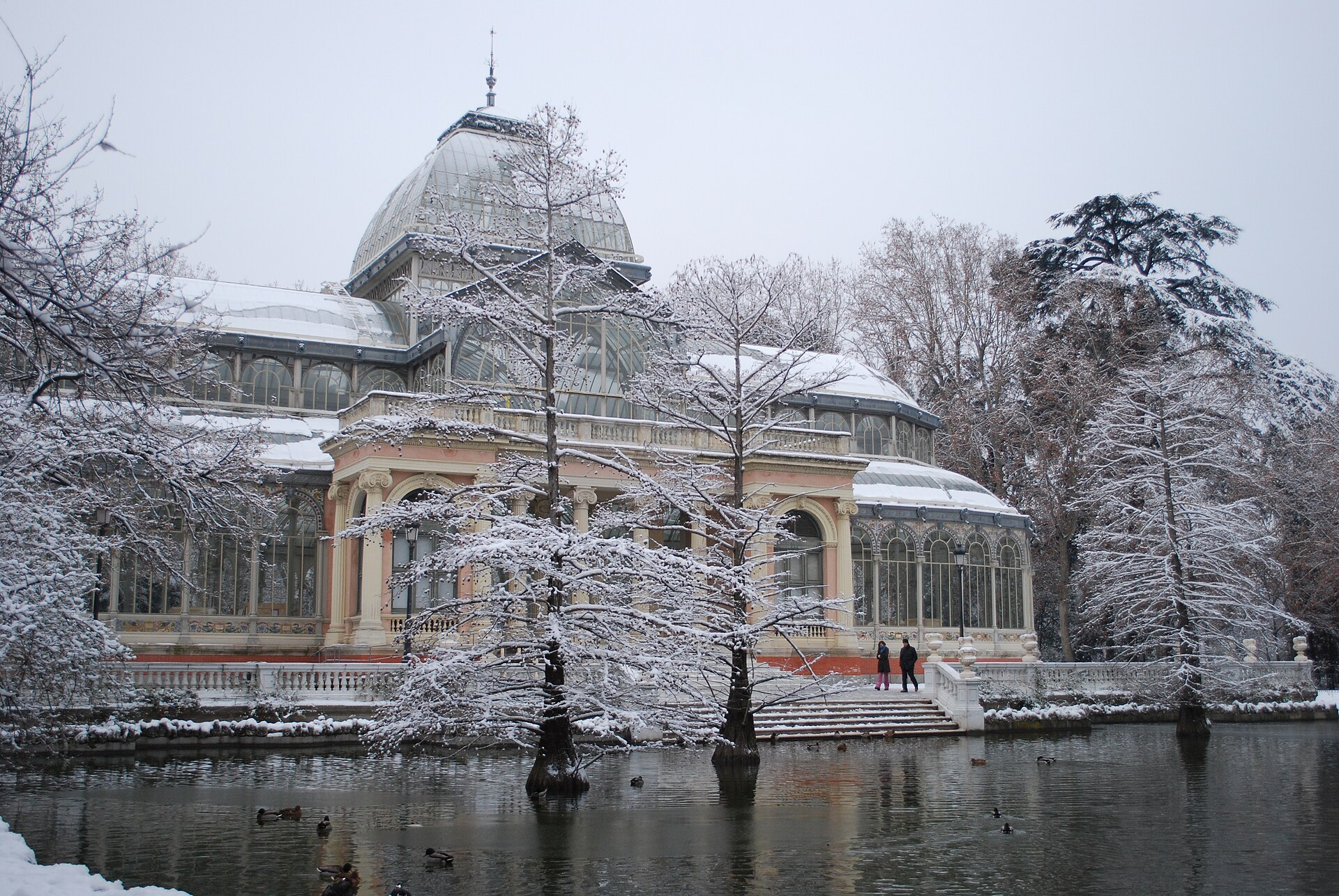
Snow in the city is rare, but not unheard of. In January 2021, Storm Filomena buried Madrid under the heaviest snowfall in decades and brought the city to a standstill for days; nobody who was there has forgotten it. In an ordinary year, you are more likely to see snow on the peaks of the Sierra de Guadarrama from a rooftop than on the streets.
What to pack
- A warm, windproof winter coat. This is not the month for a trench coat.
- Hat, scarf and gloves. You will want them every evening, and on the Cabalgata night you will be standing still for hours.
- Layers: indoor spaces are heated, sometimes generously.
- Warm, comfortable shoes with decent grip for cold stone pavements.
- Sunglasses and lip balm — the air is dry and the winter sun is bright.
What Happens in January: Week by Week
1 January: a slow, sleepy morning
After the grapes at Sol and a very late night, Madrid sleeps. New Year’s Day is a public holiday, and until mid-afternoon the streets are almost empty. Many museums close, including the Prado, as do most shops. Churrerías are the exception: the traditional New Year’s breakfast of chocolate con churros, after a night out, is a genuine Madrid ritual, and San Ginés near Sol is famously busy. Plan a slow day, a walk in the Retiro, and a long lunch somewhere that you have booked.
2–4 January: the last of Christmas
The Christmas lights are still on, many belenes (nativity scenes) are still on show, and families are out doing the last of the Three Kings shopping. Toy shops and department stores are packed, especially around Preciados and Goya. It is a festive, busy few days, and hotel prices are still high.
5 January: the Cabalgata de Reyes
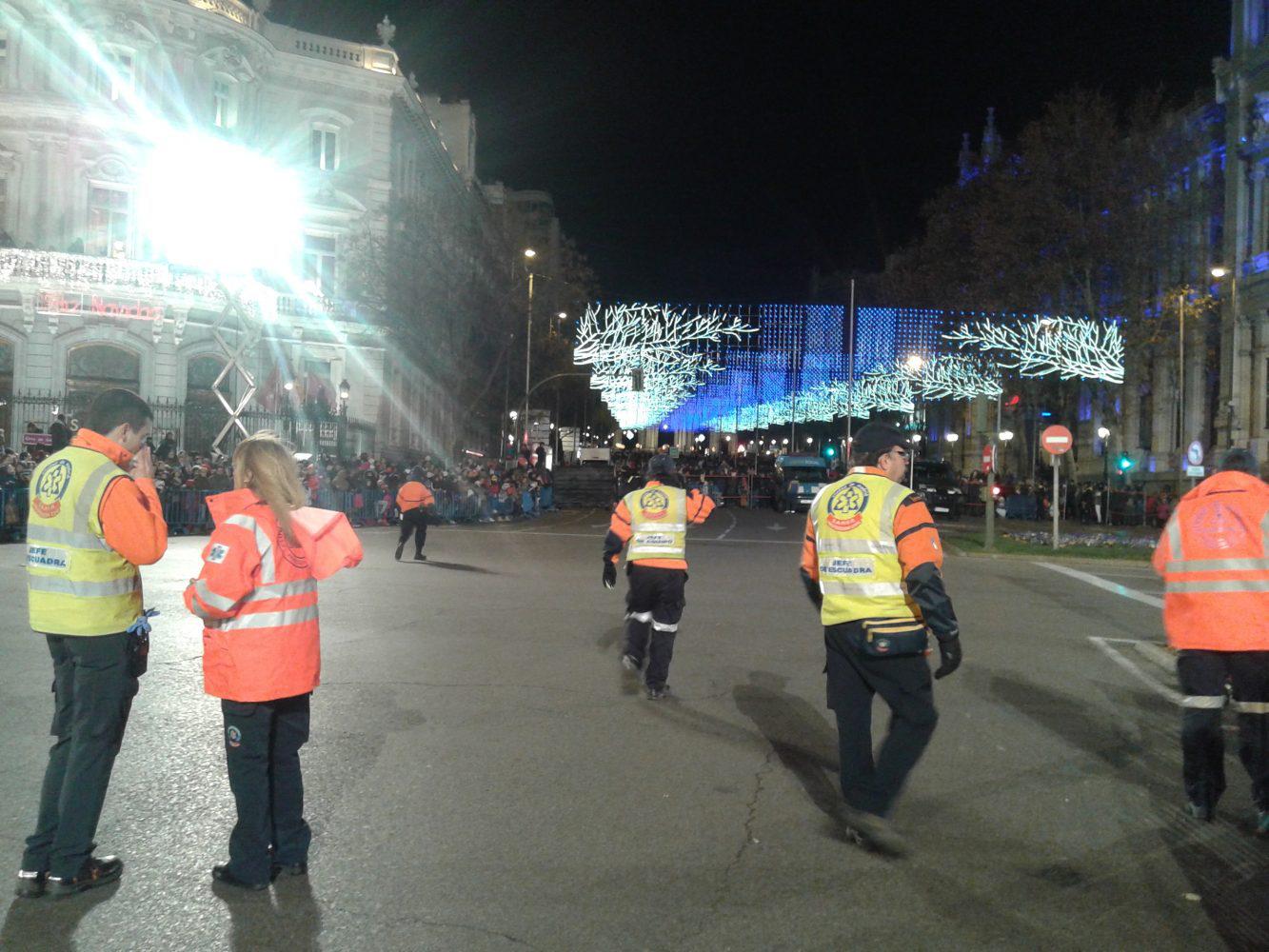
This is the big one. In Spain, it is the Three Kings, not Father Christmas, who traditionally bring children’s presents, arriving on the night of 5 January. Madrid welcomes them with the Cabalgata, a huge evening parade of floats, dancers, bands and camels, which sets off at 18:00.
The route starts on the Paseo de la Castellana around Nuevos Ministerios and the Plaza de San Juan de la Cruz, runs south past the Plaza del Doctor Gregorio Marañón and the Glorieta de Emilio Castelar, through Plaza de Colón and down the Paseo de Recoletos, and ends at the Plaza de Cibeles. The Kings throw sweets into the crowd all the way.
How to see it well:
- Families with small children should head for the Castellana or Recoletos stretches, where the crowds are more spread out and there is more room at the barriers.
- Cibeles is where the parade ends in a big show; it is also the most crowded point on the route. Arrive very early or not at all.
- Arrive at least an hour before the start for a spot at the front. People bring folding stools, blankets and flasks.
- Take the Metro and expect road closures along the whole route from mid-afternoon. Some stations near the route may be closed or exit-only.
- Bring a bag for the sweets and an umbrella turned upside down if you want to catch the most.
After the parade, children go to bed early and leave their shoes out for the Kings. For the rest of the city, it is a normal night out.
6 January: Epiphany (Día de Reyes)
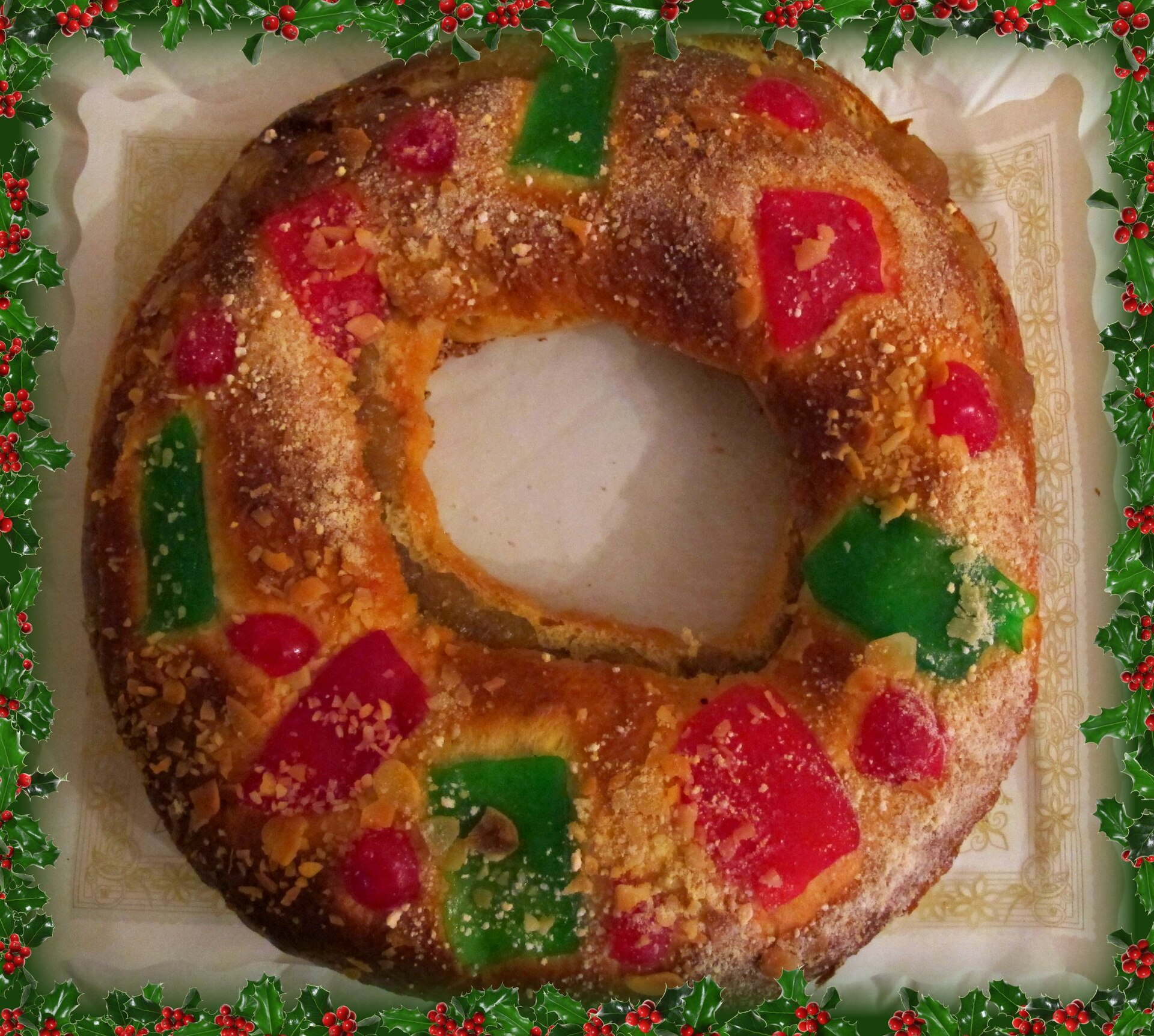
A public holiday, and the real Christmas Day for many Spanish children, who open their presents in the morning. Families eat roscón de Reyes, a large ring-shaped sweet bread topped with candied fruit and flaked almonds, often filled with cream. Inside are hidden a small figure and a dried bean: whoever finds the figure is crowned king for the day, and whoever finds the bean traditionally pays for the roscón next year. Bakeries are besieged on the 5th and the morning of the 6th; order ahead or queue early.
Many shops close. Some museums and attractions open, others do not; the Temple of Debod, for example, closes on 6 January.
January sales: the rebajas
Spanish shops can set their own sale dates, so each retailer decides when its winter sales (rebajas) begin, and January is the usual month for them. The opening weekend of a big store’s sale is chaotic in the big stores on Preciados, Gran Vía, Fuencarral and the Salamanca district. Discounts deepen through the month and into February, when the choice gets thinner but the prices lower. Our guide to the rebajas covers the best streets, shops and strategies, and non-EU visitors should read about tax-free shopping before they buy.
Mid-January: the quiet weeks
From about 8 January to the end of the month, Madrid goes back to work and the tourists go home. The big attractions are calmer than over the holidays. You can walk into the Prado on a weekday afternoon and have more room in the Velázquez rooms, get a table at a popular restaurant without booking days ahead, and find hotel rates below their holiday levels.
17 January: San Antón
On the feast day of Saint Anthony the Abbot, patron saint of animals, people bring their pets to the Iglesia de San Antón on Calle de Hortaleza in Chueca to be blessed. Dogs, cats, rabbits, parrots, tortoises and the occasional horse queue up outside, and the police’s mounted unit usually makes an appearance. The church also gives out small blessed bread rolls, the panecillos del santo. It is charming, slightly surreal and completely free. If the 17th falls on a weekday, the blessings and the procession around the church are concentrated on the nearest weekend.
Late January: FITUR
FITUR, Madrid’s international tourism trade fair, takes over the IFEMA exhibition centre near the airport for several days in late January — in 2027, from 20 to 24 January. The trade days bring tens of thousands of industry visitors to the city, and hotel prices rise sharply that week, especially in business hotels and anywhere near IFEMA or on the airport side of town. If you are coming for a cheap January break, check the FITUR dates before you book. The last days of the fair, over the weekend, usually open to the public and can be fun if you are planning future trips.
The Best Things to Do in Madrid in January
Have the big museums to yourself
January is the month for the Golden Triangle of museums. Crowds are low, and the Prado, Reina Sofía and Thyssen are warm, bright refuges on a cold afternoon. Remember the Prado is closed on 1 January, and the Reina Sofía closes on Tuesdays.
Eat winter food
January is peak season for Madrid’s heartiest dishes. Book a cocido madrileño for a long lunch — see our cocido guide. Try callos a la madrileña (tripe stew) if you are adventurous, sopa castellana (garlic soup), and finish a cold evening with chocolate con churros.
Walk in the winter sun
On a clear January day, the Retiro, Madrid Río and the Parque del Oeste are glorious: bare trees, low golden light and almost nobody around in the mornings. Head for the Temple of Debod or the Cerro del Tío Pío at sunset, which comes early, around 18:00, so you can watch it and still be in good time for dinner. Wrap up.
Go to the snow
The Sierra de Guadarrama, about an hour north of the city, has small ski areas, including Valdesquí and Puerto de Navacerrada, and plenty of places for a winter walk or sledging when there is snow. Conditions vary hugely from year to year and roads can close in storms. Check the snow report and road conditions before you set off, and see our guide to hiking around Madrid for the area.
Take a winter day trip
Segovia, Ávila and Toledo are beautiful and uncrowded in January. Ávila’s walls are especially dramatic on a frosty morning, although it is also noticeably colder than Madrid, and Segovia’s roast suckling pig tastes better when it is freezing outside. See our best day trips from Madrid.
See a show
The theatre and concert season is in full swing: Gran Vía musicals, opera and ballet at the Teatro Real, flamenco in the tablaos, and live music in small venues. January is also a good month to get tickets without booking weeks ahead. See theatres in Madrid and flamenco tablaos.
Watch football
La Liga’s winter break is short, and home games resume in early January. Tickets for ordinary league matches can be easier to find in January than in autumn or spring. Our guide to football in Madrid explains how to buy.
What January Costs
After Three Kings, hotel rates and flights ease from their holiday levels, which makes January good value for a winter city break.
- Hotels: from about 7 January, central hotel rates fall from their holiday levels, often well below spring prices. The exception is FITUR week, when prices climb.
- Flights: flights to Madrid are generally good value after the first week of January, when the Christmas return rush has passed.
- Restaurants: prices do not change with the season, but availability does; you can get into places that are fully booked in May.
- Shopping: the sales make January a good month for clothes and shoes.
| Period | Hotels | Crowds |
|---|---|---|
| 1–6 January | High, especially for 5 January | Busy, festive |
| 7–19 January | Below holiday levels | Calmer |
| FITUR week (20–24 Jan 2027) | Sharply higher, especially near IFEMA | Trade visitors around IFEMA |
| 25–31 January | Low | Calm |
For more on getting the best prices, see the cheapest time to visit Madrid, and for the costs of a typical day, Madrid daily costs.
Opening Hours and Closures
- 1 January: public holiday. Most shops and many museums closed, including the Prado. Public transport runs a reduced service.
- 5 January: many shops stay open for last-minute presents; expect road closures along the Cabalgata route ahead of the 18:00 start.
- 6 January: public holiday. Many shops closed, some museums and attractions open. The Temple of Debod is closed.
- 7 January onwards: the holidays are over; each shop sets its own opening hours and sale dates, and January is one of the two usual sales months, with July.
- Mondays: some museums, including the Cerralbo, close; plan around it.
Madrid in January with Children
The first week of January is magical for children. The Cabalgata on 5 January is the highlight of the year for Spanish kids, and joining the crowd with a bag for sweets is an experience your children will remember. The belenes and Christmas lights stay up into the first days of January. After that, it is a quieter month, but the Retiro’s playgrounds, the zoo, Faunia, and the city’s museums with family activities are all calmer than usual. Our Madrid with kids guide has more ideas. Once Madrid’s schools go back after the Christmas break, the family attractions are especially quiet on weekdays.
Is January a Good Time to Visit Madrid?
Yes, if you are happy with cold evenings and you want value, space and a local feel. January is a good month to see the big museums without the holiday crowds, to eat Madrid’s winter food, to shop the sales and to find hotel rates below their holiday levels. The first week gives you a last taste of Christmas and one of Spain’s great parades.
It is not the right month if you want to sit on terraces late into the night, if you hate the cold, or if long evenings are important to you. And avoid FITUR week if price is the priority.
Our pick: arrive on 4 January, see the Cabalgata on the 5th, eat roscón on the 6th and hit the sales once the shops have set their dates — or come between 10 and 19 January for the calmer weeks after the holidays. For how January compares with the rest of the calendar, see the best time to visit Madrid, and for the month before, Madrid in December.
Frequently Asked Questions
How cold is Madrid in January?
It is the coldest month. Daytime highs average around 10 °C and nights about 2–3 °C, often dropping below freezing. Sunny afternoons feel much milder.
Does it snow in Madrid in January?
Rarely in the city itself; the big snowfall of Storm Filomena in January 2021 was exceptional. Snow is common in the nearby Sierra de Guadarrama.
When is the Three Kings parade in Madrid?
On the evening of 5 January, starting at 18:00. The route runs down the Paseo de la Castellana and Paseo de Recoletos, ending at Plaza de Cibeles.
When do the January sales start in Madrid?
Each shop chooses its own dates. January is the usual month for the winter sales, so check with the stores you plan to visit.
Is January a cheap time to visit Madrid?
Yes. Once Three Kings is over, hotel prices drop, except during the FITUR trade fair in late January.
Are museums open on 6 January in Madrid?
Some are and some are not. The Prado is closed only on 1 January (plus 1 May and 25 December), but smaller museums and sites such as the Temple of Debod close on the 6th. Check before you go.
Is Madrid busy in January?
Busy until 6 January, then far less crowded once the holidays end.
What is roscón de Reyes?
A ring-shaped sweet bread eaten on 6 January, decorated with candied fruit and often filled with cream. It hides a small figure and a dried bean.
Related Madrid Guides
- The Rebajas: Madrid’s Sales
- Madrid in December
- Christmas in Madrid
- Cheapest Time to Visit Madrid
- Best Time to Visit Madrid
- The Golden Triangle of Museums
- Cocido Madrileño
- Madrid Travel Tips
Photo Credits
The Palacio de Cristal in the snow: Palacio de Cristal (Retiro, Madrid) 03 by Pentarux, CC BY-SA 2.0, via Wikimedia Commons.
Plaza de Cibeles on the night of the Cabalgata: Dispositivo especial para la Cabalgata de Reyes 02 by Diario de Madrid, CC BY 4.0, via Wikimedia Commons.
Roscón de Reyes: El Roscón de Reyes (6642866499) by El Coleccionista de Instantes Fotografía & Video, CC BY-SA 2.0, via Wikimedia Commons.