
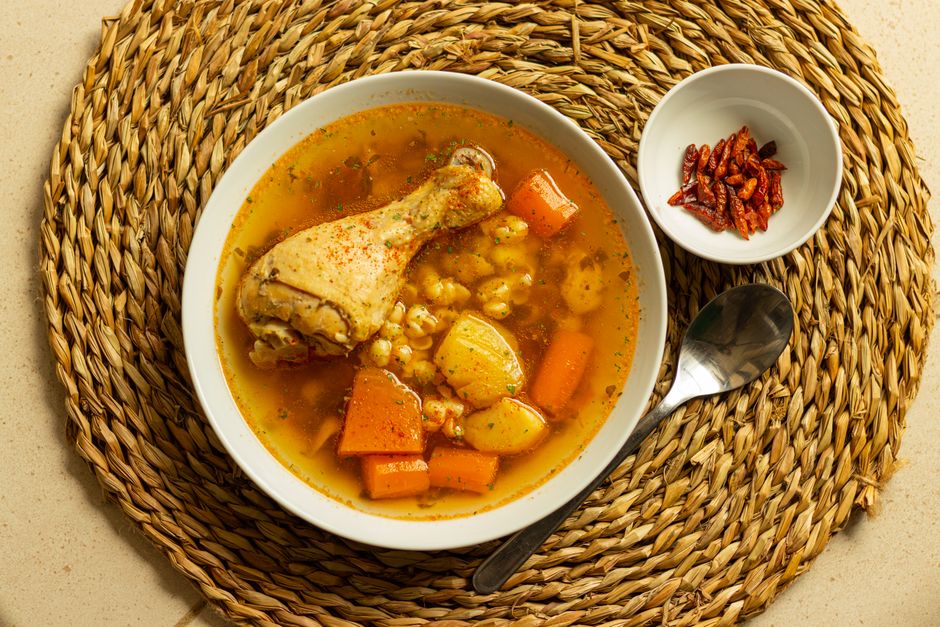
Sit down to cocido madrileño once and you understand why Madrileños guard Sunday lunchtimes so ferociously. The ritual starts with a clay pot of bone broth — glistening, deep gold, scattered with thin fideos. Then comes a plate of garbanzos cooked until just tender, alongside wedges of cabbage, carrots, and leeks. Finally the meats: beef shank, chorizo, morcilla, ham hock, tocino, and chicken, arranged together and still steaming. Three courses from one pot. At La Bola (Calle de la Bola, 5), they cook each order individually in a glazed clay pot over charcoal — a method unchanged since 1870. Budget €30–35 per person (2026) and book at least a week ahead. For something more refined, Lhardy (Carrera de San Jerónimo, 8) serves consomé from silver cups at €40–50. Neighbourhood options like Restaurante Malacatín (Calle de la Ruda, 5) land at €25–30 with no pretension. This guide covers where to eat cocido madrileño in Madrid, how the three-course ritual works, and the history behind the dish.
Part of the broader Madrid food guide — the complete reference for eating well in the city.

Table of Contents
- What Is Cocido Madrileño?
- The Three Courses (Tres Vuelcos)
- Best Restaurants for Cocido in Madrid
- When to Order Cocido
- A Short History
- Practical Tips
- FAQs
What Is Cocido Madrileño?
Cocido madrileño is a slow-simmered one-pot stew whose ingredients vary by family but always include:
- Garbanzos (chickpeas): Soaked overnight, simmered for hours until tender but intact — the dish’s anchor.
- Vegetables: Cabbage, carrots, leeks, potatoes, sometimes turnips.
- Meats: Beef shank, chorizo, morcilla (blood sausage), tocino (cured pork belly), ham hock, chicken.
- Bones: Marrow bones and a ham bone drive the broth’s depth.
- Aromatics: Onion, garlic, a thread of saffron.
Everything cooks together for 4–6 hours. The pot is then deconstructed into three separate courses — the tres vuelcos — each pulled from the same liquid. No shortcuts produce the same result.
The Three Courses (Tres Vuelcos)
Course 1: Sopa de Cocido (Broth with Fideos)
The strained broth arrives first — deep gold and intensely meaty, with thin fideo noodles cooked directly in it. Many Madrileños say this is their favourite course. Sip it slowly; it is richer than it looks.
Course 2: Garbanzos y Verduras (Chickpeas and Vegetables)
A plate of garbanzos and the vegetables — cabbage, carrots, leeks — that have absorbed hours of broth. Dressed with a thread of olive oil and salt. Simple and completely satisfying.
Course 3: Las Carnes (The Meats)
The meat course arrives last: beef shank falling from the bone, chorizo sliced thick, morcilla, tocino, chicken. Mustard on the side, a piece of bread to mop the juices. By course three you are full. Order it anyway.
The full meal takes 90 minutes to 2.5 hours. Pair it with a Ribera del Duero or young Rioja — and plan nothing energetic afterward. Consider combining this lunch with an afternoon wander through a Madrid neighbourhood close to your restaurant.
Best Restaurants for Cocido Madrileño in Madrid

1. La Bola Taberna — Calle de la Bola, 5
The most famous cocido address in Madrid. Since 1870 they have cooked each order in an individual glazed clay pot over charcoal — walk past the kitchen on your way in and you will see the flames. The broth is extraordinary. €30–35 per person (2026); book 7–10 days ahead in winter, more on Sundays. Metro: Santo Domingo or Opera.
2. Lhardy — Carrera de San Jerónimo, 8
Madrid’s oldest grand restaurant, open since 1839. The cocido here is more refined — consomé in silver cups, white tablecloths, an atmosphere of unhurried elegance. €40–50 per person. Near Puerta del Sol (Metro Sol).
3. Taberna La Carmencita — Calle de la Libertad, 16
Madrid’s second-oldest taberna (1854), tucked into Chueca. Excellent traditional cocido on Wednesdays and Fridays. €25–35 per person; easier to book than La Bola on short notice.
4. Restaurante Malacatín — Calle de la Ruda, 5
La Latina institution since 1895. Cocido every day at lunch, no fuss, no white tablecloths. €25–30 per person. If you are already doing a La Latina tapas crawl, this fits naturally into the same afternoon.
5. Taberna Pedraza — Calle de Recoletos, 4
Chef Santiago Pedraza’s acclaimed modern interpretation — top-quality ingredients, cleaner presentation, lighter broth. €40–60 per person. Currently one of Madrid’s most talked-about cocidos among food-focused visitors. Worth comparing against the Michelin-starred options if you are planning a special-occasion dinner.
6. La Daniela Goya — Calle General Pardiñas, 21
Salamanca/Goya classic. Traditional cocido with an upmarket neighbourhood feel. €30–40 per person; popular with local families on weekends.
7. Casa Carola — Calle de Padilla, 54
Bigger and busier than La Daniela or Pedraza. Cocido available daily. €30–40 per person. Salamanca district, Metro Goya or Lista.
8. Restaurante Cruz Blanca — Calle de Vallecas, 3
Family-run Vallecas institution, far from tourist routes, working-class prices. €20–25 per person. Worth the metro trip if you want the least-touristy cocido in the city. If budget is a consideration across your whole trip, the Madrid travel budget guide covers how to pace spending across meals.
When to Order Cocido
- Peak season: October through April. A 1,200-calorie three-course stew makes little sense in July heat.
- Year-round places: La Bola and Lhardy serve cocido all twelve months; most neighbourhood tabernas pause in summer.
- Specific cocido days: Casa Ricardo serves it Tuesdays/Wednesdays only. La Carmencita does Wednesdays and Fridays. Always confirm before going.
- Lunch only: Service runs roughly 13:30–15:30. No serious cocido restaurant serves it for dinner.
- Allow two hours minimum: Three courses from one pot is not fast food.
A Short History of Cocido Madrileño
The dish descends from the medieval Sephardic Jewish adafina — a Sabbath stew of chickpeas, meat, and vegetables sealed and left to cook overnight. After the 1492 expulsion of Jews from Spain, conversos continued cooking the dish but added pork products (chorizo, tocino) as visible proof of Christian identity. The stew spread across Castile and became Madrid’s defining meal through the 19th century, when restaurants like Lhardy and La Bola fixed its three-course serving format. It is — uniquely for Spanish food — a dish that tells you directly about the violent history of the Iberian Peninsula.
Practical Tips
- Book ahead: La Bola and Lhardy fill 1–2 weeks ahead in winter, 4+ weeks for Sunday lunch.
- Skip breakfast: Or have only a coffee. Cocido is one of the largest meals in Spanish cuisine.
- Pace the courses: Wait for the pot to be brought back between plates. Don’t rush the waiter.
- Drink pairings: Bottled water (€2–3) and a glass of Ribera del Duero red (€4–7). Classic.
- Half portions: Many restaurants offer medio cocido — ask when booking if the full three courses feels like too much.
- After lunch: A long walk through La Latina or a coffee with brandy (carajillo). Then a vermouth at one of the best vermouth bars in Madrid to round off the Sunday properly.
For a lighter and cheaper alternative across all neighbourhoods, the cheap eats in Madrid guide covers everything from bocadillos to menú del día deals under €12.
Cocido Madrileño FAQs
What is cocido madrileño?
Madrid’s signature chickpea-based stew with beef, ham bone, chicken, chorizo, morcilla, and vegetables, slow-simmered 4–6 hours and served as three separate courses: broth with fideos, garbanzos and vegetables, then the meats.
Where is the best cocido madrileño in Madrid?
La Bola (clay-pot charcoal cooking since 1870) is the most authentic. Lhardy is the most elegant. Malacatín is the best neighbourhood option. Taberna Pedraza is the top modern interpretation.
How much does cocido madrileño cost in 2026?
€20–25 at working-class places like Cruz Blanca. €25–35 at La Carmencita or Malacatín. €30–40 at La Bola or La Daniela. €40–60 at Lhardy or Taberna Pedraza. Add €8–15 for wine and water.
When is cocido available in Madrid?
October–April at most restaurants; year-round at La Bola and Lhardy. Lunch service only (13:30–15:30). Some restaurants limit cocido to specific days — confirm before going.
How long does a cocido lunch take?
90 minutes minimum; 2–2.5 hours is typical. Three courses, paced by the kitchen. Don’t rush it.
Is cocido madrileño vegetarian?
No. The broth, garbanzos, and vegetables all cook together with pork and beef bones. The dish is structurally inseparable from meat. Vegetarians should look at the vegan and vegetarian restaurants in Madrid guide instead.
Do I need a reservation for cocido in Madrid?
Yes — especially at La Bola, Lhardy, and Taberna Pedraza. Book 1–2 weeks ahead in winter; 3–4 weeks for Sunday lunch at the most popular places. Neighbourhood spots like Cruz Blanca often take walk-ins.
Official Resources
- La Bola official site: labola.es
- Lhardy official site: lhardy.com
- Madrid official tourism: esmadrid.com — Eat in Madrid
Book a winter Sunday table at La Bola or Lhardy, arrive hungry, and give yourself the full afternoon. Cocido madrileño is not the fastest meal in Madrid. On the right day, it is the best one.