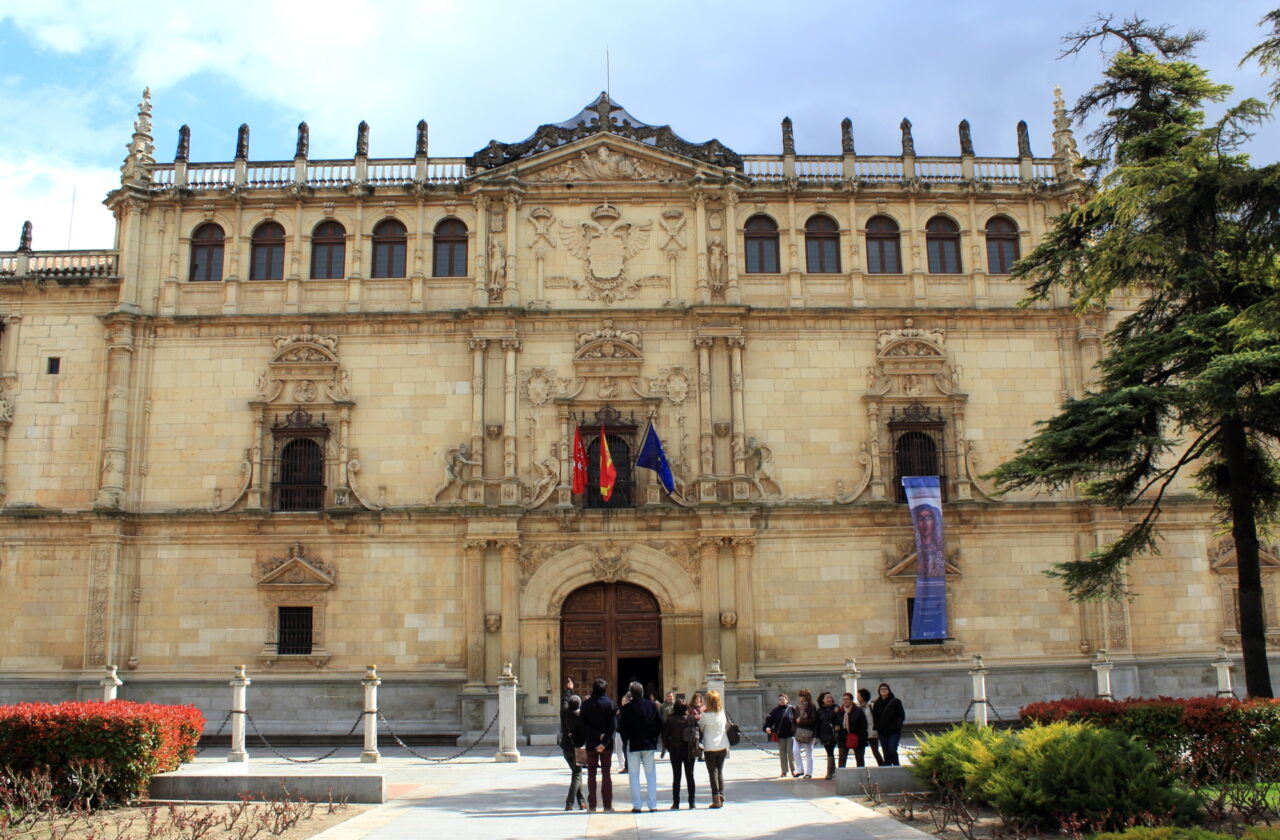
An Alcalá de Henares day trip from Madrid takes you to a UNESCO World Heritage city about 40 minutes from Atocha by Cercanías commuter train — the medieval university town where Cervantes was born, where the Renaissance Universidad de Alcalá produced the Complutensian Polyglot Bible, and where ornate Plateresque architecture lines the historic streets. The Alcalá de Henares day trip is one of the most underrated excursions from Madrid: cheap to reach (€2.60 each way from central Madrid), full of major monuments, and a great half-day or full-day option. This guide covers everything: getting there, unmissable sights, the Cervantes house museum, and why this small UNESCO city should be on every Madrid traveler’s shortlist.
Alcalá de Henares costs €5.20 return by Cercanías from Madrid’s Zone A — a cheap way to reach a UNESCO city and the birthplace of Cervantes. A half-day covers it, ideal to pair with an afternoon in the capital. See all options in the day trips from Madrid guide and the comparison hub.
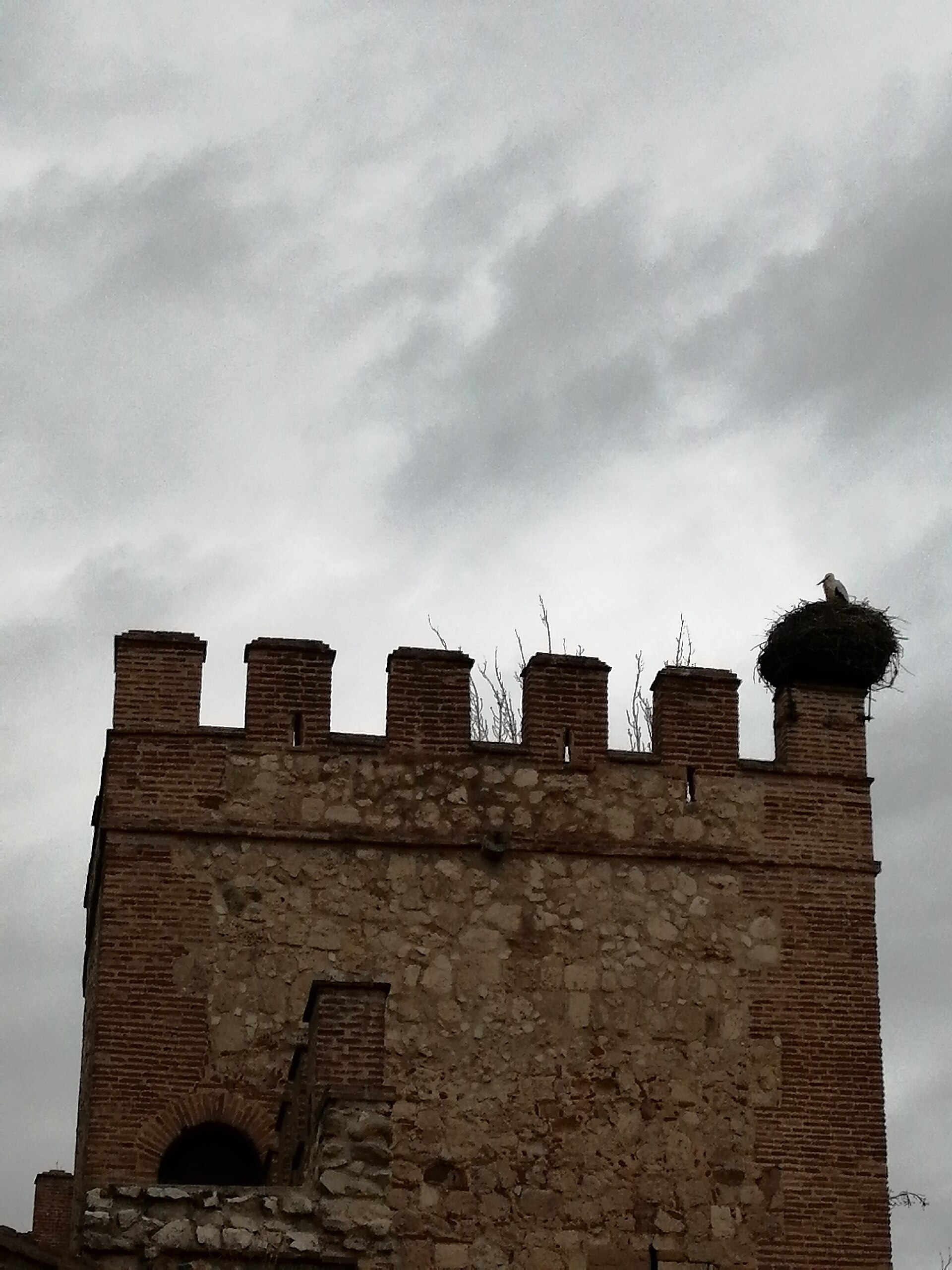
Table of Contents
- How to Get to Alcalá de Henares from Madrid
- What to See
- Cervantes Birthplace
- Where to Eat
- Practical Tips
- FAQs
How to Get to Alcalá de Henares from Madrid
- Cercanías commuter train (Recommended): Line C-2 from Madrid Atocha or Chamartín, about 40 minutes from Atocha or 50 from Chamartín (35 on the CIVIS service from Chamartín), €2.60 each way from Zone A. Frequent service; check times on Renfe’s Cercanías Madrid site. The historic center is a short walk from the station.
- Bus: ALSA from Madrid Avenida de América, ~50 minutes, €4-6 each way.
- Car: Via the A-2 highway; the drive time depends on traffic. Parking outside historic center.
What to See on an Alcalá de Henares Day Trip
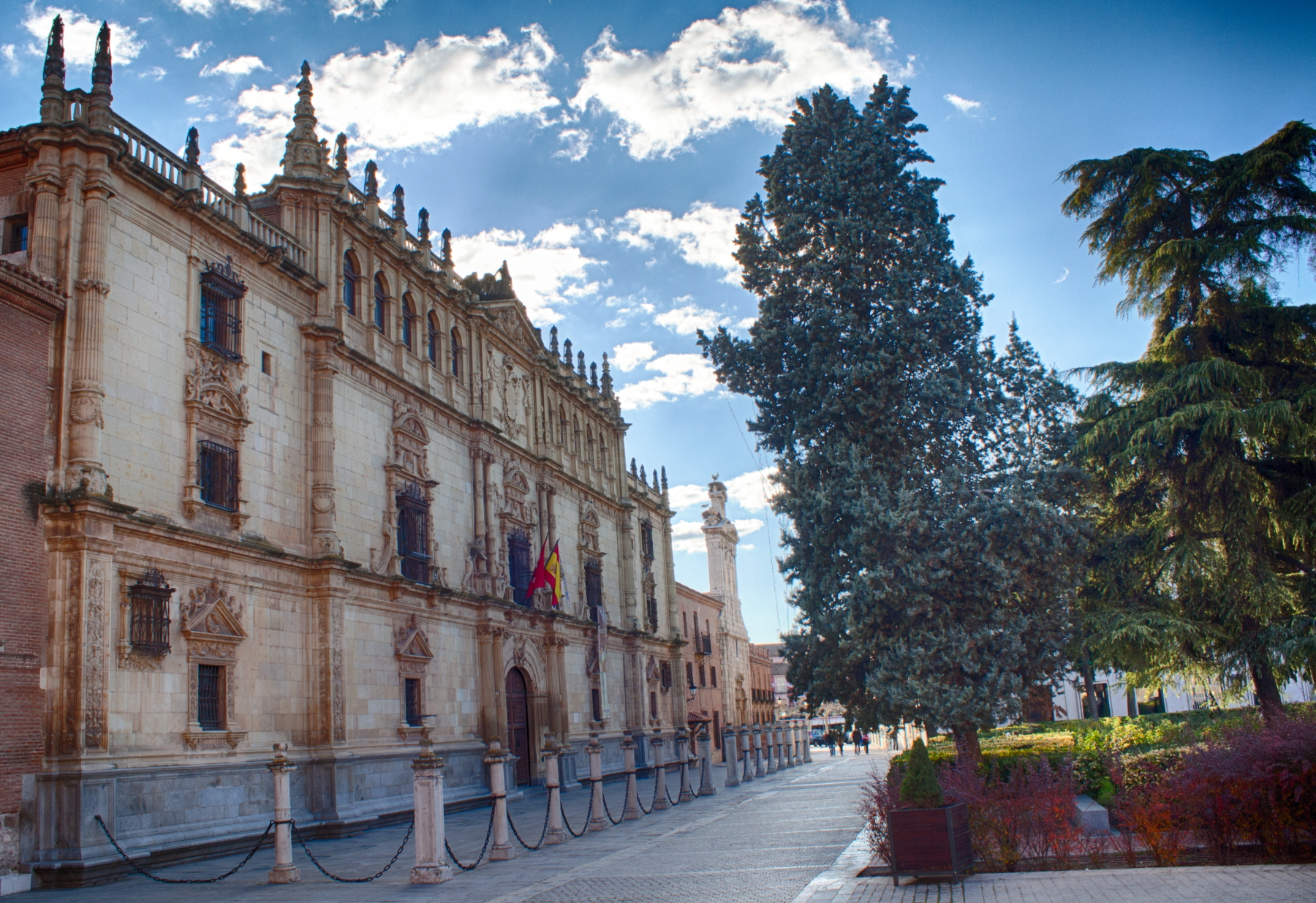
1. Universidad de Alcalá Façade
The Plateresque facade of the Renaissance university is among Spain’s most ornate. Founded 1499 by Cardinal Cisneros — the university produced the Complutensian Polyglot Bible (1517). Free to admire from outside; the interior is seen on a paid guided visit.

2. Casa Natal de Cervantes
Reconstructed house museum on the site traditionally identified as the birthplace of Miguel de Cervantes (1547), author of Don Quixote. Period rooms and furnishings and Cervantes-related exhibits. Free admission.
3. Plaza de Cervantes
Central plaza with Cervantes statue, surrounded by the historic university and arcaded buildings. The atmospheric heart of Alcalá.
4. Catedral Magistral
Late-Gothic cathedral on the site of two early Christian martyrs (Justus and Pastor). The cultural visit is ticketed; see prices on the cathedral’s own site.
5. Calle Mayor
Described as Spain’s longest medieval street with arcades on both sides — about 400 meters of covered walkway lined with shops, cafés, and historic buildings.
6. Monasterio de San Bernardo
17th-century Cistercian convent with extraordinary interior — guided tours available. The cathedral’s €8 cultural ticket covers the monastery as well.
Casa Natal de Cervantes — Cervantes Birthplace
Miguel de Cervantes Saavedra was born in Alcalá in 1547 — Don Quixote, published 1605, is widely considered the first modern novel. The current Casa Natal museum is a reconstruction, opened in 1956 on the site traditionally identified as his birthplace, with period rooms and furnishings, editions of Cervantes’s work, and Cervantes-related exhibits. Free admission. Allow 45 minutes.
Where to Eat on an Alcalá de Henares Day Trip
- Hostería del Estudiante: Restaurant in a 17th-century setting with traditional Castilian cuisine.
- Costradas de Alcalá: Local pastry specialty — try at any pastelería.
Practical Tips for an Alcalá de Henares Day Trip
- Half-day is enough: Alcalá de Henares is small. 4-5 hours on the ground covers everything.
- Cercanías is fast and cheap: around 40 min from Atocha, €2.60 a single.
- Best time: April-October. The Cervantes Week festival (October) is atmospheric.
- Avoid Mondays: Some monuments closed.
- Buy costradas: Sweet local pastries to take home.
- Combine with Madrid attractions: Easy to do as a half-day; afternoon free for Madrid sights.
Alcalá de Henares Day Trip FAQs
Is an Alcalá de Henares day trip worth it?
Yes — UNESCO World Heritage status, Cervantes’s birthplace, an extraordinary university facade, all about 40 minutes from Atocha for €2.60 each way. Excellent value half-day excursion.
Why is Alcalá UNESCO World Heritage?
Inscribed 1998 as the world’s first planned university city — Cardinal Cisneros’s 1499 university was the model for Renaissance university towns across Europe.
How long does an Alcalá day trip take?
4-5 hours on the ground plus transit. Easily done as a half-day with afternoon free for Madrid attractions.
How much does an Alcalá day trip cost?
€26.80-46.80 per person: €5.20 train, free or €5-15 monuments, €15-30 lunch.
When is Cervantes Week?
Around October 9, the anniversary of Cervantes’s baptism; each year’s dates appear on the Semana Cervantina site. Festivals, theater performances, and a Renaissance-era market.
Is the Cervantes Birthplace authentic?
The current Casa Natal is a reconstructed house museum on the site traditionally identified as Cervantes’s birthplace, furnished with period pieces and Cervantes-related exhibits. Free admission.
History and Heritage
Alcalá de Henares — Roman Complutum, Moorish al-Qal’at al-Nahr (“the citadel by the river”) — was a cultural and intellectual capital of medieval Iberia. Cardinal Cisneros founded the Universidad de Alcalá in 1499, and its buildings are fronted by a Plateresque facade, the ornate Spanish-Renaissance style named for its resemblance to silverwork. The Universidad’s flagship achievement was the Complutensian Polyglot Bible (1517), a multilingual printed Bible and a landmark in Renaissance scholarship and printing technology. Miguel de Cervantes Saavedra was born here in 1547, and the museum on Calle Mayor stands on the site traditionally identified as his birthplace; he would later write Don Quixote (1605), generally considered the first modern European novel. UNESCO inscribed Alcalá in 1998 as the world’s first planned university city — a prototype that influenced Renaissance university towns across Europe and the Americas. The historic university moved to Madrid in 1836, but the historic core — university facade, Cervantes birthplace museum, Cathedral of San Justo and Pastor (Catedral Magistral), arcaded Calle Mayor (described as Spain’s longest medieval street with arcades on both sides, about 400m) — still anchors the town. An Alcalá de Henares day trip from Madrid is easy, cheap and rewarding — UNESCO World Heritage, Cervantes’s birthplace, Plateresque architecture, all about 40 minutes from Atocha for under €10 return.
Suggested Half-Day Itinerary
- 10:00 — Madrid Atocha or Chamartín: Cercanías C-2 to Alcalá (about 40 min from Atocha, 50 from Chamartín; €2.60).
- 10:50 — Walk from Alcalá station to Plaza de Cervantes.
- 11:00 — Plaza de Cervantes & Cervantes statue (15 min).
- 11:15 — Casa Natal de Cervantes (45 min): Reconstructed house museum with period rooms; free admission.
- 12:00 — Calle Mayor walk (30 min): Billed as Spain’s longest medieval street arcaded on both sides, about 400m.
- 12:30 — Universidad de Alcalá (45 min): Plateresque facade exterior + a paid guided tour of the interior.
- 13:15 — Catedral Magistral (30 min): Late-Gothic on the site of Roman martyrs Justus and Pastor.
- 13:45 — Lunch (90 min): Hostería del Estudiante, a restaurant in a 17th-century setting.
- 15:15 — Monasterio de San Bernardo (45 min): 17th-century Cistercian convent; the cathedral’s €8 cultural ticket covers it.
- 16:00 — Costradas pastry shopping: Buy local sweets at any pastelería to take home.
- 16:30 — Train back to Madrid.
Hidden Gems on an Alcalá de Henares Day Trip
- Capilla de San Ildefonso: 16th-century university chapel with the original tomb of Cardinal Cisneros (the founder). €3, almost no tourists.
- Corral de Comedias: 1601 working theater — one of the oldest surviving corrales de comedias in Europe, with a season that opens in September and runs into spring.
- Casa de la Entrevista: Commemorates the January 1486 meeting between Christopher Columbus and the Catholic Monarchs, held at the nearby Archbishop’s Palace. Free.
- Museo Arqueológico y Paleontológico de la Comunidad de Madrid (MARPA): Stellar Roman Complutum mosaics, on Plaza de las Bernardas. Free.
- Roman Complutum ruins: Outside the historic center; archaeological park with mosaics. Free.
- Palacio Arzobispal: Where Catherine of Aragon was born in 1485 (later wife of Henry VIII). Free exterior; rare interior tours.
- Plaza de los Santos Niños: Quiet square behind the cathedral; older than Plaza de Cervantes.
Best Photography on an Alcalá Day Trip
- Universidad facade: Plateresque masterpiece — best in afternoon light.
- Calle Mayor arcades: 400m of medieval porticoes; strong shadows in side-light.
- Plaza de Cervantes: Cervantes statue with arcaded buildings — golden hour.
- Casa Natal de Cervantes courtyard: Period furnishings under skylight.
- Capilla de San Ildefonso interior: Cisneros’s tomb in Plateresque chapel.
- Cathedral apse: Late-Gothic from the rear plaza.
- Storks’ nests on towers: Alcalá is famous for nesting storks April-August.
When to Visit Alcalá de Henares
Spring (April-June): Mild and beautiful; storks return to nest on cathedrals. Around World Book Day (April 23), the Cervantes Prize is awarded at the university.
Summer (July-August): Hot but evenings pleasant.
Autumn (September-October): Best season — cool, photogenic. The Corral de Comedias opens its season in September, and Cervantes Week, held around October 9 to mark the writer’s baptism, brings Renaissance markets and costumed theater.
Winter (November-March): Cool but quiet — restaurants offer hearty Castilian classics. Christmas markets in Plaza de Cervantes.
Alcalá vs. Other Madrid Day Trips
Alcalá is a UNESCO university city and the birthplace of Cervantes, within easy reach of Madrid by Cercanías.
Choose Alcalá if: You have only a half-day; you’re a literature/history enthusiast (Cervantes); you want UNESCO content with minimal travel; you’re traveling on a budget.
Combine Alcalá with: Madrid morning sights — at about 40 minutes from Atocha, Alcalá works as an afternoon excursion after a Madrid morning.
Alcalá doesn’t replace Toledo or Segovia for first-time visitors, but for travelers with extra days or limited budgets, it’s outstanding value.
Alcalá’s Local Cuisine
- Costradas de Alcalá: Local pastry — layered puff pastry with custard and meringue, dusted with cinnamon. The signature sweet.
- Migas del Quijote: Migas with chorizo and grapes, “as Don Quixote would have eaten.”
- Cordero asado: Roast lamb in traditional restaurants.
- Cocido madrileño: Three-course chickpea stew at traditional spots.
- Almendras garrapiñadas: Caramelized almonds — a convent specialty.
- Vino de Mejorada: Local Madrid-region wine.
For a sit-down lunch: Hostería del Estudiante (traditional Castilian cooking in a 17th-century setting — a historic destination).
Tips for an Alcalá Day Trip
- Cercanías is fast and cheap: 40 min from Atocha or 50 from Chamartín (35 on the CIVIS service), €2.60 each way from Zone A. Trains run often through the day.
- Walk from station: the historic center is within walking distance; no transfer needed.
- Most monuments free: Casa Natal de Cervantes, Calle Mayor, Plaza de Cervantes — no admission.
- Universidad interior tour: A paid guided visit; the Paraninfo is the auditorium where the Cervantes Prize is awarded. Worth it.
- Avoid Mondays: Most monuments closed.
- Cervantes Week (around October 9): Atmospheric Renaissance market, costumed performers — book lunch ahead.
- Buy costradas to take home: Pastelería Salinas is the historic shop.
- Half-day is enough: 4-5 hours covers everything; great for after a Madrid morning.
More Alcalá de Henares Day Trip Questions
Is Cervantes’s birthplace authentic?
The current Casa Natal is a reconstruction that opened as a museum in 1956, on the site traditionally held to be Cervantes’s birthplace, and it is furnished with period furniture and editions of his work. Free admission.
Why is Alcalá UNESCO World Heritage?
Inscribed 1998 as the world’s first planned university city — Cardinal Cisneros’s 1499 university was the model for Renaissance university towns across Europe and the Americas.
When is Cervantes Week?
It falls around October 9, the date Cervantes was baptized. Festivals, theater performances, Renaissance markets. Free public events.
How much does an Alcalá day trip cost?
€26.80-46.80 per person: €5.20 train round-trip, €0-15 monuments (most free; the Universidad interior tour is paid), €15-30 lunch.
Can I visit Alcalá in just a half-day?
Yes — easily. 4-5 hours on the ground covers Casa Natal, Universidad facade, Calle Mayor, Catedral, and lunch. Combine with Madrid morning sights for a productive day.
Official Resources
- Alcalá tourism: turismoalcala.es
- UNESCO listing: University and Historic Precinct of Alcalá de Henares
- Casa Natal de Cervantes: Casa Natal de Cervantes
Plan Your Day Trip
- All day trips from Madrid — complete guide
- Which day trip suits you — comparison hub
- Toledo day trip — a UNESCO-listed day trip from Madrid
- Buitrago del Lozoya — off-the-beaten-path option
- Segovia day trip — aqueduct and cochinillo
- Getting to Alcalá by Cercanías train
- Madrid history and architecture guide
- Things to do in Madrid — the full city guide
An Alcalá de Henares day trip from Madrid is a simple, inexpensive and rewarding excursion from the capital — UNESCO World Heritage, Cervantes’s birthplace and Plateresque architecture within 40 minutes of Atocha, and a Cercanías return costs under €10.
Plan Your Visit
- Chinchón Spain Day Trip from Madrid
- Top Things to See in Madrid
- Free Things to Do in Madrid on a Budget
- Madrid Itineraries
Photo Credits
Colegio Mayor de San Ildefonso in Alcalá de Henares: 007194 – Alcalá de Henares (8626001736) by M.Peinado, CC BY 2.0, via Wikimedia Commons.
Universidad de Alcalá’s carved façade: 007005 – Alcalá de Henares (8242655218) by M.Peinado, CC BY 2.0, via Wikimedia Commons.
A stork nest in Alcalá de Henares: Cigueña by Sol Manglano, CC BY-SA 4.0, via Wikimedia Commons.