Madrid summer fiestas are the city’s most authentic August traditions — three consecutive neighborhood patron saint festivals known collectively as the “Fiestas Castizas” or “Fiestas de los Veranos Castizos”: Fiestas de San Cayetano (Embajadores, August 7), Fiestas de San Lorenzo (Lavapiés, August 10), and the largest, Fiestas de la Paloma (La Latina, August 14-15). These traditional Madrid summer fiestas feature chulapos and chulapas costumes, chotis dancing in the street, free outdoor concerts, organillo (street organ) music, traditional food stalls, religious processions, and an atmosphere unchanged for over 200 years. While much of Madrid empties to the coast in August, these neighborhood fiestas keep central Madrid vibrant. This guide covers Madrid summer fiestas dates, traditions, neighborhoods, and how to experience the most authentic Madrileño culture.
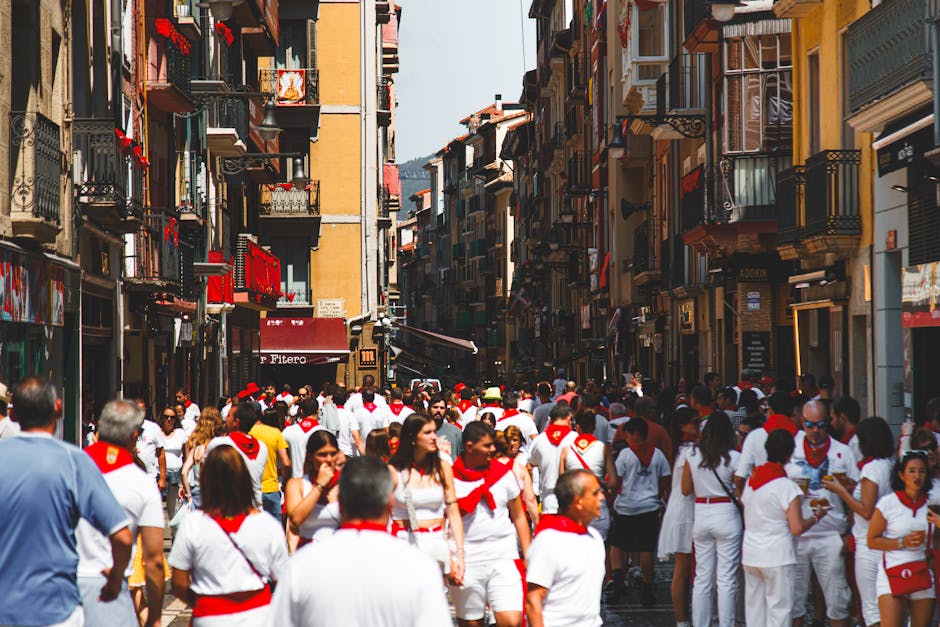
Table of Contents
- Madrid Summer Fiestas 2026 Dates
- Fiestas de la Paloma (La Latina)
- Fiestas de San Cayetano (Embajadores)
- Fiestas de San Lorenzo (Lavapiés)
- Organillo Street Organ Tradition
- Chotis Dance Tradition
- Madrid Summer Fiestas Food
- Madrid Summer Fiestas Tips
- FAQs
Madrid Summer Fiestas 2026 Dates
- Fiestas de San Cayetano (Embajadores): August 5-9, 2026 (peak day August 7).
- Fiestas de San Lorenzo (Lavapiés): August 7-12, 2026 (peak day August 10).
- Fiestas de la Paloma (La Latina): August 12-15, 2026 (peak days August 14-15; main festival).
- Combined Fiestas Castizas period: August 5-15, 2026.
- Annual repetition: Same dates each year (saint feast days fixed).
- Other notable summer events: Veranos de la Villa (July-August city-wide cultural festival).
Fiestas de la Paloma (La Latina)
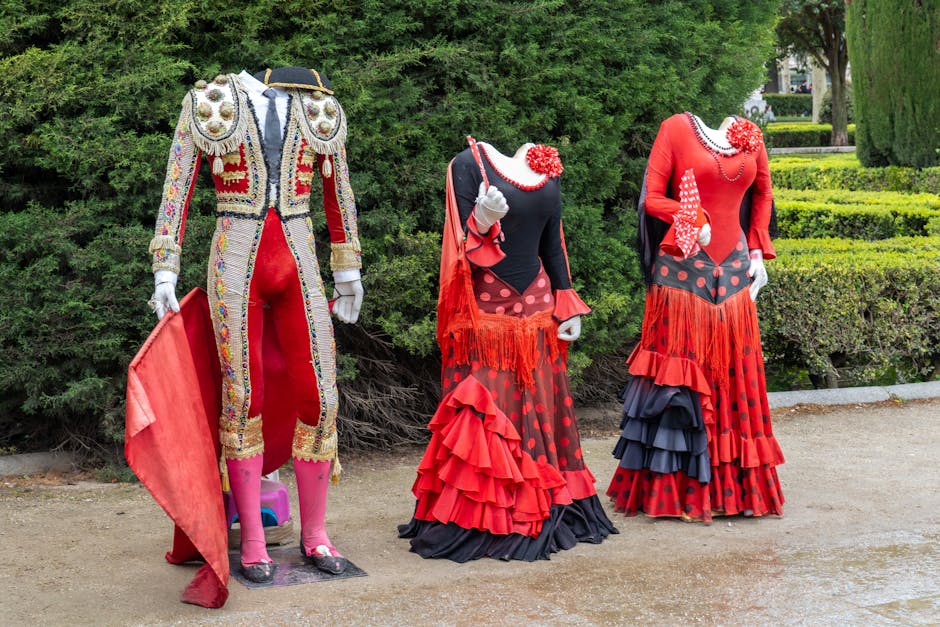
The Fiestas de la Paloma is the largest and most important Madrid summer fiestas — Madrid’s neighborhood festival celebrating the Virgin of the Dove (Virgen de la Paloma), patron of La Latina district. Festival peak days are August 14 (vigil), August 15 (Assumption Day public holiday). The fiestas center on Calle de la Paloma and surrounding streets in La Latina:
- Religious procession of the Virgen de la Paloma: August 15; statue carried through La Latina streets.
- Free outdoor concerts: Multiple stages in Plaza de la Paja, Plaza de la Cebada, Calle de la Cava Baja.
- Chulapos and chulapas dancing chotis: Traditional Madrid couples dance throughout streets.
- Organillo street organ players: Iconic Madrid sound; traditional handheld barrel organs play traditional songs.
- Verbena (street dance party): Live music nightly until 03:00.
- Food stalls: Traditional Madrileño food at temporary stalls throughout La Latina.
- Catedral de la Almudena Mass for Virgen de la Paloma: August 15 morning.
- Crowds: Locals predominantly; less touristic than San Isidro.
Fiestas de San Cayetano (Embajadores)
The Fiestas de San Cayetano is the first of the August Madrid summer fiestas trilogy, celebrating Saint Cayetano (patron of bread and unemployed) on August 7 in the historic Embajadores neighborhood (south of Lavapiés). Saint Cayetano (1480-1547, Italian Catholic saint) is associated with provision of bread and work — important to working-class Embajadores historically. The festival features chulapos costumes, religious procession from the Iglesia de San Cayetano, traditional chotis dancing in Plaza de Cascorro, free concerts, and traditional Madrileño food stalls.
- Iglesia de San Cayetano (Calle Embajadores): Main religious venue.
- Plaza de Cascorro: Traditional dance + concerts.
- Calle Embajadores: Festival main street.
- Procession August 7 evening.
- Continuous music until 03:00.
Fiestas de San Lorenzo (Lavapiés)
The Fiestas de San Lorenzo is the second August Madrid summer fiestas, celebrating Saint Lawrence (patron of cooks, comedians, librarians) on August 10 in the bohemian Lavapiés neighborhood. Lavapiés has Madrid’s strongest contemporary multicultural identity (Indian, Bangladeshi, Chinese, Senegalese, Latin American communities), and the Fiestas de San Lorenzo combines traditional Madrileño chotis dancing with multicultural music and food. The festival centers on Plaza de Lavapiés:
- Iglesia de San Lorenzo (Calle del Salitre): Religious venue.
- Plaza de Lavapiés: Concerts and dance.
- Calle Lavapiés and Calle Argumosa: Festival streets.
- Multicultural food stalls: Indian, Bangladeshi, Senegalese, Latin American specialties alongside traditional Madrileño food.
- Procession August 10 evening.
Organillo Street Organ Tradition
The organillo (manuvelle) is an iconic instrument of Madrid summer fiestas — a hand-cranked barrel organ that plays traditional Madrid melodies including the chotis, mazurka, polka, and pasodoble. Organilleros (organ-grinders) in traditional chulapo costume play in the streets during the August fiestas, providing soundtrack for chotis dancing. The organillo originated in 19th-century Madrid working-class neighborhoods. Today, only a handful of professional organilleros remain in Madrid — most active during August fiestas. The Asociación de Organilleros de Madrid maintains the tradition. Listen for traditional melodies “Madrid” by Agustín Lara or “La Verbena de la Paloma” zarzuela themes.
Chotis Dance Tradition
The chotis is Madrid’s traditional couples dance — performed prominently during August Madrid summer fiestas. Despite the German-sounding name (derived from “Schottisch”), the chotis arrived in Madrid 1850 and was thoroughly Madrileñoized into a distinctive dance: man stays largely stationary spinning the woman around him in a confined space (originally from cramped 19th-century working-class venue conditions). The dance is performed to organillo music or modern interpretations. Couples in chulapos and chulapas costumes dance chotis at:
- Plaza de la Paja during La Paloma: Iconic chotis location.
- Plaza de Lavapiés during San Lorenzo: Major dancing venue.
- Plaza de Cascorro during San Cayetano: Embajadores dance.
- Las Vistillas Gardens: Year-round chotis dance venue.
- The Chotis is Madrid’s only completely native dance form.
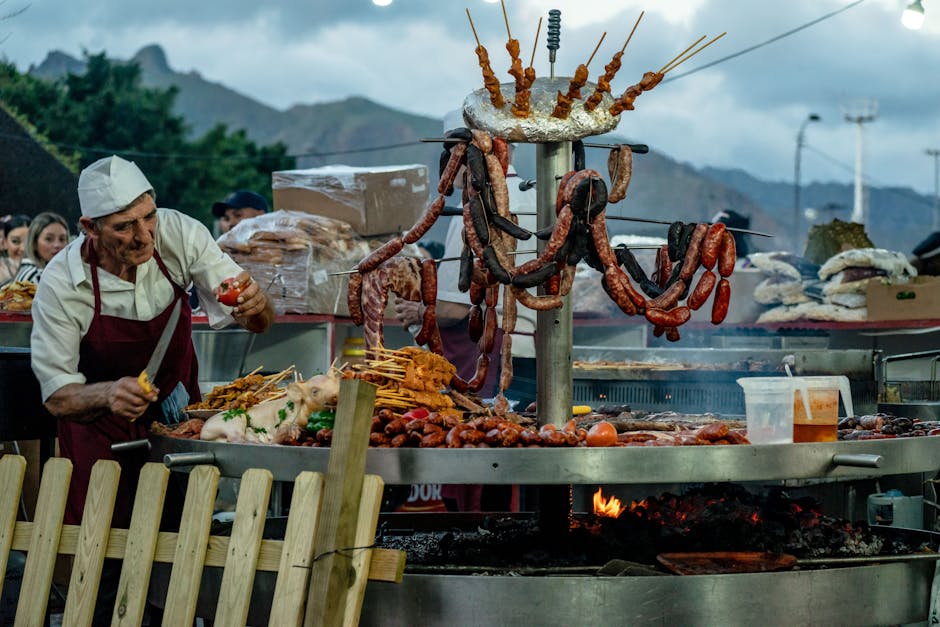
Madrid Summer Fiestas Food
- Bocadillo de calamares: Squid sandwich; iconic Madrid summer street food.
- Patatas bravas and patatas alioli: Festival staples.
- Pinchos de tortilla: Spanish omelette toothpick servings.
- Limonada de verano: Summer lemonade with white wine.
- Tinto de verano: Red wine with lemonade — Madrid summer drink.
- Cerveza Mahou: Madrid’s traditional beer brand.
- Churros con chocolate (late night/early morning): After-fiesta tradition.
- Helado / Granizado: Ice cream and shaved ice for August heat.
- Multicultural options at Lavapiés: Samosas, momos, kebabs, Latin American antojitos.
Madrid Summer Fiestas Tips
- Visit Plaza de la Paja during La Paloma for iconic chotis dancing.
- August heat 30-38°C — fiestas peak after sunset (21:00-03:00).
- Bring water; sunscreen during day events.
- Lightweight clothing; comfortable shoes for dancing.
- Most events free — no tickets needed.
- August 15 is national public holiday (Assumption Day).
- Many Madrid restaurants close August (vacation) — fiestas restaurants open.
- Far less touristic than San Isidro or Pride — authentic local experience.
- Combine with Veranos de la Villa cultural events same period.
- Stay in La Latina, Lavapiés, Embajadores for full immersion.
FAQs
What are Madrid summer fiestas?
Three consecutive neighborhood patron saint festivals in August: San Cayetano (Embajadores Aug 7), San Lorenzo (Lavapiés Aug 10), La Paloma (La Latina Aug 14-15). Combined Fiestas Castizas.
When is the Fiestas de la Paloma?
August 12-15, 2026, peak days August 14 (vigil) and August 15 (Assumption Day). Largest of Madrid summer fiestas — La Latina neighborhood patron Virgen de la Paloma.
What’s the chotis dance?
Madrid’s only native dance — couples dance with man largely stationary spinning the woman around. Originated 1850 from German Schottisch but became distinctly Madrileño. Danced at all summer fiestas.
Where do I see Madrid summer fiestas?
La Latina (Plaza de la Paja, Calle Cava Baja for La Paloma), Embajadores (Plaza de Cascorro for San Cayetano), Lavapiés (Plaza de Lavapiés for San Lorenzo).
Are the fiestas free?
Yes — all main Madrid summer fiestas events are free. Religious processions, outdoor concerts, dancing, food stalls (food/drink purchased separately at stalls).
What do I eat at Madrid summer fiestas?
Bocadillo de calamares (squid sandwich), patatas bravas, tortilla, churros con chocolate. Drink tinto de verano (red wine with lemonade), Mahou beer, summer lemonades.