La Latina Madrid history spans 1,200 years from the original 9th-century Moorish citadel to today’s tapas-and-vermouth heart of Madrid. The neighborhood occupies the oldest continuously inhabited part of Madrid — the area inside the original 11th-century Moorish walls, plus the medieval Christian expansion after the 1083 Reconquista. La Latina was Madrid’s Jewish quarter (Judería) until the 1492 Spanish expulsion of Jews; the neighborhood’s narrow medieval street pattern preserves Spanish-Islamic-Jewish urban heritage uniquely. Notable La Latina Madrid history sites include the surviving Moorish Arab Wall, Mudéjar bell towers, San Andrés Church, and the historic Plaza de la Cebada market. This guide covers La Latina Madrid history from Mayrit to modern tapas culture.
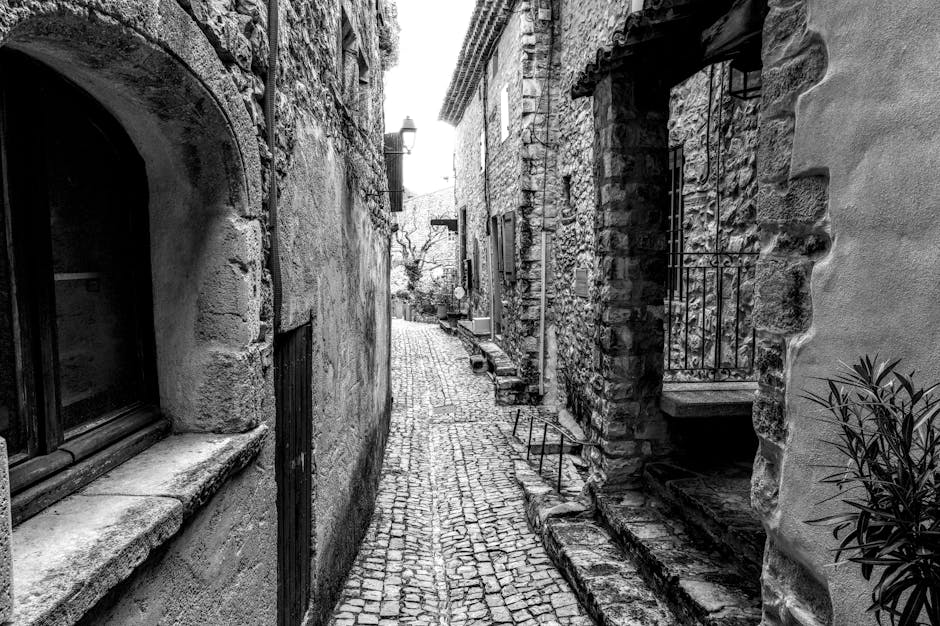
Table of Contents
- Moorish La Latina (852-1083): Mayrit Era
- Medieval Christian La Latina (1083-1492)
- Habsburg La Latina (1561-1700)
- 19th-Century La Latina
- 20th-Century La Latina
- What to See in La Latina Today
- La Latina Tapas Heritage
- La Latina Sunday Tradition
- FAQs
Moorish La Latina (852-1083): Mayrit Era
La Latina Madrid history begins as the heart of Moorish Mayrit — the 9th-century fortress founded by Emir Muhammad I of Córdoba in 852 AD. The original Moorish citadel occupied today’s La Latina/Plaza de la Villa area on the high ground above the Manzanares River. The first Moorish defensive walls were built 850-866 — limestone and red brick construction that influenced later Spanish architecture. The neighborhood’s pattern of narrow winding streets and dense urban fabric directly preserves Moorish urban planning principles.
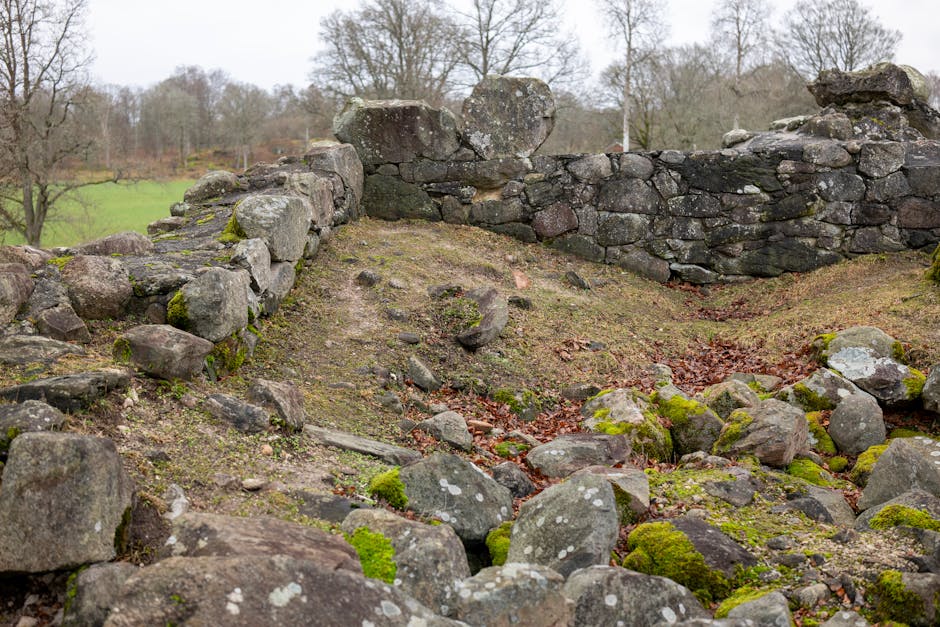
- Muralla árabe (Arab Wall): Surviving 11th-century Moorish defensive wall. Visit at Emir Mohamed I Park, near Cuesta de la Vega. Limestone-and-red-brick construction.
- Plaza de la Villa medieval citadel area: Original Moorish administrative heart.
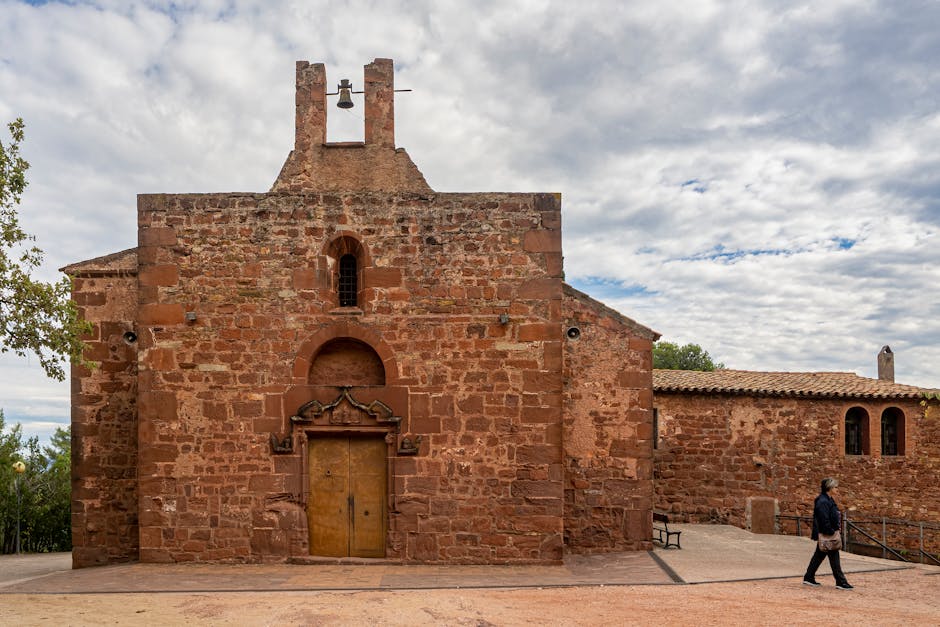
- San Pedro el Viejo bell tower: 14th-century Mudéjar tower; reflects post-Reconquista Moorish architectural influence.
- San Nicolás de los Servitas: 12th-century Mudéjar tower; oldest surviving in Madrid.
Medieval Christian La Latina (1083-1492)
Alfonso VI of Castile captured Madrid from the Moors in 1083 — relatively peacefully according to historical sources. La Latina Madrid history continued as Madrid’s primary residential and religious quarter for the next 4 centuries. Christian church construction superseded Moorish mosques (the cathedral of San Justo became Madrid’s primary church). The medieval Jewish quarter (Judería) developed in the central La Latina area near Calle de la Madera and Plaza Puerta de Moros. Jews lived alongside Christians and former Moors (Mudéjares) in relative coexistence until the dramatic 1492 expulsion under Ferdinand and Isabella.
- San Pedro el Viejo (14th century): Mudéjar bell tower; oldest religious building in La Latina.
- San Andrés Church (origins 12th-13th c.): Capilla del Obispo (1535) is preserved.
- Plaza Puerta de Moros: Site of medieval gate to “Moorish quarter” (Mudéjares).
- 1492 Jewish expulsion: Madrid’s small Jewish community expelled with all of Spain’s Jews; converts (conversos) remained.
Habsburg La Latina (1561-1700)
When Felipe II made Madrid Spain’s capital in 1561, La Latina was suddenly part of a rapidly expanding capital. The neighborhood remained the residential heart for craftsmen, merchants, and small nobility — adjacent to the new Habsburg administrative center but with denser, more “real” urban life than the wealthier expansion areas. Plaza de la Cebada market became Madrid’s primary food market. Calle Cava Baja (the street that follows the path of the medieval moat or “cava”) became a tavern and lodging street for travelers entering Madrid from the south.
- Plaza de la Cebada (16th c. market): Madrid’s primary food market until 19th c.
- Calle Cava Baja (16th c. tavern street): Today the heart of Madrid tapas culture.
- Iglesia de San Andrés (rebuilt 1672 Baroque): Major neighborhood Baroque church.
- Many small Habsburg-era taverns: Some still operating (Bodega de la Ardosa since 1892 has 17th-century roots).
19th-Century La Latina
La Latina Madrid history through the 19th century saw modernization while preserving the medieval-Habsburg urban fabric. Plaza de la Cebada market got iron-and-glass renovation 1875. El Rastro flea market (whose origins date to 16th-century leather tanneries) consolidated as the Sunday-only outdoor market that survives today. The neighborhood became associated with working-class character and authentic Madrileño identity (the “castizo” archetype).
- Mercado de la Cebada renovation (1875): Iron-and-glass architecture.
- El Rastro consolidation (19th c.): Sunday flea market becomes Madrid institution.
- Castizo culture: La Latina identified with authentic working-class Madrileño identity.
- Several historic taverns founded: Bodega de la Ardosa (1892), Casa Camacho (1929), Casa Lucio (1974, on much older site).
20th-Century La Latina
20th-century La Latina Madrid history maintained the working-class character through Civil War (Republican-held area), Franco era, and democratic transition. The 1990s saw gentrification — La Latina transformed from working-class neighborhood into Madrid’s premier tapas-and-vermouth destination. Calle Cava Baja became Spain’s densest tapas street; Sunday vermouth crawl culture established as Madrid’s iconic weekend tradition; gentrification brought hotels, boutique shops, and design-forward restaurants alongside historic taverns.
What to See in La Latina Today
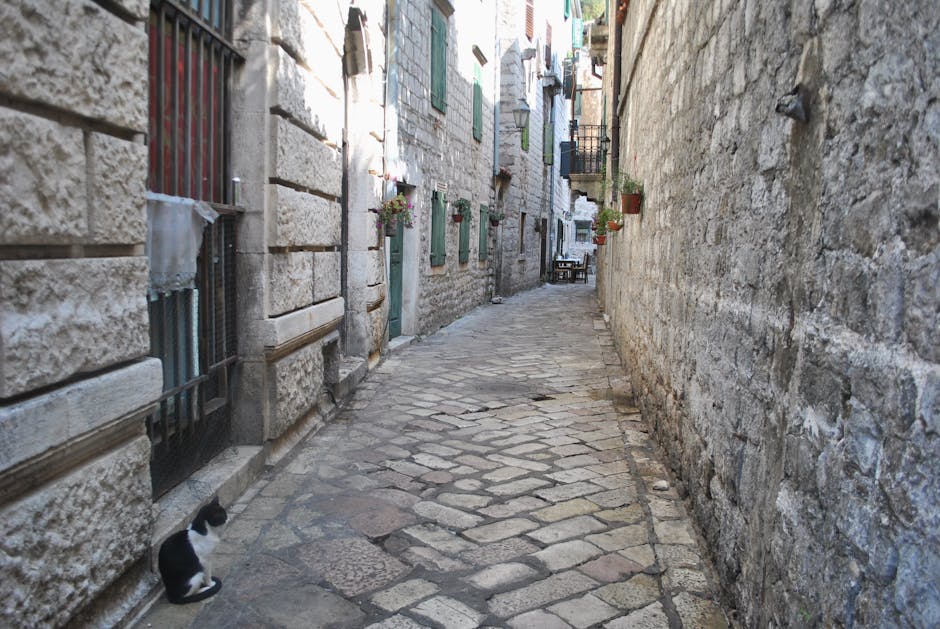
- Calle Cava Baja: Spain’s densest tapas street; 60+ tapas bars in 800m.
- Plaza de la Cebada: Working market plus surrounding nightlife.
- Plaza de la Paja: Atmospheric historic plaza for evening drinks.
- Plaza Puerta de Moros: Medieval gate site.
- San Andrés Church + Capilla del Obispo: Baroque church with medieval origins.
- San Pedro el Viejo Mudéjar tower: Madrid’s second-oldest building.
- Arab Wall remnants (Emir Mohamed I Park): Original 11th-century Moorish wall.
- Museo de los Orígenes / Casa de San Isidro: 16th-century building; archaeology museum about Madrid origins.
- El Rastro Sunday flea market: 09:00-15:00 every Sunday.
- Sunday vermouth crawl: 12:00-16:00 in Plaza de la Paja and Calle Cava Baja.
La Latina Tapas Heritage
- Casa Lucio (Cava Baja 35): Famous for “huevos estrellados” (broken eggs over fries with chorizo). Heads of state and celebrities. Reserve weeks ahead.
- Bodega de la Ardosa (Calle Colón 13): Vermouth icon since 1892. Standing-room-only Sundays.
- Casa Camacho (Calle de San Andrés 4): Since 1929; famous “yayo” cocktail.
- El Tempranillo (Cava Baja 38): Wine bar with 100+ Spanish wines by glass.
- Casa Lucas (Cava Baja 30): Modern Castilian tapas.
- Casa Toni (Cava Baja 25): Classic Madrid tapas.
- La Bola Taberna (Calle de la Bola 5): Cocido madrileño since 1870.
- Almendro 13 (Calle Almendro 13): Andalusian-style fried fish and roscas.
La Latina Sunday Tradition
Sunday in La Latina is Madrid’s most iconic weekend experience:
- 09:00-15:00: El Rastro flea market — 3,000+ vendors.
- 12:00-16:00: Vermouth crawl in La Latina (Calle Cava Baja, Plaza de la Paja).
- 14:00-16:00: Long Sunday lunch at traditional restaurants.
- 16:00-18:00: Coffee in atmospheric historic plazas.
- 18:00-22:00: Continuing tapas/drinks at neighborhood bars.
Sunday vermouth in La Latina is a 100+ year Madrileño tradition that survives despite gentrification. Standing-room-only crowds at Bodega de la Ardosa and other historic vermouth bars demonstrate the tradition’s enduring vitality.
FAQs
Why is La Latina the oldest part of Madrid?
La Latina occupies the original 9th-century Moorish citadel of Mayrit. The neighborhood preserves the densest medieval street pattern in Madrid plus surviving Moorish wall remnants.
Where can I see Madrid’s Moorish history?
La Latina — Arab Wall remnants in Emir Mohamed I Park; San Pedro el Viejo Mudéjar bell tower; San Nicolás de los Servitas Mudéjar tower (Madrid’s oldest).
Was there a Jewish quarter in Madrid?
Yes — La Latina was Madrid’s medieval Jewish quarter (Judería) until the 1492 Spanish expulsion of Jews. Today’s Calle de la Madera area marks the historic site.
What’s special about Calle Cava Baja?
Spain’s densest tapas street — 60+ tapas bars in 800 meters. The street name ‘cava’ refers to the medieval moat path.
When is El Rastro flea market?
Every Sunday and public holiday, 09:00-15:00 (sometimes extended to 16:00 in summer). 3,000+ vendors covering La Latina/Lavapiés streets.
Where do locals do Sunday vermouth in Madrid?
La Latina — Bodega de la Ardosa (since 1892), Casa Camacho (since 1929), Casa Toni, Casa Lucas. Plaza de la Paja and Calle Cava Baja are central crawl streets.