Art Nouveau Madrid architecture exists in concentrated pockets of the city — primarily Calle Gran Vía (early 20th century buildings combining Belle Époque and Art Nouveau elements), Salamanca district apartment buildings, and several iconic standalone landmarks like the Sociedad General de Autores y Editores (1902) by José Grases Riera and the Gaudí-influenced Casa Pérez Villaamil. Spanish Art Nouveau (called Modernismo, like its Catalan cousin) flourished 1895-1915. Madrid never matched Barcelona’s Modernista intensity (no Gaudí), but the Art Nouveau Madrid architecture that exists is genuinely worth seeking out for its distinct Spanish-Belle Époque character. This guide covers all major Art Nouveau Madrid buildings with addresses and walking routes.
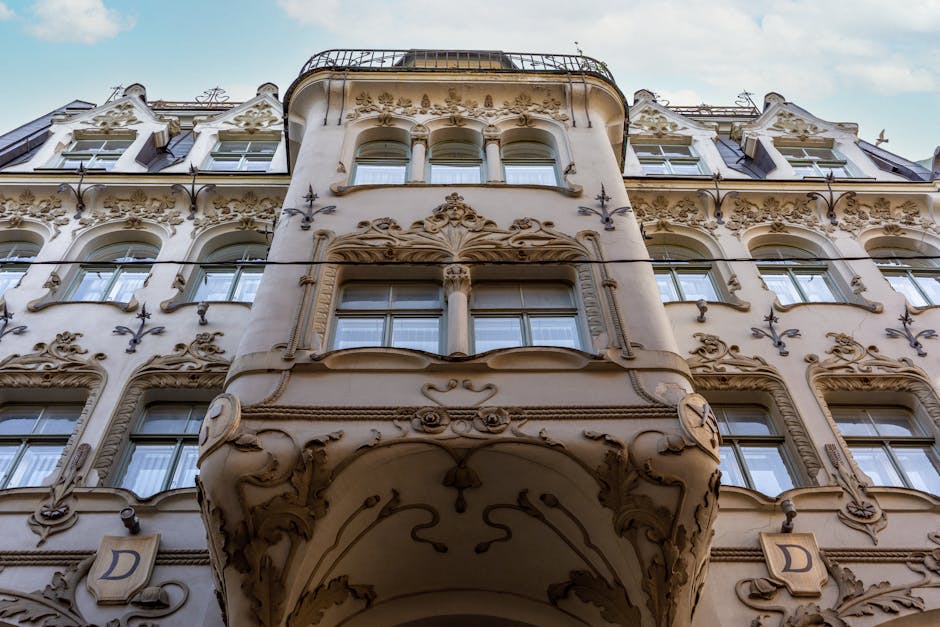
Table of Contents
- Art Nouveau Madrid Architecture: Context
- Top 10 Art Nouveau Madrid Buildings
- Sociedad General de Autores y Editores: Madrid’s Modernista Masterpiece
- Edificio Metrópolis: Madrid’s Iconic Skyline Building
- Gran Vía Belle Époque + Art Nouveau Walk
- Chamberí Salamanca Modernismo Walk
- Chamberí Metro Museum
- Art Nouveau Madrid Architecture: Walking Tips
- FAQs
Art Nouveau Madrid Architecture: Context
Spanish Art Nouveau (Modernismo) developed alongside the broader European Art Nouveau movement (1890-1914). While Catalan Modernisme (Gaudí, Domènech i Montaner) became globally famous, Madrid Modernismo was more restrained — favoring elegant proportions, refined ornament, and integration with Madrid’s Belle Époque urban expansion. Major Madrid Modernismo architects: José Grases Riera, José López Sallaberry, Antonio Palacios, Eduardo Reynals, Eladio Laredo. The Art Nouveau Madrid architecture period peaked 1900-1915 before WWI shifted style preferences toward Art Deco.
Top 10 Art Nouveau Madrid Buildings
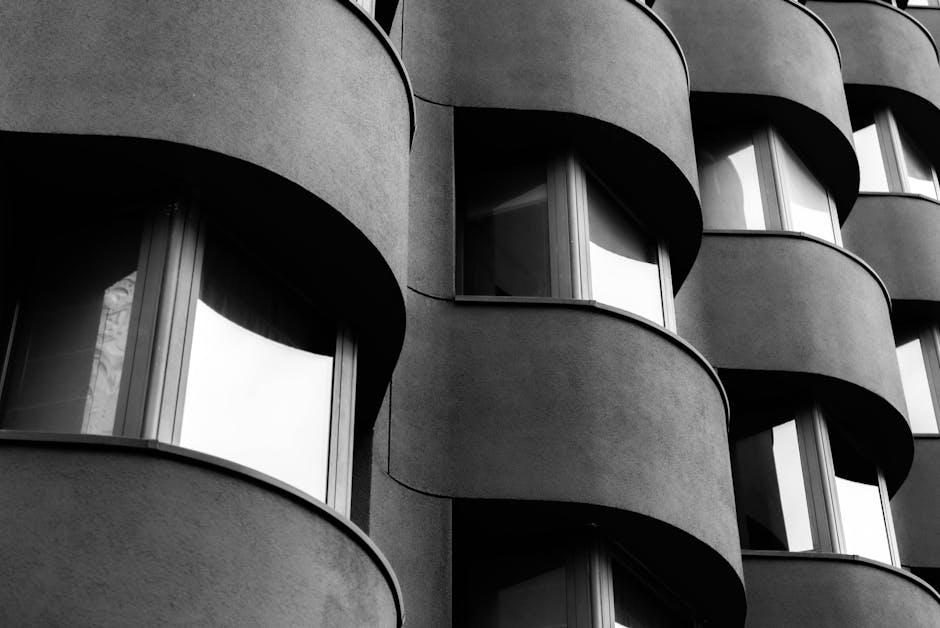
- Sociedad General de Autores y Editores (1902): Calle Fernando VI 4. José Grases Riera; Madrid’s most flamboyant Modernista building; ornate carved balconies and asymmetric facade. The Madrid Casa Batlló equivalent.
- Hotel Palace (1912): Plaza de las Cortes 7. Eduardo Ferrés. Belle Époque luxury hotel; stained glass dome.
- Casino de Madrid (1910): Calle de Alcalá 15. Eclectic Modernismo; ornate interior tilework.
- Edificio Metrópolis (1911): Calle de Alcalá 39. Belle Époque-Art Nouveau blend; iconic Winged Victory atop dome.
- Casa de Tomás Allende (1916): Calle Conde de Aranda 7. Late Modernismo apartments.
- Edificio Grassy (1916): Gran Vía 1. Antonio Gascon. Now houses Grassy jewelers; Belle Époque dome.
- Edificio Telefónica (1929): Gran Vía 28. Art Deco transitioning from Modernismo; first Madrid skyscraper.
- Mercado de la Cebada (1875, renovated 1956): La Latina; iron-and-glass market architecture.
- Estación de Atocha (1851 ironwork building): Pre-Art-Nouveau but related Belle Époque train station with tropical garden.
- Chamberí Metro Station (1919): Closed 1966, restored as museum; preserved 1919 station design.
Sociedad General de Autores y Editores: Madrid’s Modernista Masterpiece
The 1902 Sociedad General de Autores y Editores building (Calle Fernando VI 4) by José Grases Riera is Madrid’s most exuberant Modernista work — Madrid’s closest equivalent to Barcelona’s Casa Batlló or Casa Milà. The asymmetric facade features carved-stone balconies that flow like waves, allegorical figures of the arts, and floral ornamentation across every surface. The building houses Spain’s society of authors (composers, writers, playwrights). Exterior viewing always free; interior tours occasionally during Cultural Heritage Days (Open House Madrid, October).
- Address: Calle Fernando VI 4 (Justicia/Chueca district).
- Metro: Alonso Martínez (Lines 4, 5, 10).
- Architect: José Grases Riera (1850-1919).
- Completed: 1902.
- Style: Spanish Modernismo / Art Nouveau.
Edificio Metrópolis: Madrid’s Iconic Skyline Building
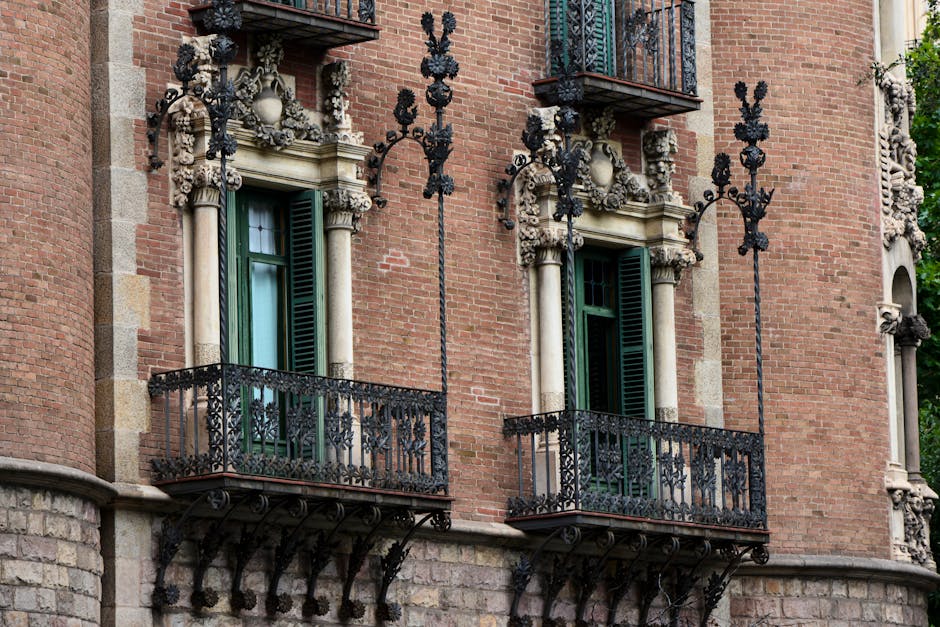
The Edificio Metrópolis (1911) at Calle de Alcalá 39, where Calle de Alcalá meets Gran Vía, is Madrid’s single most iconic Belle Époque-Art Nouveau building. The Beaux-Arts-style office building features a distinctive dome topped with the bronze statue of Winged Victory (replaced 1975 from original Phoenix). Designed by French architects Jules and Raymond Février, completed 1911 for La Unión y el Fénix Español insurance company. The building anchors the most-photographed view in Madrid — visible from Azotea del Círculo de Bellas Artes rooftop bar.
Gran Vía Belle Époque + Art Nouveau Walk
Gran Vía (constructed 1910-1929) features dozens of Belle Époque, Art Nouveau, and Art Deco buildings — Spain’s most architecturally diverse urban boulevard. Walking route from Plaza de Cibeles to Plaza de España covers:
- Edificio Metrópolis (1911): Belle Époque dome.
- Casino de Madrid (1910): Modernismo entrance.
- Edificio Grassy (1916): Belle Époque clock-face.
- Hotel Las Letras (1917): Belle Époque hotel.
- Edificio Telefónica (1929): Art Deco; first Madrid skyscraper.
- Schweppes Building (1933): Art Deco landmark with iconic neon sign.
- Capitol Cinema (1933): Art Deco cinema.
- Edificio Carrión (1933): Art Deco apartment-tower.
Chamberí Salamanca Modernismo Walk
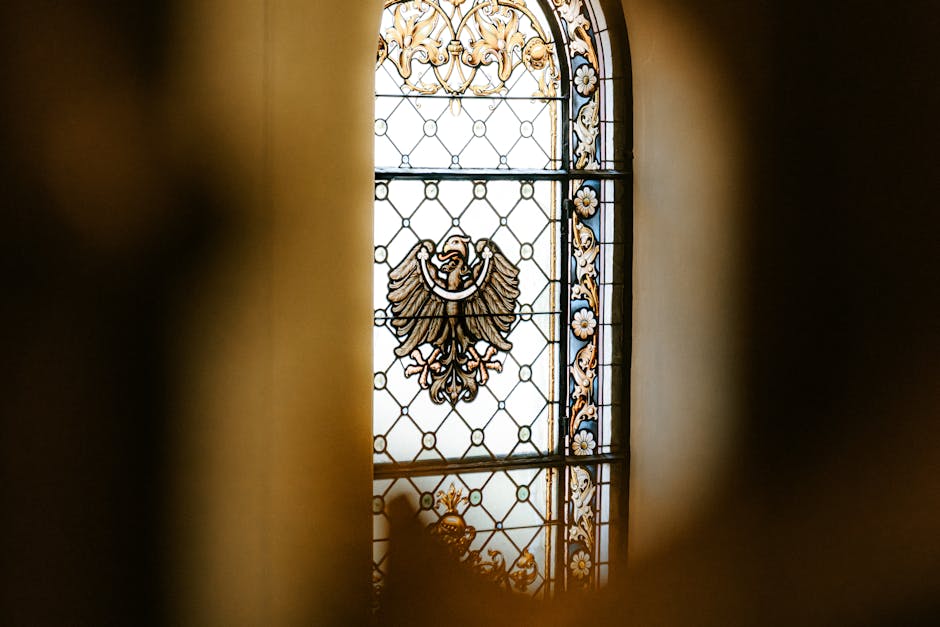
The 1860-1900 Ensanche urban expansion of Madrid created the Salamanca and Chamberí districts. Apartment buildings from 1895-1915 incorporate Modernismo elements: carved stone balconies, iron flower-shaped balcony railings, allegorical sculpted figures, decorative tile facades. Walking the residential streets (Calle Sagasta, Calle Almagro, Calle Fortuny, Calle Velázquez) reveals dozens of subtle Art Nouveau Madrid architecture details on otherwise standard apartment buildings.
Chamberí Metro Museum
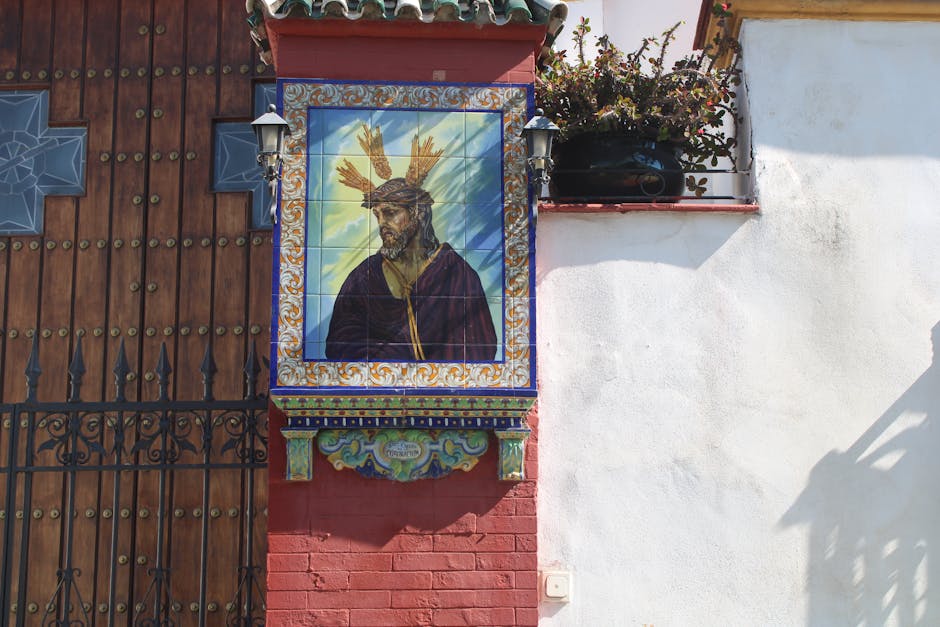
Chamberí Metro Station opened 1919 as part of Madrid’s first metro line. Closed 1966 due to platform-extension impossibility. Restored and reopened 2008 as a museum (Andén Cero) preserving its original 1919 station design — including azulejo tile walls, advertising panels, and ticket booth. Free admission; rare opportunity to see preserved Belle Époque-era subway architecture.
- Address: Plaza de Chamberí.
- Hours: Thu-Sun typically; verify metromadrid.es.
- Admission: Free.
- What to see: Original 1919 azulejo tiles, advertising panels, ticket booth.
Art Nouveau Madrid Architecture: Walking Tips
- Best Madrid Art Nouveau walk: Start at Plaza de Cibeles → Edificio Metrópolis → Casino de Madrid → Sociedad General de Autores y Editores → Salamanca residential streets.
- Time required: 2-3 hours self-guided.
- Photography tips: Edificio Metrópolis from Azotea del Círculo de Bellas Artes rooftop bar (€5 entry); Sociedad General from Plaza Pedro Zerolo angle.
- Open House Madrid (October): Free interior tours of normally-closed Madrid Modernismo buildings.
- Combine with Calle Sagasta walk: Architecturally rich early 20th century street.
- Madrid Art Nouveau apps: “Modernismo Madrid” smartphone app maps buildings.
FAQs
Is there Art Nouveau in Madrid?
Yes but less than Barcelona — Sociedad General de Autores y Editores (1902) is Madrid’s most flamboyant Modernista building. Plus Edificio Metrópolis (1911), Casino de Madrid, and Salamanca apartment buildings.
Where’s Madrid’s most beautiful Art Nouveau building?
Sociedad General de Autores y Editores at Calle Fernando VI 4 — Madrid’s closest equivalent to Barcelona’s Casa Batlló.
What’s the iconic Madrid Belle Époque building?
Edificio Metrópolis at Calle de Alcalá 39 — Beaux-Arts dome with Winged Victory statue. Most-photographed Madrid building.
Can I tour Modernismo buildings inside?
Most are private/office buildings — exterior viewing only. Open House Madrid (October) provides free interior tours of select buildings.
Where do I see Madrid Art Nouveau on Gran Vía?
Plaza de Cibeles to Plaza de España walking route covers Belle Époque, Art Nouveau, and Art Deco buildings — Edificio Metrópolis, Casino de Madrid, Edificio Grassy, Telefónica.
Is the Chamberí Metro Museum worth visiting?
Yes for architecture buffs — preserved 1919 azulejo-tiled subway station. Free admission. Limited days; verify metromadrid.es.