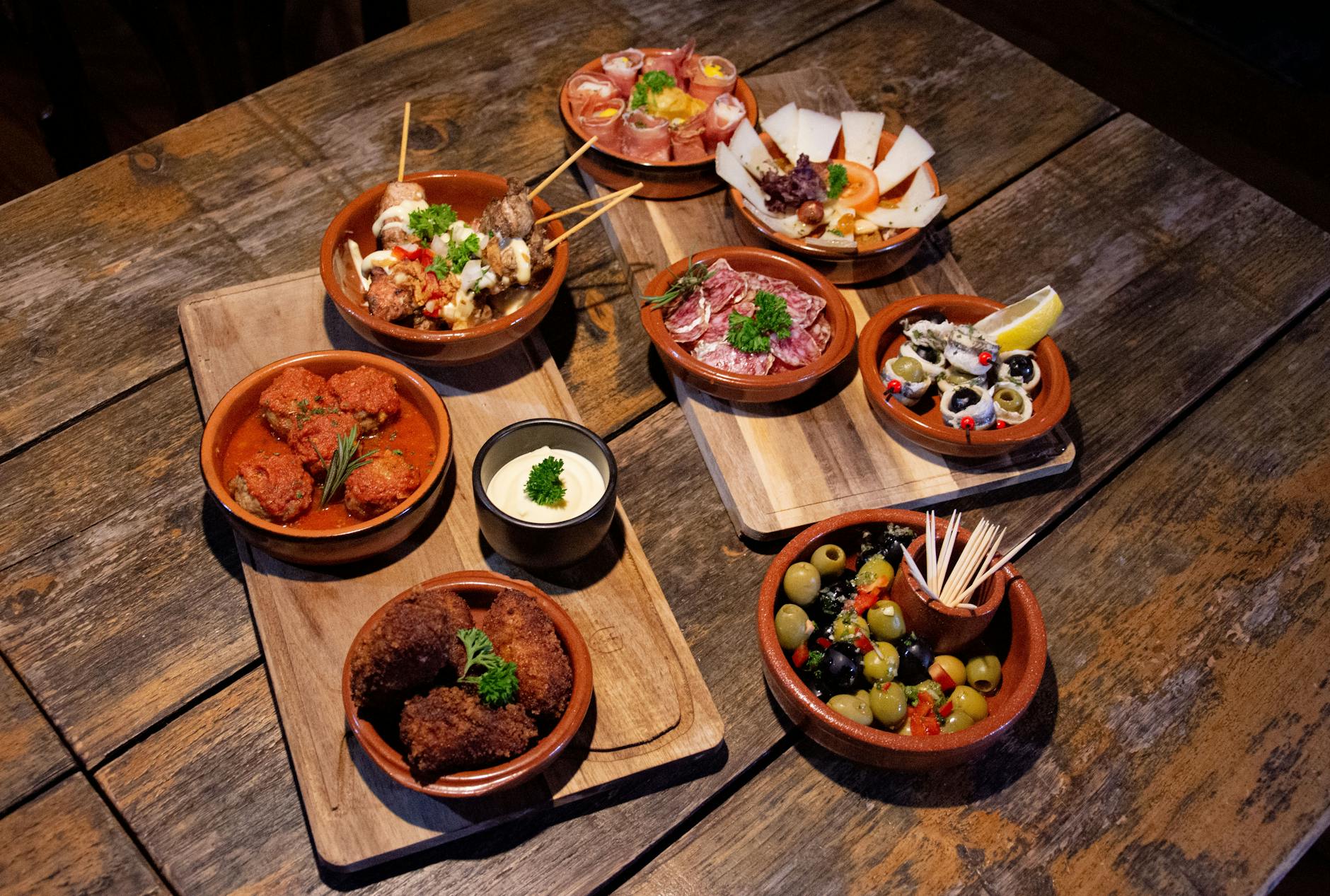
I’ve eaten at all four of Madrid’s three-Michelin-star restaurants and still think the €13 menú del día at a Lavapiés local bar is the best feed in the city. That’s the paradox this madrid food guide tries to resolve: Madrid rewards every budget and every appetite, but only if you know where to look. This is what to eat, where to eat it, and how to eat like a madrileño from day one — no filler, just specifics.
Madrid’s food scene draws on the entire Iberian Peninsula. Galician seafood, Basque pintxos, Andalusian gazpacho, Catalan technique, and Madrid’s own hearty castizo traditions converge here alongside a modern gastronomy scene that has earned the city over 30 Michelin stars. The bocadillo de calamares at a century-old counter costs €4. The tasting menu at DiverXO costs €365. Both are worth it.
If you’re still planning the broader trip, our things to do in Madrid guide covers the full picture — but the food is reason enough on its own.
Essential Madrid Dishes: What You Must Try
Cocido Madrileño: The Soul of Madrid Cuisine
If any single dish defines Madrid’s culinary identity, it’s cocido madrileño — a magnificent multi-course chickpea stew that has sustained madrileños through cold winters for centuries. This is not a simple bowl of soup but an elaborate ritual served in three distinct courses called vuelcos (turnings). The first delivers a rich, golden broth enriched with thin noodles. The second presents chickpeas alongside tender vegetables — cabbage, carrots, potatoes, and turnips. The grand finale brings the meats: beef, pork belly, chorizo, morcilla (blood sausage), and sometimes marrow bones. Restaurants like La Barraca, Malacatín, and Taberna La Bola have served cocido madrileño for generations, typically as a weekday lunch special from around €22–28 per person (2026). It’s served only at midday — too heavy for dinner. Plan your visit accordingly.
Bocadillo de Calamares: Madrid’s Iconic Street Food
The bocadillo de calamares — a crusty roll stuffed with golden rings of fried squid — is Madrid’s most beloved street food and a source of fierce local pride. The best versions use tender, freshly fried calamari with a light, crispy coating. Purists insist on nothing more than a squeeze of lemon. The epicenter is Plaza Mayor and surrounding streets — La Campana, El Brillante (near Atocha), and La Ideal compete for supremacy. At roughly €3–5 (2026), this is one of Madrid’s best-value meals and a mandatory stop.
Tortilla de Patatas: Spain’s National Comfort Food
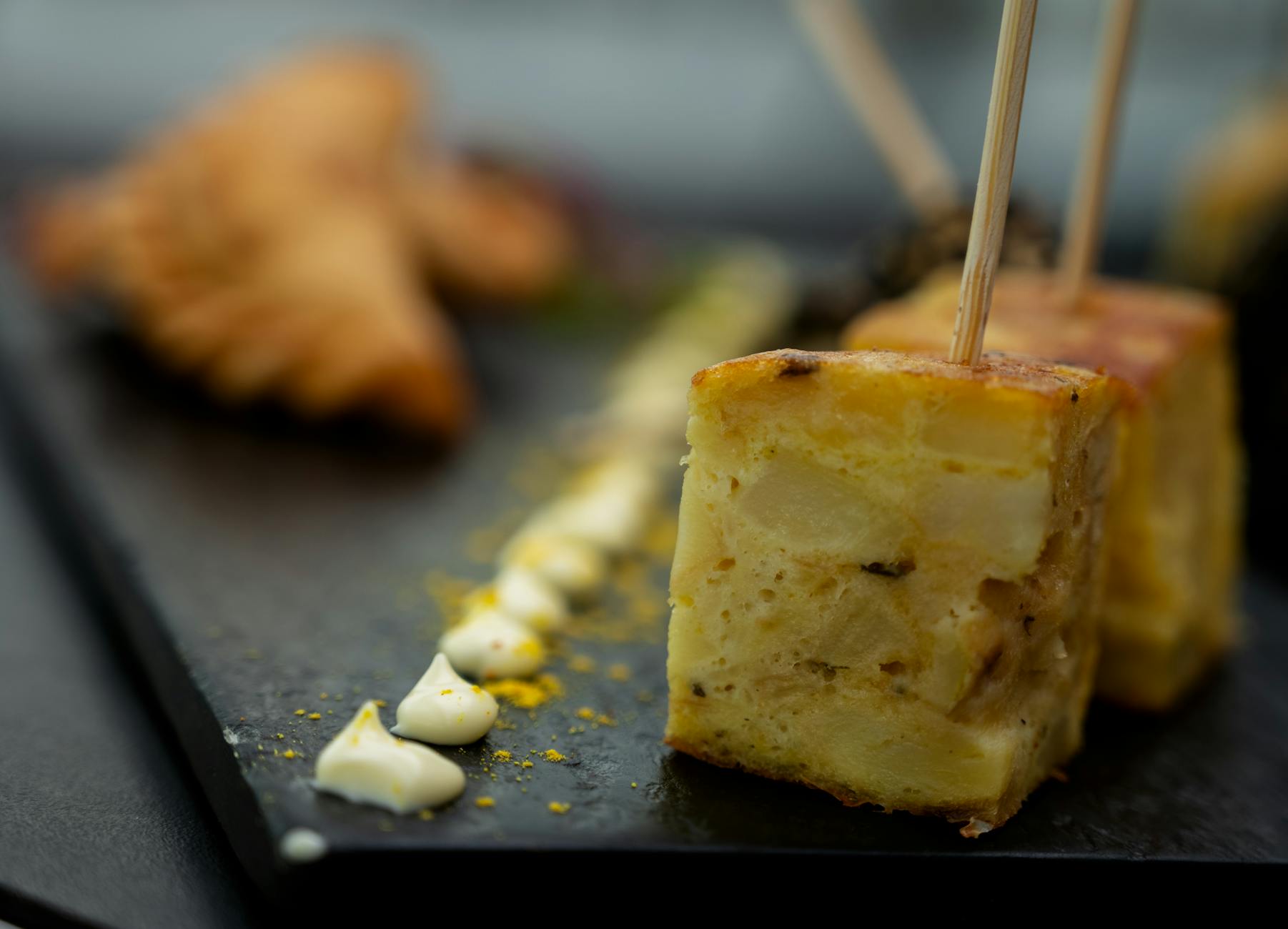
The tortilla de patatas — a thick, golden omelette of eggs, potatoes, and (controversially) onion — appears on virtually every bar counter in Madrid. The ideal tortilla has a slightly runny, custardy centre (jugosa) encased in a firm but tender exterior, with potatoes slowly confited in olive oil until silky. The debate over whether onion belongs is one of Spain’s most passionately contested culinary arguments — try both versions and decide. Standout spots: Casa Dani in the Mercado de la Paz (widely considered Madrid’s best, around €4 a slice), Sylkar, and Docamar.
Jamón Ibérico: The Crown Jewel of Spanish Cured Meats
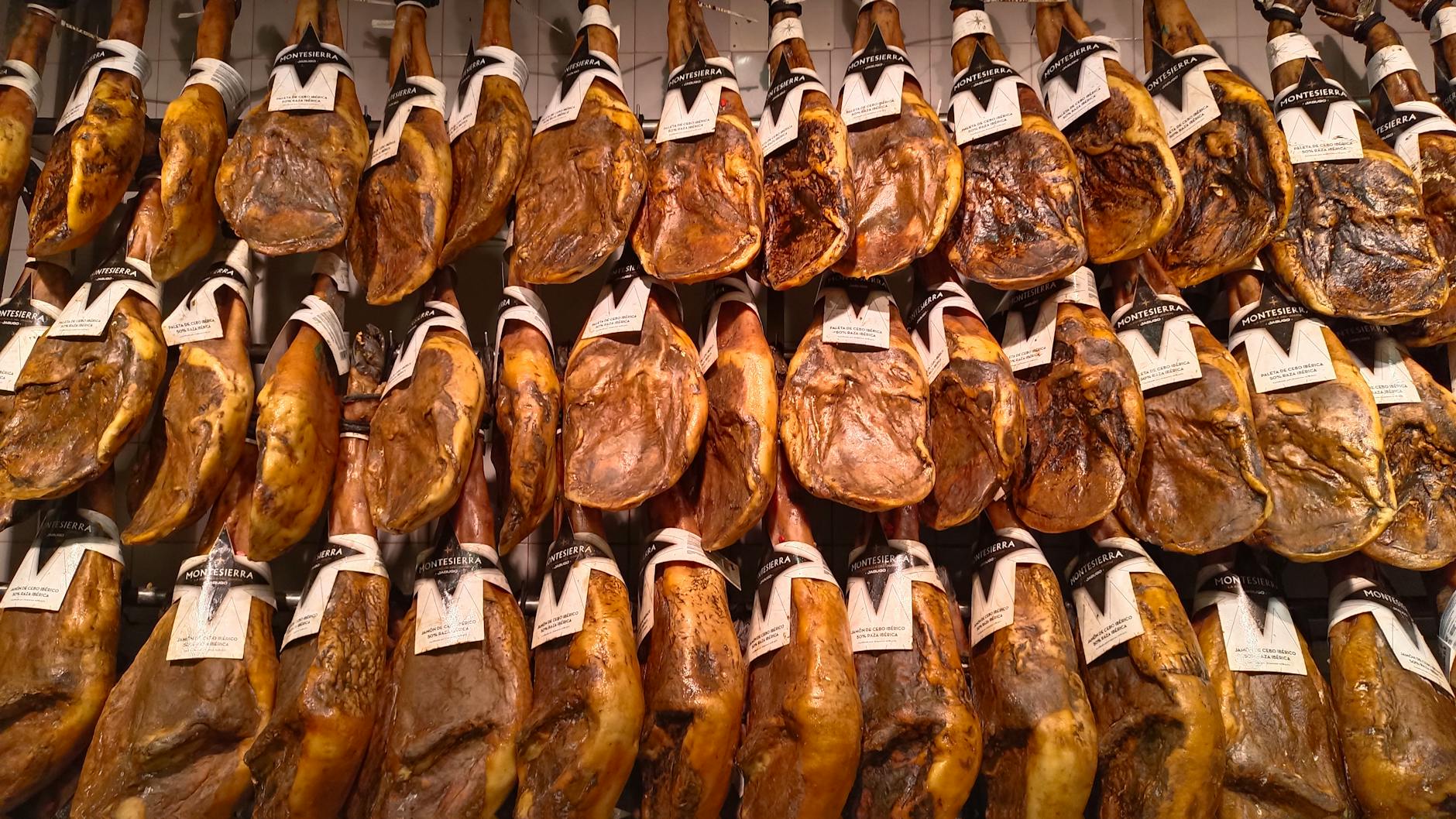
Jamón ibérico — specifically jamón ibérico de bellota — comes from free-range Iberian pigs that feast on acorns in the dehesa oak forests of western Spain. After three to four years of curing, you get intensely flavoured, marbled slices that melt on the tongue with notes of hazelnut and sweet fat. At dedicated jamonerias, a plate of hand-carved bellota ham runs €12–18 (2026) — worth every cent. You’ll find it everywhere: draped over crusty bread with olive oil, alongside manchego and olives as a tapa, or as the centrepiece of a serious tabla. Don’t waste money on the cheaper cebo grades at tourist traps around Puerta del Sol.
Huevos Rotos: Broken Eggs, Perfect Simplicity
Huevos rotos (broken eggs) exemplifies Madrid’s talent for transforming humble ingredients into something extraordinary. Perfectly fried potatoes are topped with runny fried eggs, which are broken at the table so the golden yolk cascades over the crispy potatoes. The best versions add slices of jamón ibérico, chorizo, or morcilla. Casa Lucio in La Latina is credited with popularising this dish and remains the most famous destination — expect queues and prices that reflect its celebrity status (€18–22 for the dish, 2026).
Patatas Bravas: The Universal Tapa
Patatas bravas — cubes of fried potato with a spicy tomato-based salsa brava and often a garlic aioli — is the one tapa you’ll find in every single bar in Madrid. Quality varies enormously. At its worst: soggy frozen chunks with bottled ketchup. At its best: crispy-edged, fluffy-within potatoes with a house-made sauce that balances heat, smokiness, and tang. Las Bravas (a small chain near the centre) claims to have invented the dish. Docamar in the Prosperidad neighbourhood is a cult favourite where people queue specifically for the bravas (€5.50, 2026).
Churros con Chocolate: The Quintessential Madrid Breakfast
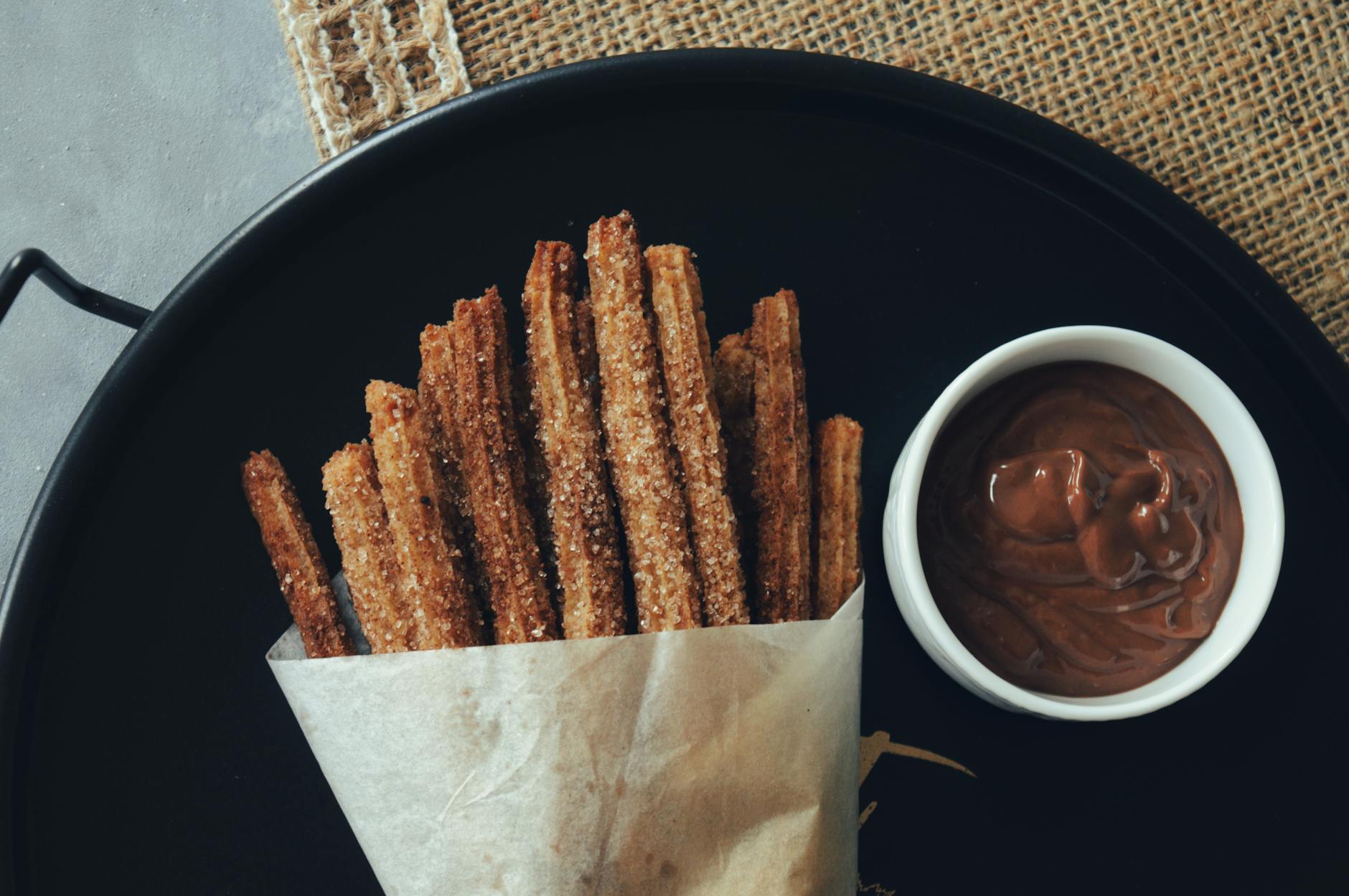
Churros con chocolate is Madrid’s signature morning ritual. Long, ridged sticks of fried dough are served alongside a cup of thick, dark hot chocolate so dense you could almost stand a spoon in it. The debate: are porras (thicker, longer versions) superior to the thinner churros? Chocolatería San Ginés, operating since 1894 in an alley near Puerta del Sol, serves over 10,000 churros daily and stays open until the early morning hours — equally popular as a post-nightclub snack and a tourist morning attraction. Churros con chocolate at San Ginés costs around €4.80 (2026). For a less crowded alternative, find a neighbourhood churrería where locals queue on weekend mornings.
Best Neighborhoods for Eating in Madrid
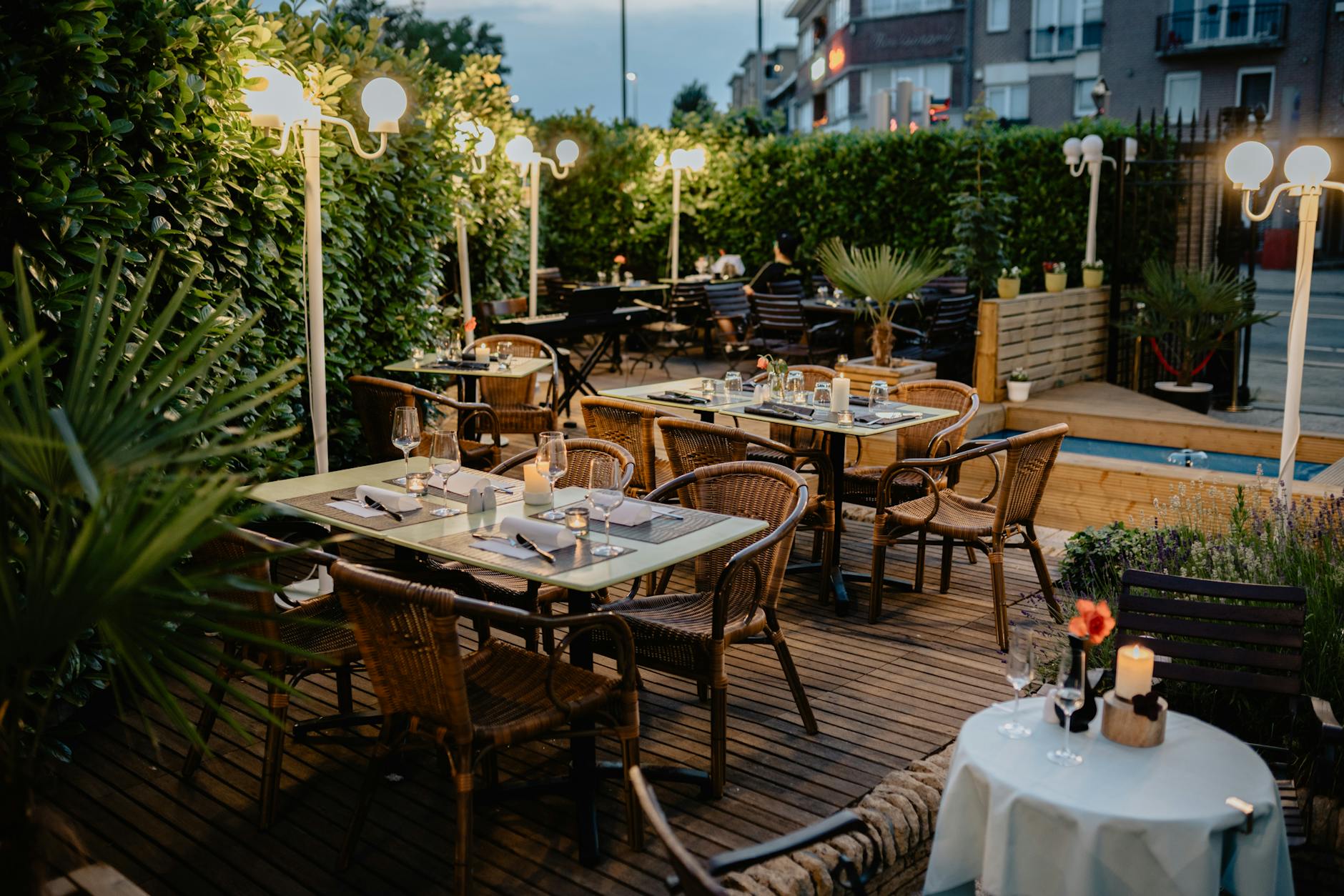
Each of Madrid’s barrios has its own distinct food personality. Choosing where you base yourself shapes what you eat every day — and what you pay for it.
La Latina: Traditional Tapas Paradise
La Latina is Madrid’s undisputed capital of traditional tapas culture. Calle Cava Baja packs dozens of tapas bars, taverns, and restaurants into a single winding street through the historic quarter. On Sunday afternoons — especially after the Rastro flea market — the street becomes a river of people moving bar to bar in the time-honoured tapeo: a drink and a tapa at each stop, then move on. Key spots: Txirimiri for Basque-inspired pintxos, Juana La Loca for its legendary tortilla, Casa Lucas for inventive modern tapas, and Taberna Tempranillo for an outstanding wine list. Budget around €20–30 per person for a serious tapeo crawl (2026).
Calle Ponzano: Madrid’s Trendiest Food Street
If La Latina represents tradition, Calle Ponzano in Chamberí represents Madrid’s contemporary dining revolution. This street has transformed over the past decade into the city’s most exciting concentration of innovative gastrobars, modern tapas restaurants, and wine bars. The crowd here is local and well-dressed — tourists haven’t fully colonised it yet. Sala de Despiece, a former butcher shop turned theatrical tapas bar, is the street’s most celebrated spot. Expect creative reinterpretations of Spanish classics using premium ingredients.
Lavapiés: Multicultural Flavours on a Budget
Lavapiés offers Madrid’s most diverse and affordable dining. Within a few blocks, you can eat exceptional Indian curry, Senegalese mafé, Chinese dim sum, Moroccan tagine, and traditional Spanish cocido — often at prices well below tourist-oriented neighbourhoods. A full meal rarely exceeds €12–15 (2026). This neighbourhood is also where you’ll find the best dedicated plant-based spots in the city.
Barrio de las Letras: Literary Quarter Dining
The area around Plaza Santa Ana balances traditional tabernas that have been serving since the 19th century with contemporary restaurants and cocktail bars. ViCool for wine and tapas, La Barraca for traditional paella, and Casa Alberto (operating since 1827) for classic Madrid tavern food are all excellent choices. If you’re planning an evening out, this neighbourhood pairs brilliantly with Madrid’s nightlife scene — both areas overlap around Huertas.
Madrid’s Food Markets: Where Locals Shop and Eat
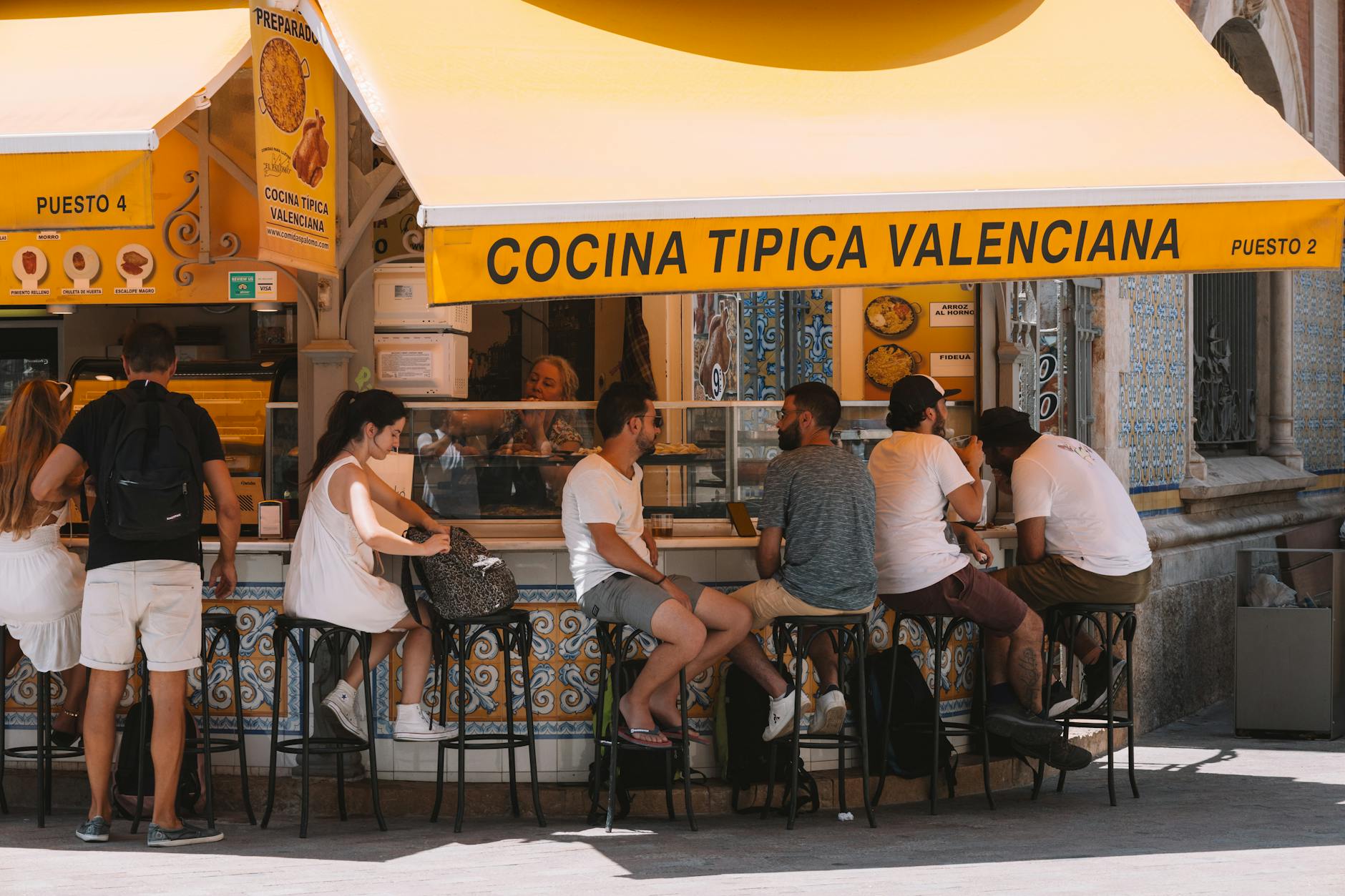
Mercado de San Miguel
The Mercado de San Miguel, housed in a stunning iron-and-glass structure just steps from Plaza Mayor, is Madrid’s most famous food market and a pilgrimage site for food lovers. Originally opened in 1916 as a neighbourhood produce market, it was reimagined in 2009 as a gourmet food hall where you can sample the greatest hits of Spanish gastronomy under one roof. Thirty-plus stalls offer freshly shucked Galician oysters (€3–4 each, 2026), hand-carved jamón ibérico, artisanal cheeses, olive oils, pastries, and glasses of cava and vermouth. Open daily 10am–midnight (until 1am on weekends). Visit during morning hours to avoid the worst crowds, which peak between 1pm–3pm and 6pm–10pm.
Mercado de la Cebada
For a genuinely local market experience, head to Mercado de la Cebada in La Latina. This is where madrileños actually shop for daily groceries — stalls overflow with fresh fish, seasonal produce, butcher cuts, and house-made prepared foods at local prices. A growing number of food stalls serve excellent tapas and casual meals, making it a perfect lunch stop during a day exploring La Latina.
Mercado de Antón Martín
Located in Lavapiés, Mercado de Antón Martín combines a traditional fresh produce market with an increasingly eclectic collection of international food stalls. The market reflects the neighbourhood’s multicultural character — Japanese ramen, Venezuelan arepas, and traditional Spanish products side by side. Less polished and more genuine than San Miguel. Recommended.
Mercado de San Antón
Chueca’s three-story Mercado de San Antón operates as a modern food market on the ground floor, a sit-down food court on the second level, and a rooftop terrace bar on top — making it one of Madrid’s most complete food experiences under one roof. The rooftop terrace is particularly popular on warm evenings.
Fine Dining in Madrid: Michelin Stars and Beyond
Madrid’s fine dining scene has transformed dramatically, evolving into one of Europe’s most exciting high-end restaurant cities. The city currently holds over 30 Michelin stars, with styles ranging from radical avant-garde experimentation to refined expressions of traditional Spanish cuisine.
DiverXO: Madrid’s Three-Star Phenomenon
DiverXO, the visionary restaurant of chef Dabiz Muñoz, holds three Michelin stars and has been repeatedly named among the world’s best restaurants. Muñoz’s cooking defies easy categorisation — drawing from Spanish, Asian, and Latin American traditions while pushing into genuinely uncharted territory. A meal at DiverXO is theatrical performance as much as dinner, with a multi-course tasting menu (€365 per person, 2026) that challenges expectations at every turn. Reservations open months in advance and sell out almost immediately.
Two-Star Destinations
Madrid’s two-star restaurants often deliver equally memorable meals at a lower entry price. Deessa at the Mandarin Oriental Ritz, helmed by chef Quique Dacosta, presents Mediterranean cuisine with breathtaking technical precision in one of Madrid’s most elegant dining rooms. Coque, led by Mario Sandoval, includes a guided tour through its wine cellar, cocktail bar, and kitchen as part of the experience. Smoked Room and Ramón Freixa Madrid round out the two-star category with distinctive approaches to contemporary Spanish haute cuisine.
Notable One-Star Options
Madrid’s one-star restaurants often represent the most exciting tier. La Tasquería reinterprets traditional Madrid offal dishes with unexpected elegance — tripe and sweetbreads transformed into refined, beautiful plates. Gofio celebrates the cuisine of the Canary Islands, an unusual culinary tradition rarely encountered at this level. Chispa Bistro and VelascoAbella are pushing Madrid’s fine dining in new directions.
Wine, Drinks, and Beverage Culture
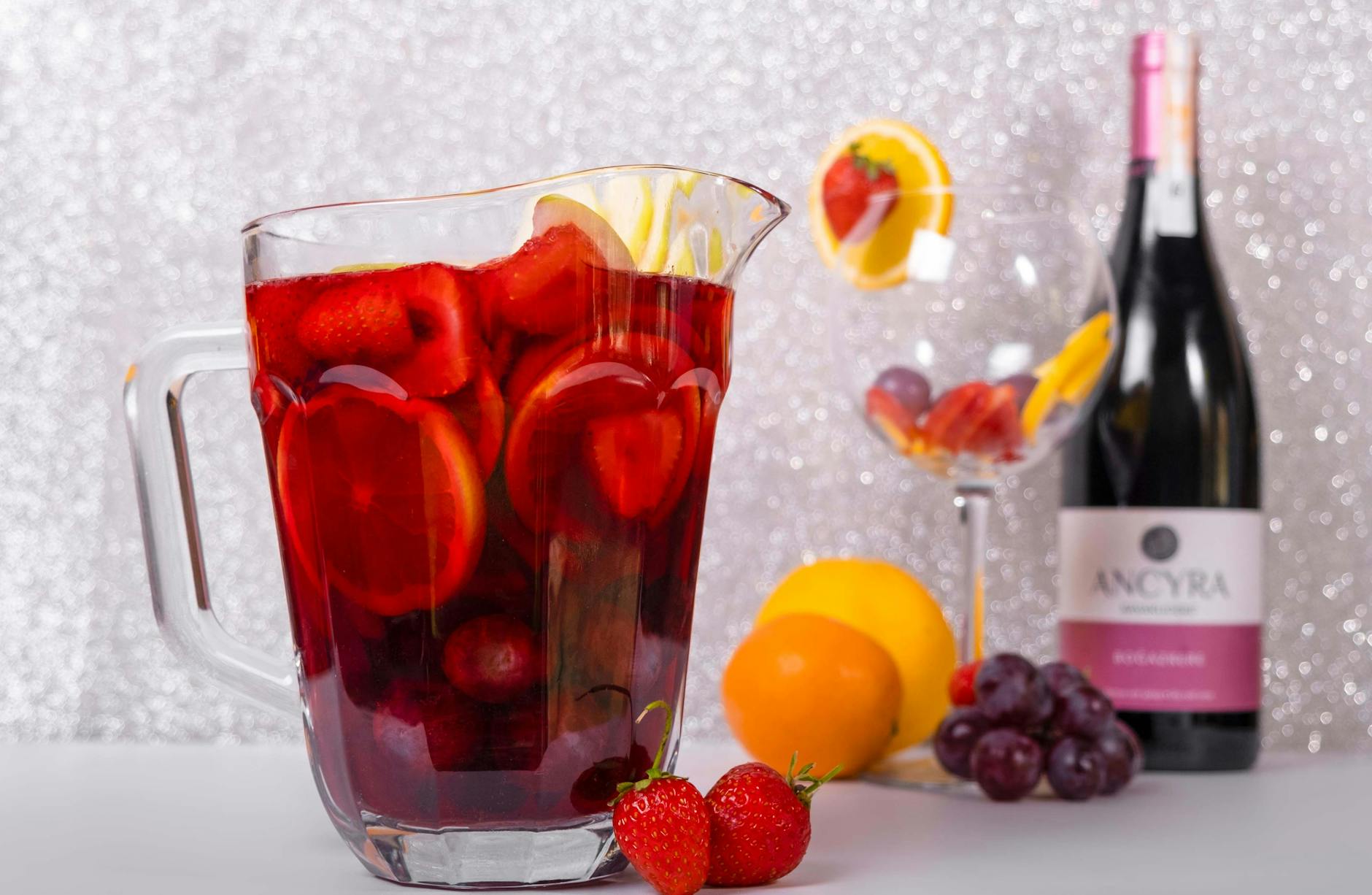
Spanish Wine in Madrid
Spain is one of the world’s great wine-producing nations, and Madrid showcases the country’s regional diversity brilliantly. Rioja and Ribera del Duero reds dominate most wine lists — full-bodied, oak-aged tempranillo-based wines that pair magnificently with Madrid’s meat-heavy cuisine. Albariño from Galicia provides crisp, aromatic whites perfect alongside seafood. Madrid’s own wine region, Vinos de Madrid (DO Madrid), has improved dramatically in recent years and offers excellent value — ask for local wines at bars for a taste most visitors overlook. Sherry (jerez) from Andalusia deserves special attention: a chilled fino or manzanilla alongside jamón, olives, and almonds is one of Spain’s most perfect food combinations.
Vermouth Culture
The vermut (vermouth) revival has become one of Madrid’s most characterful drinking traditions. Sunday vermouth — served from noon to early afternoon at traditional bars — is a beloved social ritual where families and friends gather for a glass of sweet, herbal vermouth on tap, accompanied by olives, chips, and pickled mussels (mejillones en escabeche). Classic vermut bars include La Ardosa in Malasaña, Casa Camacho, and the vermouth taps at most traditional bars in La Latina. A glass costs €2.50–4 (2026).
Craft Beer and Cocktails
Madrid’s craft beer scene has exploded, with Malasaña and Lavapiés hosting an increasingly sophisticated collection of brewpubs, taprooms, and craft beer bars. Madrid’s cocktail culture rivals any European capital: Salmon Guru, 1862 Dry Bar, and Macera (which infuses its own spirits in-house) earn international recognition. Gran Vía and Malasaña have the highest concentration of quality cocktail bars.
The Menú del Día: Madrid’s Best Dining Value
The menú del día (menu of the day) is one of Spain’s greatest culinary institutions and possibly the best dining value in any major European city. Available Monday through Friday at lunchtime (typically 1pm to 4pm), it offers a complete three-course meal — starter, main, and dessert — plus bread and a drink for a fixed price ranging from €10–18 at most restaurants (2026). Even upscale establishments offer a menú del día at a fraction of their dinner prices, making lunchtime the ideal moment to experience restaurants that might strain your budget in the evening.
The tradition originated from a 1960s law requiring restaurants to offer affordable lunch options for workers. No longer legally mandated, it persists because madrileños demand it. Look for signs reading “menú del día” posted outside restaurants during weekday lunch hours. Arrive between 1:30pm and 2:30pm for the freshest preparations and fullest selection. If you’re watching your spend, this is the single best hack for eating well in Madrid without emptying your wallet.
Food Tours and Culinary Experiences
For visitors who want guided expertise to navigate Madrid’s food scene, a growing number of excellent food tour companies offer curated experiences that combine eating, walking, and cultural context. Devour Tours, Walk and Eat Spain, and Gourmet Madrid Tours lead small groups through neighbourhoods like La Latina, Lavapiés, and the Literary Quarter, stopping at carefully selected bars, markets, and spots that most visitors would never find independently. Tours typically last three to four hours, include all food and drinks, and cost €70–95 per person (2026).
Beyond guided tours, cooking classes offer hands-on immersion in Spanish culinary techniques. Several Madrid-based schools teach visitors to prepare paella, tortilla de patatas, and gazpacho, usually followed by a communal meal with Spanish wines. For wine enthusiasts, day trips to nearby wine regions — the Vinos de Madrid DO and the historic bodegas of Ribera del Duero — provide fascinating excursions within easy reach of the capital.
Practical Tips for Eating in Madrid
Understanding Spanish Meal Times
Madrid operates on a dining schedule that catches first-time visitors off guard. Breakfast (desayuno) runs roughly 8am–10am — coffee with toast, pastries, or churros, nothing elaborate. Lunch (almuerzo) is the main meal of the day, running from approximately 1:30pm to 4pm. Most restaurants don’t open for lunch before 1pm. Dinner (cena) starts late — most restaurants open between 8:30pm and 9pm, and locals rarely sit down before 9:30pm or 10pm. Eating at 7pm, while possible at tourist-oriented places, means eating in an empty restaurant.
How Tapas Actually Work
In most Madrid tapas bars, you have three size options: a tapa (a small portion, a few bites), a media ración (half portion, good for sharing between two), and a ración (full portion for the table). Ordering several tapas or medias raciones to share is the standard approach. At busy bars, catch the bartender’s attention with a polite wave or a clear “perdona.” Standing at the bar is perfectly acceptable and sometimes cheaper than sitting at a table. Some traditional bars give a small complimentary tapa with your drink — this tradition varies by establishment and neighbourhood.
Tipping and Payment
Tipping culture in Madrid is far more relaxed than in many countries. Service charges are typically included in menu prices. At casual tapas bars and cafés, leaving small change or rounding up is appreciated but not expected. At sit-down restaurants, 5–10% is generous. At fine dining establishments, 10–15% is appropriate for exceptional service. Most restaurants accept credit cards, but smaller bars may be cash-only — carry some cash. When you’re ready to pay, ask for the bill (la cuenta, por favor) — your waiter will never bring it unprompted. This is a feature of Spanish dining culture, not inattention.
Reservations and Planning
For casual tapas bars and neighbourhood restaurants, reservations are generally unnecessary. For popular restaurants on Friday and Saturday evenings, reserve ahead. For Michelin-starred restaurants and celebrated establishments like DiverXO, advance booking is essential — weeks or months ahead. Many Madrid restaurants close Sunday evenings and all day Monday — check opening schedules before planning those days. If you’re still figuring out where to base yourself, our guide to where to stay in Madrid has picks near the best food districts.
Dietary Considerations
Madrid’s food scene has become increasingly accommodating of dietary restrictions, though traditional Spanish cuisine is heavily meat-focused. Vegetarians will find options at most restaurants, though these may be limited to salads, vegetable dishes, and tortilla at very traditional spots. Malasaña and Lavapiés have the highest concentration of dedicated plant-based restaurants in the city. Gluten-free diners should be aware that bread accompanies nearly every meal and many dishes incorporate wheat flour — ask about specific preparations. Guests with shellfish or nut allergies should communicate clearly, as both appear frequently in Spanish cooking.
Budget Planning
Eating well in Madrid does not require a large budget if you know the rhythms. Use the menú del día at lunch (€10–18), tapas-hop in the evenings (€15–25 with drinks), and keep breakfast to coffee and a pastry (€2–3). For a full breakdown of Madrid costs including accommodation and transport, see our Madrid travel budget guide.
Plan your trip: in-depth food guides
- Tapas bars in La Latina — the best bars on Cava Baja and nearby streets, with a crawl route
- Mercado de San Miguel — what to order, best stalls, and when to visit
- Michelin star restaurants — DiverXO, Smoked Room, and the full 2026 star list
- Cocido madrileño — the definitive Madrid stew and where to eat it properly
- Churrerías and churros con chocolate — historic spots and why San Ginés is still worth it
- Vermouth bars — la hora del vermut, the best bodegas, and Sunday ritual explained
- Cheap eats and budget food — how to eat brilliantly in Madrid for under €20 a day
- Where to buy jamón ibérico — the best shops, price guide, and what to look for
- Vegan and vegetarian restaurants — Madrid’s best plant-based spots from budget to Michelin-starred
- Flamenco dinner shows — honest tablao guide with prices and authenticity ratings
Frequently Asked Questions
What time do people eat dinner in Madrid?
Most madrileños sit down between 9:30pm and 11pm — restaurants that open at 8pm are catering primarily to tourists. If you want to eat surrounded by locals, wait until at least 9pm. It’s not rudeness; it’s the schedule the entire city runs on.
How much should I budget for food in Madrid per day?
If you do the menú del día at lunch (€12–15), tapas-hop in the evenings (€20–25 with drinks), and grab a pastry and coffee in the morning (€2–3), you’re looking at €35–45 per day for excellent food. Splurge on one Michelin dinner if your budget allows — even the one-star spots hover around €80–120 per person. See our full Madrid travel budget breakdown for accommodation, transport, and activities combined.
Is Madrid good for vegetarians?
Better than its reputation suggests, but you have to know where to go. Traditional Spanish cuisine is meat-heavy, and in very old-school bars, “vegetarian” sometimes means the dish still has a bit of jamón in it. Malasaña and Lavapiés are your best bets — both neighbourhoods have dedicated vegetarian and vegan spots with serious menus.
What is the best food market in Madrid?
For tourists and food lovers, Mercado de San Miguel is the most spectacular experience — the iron-and-glass building alone is worth seeing, and the produce quality is high. For an authentic local market where madrileños actually shop, Mercado de la Cebada in La Latina is better. Mercado de San Antón in Chueca is excellent if you want a rooftop terrace with your shopping.
Do I need to book restaurants in advance in Madrid?
For tapas bars and casual neighbourhood spots, no — just walk in. For mid-range restaurants on weekend evenings, a same-day reservation via phone or a booking app like ElTenedor is sensible. For Michelin-starred restaurants, book weeks or months ahead. DiverXO requires booking exactly when reservations open (check the restaurant’s website) — spots disappear within minutes.
Eating Your Way Through Madrid
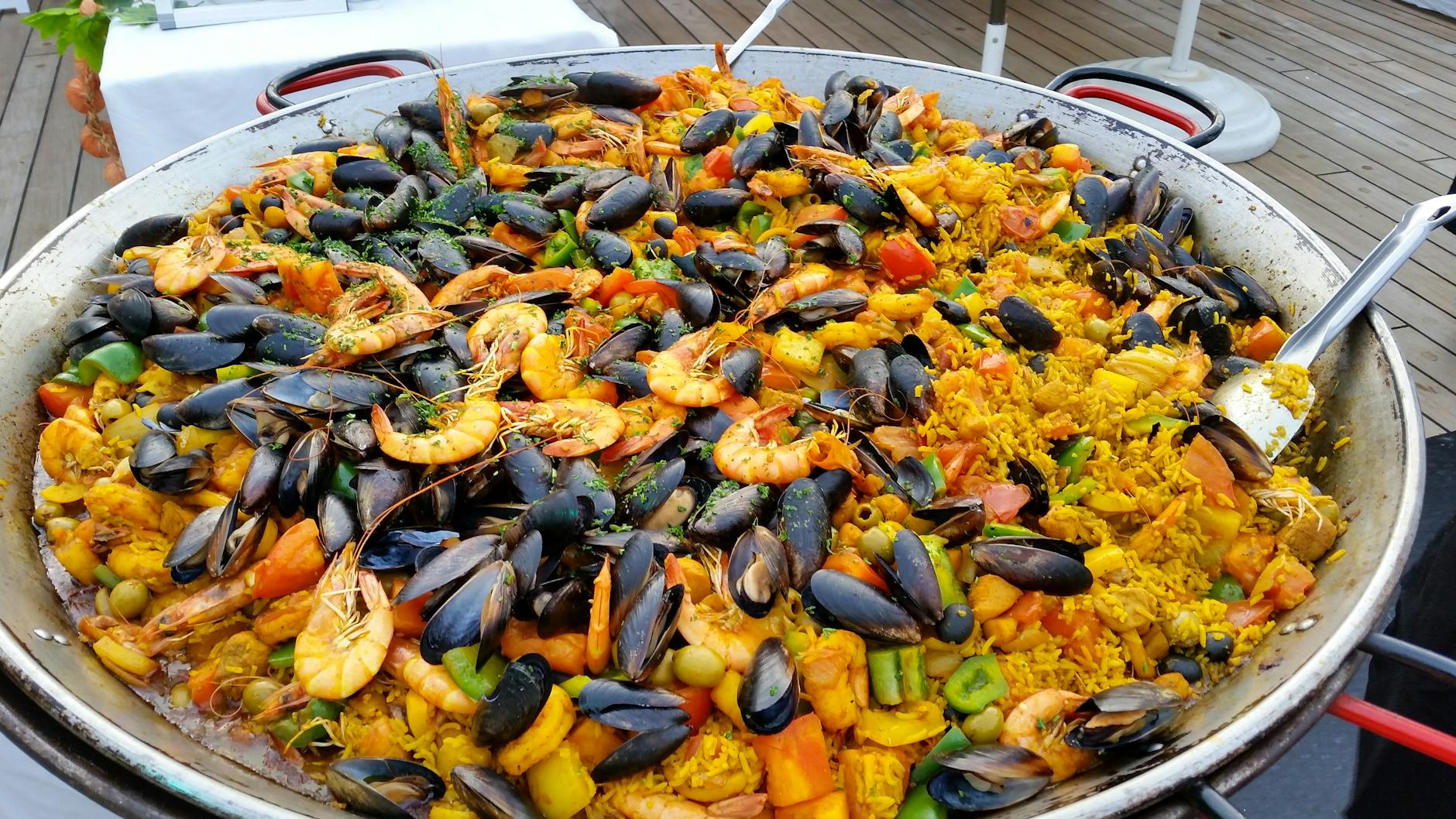
Madrid’s food is one of the most compelling reasons to visit the city — and for many travellers, it becomes the defining memory of the trip. The combination of centuries-old culinary traditions, a thriving modern gastronomy scene, excellent market culture, and a social dining atmosphere that genuinely welcomes participation creates a food experience unlike any other European capital.
The key to eating well in Madrid is embracing the city’s rhythms: take your time, share plates generously, explore beyond the tourist centre, and trust the places where you see madrileños gathered at the bar. The best meals in Madrid are rarely the most expensive — they’re eaten standing at a crowded counter, surrounded by locals, with a glass of house wine in one hand and a fork full of perfectly prepared tortilla in the other.
Use the in-depth guides above to go deeper on whichever corner of Madrid’s food scene interests you most. And if you’re still in the planning stages, our complete Madrid guide ties the food, culture, and neighbourhoods together into a full trip picture.
1 response
Comments are closed.