Is Madrid Expensive? The Honest Answer
Madrid occupies a sweet spot among European capitals: significantly cheaper than London, Paris, or Amsterdam, yet offering world-class museums, exceptional dining, and lively nightlife. If you’re a backpacker stretching every euro or a luxury traveler seeking premium experiences, Madrid delivers remarkable value at every price point. The key to managing your Madrid travel budget lies in understanding where prices cluster and where genuine savings hide in plain sight.
Unlike many tourist destinations that feel designed to drain your wallet, Madrid remains a city where locals and visitors share the same restaurants, ride the same metro, and enjoy the same parks. This guide breaks down every major expense category with real 2026 prices, practical budget tiers, and insider strategies that can cut your daily spending by 30-50% without sacrificing the experiences that make Madrid unforgettable.
Daily Budget Breakdown: Three Spending Tiers
Budget Traveler: €70-120 Per Day
Budget travelers can experience Madrid’s highlights comfortably on €70-120 per day. This tier assumes hostel accommodation (€25-45 per bed), eating your main meal at lunch using the menú del día system (€12-17 for a full three-course meal with drinks), supplementing with supermarket breakfasts and light tapas dinners, and taking advantage of free museum hours and outdoor attractions. Transportation on this budget means using a 10-ride Metrobús card at €12.20 (just €1.22 per journey) rather than taxis, and walking between nearby attractions in the compact city center.
A realistic daily breakdown for a budget traveler looks like this: hostel bed €30, breakfast from a supermarket €3-5, menú del día lunch €14, evening tapas and drinks €15-20, metro rides €2.50-5, one paid attraction €12-15, and miscellaneous expenses €5-10. On days when you visit free museums during their evening hours or explore parks and neighborhoods on foot, you can easily bring the total under €70.
Mid-Range Traveler: €160-275 Per Day
Mid-range travelers enjoy comfortable hotel accommodation in central neighborhoods like Chueca, Malasaña, or near the Prado (€100-180 per night), eat at well-reviewed restaurants without worrying about the bill, visit multiple paid attractions, and perhaps enjoy a flamenco show or rooftop cocktails. This is the sweet spot for most visitors who want to experience Madrid fully without luxury extravagance.
A typical mid-range day includes: hotel room €120-150, café breakfast €6-10, restaurant lunch €20-30, quality dinner with wine €35-55, museum entries €15-30, metro and occasional taxi €10-15, and evening entertainment €15-30. Couples traveling together benefit from shared accommodation costs, effectively putting per-person spending closer to €130-180 per day.
Luxury Traveler: €400+ Per Day
Luxury travelers in Madrid enjoy five-star hotels like the Mandarin Oriental Ritz or Four Seasons (€350-800+ per night), Michelin-starred dining experiences (€100-300 per person), private guided tours, premium flamenco shows, and rooftop dining at venues like the Círculo de Bellas Artes. Madrid’s luxury tier is notably more affordable than equivalent experiences in London or Paris, making it an excellent destination for high-end travelers seeking value.

Accommodation Costs in Madrid
Hostels: €25-45 Per Night
Madrid’s hostel scene is among Europe’s best, with well-maintained properties offering modern facilities, social atmospheres, and central locations. A bed in a shared dormitory typically costs €25-35, while private rooms in hostels range from €50-80. Popular areas for hostels include Sol, La Latina, and Malasaña, all within walking distance of major attractions. Many hostels include free breakfast, communal kitchens, and organized social events like tapas tours and pub crawls, adding value beyond the bed itself.
Budget Hotels: €60-100 Per Night
Budget hotels in Madrid offer private rooms with en-suite bathrooms, usually including breakfast. In central neighborhoods, expect to pay €75-100 for a clean double room. Neighborhoods slightly outside the tourist core — like Chamberí, Argüelles, or near Atocha — offer rates from €60-80 while remaining well-connected by metro. Booking platforms frequently offer deals during shoulder seasons (November-February, excluding holidays), when rates can drop 20-30%.
Mid-Range Hotels: €100-200 Per Night
This category covers boutique hotels, well-located chain hotels, and apartment rentals with full kitchens. A comfortable double room in a three or four-star hotel in Salamanca, Chueca, or near the Paseo del Prado averages €120-180. Apartment rentals through platforms like Booking.com or Airbnb offer comparable value, especially for groups or families, with the added advantage of kitchen facilities that can significantly reduce food costs.
Luxury Hotels: €250-800+ Per Night
Madrid’s five-star hotels include internationally renowned properties. The Mandarin Oriental Ritz, reopened after extensive renovation, sets the standard for luxury accommodation. The Four Seasons Madrid, occupying several historic buildings on the Canalejas complex, offers contemporary elegance. Gran Meliá Palacio de los Duques and the Rosewood Villa Magna round out the premium tier. Even at the luxury level, Madrid offers better value than comparable properties in other European capitals.
Accommodation Money-Saving Tips
Book at least 4-6 weeks in advance for the best rates, especially during peak season (April-June, September-October). Consider staying in residential neighborhoods like Chamberí or Argüelles for 30-50% savings over tourist-center properties. If staying more than four nights, apartment rentals with kitchens typically save money compared to hotels when factoring in meal preparation. Avoid booking during major events like San Isidro (May), Madrid Pride (late June-early July), or major Champions League matches, when accommodation prices can spike 50-100%.
Food and Dining Costs
The Menú del Día: Madrid’s Greatest Budget Hack
The menú del día is Spain’s most valuable dining institution for travelers. Available Monday through Friday at lunchtime (typically 1:00 PM to 4:00 PM), this fixed-price menu includes a first course (salad, soup, or pasta), a main course (meat, fish, or stew), dessert or coffee, bread, and a drink (wine, beer, water, or soft drink). In neighborhood restaurants away from tourist zones, prices range from €12-17 for this full meal. In tourist areas around Plaza Mayor or Sol, the same concept runs €18-25 but with smaller portions and lower quality.
The trick is walking just 5-10 minutes from major tourist sites into residential streets. Neighborhoods like Chamberí, Argüelles, Lavapiés, and the streets behind the Prado offer excellent menús del día at local prices. Look for restaurants with handwritten menus posted outside or chalkboard specials — these typically indicate family-run establishments with fresh, daily-changing menus.
Breakfast: €3-10
The traditional Madrid breakfast is a café con leche (coffee with milk) and a tostada (toast with tomato, olive oil, and sometimes jamón). At a neighborhood café, this costs €3-5. More elaborate breakfast options at modern brunch spots or hotel restaurants range from €8-15. Budget travelers can buy bread, tomatoes, and coffee from supermarkets for under €2 per breakfast. Churros with chocolate at a traditional churrería like Chocolatería San Ginés cost around €5-6 and make for a memorable splurge breakfast.
Tapas and Casual Dining: €15-35
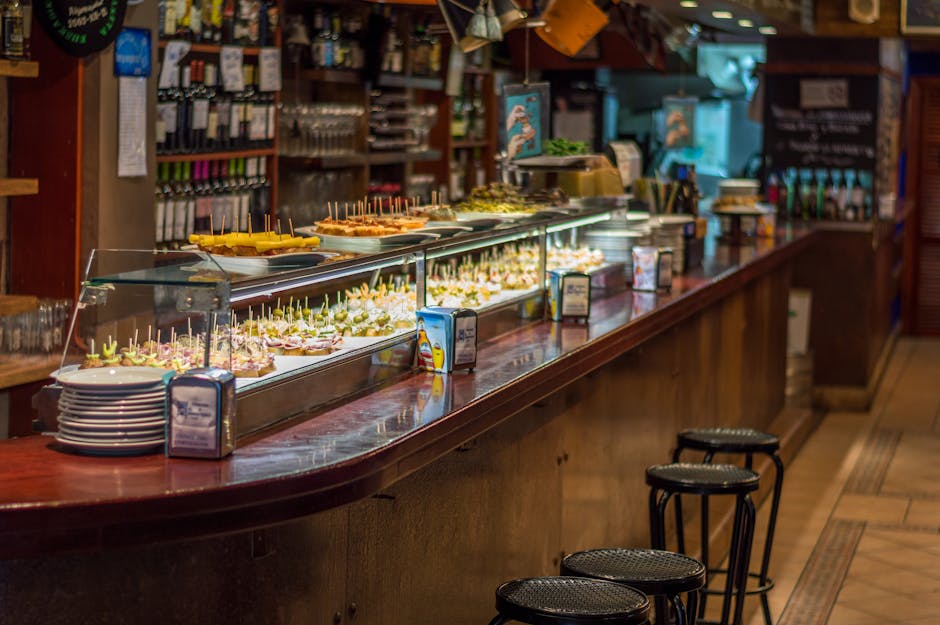
Tapas culture is central to the Madrid dining experience. Individual tapas portions (raciones) typically cost €6-14 depending on the dish and restaurant. A satisfying tapas dinner for one, including 3-4 dishes and 2-3 drinks, averages €25-35 at mid-range establishments. In La Latina, Lavapiés, and parts of Malasaña, many bars still serve a small free tapa with each drink order — order a caña (small beer, €2-3) and receive a complimentary bite. Stringing together several of these bars creates an affordable and authentic evening out for €12-18.
Cañas (small draft beers) cost €2-3.50 depending on location, with tourist-area prices at the higher end. A glass of house wine ranges from €2.50-5. Vermouth on tap, a Madrid tradition, costs €2.50-4. Sitting at an outdoor terrace (terraza) often carries a small surcharge of €0.50-1.50 over bar prices — standing at the bar is the cheapest option and the most authentically madrileño way to enjoy tapas.
Restaurant Dinners: €25-60
A proper sit-down dinner at a good neighborhood restaurant costs €25-40 per person including wine. Upscale restaurants in Salamanca or the Centro Canalejas area charge €50-80 per person. Michelin-starred experiences range from €80-200 for tasting menus, which remains significantly cheaper than equivalent Michelin dining in London or Paris. For the best value at dinner, seek out traditional asadores (grill restaurants) and tabernas (taverns) in neighborhoods like La Latina and Chamberí.
Supermarkets and Self-Catering: €20-35 Per Day
Madrid’s supermarket chains — Mercadona, Carrefour Express, Día, and Lidl — offer excellent value. A full day of self-catering meals costs €20-35, including quality ingredients like fresh bread, jamón serrano, manchego cheese, fruit, and wine. Mercadona is generally the best value for overall grocery shopping, while Lidl offers the cheapest basics. Carrefour Express locations are most common in the city center. For budget travelers with kitchen access, buying breakfast supplies and snacks at supermarkets can save €15-20 per day compared to eating out.
Markets for Budget Eating
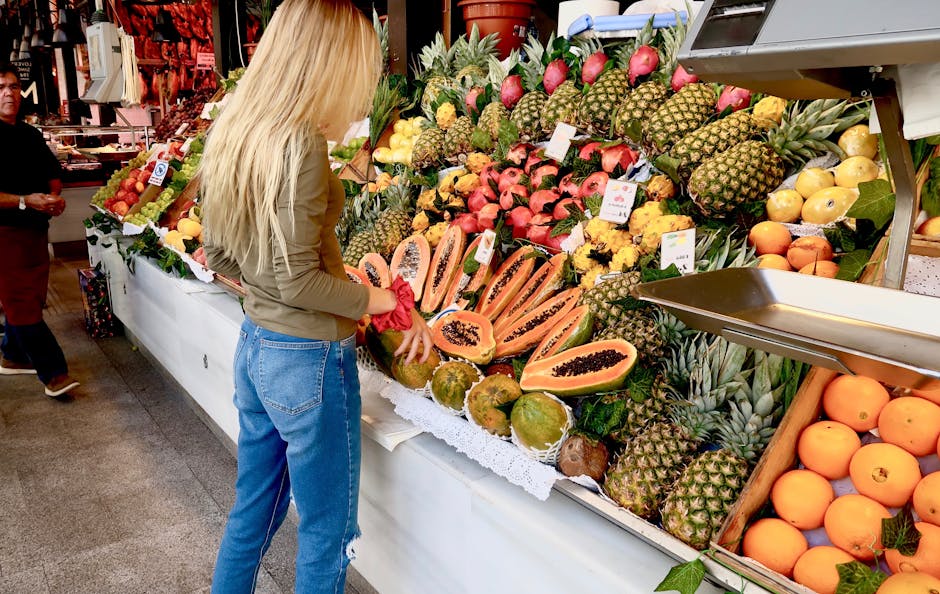
Madrid’s traditional markets offer fresh produce at fair prices. Mercado de Maravillas in Cuatro Caminos is Europe’s largest covered market and a favorite with locals for fresh fruit, vegetables, meat, and fish at wholesale prices. Mercado de San Fernando in Lavapiés combines traditional food stalls with casual tapas bars. The famous Mercado de San Miguel near Plaza Mayor is beautiful but tourist-priced — enjoy the atmosphere but eat elsewhere for better value.
Transportation Costs
Metro and Bus
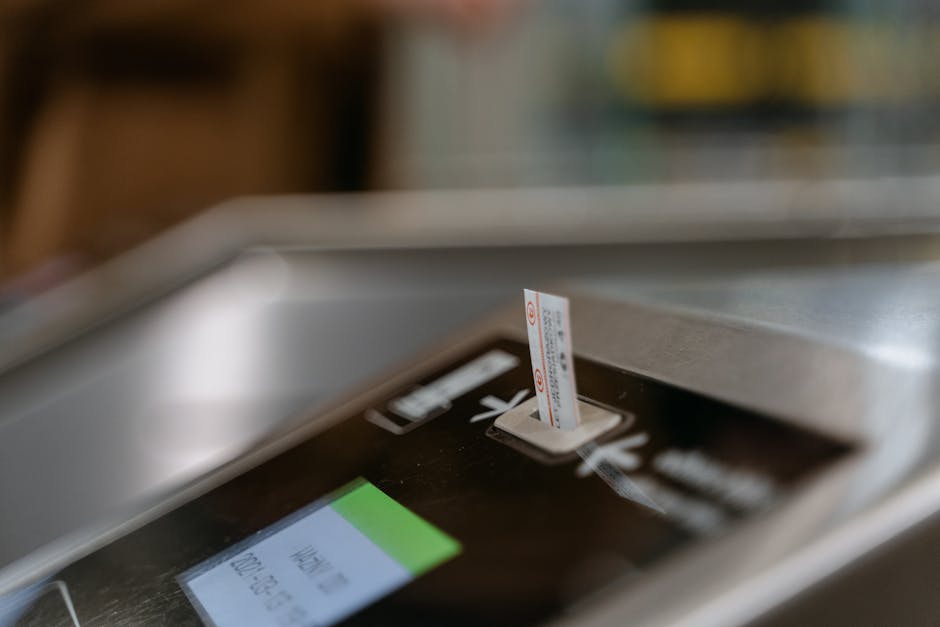
Madrid’s metro system is one of Europe’s most extensive, covering 302 stations across 13 lines plus the light rail. A single metro ticket costs €1.50-2.00 depending on the number of stations traveled. The 10-ride Metrobús card costs €12.20 (€1.22 per ride) and works on both metro and city buses — this is the best value for most visitors staying 3-5 days. For longer stays or heavy transit use, tourist transport passes offer unlimited travel: €8.40 for one day, €14.20 for two days, €18.40 for three days, €22.60 for four days, €26.80 for five days, and €35.40 for seven days (Zone A, covering all central Madrid).
Buses complement the metro network, with the same ticket prices and Metrobús card compatibility. Night buses (búhos) operate when the metro closes (1:30 AM-6:00 AM) and are essential for late-night returns from nightlife areas.
Airport Transfers
The cheapest way from Barajas Airport to central Madrid is the metro (Line 8), costing €4.50-5.00 with the airport supplement. The Express Airport Bus runs 24 hours to Atocha station for €5. Taxis charge a flat rate of €30 to anywhere within the M-30 ring road. Private transfers start at €35-50. For solo budget travelers, the metro or airport bus saves €25-26 compared to a taxi. For groups of three or four, the flat-rate taxi at €30 split among passengers is actually competitive with individual transit tickets.
Taxis and Ride-Sharing
Madrid taxis use meters with a minimum fare of about €3.50. A typical cross-center ride costs €7-12. Uber and Cabify (Spain’s equivalent) operate in Madrid with similar pricing to taxis, sometimes slightly cheaper for longer routes. Bolt is also available and occasionally offers the lowest fares. During peak hours and late nights, ride-sharing surge pricing can make taxis more economical — Madrid’s taxi fleet is enormous, so availability is rarely an issue.
Walking: Free and Rewarding
Madrid’s compact center makes walking between many attractions entirely practical. The triangle formed by the Royal Palace, Puerta del Sol, and Retiro Park encompasses most major sights within a 30-40 minute walk. Walking from the Prado to the Royal Palace takes about 20 minutes through some of Madrid’s most beautiful streets. Budget-conscious travelers can easily spend full days exploring on foot, using the metro only for longer distances to outlying neighborhoods or attractions.
Museum and Attraction Costs
Major Museum Entry Fees (2026)
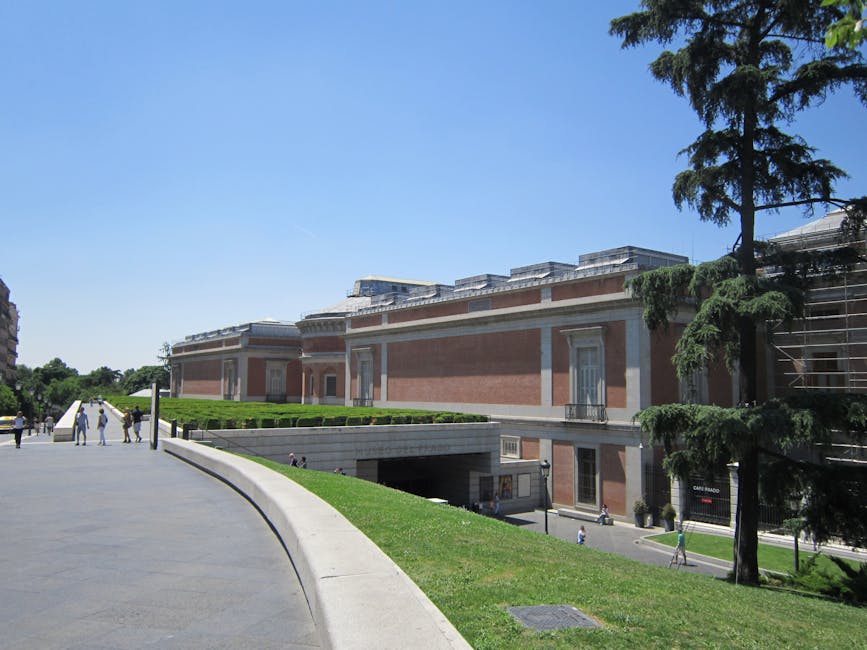
Madrid’s three world-class art museums — the Golden Triangle — charge standard entry fees: Prado Museum €15, Reina Sofía €12, and Thyssen-Bornemisza €13. The Royal Palace charges €15 for a full-access visit. Smaller museums like the Sorolla Museum (€3), Cerralbo Museum (free), and the Archaeological Museum (€3) offer excellent value. The Temple of Debod is free. Retiro Park is free to enter and explore.
Free Museum Hours: The Budget Traveler’s Secret
Madrid’s most powerful budget strategy is taking advantage of free museum hours. The Prado Museum offers free entry Monday through Saturday from 6:00 PM to 8:00 PM and Sundays and holidays from 5:00 PM to 7:00 PM. The Reina Sofía is free Monday and Wednesday through Saturday from 7:00 PM to 9:00 PM, and Sundays from 12:30 PM to 2:30 PM. The Thyssen-Bornemisza offers free entry on Mondays from 12:00 PM to 4:00 PM. Planning your museum visits around these free windows can save €40 or more per person on museum admissions alone.
Arriving 15-20 minutes before the free entry period starts helps beat the inevitable queues. The Prado’s free hours tend to be the busiest, while the Reina Sofía’s Monday evening free hours are generally more manageable. Sunday mornings at the Thyssen are also less crowded than weekday free hours.
City Passes: Are They Worth It?
The Madrid City Card and similar passes bundle attraction entries with transport. The typical Madrid City Pass costs around €95 for three days or €135 for five days, covering 50+ attractions with skip-the-line access. Whether a pass saves money depends on how many paid attractions you plan to visit. If you’ll enter five or more major attractions at full price, the pass likely saves money. If you’re planning to use free museum hours and focus on free attractions like parks, churches, and walking tours, individual tickets make more sense.
For museum-focused visitors, calculate the total of individual entries you’d pay. The Golden Triangle alone costs €40 at full price. Add the Royal Palace (€15), a flamenco show (€35-45), and the Bernabéu Stadium tour (€30-35), and a three-day pass at €95 starts looking like excellent value. However, budget travelers who time free museum hours can see the same collections without any pass at all.
Flamenco Shows: €25-95
Authentic flamenco shows range widely in price and quality. Budget options start at €25-35 for a show-only experience at smaller venues. Mid-range tablaos like Corral de la Morería and Torres Bermejas charge €45-55 for show with a drink, or €80-95 for show with dinner. Tourist-oriented “dinner shows” at hotels often charge €60-90 but tend to offer less authentic performances. For the best value, book directly with the tablao rather than through hotel concierges or tour operators, who typically add 15-30% commission.
Free Things to Do in Madrid
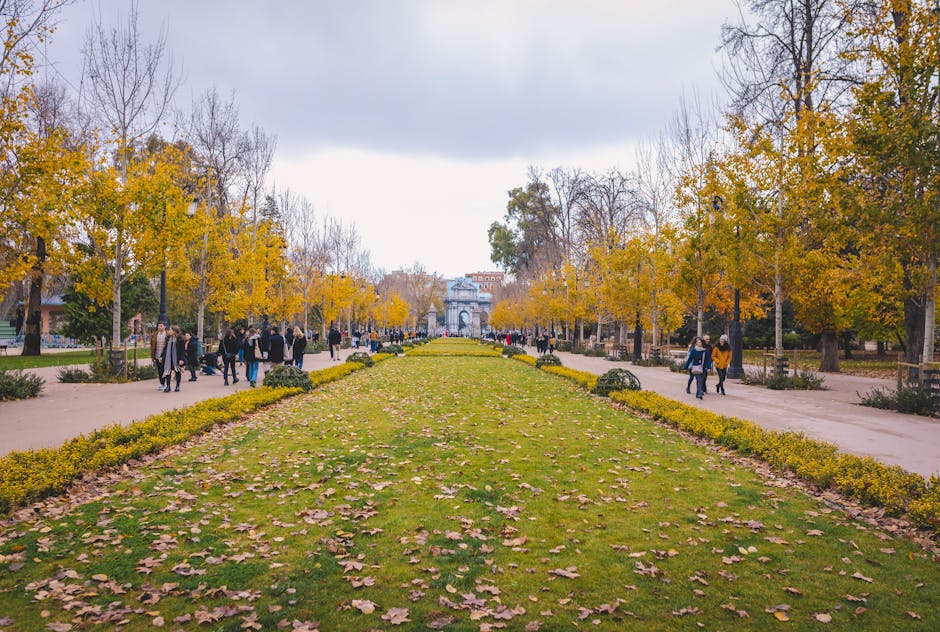
Madrid is exceptionally generous with free attractions and activities. Retiro Park offers hours of exploration including the Crystal Palace (free entry), the rose garden, the lake area (watching is free; boat rental is €6-8), and frequent free outdoor performances. The Temple of Debod, a genuine Egyptian temple from the 2nd century BC, offers free entry and some of Madrid’s best sunset views.
Walking tours provide an excellent free introduction to the city. Several companies operate tip-based walking tours departing from Plaza Mayor, covering the major landmarks, historical stories, and local insights. These tours typically last 2-3 hours and cover the Habsburg and Bourbon quarters, with guides working for tips rather than fixed fees.
Madrid’s churches are free to enter, with the Almudena Cathedral, San Francisco el Grande, and San Jerónimo el Real offering spectacular architecture without admission charges. The Palacio de Cibeles (Madrid’s city hall) has a free exhibition space and a viewing terrace (€3) with panoramic city views. The Parque del Oeste, Jardines de Sabatini, and the Madrid Río park along the Manzanares River are all free green spaces worth exploring.
El Rastro, Madrid’s legendary flea market, takes over the La Latina neighborhood every Sunday morning and is free to browse (and a great place for bargain souvenir hunting). Street performers in Puerta del Sol, Plaza Mayor, and along Gran Vía provide free entertainment throughout the day and evening.
Seasonal Price Variations
Peak Season: April-June and September-October
Spring and early autumn bring the best weather and the highest prices. Hotel rates are 20-40% above winter lows. Flight prices from major European and North American cities peak during these months. However, the pleasant temperatures (18-28°C) and extended daylight hours make outdoor activities like park visits, walking tours, and rooftop bar evenings far more enjoyable. Budget travelers visiting during peak season should book accommodation well in advance and lean heavily on free attractions to offset higher lodging costs.
Shoulder Season: March and November
March and November offer a compelling balance of moderate prices and decent weather. Accommodation rates are 15-25% below peak, flights are cheaper, and attraction queues are shorter. March can be chilly (8-15°C) but sunny, while November brings cool temperatures and occasional rain. These months suit travelers who prioritize value and don’t mind layering up for outdoor sightseeing.
Low Season: December-February (Excluding Christmas/New Year)
Winter in Madrid is mild by Northern European standards (5-12°C) but cold enough to limit outdoor dining and park time. Hotel rates drop to their lowest outside the Christmas-New Year period, with discounts of 30-50% compared to peak season. January and February are particularly affordable, with the added bonus of the winter sales season (rebajas) offering 30-70% discounts at shops and boutiques across the city. The trade-off is shorter daylight hours and some outdoor terraces closing for the season.
High-Price Events to Plan Around
Certain events drive accommodation prices sharply upward. San Isidro festival (mid-May) celebrates Madrid’s patron saint with concerts, fairs, and bullfighting events, pushing hotel rates up 30-60%. Madrid Pride (late June to early July) draws over 1.5 million visitors, making accommodation scarce and expensive. Major Real Madrid Champions League matches at the Bernabéu cause price spikes in central hotels. Christmas and New Year’s Eve bring festive atmospheres but premium pricing. If these events aren’t your primary reason for visiting, scheduling around them saves significantly.
Money-Saving Strategies That Actually Work
Transportation Savings
Take the metro or Express Airport Bus from Barajas Airport instead of a taxi to save €25-26 per trip. Purchase a 10-ride Metrobús card instead of single tickets to save 40% on transit costs. Walk between attractions in the compact center — the Prado, Reina Sofía, Thyssen, and Retiro Park are all within a 15-minute walk of each other. Use night buses (búhos) instead of taxis after metro closing time. If you’ll use transit heavily for 3+ days, compare the tourist transport pass against individual rides to find your break-even point.
Food and Drink Savings
Eat your big meal at lunch, not dinner. The menú del día offers three-course meals with drinks for €12-17 — the same quality at dinner would cost €30-45. Seek out bars that serve free tapas with drinks, especially in La Latina, Lavapiés, and parts of Malasaña. Buy breakfast supplies from supermarkets. Drink at the bar rather than at terrace tables to avoid surcharges. Order cañas (small beers, €2-3) rather than pints (€4-6). Carry a reusable water bottle — Madrid’s tap water is excellent and safe to drink, sourced from mountain reservoirs, saving €2-3 per day on bottled water.
Attraction and Entertainment Savings
Plan museum visits around free entry hours — this alone can save €40+ per person. Take a free walking tour instead of a paid guided tour. Visit churches and cathedrals, which are free and architecturally magnificent. Spend afternoons in parks and plazas enjoying the city’s outdoor culture at no cost. Book flamenco shows directly with the venue rather than through intermediaries. Check for student, senior, and EU citizen discounts at museums — EU citizens under 25 and over 65 enter most national museums free.
Accommodation Savings
Stay in residential neighborhoods (Chamberí, Argüelles, Tetuán) connected by metro for 30-50% savings over touristy areas. Book 4-6 weeks ahead for the best rates. Consider apartment rentals with kitchens for stays of 4+ nights. Travel during shoulder or low season for 20-50% lower rates. Use loyalty programs and credit card points for hotel bookings. Check for last-minute deals on booking platforms during low season — properties sometimes slash rates to fill rooms.
Sample Budgets: Real-World Spending Scenarios
Budget Backpacker: 5 Days for €400-550
Five nights in a hostel (€150-200), breakfast from supermarkets (€15-20), five menú del día lunches (€65-80), tapas dinners and drinks (€75-100), 10-ride transit cards (€25), free museum hours and walking tours (€0-15), one paid attraction or flamenco show (€25-35), and miscellaneous expenses (€45-60). This budget allows you to see all the major museums, eat well, and enjoy Madrid’s nightlife without feeling deprived.
Mid-Range Couple: 5 Days for €1,600-2,400
Five nights in a three-star hotel (€550-800 total), daily restaurant breakfasts (€60-90), mix of menú del día and restaurant lunches (€150-250), quality dinners with wine (€250-400), transit plus one or two taxi rides (€50-70), museum entries and one flamenco show (€100-150), rooftop bar visits (€50-80), and shopping and miscellaneous (€100-200). This allows comfortable exploration without constant budget monitoring.
Family of Four: 5 Days for €2,200-3,500
Five nights in a family hotel or apartment (€600-1,000), mix of self-catering and restaurant meals (€500-800), attractions including zoo, Bernabéu tour, and museums (€150-250), transportation (€80-120), and activities and miscellaneous (€200-350). Families save significantly by choosing apartment accommodations with kitchens and timing museum visits during free hours. Children under 18 enter most museums free or at reduced rates.
Luxury Experience: 5 Days for €3,500-6,000+
Five nights in a five-star hotel (€1,500-3,500), fine dining including Michelin experiences (€800-1,200), private tours and premium flamenco (€300-500), premium transportation (€200-300), shopping (€300-500), and entertainment and spa (€200-400). Even at this tier, Madrid offers exceptional value compared to London, Paris, or Rome luxury experiences.
Tipping Culture and Hidden Costs
Tipping in Spain is far less demanding than in the United States. In restaurants, rounding up the bill or leaving 5-10% is appreciated but not obligatory. At cafés and bars, leaving small change (€0.20-0.50) is common. Taxis don’t expect tips but appreciate rounding up to the nearest euro. Free walking tour guides work for tips, with €5-10 per person being a fair amount. Hotel porters typically receive €1-2 per bag.
Watch for hidden costs that can inflate your budget: terrace surcharges at cafés (€0.50-1.50 extra per drink), tourist menu prices versus regular menu prices at restaurants near major sights, and souvenir shops in tourist zones charging 2-3x what the same items cost in neighborhood shops. ATM fees from foreign banks can add up — use a travel-friendly debit card with no foreign transaction fees, or withdraw larger amounts less frequently. Currency exchange offices near Sol and Gran Vía offer poor rates; your bank card at an ATM is almost always a better deal.
Comparing Madrid to Other European Cities
Madrid consistently ranks as one of the better-value major European capitals. Accommodation costs run 25-40% below London and Paris, and 10-20% below Barcelona. Restaurant meals cost roughly 30% less than equivalent quality in Paris. Museum entry fees are comparable to other European capitals, but Madrid’s generous free hours give it a significant edge. Transportation is notably affordable — Madrid’s metro is cheaper per ride than London’s Tube, Paris’s Métro, or Amsterdam’s tram system.
Where Madrid particularly excels in value is dining. The menú del día system has no real equivalent in London, Paris, or Rome, giving visitors access to multi-course restaurant meals at prices that would barely cover a sandwich in more expensive capitals. The culture of free tapas with drinks, while less common than it once was, still exists in Madrid and further stretches dining budgets.
Practical Money Tips for Madrid
Spain uses the euro, making currency straightforward for EU visitors. Non-EU visitors should bring a travel card with no foreign transaction fees — cards from Wise, Revolut, or similar fintech providers are ideal. Contactless payment is accepted virtually everywhere in Madrid, including small bars and market stalls. Cash is still useful for El Rastro market, some small tapas bars, and tipping.
ATMs (cajeros automáticos) are abundant throughout the city. Use bank ATMs (Santander, BBVA, CaixaBank) rather than independent ATMs in tourist areas, which charge fees of €3-7 per withdrawal. When ATMs ask whether to charge in your home currency or euros, always choose euros to avoid dynamic currency conversion markups of 3-7%.
Madrid’s sales tax (IVA) is included in all displayed prices — what you see is what you pay. Non-EU visitors spending over €90.15 at a single store can claim a VAT refund (typically 10-15% of the purchase price) at the airport when departing. Major department stores like El Corte Inglés have dedicated tax-free shopping desks to process the paperwork on the spot.
Budget Planning by Trip Length
Weekend Trip (2-3 Days)
Short visits should prioritize the city center and major museums. Accommodation will be your largest expense — book well in advance for weekend dates, as Madrid is a popular short-break destination. Focus spending on two or three must-do experiences (Prado, flamenco, a quality restaurant dinner) and fill remaining time with free activities like park walks, church visits, and neighborhood exploration.
Week-Long Stay (5-7 Days)
Extended visits unlock the best value through apartment rentals with kitchens, multi-day transport passes, and the ability to time free museum hours across different days. A week also allows day trips to Toledo (train €13-25 round trip) or Segovia (train €12-22 round trip), both excellent value. You can adopt a rhythm of alternating “spending days” (museum visits, restaurant meals) with “free days” (parks, walking tours, supermarket picnics) to keep the average daily cost manageable.
Extended Stay (2+ Weeks)
Long stays in Madrid offer dramatic per-day savings. Monthly apartment rentals in residential neighborhoods cost €800-1,500 for a full flat, bringing nightly accommodation costs to €27-50. Regular use of supermarkets and cooking at home reduces food costs by 50-60%. The extended timeframe allows you to discover neighborhood gems, take advantage of every free museum window, and live more like a local than a tourist — which is invariably cheaper and more rewarding.
Final Budget Advice
Madrid rewards visitors who plan strategically but don’t overthink every expense. The city’s best experiences — walking through centuries-old neighborhoods, sitting in a sunny plaza with a caña, watching the sunset from the Temple of Debod, browsing El Rastro on a Sunday morning — are free. Layer in smart use of menú del día, free museum hours, and efficient transit, and Madrid becomes one of Europe’s most affordable world-class destinations. The key insight is that budget travel in Madrid doesn’t mean deprivation — it means eating where locals eat, timing visits intelligently, and embracing the outdoor culture that makes this city so compelling regardless of what you spend.
Related Madrid guides
Stretch every euro further with our guides to cheap eats in Madrid, free things to do, and free museum hours. For a cheap bed, compare cheap hotels and the best hostels, or read the full where to stay in Madrid guide. Then save on transport with the getting around Madrid guide and map out the trip with things to do in Madrid.