Madrid After Dark: A City That Never Sleeps
Madrid has earned its reputation as one of Europe’s greatest nightlife capitals, and for good reason. This is a city where dinner rarely starts before 10 PM, bars fill up around midnight, and the best nightclubs do not truly come alive until 3 AM. From intimate flamenco tablaos and jazz lounges to sprawling seven-floor mega-clubs and rooftop cocktail bars, Madrid’s after-dark scene offers something for every taste, budget, and energy level.
Whether you are a seasoned night owl or simply want to experience one unforgettable evening out, this guide will walk you through everything you need to know about Madrid’s nightlife — the best neighborhoods, venues, practical tips, and cultural nuances that separate a tourist night out from a truly local experience.
Understanding Madrid’s Nightlife Culture
The Spanish Night Out Timeline
The first thing visitors need to understand about Madrid nightlife is the timeline. Madrileños operate on a schedule that would seem impossibly late to visitors from most other countries. A typical evening out follows this rhythm: dinner begins between 9:30 and 11:00 PM at a restaurant, followed by drinks at a bar or pub from midnight to 2:00 AM. Those heading to a nightclub arrive between 1:30 and 3:00 AM, with peak hours running from 3:00 to 5:00 AM. Many clubs remain open until 6:00 or even 7:00 AM, and it is perfectly normal to see people emerging from venues as the sun rises.
This late schedule is not about excess — it is deeply embedded in Spanish culture, tied to long work days, late dinners, and a social rhythm built around extended evenings with friends and family. Do not fight the schedule. Arriving at a club at midnight will leave you standing in an empty room. Embrace the late start and you will be rewarded with an authentic Madrid experience.
Dress Codes and What to Wear
Madrid’s dress code varies significantly by venue and neighborhood. For casual bars in Malasaña or La Latina, jeans, sneakers, and a clean top are perfectly acceptable. The vibe is relaxed and nobody will turn you away for dressing casually. However, upscale clubs in the Salamanca district or along Gran Vía enforce stricter dress codes. Men should opt for collared shirts, chinos or dark jeans, and leather shoes — no trainers, flip-flops, or sportswear. Women tend to dress stylishly but comfortably, with heels being common but by no means mandatory.
A good rule of thumb is smart-casual for most venues and a step up to smart for the more exclusive clubs. When in doubt, dark jeans, a well-fitted shirt, and clean shoes will get you through nearly every door in the city.
Nightlife Neighborhoods: Where to Go
Malasaña: Indie Bars and Alternative Scene
Malasaña is the heartbeat of Madrid’s alternative nightlife. Centered around Plaza del Dos de Mayo, this neighborhood is filled with vintage bars, independent music venues, and eclectic cocktail spots. The atmosphere is bohemian and welcoming, attracting a mixed crowd of students, artists, and young professionals. Calle de la Palma and Calle de Velarde are the main nightlife arteries, lined with bars that range from craft beer havens to mezcal joints. Venues like Tupperware Club host live indie bands, while El Junco plays jazz and funk until the early hours. Malasaña is ideal for bar-hopping without a rigid plan — just wander the streets and follow the music.
Chueca: LGBTQ+ Hub and High-Energy Nightlife
Chueca is Madrid’s vibrant LGBTQ+ neighborhood and one of the most energetic nightlife districts in the city. The area around Plaza de Chueca comes alive after dark with terraces spilling onto the streets, rainbow flags adorning nearly every facade, and a palpable sense of celebration. Clubs like Delirio offer themed pop and electronic nights, while D’Mystic draws a mixed crowd with commercial house and Latin beats. Chueca’s nightlife is inclusive by nature — everyone is welcome regardless of orientation — and the neighborhood hosts some of the wildest parties during Madrid Pride in late June and early July.
Huertas and Las Letras: The Classic Bar Crawl
The Barrio de las Letras, also known as Huertas, is the traditional heart of Madrid’s nightlife. Named after the literary giants who once lived here — Cervantes, Lope de Vega, Quevedo — the neighborhood now pulses with bars, cocktail lounges, and small clubs on nearly every street. Calle de las Huertas itself is a pedestrianized strip famous for its concentration of venues, making it the most popular area for international visitors. While some might dismiss it as too touristy, Huertas genuinely delivers a good time with its variety, accessibility, and central location. It is also where many pub crawl tours begin, making it a natural starting point for first-time visitors.
La Latina: Tapas and Late-Night Terraces
La Latina offers a different flavor of nightlife focused on tapas, wine, and atmospheric terraces rather than clubs. Cava Baja is the most famous tapas street in Madrid, and on weekend evenings the entire area transforms into an open-air party. Bars like El Tempranillo serve outstanding wines while crowds spill onto the cobblestone streets. Sunday evenings are particularly special in La Latina, when the El Rastro flea market crowd transitions seamlessly into the neighborhood’s bars for extended afternoon drinking sessions that stretch well into the night.
Sol and Gran Vía: The Mainstream Circuit
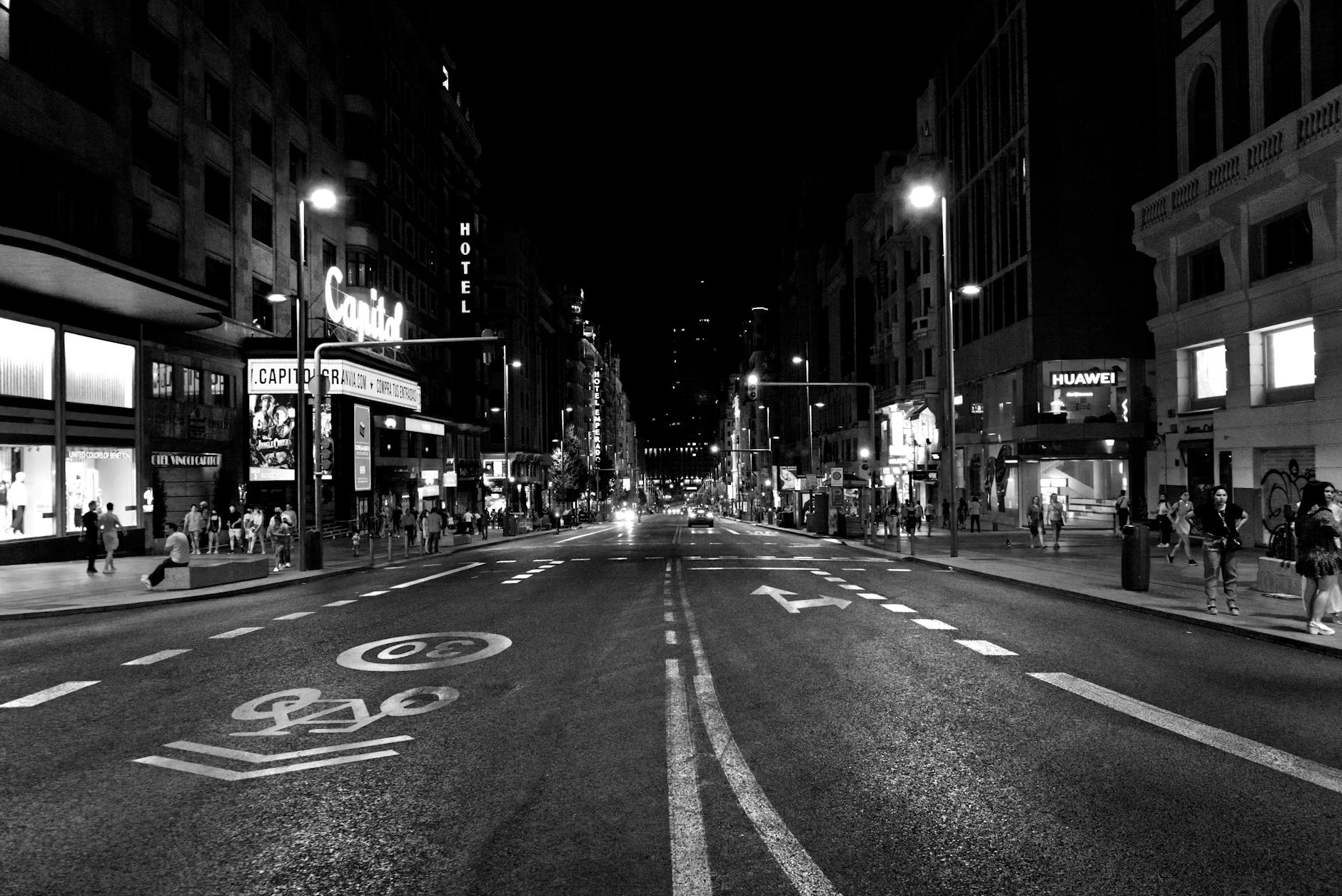
The area around Puerta del Sol and Gran Vía is Madrid’s commercial nightlife hub, home to large clubs, mainstream bars, and the city’s theater district. Joy Eslava, one of Madrid’s oldest and most famous clubs, sits just off Sol in a converted 19th-century theater. Gran Vía itself is lined with rooftop bars perched atop hotels, offering cocktails with panoramic city views. This area is the most accessible for visitors staying in central hotels and offers a good mix of casual bars, cocktail lounges, and dance clubs within walking distance.
Best Nightclubs in Madrid
Teatro Kapital
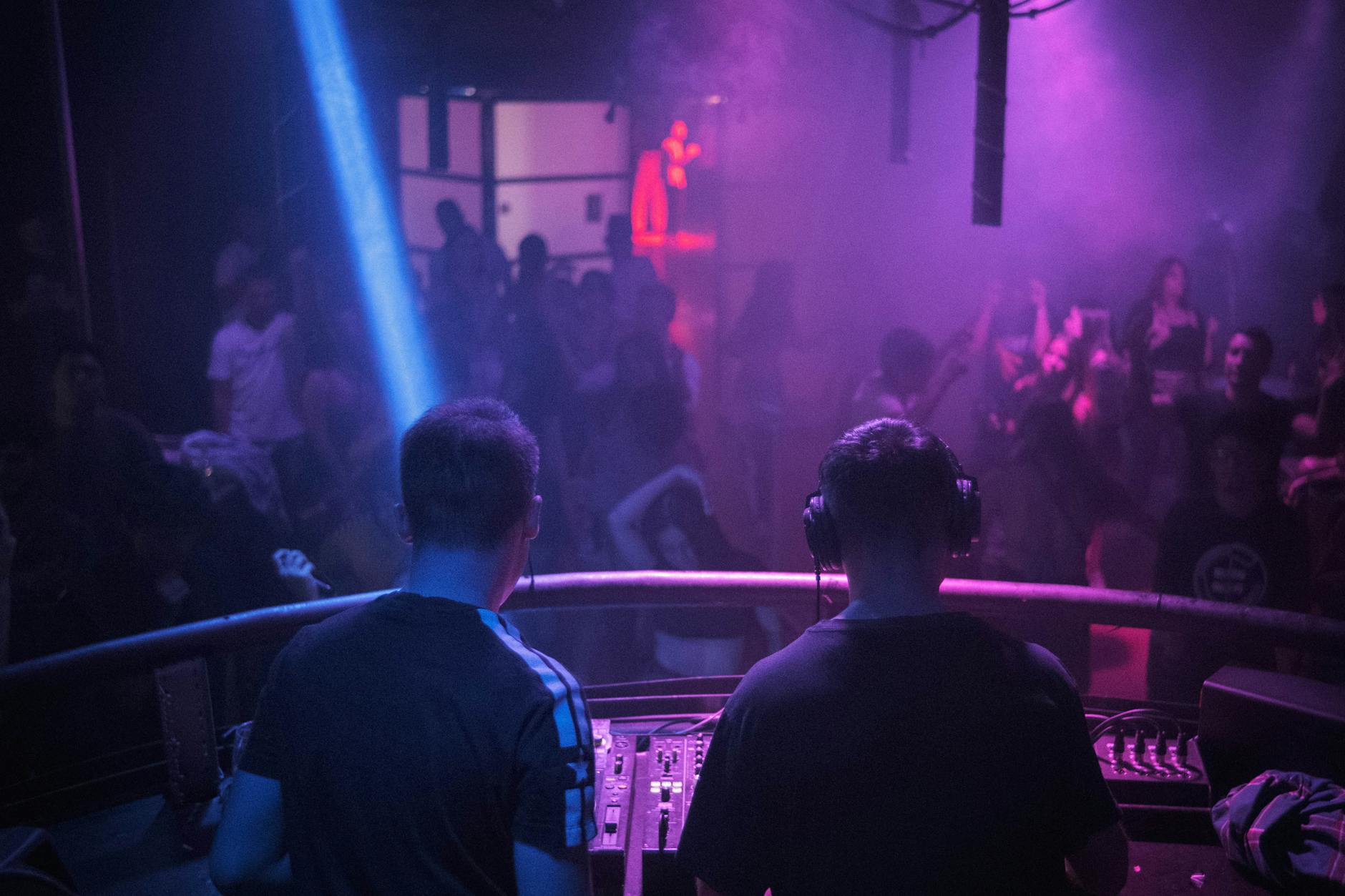
Teatro Kapital is Madrid’s most iconic nightclub, occupying a former theater near Atocha station with seven floors of entertainment. Each floor plays a different genre — from hip-hop and reggaeton on the lower levels to house and techno higher up, with a rooftop terrace and a chill-out lounge. The sheer variety means you can move between musical worlds without leaving the building. Kapital attracts a young, international crowd and operates primarily on Friday and Saturday nights, with doors opening around midnight and the party running until 6:00 AM. Entry fees range from €15 to €20 and typically include one drink.
Teatro Barceló
Another venue housed in a historic theater, Teatro Barceló sits in the Malasaña district and offers three floors of music ranging from commercial pop to electronic. The venue hosts themed parties and special DJ events throughout the week, with Thursday nights being particularly popular among university students. The interior retains much of its theatrical grandeur, creating an atmospheric backdrop for dancing. Entry is typically €12 to €15, and the club gets busy around 2:00 AM.
Fabrik
Located about 20 minutes south of central Madrid, Fabrik is one of Europe’s largest nightclubs and a pilgrimage site for electronic music fans. The main room holds over 4,000 people, and the club regularly books international DJs playing techno, trance, and electronic dance music. Saturday night sessions typically run from midnight to approximately 10:00 AM the following morning. Getting there requires a car or taxi, as the metro does not reach the venue, but the experience of dancing in such a massive, purpose-built space is unmatched in Madrid.
Mondo Disko
For a more underground electronic experience, Mondo Disko in the Malasaña area has earned a cult following among Madrid’s techno community. The compact venue focuses on quality sound and carefully curated lineups rather than flashy decor. Expect minimal lighting, serious music, and a knowledgeable crowd that comes specifically for the DJs rather than the scene. This is the antithesis of the mainstream club experience and a favorite among locals who take their electronic music seriously.
Flamenco Shows: Madrid’s Cultural Night Out
What to Expect at a Flamenco Show
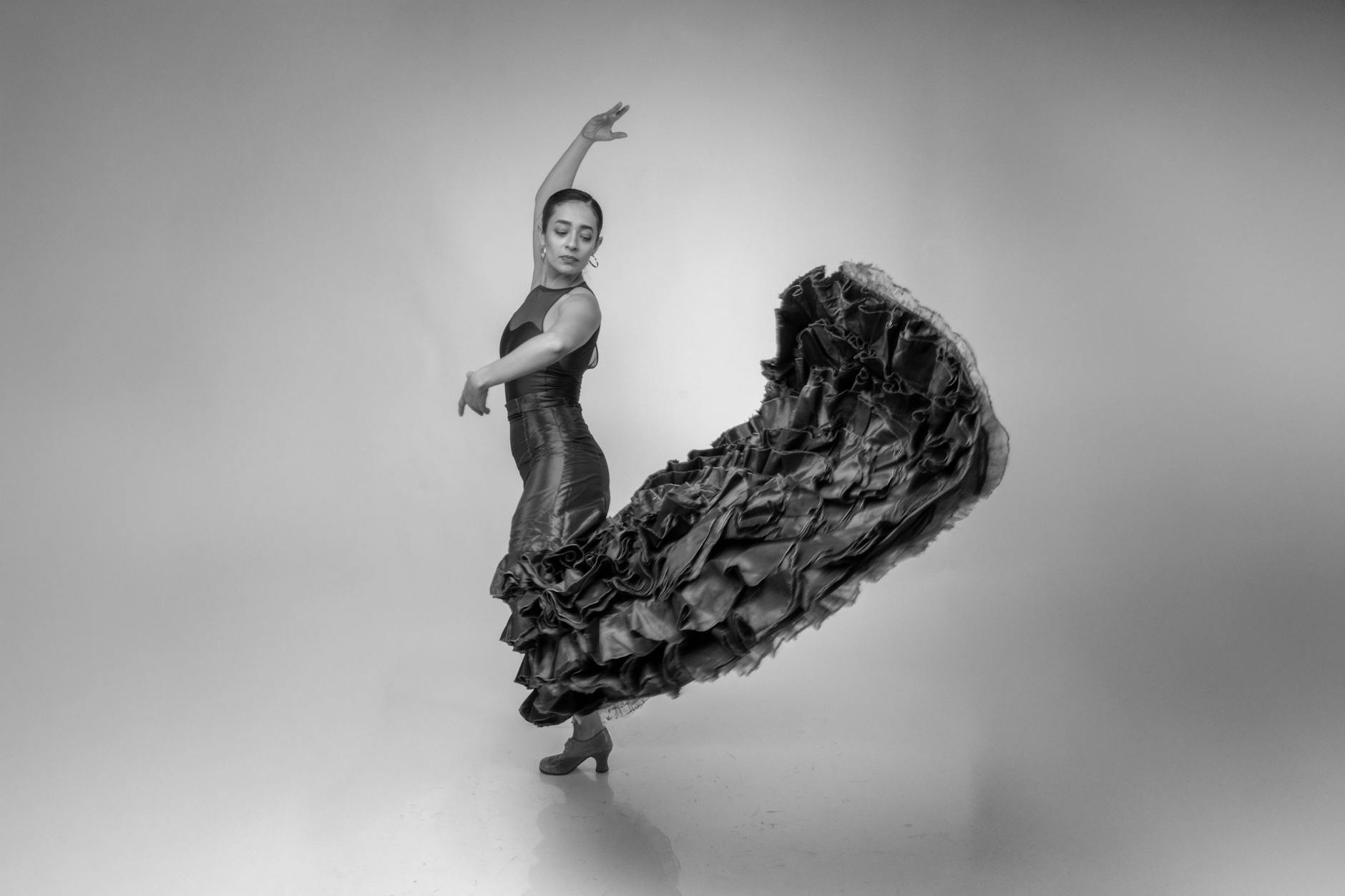
Flamenco is not just entertainment — it is a deeply emotional art form combining dance, guitar, and singing that traces its roots to Andalusia but thrives in Madrid. A traditional flamenco tablao features intimate seating around a small stage where performers deliver raw, passionate performances lasting 60 to 90 minutes. The best shows are mesmerizing, with rapid footwork, haunting vocals, and guitar playing that can move audiences to tears. Even if you know nothing about flamenco, the intensity of a live performance transcends language and cultural barriers.
Top Flamenco Tablaos
Corral de la Morería, founded in 1956, is widely considered the finest flamenco tablao in the world. Located near the Royal Palace, it has hosted legendary performers and continues to present world-class shows nightly. Tickets with dinner start around €80 to €100, while show-only tickets begin at approximately €50. Cardamomo, on Calle Echegaray near Sol, offers another excellent option with nightly performances at 8:30 PM and 10:15 PM. The intimate venue seats about 100 people, ensuring every audience member feels the force of the performance.
Teatro Flamenco Madrid on Calle del Pez in Malasaña presents daily shows in a dedicated theater setting, with matinee and evening performances available. For a more authentic, less polished experience, Casa Patas in the Lavapiés neighborhood hosts emerging and established artists in a setting that doubles as a restaurant. Prices range from €35 to €45 for the show, and the food is genuinely good. La Quimera on Calle de la Fe is a newer venue that has quickly gained a reputation for showcasing young, innovative flamenco artists who push the boundaries of the traditional form.
Rooftop Bars: Cocktails with a View
Madrid’s relatively flat terrain and stunning skyline make rooftop bars a quintessential part of the nightlife experience. The city has embraced the rooftop trend enthusiastically, and many of the best options sit atop hotels along Gran Vía and in the center.
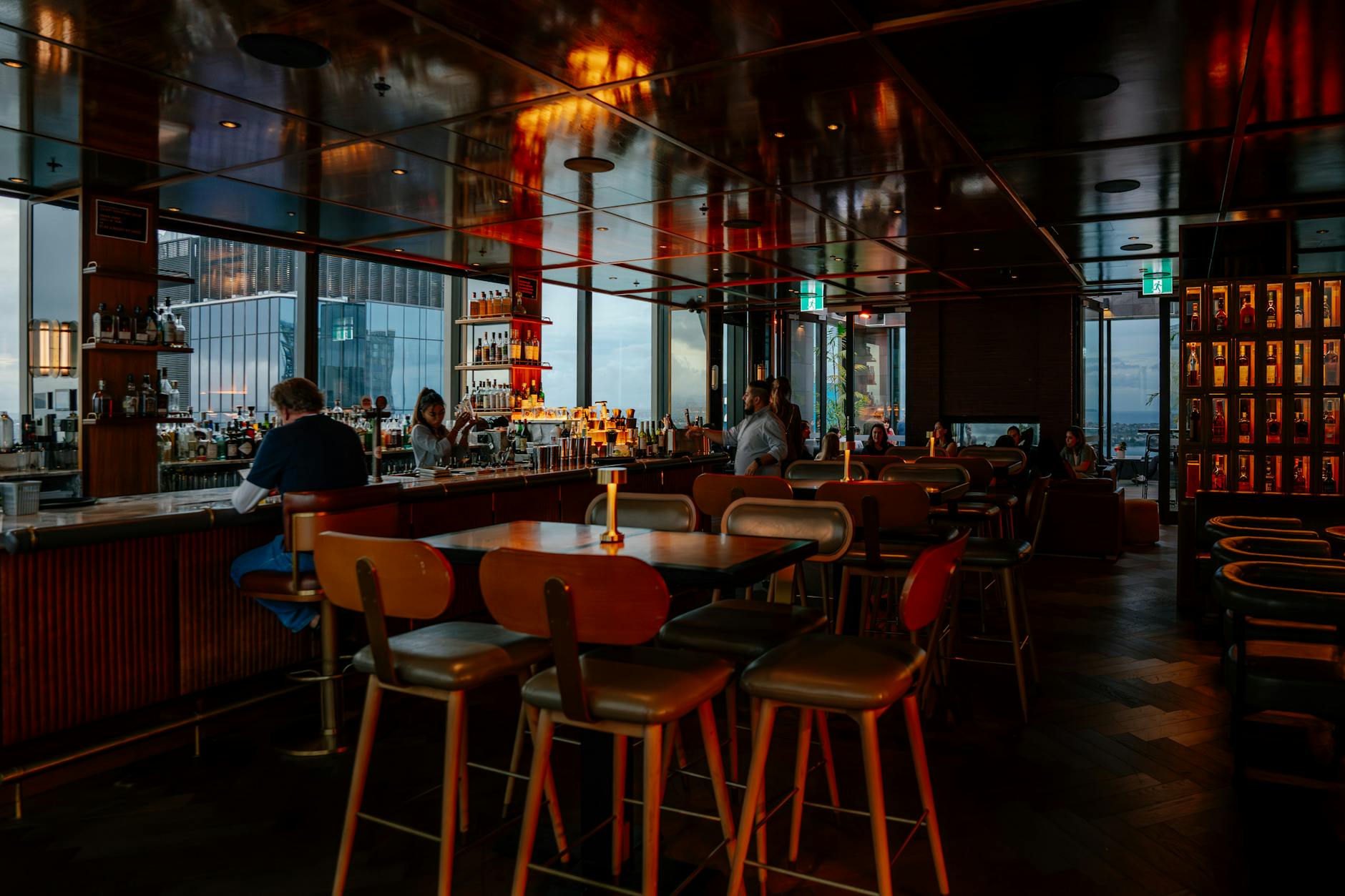
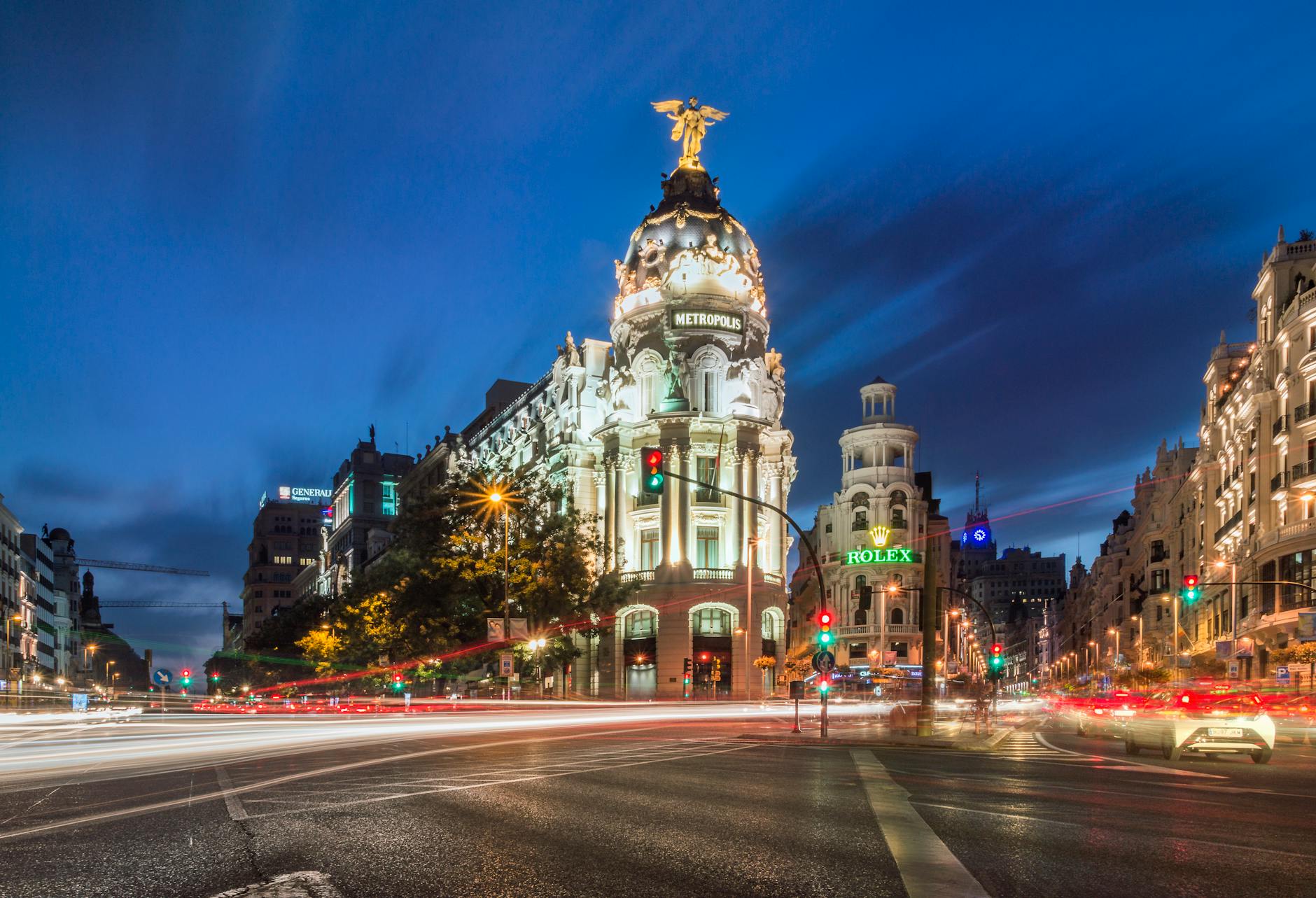
Azotea del Círculo, perched atop the Círculo de Bellas Artes building, is perhaps Madrid’s most famous rooftop with uninterrupted 360-degree views stretching from the Metropolis building to the distant Sierra de Guadarrama mountains. There is a small entry fee of around €5 to access the roof, but the panoramic views are worth every cent. The Radio rooftop bar at the ME Madrid hotel overlooks Plaza de Santa Ana and the Huertas neighborhood, offering a glamorous setting with craft cocktails and a hip crowd. Tartan Roof at the Círculo de Bellas Artes is another excellent option, while Gymage Terrace Bar near Sol combines a pool club atmosphere with skyline views.
Ginkgo Sky Bar atop the VP Plaza España Design hotel offers spectacular sunset views over the Royal Palace and Temple of Debod. During warmer months (May through October), most rooftop bars are open nightly, though many close or reduce hours during winter.
Cocktail Bars and Speakeasies
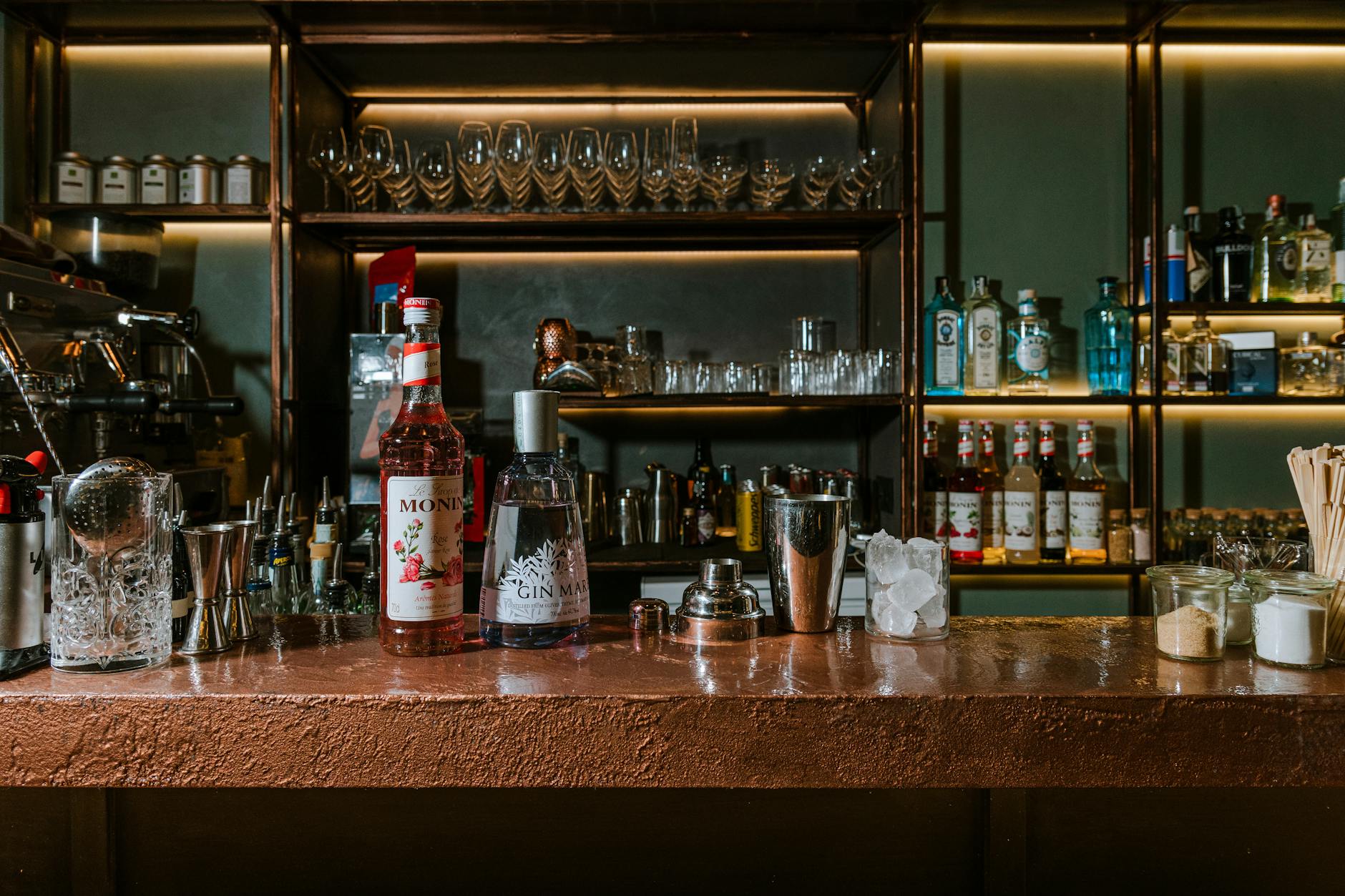
Madrid’s cocktail scene has exploded in recent years, with world-class mixology bars appearing across the city. Salmon Guru in Huertas is regularly ranked among the world’s best bars, serving creative, visually stunning cocktails in a colorful, eclectic space. Macera Club on Calle San Mateo in Malasaña takes a unique approach, infusing their own spirits in-house with ingredients ranging from cinnamon to chili peppers. The intimate setting and personalized service make it a standout experience.
For the speakeasy experience, 1862 Dry Bar in Malasaña operates behind an unmarked door and serves classic cocktails in a prohibition-era atmosphere. The Dash on Calle de la Libertad in Chueca focuses on gin-based cocktails with over 100 varieties of gin available. Bar Cock (despite the name, a perfectly respectable establishment) near Gran Vía has been serving expertly crafted drinks since 1921 in an elegant, wood-paneled interior that feels like stepping back in time.
Live Music Scene
Jazz Clubs
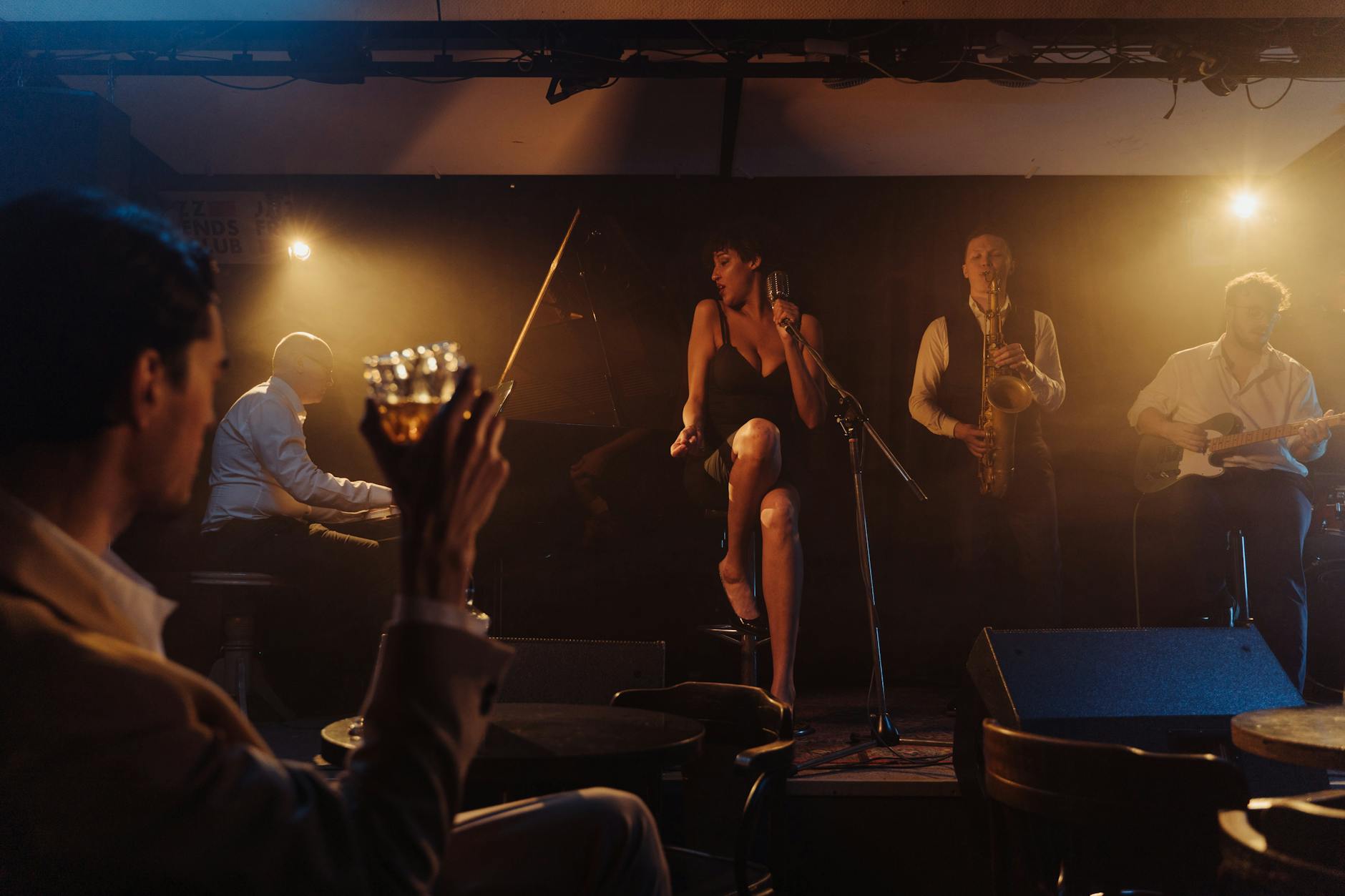
Madrid has a thriving jazz scene centered around several intimate venues. Café Central on Plaza del Ángel has been Madrid’s premier jazz club since 1982, hosting nightly performances in a warm, acoustically excellent room. Shows typically start at 9:00 PM with a second set at 11:00 PM. El Junco in Malasaña blends jazz, funk, and soul with DJ sets, creating a unique crossover experience. Clamores, located near Bilbao metro station, hosts jazz, blues, and world music in a larger concert hall format, with acts ranging from local talent to international touring artists.
Rock and Indie Venues
The live rock and indie scene revolves around several key venues. Sala El Sol on Calle de los Jardines has been a fixture of Madrid’s music scene since the Movida Madrileña of the 1980s, hosting everything from punk to electronic acts. Wurlitzer Ballroom in Malasaña books emerging indie bands in an intimate, sweaty setting that recalls the best of underground rock venues. Moby Dick Club in the Avenida de Brasil area hosts larger acts across rock, pop, and world music genres. For major international concerts, the WiZink Center (formerly Palacio de Deportes) and the IFEMA Live venue handle arena-scale shows.
Wine Bars and Vermouth Culture
The Vermouth Tradition
Before Madrid adopted craft cocktails and rooftop bars, it had vermouth. La hora del vermut (vermouth hour) is a deeply traditional Madrid custom, typically observed on weekend mornings and early afternoons when friends gather for a glass of draft vermouth, some olives, and conversation. This tradition has experienced a revival among younger Madrileños, and several excellent vermouth bars now operate across the city.
Bodega de la Ardosa in Malasaña has been serving vermouth on tap since 1892 and remains one of the most authentic spots to experience this tradition. Casa Camacho, also in Malasaña, is famous for its yayo — a mix of vermouth and gin that packs a punch. El Anciano Rey de los Vinos near the Royal Palace serves vermouth from barrels in a setting that has barely changed in a century.
Wine Bars
For wine enthusiasts, Madrid offers numerous excellent wine bars showcasing Spain’s extraordinary diversity of regional wines. Ángelita on Calle Reina in Chueca presents a carefully curated list of Spanish wines with knowledgeable staff who can guide you through lesser-known regions. Bendita Locura in Lavapiés focuses on natural and biodynamic wines in a casual, neighborhood setting. La Barraca de Chamberí, in the quieter residential Chamberí district, pairs exceptional wines with high-quality tapas in a relaxed atmosphere favored by locals over tourists.
Theater and Performing Arts
Madrid’s Gran Vía is sometimes called the Broadway of Spain, and the comparison is not far off. The avenue hosts dozens of theaters presenting musicals, plays, and comedy shows nightly. Productions range from Spanish-language adaptations of international hits like The Lion King and Hamilton to original Spanish musicals and classic plays. While most performances are in Spanish, the spectacle of a Gran Vía musical — with elaborate sets, costumes, and choreography — can be enjoyed regardless of language proficiency.
Teatro Real, Madrid’s opera house adjacent to the Royal Palace, presents world-class opera, ballet, and classical concerts in a magnificent 19th-century building. Tickets can be surprisingly affordable, with some seats available for under €20. The Teatro de la Zarzuela specializes in zarzuela, a distinctly Spanish form of musical theater that combines singing, spoken dialogue, and dance. Even if you do not understand every word, zarzuela offers a cultural experience unique to Spain.
LGBTQ+ Nightlife
Madrid is widely recognized as one of the world’s most LGBTQ+-friendly cities, and the nightlife reflects this openness. While Chueca is the traditional center of LGBTQ+ life, the entire city is welcoming and inclusive. Key venues include Fulanita de Tal, a popular lesbian bar on Calle de la Reina with themed nights and a welcoming atmosphere. Bearbie is a newer spot catering to the bear community with regular events and DJs. Strong hosts one of Madrid’s most popular gay parties with international DJs and elaborate productions.
Madrid Pride (Orgullo), held in late June and early July, is Europe’s largest Pride celebration and transforms the entire city center into a massive street party. The main parade along Gran Vía draws over a million spectators, and virtually every bar and club in Chueca hosts special events throughout the week. If your visit coincides with Pride, expect an unforgettable atmosphere — though also significantly higher hotel prices and packed venues.
Nightlife Safety Tips
Madrid is generally a very safe city for nightlife, but common sense precautions apply. Keep your phone and wallet secure, especially in crowded areas around Sol and Gran Vía where pickpockets operate. Use ride-sharing apps like Cabify or Uber for late-night transport rather than walking through unfamiliar areas. Stay with your group when club-hopping and be cautious about accepting drinks from strangers. The búho (night bus) network runs from Plaza de Cibeles to all neighborhoods after the metro closes at 1:30 AM — it is a safe and affordable way to get home.
While Madrid’s nightlife is inclusive and welcoming, be aware that some clubs employ door policies that can seem arbitrary. This is more about controlling crowd numbers than discrimination. If turned away, simply move on — with hundreds of options, there is always another excellent venue nearby. Never buy drinks or substances from street vendors, and be wary of unlicensed after-hours venues that occasionally pop up and operate without proper safety standards.
Budget Nightlife Tips
Enjoying Madrid’s nightlife does not require spending a fortune. Entry to most clubs is free before 1:00 AM, with cover charges of €10 to €20 applying later (usually including one drink). Pre-gaming at home or at a supermarket terrace before heading out is standard practice among locals. Many bars offer happy hours between 8:00 and 10:00 PM, and the menú del día tradition means you can enjoy a full three-course dinner with wine for €12 to €15 before your evening out.
Guest lists are widely available through promoter websites and social media — signing up can provide free entry or discounted admission even on peak nights. The pub crawl scene is active and affordable, with organized tours costing €10 to €15 including entry to several bars and a club, plus welcome drinks. For flamenco, matinee shows are typically cheaper than evening performances, and some venues offer drink-only tickets that are significantly less expensive than dinner-and-show packages.
Seasonal Nightlife Calendar
Madrid’s nightlife shifts with the seasons. Summer transforms the city into an outdoor party, with terraces and rooftop bars packed from June through September. The city government organizes Veranos de la Villa, a summer arts festival featuring outdoor concerts, cinema, and cultural events across multiple venues. August sees many local clubs close as Madrileños escape the heat, but tourist-focused venues remain open.
Autumn brings the Festival de Otoño performing arts festival and the return of the local crowd. Winter nightlife moves indoors, with Christmas bringing holiday markets and New Year’s Eve celebrations centered around Puerta del Sol, where thousands gather to eat twelve grapes at midnight — one for each stroke of the clock. Madrid Pride in late June or early July is the single biggest nightlife event of the year, while San Isidro festival in mid-May offers traditional celebrations with a distinctly local character.
Planning Your Night Out
For first-time visitors, we recommend starting your Madrid nightlife experience in Huertas or Malasaña, where the concentration of venues and casual atmosphere make it easy to explore. Begin with dinner around 9:30 PM, followed by a couple of bars, and decide from there whether to continue to a club or call it a night. A flamenco show makes an excellent standalone evening — book for an early show (around 7:00 or 8:00 PM) and follow it with dinner in the surrounding neighborhood.
If clubs are your goal, Thursday and Saturday nights offer the best atmosphere, with Thursday being the traditional university night out. Friday is also busy but tends to attract a slightly older, after-work crowd. Sundays are surprisingly active in La Latina, where the post-Rastro tradition of afternoon drinks often extends well into the evening. Whatever night you choose, remember the golden rule of Madrid nightlife: patience. The best experiences come to those who embrace the late start and let the city set the pace.
Craft Beer Scene in Madrid
While Spain has traditionally been a wine and vermouth country, Madrid’s craft beer scene has grown enormously in recent years. Local breweries and dedicated craft beer bars now dot the city, offering an alternative to the ubiquitous cañas (small draft beers) of traditional Spanish bars. La Tape on Calle de San Bernardo is a pioneer of Madrid’s craft beer movement, pouring rotating taps from Spanish and international microbreweries in a lively, knowledgeable atmosphere. Fábrica Maravillas on Calle de Valverde in Malasaña brews its own beer on-site and offers tastings alongside a small but excellent food menu.
Cervecería Oldenburg in Chamberí stocks over 200 bottled beers from around the world alongside a carefully selected tap list. The Hoppiest Place in Lavapiés focuses exclusively on IPAs and hop-forward styles, attracting a dedicated following among beer enthusiasts. For those wanting to explore Spanish craft beer specifically, Tierra on Calle de Hortaleza curates a menu showcasing the best breweries from across Spain, from Basque Country pale ales to Andalusian wheat beers. Most craft beer bars are open from early evening until around 2:00 AM, making them perfect for pre-club warming up or a more relaxed alternative to the club scene.
Late-Night Dining and After-Hours Eats
One of the joys of Madrid’s late-night culture is that you never have to go hungry, no matter how late you are out. The city has a proud tradition of late-night and early-morning eateries that cater to the post-club crowd. Chocolatería San Ginés, open since 1894, serves churros with thick hot chocolate 24 hours a day and is the quintessential after-clubbing stop — expect a queue at 5:00 AM on weekends, but it moves quickly and is absolutely worth the wait.
For more substantial late-night fare, La Musa Latina on Costanilla de San Andrés in La Latina serves creative tapas until well past midnight. El Brillante near Atocha station is famous for its enormous bocadillos de calamares (fried squid sandwiches) served at all hours. Many kebab shops and pizza places around Sol and Gran Vía stay open until dawn, providing affordable refueling for the nightlife crowd. In the Malasaña area, La Mucca on Calle del Pez serves hearty meals until 2:00 AM in a casual, buzzy atmosphere that fills with night owls transitioning from bars.
Casino and Gaming Entertainment
For visitors interested in casino entertainment, Gran Casino Madrid in Torrelodones, about 30 minutes northwest of the city center, offers table games, slots, restaurants, and regular entertainment events. Casino Gran Madrid Colón, located centrally on Calle Gran Vía, provides a more accessible city-center option with poker rooms, gaming tables, and a sleek bar. Both venues require valid ID (passport for non-Spanish visitors) and enforce smart dress codes. The minimum age for casino entry in Spain is 18.
Comedy Shows and Open Mic Nights
Madrid’s comedy scene has flourished in recent years, with both Spanish-language and English-language options available. Comedy Club Madrid on Calle del Rosario hosts regular stand-up nights featuring local and visiting comedians. Beer Station on Calle de Relatores runs popular English-language comedy nights on Thursday evenings, perfect for anglophone visitors looking for laughs. Boogaclub in the Huertas area combines comedy with live music, creating a variety-show atmosphere reminiscent of cabaret. Open mic nights are increasingly common at bars throughout Malasaña, where aspiring comedians and musicians test new material before receptive, encouraging audiences.
Pub Crawls and Guided Nightlife Experiences
For solo travelers or groups wanting a structured introduction to Madrid’s nightlife, organized pub crawls offer excellent value and a guaranteed social experience. Several companies operate nightly, typically meeting around 10:00 or 10:30 PM near Sol or Plaza Mayor. A standard pub crawl includes visits to three or four bars plus a nightclub, with a welcome drink at each stop, for approximately €10 to €20 per person. The social atmosphere makes these crawls particularly popular with solo travelers and hostel guests looking to meet fellow visitors.
Beyond standard pub crawls, specialized experiences include flamenco and tapas evenings that combine a small-group guided dinner with a live show, wine-tasting bar tours through Huertas and La Latina, and craft cocktail workshops where you learn to make Spanish-inspired drinks. These experiences typically cost €40 to €80 and provide deeper insight into Madrid’s food and drink culture than a standard pub crawl.
Practical Information for Your Night Out
Most clubs and many bars accept card payments, though carrying some cash (€20 to €30) is advisable for smaller venues, taxi tips, and the occasional cash-only cover charge. Tipping at bars is not expected in Spain, though rounding up or leaving small change is appreciated. Smoking is prohibited inside all bars and clubs, but most venues have outdoor terrace areas where smoking is permitted.
The legal drinking age in Spain is 18, and ID checks are increasingly common at club entrances — carry your passport or a photocopy. Madrid enforces noise ordinances, particularly in residential neighborhoods like Chamberí and parts of Malasaña, so outdoor terraces typically close by midnight. The city’s transport options after dark include the búho night bus network from Cibeles, taxis (easy to hail or book via apps), and ride-sharing services. The metro resumes service at 6:05 AM, so late-night revelers often simply wait for the first morning train rather than paying for a cab.
Madrid’s nightlife is not just about clubs and bars — it is a window into the soul of the city. The late hours, the passion, the social warmth, and the sheer variety of experiences available make nights out in Madrid among the most memorable in Europe. Whatever your style, there is a corner of Madrid’s after-dark world waiting for you.
Leave a Reply