Madrid is one of the easiest European capitals to navigate with children — not because it has been engineered for tourists with kids, but because Spanish culture genuinely revolves around family life. Restaurants stay open late and seat toddlers without blinking. Parks are enormous, well-maintained, and mostly free. Museums wave in anyone under 18 for nothing. After three days here with my own family, I stopped apologizing for the noise.
The practical setup is excellent too. The compact historic center puts the Royal Palace, Retiro Park, and the Prado within a 20-minute walk of each other. The metro reaches everything else in under 25 minutes. Children aged 4–6 ride free with a Tarjeta Infantil card; under-4s travel free automatically. What follows is the full playbook — attractions, restaurants, logistics, and day-by-day itineraries — for families visiting Madrid with children of any age.
👉 For the full city overview, see our things to do in Madrid guide.
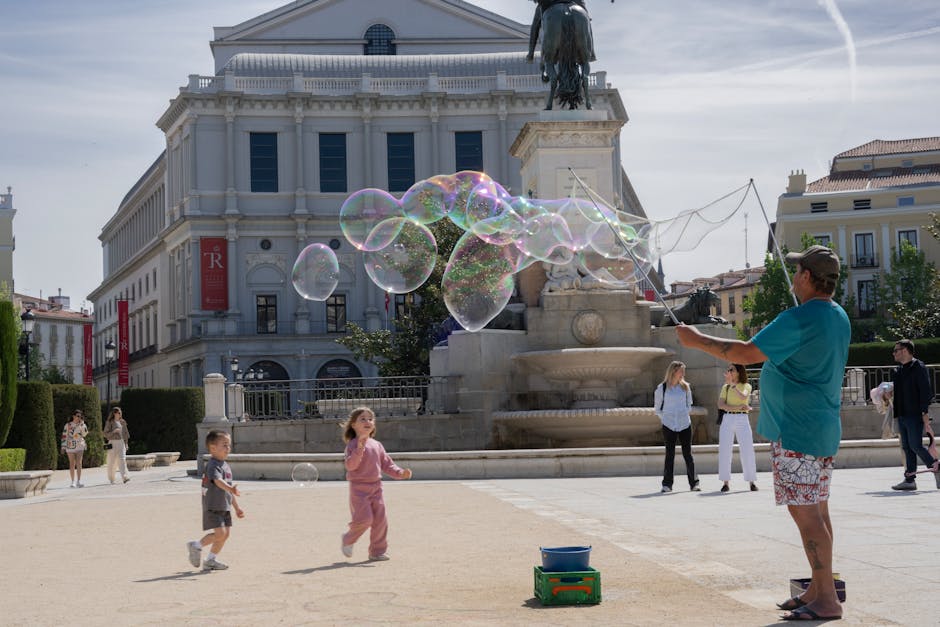
Best Family Attractions in Madrid
Retiro Park: Start Here
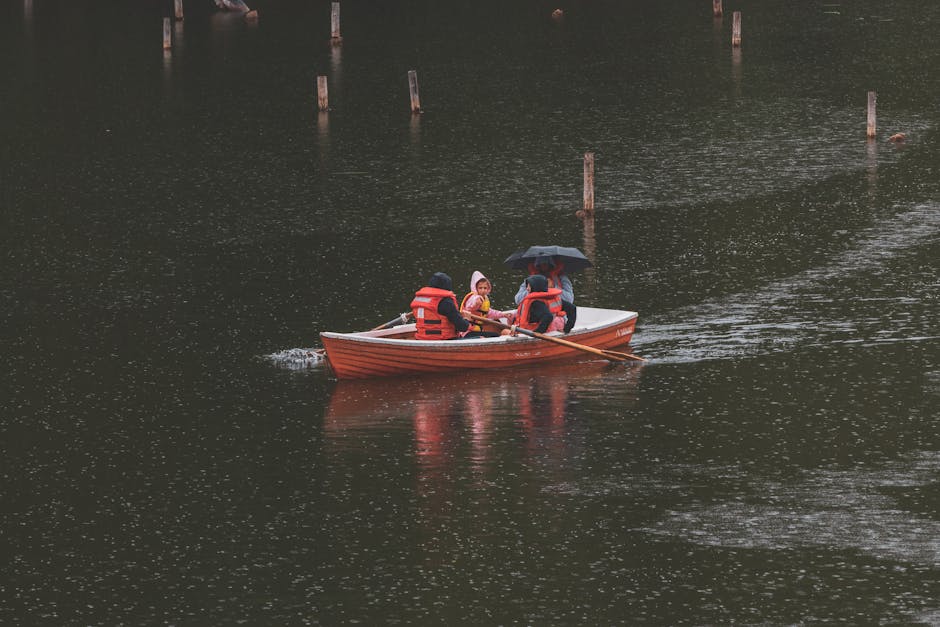
Every family itinerary begins at Retiro Park. This 125-hectare green oasis southeast of the city center offers more than any single day can absorb. The rowing boats on the Estanque Grande cost €6–8 for 45 minutes and are a highlight for children aged 4 and up — paddling past the Alfonso XII monument while ducks crowd around the hull is a memory that sticks. On weekends and holidays from spring through autumn, the Teatro de Títeres (puppet theater) puts on free shows around noon; arrive 20 minutes early for the good grass spots up front.
The Crystal Palace (Palacio de Cristal) fascinates kids with its glass walls and rotating contemporary art installations — free, and usually sparsely visited by mid-afternoon. Multiple playgrounds are scattered through the park; the most substantial ones sit near the Ángel Caído statue and along Paseo de la Argentina. The main paths are stroller-friendly on paved surfaces, though some secondary routes run on gravel. Pack a picnic — a Mercadona is within a 5-minute walk of the Puerta de Alcalá entrance.
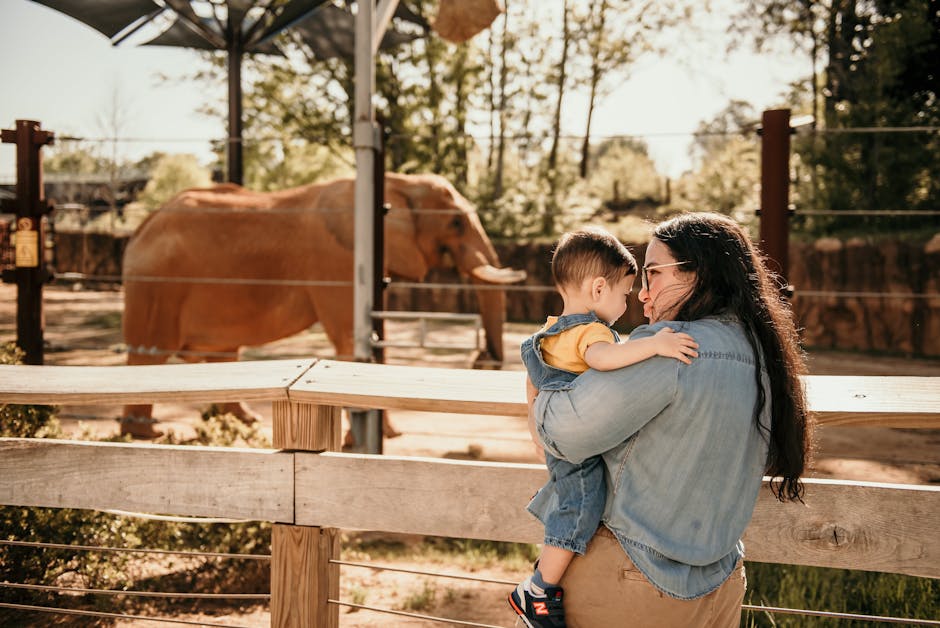
Madrid Zoo Aquarium
The Zoo Aquarium de Madrid in Casa de Campo houses over 6,000 animals across 500 species. The giant panda exhibit, the dolphin shows (three or four daily performances), the shark tunnel in the aquarium section, and a children’s petting zoo cover most age groups in one place. Six dining options range from cafeteria-style to table service.
Admission runs around €24 for adults, €19 for children aged 3–7, free under 3 (2026). Book online to save €2–4 per ticket and skip the ticket queue. The zoo opens at 10:30 AM; closing times shift seasonally (5 PM winter, 8:30 PM summer). Plan 4–5 hours. Metro Line 10 to Casa de Campo station, then a 10-minute walk, gets you there without a car. Alternatively, take the Teleférico cable car from Paseo del Pintor Rosales — the 11-minute ride over the treetops is itself an attraction and costs around €6 one-way or €9 return.
Faunia: Ecosystems and Dinosaurs
Faunia organizes 300+ species into themed ecosystems — polar habitat, tropical jungle, nocturnal zone — with stronger interactive elements than a traditional zoo. The penguin exhibit lets visitors walk through an Antarctic environment alongside the birds. A dinosaur section with life-sized replicas captivates children aged 3–10. Located in Vicálvaro (metro Valdebernardo, Line 9), it is further from the center but equally straightforward to reach. Admission is around €22 for adults, €17 for children, with frequent online family-ticket promotions. Allow 3–4 hours.
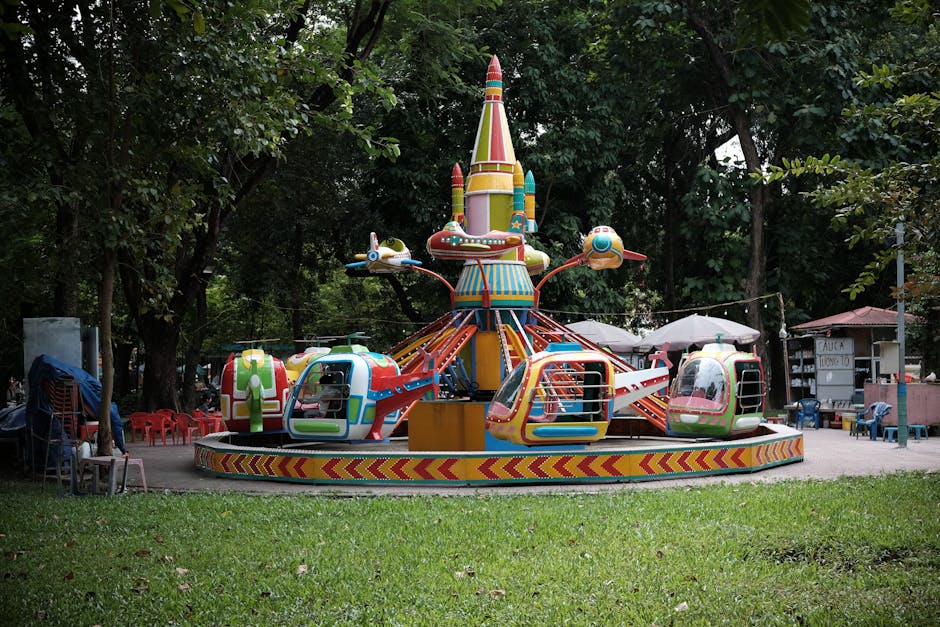
Parque de Atracciones de Madrid
Madrid’s main amusement park sits inside Casa de Campo and divides into four zones: thrill rides, family rides, gentle toddler rides, and a Nickelodeonland character area with meet-and-greets for the youngest visitors. Admission runs approximately €25–35 depending on season; book online. The park runs fullest hours from June through September, with reduced weekend schedules in spring and autumn. A full day fills 5–7 hours easily, and on-site dining — while tourist-priced — saves the complexity of leaving and returning mid-day.
Parque Warner Madrid
Twenty-five kilometers southeast of the center in San Martín de la Vega, Parque Warner combines DC Comics, Looney Tunes, and Hollywood themes across multiple areas. Batman roller coasters, the Superman ride, and a dedicated young children’s zone serve different age groups. Warner Beach water attractions help on hot summer afternoons. Day tickets cost around €35–45 for adults, €25–35 for children, with significant online discounts. Get there by car (30–40 minutes) or by the seasonal shuttle from Estación Sur bus station. This is a full-day commitment — the park is large enough that rushing shortchanges it.
Museums That Kids Actually Enjoy
Museo Nacional de Ciencias Naturales
The Natural Science Museum near Plaza de Colón is a perennial family favorite. The dinosaur hall with full-scale skeletal reconstructions captivates children of all ages; weekend family workshops include hands-on science activities. Admission is around €7 for adults, free under 4, reduced for ages 4–16. Free entry Saturday afternoons and all day Sunday.
Museo del Ferrocarril (Railway Museum)
Housed in the beautiful 19th-century Delicias station, the Railway Museum displays vintage steam, diesel, and electric locomotives that children can often climb aboard. Interactive exhibits explain how trains work, and on select weekends a miniature train runs around the grounds. The monthly Mercado de Motores market transforms the space into a festive outing with food trucks and artisan stalls. Admission around €6 for adults, free under 4.
The Prado with Children
Keep visits short — 60–90 minutes maximum — and make them interactive. Pick 10–15 paintings to hunt down rather than attempting a sweep of all 120 galleries. Children respond well to Velázquez’s Las Meninas (find the princess, the mirror showing the king and queen, the dog), Bosch’s Garden of Earthly Delights (endless strange creatures), and Goya’s more dramatic canvases. Family audio guides are available at the entrance. Entry is free for under-18s at all times; free evening slots (6–8 PM Tuesday–Saturday, 5–7 PM Sunday) let families drop in without any cost at all.
👉 Full guide: Prado Museum tickets, hours, and visitor tips
Other Kid-Friendly Museums
The Museo de Cera (Wax Museum) near Plaza de Colón features 450+ life-size figures. The Museo de Ilusiones (Museum of Illusions) near Sol provides optical illusion rooms that entertain the whole family. OXO Museo del Videojuego lets children play classic and modern gaming consoles across generations of video game history. For rainy days, see our full guide to what to do in Madrid when it rains — it lists all the best indoor options with current prices.
Parks and Outdoor Spaces
Madrid Río: The City’s Best Playground Complex
Madrid Río is the outdoor secret most tourists never find. Stretching over 10 kilometers along the Manzanares River, this modern urban park contains 17 playground areas with 65 distinct play structures. Playground Hill has enormous slides built into hillsides; the Log Jungle offers climbing structures made from natural materials; rope bridges, zip lines, and water splash zones keep active children entertained for hours. The park is flat, fully stroller-accessible, and dotted with drinking fountains, public restrooms, and café terraces where parents can sit while children play within sight. Accessible from Príncipe Pío, Puerta del Ángel, and Pirámides metro stations.
The beach area near Puente de Toledo has sand play and shallow water features for toddlers in warm months. Older children use the skateboard park and outdoor fitness equipment. Madrid Río connects to Casa de Campo via bridges, creating a continuous green corridor.
👉 For the full overview of Madrid’s parks and outdoor spaces
Casa de Campo: Urban Forest
At over 1,700 hectares — five times Central Park — Casa de Campo gives families an escape into real forest without leaving the city. Beyond the zoo and amusement park, it has a large lake with rowing boats, cycling paths, outdoor swimming pools (June–September), and shaded picnic areas. The Teleférico cable car from Paseo del Pintor Rosales flies over the treetops in an 11-minute journey that children find exhilarating regardless of the destination.
Additional Green Spaces
The Jardines de Sabatini beside the Royal Palace offer manicured gardens with fountains in an enclosed, traffic-free space. The Templo de Debod park has open grass and a sunset viewpoint worth catching with kids. The Parque del Oeste connects to the Teleférico station and has a lovely rose garden. Families in Salamanca are well-served by the Jardines del Descubrimiento near Colón, which has a modern playground and fountain area.

Family-Friendly Dining
How Madrid Dining Works for Families
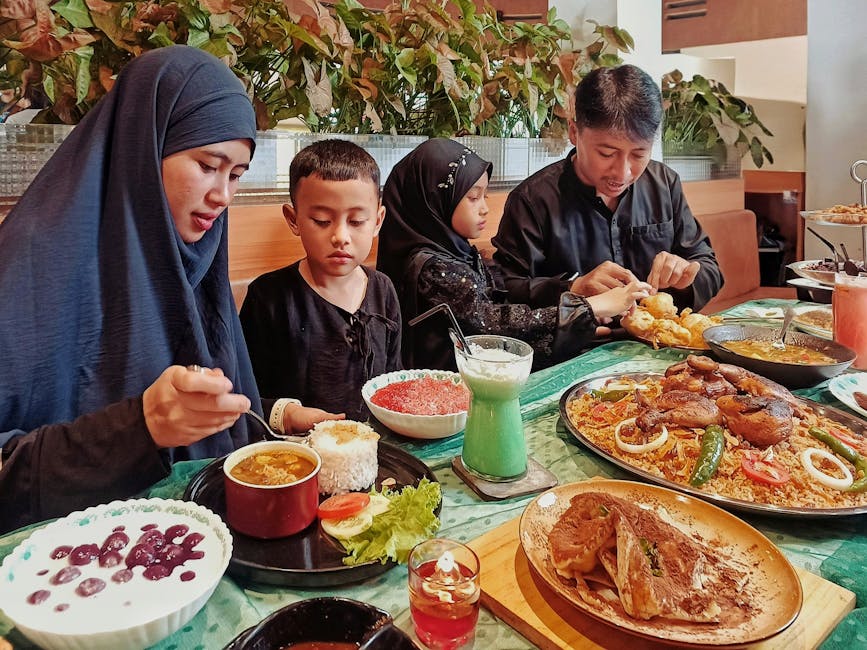
The biggest surprise for visiting families: children are genuinely welcome everywhere. Spanish dining culture includes children at virtually every meal, including late dinners. High chairs are widely available. The timing is different from northern Europe or North America — lunch at 2:00–3:00 PM, dinner at 9:00–10:00 PM. Restaurants near tourist areas serve earlier, but shifting even slightly toward Spanish timing means emptier rooms, better service, and lower noise. It also means children who nap through the afternoon siesta are alert enough to enjoy evening outings.
Best Strategies for Families
The menú del día at lunchtime (1:00–4:00 PM, Monday–Friday) is the best family value in Madrid: three courses with drinks, typically €12–17 per adult. Children often share from adult portions or order a smaller first course. For breakfast, most cafés serve tostadas (toast with tomato and olive oil) and pastries for €3–6 per person — fast, easy, and filling before a morning at the zoo.
For casual family dinners, cervecerías (beer halls) and tabernas in Chamberí, Argüelles, and La Latina serve generous tapas in informal settings where children can be themselves. Many bars near Madrid Río and Retiro Park have outdoor terraces adjacent to playgrounds — parents can enjoy a caña while children play within view.
Must-Try Experiences with Kids
Churros con chocolate at Chocolatería San Ginés is non-negotiable. The thick, dark chocolate for dipping is intensely rich — one portion serves a family of four. This 24-hour establishment works as a breakfast treat or a late-night reward with equal success. Order the chocolate thick (espeso), not liquid.
Getting Around Madrid with Kids
Metro Tips
Madrid’s metro is the most practical family transport. Most stations have elevators, though it’s worth checking the Madrid Metro app’s accessibility map for specific stations before setting out — older stops sometimes lack lifts. Children under 4 travel free. Ages 4–6 can apply for a free Tarjeta Infantil at metro ticket offices, allowing free travel across all zones. The 10-ride Metrobús card (€12.20) can be shared: pass it back for each person to tap.
Stroller Navigation
The main avenues and pedestrianized streets of the center handle strollers well. The challenge is cobblestones in La Latina, parts of Sol, and around Plaza Mayor — a stroller with robust wheels survives these better than ultralight travel models. Buses have ramps and designated stroller spaces. The Prado and most major museums allow strollers, and the Prado loans them free of charge at the entrance.
Taxis and Ride-Sharing
Spanish law requires appropriate car seats in all vehicles, but taxi drivers in Madrid rarely carry them. If you need a car seat, book through Cabify, which offers a child seat option. For airport transfers with young children, pre-book a private transfer with a seat — typically €40–60, and worth every euro compared to juggling bags and a toddler on the metro at 6 AM.
Sample Family Itineraries
3-Day Madrid Family Itinerary
Day 1 — Parks and Palaces. Start at the Royal Palace (free for EU children under 18, otherwise around €5 for children) — a focused 45-minute highlights tour covers the Throne Room and Royal Armory without losing young attention spans. Walk through Jardines de Sabatini, then head to Templo de Debod for views and running space. Lunch at a terrace restaurant near Príncipe Pío. Afternoon at Madrid Río playgrounds, finishing with the Teleférico cable car back up to Paseo del Pintor Rosales.
Day 2 — Culture and Nature. Morning at the Prado (free under-18s; keep the visit to 60–90 minutes). Walk directly into Retiro Park for rowing boats, the weekend puppet show, and playground time. Pack a picnic lunch or eat at the park café. Afternoon at the Crystal Palace and rose garden. End with churros at San Ginés.
Day 3 — Animals and Thrills. Full day at Madrid Zoo Aquarium or Faunia — choose based on your children’s ages. Zoo works better for younger children; Faunia’s ecosystem and dinosaur focus appeals to the 6–12 age group. If both attractions are in the plan, split the day: zoo in the morning, Parque de Atracciones in the afternoon (both in Casa de Campo). Evening dinner in La Latina.
5-Day Extensions
Day 4 — Science and Shopping. Natural Science Museum in the morning for the dinosaur hall. Wax Museum at Plaza de Colón if children are keen. Afternoon shopping at El Corte Inglés (excellent toy and children’s sections) or browsing Malasaña’s quirky shops. Evening: family paella-making class (several operators run workshops suitable for ages 5+).
Day 5 — Day Trip. Take the AVE to Toledo (40 minutes from Atocha, around €13–25 round trip). Children love the sword-making shops, city walls, and the panoramic views from Puente de San Martín. A half-day covers the essentials; return for a farewell dinner in Madrid.
Age-Specific Tips
Babies and Toddlers (0–3)
Pharmacies stock all major formula and baby food brands. Diaper-changing facilities are in most museums, shopping centers, and larger restaurants. El Corte Inglés has nursing rooms. Plan morning outings and return to your accommodation for afternoon naps — this aligns with Madrid’s natural rhythm, when shops close from 2:00–5:00 PM anyway. Baby-carrier slings are more practical than strollers on narrow streets and metro stairs.
Young Children (4–7)
This age group thrives in Madrid. The playgrounds at Madrid Río and Retiro match or beat anything at home. Natural Science Museum, the Railway Museum, and the Zoo keep attention spans engaged. Swimming pools in Casa de Campo handle hot-weather afternoons. Consider apartment accommodation with a kitchen — familiar breakfast foods and the ability to make simple snacks reduces mealtime stress considerably.
Older Children (8–12)
Older children can genuinely engage with Madrid’s cultural offerings. The Prado and Reina Sofía work well when framed as treasure hunts rather than passive viewing. The Bernabéu Stadium tour is a highlight for football fans. Escape rooms (Madrid has dozens) deliver memorable family challenges. This age group enjoys navigating the metro system independently — give them a card and basic Spanish phrases, and let them order food at restaurants.
Teenagers (13+)
Gran Vía shopping, Malasaña street art, and the vintage markets of El Rastro give teens independent exploration options. Cooking classes, flamenco workshops, and the Bernabéu tour provide structured activities teens actually want to do. For evenings, escape rooms, the bowling complex at Chamartín, and the cinema complex at Callao (original-version films with Spanish subtitles) offer alternatives to family dinners every night.
Practical Tips
Where to Stay with Kids
Apartment rentals give the best family value. A two-bedroom apartment in Chamberí or Argüelles runs €100–150 per night and provides a kitchen, laundry, and space to spread out. For hotels, look for family rooms or connecting rooms in the Salamanca and Retiro areas — safe, green-space-adjacent, and well-connected by metro. Our guide to family-friendly hotels in Madrid covers the best picks with real room-size details.
Free Activities
The list of genuinely free things in Madrid is longer than most visitors expect: all three of the major national museums are free for under-18s; the Retiro Park, Madrid Río, Casa de Campo, Templo de Debod, and Jardines de Sabatini cost nothing; the Retiro puppet theater is free on weekends. For the full rundown, see our free things to do in Madrid guide.
Health and Safety
Madrid is extremely safe for families. The main risk is petty pickpocketing in crowded areas — use zipped bags, especially on the metro and around Plaza Mayor. Pharmacies are abundant; pharmacists can advise on minor ailments without an appointment. Sun protection is essential from May through September — Madrid sits at 650m and UV exposure is stronger than at the coast. For emergencies, the European number 112 connects to all services in English.
Budget Tips
Children under 18 enter most national museums free. The menú del día works beautifully for family lunches. Children aged 4–6 ride the metro free with a Tarjeta Infantil card. Bring snack supplies and water bottles from a supermarket to avoid overpriced tourist-area purchases. The siesta period (2:00–5:00 PM) is ideal for resting at your accommodation, which also reduces expensive afternoon activity spending.
When to Visit Madrid with Kids
April–May and September–October are the best months: temperatures of 18–26°C, outdoor attractions fully operational, and school-holiday timing that often aligns with travel windows. Summer (July–August) brings 35–40°C heat that limits outdoor activity between 1:00–6:00 PM, but parks stay light until 10 PM for evening sessions that are genuinely pleasant. Winter offers shorter queues and lower prices; Christmas markets and January 6 celebrations add real festive atmosphere. The San Isidro festival in mid-May is a lovely time to visit — street performers, traditional food stalls, and live music fill the neighborhoods for two weeks.
Day Trips with Children
Toledo: Medieval Adventure (30 min by AVE)
Toledo rewards families with sword-making shops, the Alcázar fortress, and panoramic views from Puente de San Martín that feel like a real castle storybook. The city is compact enough to walk in 3–4 hours. AVE tickets cost around €13–25 round trip for adults; under-4s travel free, ages 4–13 get significant discounts.
👉 Full details: Toledo day trip from Madrid
Segovia: Castles and Aqueducts (30 min by train)
Two landmarks that capture children’s imaginations: the Roman Aqueduct (a massive stone structure built without mortar) and the Alcázar, a fairy-tale castle with a tower climb and armor displays. The narrow-gauge train from Chamartín costs around €12–22 round trip.
Parque Europa in Torrejón de Ardoz (20 km, free)
This free theme park recreates 17 famous European monuments at reduced scale — the Eiffel Tower, Tower Bridge, the Trevi Fountain, and more. Playgrounds, a boating lake, and seasonal attractions make it a genuinely enjoyable family outing, especially for younger children who would struggle with a full cultural day. Take the Cercanías commuter train to Torrejón de Ardoz.
Related Madrid Guides
- Retiro Park: 15 activities and what to see — the top family outdoor destination
- Family-friendly hotels in Madrid — best picks with family rooms and cribs
- Madrid parks and outdoor activities — complete guide to green spaces
- Prado Museum visit guide — how to make it work with children
- What to do in Madrid when it rains — indoor backup plans for families
- Free things to do in Madrid — the complete free-activity list
- Things to do in Madrid — the full city guide
Frequently Asked Questions
Is Madrid good for families with young children?
Yes. Spanish culture genuinely welcomes children in restaurants, parks, and public spaces. Madrid’s enormous free green spaces (Retiro, Madrid Río, Casa de Campo), free museum entry for under-18s, and efficient metro make it one of the more family-practical cities in Europe.
What age is best for visiting Madrid with kids?
Any age works, but the 4–12 range gets the most out of the combination of playgrounds, zoo, museums, and amusement parks. Teenagers enjoy the street culture and independent exploration. Toddlers do well given the stroller-accessible parks, though cobblestones in the historic center require a robust stroller.
How much does a family day out in Madrid cost?
A full day at the Zoo Aquarium costs around €43 for one adult and one child (2026). A free day — Retiro Park, Madrid Río playgrounds, Prado Museum — costs literally nothing beyond food. Most families spend €50–120/day on activities depending on their choices.
Do Madrid restaurants have children’s menus?
Many do, though they are not universal. Restaurants catering to locals often just adapt regular dishes to smaller portions. High chairs are widely available. The menú del día at lunchtime (€12–17) is the best family-value option — children often share from adult plates.
Is the metro stroller-friendly?
Mostly yes — most stations have elevators, and children under 4 travel free. Check the Madrid Metro accessibility map (available in the app) for specific stations before traveling with a pram, as some older stops still lack lifts.