Madrid doesn’t really have an off-season for celebrations. There’s a Three Kings Parade in January that takes over the Castellana for the evening. A Pride festival from late June into early July that the organizers say draws about two million people to its march and essentially moves the entire city to Chueca. San Isidro in May, which is the city’s patron saint festival but functions more like a week-long neighborhood takeover where people actually dress in traditional chulapo costume and dance the chotis in plazas. Then a Christmas light display on Gran Vía so elaborate that people photograph it from the metro entrance on the first night. If you pick your travel dates around the calendar, you’ll experience a completely different city than the one showing up for a quiet cultural visit. This guide maps every major festival and event month by month, with what it’s actually like to be there.
👉 For what to do outside festival periods, see our things to do in Madrid guide.
January: Three Kings and the Start of Rebajas
Cabalgata de Reyes — January 5
In Spain, it’s the Three Kings who bring gifts to children on January 6 (Día de Reyes), not Father Christmas on December 25. Madrid’s January 5 parade is a spectacular one. The 2026 edition had around 2,100 participants, three royal floats and twelve more, live music — and Gaspar, Melchior, and Balthazar throwing sweets to the crowds. The procession sets off at 6 PM from Plaza de San Juan de la Cruz and follows Paseo de la Castellana and Paseo de Recoletos to Plaza de Cibeles. Best viewing spots are along the Castellana and Recoletos; arrive at least two hours early for a standing position.
Madrid Fusión — Late January
Madrid Fusión is an international gastronomy congress at IFEMA MADRID, bringing chefs from Spain and abroad to its stage. The main conference is industry-facing, but it generates a citywide ripple — many top restaurants offer special tasting menus during the week, and pop-up events give food-focused visitors access to chefs and concepts they wouldn’t otherwise reach. Good time to book a table somewhere ambitious.
Also: January is the month of the winter rebajas (sales). Genuine discounts of 20–50% across all shopping districts for six weeks. For shopping context, see our Madrid shopping guide.
February: ARCO, Carnival, and Gastrofestival
ARCO Madrid — February
ARCO is Spain’s premier international contemporary art fair, held at IFEMA. Over 200 galleries from 30+ countries participate, and the surrounding Gallery Week transforms Madrid’s art scene — special exhibitions, openings, and events across major museums and galleries. Tickets to the fair are around €40, but most Gallery Week events are free. A genuinely exciting week if contemporary art is your focus.
Carnival (Carnaval) — Variable Dates, Pre-Lent
Madrid’s Carnival is more low-key than Cádiz or Tenerife but genuinely fun in La Latina and Lavapiés, where street parties lean satirical and creative. The traditional closing ceremony — Entierro de la Sardina (Burial of the Sardine) on Ash Wednesday — is a mock funeral procession through La Latina where participants in mourning clothes carry a sardine effigy to its burial. Tradition traces the ceremony to the 18th century, in the reign of Charles III, and Goya painted it.
Gastrofestival — Dates Vary
A citywide programme of food events in restaurants, bars, and cultural venues; esmadrid.com’s food-events listings carry each edition’s dates and line-up. A good time to sample restaurants you couldn’t normally afford, at promotional prices. For the best food addresses throughout the year, see our Madrid food guide.
March–April: Holy Week and the Marathon
Semana Santa (Holy Week) — March or April, Variable
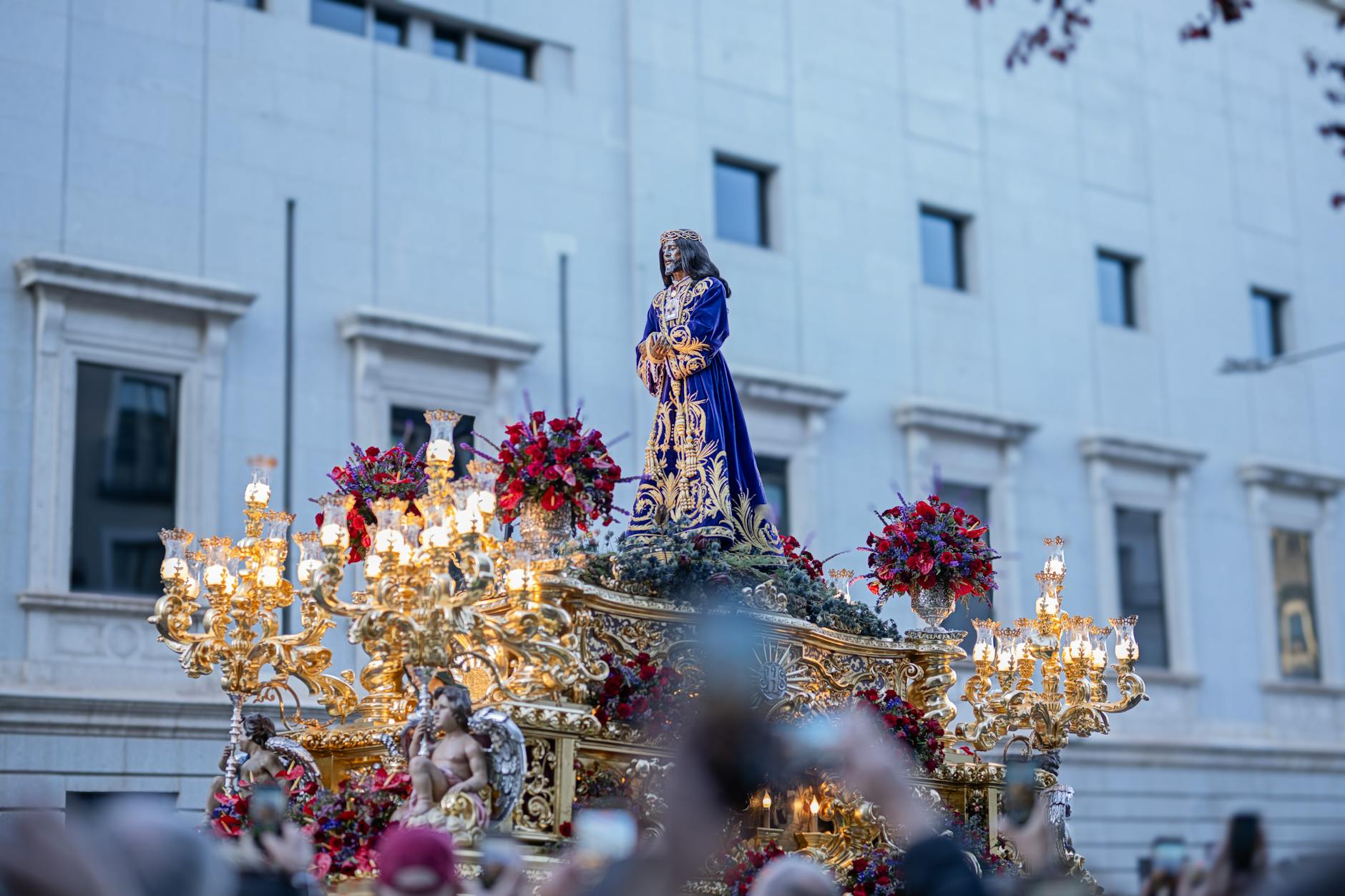
Seville and Málaga host the famous processions, but Madrid’s Holy Week has its own quiet power. Religious brotherhoods (cofradías) carry elaborate floats bearing sculptures of Christ and the Virgin through the historic center, with drums and candles and centuries of devotion. The most impressive processions are on Holy Thursday and Good Friday, passing through Sol, Plaza Mayor, and Calle Mayor. The Procesión del Silencio on Good Friday night is particularly affecting — the silence itself is part of the performance.
Seasonal food: torrijas (bread soaked in wine and honey, then fried) appear in bakeries and bars throughout the city during Holy Week. Worth trying once.
Madrid Marathon — Late April
About 47,000 runners took part in 2026 across the 10K, half and full marathon. The route changes from year to year: in 2026 it started on the Castellana and passed the Bernabéu, Gran Vía, Sol, the Royal Palace, Casa de Campo, Atocha and the Prado before finishing at Recoletos and Cibeles. The 2027 race is on April 25. Even non-runners enjoy the festive atmosphere — live bands positioned along the route, excellent spectator viewpoints throughout. Registration opens approximately six months in advance.
May: San Isidro — Madrid’s Greatest Festival
Dos de Mayo — May 2
The Community of Madrid’s regional holiday commemorates the 1808 uprising against Napoleon’s occupying forces — the rebellion immortalized by Goya in The Second of May and The Third of May, both now hanging in the Prado. In Malasaña, Plaza del Dos de Mayo takes its name from the date, and the holiday is a good day to walk the neighborhood without the usual tourist overlay.
👉 Neighborhood guide: Malasaña Madrid
Fiestas de San Isidro — Mid-May
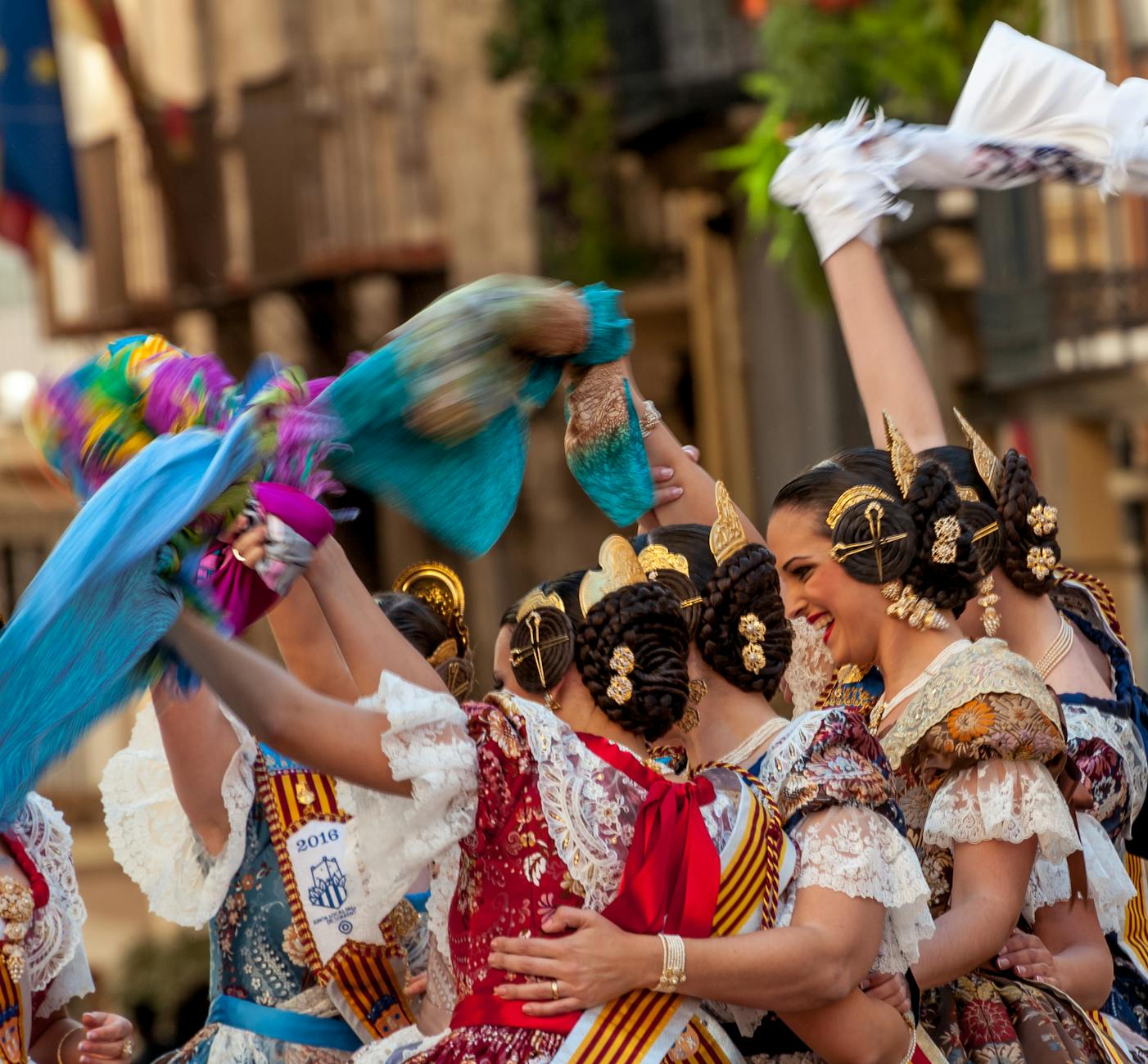
San Isidro is the definitive Madrid festival. It celebrates the 12th-century farm worker who became the city’s patron saint, and its popular heart is the Pradera de San Isidro — a meadow near the Ermita de San Isidro on the Manzanares riverbank. In 2026 the festivities ran May 7–17; the 2027 dates appear in the official programme on sanisidromadrid.com. On May 15 (the feast day), thousands of Madrileños arrive in traditional chulapo and chulapa costume — checked caps, waistcoats, polka-dot headscarves — for picnics, lemonade from clay jugs, and rosquillas (ring-shaped donuts in four varieties: tontas, listas, francesas, and de Santa Clara).
Free concerts at Las Vistillas park look across to the Casa de Campo while traditional bands play. Plaza Mayor hosts chotis dancing — couples spin on a single tile, the man turning while the woman orbits. The Pradera fills with fairground rides and food stalls. The feria at Las Ventas bullring (the most important bullfighting season in the world) runs alongside the festival for a month of daily corridas.
Madrid Open (Mutua Madrid Open) — Late April to Early May
A Masters 1000 tournament, held at the architecturally impressive Caja Mágica complex. The ATP and WTA events run together as one combined tournament, so top men’s and women’s players compete at the same venue; the 2027 edition runs April 19–May 2. Tickets from €20 for early-round general admission to several hundred euros for finals. Rafael Nadal and Carlos Alcaraz play to home-crowd intensity here that no other tournament replicates.
June–July: Pride and Summer Festivals
Madrid Pride (MADO) — Late June to Early July
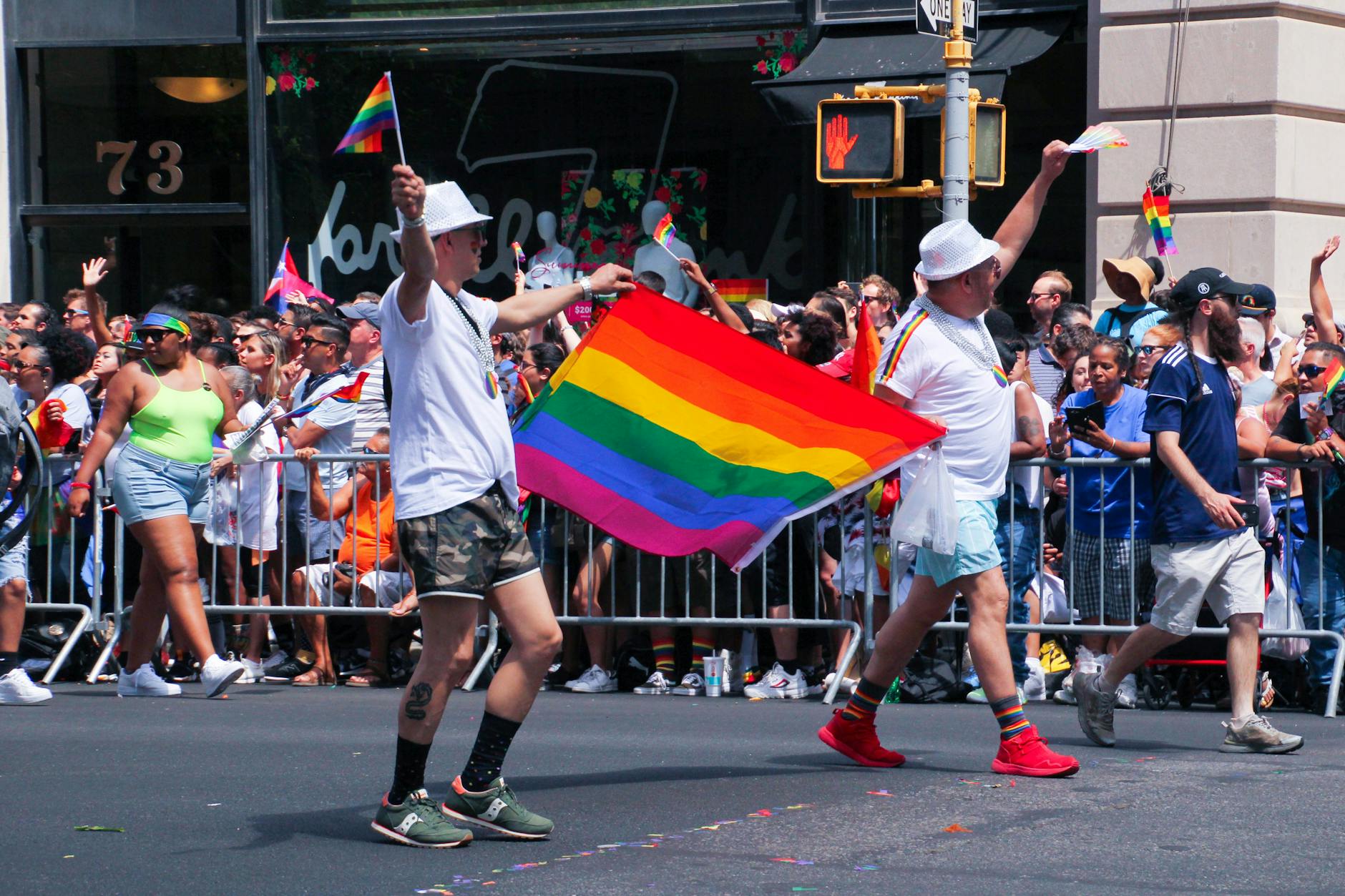
One of Europe’s largest LGBTQ+ celebrations — the organizers put the march at about two million people. It normally takes place on the first Saturday of July, from Atocha to Plaza de Colón along Paseo del Prado and Paseo de Recoletos; each edition’s programme is on madridorgullo.com. The Chueca neighborhood runs non-stop: stages at Plaza de Chueca and Plaza del Rey, concerts and DJ sets from afternoon until dawn, every bar and terrace full. Madrid’s first Pride march took place in 1978, and the event has grown from a political protest into one of Europe’s major Pride celebrations. The atmosphere is overwhelmingly positive and safe.
Book accommodation 2–3 months in advance — central hotels fill completely and prices jump 30–50%. Arrive at the parade route by mid-morning for a good position along Paseo del Prado.
👉 Neighborhood guide: Madrid neighborhoods and districts — including Chueca
Suma Flamenca — June
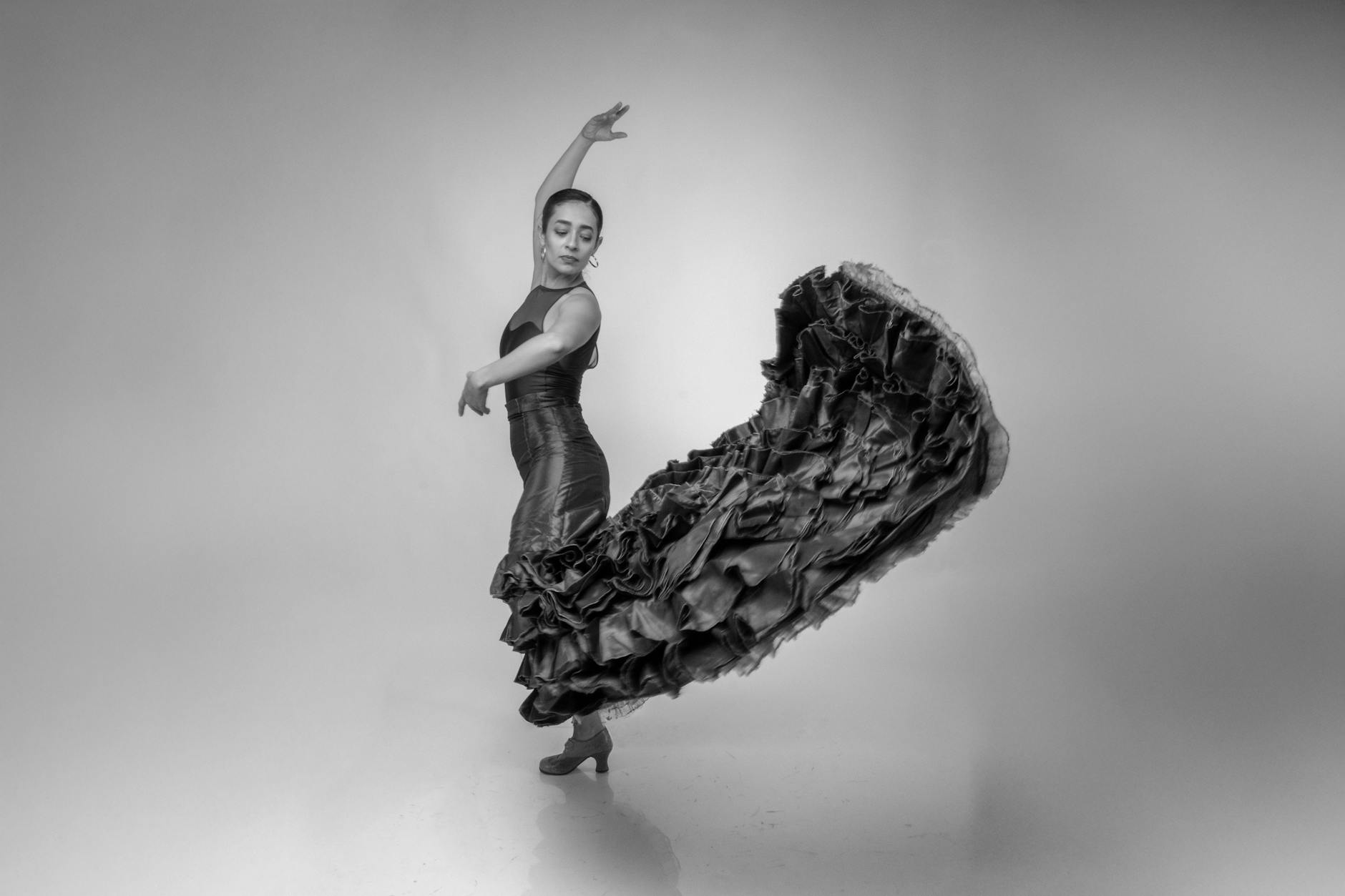
Madrid’s most important dedicated flamenco festival, presenting leading artists in theaters and tablaos across the city over several weeks. Tickets vary by event (€15–60), but the standard is consistently high — this is serious flamenco, not the tourist-packaged variety. Beyond the festival, Madrid’s tablaos (Corral de la Morería, Cardamomo, Casa Patas) offer nightly shows year-round.
👉 For tablao recommendations and prices: flamenco dinner shows in Madrid
Noches del Botánico — June to August
World-class artists (Diana Krall, Patti Smith, Norah Jones have played here) in the gardens of the Complutense University, with audiences seated under stars surrounded by ancient trees. Capacity around 4,000, so every seat is good. Tickets €30–70 depending on the artist. The intimate scale makes this genuinely special — the opposite of a stadium concert experience.
Mad Cool Festival — July
Madrid’s big international music festival, held at Iberdrola Music in Villaverde. International headliners, multiple stages, three or four days in early July. Tickets go on sale in December for the following summer: day passes around €75–90, full festival passes €185–225. Check Mad Cool’s own site for shuttle and late-night transport details to the Villaverde site.
Veranos de la Villa — July to August
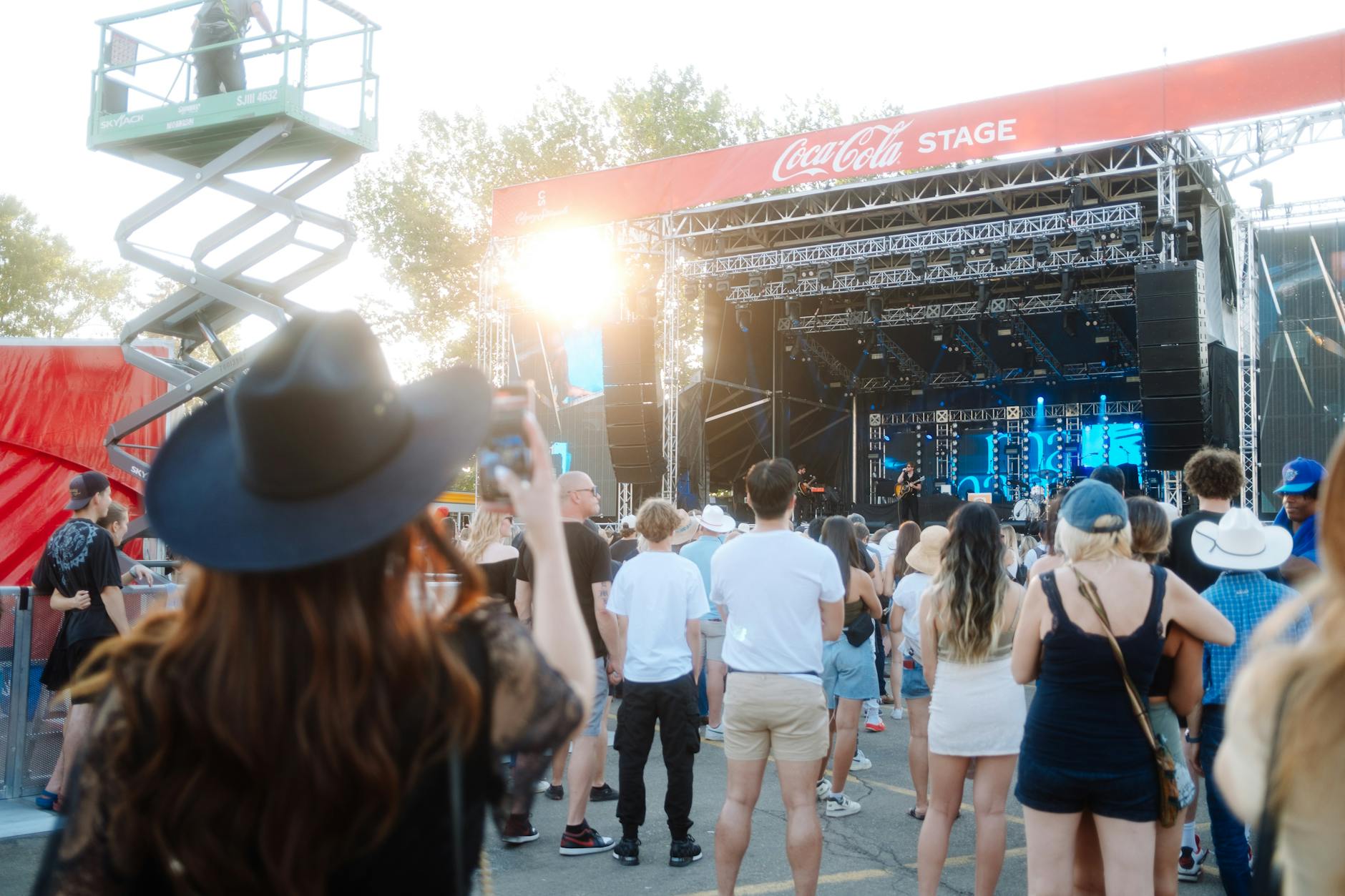
Running for over 40 years, Veranos de la Villa fills the summer with outdoor concerts, theater, dance, cinema, and circus performances across parks and neighborhood plazas. Many events are free; in 2026 the paid ones cost €7–24 at standard prices. The Conde Duque cultural center is a main venue; check madrid.es for the full program. When the heat forces a tactical indoor retreat, the cultural calendar keeps things moving.
August: Neighborhood Fiestas
Fiestas de Agosto: La Paloma, San Cayetano, San Lorenzo — Early to Mid-August
The three back-to-back neighborhood festivals of La Latina, Embajadores, and Lavapiés create close to two weeks of local celebration that most tourists miss entirely. In 2026 San Cayetano (Embajadores) ran August 4–7, San Lorenzo (Lavapiés) August 8–11 and La Paloma (La Latina) August 13–16; the city’s listing on esmadrid.com has the 2027 programme once it is out. Religious processions, outdoor concerts, street food, and late-night verbenas (neighborhood dances in the streets). La Paloma’s day itself is August 15, when the fiesta takes over La Latina streets that are otherwise known for Sunday El Rastro crowds. If you’re in Madrid in early August and wondering where the locals are, this is it.
👉 For La Latina context: Madrid nightlife guide
September–October: Cultural Autumn
La Noche en Blanco (White Night) — September
One night each September (September 13–14 in 2025), museums, galleries, and cultural spaces open free, all night, with special programming; in 2025 more than 250 took part. The city announces each year’s date and venues. Art installations in unexpected places, live performances in public squares, guided tours through normally closed buildings. The Metro runs all night. It’s genuinely magical — the city takes on a quality between nocturnal gallery and mass sleepover. Past editions have included projections on the Royal Palace, dance in metro stations, and outdoor cinema in parks.
Festival de Otoño — October to November
Madrid’s autumn performing arts festival features international and Spanish theater, contemporary dance, and experimental performance in venues ranging from traditional theaters to warehouses and industrial spaces. The festival premiers works that often go on to international acclaim — it’s a reliable way to see serious cutting-edge performance at prices below what you’d pay in London or Paris.
November–December: Christmas in Madrid
Christmas Lights and Markets — Late November to January 6
The Gran Vía Christmas lights switch on in late November, and the opening is an event in itself — tens of thousands of people walking under a new lighting design each year. The entire city center lights up: Calle de Alcalá, Paseo de la Castellana, every major shopping street.
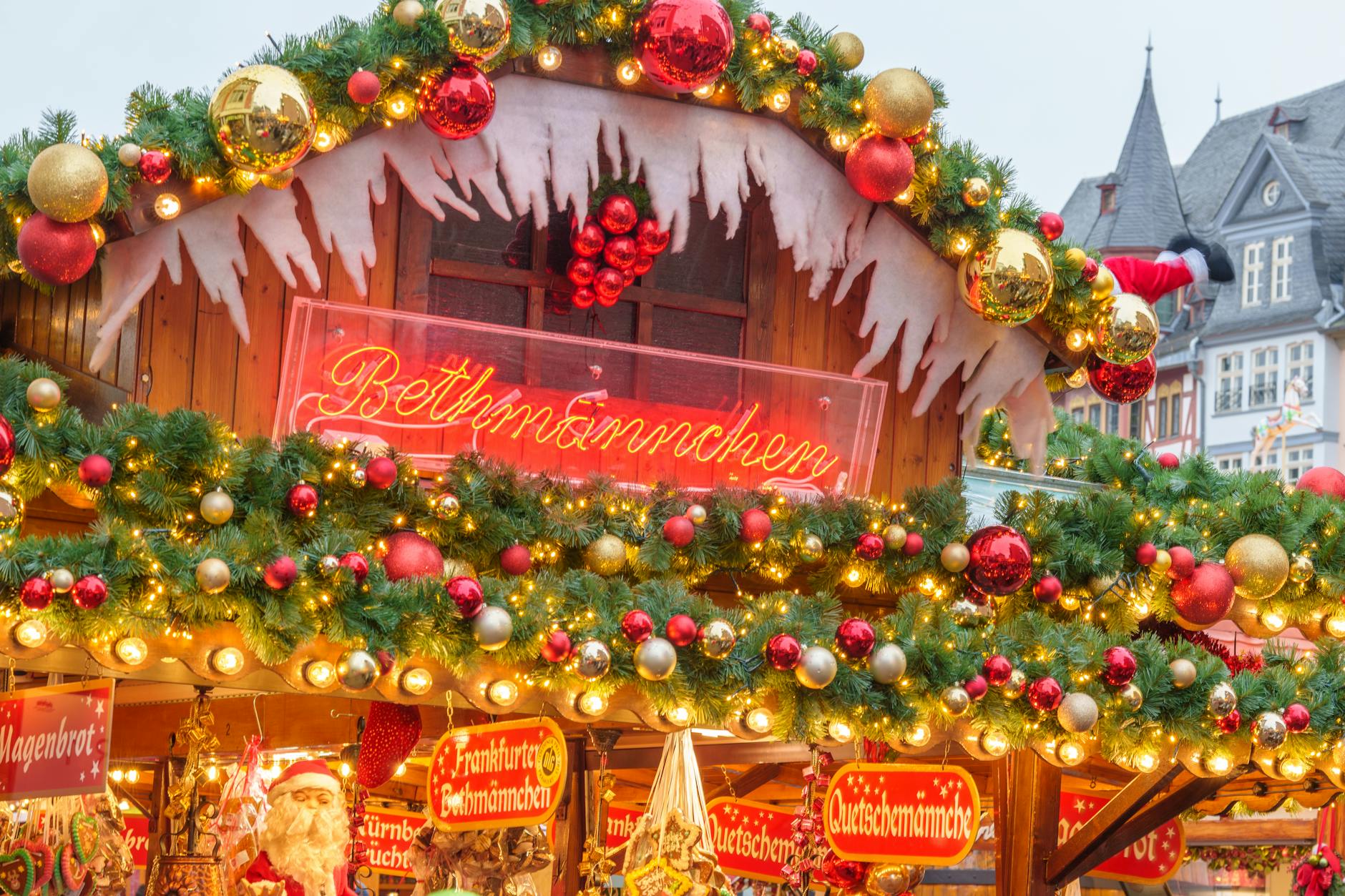
The Plaza Mayor Christmas Market — held in the square since 1860 — fills it with 104 wooden stalls selling nativity figures, decorations, and joke items. The setting is genuinely atmospheric, even if it’s become commercial. Better artisanal alternatives at Matadero and neighborhood markets. The belén (nativity scene) tradition produces extraordinary miniature displays in churches, public buildings, and dedicated exhibitions — Madrid takes nativity construction seriously in a way that surprises most northern European visitors.
Cortylandia — a massive animated mechanical Christmas display at El Corte Inglés on Calle Maestro Victoria, just off Preciados, since 1979 — draws families through the Christmas season. Specific to Madrid and genuinely charming.
Nochevieja (New Year’s Eve) — December 31
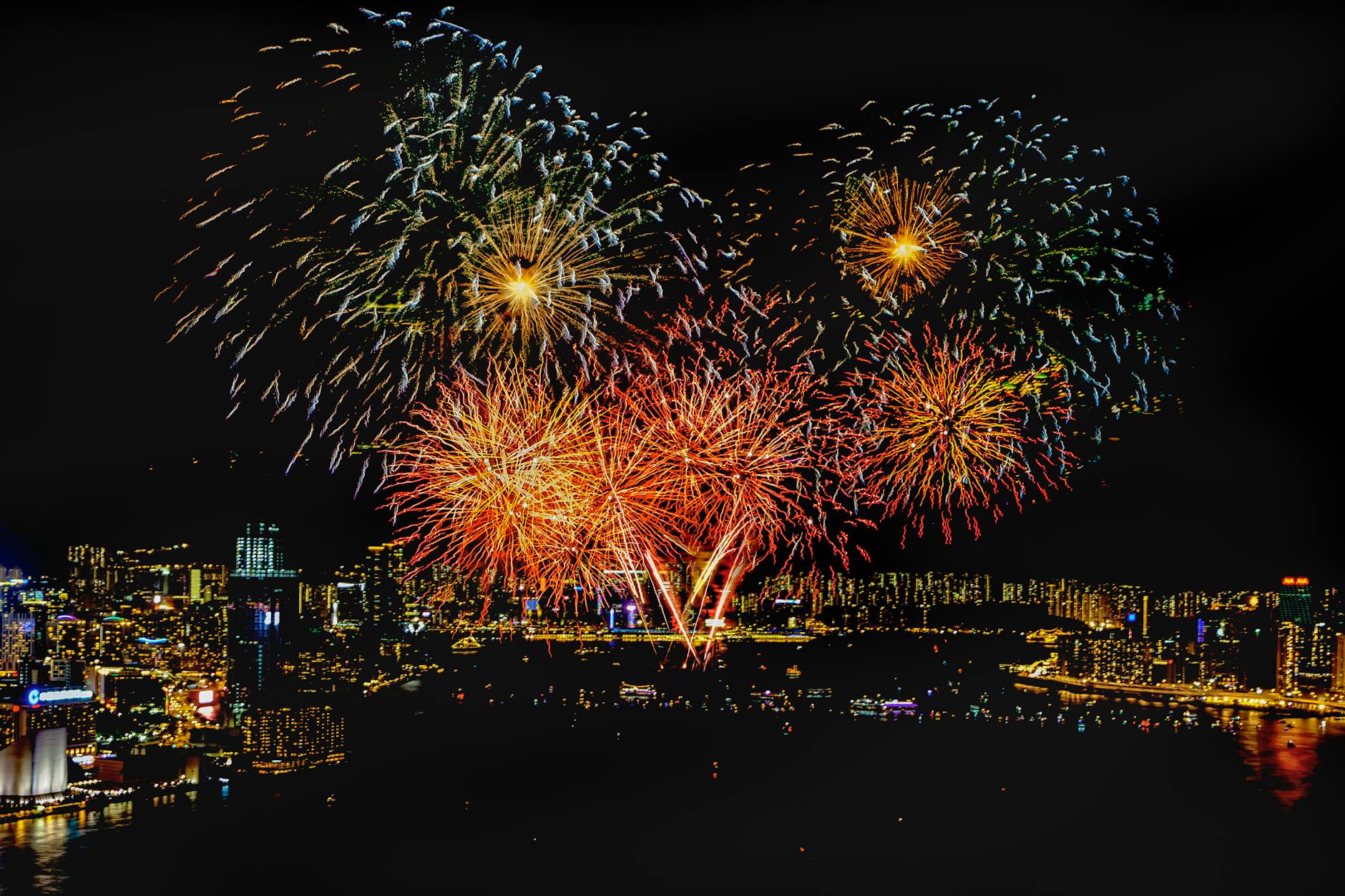
Thousands gather at Puerta del Sol to eat twelve grapes with the twelve midnight bell chimes — one grape per stroke, one for each month of luck in the coming year. The police capped the square at 15,000 people for the 2025 celebrations, so check this year’s arrangements once they are announced. The event is broadcast live nationally; it is the most watched moment on Spanish television annually. Arrive by 8 PM for a good position. Bring your own grapes (peeled and seeded in advance — speed matters). After the grapes: cava and dancing until dawn. Special cotillón dinner packages at restaurants run €80–200+ per person and include the grape ritual, dinner, entertainment, and drinks.
Year-Round Weekly Events
El Rastro (Sundays and public holidays, 9 AM–3 PM): La Latina’s legendary flea market — more than 1,000 vendors, antiques, vintage clothing, curiosities, books, leather goods. Running since at least the 15th century. Not a festival exactly, but a weekly ritual that’s as much a social event as a shopping trip. The surrounding bars fill with post-market crowds doing Sunday tapas.
Mercado de Motores (second weekend of each month): Design market in the Railway Museum — vintage shopping, food trucks, live music, craft vendors, surrounded by historic locomotives. Free entry; 11 AM–10 PM Saturday, until 8 PM Sunday.
First Thursdays Gallery Night: On the first Thursday of each month, Madrid’s art galleries open for evening events, often with wine and artists present. Salamanca galleries on Calle de Claudio Coello and Malasaña/Chueca independent spaces both participate — a free cultural evening with good wine.
Month-by-Month Quick Reference
January: Three Kings Parade (Jan 5), Madrid Fusión, winter sales
February: ARCO art fair, Carnival, Gastrofestival, Entierro de la Sardina
March/April: Semana Santa, Madrid Marathon (late April)
May: Dos de Mayo (May 2), Fiestas de San Isidro (mid-May), Madrid Open tennis (April 19–May 2 in 2027)
June: Suma Flamenca, Madrid Pride begins, Noches del Botánico, PhotoEspaña
July: Madrid Pride parade (first Saturday), Mad Cool Festival, Veranos de la Villa, Fiestas del Carmen
August: Veranos de la Villa, Fiestas de Agosto (La Paloma, San Cayetano, San Lorenzo)
September: La Noche en Blanco, Festival de Otoño begins
October: Festival de Otoño, Festival de Jazz, gallery season in full swing
November: Christmas lights switch-on, early Christmas markets
December: Plaza Mayor Christmas Market, Nochevieja (New Year’s Eve) at Puerta del Sol
Practical Planning Tips
Book early: Hotels fill fast during San Isidro, Pride, and Christmas. Book well in advance for those periods; prices increase 20–50% during major events.
Transport adjustments: During the Three Kings Parade, Pride, and New Year’s Eve, the Metro extends hours and central streets close to traffic. Check the EMT Madrid app for real-time updates.
Official sources: Festival dates for moveable events (Carnival, Easter, some cultural festivals) change annually. Check esmadrid.com and madrid.es/agenda for definitive current-year dates and programs.
Dress codes: San Isidro invites traditional chulapo/chulapa costume (costumes can be rented or accessories bought at Sol shops). Pride is colorful and creative. Christmas markets call for warm layers — Madrid evenings in December get cold.
Madrid’s winter festivals are smaller and stranger than its summer ones. Carnival ends on Ash Wednesday with the Entierro de la Sardina, a mock funeral for a fish that winds from Goya’s chapel at San Antonio de la Florida to a bonfire in the Casa de Campo. When it falls, and what else is on that month, is covered in Madrid in February.
Related Madrid Guides
- Things to do in Madrid — full city guide for every visit
- Madrid nightlife guide — bars, clubs, flamenco, rooftops
- Madrid neighborhoods — where each festival is centered
- Flamenco dinner shows in Madrid — tablaos, prices, and what to expect
- Malasaña neighborhood guide — home of the Movida and Dos de Mayo celebrations
- Madrid food guide — where to eat during and around festivals
- Madrid shopping guide — including the best rebajas timing
Frequently Asked Questions
What is Madrid’s most important festival?
Fiestas de San Isidro, in mid-May, is the city’s defining annual event — the most authentically Madrileño, with the Pradera de San Isidro at its heart (it ran May 7–17 in 2026). For international scale, Madrid Pride (late June–early July) is one of the city’s major annual events; organizers say its march draws about 2 million people.
What happens at Puerta del Sol on New Year’s Eve?
Thousands gather to eat twelve grapes with the twelve midnight bell chimes — one grape per stroke for luck in each coming month. Numbers in the square are capped (at 15,000 for the 2025 celebrations). It’s broadcast live nationally and is the most watched moment on Spanish television. Arrive by 8 PM for a good position; bring pre-peeled grapes.
When is Madrid Pride?
Pride runs approximately ten days from late June into early July, with the main parade on the first Saturday of July. The Chueca neighborhood is the center of activity. Book accommodation months in advance — the city fills completely.
Is there anything happening in Madrid in August?
Yes — Veranos de la Villa runs through July and August with outdoor concerts and cultural events (the 2027 programme is due in June on the festival’s website), and the Fiestas de Agosto neighborhood festivals in Embajadores, Lavapiés and La Latina (August 4–16 in 2026) are among the most authentically local events of the year. Many locals leave the city in August, but the neighborhoods that stay active are genuinely worth visiting.
What is the Three Kings tradition in Madrid?
The Cabalgata de Reyes on January 5 is a spectacular parade where the Three Wise Men (Gaspar, Melchior, Balthazar) ride floats through the city throwing sweets to crowds. In Spanish tradition, it’s the Kings who bring gifts to children on January 6 (Epiphany), making this the climax of the Spanish Christmas season.