Madrid shopping rewards the patient browser more than the tourist checklist ticker. The luxury flagships are all here — Loewe’s Gran Vía store, Chanel and Prada on Calle Serrano — but the more interesting discoveries happen on the side streets: the vintage kilo shop in Malasaña where I found a 1980s Levi’s trucker jacket for €12, the family-run jamonería in La Latina where the owner insists on cutting you a sliver before selling you anything, the ceramic tile shop near Sol where hand-painted pieces cost less than airport souvenirs. This guide covers every shopping district, what each does well, the best markets, what to bring home, and how to time the sales.
👉 For neighborhood context see our Madrid neighborhoods guide.
Madrid’s Best Shopping Districts
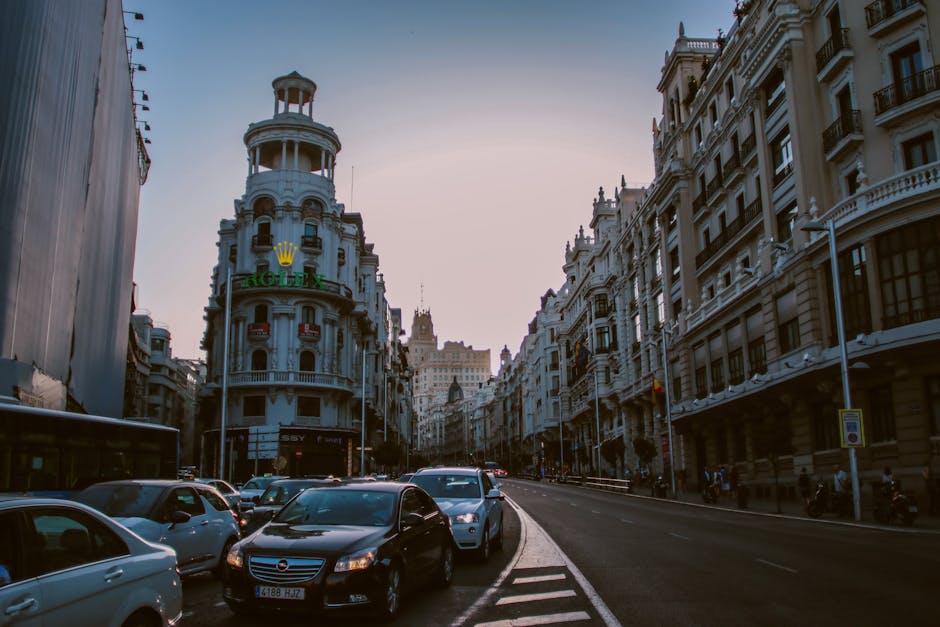
Gran Vía: Mainstream Fashion at Scale
Gran Vía is Madrid’s Oxford Street — a grand early-20th-century boulevard packed with international and Spanish fashion brands. The densest stretch runs between Plaza de Callao and Plaza de España, with massive flagship locations for Zara, H&M, Primark, Nike, and Mango. The Primark occupies a beautifully restored historic building and is one of the largest in Europe, spread across five floors.
The Spanish-origin brands are the reason to shop here rather than at home: Zara, Mango, Massimo Dutti, Bershka, Pull&Bear, and Stradivarius all have wider selections in Madrid than in their international stores, and prices are typically 10–20% lower than in northern Europe or North America. Most stores open 10:00 AM–9:00 PM Monday–Saturday; Sunday hours vary by season (many open during peak tourist months). Visit on weekday mornings for a more relaxed experience — Saturday afternoons are genuinely crowded.
👉 Full guide: Gran Vía: architecture, shops and nightlife
Salamanca: The Luxury Quarter
Salamanca is where Madrid does luxury properly. The “Golden Mile” along Calle de Serrano carries Loewe, Chanel, Prada, Gucci, Louis Vuitton, and Hermès flagship stores. Parallel streets — Ortega y Gasset, Jorge Juan, Lagasca, Claudio Coello — add depth with smaller designer boutiques, independent jewelry designers, and curated multi-brand stores.
Ekseption and Ekseption 2 stock curated selections of international and emerging designers. The ABC Serrano shopping center, housed in a converted newspaper headquarters, combines upscale retail with restaurants. Antique galleries along Calle de Claudio Coello represent some of Madrid’s most distinguished fine art dealers. Even if the price tags are not for you, the architecture is worth the walk — many stores occupy beautifully maintained 19th-century buildings.
Malasaña: Vintage, Independent, Alternative
Malasaña delivers exactly what its reputation promises: vintage clothing stores, independent designer boutiques, record shops, quirky homeware stores, and concept shops that defy easy categorization. The main shopping artery is Calle de Fuencarral, which runs from Gran Vía north into the neighborhood, transitioning from mainstream brands at the southern end to increasingly independent shops as you walk north.
For vintage clothing, the streets around Plaza del Dos de Mayo are the richest hunting ground. Flamingos Vintage Kilo sells second-hand clothing by weight — serious finds at fraction of original prices. Independent Spanish designers sell directly from workshop-studios in the side streets; these one-off pieces make genuinely distinctive souvenirs. Vinyl record enthusiasts find dedicated shops carrying Spanish rock, indie, and flamenco alongside international selections. Independent shops in Malasaña typically open from 11:00 AM or noon — visiting on weekend afternoons catches the neighborhood at its liveliest.
👉 See our Malasaña neighborhood guide for the full street-by-street breakdown.
Chueca: Trendy Boutiques and Design
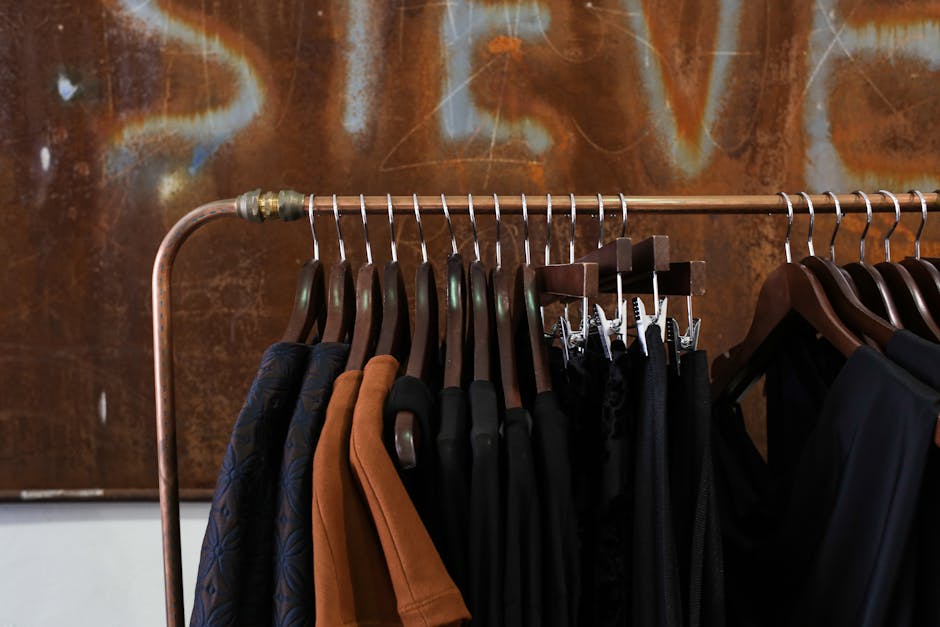
Chueca sits between Malasaña’s alternative energy and Salamanca’s polish. Fashion-forward boutiques, concept stores, and design-led shops line Calle de Hortaleza and Calle de Augusto Figueroa. NAC, a bold local brand, has become synonymous with the neighborhood’s retail identity. Niche perfumeries and natural cosmetics boutiques cluster here more than anywhere else in the city. The Mercado de San Antón combines a food market on the ground floor with an upstairs food court and rooftop terrace — a natural break point in a Chueca shopping loop.
Sol and Centro: Convenient but Tourist-Priced
The area around Puerta del Sol and the pedestrianized Calle de Preciados is convenient for mainstream shopping, but prices skew high for mass-market goods. The enormous El Corte Inglés on Callao deserves separate mention: this Spanish department store is a genuine institution, covering everything from designer fashion and gourmet food to luggage and electronics across nine floors. The Gourmet Experience food hall on the top floor combines specialty food shopping with restaurant dining and rooftop views. The dedicated tax-free desk simplifies VAT refunds for non-EU visitors considerably. The Callao location is most central; the Serrano location in Salamanca tends to be less crowded.
Markets: Where Madrid Gets Interesting
El Rastro: Madrid’s Great Sunday Market
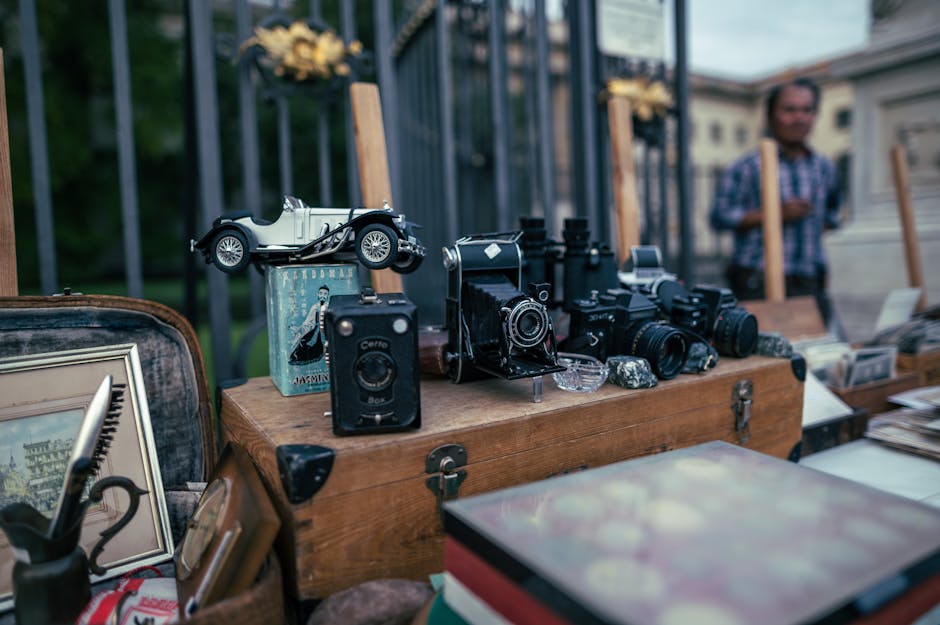
El Rastro is not just a flea market — it’s a Madrid institution with roots in the Middle Ages. Every Sunday and public holiday from 9:00 AM to 3:00 PM, the streets of La Latina transform into a sprawling open-air bazaar with 3,000+ stalls stretching from Plaza de Cascorro down Ribera de Curtidores and along dozens of side streets. The atmosphere is half shopping, half social event — after the market, the surrounding La Latina bars fill with locals doing the Sunday tapas crawl.
What you’ll find: antique furniture and vintage posters, leather goods and handmade jewelry, second-hand books and vinyl records, military surplus and vintage clothing, art prints and ceramics. The main drag on Ribera de Curtidores leans toward tourist-oriented goods; the better finds are on the side streets — antique dealers on Calle de San Cayetano, book stalls on Calle de Carlos Arniches, vintage clothing further into residential territory.
Practical notes: arrive by 9:30–10:00 AM for best selection. Keep valuables in front pockets or zipped bags — pickpocketing is real in the crowds. Bargaining is expected; start 20–30% below asking price. Rainy Sundays see fewer stalls but more serious shoppers. Combine with tapas in La Latina afterward — the bars on Cava Baja and Costanilla de San Andrés are in full swing by noon.
Mercado de Motores: Monthly Design Market
The second weekend of each month, the Railway Museum (Museo del Ferrocarril) hosts this design market combining artisan crafts, independent fashion, vintage objects, and gourmet food trucks in a stunning industrial setting surrounded by historic locomotives. Entry is free; typically runs 11:00 AM–10:00 PM Saturday, until 8:00 PM Sunday. The vendor quality is generally higher than El Rastro — more emphasis on handmade, designed, and curated goods.
Traditional Food Markets
Mercado de San Miguel near Plaza Mayor has evolved into a gourmet destination — tourist-priced but atmospherically beautiful for oysters, jamón, and wine while standing. For genuine local food shopping at real prices, Mercado de Maravillas in Cuatro Caminos is Europe’s largest covered market. Mercado de la Paz in Salamanca combines traditional vendors with trendy gastro bars. Mercado de San Fernando in Lavapiés reflects the neighborhood’s multicultural character with both traditional stalls and international cuisine.
What to Buy in Madrid
Spanish Fashion at Source Prices
Spain’s fashion industry is one of Europe’s largest, and Madrid flagship stores carry the most complete collections. Inditex brands (Zara, Massimo Dutti, Bershka, Pull&Bear, Stradivarius, Oysho) originated in Spain and show broader selections here than in international stores, at prices typically 10–20% lower than abroad. Mango, another Spanish brand, has strong Madrid presence at similar price advantages.
For luxury Spanish fashion, Loewe is the country’s most prestigious leather and fashion house, founded in 1846. Their Gran Vía and Serrano stores carry the full collection. Adolfo Domínguez, Purificación García, and Pedro del Hierro represent the next tier down — quality Spanish fashion at more accessible price points.
Jamón and Gourmet Food
Jamón ibérico is Spain’s most iconic food product, and Madrid is one of the best places to buy it. Specialist ham shops sell vacuum-packed portions specifically sized for travelers; top-quality jamón de bellota (acorn-fed) from producers like Joselito or 5J costs €50–150 for a 200g pack but outperforms anything available at airport shops. Spanish olive oil, saffron, pimentón de la Vera (smoked paprika), and manchego cheese all travel well. Wine lovers should visit specialized vinotecas for Rioja and Ribera del Duero wines at domestic prices.
👉 For the best addresses: where to buy jamón ibérico in Madrid
Leather Goods
Spain has a long leather-crafting tradition, and Madrid’s prices beat what you’d pay for the same quality elsewhere. Beyond Loewe, shops throughout the city sell Spanish-made leather bags, belts, wallets, and shoes across a wide price range. El Rastro’s permanent shops along Ribera de Curtidores include traditional leather workshops. Antigua Casa Crespo, operating since 1863, sells hand-sewn espadrilles — an authentic Spanish footwear purchase that costs €20–40 and weighs nothing in your luggage.
Ceramics and Traditional Crafts
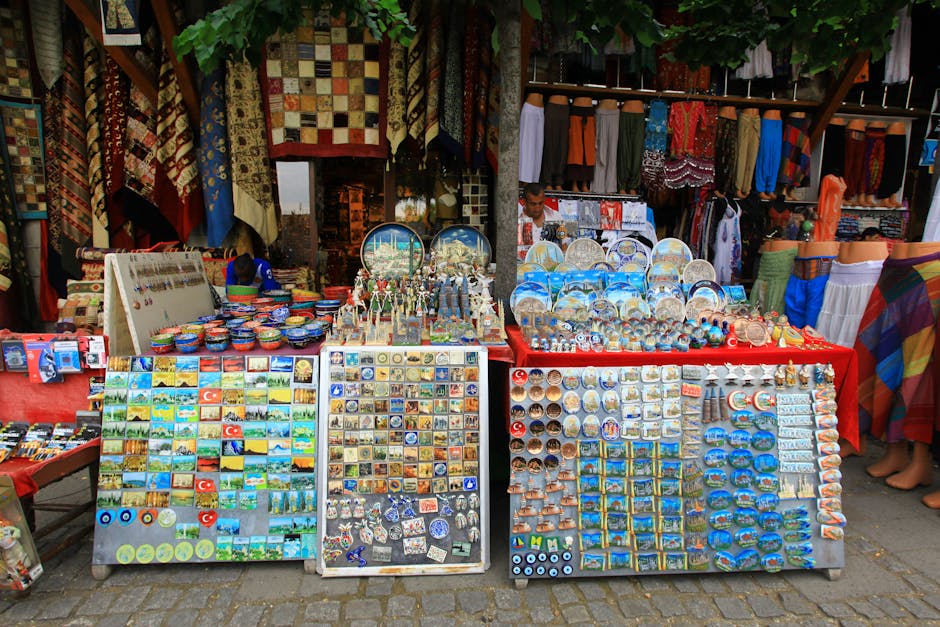
Hand-painted Spanish ceramics — particularly Talavera pottery in blue and white — make genuine souvenirs. Look for pieces with the maker’s mark indicating artisan rather than mass-manufactured production. Hand-painted abanicos (fans) range from cheap tourist versions (€5–10) to exquisite hand-crafted fans from Casa de Diego on Puerta del Sol (€30–200+), in business since 1858. Mantones de Manila (embroidered silk shawls) are available at traditional shops throughout the center. Capas Seseña, founded 1901, is the only remaining cape maker in Madrid — their handmade woolen capas have been worn by Picasso, Hemingway, and Hillary Clinton.
Books and Cultural Items
La Central on Calle del Postigo de San Martín stocks a beautifully curated selection of art, design, and literature books across three floors. Desperate Literature in Malasaña is a small English-language independent bookshop that has become a genuine literary community hub. The Cuesta de Moyano, a permanent book market along Retiro Park’s southern edge, has dozens of stalls selling second-hand and antiquarian books — especially strong in Spanish-language literature and vintage maps. The Feria del Libro in Retiro Park (late May to early June) is one of Madrid’s most beloved annual events.
Tax-Free Shopping and VAT Refunds
Non-EU visitors (including UK post-Brexit) can claim a VAT refund on purchases in Spain. The standard rate is 21%; shoppers typically recover 10–15% of the purchase price. There’s no per-transaction minimum set by law, though individual stores may impose their own minimums for issuing forms.
Process: present your passport when making purchases at participating stores and request a tax-free form. Before departing the EU, visit the customs desk at your departure airport to have forms stamped (arrive early — queues can be long). Process the refund at the tax-free company desk (Global Blue or Planet Tax Free) at the airport, choosing between credit card refund, cash, or bank transfer. El Corte Inglés handles everything in-store with a dedicated desk. Digital DIVA validation at some Spanish airports is speeding up the process considerably.
Important: purchases must leave the EU unused in their original packaging to qualify. Items worn or opened before departure technically no longer qualify.
Sales Seasons: Rebajas
Spain’s two official sales seasons are when to time a shopping trip if deals matter. The winter rebajas start January 7 (the day after Three Kings’ Day, Epiphany) and run through late February or early March. Summer rebajas start July 1 and continue through August. Discounts are genuine — starting at 20–30% in week one and reaching 50–70% by the final weeks as stores clear remaining stock.
The first days offer the best selection; the final weeks offer the deepest discounts. January 7 morning sees queues forming before stores open on Gran Vía and at El Corte Inglés. Mid-season pre-sales in April and November have become more common, offering smaller discounts without the drama.
Shopping Centers and Outlets
Las Rozas Village
Thirty minutes northwest of central Madrid, Las Rozas Village is an outlet complex with 100+ brands at 30–60% off year-round. Loewe, Adolfo Domínguez, Carolina Herrera, Scalpers, and many more maintain permanent outlet stores here. A dedicated shopping bus runs from Paseo de la Castellana, or take the Cercanías train to Las Rozas. Open Monday–Saturday 10:00 AM–9:00 PM, Sunday 11:00 AM–9:00 PM.
Major Shopping Centers
La Vaguada in Barrio del Pilar was Spain’s first large mall and remains one of Madrid’s biggest. Príncipe Pío, housed in a converted train station near the Royal Palace, offers convenient shopping in a historic setting with straightforward metro access (Lines 6, 10, R). Xanadú in Arroyomolinos combines shopping with an indoor ski slope. Parquesur in Leganés is one of Spain’s largest, accessible by Cercanías.
Practical Shopping Tips
Opening Hours
Large stores and chains: Monday–Saturday 10:00 AM–9:00 PM. Small independent shops (Malasaña, Chueca): often 11:00 AM or noon, sometimes closing for lunch 2:00–5:00 PM, especially in summer. Sunday shopping is available at stores in tourist-zone streets (Gran Vía, Sol area) and shopping centers; many smaller shops remain closed. Extended hours during December and rebajas periods.
Payment Methods
Cards are accepted virtually everywhere, including most El Rastro stalls. Contactless is standard. Always choose to be charged in euros if using a non-European card — dynamic currency conversion adds 3–7% to transactions. Cash is still preferred at some small traditional shops and El Rastro.
Bargaining
Expected and appropriate at El Rastro and some antique shops. Not customary at retail stores or boutiques — asking about available discounts or upcoming sales is fine, but haggling on displayed prices is not Spanish retail culture.
Where to Stay for Shopping
Salamanca puts you within walking distance of the luxury district and El Corte Inglés Serrano. Gran Vía area works for mainstream shopping convenience. Malasaña or Chueca base suits independent-label hunters. For accommodation options, see our where to stay in Madrid guide.
Shopping by Neighborhood: Quick Reference
Gran Vía and Sol: Mainstream Spanish and international brands, El Corte Inglés, tourist souvenirs. Good for affordable fashion and one-stop shopping.
Salamanca: Luxury labels, premium Spanish fashion, fine jewelry, antiques, art galleries. Good for designer labels and high-quality gifts.
Malasaña: Vintage clothing, independent designers, record shops, handmade crafts. Good for unique finds and creative gifts.
Chueca: Fashion-forward boutiques, design stores, niche perfumeries. Good for contemporary fashion and design objects.
La Latina (Sundays): El Rastro flea market, antique shops, traditional leather goods. Good for flea-market finds and traditional crafts.
Las Rozas Village (30 min): Designer outlet shopping year-round. Good for Spanish and international labels at 30–60% off.
Related Madrid Guides
- Gran Vía Madrid: architecture, shops, and nightlife
- Malasaña neighborhood guide — the full vintage and independent shopping district
- Madrid neighborhoods guide — which district suits your style
- Where to buy jamón ibérico in Madrid
- Things to do in Madrid — full city activity guide
- Where to stay in Madrid — neighborhoods and hotel picks
Frequently Asked Questions
When is the best time to shop in Madrid?
For sales, visit during rebajas: winter sales start January 7, summer sales start July 1. For selection and atmosphere without crowds, weekday mornings in spring or autumn are ideal. The pre-Christmas period (December 1–23) sees extended hours and festive window displays across all districts.
Is Madrid good for luxury shopping?
Yes — the Salamanca district carries every major luxury label, plus Spanish-origin luxury brands like Loewe at Spanish retail prices. Non-EU visitors can reclaim up to 15% in VAT refunds on qualifying purchases.
What is the best souvenir to buy in Madrid?
Skip the bull figurines and generic “Hola Madrid” merchandise. Better options: a hand-painted fan from Casa de Diego (since 1858), vacuum-packed jamón ibérico de bellota from a specialist shop, a bottle of Ribera del Duero from a vinoteca, or a piece of genuine Talavera pottery. All of these are unique to Spain and difficult to find at equivalent quality elsewhere.
Does Madrid have a flea market?
El Rastro operates every Sunday and public holiday, 9:00 AM–3:00 PM, in the La Latina neighborhood. It’s one of Spain’s largest open-air markets with 3,000+ stalls. Arrive early for the best finds; bargaining is standard practice.
Can I get VAT refunds as a tourist in Madrid?
Yes, if you’re a non-EU resident. Purchase at participating stores, request a tax-free form with your passport, have it stamped at the airport customs desk before departure, and process your refund (10–15% of purchase value) at the tax-free company desk at the airport.