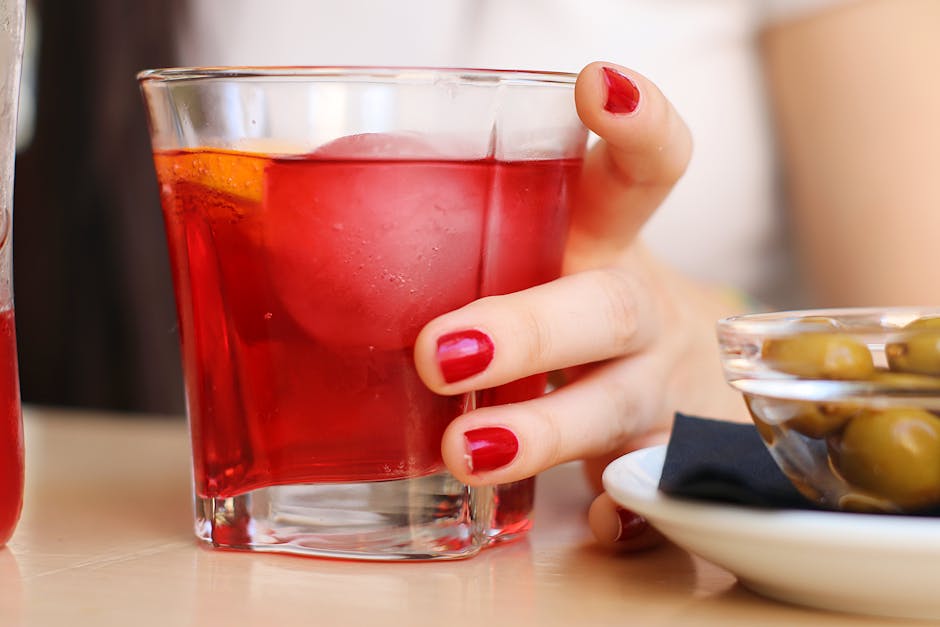
Sunday midday in Madrid runs on vermut. By 1pm, the city’s bodegas and tabernas are three-deep at the bar — locals standing with a small glass of red vermouth over ice, an olive floating on top, a plate of boquerones en vinagre within reach. This is la hora del vermut: the pre-lunch aperitif hour that Madrileños have observed for over a century. The best vermouth bars in Madrid are not cocktail bars. They are old places — wood-panelled, tile-floored, smelling of wine and vinegar — where the vermut comes straight from the tap. La Venencia (Calle de Echegaray, 7) pours sherry instead of vermouth but captures the same spirit: Civil War-era atmosphere, chalk bills on the wooden bar, no photos allowed. Bodegas Rosell (Calle del General Lacy, 14) has vermut on tap from the barrel and the best house-cured tapas in the area. El Penta in Malasaña is where the neighbourhood’s younger generation has adopted the same ritual. This guide covers the best vermouth bars in Madrid, the vocabulary you need, and what to eat alongside your glass.
Part of the complete Madrid food guide — everything you need to eat and drink well in the city.
Table of Contents
- What Is Vermut?
- Best Vermouth Bars in Madrid
- Vermut Etiquette
- What to Eat With Vermut
- Practical Tips
- FAQs
What Is Vermut?
Vermut (vermouth) is a fortified, herbal wine — typically 15–18% alcohol — flavoured with a proprietary blend of botanicals: wormwood, gentian, citrus peel, cinchona, and dozens more depending on the producer. Spanish vermut comes in three main styles:
- Vermut rojo (red): Sweet, dark amber, the dominant style at traditional vermouth bars in Madrid. Main brands: Yzaguirre, Lustau, Atxa, Primitivo Quiles.
- Vermut blanco (white): Drier and lighter, less commonly ordered at old-school bodegas.
- Vermut reserva: Barrel-aged versions with added complexity — fashionable in the modern revival bars.
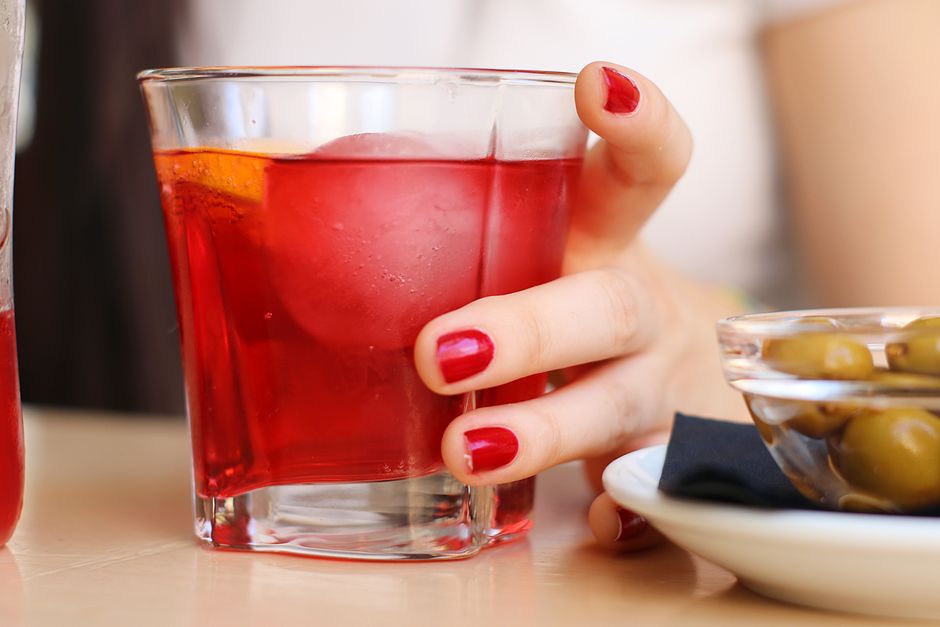
Traditional service: vermut drawn from a barrel directly into a small glass over ice, with one or two olives and a slice of orange. Sometimes a splash of soda water. €3–5 per glass at classic bodegas; €4–7 at modern revival spots. One glass before lunch is the ritual. Two is the meal.
Best Vermouth Bars in Madrid
1. Bodegas Rosell — Calle del General Lacy, 14
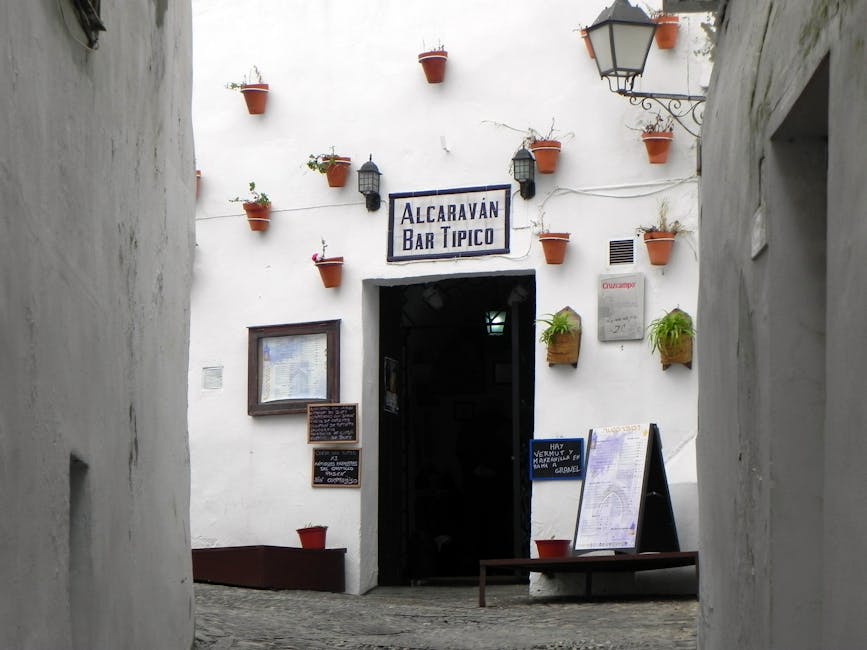
One of Madrid’s great Sunday vermut institutions. Old wood-panelled interior, vermut on tap from the barrel, excellent house-cured tapas — especially the boquerones and the cured meats. Locals queue outside at noon Sunday. €3–4 per glass, €15–25 per person with tapas. Metro: Atocha Renfe or Embajadores.
2. Casa Camacho — Calle de San Andrés, 4
Tiny Malasaña bar specialising in the yayo — Madrid’s classic cocktail of red vermut, gin, and soda. Standing room only, cash preferred, jammed on Sundays. €3–4 per drink. The most genuinely local-feeling vermouth bar in Malasaña.
3. La Venencia — Calle de Echegaray, 7
Sherry rather than vermouth, but the spirit of the place is the same — and it belongs on any list of Madrid’s best aperitif bars. Operating since the 1920s with the decor unchanged: the bartender writes your bill in chalk on the bar top, photos are not allowed (a Civil War-era tradition), and the manzanilla and fino sherries are poured directly from the barrel. Go at noon on a Sunday and order two glasses of different sherry styles.
4. El Penta — Calle de Palma, 4, Malasaña
The Malasaña neighbourhood’s favourite Sunday vermut spot — young crowd, good music, vermut on tap, proper tapas. Less atmospheric than Bodegas Rosell but more energetic. €3–5 per glass. A natural stop on any Malasaña neighbourhood walk.
5. Bodegas Alfaro — Calle de la Magdalena, 22
Lavapiés old-school taberna with vermut on tap and bullfighting memorabilia covering every wall. Locals drink here at all hours; Sundays are particularly atmospheric. €3–4 per glass. One of the least-touristy spots on this list.
6. La Castela — Calle del Doctor Castelo, 22
Refined Salamanca/Retiro option with excellent vermut and even better tapas — especially the croquetas de bacalao and the sandwiches de calamares. €3–5 per glass. Good choice after a visit to El Retiro park.
7. La Trastienda — Calle del Almirante, 18
Modern revival vermouth bar in the Justicia neighbourhood. Strong selection of artisanal Spanish vermouths from smaller producers — Vermut Miró, Yzaguirre reserva, Barcelona-made Martini alternatives. €4–7 per glass. For visitors who want to explore the craft side of Spanish vermouth culture.
8. La Concha — Cava Baja, 7
Cava Baja vermut and tapas spot that fits naturally into any La Latina tapas crawl. Vermut on tap; free tapa with each drink. €3–4 per glass. The surrounding street is Madrid’s best tapas strip.
9. Casa Salvador — Calle de Barbieri, 12
Chueca classic with strong vermut and excellent traditional Madrid tapas. The wine list is also good. €3–5 per glass, €20–30 per person with tapas.
Vermut Etiquette
- Order “un vermut, por favor”: Or specify “rojo” (red) or “blanco” (white). Most bars default to red.
- Stand at the bar: La hora del vermut is a standing tradition at most bodegas. Sitting at a table feels less authentic — and you may wait longer.
- Expect olives: Always included or offered separately for free. Ask “¿Me pone unas aceitunas?” if they don’t appear.
- Pace yourself: Vermut is 15–18% alcohol. One glass is a pre-lunch aperitif. Two is essentially a meal.
- Sunday timing: 12pm–2:30pm is peak hour. Some bodegas open from 11am; most close when the kitchen closes for lunch around 3pm.
- Pay as you go or at the end: Either works. Cash preferred at older bodegas.
- Tipping: Round up to the nearest euro; 5–10% is generous.
What to Eat With Vermut
Traditional Madrid vermut accompaniments — most offered free or at €2–4 per tapa:
- Aceitunas: Olives, often marinated in vermut itself. Standard freebie.
- Boquerones en vinagre: Fresh anchovies cured in vinegar — one of the best pairings.
- Berberechos: Cockles in their shells, served cold with a squeeze of lemon.
- Mejillones en escabeche: Mussels in vinegar marinade; often from a tin, properly served.
- Pulpo a la gallega: Galician octopus with olive oil, paprika, salt.
- Patatas bravas: Crispy potatoes with brava sauce — Madrid’s most versatile tapa.
- Bocadillo de calamares: Fried squid sandwich on a crusty roll — a Madrid signature that needs vermut alongside it.
Practical Tips
- Sunday is the day: The full hora del vermut experience only happens on Sunday midday. Weekday vermut is quieter and more functional.
- Neighbourhood clusters: La Latina (Cava Baja area), Malasaña (San Andrés area), and Lavapiés each have a concentration of good vermut bars within walking distance. Explore a La Latina neighbourhood walk that combines all three — vermut, tapas, and a market visit to Mercado de la Cebada.
- Order from the barrel: At bodegas with vermut on tap (de grifo), always order from the tap rather than a bottle — it is fresher and cheaper.
- The yayo variation: At Casa Camacho and a few other Malasaña bars, try the yayo (vermut + gin + soda). A step up in alcohol but a classic Madrid drink.
- Madrid neighbourhoods: Different parts of the city have different vermut cultures — Malasaña runs younger and louder; La Latina is more mixed; Salamanca is quieter and more refined. The Madrid neighbourhoods guide helps you plan which area fits your Sunday.
- Before or after cocido: Vermut and cocido madrileño pair well as a Sunday sequence — vermut at noon, cocido lunch at 1:30pm, a walk, then coffee.
Vermut fits naturally into Madrid’s nightlife rhythm too — see the Madrid nightlife guide for how the Sunday vermut hour connects to the broader weekly drinking culture.
Vermouth Bars Madrid FAQs
What is la hora del vermut in Madrid?
The traditional pre-lunch aperitif hour — roughly 12pm to 2:30pm on Sundays — when Madrileños gather at bodegas and tabernas for a glass of red vermouth on tap, olives, and simple tapas before the main Sunday lunch.
What is the best vermouth bar in Madrid?
Bodegas Rosell (Calle del General Lacy, 14) for the most authentic old-school Sunday experience. Casa Camacho (Calle de San Andrés, 4) for the best yayo cocktail. La Venencia (Calle de Echegaray, 7) for sherry in the most atmospheric setting in the city.
How much does vermut cost in Madrid?
€3–5 per glass at traditional bodegas. €4–7 at modern revival bars. Often the bar throws in free olives or a small tapa with each drink.
When is the best time to go for vermut in Madrid?
Sunday midday — specifically 12pm to 2pm. This is when the ritual is fully alive. Weekday vermut exists but is quieter and less atmospheric.
What is vermut rojo?
Red vermouth — sweet, dark amber, 15–18% alcohol, flavoured with herbs and botanicals. The dominant style at Madrid bodegas. Served over ice with an olive and often an orange slice.
Is vermut the same as vermouth?
Yes — vermut is the Spanish spelling of vermouth. Same drink: fortified wine flavoured with herbs, wormwood, and botanicals. Spanish vermut has its own producers and styles distinct from French or Italian vermouth.
Official Resources
- Madrid official tourism: esmadrid.com — Eat in Madrid
- Yzaguirre vermut (Spanish producer): vermutyzaguirre.es
Find a bodega, order the vermut de grifo, stand at the bar, and stay for at least two glasses. La hora del vermut is not a hurried thing. It is the best part of a Madrid Sunday before lunch — and the best introduction to how Madrileños actually spend their weekends.