Retiro Park Madrid history spans nearly 400 years from royal hunting estate to UNESCO World Heritage public park. Felipe IV’s court favorite the Conde-Duque de Olivares began acquiring the land in 1631 and developed it as the king’s pleasure retreat (“Buen Retiro” = good retreat) — complete with palace, gardens, lake, and a private royal art collection that included Velázquez’s Las Meninas. Most of the original Buen Retiro Palace burned during the Napoleonic invasion (1808-1814); the surviving outbuildings include the Casón del Buen Retiro (now Prado annex), Salón de Reinos (former throne room), Crystal Palace (1887), and Velázquez Palace (1883). The Retiro Park Madrid history opened to the public in 1868. UNESCO inscribed Retiro and the adjacent Paseo del Prado as the “Landscape of Light” cultural site in 2021. This guide covers Retiro Park Madrid history era by era.
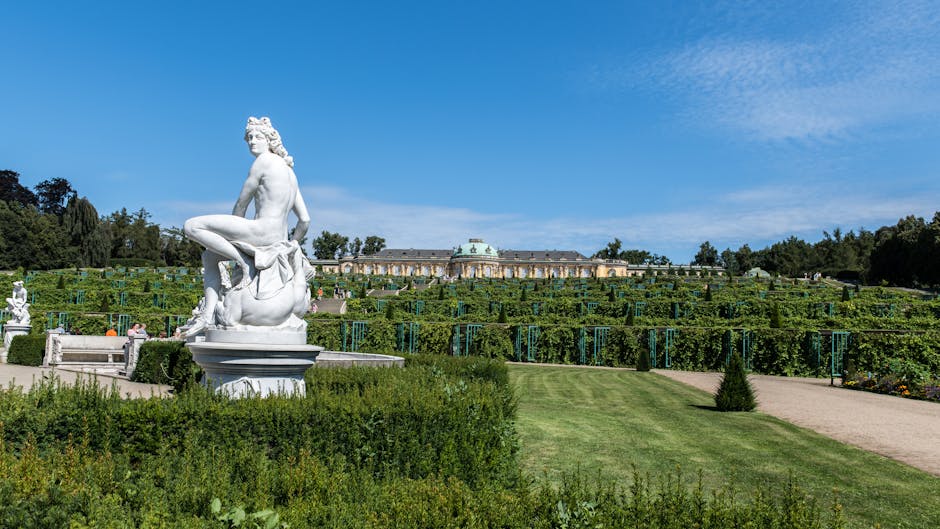
Table of Contents
- Royal Estate Era (1631-1808)
- 19th Century: Public Park Transformation (1814-1900)
- 20th Century Retiro Park Madrid History
- UNESCO World Heritage 2021
- Surviving Historic Buildings in Retiro Park
- Annual Events in Retiro Park
- Original Buen Retiro Art Collection
- Visiting Retiro Park Today
- FAQs
Royal Estate Era (1631-1808)
The Buen Retiro estate began with the Conde-Duque de Olivares (Gaspar de Guzmán y Pimentel), Felipe IV’s court favorite, who acquired the land starting 1631. The Buen Retiro Palace, designed by Alonso Carbonell and Juan Bautista Crescenzi, was constructed 1632-1633 as Felipe IV’s spring/autumn retreat from the formal Royal Alcázar. The original palace included approximately 2,500 paintings — among them Velázquez’s Las Meninas (1656), now at the Prado.
- 1631-1633: Buen Retiro Palace constructed.
- 1631-1700: Habsburg royal use; Velázquez paintings displayed.
- 1700-1808: Bourbon royal use; gardens expanded.
- 1781: Real Jardín Botánico opens adjacent.
- 1808-1814: Napoleonic French troops occupy and damage palace.
- 1808 (May 2): Madrid uprising against French occupation; Goya later painted “The Second of May 1808” depicting events near here.
19th Century: Public Park Transformation (1814-1900)
After Napoleonic damage, the partially-ruined Buen Retiro Palace was further demolished in stages. The most significant Retiro Park Madrid history transformation came in 1868 when Queen Isabel II ordered the estate opened to the public — democratizing what had been royal-only space. The 19th century saw construction of major surviving buildings:
- 1808-1820: Most of original Buen Retiro Palace demolished.
- 1830s: Casón del Buen Retiro restored (the original ballroom).
- 1868: Park opened to public.
- 1883: Velázquez Palace built for the National Mining Exhibition.
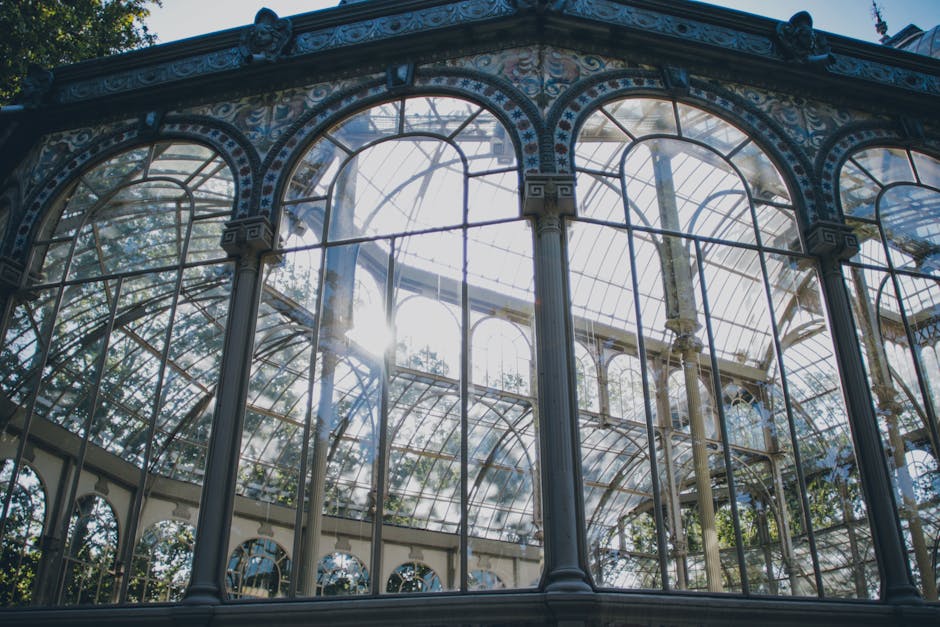
- 1887: Crystal Palace built for the Philippines Exhibition; iron-and-glass structure inspired by London’s Crystal Palace (1851).
- 1922: Monument to Alfonso XII completed by lake.
- 1898: Estatua del Ángel Caído (Fallen Angel) — one of few public Lucifer statues globally.
20th Century Retiro Park Madrid History
- 1936-1939 (Spanish Civil War): Retiro Park area saw fighting; some damage to monuments.
- 1940s-1970s (Franco era): Park used by Madrileños as escape from Franco-era restrictions.
- 1985: Casón del Buen Retiro becomes part of Prado Museum extension.
- 2004: Bosque del Recuerdo planted — 192 olive and cypress trees commemorating victims of the March 11 Madrid train bombings.
- 1990s-2000s: Crystal Palace and Velázquez Palace become Reina Sofía contemporary art exhibition venues.
UNESCO World Heritage 2021
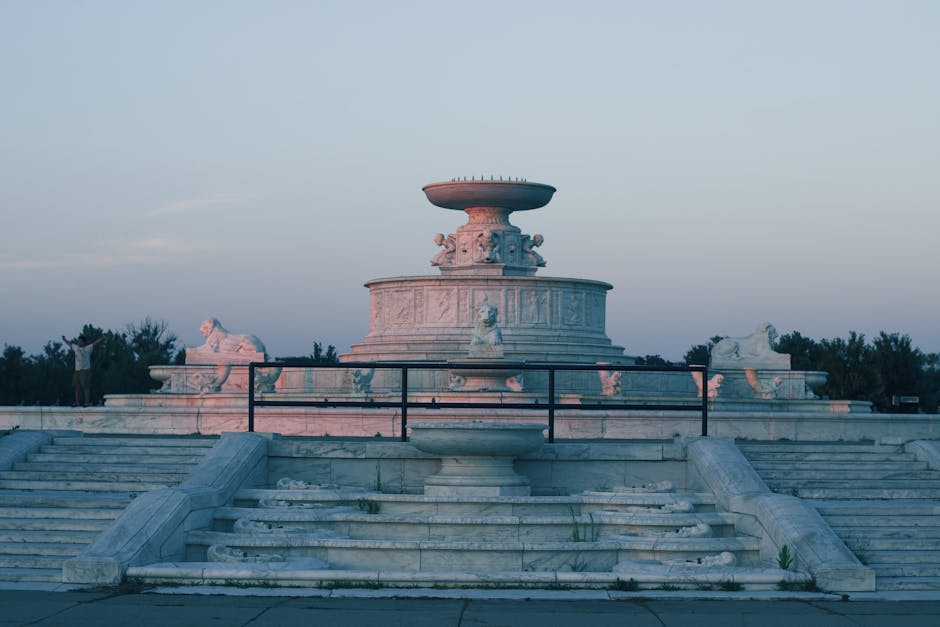
UNESCO inscribed the “Paseo del Prado-Retiro Cultural Landscape” as World Heritage in July 2021. The inscription recognizes the integrated planning of:
- Paseo del Prado boulevard with Cibeles, Neptuno, and Apolo fountains.
- Real Jardín Botánico.
- Museo del Prado (1819).
- Buen Retiro Park (1631).
- Reina Sofía Museum.
- Thyssen-Bornemisza Museum.
- Casón del Buen Retiro.
The “Landscape of Light” inscription cited the unique 18th-19th century urban planning that integrated culture, science, and recreation in unified design. UNESCO emphasized the philosophical Enlightenment-era integration of art (museums), science (botanical garden), and public recreation (park) as a complete civilizational vision.
Surviving Historic Buildings in Retiro Park
- Crystal Palace (1887): Iron-and-glass pavilion modeled on London’s Crystal Palace. Free admission; Reina Sofía contemporary art exhibitions.
- Velázquez Palace (1883): Brick-and-tile pavilion; Reina Sofía exhibitions.
- Casón del Buen Retiro: Original Buen Retiro Palace ballroom; now Prado annex.
- Salón de Reinos: Former throne room; under restoration as Prado extension.
- Casa de Vacas: 19th-century cultural center; café and exhibitions.
- Templete del Retiro: Free Saturday summer concerts.
- Monument to Alfonso XII (1922): Colonnaded monument behind boating lake; iconic Retiro photo.
- Estatua del Ángel Caído (1898): Fallen Angel statue; rare public Lucifer depiction.
Annual Events in Retiro Park
- Feria del Libro (Book Fair): Late May to mid-June. Spain’s largest book fair; 350+ stalls.
- Free Saturday concerts at Templete del Retiro: June-September.
- Sunday morning street performers: Tarot, music, dance near boating lake.
- Crystal Palace contemporary art exhibitions: Free, year-round rotation by Reina Sofía.
- Christmas season: Decorated Crystal Palace; market events.
Original Buen Retiro Art Collection
The 17th-century Buen Retiro Palace housed approximately 2,500 paintings — among the most important royal collections in European history. Major works that originated here:
- Velázquez’s Las Meninas (1656): Originally hung in Felipe IV’s private chambers at Buen Retiro Palace; transferred to Prado.
- Velázquez’s The Surrender of Breda (1635): Hung in Salón de Reinos; now Prado.
- Velázquez royal portraits: Multiple equestrian and standing portraits.
- Zurbarán Hercules series (1634): 10 paintings for Salón de Reinos; now Prado.
- Workshop of Rubens hunting scenes: For Buen Retiro hunting room.
This collection now anchors the Prado Museum’s holdings — visiting the Prado is in significant ways visiting the dispersed contents of the original Buen Retiro Palace.
Visiting Retiro Park Today
- Address: Plaza de la Independencia (main entrance) and 13 other entrances.
- Metro: Retiro (Line 2), Príncipe de Vergara (Lines 2 and 9), Atocha (Line 1).
- Hours: Daily 06:00-midnight year-round.
- Admission: Free always.
- Boating: €8 for 45 min for 4 people; lake operates 10:00-21:00 summer / 10:00-18:00 winter.
- Crystal Palace: Free; exhibitions Tue-Sun 11:00-19:00 (winter) / 11:00-21:00 (summer).
- Time required: 1-3 hours casual; 4+ hours full park exploration.
- Best entrances: Plaza de la Independencia (Puerta de Alcalá adjacent), Puerta de España (near Prado).
FAQs
When was Retiro Park built?
Buen Retiro royal estate began 1631-1633 under Felipe IV. Opened to public 1868 by Queen Isabel II. UNESCO inscribed 2021.
Why is it called Buen Retiro?
‘Buen Retiro’ = ‘good retreat’ — Felipe IV’s spring/autumn retreat from the formal Royal Alcázar. Royal pleasure estate.
Is the original Buen Retiro Palace still standing?
Mostly no — destroyed during Napoleonic invasion 1808-1814. Surviving buildings: Casón del Buen Retiro (Prado annex), Salón de Reinos.
When did Retiro Park become public?
1868 by order of Queen Isabel II. Royal estate transformed into public park. UNESCO recognized 2021.
What’s the Crystal Palace in Retiro?
1887 iron-and-glass pavilion modeled on London’s Crystal Palace (1851). Free Reina Sofía contemporary art exhibitions inside. Photographic icon of Retiro.
Why is the Fallen Angel statue special?
One of few public statues to Lucifer worldwide. 1898 sculpture by Ricardo Bellver in Retiro Park. Rare in Catholic country.