Spanish Civil War Madrid sites tell the story of the war that defined 20th-century Spain — the Republican-held capital endured a 2.5-year siege (October 1936 – March 1939), becoming the first major city in history to experience aerial bombardment of civilians. Madrid’s defense became a global symbol of anti-fascist resistance; the slogan “No Pasarán” (They Shall Not Pass) was coined here. Today’s Spanish Civil War Madrid sites include preserved trenches in Casa de Campo and Parque del Oeste, bullet holes in Telefónica building (Republican command HQ), Reina Sofía Museum housing Picasso’s Guernica, the Casón del Buen Retiro (where Las Meninas was hidden), and the controversial Valle de Cuelgamuros (formerly Valle de los Caídos) Franco-era memorial. This guide covers all major Spanish Civil War Madrid historical sites.
Table of Contents
- Spanish Civil War Madrid: Historical Context
- Spanish Civil War Madrid Historical Sites
- El Capricho Underground Bunker
- Picasso’s Guernica at Reina Sofía
- International Brigades and Madrid
- Valle de Cuelgamuros (Valle de los Caídos)
- Spanish Civil War Madrid Museums
- Spanish Civil War Madrid Walking Tours
- Spanish Civil War Madrid Reading
- FAQs
Spanish Civil War Madrid: Historical Context
The Spanish Civil War (1936-1939) erupted from a July 1936 military coup against the elected Republican government. Madrid remained Republican throughout — defended by the Republican army, International Brigades (40,000 foreign volunteers), and Madrileño civilian volunteers. Franco’s Nationalist forces besieged Madrid from October 1936; aerial bombing campaigns by German Luftwaffe and Italian Aviazione Legionaria pioneered urban civilian bombing tactics later used in WWII. Madrid finally fell March 28, 1939 — ending the war.
- July 1936: Military coup against Republic.
- October 1936: Franco’s siege of Madrid begins.
- November 1936: First major aerial bombing of Madrid — first city in history to experience civilian aerial bombardment.
- 1937: International Brigades arrive; Battle of University City; Republican capital briefly relocates to Valencia.
- 1938: Madrid endures continuous bombing and food shortages.
- March 28, 1939: Madrid surrenders to Nationalist forces.
- April 1, 1939: Franco declares war over.
Spanish Civil War Madrid Historical Sites
- Casa de Campo trenches: Original Republican defensive positions still visible in Madrid’s largest park. Self-guided walks; some interpretive signage.
- Parque del Oeste trenches and bunkers: Front-line defensive positions at western edge of Madrid.
- University City (Ciudad Universitaria): Site of fierce Battle of University City (1936-1939). Building bullet holes still visible at Complutense University.
- Telefónica Building (Gran Vía 28): Republican command HQ; targeted by Nationalist bombing; some bullet damage visible. The Gran Vía was nicknamed “Avenida 15-1/2” for the caliber of bombs that hit it.
- El Capricho underground bunker: Excavated 1937 as Republican Central Army Headquarters. 15 meters deep; operating room, communications. Visit via Parque El Capricho.
- Cuartel de la Montaña site: Plaza de España area — first Madrid uprising July 19-20, 1936.
- Calle de Quevedo: Building remains showing siege damage.
- Valle de Cuelgamuros (formerly Valle de los Caídos): Franco-era memorial 50 km outside Madrid; controversial.
- Reina Sofía Museum: Picasso’s Guernica (1937) — Civil War’s most famous artistic representation.
El Capricho Underground Bunker
The Búnker del Capricho (Position Jaca/Capricho Bunker) is the most fascinating Spanish Civil War Madrid historical site — built 1937 by Republican forces as the Central Army Group HQ during the siege of Madrid. The underground complex sits 15 meters below El Capricho Park (eastern Madrid suburb), built to withstand bombing and gas attacks. Features include operating room, communications room, command room, and offices for ~200 personnel.
- Address: Parque El Capricho, eastern Madrid (Alameda de Osuna).
- Metro: El Capricho (Line 5).
- Tours: Free guided visits Saturdays only; advance reservation required at madrid.es.
- Time required: 60 min underground tour.
- Accessibility: Limited — stairs only.
Picasso’s Guernica at Reina Sofía
Picasso’s Guernica (1937) is the most famous artistic representation of Spanish Civil War. Painted in response to the April 26, 1937 Nazi-Italian bombing of the Basque town Guernica (carried out at Franco’s request), the 3.5m × 7.8m black-and-white masterpiece depicts horror, fragmented human and animal figures, and incomprehensible suffering. Picasso painted it in Paris for the 1937 World’s Fair Spanish Pavilion. The painting traveled internationally as anti-fascist propaganda; lived at MoMA New York 1939-1981 per Picasso’s instruction that it return to Spain only after Franco’s death and democracy restoration. Now at Reina Sofía Museum (Madrid) since 1992. Free during Reina Sofía free hours.
International Brigades and Madrid
The International Brigades — 40,000 foreign volunteers from 50 countries — fought for the Republican Spanish Civil War effort. Madrid was their primary deployment city. Famous brigadiers included writers George Orwell (later wrote Homage to Catalonia), Ernest Hemingway (For Whom the Bell Tolls), Robert Capa (war photographer), André Malraux. The brigades made up 50%+ of foreign-born combatants on the Republican side.
Today’s Madrid sites associated with International Brigades:
- Hotel Florida (former location): Where Hemingway, Capa, and other foreign correspondents lived during siege.
- Telefónica building: Republican command center; foreign correspondents covered bombing here.
- Casa de Campo and University City: Major battle sites for International Brigades.
- Iglesia de la Concepción Real de Calatrava: Military hospital during siege.
Valle de Cuelgamuros (Valle de los Caídos)
The Valle de Cuelgamuros (renamed 2022 from Valle de los Caídos) is a Franco-era memorial 50 km northwest of Madrid. Built 1940-1959 — partly using Republican prisoner forced labor — as a memorial to “fallen for God and Spain” (Nationalist dead). The complex includes the world’s largest stone cross (152m tall) and a basilica carved into the mountain. Approximately 33,000 dead from both sides of the war are buried here, many transferred without family permission.
Spain’s 2007 Historical Memory Law required reform of the site’s message. Franco’s remains were exhumed 2019 and moved to El Pardo cemetery. Site renamed Valle de Cuelgamuros 2022. Current government working on full transformation into Civil War memorial honoring all victims.
- Address: San Lorenzo de El Escorial vicinity (50 km NW Madrid).
- Hours: Tue-Sun 10:00-19:00.
- Admission: €9.
- Transport: Cercanías to El Escorial then taxi/bus 13 km. No direct public transport.
- Combine with: El Escorial royal monastery (1584).
Spanish Civil War Madrid Museums
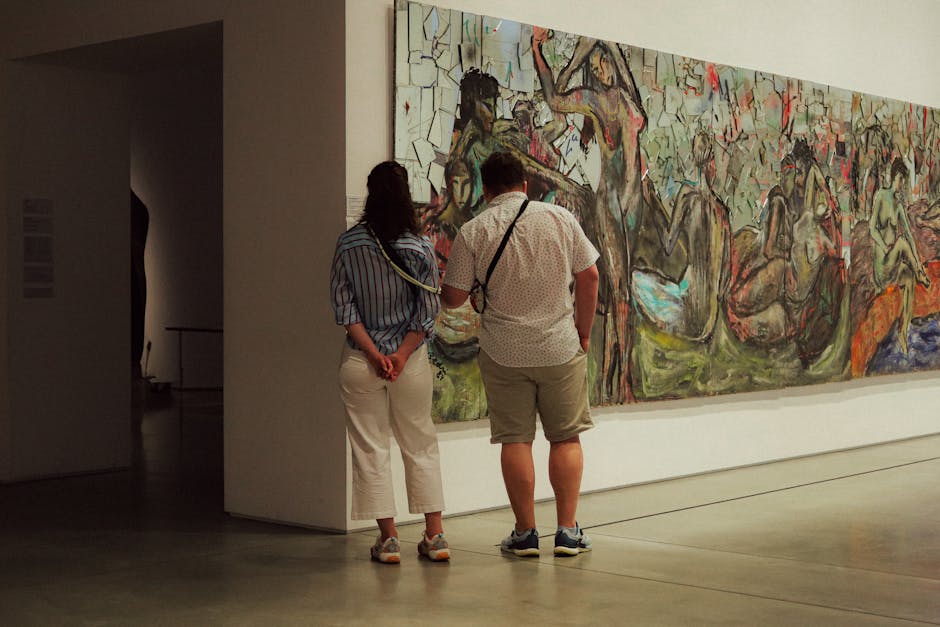
- Reina Sofía Museum: Guernica + extensive Civil War art collection.
- Museo del Ejército (Toledo): Spain’s Army Museum; Civil War armaments and uniforms.
- Museo de Historia de Madrid: Contextualized siege history.
- Museo Romántico: Pre-war 19th-century context.
- Museo Lázaro Galdiano: Some Civil War-era art and memorabilia.
Spanish Civil War Madrid Walking Tours
- Madrid Civil War Tour: 3-hour walking tour covering Telefónica, Plaza de España, Hotel Florida site. €25-40 per person.
- Madrid in War Tour: Casa de Campo trenches and University City. €30-45.
- Civil War Underground Tour: El Capricho bunker visit + walking. €40-50.
- Foreign Correspondents Tour: Hemingway, Orwell, Capa Madrid sites. €25-35.
Spanish Civil War Madrid Reading
- Hugh Thomas, “The Spanish Civil War” (1961): Definitive English-language history.
- Antony Beevor, “The Battle for Spain” (2006): Modern accessible account.
- George Orwell, “Homage to Catalonia” (1938): First-person Republican account.
- Ernest Hemingway, “For Whom the Bell Tolls” (1940): Fictional Republican guerrilla story.
- Paul Preston, “The Spanish Holocaust” (2012): Wartime atrocities by both sides.
- Almudena Grandes, “Los pacientes del doctor García” (2017): Spanish-language fiction (Atocha train station renamed for her 2022).
FAQs
How long was the siege of Madrid?
2.5 years — October 1936 to March 1939. Madrid was first major city in history to experience civilian aerial bombardment.
Where can I see Spanish Civil War sites in Madrid?
Casa de Campo trenches, Parque del Oeste defensive positions, Telefónica building (Republican HQ), El Capricho bunker, Reina Sofía (Guernica), Valle de Cuelgamuros (50 km outside Madrid).
How do I visit El Capricho bunker?
Free guided tours Saturdays only. Advance reservation required at madrid.es. Underground 60-min tour at Parque El Capricho, eastern Madrid.
Where is Picasso’s Guernica?
Reina Sofía Museum, Madrid (since 1992). Picasso refused return to Spain until democracy restored after Franco’s death (1975); painting transferred from MoMA New York 1981.
Can I visit Valle de Cuelgamuros?
Yes — open Tue-Sun 10:00-19:00. €9 admission. Located 50 km NW of Madrid. Take Cercanías to El Escorial then taxi 13 km.
Why was Franco moved from Valle de los Caídos?
2019 exhumation under Historical Memory Law. Site renamed Valle de Cuelgamuros 2022. Government converting to memorial honoring all Civil War victims, not Nationalist propaganda.