Madrid history spans 1,200 years from a 9th-century Moorish fortress called Mayrit to today’s European capital of 6.7 million metropolitan residents. Founded in 852 AD by Emir Muhammad I of Córdoba as a defensive watchtower against Christian kingdoms, Madrid was conquered by Alfonso VI of Castile in 1083, languished as a secondary town for 500 years, then exploded into capital status when Felipe II permanently moved the Spanish royal court here in 1561 — population grew from 20,000 to 100,000 in 40 years. Madrid history continues through Habsburg golden age (Cervantes, Velázquez), Bourbon Enlightenment (Royal Palace 1764), Napoleonic occupation (Goya’s Third of May 1808), Civil War siege (1936-39), Franco dictatorship (1939-75), democratic transition, and 21st-century European cosmopolitanism. This guide covers all major eras and where to see Madrid history today.
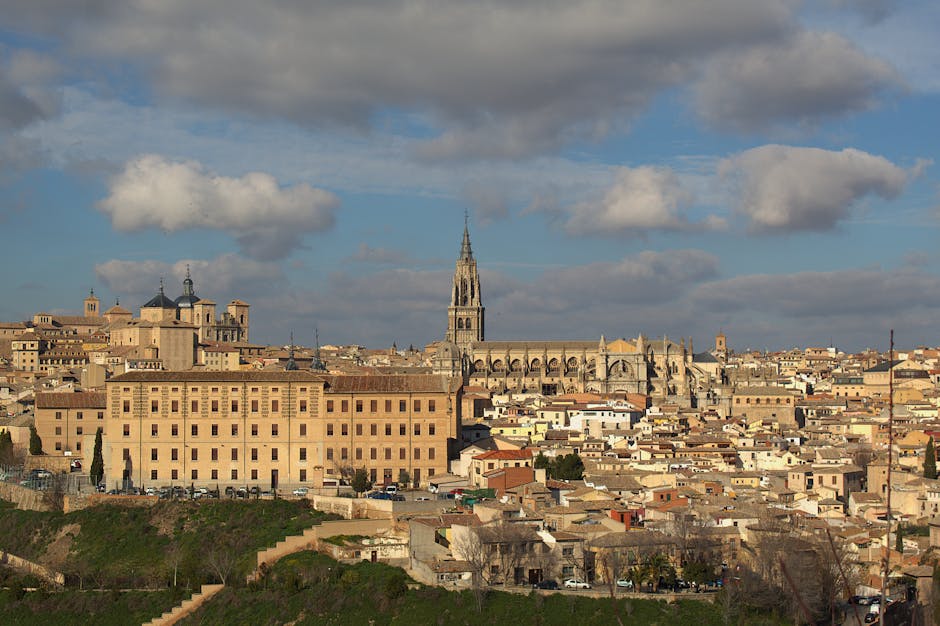
Table of Contents
- Moorish Madrid (852-1083): Mayrit
- Medieval Madrid (1083-1561): Christian Reconquest
- Habsburg Madrid (1561-1700): Capital and Golden Age
- Bourbon Madrid (1700-1808): Enlightenment
- 19th-Century Madrid (1808-1900): Napoleonic Wars to Modernization
- 20th-Century Madrid: Civil War and Franco
- 21st-Century Madrid: European Capital
- Madrid History Timeline
- FAQs
Moorish Madrid (852-1083): Mayrit
Madrid history begins in 852 AD when Emir Muhammad I of Córdoba commissioned a fortress called Mayrit (al-Majrit, Arabic for “place of abundant water”) on a hill above the Manzanares River. The Moorish citadel served as a forward defensive position against the Christian kingdoms of the north — Asturias, León, Castile. The site was strategic but secondary; never approaching the importance of Córdoba, Toledo, or Seville under Moorish rule.
Today’s remaining Moorish Madrid history sites:
- Muralla árabe (Arab Wall): Surviving 11th-century Moorish defensive wall in Emir Mohamed I Park, near Cuesta de la Vega. Limestone and red brick construction.
- Plaza de la Villa area: Original Moorish citadel location.
- San Pedro el Viejo Church: Mudéjar bell tower in La Latina; reflects post-conquest Moorish architectural influence.
Medieval Madrid (1083-1561): Christian Reconquest
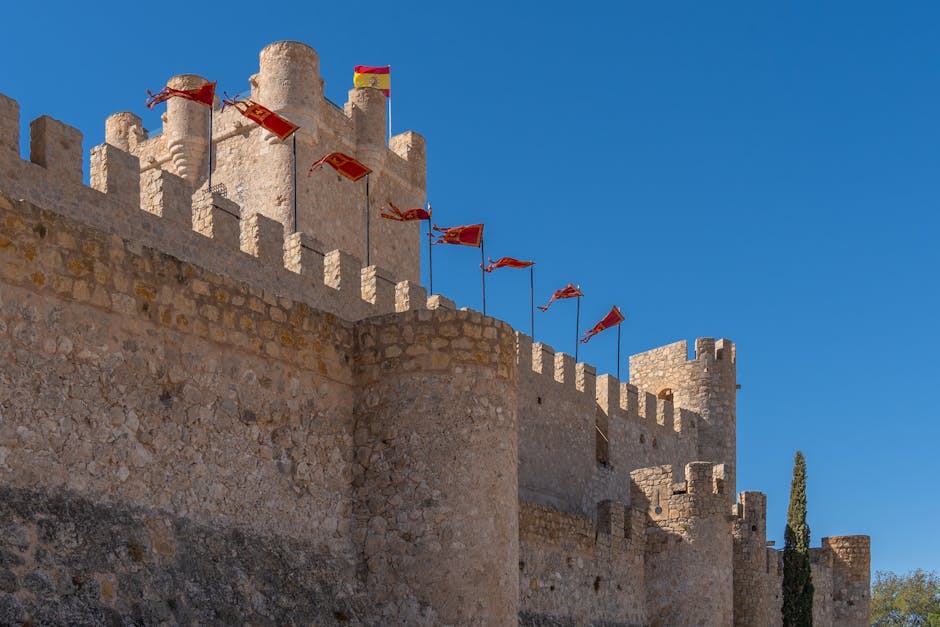
Alfonso VI of Castile captured Madrid from the Moors in 1083 — relatively peacefully according to historical records. For nearly 500 years, Madrid remained a modest Castilian town of 5,000-15,000 residents — significantly smaller than Toledo, Burgos, or Salamanca. The medieval period built up the original Moorish footprint with Christian churches, the Jewish quarter (in modern La Latina), and the foundations of Madrid’s Habsburg-era expansion.
- San Pedro el Viejo: 14th-century Mudéjar bell tower.
- San Nicolás de los Servitas: 12th-century Mudéjar tower; oldest in Madrid.
- San Justo y San Pastor (now Cathedral of San Isidro): Foundation 12th century.
- La Latina Jewish quarter: Until 1492 expulsion under Ferdinand and Isabella.
- Casa de la Villa: 15th-century civic building.
Habsburg Madrid (1561-1700): Capital and Golden Age
Madrid history transformed in 1561 when Felipe II permanently moved the royal court from Toledo to Madrid. The decision was geographic (Madrid sits at Spain’s geographic center), political (Madrid was a “blank slate” without entrenched aristocratic powers), and practical (better water supply than Toledo). Population exploded from 20,000 in 1561 to 100,000 by 1600.
The Habsburg era (1561-1700) became Madrid’s “Siglo de Oro” (Golden Age) — Cervantes wrote Don Quixote (1605), Velázquez painted Las Meninas (1656), Lope de Vega and Calderón de la Barca wrote masterpieces of Spanish theater. Madrid building boom included Plaza Mayor (1620), El Escorial royal monastery (1584), and the Buen Retiro Palace (1632).
- Plaza Mayor (1620): Habsburg-era civic and ceremonial heart.
- Old Royal Alcázar: Burned down Christmas Eve 1734; replaced by current Royal Palace.
- El Escorial Royal Monastery (1584): Habsburg complex 50 km northwest.
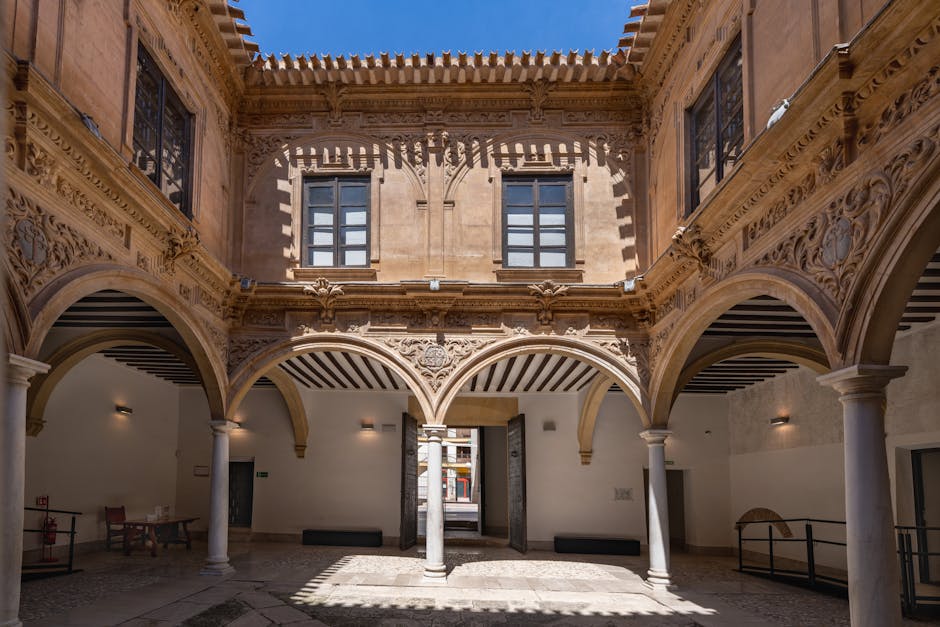
- Casa de Cisneros (1537): Plateresque Renaissance palace.
- Iglesia de San Andrés: 17th-century Capilla del Obispo and surrounding chapels.
Bourbon Madrid (1700-1808): Enlightenment
The 18th century brought Madrid’s Bourbon Enlightenment under Felipe V (first Bourbon king) and Carlos III (the “best mayor of Madrid” — modernized urban infrastructure). Major Madrid history projects: current Royal Palace built 1738-1764 after Habsburg Alcázar fire; Paseo del Prado developed as cultural axis; Puerta de Alcalá triumphal arch (1778); Real Jardín Botánico (1781); Museo del Prado (commissioned 1785, opened 1819).
- Royal Palace of Madrid (1738-1764): Italian Baroque; replaced burned Habsburg Alcázar.
- Puerta de Alcalá (1778): Neoclassical triumphal arch.
- Real Jardín Botánico (1781): Adjacent to current Prado Museum.
- Plaza de Cibeles fountain (1782): Bourbon-era civic improvement.
- Royal Palace of Aranjuez (Bourbon expansion 1740s): Spring residence.
- Royal Palace of La Granja (1721): Felipe V’s mountain residence; mini-Versailles.
19th-Century Madrid (1808-1900): Napoleonic Wars to Modernization
Madrid history’s 19th century opened with Napoleonic French occupation (1808-1813). Joseph Bonaparte ruled as “Pepe Botella” (king Joseph). The May 2, 1808 uprising against French troops at Sol — depicted in Goya’s “The Second of May 1808” and “The Third of May 1808” (both at Prado) — galvanized Spanish resistance. The Peninsular War (1808-1814) was Spain’s war of independence.
Post-war Madrid modernized rapidly: gas lighting (1832), railways arrived (1851), Ensanche urban expansion (1860 onward) created Salamanca and Chamberí districts, Madrid Metro opened 1919.
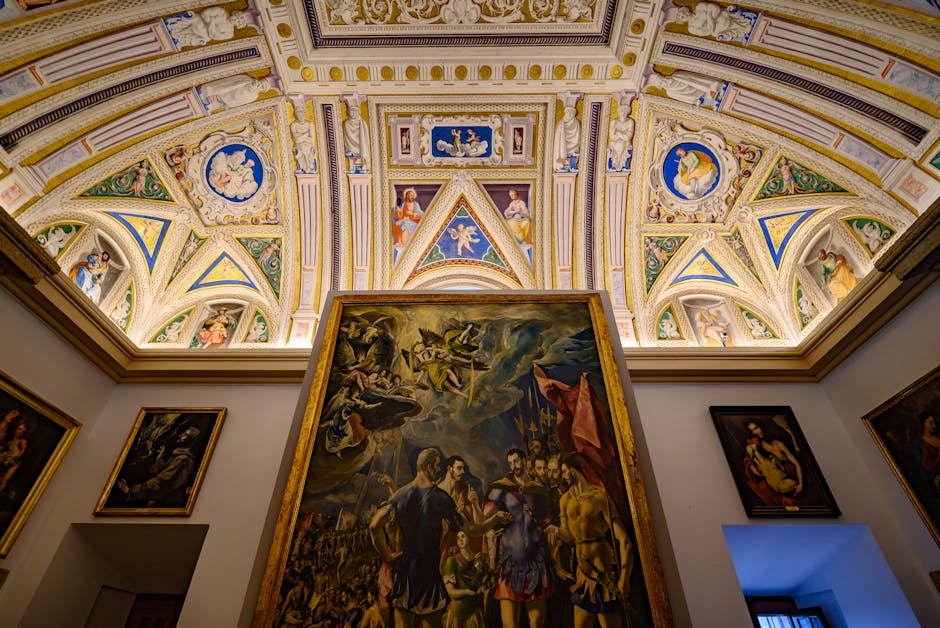
- Goya’s Third of May 1808: At Prado Museum; foundational anti-war painting.
- Templo de Debod (gifted 1968 from Egypt): 4th-century BC Egyptian temple in Parque del Oeste.
- Salamanca district (1860 expansion): 19th-century bourgeois Madrid.
- Chamberí district (1860 expansion): Same era residential.
- Estación de Atocha (1851): Original train station with iron-and-glass architecture.
- Real Academia de Bellas Artes: 18th-century academy with Goya works.
20th-Century Madrid: Civil War and Franco
Madrid history’s 20th century is dominated by the Spanish Civil War (1936-1939). Madrid was first major city in history to experience aerial bombardment of civilians. The Republican-held capital endured a 2.5-year siege; daily bombings; food shortages. Madrid’s defense became the symbol of anti-fascist resistance worldwide. Madrid fell to Nationalist forces March 28, 1939 — ending the war.
Franco’s 36-year dictatorship (1939-1975) suppressed regional cultures and democracy but invested in infrastructure. Post-Franco democratic transition (1975-1981) was peaceful. Madrid hosted Spain’s constitutional democracy from 1978. The Movida Madrileña counterculture explosion of the 1980s gave Madrid global cultural identity. Spain joined the EU in 1986.
- Picasso’s Guernica (1937): At Reina Sofía Museum; iconic Civil War painting.
- Casa de Campo trenches: Civil War defensive remains.
- Telefónica building Gran Vía: Republican command headquarters; bullet holes visible.
- Valle de Cuelgamuros (formerly Valle de los Caídos): Franco-era memorial 50 km outside Madrid.
- Movida Madrileña era venues: Sala El Sol (since 1979) anchors Malasaña.
21st-Century Madrid: European Capital
Modern Madrid history continues with the city as Spain’s political, financial, and cultural capital. Population 3.3 million city; 6.7 million metropolitan area. Major developments: Madrid Río park (2011) reclaimed riverside; Centro Canalejas luxury development (2020); Real Madrid Bernabéu Stadium renovation (2024). Madrid hosts headquarters of Spain’s major banks, IBEX-listed companies, and most international embassies. Madrid is among Europe’s top 10 economic centers.
Tourist Madrid history: 9+ million annual international visitors; Prado Museum 3+ million annual; Royal Palace 1.5 million; Reina Sofía 4 million. UNESCO designations: Madrid’s Paseo del Prado-Buen Retiro Landscape (2021); Alcalá de Henares (1998, 30 km east); Toledo (1986, 70 km south); Aranjuez (2001, 50 km south); El Escorial (1984, 50 km northwest).
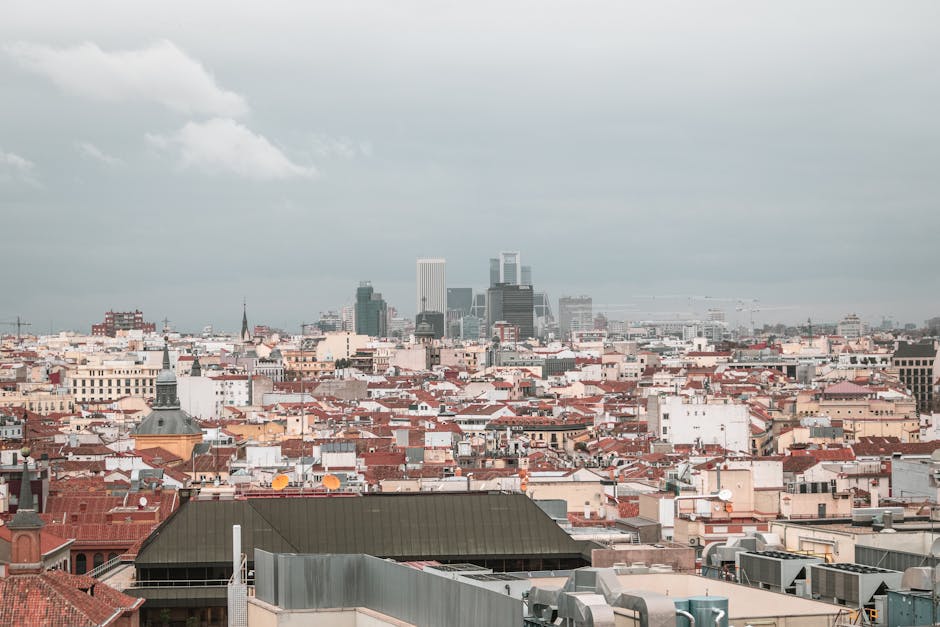
Madrid History Timeline
- 852 AD: Mayrit fortress founded by Muhammad I of Córdoba.
- 1083: Alfonso VI of Castile conquers Madrid.
- 1492: Jewish expulsion from Spain; Madrid Jewish quarter ends.
- 1561: Felipe II makes Madrid the permanent Spanish capital.
- 1620: Plaza Mayor completed.
- 1734: Habsburg Alcázar burns Christmas Eve.
- 1764: Current Royal Palace completed.
- 1808: May 2 uprising against Napoleonic French.
- 1819: Prado Museum opens.
- 1851: Atocha railway station opens.
- 1919: Madrid Metro opens.
- 1936-1939: Spanish Civil War; Madrid besieged.
- 1939-1975: Franco dictatorship.
- 1978: Spanish Constitution and democracy.
- 1986: Spain joins European Union.
- 1992: Reina Sofía Museum opens with Guernica.
- 2021: UNESCO inscribes Paseo del Prado-Buen Retiro.
FAQs
When was Madrid founded?
852 AD by Emir Muhammad I of Córdoba as the Moorish fortress Mayrit. 1,200+ years of continuous occupation.
When did Madrid become Spain’s capital?
1561 when Felipe II moved the royal court from Toledo to Madrid. Population grew from 20,000 to 100,000 in 40 years.
What is Madrid’s oldest building?
San Nicolás de los Servitas — 12th-century Mudéjar bell tower. Other contenders: San Pedro el Viejo (14th c.) and the Arab Wall remnants (11th c.).
What was Madrid like during the Spanish Civil War?
Madrid endured a 2.5-year Republican siege (1936-1939). First major city in history to experience civilian aerial bombardment. Casa de Campo trenches still visible.
Why is Madrid significant in Spanish history?
Capital since 1561; political and cultural center of the Spanish Empire (Habsburg Golden Age) and modern Spain (Bourbon Enlightenment, democratic transition).
Where can I see Madrid history today?
Plaza Mayor (Habsburg), Royal Palace (Bourbon), Prado Museum (Goya’s Civil War paintings), Reina Sofía (Guernica), La Latina (medieval), Casa de Campo (Civil War trenches).
1 response
Comments are closed.