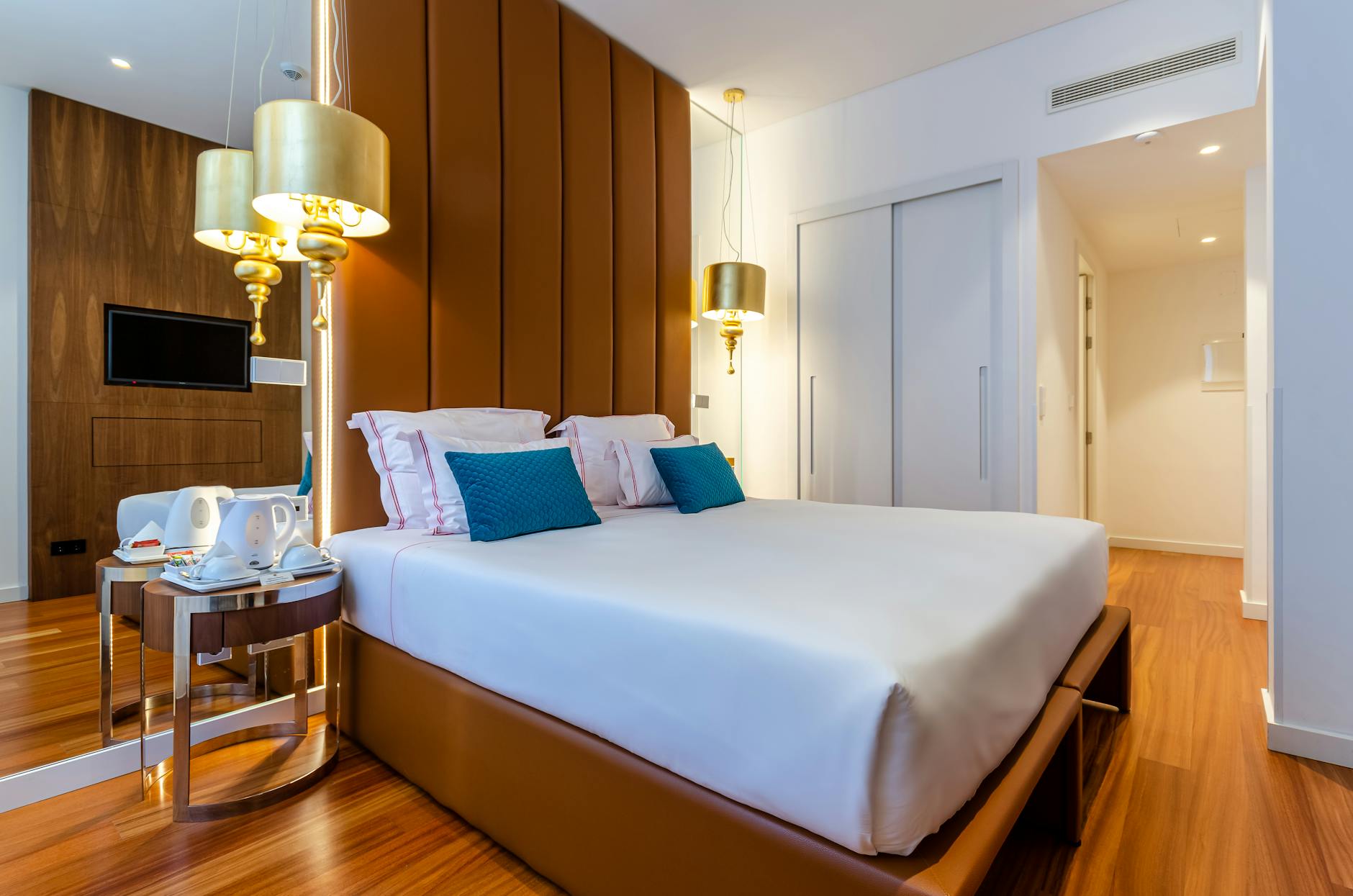
Here’s the short answer: stay in Barrio de las Letras if this is your first trip — you’ll walk to the Prado in 8 minutes and to Sol in 10. Pick La Latina if your trip revolves around food and you want to stumble home from Cava Baja at midnight. Choose Malasaña for nightlife, Chueca for the LGBTQ+ scene, and anywhere near Retiro if you’re travelling with kids. For everything else — budget, luxury, airport hotels, Airbnbs — this guide covers it all with 2026 prices.
I’ve been covering Madrid travel for years, and the single question I get most is: where should I stay? The answer matters more than people think. Madrid’s Metro is fast and cheap (around €1.50–€2.00 a ride, or €12.20 for a 10-trip card), so no neighbourhood is truly inaccessible — but your base still sets the whole mood of your visit. A room on Cava Baja puts you in a different city than a room on Serrano, even though they’re 20 minutes apart.
This is our complete where to stay in Madrid guide. Use the neighbourhood summaries to narrow down your area, then follow the “Full guide” links to our detailed cluster articles for specific hotel names, prices, and booking tips.
The Best Neighbourhoods to Stay in Madrid at a Glance
Before diving into specifics, here’s a fast comparison table. Prices are double room per night, 2026 averages:
| Neighbourhood | Best for | Hotel range (2026) | Metro |
|---|---|---|---|
| Barrio de las Letras | First-timers, culture | €90–€220 | Antón Martín (L1) |
| La Latina | Food lovers, old Madrid | €75–€180 | La Latina (L5) |
| Malasaña | Nightlife, young travellers | €70–€190 | Tribunal (L1/L10) |
| Chueca | LGBTQ+, cosmopolitan | €85–€200 | Chueca (L5) |
| Centro / Sol | Walkability, first visit | €80–€250 | Sol (L1/L2/L3) |
| Retiro / Salamanca | Families, luxury, museums | €100–€350+ | Retiro (L9) |
| Lavapiés | Budget, multicultural | €45–€120 | Lavapiés (L3) |
| Chamberí | Repeat visitors, locals | €75–€160 | Bilbao (L1/L4) |
👉 Full guide: Best neighbourhoods to stay in Madrid — detailed breakdown with maps and tips
Centro & Sol: Most Central, Most Convenient

Sol is kilometre zero — the geographic centre of Spain. The Royal Palace, Plaza Mayor, and the start of Gran Vía are all within a 15-minute walk. If you have two days and want to cover the headliners without touching the Metro, Centro is your answer.
The trade-off is real. Streets around Sol are perpetually crowded, restaurants near the main plazas run tourist-trap prices, and street noise in the lower floors of hotels carries well past midnight on weekends. Request an interior room (habitación interior) — it faces the courtyard and is noticeably quieter. Budget: €80–€250/night for a double.
Gran Vía itself runs northeast from Plaza de España toward Cibeles, lined with early-20th-century architecture, flagship stores, theaters, and rooftop bars. Hotels here range from international luxury chains down to perfectly good three-star options. The neighbourhood rewards first-timers but can feel anonymous once you know the city better.
Barrio de las Letras: The Best All-Round Choice
If I had to give one recommendation to every first-time visitor, it would be Barrio de las Letras. The Prado is an 8-minute walk. Sol is 10. Retiro Park is 15. Plaza Mayor is 12. You’re in the middle of everything without actually being in the tourist scrum of Centro.
The neighbourhood takes its name from the writers who lived here — Cervantes, Lope de Vega, Quevedo — and brass quotations are embedded in the pavements on Calle Huertas and the surrounding streets. Plaza Santa Ana, the central square, has a ring of tapas bars and cocktail terraces that fill up properly around 11pm. The Mercado de Antón Martín (Metro: Antón Martín, Line 1) is a genuine neighbourhood market, not a tourist one.
Accommodation runs from the design-forward ME Madrid on Plaza Santa Ana down to well-priced boutique hotels and apartment rentals on the side streets. Budget: €90–€220/night. A good mid-range hotel here will cost less than the equivalent in Salamanca and put you in a far more interesting spot.
La Latina: Where Madrid Feels Like Itself
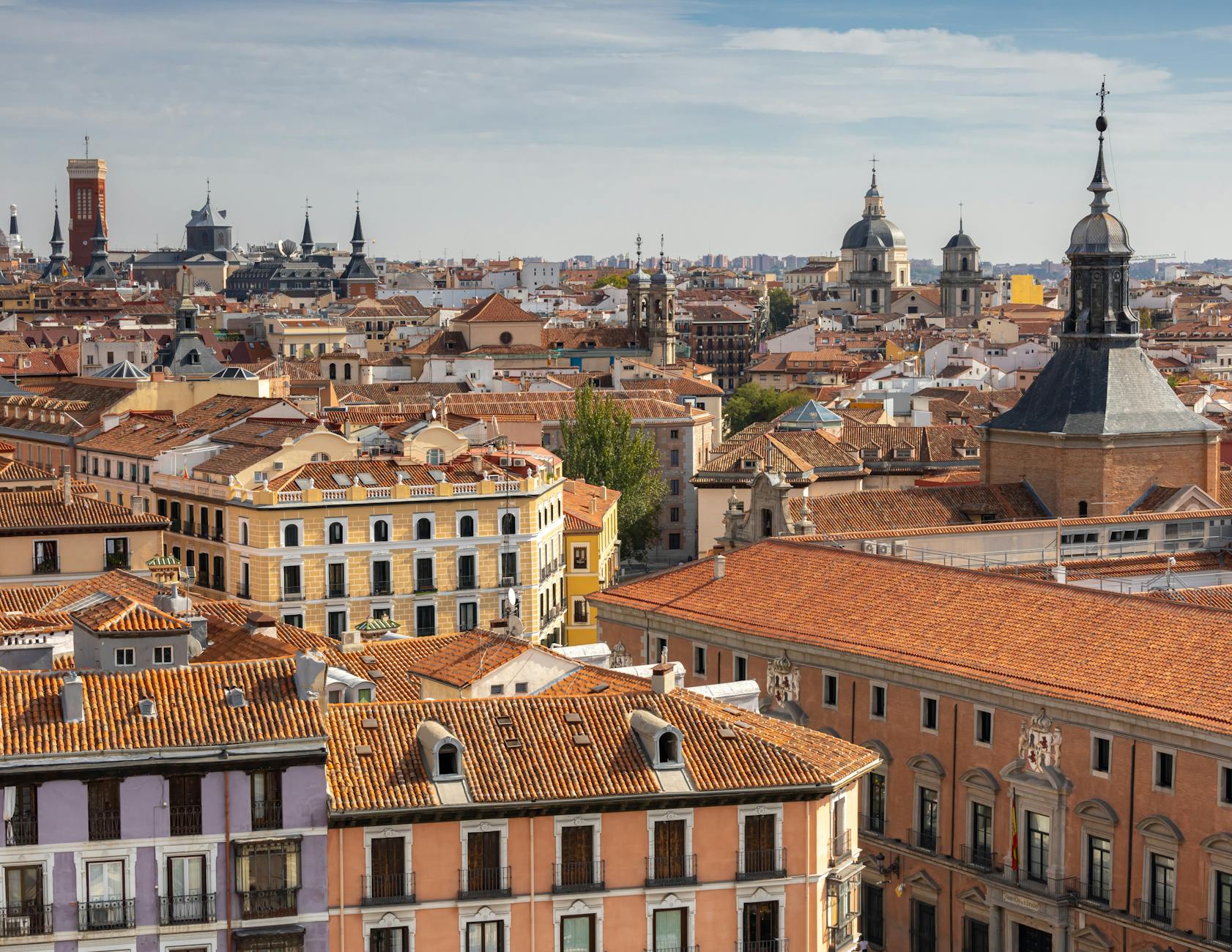
La Latina is one of Madrid’s oldest neighbourhoods, and it’s where the tapas culture the city is famous for actually lives. Calle Cava Baja packs dozens of traditional bars into a single cobbled street — Casa Lucio, Taberna Txakolina, El Almendro — and on Sunday mornings the entire district fills with locals doing the Rastro flea market followed by vermut. It’s the closest thing Madrid has to a weekly ritual.
The Metro stop is La Latina (Line 5), and the neighbourhood sits about a 15-minute walk southwest of Sol. The streets are steep and cobbled — not great for heavy luggage or mobility issues. But if your trip is food-first, you’ll want to be here. Boutique hotels and apartment rentals in converted buildings with exposed beams are the norm. Budget: €75–€180/night.
👉 Full guide: Hotels in La Latina Madrid — charming old-town picks with exact walking times
For the tapas scene itself, our La Latina tapas bar guide covers the best bars street by street, with honest picks and a few places to skip.
Malasaña: For Nightlife, Creativity, and Not Sleeping Until 3am
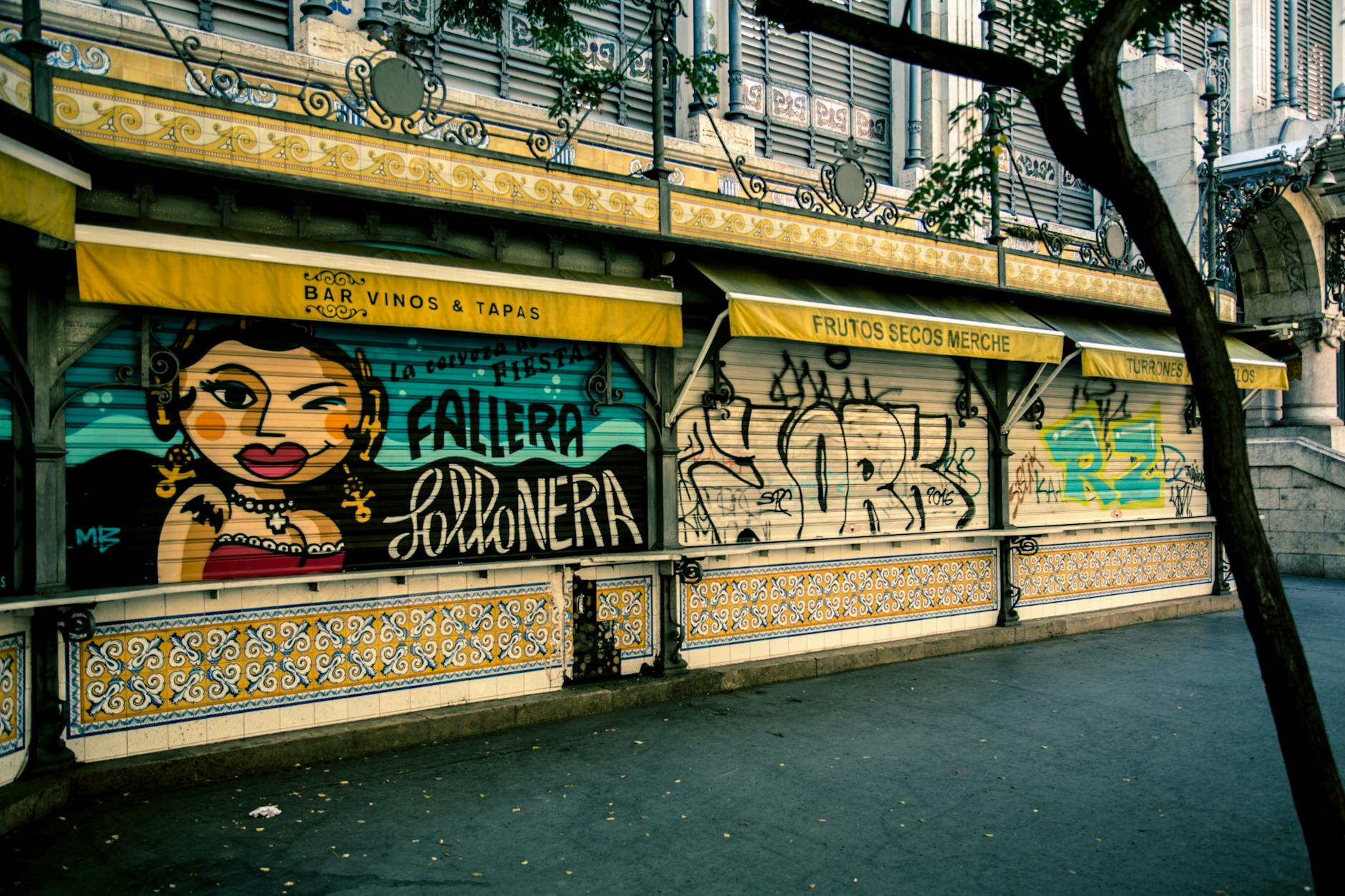
Malasaña is where Madrid’s counter-cultural movida of the 1980s happened, and the neighbourhood has never quite let go of that identity — in the best way. Centred around Plaza del Dos de Mayo (Metro: Tribunal, Lines 1 and 10), it’s full of vintage shops, specialty coffee roasters, street art, record stores, and bars that start getting interesting around midnight.
This is the right base if you’re in your 20s or 30s, you care about what you’re eating and drinking, and you want to fall out of a jazz bar at 2am rather than a tourist-facing flamenco show. The accommodation leans toward apartment rentals and boutique hotels — several stylish design properties have opened in converted industrial spaces. Budget: €70–€190/night for hotels, €20–€35 for hostel dorms.
The full Malasaña neighbourhood guide covers the best bars, restaurants, and what to do street by street.
Chueca: Proudly LGBTQ+ and One of Europe’s Best Neighbourhoods
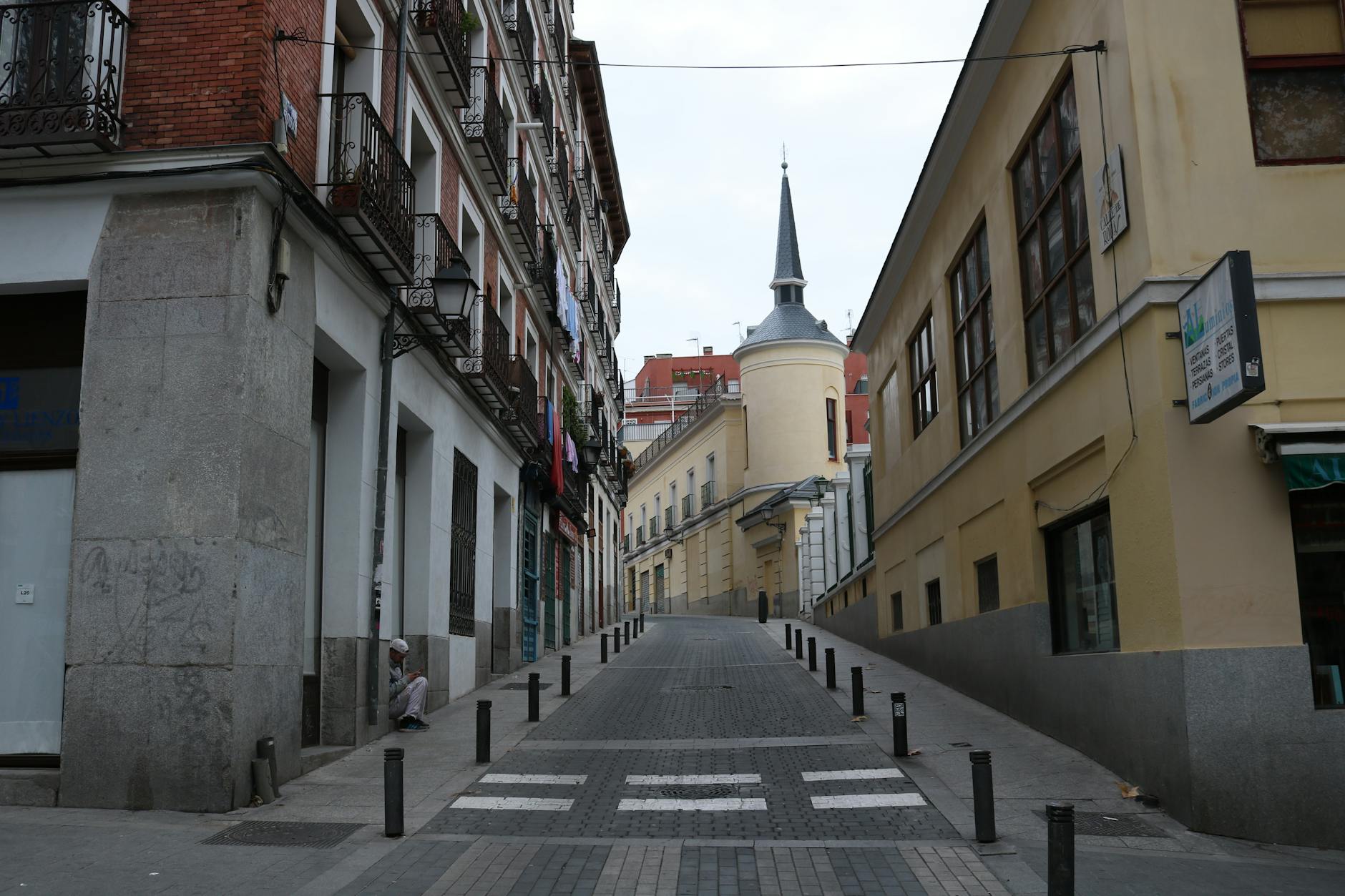
Chueca (Metro: Chueca, Line 5) is Madrid’s proudly LGBTQ+ neighbourhood and the epicentre of Orgullo — Madrid Pride — typically held in late June. It’s also just a genuinely excellent place to stay regardless of who you are: good restaurants, fashion-forward independent shops, a relaxed daytime vibe, and an energetic nightlife scene that ranges from wine bars to proper clubs.
The Mercado de San Antón on Calle Augusto Figueroa has a gourmet market on the ground floor and a rooftop terrace bar that fills up at sunset. Boutique hotels and apartment rentals dominate the accommodation scene here. Budget: €85–€200/night for hotels.
👉 Full guide: Staying in Chueca Madrid — LGBTQ+ hotels, what to know, and where to eat
For neighbourhood character and sights, the Chueca neighbourhood guide has the detail.
Retiro & Salamanca: For Families, Art Lovers, and Five-Star Splurges
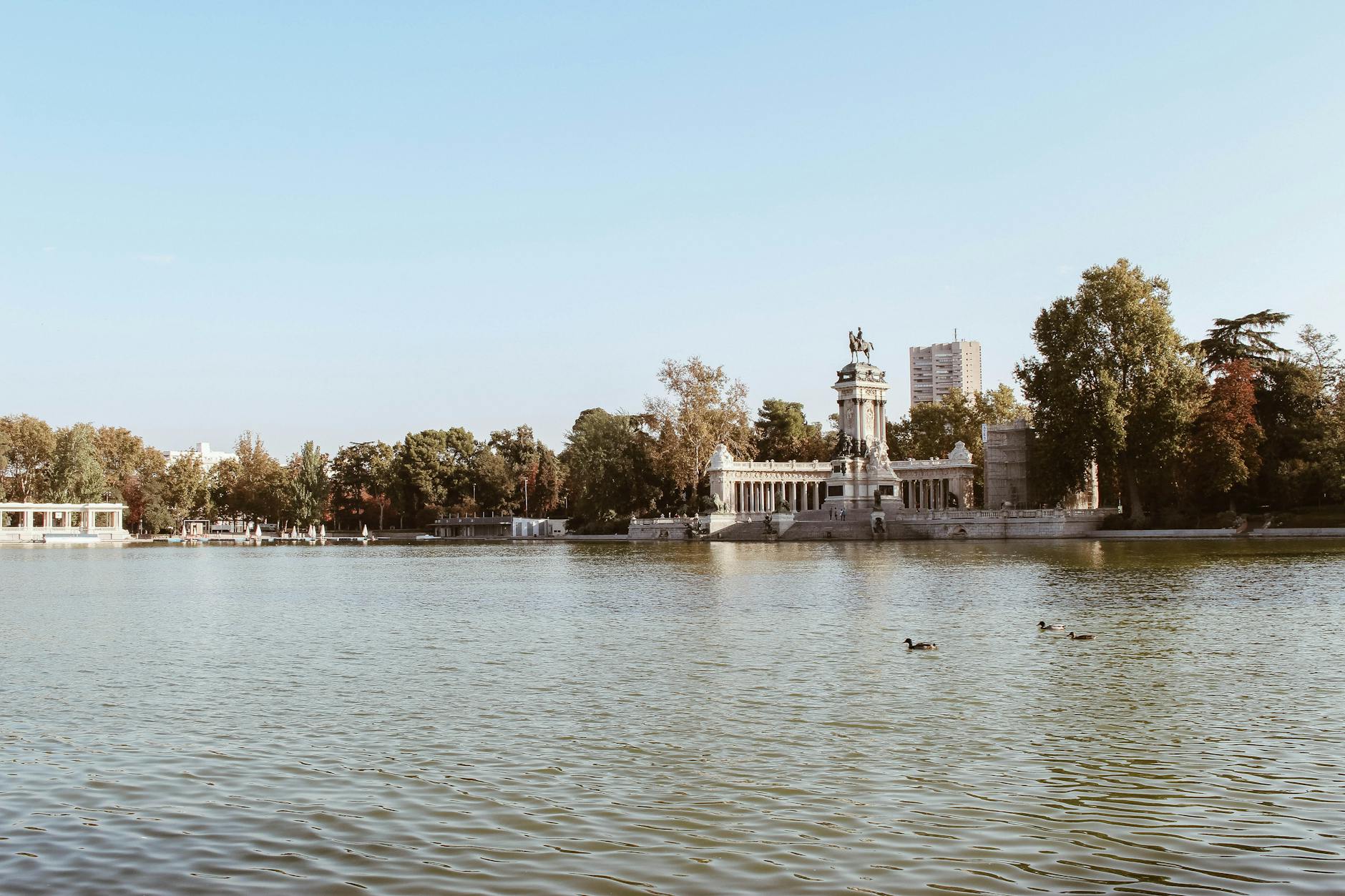
The Retiro area puts you a short walk from three of the world’s great art museums — the Prado, Reina Sofía, and Thyssen-Bornemisza — and right next to a 125-hectare park where you can rent rowing boats, watch puppet shows, and spend an entire morning without touching a tourist attraction. Families with kids will appreciate this more than almost any other factor.
Salamanca, just north of Retiro, is Madrid’s upscale shopping and residential district — broad tree-lined streets, flagship luxury brands, Michelin-starred restaurants, and the Mandarin Oriental Ritz. If you want a genuinely quiet, safe, and refined base with five-star service, this is where to look. Just know that the neighbourhood is quieter at night than La Latina or Malasaña — which is exactly the point for many families and luxury travellers.
Budget: €100–€350+ for hotels near Retiro. Salamanca commands the top of that range.
👉 Full guide: Hotels near the Prado Museum — walking distances, price ranges, and picks by budget
Accommodation Types: What to Book and What to Know
Luxury Hotels (5-Star)
Madrid’s top tier is genuinely impressive. The Four Seasons near Sol occupies seven restored historic buildings. The Mandarin Oriental Ritz near Retiro was recently renovated back to its original 1910 Belle Époque splendour. The Rosewood Villa Magna in Salamanca is quieter and more discreet. Expect €400–€1,000+ per night. All three have excellent restaurants and are well-placed for the major sights.
👉 Full guide: Luxury hotels in Madrid Spain — five-star picks compared by location and value
Mid-Range Hotels (3–4 Star, €80–€200)
This is where Madrid’s value proposition shines. Spanish chains like NH Hotels, Meliá, and Iberostar run reliable four-star properties throughout the centre at prices well below equivalent hotels in Paris or London. Independent boutique hotels — particularly in Barrio de las Letras and Chueca — offer more character at similar price points. The sweet spot is €100–€160/night for a well-located double with a good breakfast.
Cheap Hotels and Budget Stays (Under €100)
Madrid has plenty of genuine value at the lower end. The trick is knowing which neighbourhoods to target — Lavapiés, outer Malasaña, and Argüelles will always beat Centro on price. Spanish hostales (not hostels — think small family-run guesthouses with private rooms) are worth seeking out; many occupy the upper floors of historic buildings in prime central locations and charge €40–€80 for a double.
👉 Full guide: Cheap hotels in Madrid — under €100 options by neighbourhood with honest reviews
Hostels
Madrid’s hostel scene is strong. The Hat (near Plaza Mayor), Generator Madrid (Lavapiés), and Way Hostel have raised the bar considerably — rooftop bars, well-designed common areas, and a genuinely social atmosphere rather than just bunks in a room. Dorm beds run €15–€35/night; private rooms €50–€90/night.
👉 Full guide: Best hostels in Madrid — top 8 picks for budget travellers and solo explorers
Airbnb and Apartment Rentals
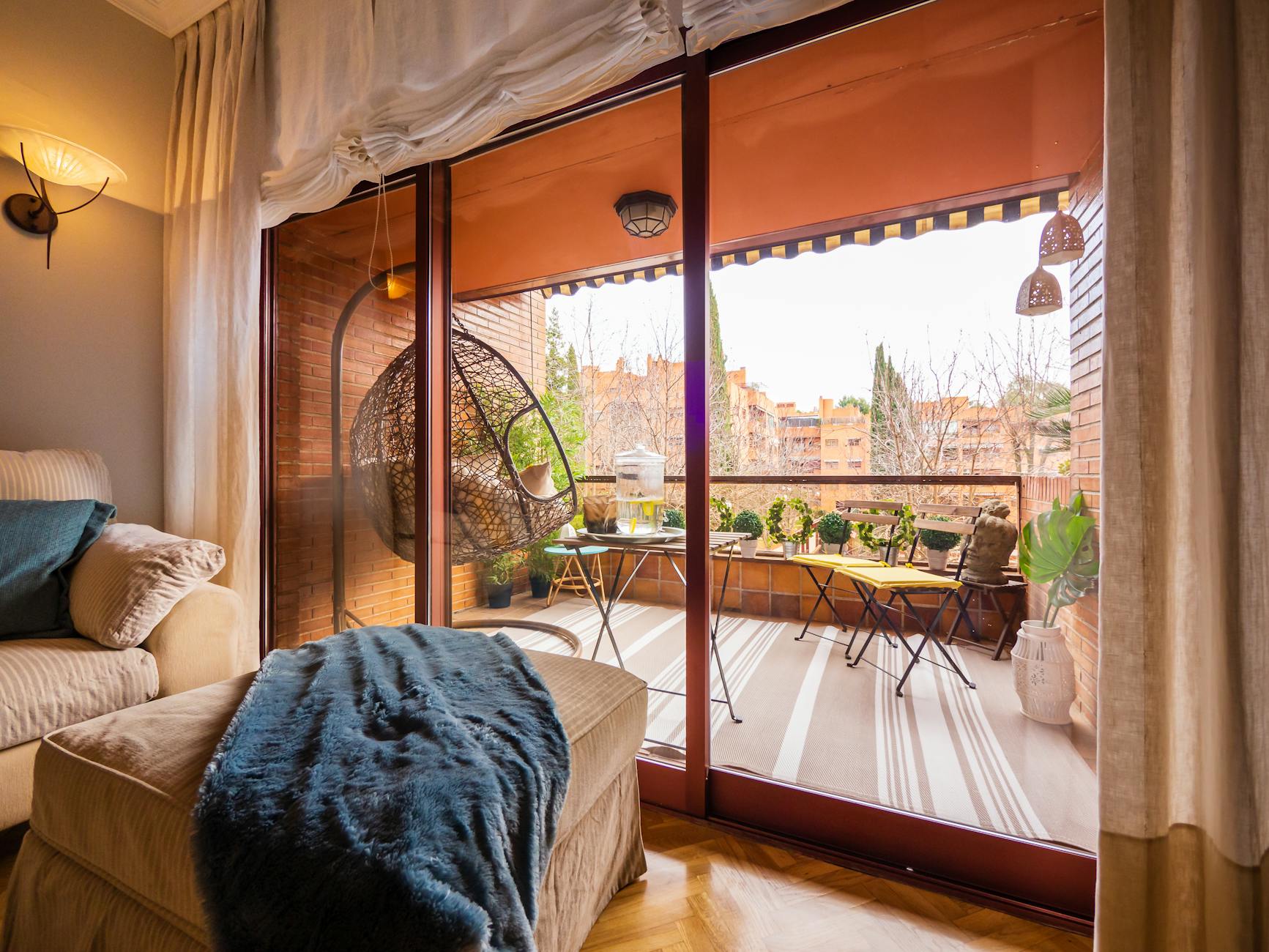
Short-term apartment rentals are popular in Madrid but come with an important caveat: Spain’s 2025 national registration law and Madrid’s own licensing rules mean all legal vacation rentals must display a tourism licence number starting with “VT” in their listing. An unlicensed rental can be shut down mid-stay, and you’ll have little recourse. Verify the licence before booking. Legal apartments in central neighbourhoods run €70–€200/night for a one-bedroom.
👉 Full guide: Airbnb Madrid apartments — what to check before booking, best neighbourhoods, top picks
Family-Friendly Hotels
Families need more than just a room — they need space, safety, proximity to parks and child-friendly attractions, and ideally a pool or at least a reliable breakfast. The Retiro and Salamanca areas deliver on most of these. Several NH Hotels and Meliá properties in the wider centre specifically cater to families with connecting rooms and kids’ menus.
👉 Full guide: Family-friendly hotels in Madrid — best picks near parks, museums, and kid-friendly sights
Airport Hotels: When You Need to Crash Near Barajas
Madrid-Barajas has four terminals spread over a significant area — T1/T2/T3 are connected, T4 is a separate building 10 minutes away by shuttle. If your flight leaves before 7am or arrives after midnight, a night near the airport makes sense. Expect to pay €70–€140/night for a decent airport hotel; most are shuttle-served rather than walking distance from terminals.
For everyone else: the Airport Express bus runs 24 hours between T1/T2/T3/T4 and Atocha station for €5, and the Metro Line 8 reaches Nuevos Ministerios in about 30 minutes (€4.50 including airport supplement). A taxi to anywhere inside the M-30 ring road has a fixed rate of €33. There’s rarely a reason to stay near the airport unless you have a very early departure or are transiting. The Madrid transportation guide explains all the airport transfer options in detail.
👉 Full guide: Hotels near Madrid airport — best picks by terminal, with transfer times and prices
Seasonal Pricing: When to Book and When to Save
Madrid has three distinct pricing seasons:
- Peak (March–June, September–November): Best weather, busiest tourism, hotel rates 20–40% above average. Book 4–8 weeks ahead for good central options, 2–3 months ahead for well-known properties during major festivals.
- Summer (July–August): Locals leave, tourists arrive, but it’s genuinely hot (35°C+ regularly in August). Rates drop 20–30%. The cheapest month in Madrid is August — if you can handle the heat, it’s great value. Museums are less crowded in the mornings.
- Winter (December–February): January and February are the cheapest months by far. Weather is cold but sunny. The exception is the Christmas–New Year period (December 20–January 5), when rates spike and Gran Vía’s light displays draw huge crowds.
One practical tip: book a refundable rate initially, then check back 2–3 weeks out. Hotels often reduce prices as the date approaches if rooms remain unsold. Comparing the hotel’s own website against Booking.com frequently reveals a 5–10% direct-booking discount.
For a full breakdown of what accommodation, food, transport, and activities cost, see our Madrid travel budget guide.
Practical Tips Before You Book
Metro proximity is the most important factor
Aim for a hotel within a 5-minute walk of a Metro station. The key interchange stations — Sol, Gran Vía, Tribunal, Alonso Martínez — give you connections to multiple lines and put every major sight within 20 minutes. The Metro runs from about 6am to 1:30am; a night bus (búho) covers the gaps.
Interior rooms are significantly quieter
Ask for an habitación interior when booking or at check-in. These face the interior courtyard rather than the street and can make the difference between a good night’s sleep and lying awake listening to the neighbourhood at 2am. This matters most in Centro, Malasaña, and La Latina.
Verify Airbnb licences
Any vacation rental without a “VT” tourism licence number in the listing is operating illegally under 2025 Madrid rules. The risk is real — inspections happen, and if a property is shut down during your stay you have limited protection.
Luggage and hills
La Latina and upper Malasaña have steep streets that aren’t fun with a large suitcase. If you’re arriving with heavy bags or have mobility concerns, Centro, Salamanca, and the Paseo del Prado area are considerably flatter and easier to navigate.
Plan Your Trip: In-Depth Guides for Every Type of Madrid Stay
Use these guides to go deeper on whichever aspect of accommodation matters most to you:
- Best Neighbourhoods to Stay in Madrid — Full breakdown of all eight main areas with maps, price ranges, and honest pros/cons.
- Cheap Hotels in Madrid — Under €100/night options that don’t sacrifice location. Sorted by neighbourhood.
- Luxury Hotels in Madrid — Five-star picks compared on location, service, and genuine value for money.
- Airbnb Madrid Apartments — How to verify licences, which neighbourhoods have the best supply, and what to pay.
- Staying in Chueca Madrid — LGBTQ+-friendly hotels, where to eat, what the neighbourhood is actually like to stay in.
- Best Hostels in Madrid — Top 8 picks for solo travellers and backpackers, with dorm vs. private room costs.
- Family-Friendly Hotels in Madrid — Properties near parks, with connecting rooms, family deals, and kid-friendly locations.
- Hotels Near the Prado Museum — Walking-distance options for art lovers, sorted by budget tier.
- Hotels in La Latina Madrid — Old-town character picks on or near Cava Baja, with honest walking time assessments.
- Hotels Near Madrid Airport — Best airport hotel picks by terminal (T1–T4), with shuttle info and if you actually need one.
Beyond Accommodation: Planning the Rest of Your Madrid Trip
Once your accommodation is sorted, these guides will help you plan what to actually do:
- Things to Do in Madrid — The complete guide to attractions, activities, and how to spend your time, organised by category.
- Madrid Food Guide — What to eat, where to eat it, and how to navigate the city’s dining culture without falling into tourist traps.
- Madrid Neighbourhoods Guide — A deeper look at every major barrio for visitors who want to understand the city’s geography before arrival.
- Madrid Transportation Guide — Metro, bus, airport transfers, and taxis explained with 2026 prices.
- Madrid Travel Budget — What everything costs in 2026: accommodation, food, museums, transport.
Frequently Asked Questions
What is the best area to stay in Madrid for first-time visitors?
Barrio de las Letras is the best all-round choice — it’s central, has genuine character, and puts you within a 10-minute walk of the Prado, Sol, and Retiro Park. Centro around Sol is more convenient for walkers who want maximum sightseeing access, but it’s noisier, pricier, and more tourist-heavy.
Is it safe to stay in La Latina or Lavapiés?
Yes. Both neighbourhoods are safe for tourists. Lavapiés has a reputation that’s rougher than the reality — basic urban awareness is all you need, the same as anywhere in a major European city. Petty theft around the Metro station is the main concern, not serious crime.
How far in advance should I book a Madrid hotel?
For spring (March–June) and autumn (September–November) travel, book 4–6 weeks ahead for most properties, 8+ weeks for well-known boutique hotels. For Madrid Pride (late June) or the Christmas period, 3 months minimum. Summer and January–February you can often book a week or two out and still find good options at good prices.
Are Airbnbs legal in Madrid?
Some are, some aren’t. Legal vacation rentals must have a “VT” tourism licence number displayed in the listing. Madrid’s 2025 regulations have tightened enforcement significantly. Always verify the licence before booking — unlicensed properties risk being shut down during your stay.
How do I get from Madrid airport to my hotel?
Three options: Metro Line 8 to Nuevos Ministerios (€4.50 including airport supplement, ~30 min), the Airport Express bus to Atocha (€5, 24 hours, ~40 min), or a taxi with a fixed rate of €33 to anywhere inside the M-30. See the full Madrid transportation guide for step-by-step instructions.
What’s the cheapest time to visit Madrid?
January and February outside the New Year period. August is also cheap but very hot. If budget is the priority, these months can cut accommodation costs by 25–35% compared to peak season. Check our Madrid travel budget for full seasonal price breakdowns.