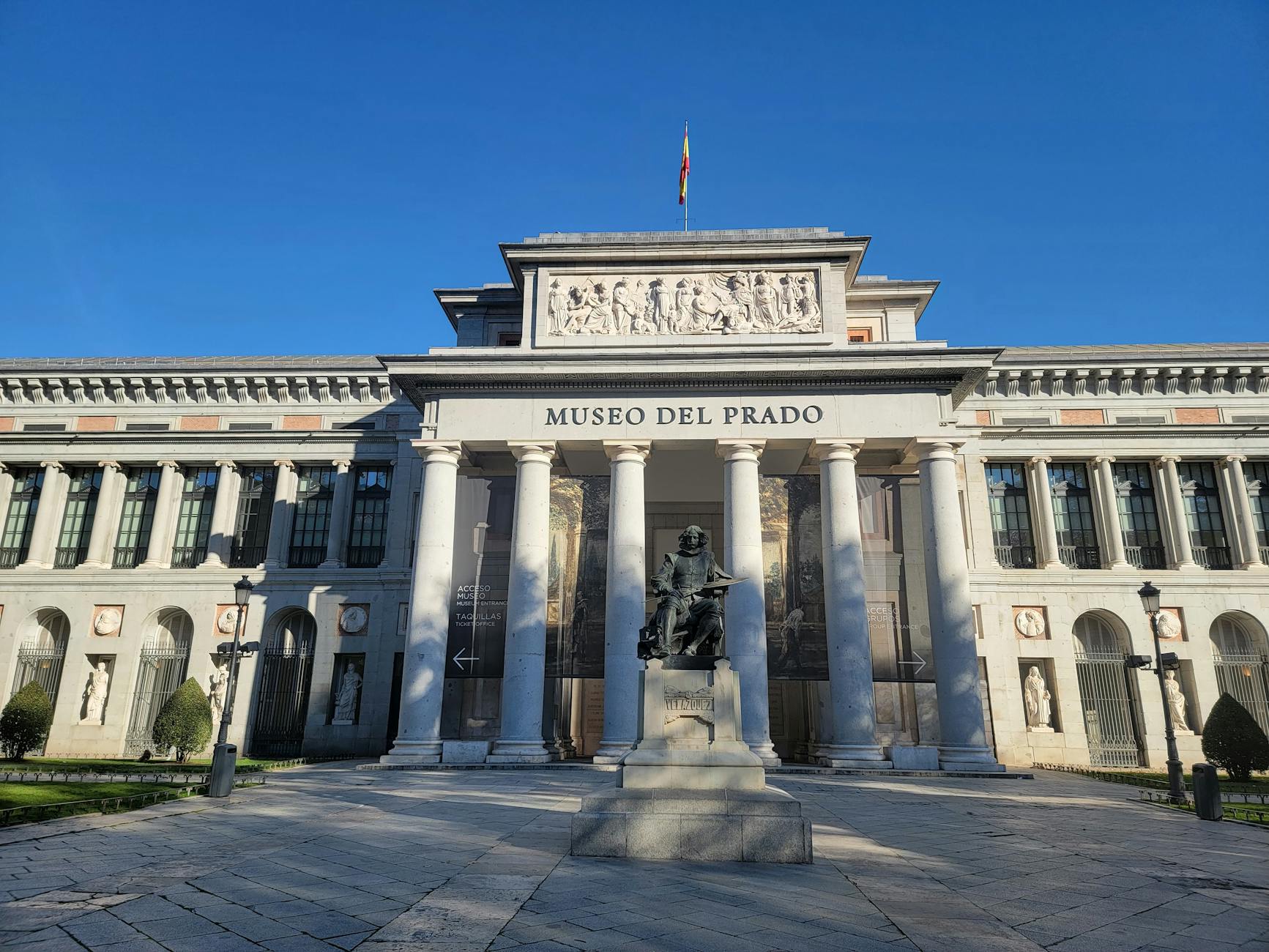
Madrid is, without question, one of the great museum cities on earth. Three world-class institutions — the Prado, Reina Sofía, and Thyssen-Bornemisza — sit within a fifteen-minute walk of each other along the Paseo del Prado. Behind them is a constellation of smaller museums, palatial house collections, and contemporary galleries that most visitors never reach. This guide covers all of it, so you can make the most of every hour.
What Makes Madrid’s Museum Scene Different
I’ve spent a lot of time in Europe’s great museum cities — Paris, Amsterdam, Florence, Vienna — and what strikes me most about Madrid is the density. In Paris the Louvre is magnificent but exhausting; in Amsterdam the Rijksmuseum sits alone at the top; in Florence you’re jumping between churches and palazzos. Madrid compresses centuries of world-class collecting into a single walkable corridor, then surrounds it with a secondary tier of museums that would be headline attractions anywhere else.
The reason for this concentration is royal patronage. For two centuries Spain was the wealthiest empire in the world, and the Habsburg and Bourbon monarchs who ruled from Madrid commissioned and acquired art on an extraordinary scale. When the Prado opened in 1819, it inherited collections that had been building since the reign of Charles I in the 1500s. The result is a depth — particularly in Spanish, Flemish, and Venetian painting — that no other museum in the world can match.
But Madrid’s second distinguishing feature is what I’d call democratic access. The free evening hours at the Big Three, the free admission at a dozen smaller state museums, and the Madrid Museum Pass options mean that even a budget traveller can access extraordinary art. If you plan your Madrid travel budget well, you can spend three days in world-class museums for almost nothing.
My honest opinion: prioritise depth over breadth. Spending four unhurried hours in the Prado is worth more than a frantic half-day sprint through all three Golden Triangle museums. Pick your rooms, take your time, and let the art breathe.
The Big Three: Madrid’s Golden Triangle of Art
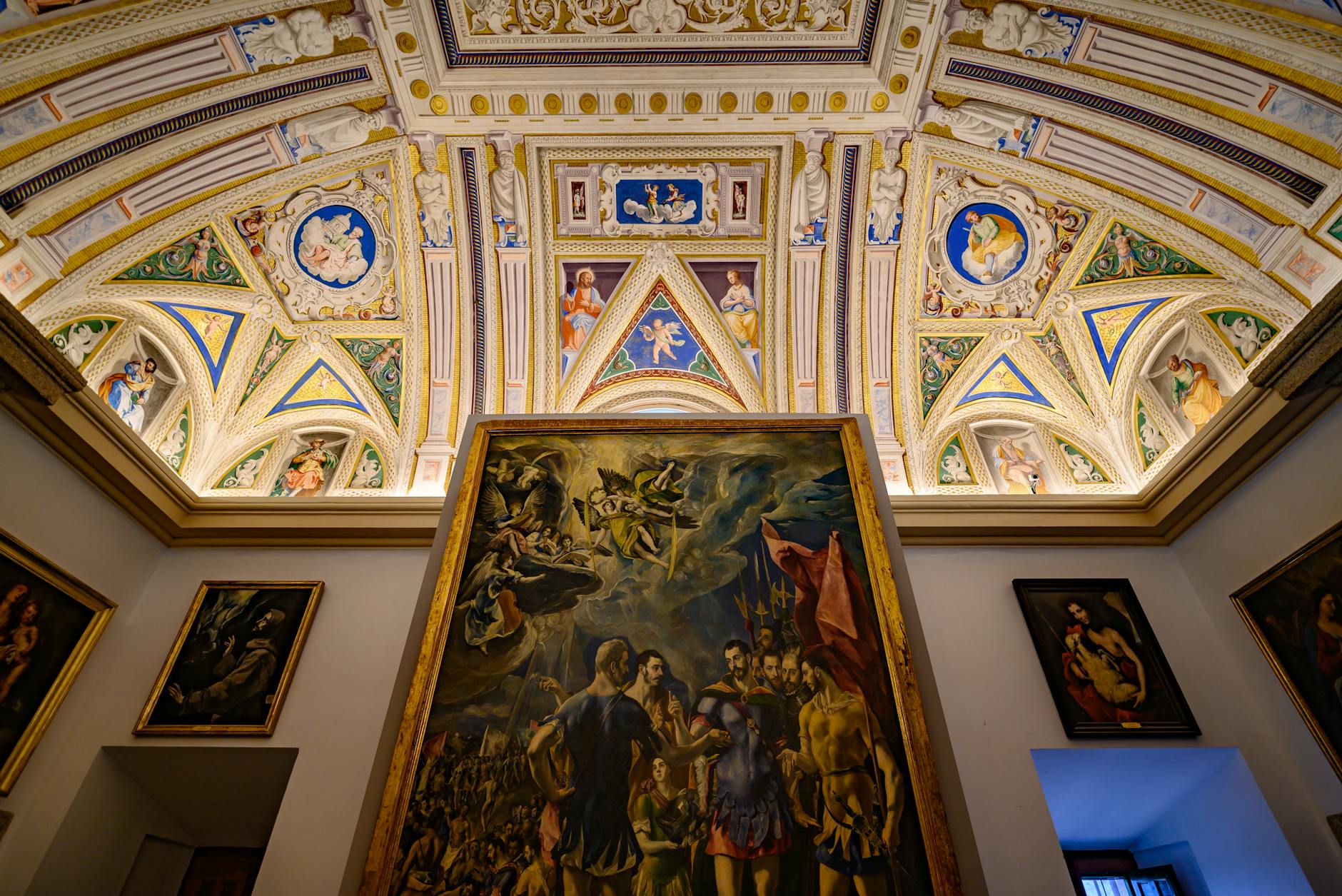
The Golden Triangle of Madrid museums — the Prado, Reina Sofía, and Thyssen-Bornemisza — form the core of any cultural visit. They are clustered so tightly along the Paseo del Prado that you can walk between them in minutes, and together they span over eight centuries of art history. Here is what each one does best, and how to approach them.
Museo Nacional del Prado
The Prado is the reason Madrid belongs in the same conversation as Paris and Florence. Founded in 1819, it houses over 7,600 paintings — including the largest collection of Velázquez in the world, exhaustive Goya holdings from his joyful early tapestry cartoons through to the harrowing Black Paintings, and the best Hieronymus Bosch outside the Netherlands. The Spanish collection alone would justify a full day.
My non-negotiable rooms: the Velázquez galleries on the main floor (room 12 for Las Meninas), the Goya rooms on the first floor, and the Bosch triptychs in the central wing. If you also want the Italian rooms — Titian’s Charles V at Mühlberg, Raphael’s The Cardinal, Tintoretto’s portraits — budget a full day. Don’t try to see everything; the Prado rewards focused visits.
Free entry runs Monday–Saturday 18:00–20:00 and Sunday 17:00–19:00. Arrive 30 minutes early — the queues are real. Book paid tickets online to skip the ticket line entirely.
👉 Full guide: Prado Museum Madrid — Complete Visitor’s Guide
Museo Nacional Centro de Arte Reina Sofía
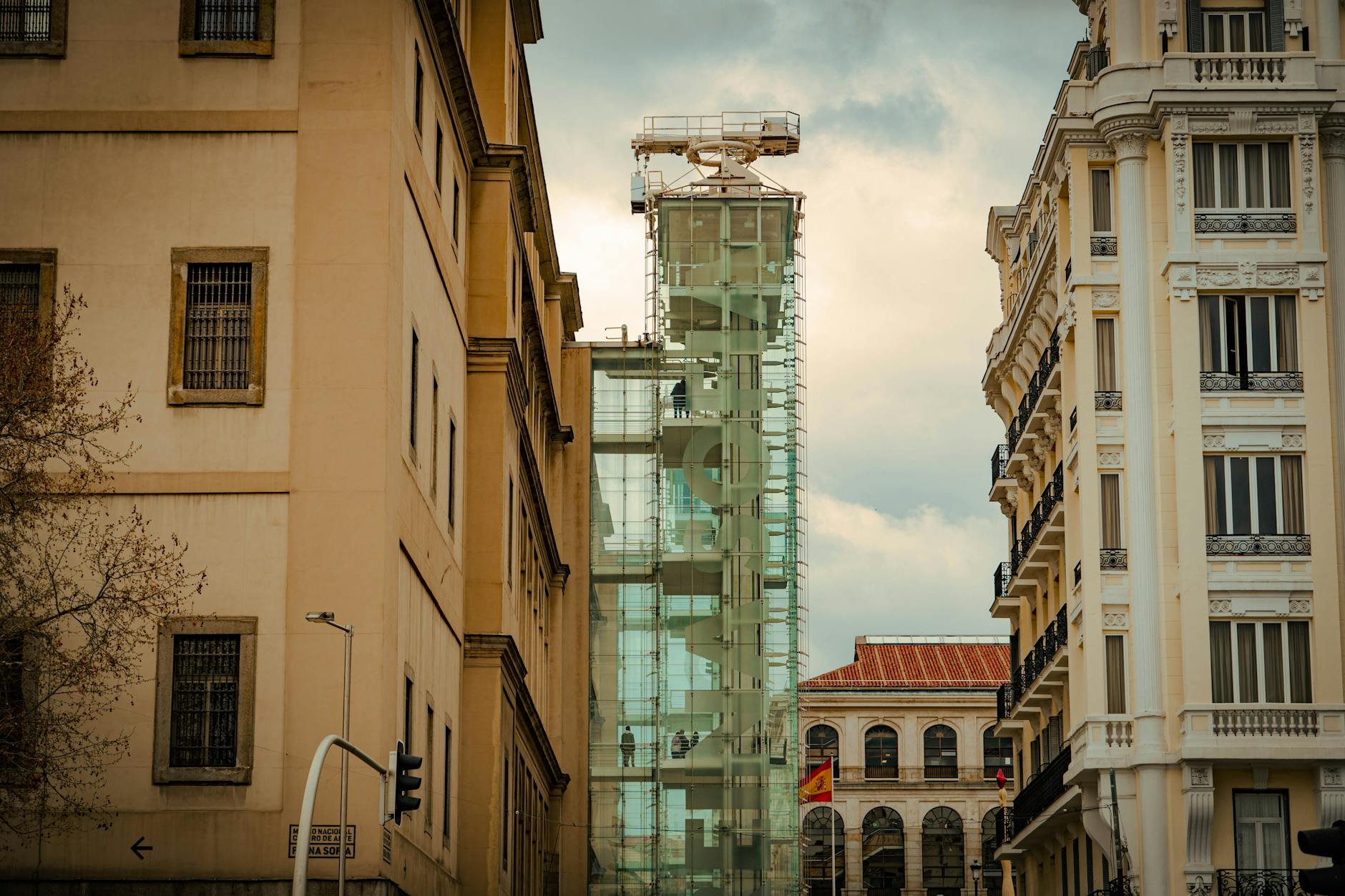
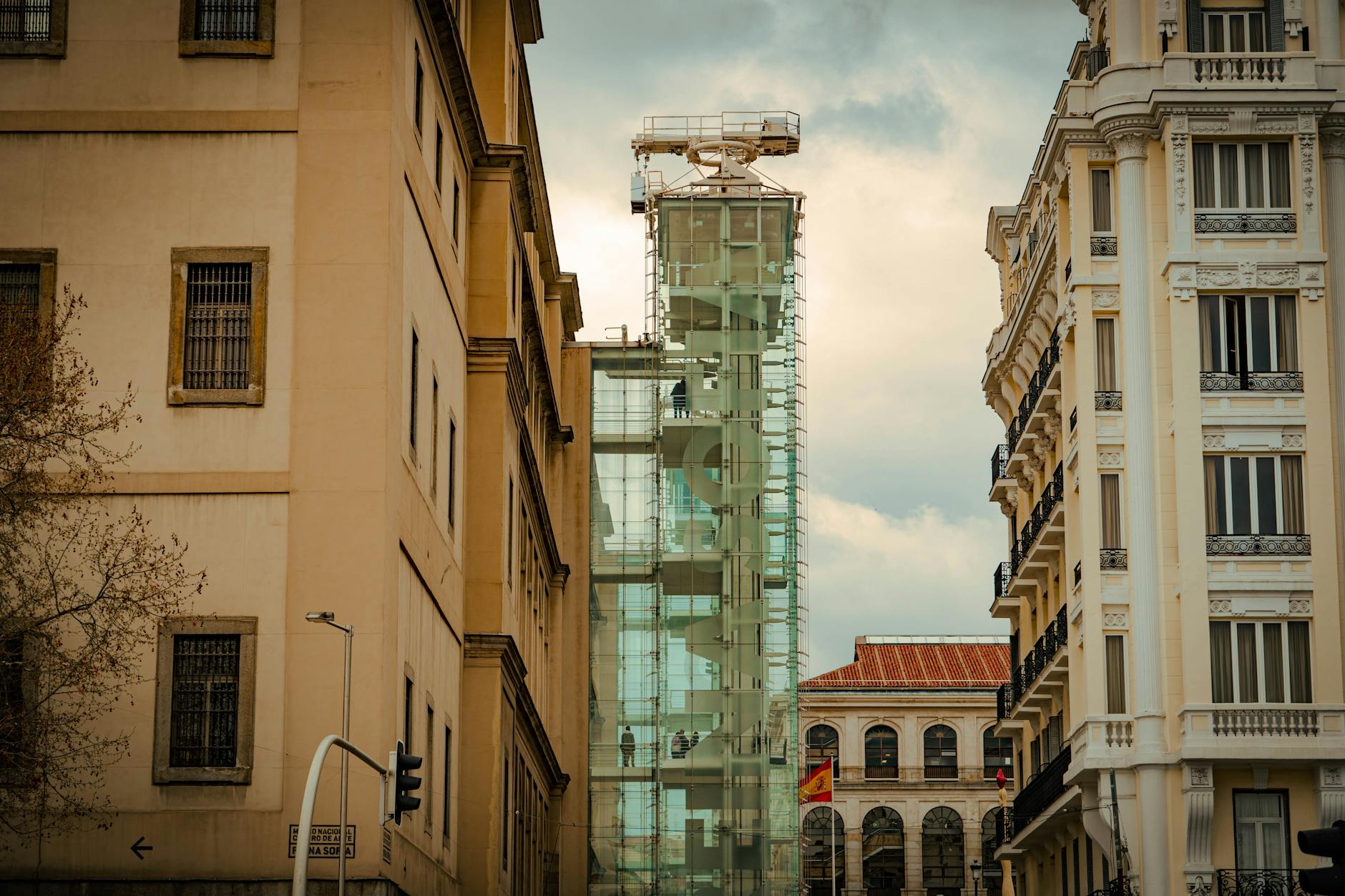
Spain’s national museum of twentieth and twenty-first-century art is built around one room: the Guernica gallery on the second floor of the permanent collection building, where Picasso’s 1937 anti-war painting occupies an entire wall. Measuring over 3.5 by 7.7 metres, the painting stops you in your tracks. The preparatory sketches surrounding it — charcoal drawings of screaming horses and fractured figures — make clear how deliberately Picasso constructed this vision of catastrophe. No other single work in Madrid hits as hard.
Beyond Guernica, the Reina Sofía holds comprehensive Dalí and Miró collections, important works by Juan Gris and María Blanchard, and an increasingly strong international contemporary programme in the Jean Nouvel-designed extension. Closed Tuesdays. Free entry Monday and Wednesday–Saturday 19:00–21:00, and all day Sunday 10:00–14:30.
👉 Full guide: Reina Sofía Museum & Guernica — Complete Visitor’s Guide
Museo Nacional Thyssen-Bornemisza
The Thyssen fills the gaps the other two leave. Based on one of the greatest private collections ever assembled, it offers a sweep from thirteenth-century Italian primitives to late-twentieth-century American painting — the chronological hang from the top floor downward works like a crash course in art history. The Impressionist and Post-Impressionist rooms are outstanding (Monet, Renoir, Degas, Van Gogh at depth that rivals French museums), as are the German Expressionist galleries and the American twentieth-century section with Hopper, Rothko, and Lichtenstein.
The Thyssen is the most manageable of the three in scale — two to three hours is enough for a satisfying visit. Free entry on Mondays 12:00–16:00.
👉 Full guide: Thyssen-Bornemisza Museum — Complete Visitor’s Guide
Museum Passes: Which One Is Worth It?
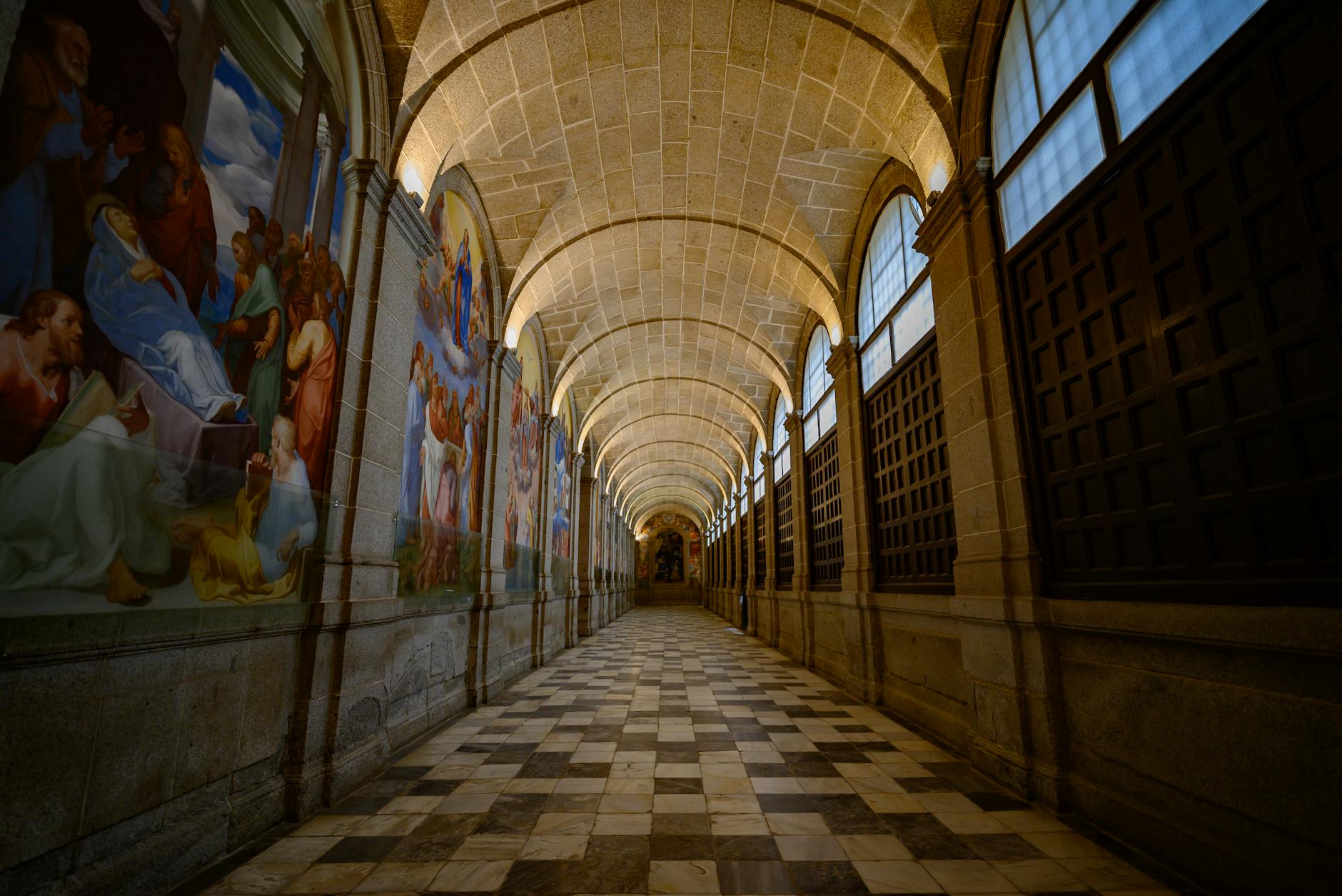
If you’re planning serious museum time, the pass question matters. The Paseo del Arte card (approximately €32) gives one-time entry to the permanent collections of all three Golden Triangle museums and is valid for twelve months — a saving of around €9 on combined individual prices, plus queue-skipping at ticket desks. Worth it if you’re doing all three in one trip.
The broader Madrid Museum Pass options go further, covering additional smaller state museums and in some configurations including the Royal Palace. Whether they pay off depends on how many museums you’re realistically visiting in your available time.
My honest take: if you’re in Madrid for three or more days and plan to visit at least five museums, a pass makes financial and logistical sense. If you’re here for two days focused on the Big Three, check whether the free evening hours suit your schedule before buying any pass at all.
👉 Full guide: Madrid Museum Pass — Which Option Is Worth the Money?
Free Museum Hours in Madrid
Madrid is one of the most generous European capitals when it comes to free museum access. The Big Three all offer free evening hours (see the individual sections above), and a dozen smaller state museums are free all day or on specific days. The complete guide to free museum hours in Madrid lists every institution, current hours, and the catches (some require advance booking even for free slots, some have capacity limits at peak times).
The key advice: free hours at the Prado and Reina Sofía are popular. If you want a quieter experience, paying the full admission and arriving when the museum opens gives you the galleries largely to yourself. For the smaller museums — Sorolla, Cerralbo, Archaeological Museum — free admission periods are less crowded and the quality of the experience is high regardless.
👉 Full guide: Free Museum Hours Madrid — Complete 2026 Schedule
The Smaller Museums: Where Madrid Gets Really Interesting
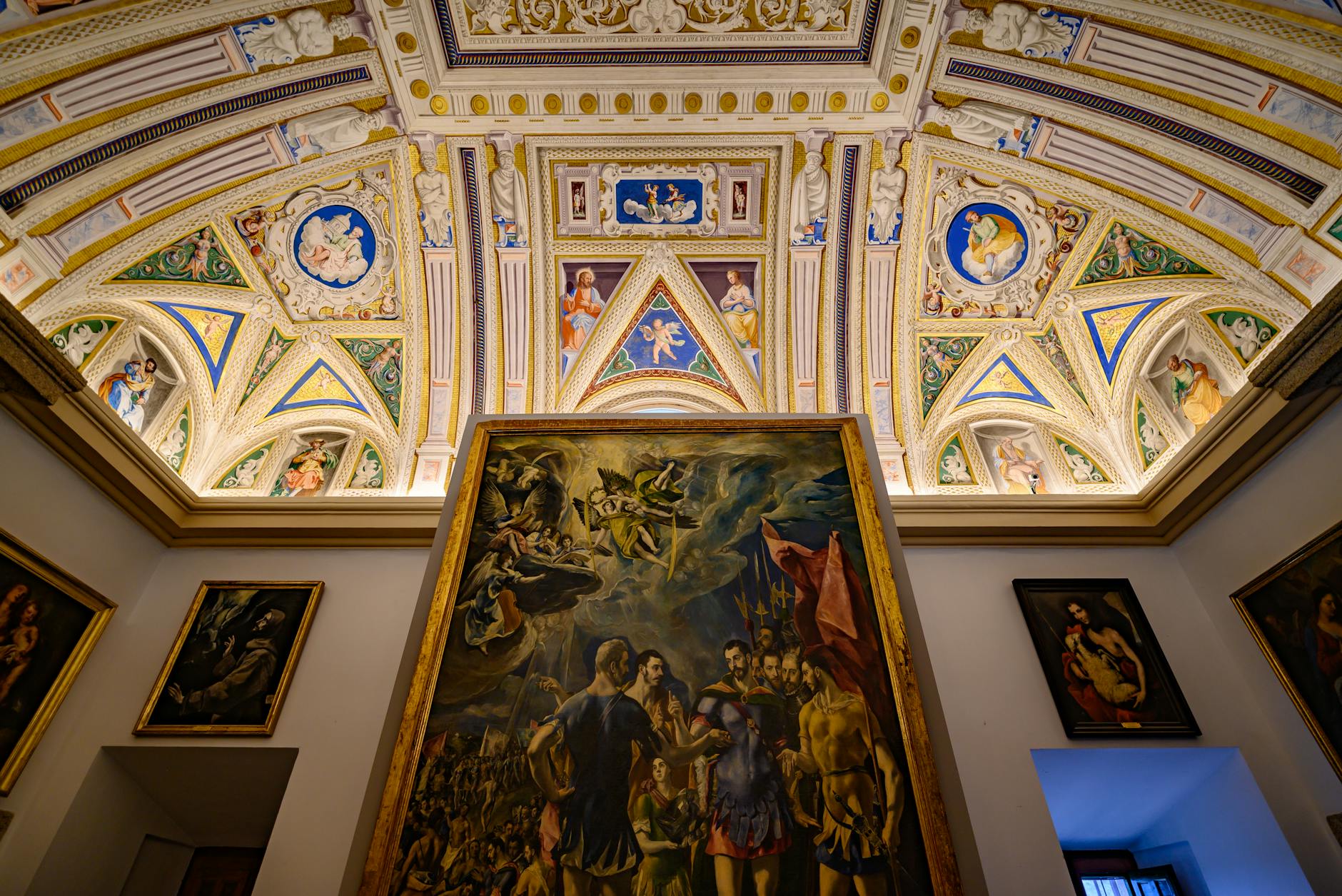
This is where I’d steer experienced museum-goers who have already done the Big Three, or first-timers who want to see a different side of Madrid’s cultural life. The smaller museums are intimate, rarely overcrowded, often free, and in many cases housed in buildings that are as interesting as the collections inside them.
Museo Sorolla
The Sorolla Museum is my personal favourite Madrid museum experience. Joaquín Sorolla — internationally celebrated as the Master of Light — built this house and studio in the Almagro district in the early twentieth century, filling it with over 1,200 of his paintings and drawings alongside the original furnishings, ceramics, and garden design. The garden is the revelation: a sequence of Andalusian-inspired spaces with fountains, tiled pathways, and dense planting that Sorolla designed himself, drawing on the Alhambra and the Alcázar of Seville. Sitting in that garden on a summer afternoon, with the paintings visible through the studio windows, is one of Madrid’s genuinely unrepeatable experiences.
The museum is located in Chamberí, slightly north of the city centre, and is rarely busy even in peak season. Admission is €3, free on Saturday afternoon and Sunday.
👉 Full guide: Sorolla Museum Madrid — A Complete Guide to the House and Garden
Museo Lázaro Galdiano
The Lázaro Galdiano Museum is a cabinet-of-curiosities on a palatial scale. José Lázaro Galdiano spent a lifetime acquiring over 12,600 objects — Goya portraits, El Greco panels, Bosch works, Constable landscapes, alongside medieval enamels, Renaissance swords, Celtic gold, and Limoges ivories — and displayed them in his Salamanca-district mansion with the eclectic confidence of a man who trusted his own eye. That’s exactly how the museum feels today: not a dry institutional hang, but the house of someone with genuine obsessions. The decorative arts holdings alone — particularly the jewelry and enamelwork — are among the finest in Spain.
👉 Full guide: Lázaro Galdiano Museum Madrid — The Collector’s Palace
Museo Cerralbo
If you want to understand how nineteenth-century Spanish aristocracy actually lived, the Cerralbo Museum is your answer. The Marquis of Cerralbo filled his palatial home near Plaza de España with El Grecos, Zubaráns, Tintorettos, and works by Alonso Cano — alongside arms and armour, coins, archaeological finds, and magnificent period furniture — then bequeathed the whole thing to the Spanish state on the condition that nothing be rearranged. The grand ballroom, with its frescoed ceiling and crystal chandeliers, is one of the most spectacular domestic interiors in the city. Admission is free. Almost nobody goes. Go.
👉 Full guide: Cerralbo Museum Madrid — The Aristocrat’s Palace Most Visitors Miss
Museo de América
The Museum of the Americas near Moncloa holds one of the world’s most comprehensive collections of pre-Columbian, colonial, and ethnographic material from across the Americas — including the Codex Tro-Cortesianus, one of only four surviving Maya books, and the breathtaking Treasure of the Quimbayas, a collection of pre-Columbian gold objects from Colombia that is simply stunning to stand in front of. The museum contextualises these objects within the full, complex history of encounter between Europe and the Americas. It is one of Madrid’s most underrated institutions by a significant margin.
👉 Full guide: Museum of the Americas Madrid — Pre-Columbian Treasures & Colonial Art
Museo Naval
The Naval Museum on the Paseo del Prado makes a natural addition to any Golden Triangle day — it’s a short walk from the Thyssen-Bornemisza. The collection covers five centuries of Spanish maritime history through detailed ship models, navigational instruments, weapons, and historical maps. The centrepiece for most visitors is the Juan de la Cosa map from 1500 — the first cartographic representation of the Americas — which justifies the visit on its own. Admission is free (donations welcomed). Compact and fascinating.
👉 Full guide: Naval Museum Madrid — Spain’s Maritime History & the First Map of America
Museo Arqueológico Nacional (MAN)
The National Archaeological Museum on Calle Serrano traces Iberian civilisation from prehistoric times through the medieval period. The Lady of Elche — a haunting Iberian sculpture from the fourth century BCE — is the headline exhibit, but the Visigothic votive crowns, Roman mosaics, and Islamic decorative arts from Al-Andalus are equally impressive. A thorough renovation completed in 2014 gave the displays a clarity and modernity that makes even the deep-history galleries accessible. Free on Saturday afternoons and all day Sunday.
👉 Full guide: Archaeological Museum Madrid — From the Lady of Elche to the Visigoths
Contemporary Art Galleries in Madrid
The Reina Sofía anchors Madrid’s contemporary art world, but the city’s contemporary gallery scene extends well beyond it. CaixaForum Madrid — the spectacular Herzog & de Meuron-converted power station on the Paseo del Prado, with Patrick Blanc’s famous vertical garden covering its facade — runs major temporary exhibitions drawn from international collections, often at a higher curatorial level than you’d expect for the €6 admission. I’d consider it a near-mandatory stop on any Golden Triangle day.
Matadero Madrid, the former slaughterhouse complex in Arganzuela transformed into a multi-disciplinary cultural centre, is the city’s most important venue for experimental work — think ambitious installation art, avant-garde theatre, and community-rooted projects, mostly free. The Conde Duque cultural centre near Plaza de España hosts the city’s contemporary art museum alongside a varied programme of exhibitions and summer concerts in its imposing courtyard.
The densest commercial gallery concentration is on Calle Doctor Fourquet, a short street near the Reina Sofía that packs in more serious contemporary galleries per metre than almost anywhere in Europe. Openings typically happen on Thursday evenings and are open to the public — a genuine window into Madrid’s working art scene. ARCO, the international contemporary art fair in February, amplifies the city’s gallery activity enormously every year.
👉 Full guide: Contemporary Art Galleries Madrid — The Complete Scene Guide
Plan Your Trip: In-Depth Guides to Every Museum
Each of the guides below covers opening hours, admission prices, skip-the-queue strategies, what not to miss, and practical tips for the visit. Use them to plan individual days around specific institutions.
- Prado Museum Madrid — The complete guide to Velázquez, Goya, Bosch and the world’s greatest Spanish painting collection. 👉 Full guide: Prado Museum Madrid
- Reina Sofía Museum & Guernica — Everything you need to know before standing in front of Picasso’s masterpiece. 👉 Full guide: Reina Sofía Museum Guernica
- Thyssen-Bornemisza Museum — From medieval Italian masters to Rothko and Lichtenstein in one building. 👉 Full guide: Thyssen-Bornemisza Museum Madrid
- Golden Triangle Madrid Museums — How to do all three in one day without museum fatigue. 👉 Full guide: Golden Triangle Madrid Museums
- Free Museum Hours Madrid — Every free slot at every museum, with advice on when queues are manageable. 👉 Full guide: Free Museum Hours Madrid
- Madrid Museum Pass — Paseo del Arte card vs. broader passes: which saves you the most. 👉 Full guide: Madrid Museum Pass
- Sorolla Museum Madrid — The Master of Light’s home, studio and Andalusian garden in Chamberí. 👉 Full guide: Sorolla Museum Madrid
- Lázaro Galdiano Museum Madrid — A palatial collector’s mansion packed with Goyas, El Grecos, medieval gold and more. 👉 Full guide: Lázaro Galdiano Museum Madrid
- Cerralbo Museum Madrid — The most beautiful free museum in Madrid, almost entirely unknown to tourists. 👉 Full guide: Cerralbo Museum Madrid
- Museum of the Americas Madrid — Pre-Columbian gold, Maya codices and five centuries of transatlantic history. 👉 Full guide: Museum of the Americas Madrid
- Naval Museum Madrid — The first map of the Americas and five centuries of Spanish maritime history. 👉 Full guide: Naval Museum Madrid
- Archaeological Museum Madrid — From prehistoric Iberia through the Visigoths to Al-Andalus. 👉 Full guide: Archaeological Museum Madrid
- Contemporary Art Galleries Madrid — CaixaForum, Matadero, Calle Doctor Fourquet and the ARCO fair world. 👉 Full guide: Art Galleries Madrid Contemporary
Practical Logistics: Getting the Most Out of Madrid’s Museums
When to Go
The Golden Triangle museums are open year-round. Crowds peak from March through October, particularly in July and August when school groups thin out but international tourism peaks. My preference: visit in late February, March, or November — the weather is mild, the queues are shorter, and the museums feel as they should: contemplative rather than chaotic. If you’re visiting in high season, book timed-entry tickets online for the Prado and Reina Sofía at least a week in advance.
Tuesday is the Reina Sofía’s closing day — build your itinerary around it. Monday closures apply to several smaller museums. Always verify current schedules on official museum websites before you go; Spanish public holidays can create surprise closures or reduced hours.
Getting Around
The three Golden Triangle museums are all within a ten-to-fifteen-minute walk of each other along the Paseo del Prado. The nearest metro stations are Banco de España (Line 2) for the Thyssen-Bornemisza and Atocha Renfe / Estación del Arte (Line 1) for the Reina Sofía. The Prado sits between these two stops, closer to Banco de España on foot.
For outlying museums: the Sorolla Museum is a fifteen-minute walk from Iglesia metro station (Line 1) or a short taxi ride from the centre. The Museum of the Americas is at Moncloa (Lines 3 and 6). The Cerralbo is nearest to Plaza de España (Lines 3 and 10). Matadero is at Legazpi (Lines 3 and 6). Madrid’s metro is efficient, affordable, and covers all of these destinations without difficulty.
If you’re planning multiple days of museum visits and combining them with other things to do in Madrid, the Paseo del Prado area also connects naturally to Retiro Park and the botanical garden — useful for mid-day walks between museum sessions. If you’re staying nearby, see the guide to where to stay in Madrid — hotels near Banco de España and Chueca put you within easy walking distance of the entire Golden Triangle.
Booking Tips
For the Prado: book timed-entry tickets online at museodelprado.es. Even if you plan to use the free evening hours, book in advance — the free slots fill up. For the Reina Sofía: online tickets are available at museoreinasofia.es. The Guernica gallery can fill quickly at peak times; buying timed entry gives you certainty. For the Thyssen: easier to walk up during quieter periods, but worth booking online if visiting on a weekend in summer.
Photography policies vary. The Prado allows photography without flash in the permanent collection but prohibits it in temporary exhibitions. The Reina Sofía prohibits photography of Guernica. The Thyssen generally permits photography without flash. At smaller museums, check at the door — rules differ widely.
Suggested Itineraries
One day: Start at the Prado at opening time (10:00). Give it three to four hours focusing on the Velázquez and Goya rooms plus Bosch. Walk south to the Reina Sofía — two hours, prioritising Guernica and the Dalí collection. If you have energy left, cross the road to CaixaForum to see the current temporary exhibition.
Three days: Day one — Prado (full morning and early afternoon), CaixaForum in late afternoon. Day two — Reina Sofía in the morning, Thyssen-Bornemisza in the afternoon. Day three — Sorolla Museum and Lázaro Galdiano in the morning (both in northern neighbourhoods), Cerralbo Museum and Royal Palace in the afternoon.
One week: Treat each of the Big Three as a dedicated morning. Afternoons: Naval Museum (pairs with Thyssen day), Archaeological Museum, Museum of the Americas, Matadero, contemporary galleries on Calle Doctor Fourquet. One full day for the Royal Palace and gardens. Fitting this into day trips from Madrid — Toledo, El Escorial, Segovia — gives you a rounded picture of Spain’s artistic and architectural heritage beyond the capital.
Frequently Asked Questions
How many days do I need to see Madrid’s main museums?
Two to three days covers the Big Three comfortably if you’re focused. A full week lets you add the Sorolla, Lázaro Galdiano, Cerralbo, Naval, and Archaeological museums alongside the Reina Sofía and Prado without feeling rushed. Most visitors underestimate the Prado — plan at least half a day for it on its own.
Is the Prado or the Reina Sofía better?
They answer different questions. The Prado is the definitive museum for pre-twentieth-century Spanish and European painting — Velázquez, Goya, Bosch, Titian. The Reina Sofía is where modern Spain sits: Picasso’s Guernica, Dalí, Miró, and contemporary international work. Both are essential. If I had to pick one: the Prado, because nothing matches the depth of that Spanish collection. But the Guernica experience at the Reina Sofía is unlike anything else in Madrid.
What is the best free museum in Madrid?
The Cerralbo Museum — a palatial aristocratic home near Plaza de España with a remarkable collection of Old Masters, arms and armour, and intact nineteenth-century domestic interiors, completely free, almost never crowded. The Archaeological Museum is also entirely free on Sunday and Saturday afternoons and rewards the visit with significant depth. For the full schedule of free entry times across all museums, see the dedicated guide.
Do I need to book tickets in advance for the Prado?
Yes, during the main tourist season (March–October) and on weekends, advance booking is strongly recommended. The Prado’s timed-entry system means walking up without a ticket can result in a long wait or even being turned away during peak times. Book at museodelprado.es. Free evening slots also benefit from advance reservation — they do fill up, particularly in summer.
Is the Madrid Museum Pass worth buying?
The Paseo del Arte card (covering all three Golden Triangle museums, ~€32) pays for itself over individual admission if you’re visiting all three. Broader city passes make sense only if you’re planning a museum-intensive trip covering five or more institutions. See the Madrid Museum Pass comparison guide for a full breakdown of what each option covers and what it costs. If you’re on a tight budget, Madrid’s free hours and genuinely free museums make it possible to see extraordinary art for nothing.
Which Madrid museum is best for children?
CaixaForum consistently runs the most child-focused programming, with interactive exhibitions designed specifically for younger visitors. The Natural History Museum and the Railway Museum (housed in the gorgeous Delicias station) are perennial favourites. The Thyssen-Bornemisza runs an excellent family programme with gallery treasure hunts for children aged six and up. For families balancing museum visits with other activities, see the broader things to do in Madrid guide for a mix of cultural and outdoor options.
Madrid’s museums reward every level of engagement — from the first-time visitor arriving at the Prado with three hours and a clear head, to the repeat traveller who already knows the Velázquez rooms by heart and is now ready for the Cerralbo’s ballroom and the Sorolla’s garden. Whatever draws you here, the concentration and quality of what’s on offer is genuinely extraordinary, and the access — financial, physical, logistical — is better than almost anywhere else in Europe.
1 response
Comments are closed.