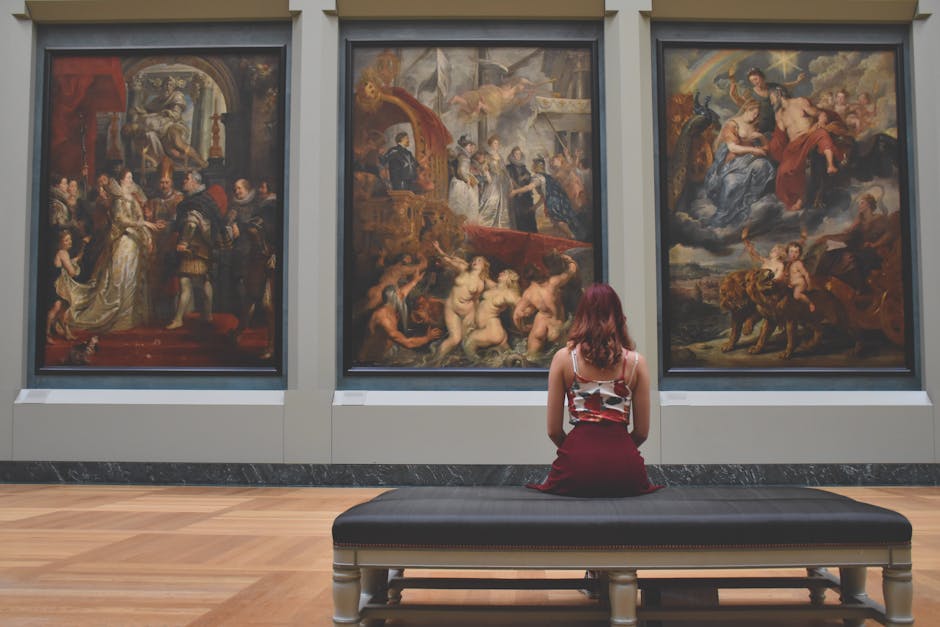
The Thyssen-Bornemisza Museum is the third piece of the Golden Triangle of Madrid museums, alongside the Prado and the Reina Sofía. A private collection assembled over two generations, it fills exactly the gaps the other two leave: Italian Primitives to Hopper, Van Eyck to Rothko, Holbein to Matisse — an idiosyncratic march through 800 years of Western art in 80 manageable galleries. The Prado draws the crowds; the Thyssen rewards the visitor who stays curious. This guide covers the essential works, itineraries by time, and the practical logistics — alongside the complete picture of things to do in Madrid.
Table of Contents
- Thyssen-Bornemisza Museum Madrid at a Glance
- A Brief History of the Collection
- Must-See Works
- Suggested Itineraries
- How to Buy Tickets
- Practical Tips
- FAQs
Thyssen-Bornemisza Museum Madrid at a Glance
- Address: Paseo del Prado 8, 28014 Madrid (across the street from the Prado)
- Opening hours: Tuesday–Sunday 10am–7pm; Monday 12pm–4pm
- Closed: January 1, May 1, December 25
- Standard ticket: €13 (online or door, no surcharge)
- Free entry: Mondays 12pm–4pm; permanent free for under-18s
- Audio guide: €5
- Average visit time: 2 hours
- Metro: Banco de España (Line 2)
A Brief History of the Collection
The Thyssen-Bornemisza collection began with German-Hungarian industrialist Heinrich Thyssen-Bornemisza in the 1920s and grew through his son, Hans Heinrich Thyssen-Bornemisza (the “Baron”), through the 20th century into one of the world’s most important private collections. In 1988 the Spanish government secured a long-term loan agreement with Baron Thyssen, and the collection moved to Madrid in 1992. The Spanish state purchased the entire collection in 1993 for $350 million, making it permanently public. Carmen “Tita” Cervera, the Baron’s fifth wife, has additionally loaned her personal collection — visible in the museum’s “Carmen Thyssen-Bornemisza Collection” gallery rooms.
The museum is housed in the late-18th-century Palacio de Villahermosa, on Paseo del Prado directly across from the Prado Museum. The neoclassical building was renovated in 1990 by Rafael Moneo to serve as a museum.
Must-See Works at the Thyssen-Bornemisza Museum Madrid
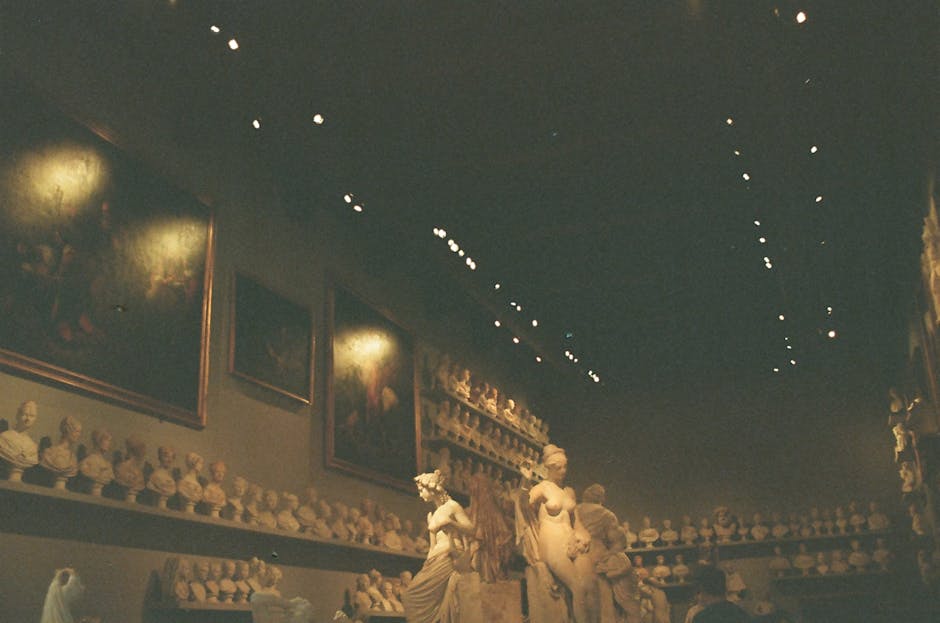
1. Christ and the Samaritan Woman — Duccio (c. 1310)
The early Italian Renaissance founder’s gilt-ground altarpiece panel — a small but exquisite work in the museum’s medieval rooms.
2. Portrait of Giovanna Tornabuoni — Domenico Ghirlandaio (1488)
One of the museum’s signature works — the Florentine Renaissance portrait of a 22-year-old patrician woman, her elaborate dress and accessories conveying her family’s wealth and culture. Hangs in the early-Renaissance rooms.
3. Henry VIII of England — Hans Holbein the Younger (1537)
One of only a handful of confirmed autograph Holbein portraits of Henry VIII still in private hands until acquired by Thyssen. The image of imposing royal authority is one of the most recognizable portraits in Western art.
4. The Annunciation — El Greco (c. 1576)
An early El Greco work that fills a significant gap in the Spanish narrative covered partially by the Prado. The lively colors and elongated figures show El Greco emerging from his Italian training.
5. Las Meninas (Velázquez fragment)
A small Velázquez study related to the Prado’s masterpiece — interesting for direct comparison.
6. View of Westminster Bridge — Canaletto (1746)
The Venetian master’s London view — a great rare-for-Spain Italian Vedute work in superb condition.
7. Several Impressionist Masterpieces
The Thyssen has one of Europe’s strongest Impressionist collections outside Paris and Berlin: Monet’s Charing Cross Bridge, Pissarro’s Boulevard Montmartre series, Manet’s Amazone de Face, Degas’s ballet scenes, and Renoir’s portraits. Don’t rush this floor — these works are extraordinary.

8. Hotel Room — Edward Hopper (1931)
One of the most famous works in the museum and a defining American 20th-century painting. The lonely woman in a Manhattan hotel — an essential image of urban modernity.
9. The Saint-Thaddeus’ Pasture — Matisse (1949)
Late Matisse — luminous color and rhythmic form.
10. Brown and Silver I — Jackson Pollock (1951)
One of the few major Pollocks in continental Europe — a 1951 drip painting on display in the modern galleries.
11. Green on Maroon — Mark Rothko (1961)
One of Rothko’s signature color-field paintings — meditative and immersive.
12. The Carmen Thyssen-Bornemisza Collection
An additional 200+ works on loan from Carmen Cervera, with strong holdings of late-19th-century Spanish painting (Joaquín Sorolla, Mariano Fortuny, Ignacio Zuloaga) and additional Impressionists.
Suggested Itineraries
If You Have 90 Minutes
Skip the early medieval rooms (top floor) and head straight to the Renaissance galleries. Then descend to the Impressionists and the 20th-century rooms. Use the museum’s small format to stay focused.
If You Have 2.5 Hours
Start chronologically on the top floor (medieval and early Renaissance), descend through Renaissance and Baroque, then Impressionism, then 20th-century. The chronological flow is the museum’s strongest experience.
If You Have a Full Half-Day
Add the Carmen Thyssen-Bornemisza Collection (extension galleries) and any current temporary exhibition (always worth checking — the Thyssen consistently programs strong shows). Have lunch at the museum’s restaurant or in the Barrio de las Letras nearby.
How to Buy Tickets to the Thyssen-Bornemisza Museum Madrid
- Online: Buy at museothyssen.org. €13 standard, no surcharge.
- Door: Same price; queues are typically much shorter than the Prado’s.
- Free hours: Mondays 12pm–4pm. The museum is half-day open Mondays — a great free option.
- Paseo del Arte combined ticket: €34 covers all three Golden Triangle museums (Prado, Reina Sofía, Thyssen) — saves €6 over separate tickets.
- Free for: Under-18s, journalists, registered students, and on selected dates (May 18, October 12, December 6).
Practical Tips for the Thyssen-Bornemisza Museum Madrid
- Photography: Permitted without flash everywhere except temporary exhibitions and a few signposted areas.
- Bag check: Mandatory for backpacks; free cloakroom at entrance.
- Best time to visit: Tuesday or Wednesday morning, or Saturday afternoon. The free Monday hours are crowded.
- Compared to the Prado: The Thyssen is much smaller, so 2 hours is sufficient — versus 3+ hours for the Prado. Pair them on the same day if energy allows.
- Lunch: The museum café is decent. The surrounding Barrio de las Letras has many better options at the same price.
- Wheelchair accessible: Yes, fully — the Moneo renovation included accessibility throughout.
Where to Eat Near the Thyssen
- Lhardy (Calle de la Carrera): 1839 historic restaurant, classic Castilian cuisine; book ahead.
- El Sur (Calle de Espalter): Andalusian-style bistro within walking distance.
- StreetXO (El Corte Inglés Castellana, slight detour): Dabiz Muñoz’s wild Asian fusion (€60+ menu).
- La Castela (Calle del Doctor Castelo, 22): Classic neighborhood tavern with excellent croquetas.
- Casa Lucio (Cava Baja, 35): Famous huevos estrellados; 15-minute walk.
Thyssen-Bornemisza Museum Madrid FAQs
Is the Thyssen-Bornemisza Museum Madrid worth visiting?
Yes, especially for visitors who already plan to visit the Prado and Reina Sofía. The Thyssen fills important gaps — Italian Renaissance, Northern European, Anglo-American, Impressionism, German Expressionism, and Pop Art — that the other two largely don’t cover. It’s also smaller and less crowded.
How long should I spend at the Thyssen?
Plan 2 hours for the highlights. A complete chronological visit takes 2.5–3 hours. The museum is small enough that you can comfortably see most of it in a single focused visit.
When is the Thyssen-Bornemisza Museum Madrid free?
Mondays 12pm–4pm. The museum is half-day open Mondays specifically because of these free hours. Otherwise standard tickets apply (€13).
Should I visit the Prado or the Thyssen first?
If you only have one half-day, go to the Prado — it’s the bigger and more important collection. If you have a full day for art or are visiting both, do the Thyssen first (smaller, less tiring) and the Prado in the afternoon. The two are directly across the street from each other.
Can I take photos at the Thyssen?
Yes, photography without flash is allowed in the permanent galleries. Temporary exhibitions and select areas are exceptions; signs make these clear.
What’s special about the Thyssen-Bornemisza collection?
It’s the most comprehensive private painting collection in Europe — assembled across two generations of one of Europe’s wealthiest industrial families and acquired by the Spanish state in 1993 for $350 million. It covers 800 years of Western painting in 80 small rooms.
Does the Thyssen have Picasso?
Yes — several works including Harlequin with a Mirror (1923) and Bullfight. For Picasso’s Guernica and the deepest Picasso holdings in Madrid, visit the Reina Sofía.
Is there a combined ticket for all three Madrid museums?
Yes — the Paseo del Arte combined ticket is €34 and covers single visits to the Prado, Reina Sofía, and Thyssen-Bornemisza Museum Madrid within one year. Saves €13.
Thyssen-Bornemisza Museum Madrid vs. Other Major Collections
vs. Prado: Prado deeper Spanish/Italian/Flemish; Thyssen broader sweep including Northern Renaissance, Impressionism, American 20th century.
vs. Reina Sofía: Reina Sofía pure 20th century; Thyssen 13th-20th centuries.
vs. private collections elsewhere: The Frick (NYC) and Wallace Collection (London) are similar private-to-public conversions; Thyssen is broader.
For travelers with one Madrid art day: Prado for depth; Thyssen for breadth. Many art lovers prefer Thyssen for its variety.
Official Resources
- Official site, tickets and exhibitions: Museo Nacional Thyssen-Bornemisza
- Online catalog: Permanent collection catalog
- UNESCO World Heritage listing: Paseo del Prado and Buen Retiro
Plan Your Visit
- Pillar: Things to Do in Madrid
- Madrid Museums Guide
- Prado Museum Guide
- Reina Sofía and Guernica Guide
- Madrid itinerary planner
- Golden Triangle: Prado, Reina Sofia and Thyssen
- Retiro Park activities
- Free things to do in Madrid
- Royal Palace Madrid tickets
- Top Things to See in Madrid
The Thyssen-Bornemisza Museum Madrid is the smartest single-visit complement to the Prado — smaller, less crowded, and covering exactly the periods the Prado doesn’t. With a Paseo del Arte combined ticket, you can see all three Golden Triangle museums for €34 over one or two days and leave Madrid with a comprehensive grasp of Western painting.