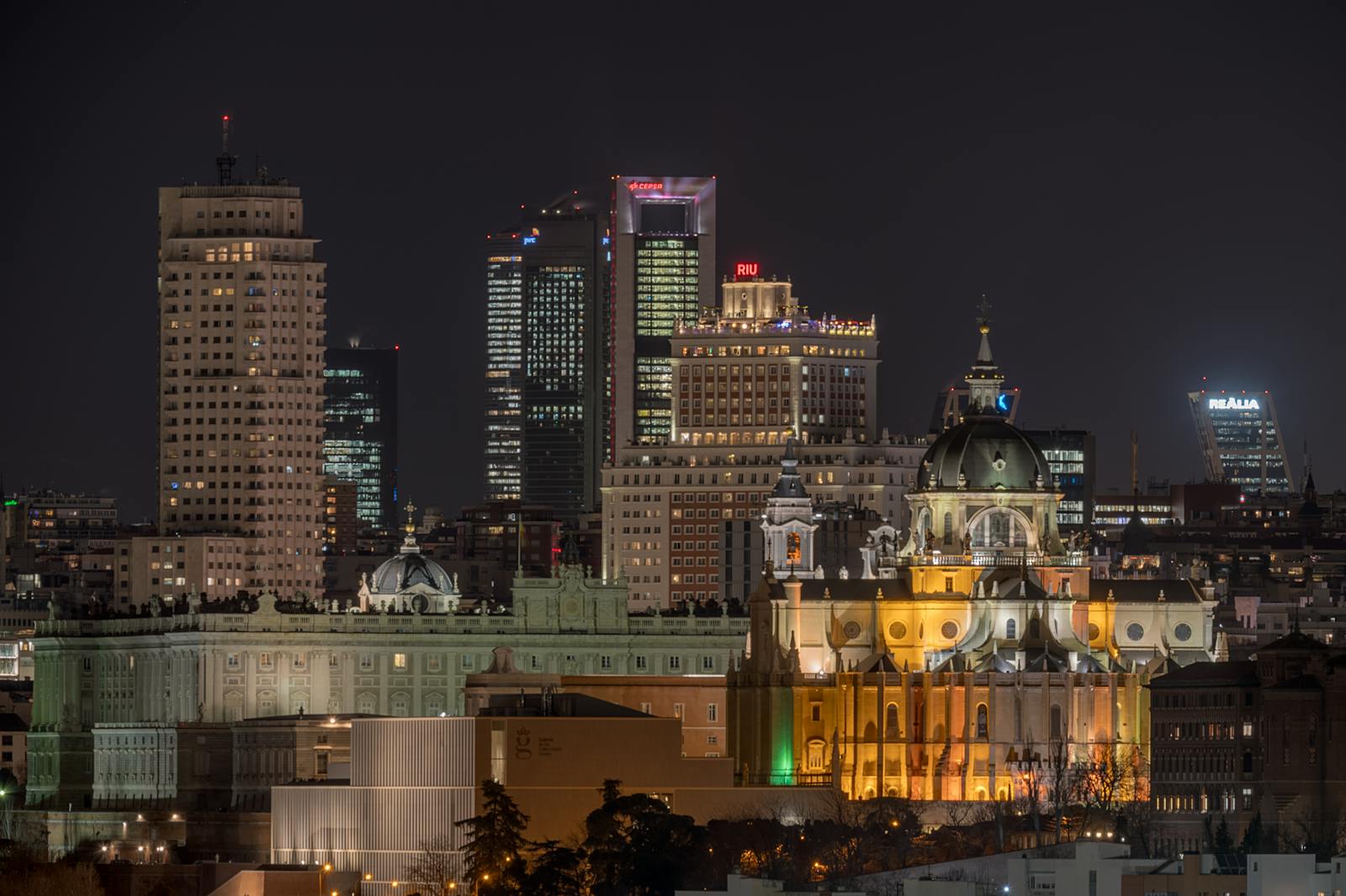
Madrid does nightlife differently. This is a city where dinner starts at ten, the first cocktail is poured at midnight, the dance floor doesn’t fill until three in the morning, and the party rolls well past sunrise into a final chocolate-and-churros breakfast as the first commuters head to work. The Spanish capital claims, with some justification, to have more bars per capita than any city on earth — and on any given weekend, tens of thousands of Madrileños and visitors flood the streets of Malasaña, Chueca, Huertas, La Latina, and Salamanca to sample those bars, clubs, flamenco tablaos, rooftops, and live-music venues in almost every configuration imaginable.
This comprehensive guide covers Madrid’s nightlife scene in 2026: the neighborhoods to aim for, the iconic discotecas where the party peaks at 4 a.m., the tapas bars to start the night, the rooftop terraces for golden-hour cocktails, the authentic flamenco tablaos, the legendary live-music venues, and the practical logistics — what to wear, when to arrive, how much things cost, how to get home, and which places are genuine and which are tourist traps. If you’re planning a twentieth-anniversary anniversary evening or a full-throttle weekend of clubbing, this is your playbook for going out in Madrid the right way.
How a Madrid Night Unfolds
Understanding the rhythm of a night out in Madrid is essential if you want to enjoy it like a local and not feel perpetually ahead of, or behind, the action. A classic Madrid evening follows a predictable arc across four time zones. From about 8:30 to 10:30 p.m., Madrileños meet friends for a casual tapeo — small bites and beer or vermouth passed around standing at the bar, moving from one place to the next. This is pre-dinner, not a meal. Dinner proper starts at 10:00 to 11:30 p.m. at a traditional taberna or a more ambitious restaurant. From roughly midnight to 2:30 a.m., the copeo begins: cocktail bars, wine bars, rooftop terraces, and lounges fill up with the post-dinner crowd drinking and socializing. Finally, from 2:30 or 3 a.m. onward, the discotecas open their doors and the night shifts into dancing gear, typically continuing until 6 or 7 a.m.
The pattern has important practical implications. Showing up at a disco before 1 a.m. usually means an empty room and skeptical looks from the door staff. Trying to get dinner at 8 p.m. is possible but you’ll be eating with fellow tourists. Ordering a second coffee at 4 p.m. to “stay awake for the night” is a beginner’s mistake — embrace the Spanish siesta (or at least a long, horizontal break between 4 and 6 p.m.) and you’ll easily make it to sunrise.
Best Neighborhoods for Nightlife in Madrid
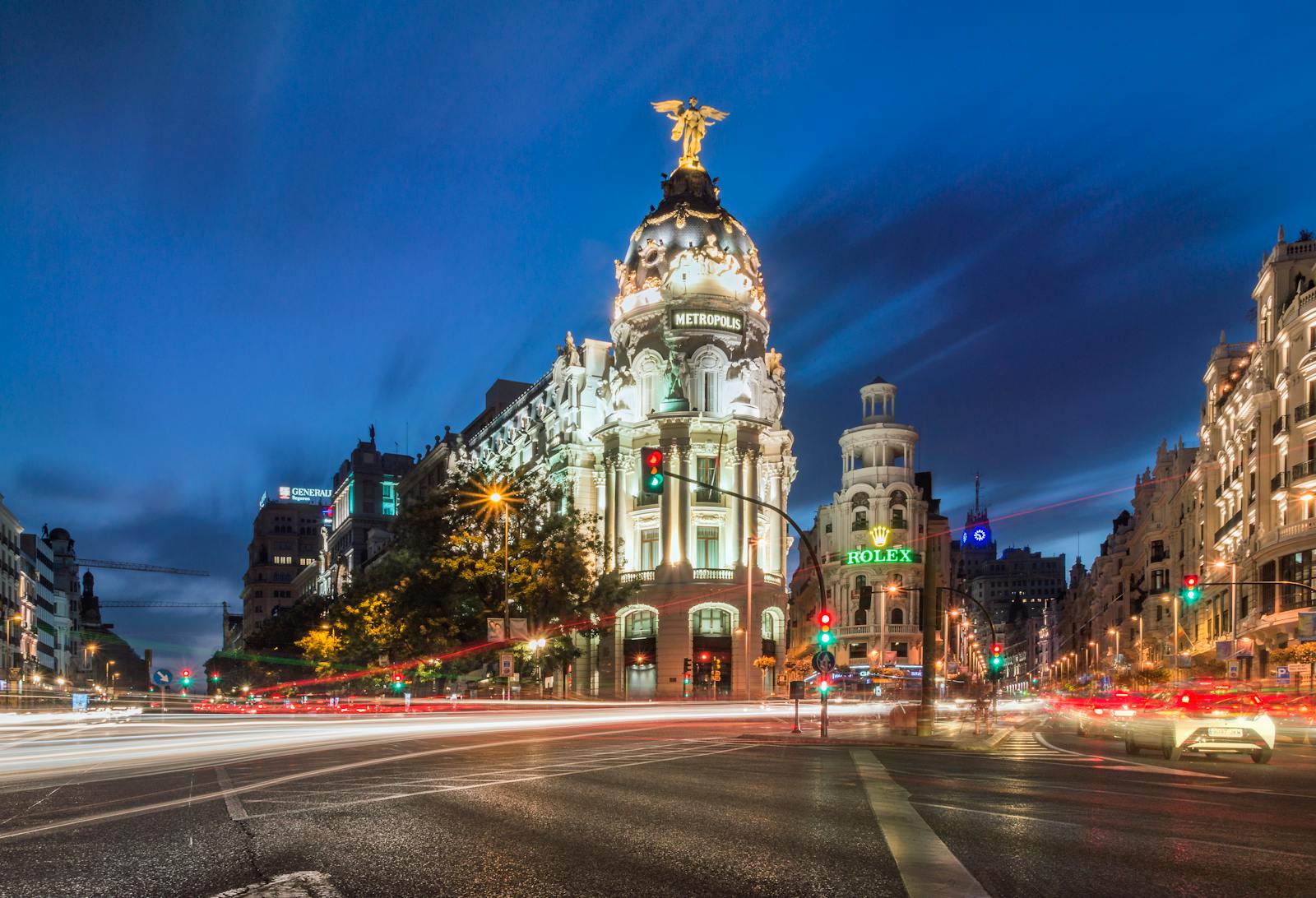
Madrid’s nightlife clusters into five distinctive neighborhoods — each with its own character, crowd, and musical identity. Choosing where to spend your evening is less a question of location than of mood.
Malasaña — Indie, Alternative, Creative
North of Gran Vía, Malasaña is the spiritual home of Madrid’s post-punk, post-hippie, post-everything counterculture. The neighborhood’s tiny bars, vintage listening clubs, and grungy rock venues emerged from the Movida Madrileña of the 1980s and still set the tone today. Expect craft beers, skinny jeans, vinyl-only nights, indie rock, dream-pop DJs, and a crowd that skews 22–35. Key streets: Calle del Pez, Calle de la Palma, Calle de Manuela Malasaña, Plaza del Dos de Mayo. Key venues: El Sol (a legendary live-music club that has hosted everyone from Radio Futura to Amy Winehouse), Tupperware (a beloved kitsch dive), 1862 Dry Bar (award-winning cocktails), Nasti Club (indie-electronic), Café La Palma (live acoustic sets), and Ocho y Medio (indie-rock DJ nights). For a deeper neighborhood primer, see our Madrid neighborhoods guide.
Chueca — Stylish, Inclusive, and Proudly LGBTQ+
Across Calle de Fuencarral from Malasaña, Chueca is Madrid’s most iconic LGBTQ+ neighborhood and the epicenter of the city’s annual MADO Pride festival (which draws more than 2 million people every July). On any Friday or Saturday, the streets around Plaza de Chueca, Calle Gravina, and Calle de Pelayo fill with a stylish, international crowd that skews slightly older than Malasaña and considerably more dressed-up. Key venues: Delirio Club (pop and reggaeton), Boyberry (cruising bar), LL Show Bar (drag shows), 1862 Dry Bar (a speakeasy reinvented), Gula Gula (cabaret dinner), Why Not? (late-night dance), and Mercado de San Antón‘s rooftop bar for pre-dinner cocktails. Chueca’s strength is its inclusive, unpretentious friendliness — everyone is welcome, regardless of orientation.
Barrio de las Letras (Huertas) — The Tourist-and-Locals Crossroads
Between Plaza de Santa Ana and the Paseo del Prado, Huertas has long been Madrid’s most touristed nightlife neighborhood — which carries both advantages (more English-language menus and earlier closing times for jet-lagged visitors) and disadvantages (somewhat less local atmosphere). Plaza de Santa Ana itself is lined with bars that fill from early evening through the early hours, and side streets like Calle de las Huertas and Calle de León hide a surprising number of classic taverns. Key venues: La Venencia (sherry-only bar unchanged since the Civil War), Los Gatos (historic bar with walls full of curiosities), Teatro Barceló (legendary mainstream disco, formerly Pachá Madrid, in a spectacular Art Deco theater), Sala Villa Rosa (a 1911 tile-covered bar with flamenco history), and Kapital — the seven-floor colossus just south of Huertas that may be Madrid’s most famous club of all.
La Latina — Tapas-Hopping and Vermouth Culture
South of Plaza Mayor, La Latina is less about late-night clubbing and more about the quintessential Spanish art of the tapeo. Cava Baja is the single most concentrated tapas-crawl street in Spain — over twenty bars in a five-minute walk, each with its own specialty. Sundays are legendary here: El Rastro flea market winds down around 2 p.m., and the crowds pour directly into the bars of Plaza de la Paja, Plaza de San Andrés, and Cava Baja for vermouth and tapas that stretch into the evening. Key venues for the Sunday ritual: Taberna de la Concha, Juanalaloca, Casa Lucas, Taberna Txakoli, and El Viajero (whose rooftop terrace offers some of the best afternoon views in central Madrid).
Salamanca — Upscale Cocktails and Exclusive Clubs
For a more sophisticated, dressed-up night, Salamanca is Madrid’s answer to London’s Mayfair. Sleek cocktail bars, design-driven lounges, and genuinely exclusive clubs line Calle de Serrano, Calle de Jorge Juan, and Calle de Hermosilla. Expect craft cocktails at €14–€18, premium-labeled liquors, hushed design-magazine interiors, and a crowd that has clearly spent time and money on appearance. Key venues: Salmon Guru (routinely ranked among the world’s best 50 bars), Macera Taller Bar (house-infused liquors), Lula Club (dressy upscale nightclub), Paradis, and Opium (for a more international-club feel). Dress codes here are real: if your sneakers cost less than €200, wear leather shoes instead.
Iconic Nightclubs (Discotecas) in Madrid
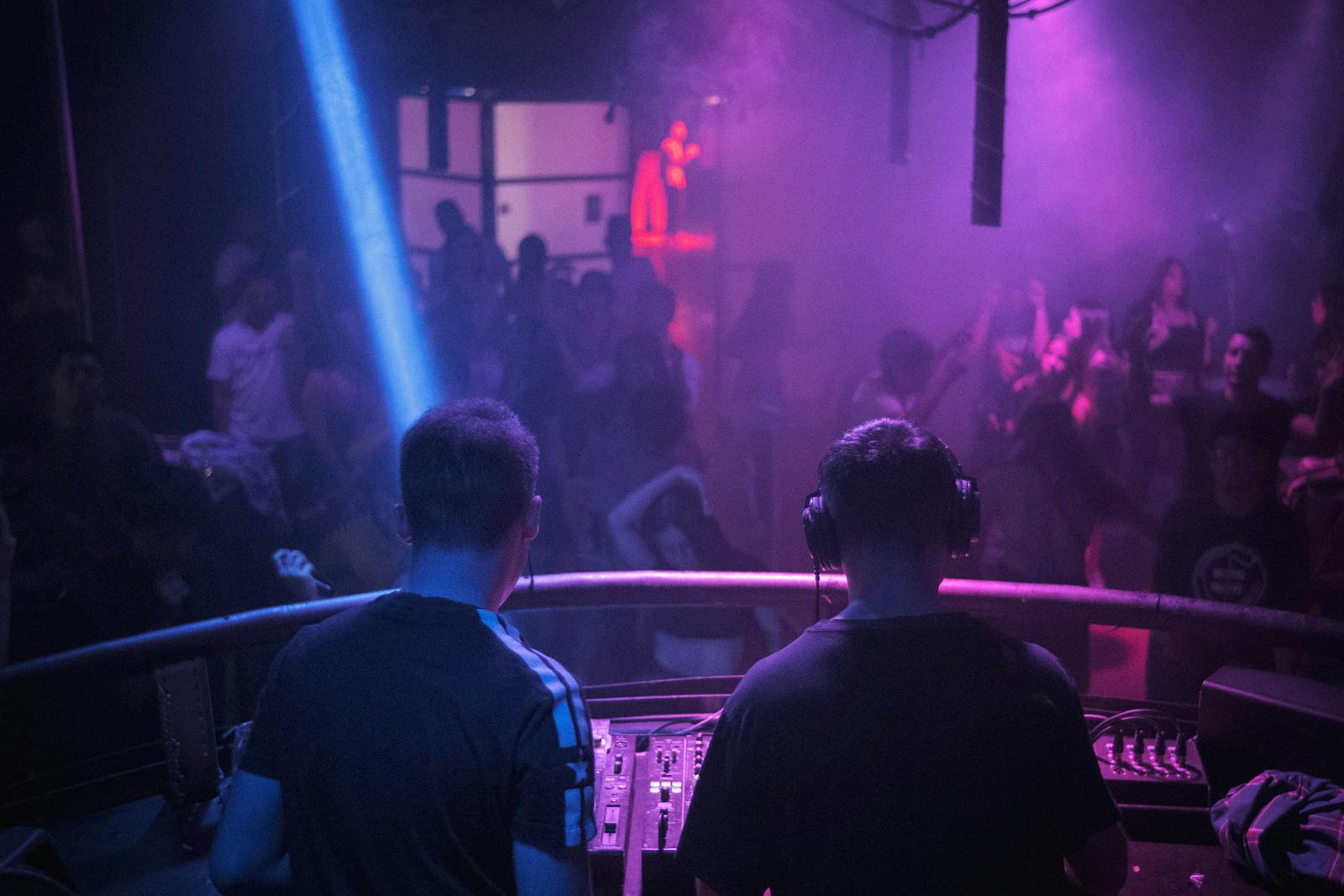
Madrid’s discotecas are on a different scale than most European cities’: multi-floor, multi-genre venues often housed in former theaters or cinemas, with door policies that actually matter and music programs curated by serious DJs. Here are the ten most important clubs to know.
Kapital. The grandfather of Madrid megaclubs. Seven floors, each with a completely different music style (house, reggaeton, hip-hop, Spanish pop, R&B, chill-out rooftop, Latin), housed in a majestic former theater on Calle de Atocha, 125. Open Thursday through Sunday; cover €20 including one drink. Doors open midnight; arrive after 1:30 a.m.
Teatro Barceló. Known for decades as Pachá Madrid, this Art Deco former cinema on Calle de Barceló (Chueca) remains one of the most visually spectacular clubs in Europe. Three floors of commercial house, pop, and Latin. Strict dress code. Cover €20 including drink.
Fabrik. If Kapital is the grandfather, Fabrik is the electronic temple. A purpose-built out-of-town megaclub in Humanes (40 minutes from central Madrid) that hosts international techno and trance residents. Saturday parties from midnight to noon. For serious clubbers only.
Teatro Kapital Reloaded, Shôko, and Opium. The Madrid outposts of Barcelona’s famous clubs. Opium (Calle José Abascal) and Shôko (Calle Toledo) offer slick, international-city vibes with guest DJs and strong cocktail programs.
Sala Changó. A more alternative, electronic-leaning crowd than the big commercial clubs. Excellent bookings, friendly door, and a legendary sound system. Calle de Covarrubias, Chamberí edge.
Mondo Disko. Madrid’s most respected house-and-techno institution, known for all-night lineups that feature international headliners like Dixon, Dubfire, and Maceo Plex. Located inside the Joy Eslava building.
Joy Eslava. Another former theater — perhaps the most beautiful club interior in Madrid, with a horseshoe balcony overlooking the dance floor. Commercial and Spanish pop programming. Centrally located on Calle del Arenal.
Sala Goya. A younger, studenty crowd dancing to Spanish pop, reggaeton, and commercial hits. Cheap drinks, early-morning closing. Enthusiastic rather than elegant.
Rooftop Bars and Terraces
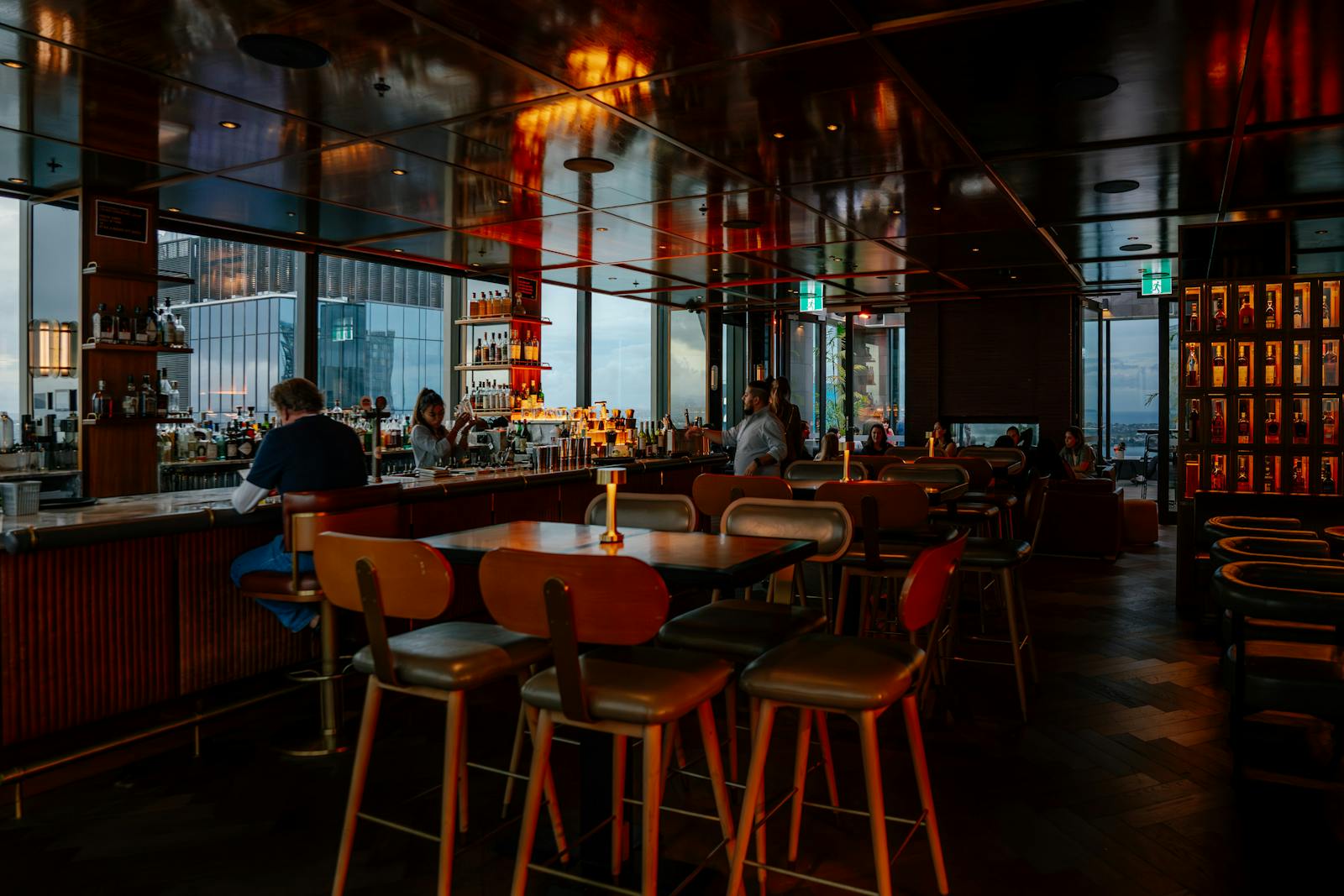
Few cities in Europe have exploited their rooftops as enthusiastically as Madrid. Since a 2010 municipal decision loosened regulations on rooftop bars, dozens of hotel terraces, department-store rooftops, and stand-alone elevated lounges have opened — and between April and October, catching sunset with a gin and tonic 360 degrees above Gran Vía becomes one of the great Madrid rituals. Here are the rooftops worth queueing for.
Azotea del Círculo de Bellas Artes. Arguably the single most famous rooftop in Madrid. A 360-degree panorama that takes in the Metropolis building, Gran Vía, Cibeles, and the Sierra on the horizon. €5 entry fee (non-members) includes elevator access but not drinks. Open daily until 2 a.m.; tapas and cocktails served. Expect lines at sunset.
Ginkgo Sky Bar (VP Plaza España Design). One of the newer and most spectacular additions. An open-air pool-deck bar directly across from the Royal Palace, with some of the best sunset views in the city. Reserve ahead.
The Hat Madrid. Hostel rooftop turned destination bar. Casual, affordable, and centrally located between Plaza Mayor and Sol. Perfect for a first drink if you’re still adjusting to Madrid time.
Picalagartos Sky Bar (NH Collection Madrid Gran Vía). A refined, sit-down rooftop directly on Gran Vía with uninterrupted views of the Telefónica building and the Metropolis Building’s Winged Victory. Dinner menu alongside cocktails.
Sabatini Gardens Rooftop (Dear Hotel). One of Madrid’s favorite local rooftops, with sunset views over the Royal Palace and Casa de Campo that are spectacular enough to be a meditation.
El Jardín Secreto de Salvador Bachiller. Not strictly a rooftop but a hidden garden terrace on the top floor of a luggage store, wrapped in ivy, fairy lights, and plants. Quirky, romantic, and often overlooked by tourists.
Terraza Cibeles. The rooftop of the spectacular CentroCentro cultural center inside the Palacio de Cibeles. Stunning views down Paseo del Prado; €3 to enter the building, free to the terrace.
Flamenco Shows and Tablaos
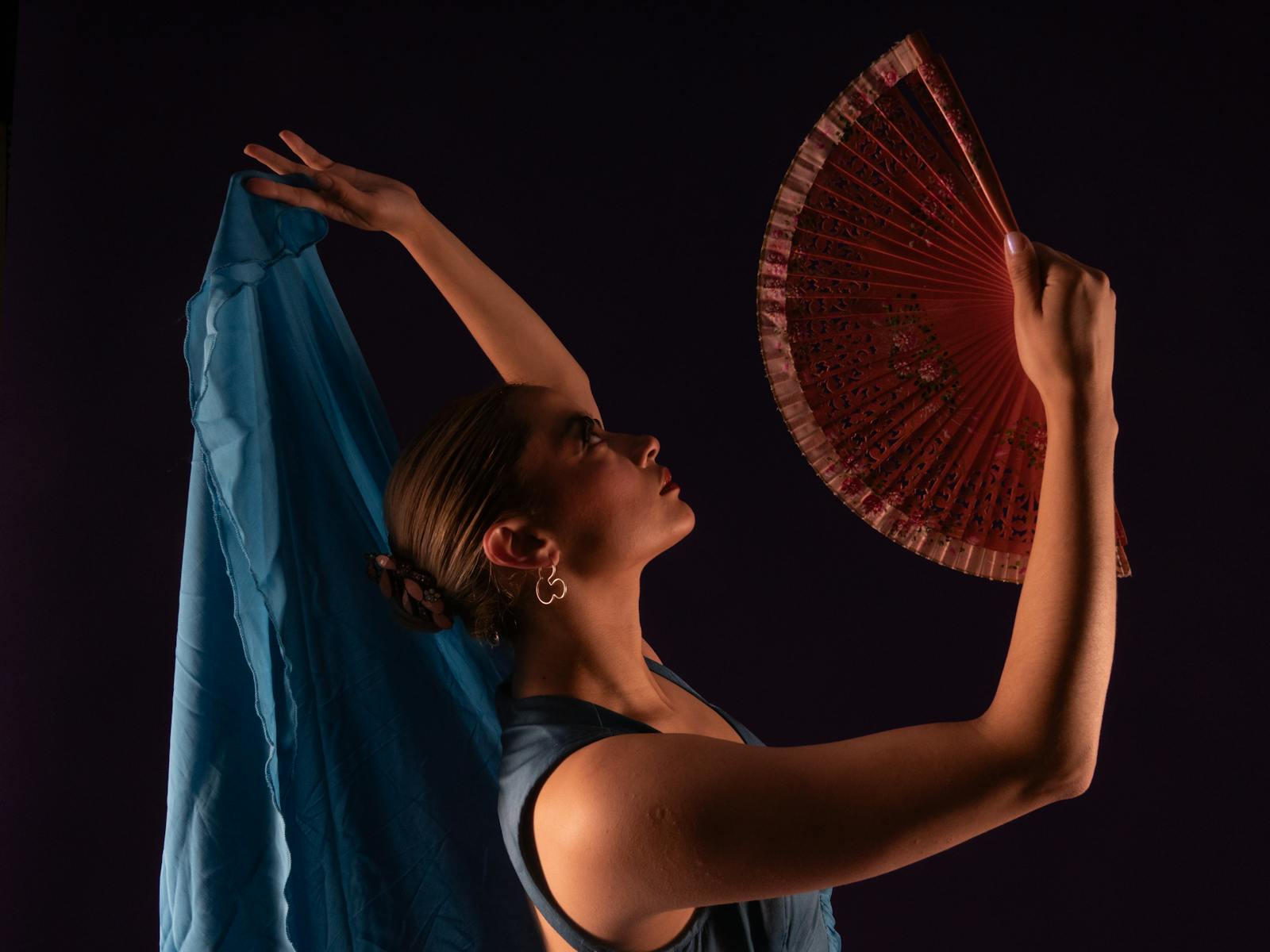
Madrid is widely considered the capital of live flamenco. While the art form originated in Andalusia, it was in Madrid’s tablaos — intimate club-theaters built specifically to host the dance — that the form reached the artistic maturity audiences see today. The city’s best tablaos book world-class dancers, singers, and guitarists year-round, and a good flamenco show can be a legitimate cultural highlight of any Madrid trip.
Corral de la Morería. The single most famous tablao in the world and the only flamenco venue to hold a Michelin star (for its restaurant). Founded in 1956, it has hosted every flamenco legend alive — and many who have passed on. Tickets include either drink, tapas, or full dinner; the full dinner with a premium seat is €150+ but completely unforgettable. Reservations essential weeks in advance. Calle Morería, 17.
Cardamomo. Central, near Puerta del Sol, with four shows daily and the best value-to-quality ratio in town. Recently named by the New York Times as Madrid’s best tablao. Tickets from €42 including one drink; dinner options available. Calle de Echegaray, 15.
Torres Bermejas. Interior inspired by the Alhambra in Granada, with Arab tiling and wooden ceilings that transport you before the first guitar chord. Intimate and consistently excellent. Calle de Mesonero Romanos, 11.
Las Carboneras. Next to the Mercado de San Miguel, combining a traditional tablao setting with modern Spanish cuisine. Renowned dancers, passionate singing, and a location that makes it easy to build a full evening around a show. Plaza del Conde de Miranda, 1.
Las Tablas. Rising in reputation for its consistently strong programming and intimate 70-seat room. Two shows nightly (8 p.m. and 10 p.m.); tickets €27–€76 depending on package. Plaza de España, 9.
Tablao Flamenco 1911. Formerly Villa Rosa — Madrid’s oldest tablao, housed in a hand-tiled 1911 building that is itself a protected landmark. Recently reopened after renovation under new ownership with an ambitious artistic direction.
Practical tip: the 8 or 9 p.m. shows tend to be slightly more tourist-oriented; the 10 or 11 p.m. shows attract a more local, discerning audience. Always arrive 20 minutes before showtime for the best seat selection.
Tapas Bars: The Best Way to Start Your Night
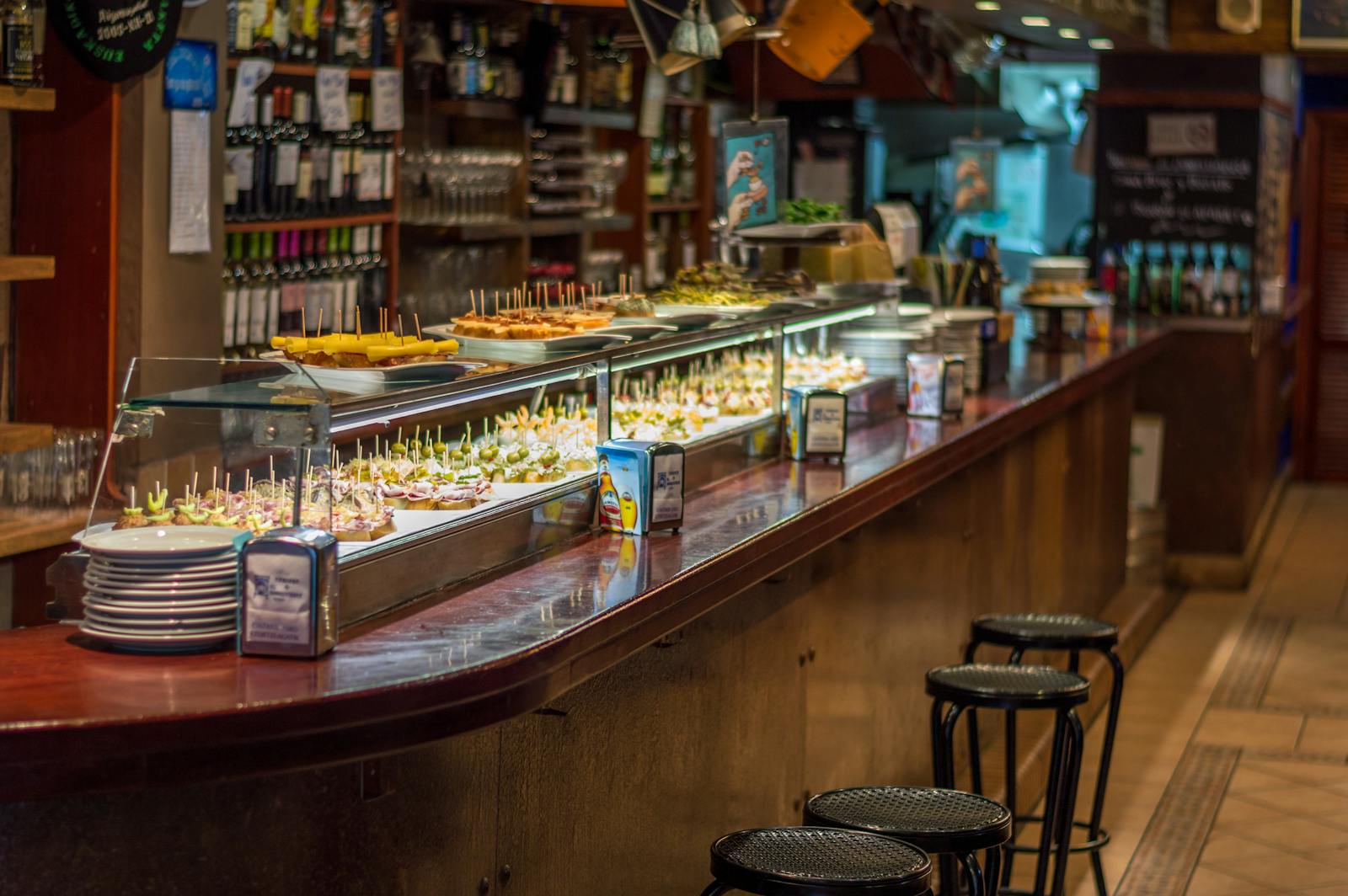
Dinner, for a Madrileño, is often the sum of four or five stops at different tapas bars — a small dish and a small glass at each, served standing up and eaten in conversation. The art of tapeo is as central to Madrid nightlife as flamenco or the discotecas. Here are the bars that any serious evening should include.
In La Latina, walk Cava Baja end to end. Start at Taberna de la Concha for vermouth and tortilla, continue to Juanalaloca for grilled pork shoulder, stop at La Musa Latina for modern tapas, and finish with cheese at Casa Lucas. On Sundays, add Taberna Txakoli and El Viajero for the post-Rastro crowd.
In the Barrio de las Letras, the classic stops are La Venencia (sherry and olives, no photos allowed — the bar has refused to change since the 1930s), Los Gatos (for tapas under hanging hams and vintage posters), Casa Alberto (founded 1827, excellent ox-tail stew), and La Platería on Calle de las Huertas (a locals’ favorite for albondigas).
In Chueca, Bodega de la Ardosa is one of Madrid’s great old taverns — tortilla, vermouth on tap, and boquerones since 1892. Nearby, Celso y Manolo and Cinco Jotas offer more polished modernist tapas. In Malasaña, start at Casa Julio for what many consider Madrid’s best croquettes, and continue to La Musa Malasaña or Pez Tortilla for creative tortillas. For deeper restaurant picks across the city, see our Madrid food guide.
Cocktail Bars and Speakeasies
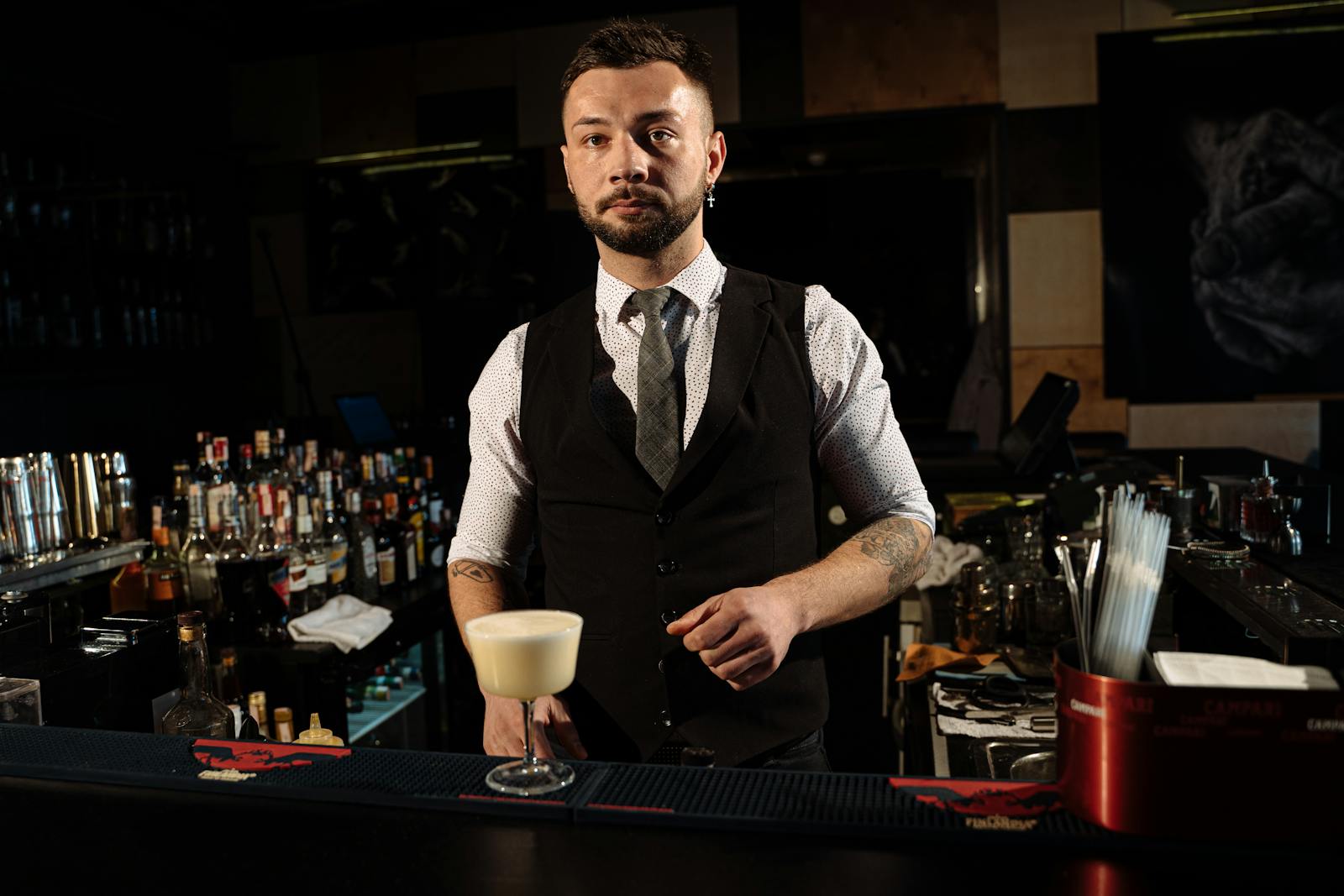
Madrid has quietly become one of the world’s great cocktail capitals. Since 2020, the city has consistently placed multiple bars in the World’s 50 Best Bars list, and the scene extends from century-old classics mixing their original recipes to avant-garde concept bars pioneering entirely new techniques. A few favorites to put on your list:
Salmon Guru. Diego Cabrera’s Salamanca flagship has been called the most creative bar in Spain. Theatrical cocktails, pop-art interiors, and a menu that changes constantly. Reservations essential. Regularly in the World’s 50 Best Bars.
1862 Dry Bar. A Malasaña speakeasy dedicated to the classics — old fashioneds, sazeracs, sidecars — mixed with obsessive care by a small team of serious bartenders. The quietest great bar in the city.
Macera Taller Bar. Chueca’s best-kept secret. The menu is built entirely around house-infused liquors — vodka with strawberry, gin with tomato, rum with cocoa — used as the base of a rotating cocktail list.
Museo Chicote. Madrid’s most historic cocktail bar, open since 1931 on Gran Vía, where Hemingway, Ava Gardner, Orson Welles, and Salvador Dalí all drank. The interior is original and the dry martini is legendary.
Bar Cock. Opened in 1921 near Gran Vía, wooden-paneled and gentlemanly. Long the bartenders’ bartender’s bar — a place where Madrid’s old guard has gathered for nearly a century.
Angelita Madrid. Wine bar upstairs, cocktail temple downstairs. One of the city’s best pairings for wine lovers who want to dabble in cocktails.
Santos y Desamparados. A tiny Huertas cocktail bar with a massive drinks list and passionate bartenders. Easy to miss, hard to leave.
Live Music Venues
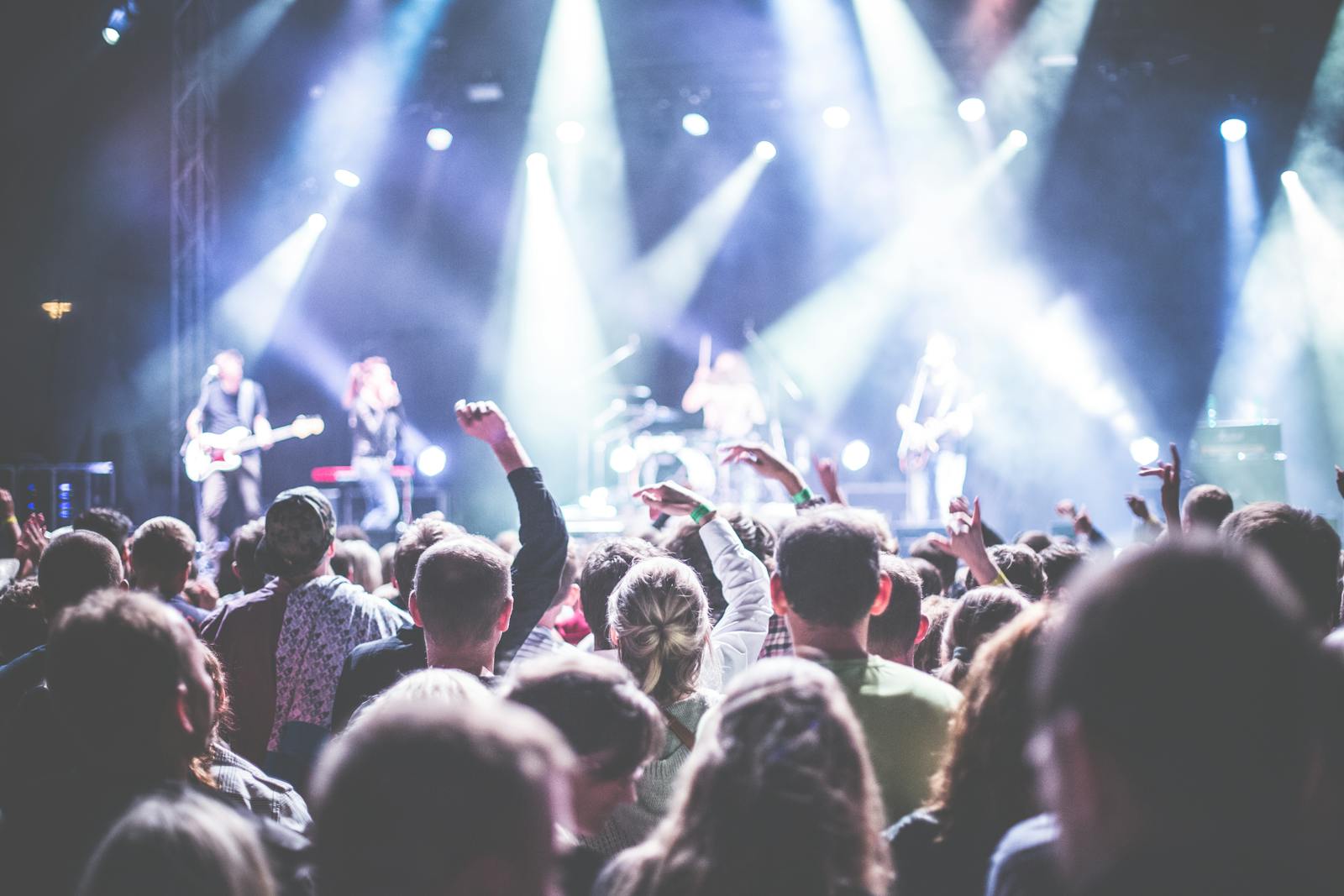
Madrid has a deep and underappreciated live-music ecosystem — dozens of venues across every genre, from intimate jazz clubs to 17,000-capacity stadiums. For a classic Madrid night anchored in live performance:
Café Central. Since 1982, the premier jazz club in Spain. Nightly sets at 9 p.m., an art-nouveau interior, and programming that ranges from local trios to international stars. Plaza del Ángel, Huertas.
BarCo. Malasaña’s beloved live-music bar — funk, soul, jazz, latin jams. Free entry most nights, a second set starting around 1 a.m. Calle del Barco.
Sala Clamores. Chamberí’s jazz-and-soul institution since 1981. Two or three sets a night, excellent bookings, €10–€15 entry.
Café La Palma. A Malasaña staple with acoustic sets upstairs and DJs downstairs. Unpretentious and friendly.
Sala El Sol. The legendary Malasaña rock venue. Virtually every Spanish rock act of note has played here since 1979, and the space still books international indie talent.
Teatro Barceló. Occasionally hosts tribute bands and Spanish pop artists before turning into a disco at midnight.
WiZink Center. Madrid’s main indoor arena (17,000 capacity), hosts international tours from Taylor Swift to Metallica. Near the Goya metro.
For ticketed concerts, check Entradas.com, Ticketmaster Spain, and El Corte Inglés Entradas — all three sell across most venues.
What to Wear and Door Policies
Madrid is generally less formal than Milan or Paris, but dress codes do exist — particularly at Salamanca cocktail bars, upscale nightclubs, and anywhere with an explicit door policy. At Malasaña, Chueca, La Latina, and Huertas bars, clean streetwear (jeans, a shirt, sneakers, or boots) is fine. At cocktail bars and rooftops, smart casual is expected — leave the cargo shorts at the hotel. At nightclubs, especially Kapital, Teatro Barceló, and most Salamanca venues, men will want closed leather shoes (no sneakers), collared shirt or blazer, and should avoid shorts, sandals, and sportswear; women typically wear dresses or dressy trousers. Groups of men without at least a few women in the party may face harder scrutiny at the door — this is a real, if unspoken, Madrid custom.
Drink Prices and What to Order
Madrid nightlife is relatively affordable by European-capital standards. A caña (small draft beer) at a neighborhood tapas bar costs €1.80–€2.50 and usually comes with a free tapa. A copa (glass of wine) at the same bar runs €2–€4. A gin-tonic at a cocktail bar costs €8–€14 depending on the gin; a craft cocktail at Salmon Guru or 1862 Dry Bar typically runs €12–€18. Nightclub cover charges average €15–€20 and usually include one drink; bottle service in the VIP area of Kapital or Teatro Barceló starts around €150 for a bottle of mid-range spirit. Tap water is always available on request and always free in Madrid — ask for un vaso de agua del grifo.
Getting Home Safely
The Madrid Metro closes at 1:30 a.m. After that, your choices are the Búho night-bus network (26 lines, all originating from Plaza de Cibeles and running every 15–30 minutes until 6 a.m.), a taxi (plentiful and safe — flag one on the street, visit a taxi rank, or book via FreeNow), or one of the ride-hailing apps (Uber, Bolt, Cabify). Fares from the nightlife core to most neighborhoods run €8–€18. For full transit details, see our Madrid transportation guide.
A Madrid tradition that deserves its own paragraph: finishing the night with chocolate and churros at Chocolatería San Ginés, which has served a molten-chocolate-and-fried-dough breakfast at all hours since 1894. Arrive between 6 and 8 a.m. and you’ll share the counter with clubbers just leaving Joy Eslava or Teatro Kapital and with taxi drivers starting their shift. It’s a quintessential scene, and worth staying up for at least once.
Safety and Practical Etiquette
Madrid is one of Europe’s safer capital cities at night. Violent crime is rare, and central neighborhoods stay busy until dawn on weekends. The main annoyance is pickpocketing in crowded bars and clubs — keep wallets in front pockets, phones out of back pockets, and bags zipped and in front in packed dance floors. Never leave a drink unattended, and never accept a drink from a stranger that you didn’t watch poured. Women traveling alone generally report feeling safe in Madrid’s nightlife core, and solo travelers will easily find a group.
The only areas that feel slightly edgier late at night are the blocks immediately surrounding Atocha station and the far edges of Lavapiés — neither is dangerous, but you may prefer to taxi through after 3 a.m.
Frequently Asked Questions
What time does Madrid nightlife start?
Madrileños begin their evening with tapas between 8:30 and 10:30 p.m., move to dinner at 10 or 11 p.m., then to cocktail bars around midnight. Nightclubs don’t fill up until 2:30–3 a.m. and stay busy until 6 a.m.
What are the best nightlife neighborhoods in Madrid?
Malasaña (indie/alternative), Chueca (LGBTQ+ and stylish), Huertas (classic tourist-friendly), La Latina (tapas and vermouth), and Salamanca (upscale cocktails and clubs). Each has a distinct character and crowd.
What is the most famous nightclub in Madrid?
Kapital is Madrid’s most famous nightclub — a seven-floor former theater on Calle de Atocha, 125, where each floor features a different music style. It opens at midnight and peaks around 3 a.m.
How much does a night out in Madrid cost?
A moderate night — drinks at two bars, a club entrance, and a taxi home — typically runs €40–€80 per person. Tapas-only evenings can run under €30; upscale cocktail-bar and VIP-club nights run €150+.
Do Madrid clubs have dress codes?
Yes. Most upscale and mainstream clubs (Kapital, Teatro Barceló, Opium, Lula Club) require smart casual: no sneakers, shorts, or sportswear for men; dresses or dressy trousers for women. Malasaña and Chueca venues are more relaxed.
Where can I see authentic flamenco in Madrid?
Corral de la Morería (the world’s only Michelin-starred tablao), Cardamomo (near Puerta del Sol), Torres Bermejas, Las Carboneras, and Las Tablas all offer high-quality shows. Cardamomo and Corral de la Morería are the most internationally renowned.
Is Madrid safe at night?
Yes. Central Madrid is considered very safe at night, with low violent crime. The main concern is pickpocketing in crowded bars, clubs, and metro stations — standard big-city precautions apply.
How do I get home after the metro closes?
The Búho night-bus network runs 26 lines from Plaza de Cibeles between midnight and 6 a.m. Taxis and ride-hailing apps (Uber, Bolt, Cabify, FreeNow) operate 24/7. The Airport Express Bus 203 also runs all night.
Are rooftop bars open year-round in Madrid?
Most of Madrid’s signature rooftop bars operate from April through October. Some hotel rooftops (Círculo de Bellas Artes, Picalagartos) stay open year-round with heaters and covered sections.
Plan your night out
Go deeper with our guides to flamenco dinner shows and the city’s best vermouth bars. The liveliest after-dark barrios are Malasaña and Chueca, with Gran Vía for theatres and rooftop bars. Round out the trip with things to do in Madrid and the Madrid food guide.
1 response
Comments are closed.