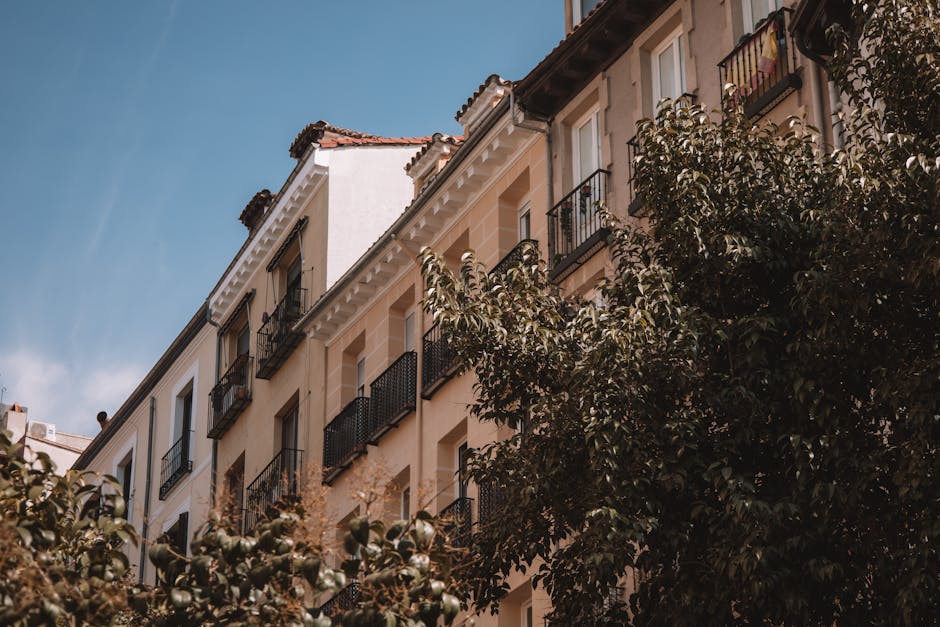
Madrid splits cleanly into distinct barrios, and where you sleep shapes the whole trip. Sol puts you within 12 minutes’ walk of the Royal Palace, the Prado, and Gran Vía — it’s the strongest all-round base for a first visit. Salamanca is quieter and pricier (€220–380/night for a 4★). La Latina, Chueca, and Malasaña trade convenience for character. Here’s the honest breakdown. For the full picture of every lodging option, start with our where to stay in Madrid guide.
Quick Picks by Traveler Type
- First visit (3–4 days): Sol / Centro — walkable to everything, broadest hotel range.
- Couple, elegant pace: Salamanca or Justicia — quiet streets, top restaurants, no bar noise.
- Tapas and late nights: La Latina or Malasaña — Cava Baja and Fuencarral are both on foot.
- LGBTQ+ travelers: Chueca — Europe’s best Pride, lively year-round.
- Families: Retiro or Chamberí — near the park, calm evenings.
- Budget: Lavapiés — hostels from €25/bed, central, genuinely interesting.
- Remote workers / longer stays: Chamberí — good cafés, real neighbourhood feel, apartments from €80/night.
The Top 8 Areas — Honest Pros and Cons
1. Sol / Centro — Best for First-Timers
Puerta del Sol is Spain’s kilometre zero. Walk eight minutes west and you’re at the Royal Palace; walk twelve minutes east and you’re at the Prado. The metro hub here (Lines 1, 2, 3) connects to every part of the city. The tradeoff is real: Gran Vía-facing rooms get tram and delivery noise until 2 a.m., and the pedestrian streets around Plaza Mayor are thick with tourist-trap restaurants charging €18 for a mediocre paella. Ask for a courtyard-facing room and eat one street back from the main drag.
- Pros: Walking distance to nearly all major sights; three metro lines; widest hotel choice.
- Cons: Noisy street-facing rooms; tourist-trap restaurants everywhere; crowded weekends.
- Hotel picks: ME Madrid (4★, ~€200), Hotel Catalonia Las Cortes (4★, ~€160), Generator Madrid (hostel, from €30).
- Average 4★ rate: €160–280/night.
2. La Latina — Best for Tapas Culture
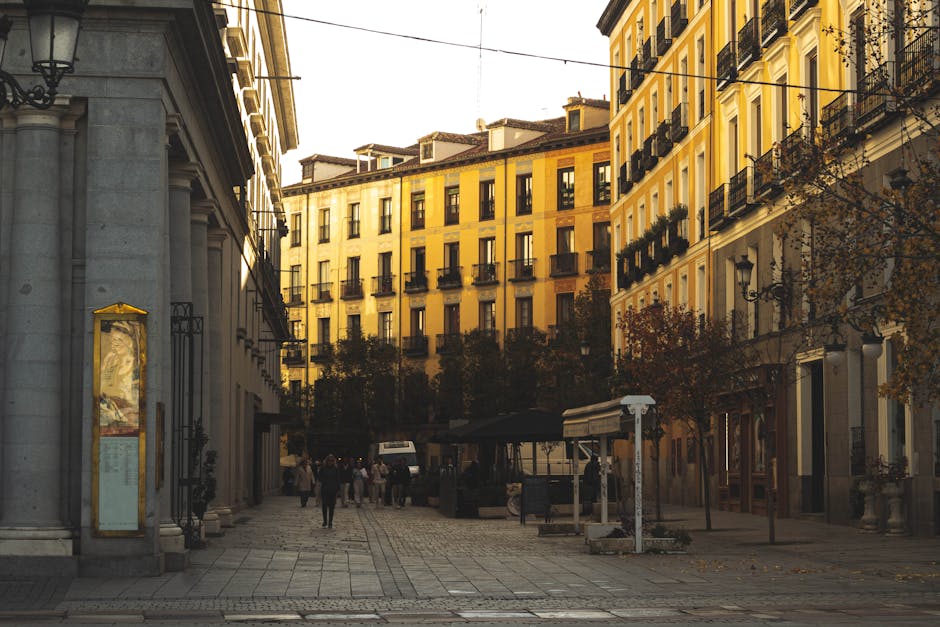
South of Plaza Mayor, the medieval street grid of La Latina hasn’t changed much in 400 years. Calle Cava Baja is the best single tapas street in Madrid — maybe in Spain. On Sunday mornings El Rastro flea market takes over the surrounding streets. The area has almost no large-brand hotels, which means smaller pensiones and boutique places dominating, typically at better value than Sol. Read our full hotels in La Latina guide for specific picks.
- Pros: Concentrated tapas scene; medieval atmosphere; easy walk to Sol and Centro.
- Cons: Loud Fri–Sat nights; narrow streets make taxi drop-off awkward; limited big-brand hotels.
- Hotel picks: Posada del Dragón (4★, ~€140), Hotel Plaza Mayor (3★, ~€110).
- Average rate: €100–220/night.
3. Malasaña — Indie Bars, Vintage Shops, Late Nights
Malasaña was the epicentre of the post-Franco “Movida Madrileña” in the 1980s. Today it’s third-wave coffee and vintage denim by day, natural wine bars and cumbia nights after midnight. Calle Fuencarral runs along its eastern edge connecting it directly to Gran Vía (7-minute walk south) and Alonso Martínez (8 minutes north). If Thursday-to-Saturday night noise concerns you, request a room above the fourth floor. See our Malasaña neighbourhood guide for what to do here beyond the bars.
- Pros: Best indie bar and café scene; 10-minute walk to Sol; young, interesting crowd.
- Cons: Street noise until 3–4 a.m. on weekends; few luxury hotels.
- Hotel picks: Hotel 7 Islas (4★, ~€150), Only YOU Boutique Hotel (4★, ~€180), TOC Hostel (from €28).
- Average rate: €120–200/night.
4. Chueca — LGBTQ+ Hub and Great Food
Chueca is Madrid’s gay neighbourhood and hosts one of Europe’s largest Pride celebrations every July. But it’s worth staying here regardless of identity — the food scene is excellent, the bars run until dawn, and the location (two stops on Line 5 from Sol, or 15 minutes on foot) is hard to beat. During Pride week expect surging hotel prices and genuinely zero quiet after 10 p.m. Get our take on the area in the Chueca neighbourhood guide, or go straight to where to stay in Chueca for hotel specifics.
- Pros: Central; welcoming atmosphere; excellent restaurants and cocktail bars.
- Cons: Very loud during Pride (early July) and all weekend nights.
- Hotel picks: Hotel ICON Embassy (4★, ~€160), Hostal Persal (3★, ~€95).
- Average rate: €130–230/night.
5. Salamanca — Upscale and Quiet
Salamanca was built on an 1860s grid — wide boulevards, uniform 19th-century apartment buildings, almost no bar noise. Calle Serrano (luxury flagships) and Calle Velázquez (mid-range boutiques) are the shopping spines. Retiro Park is a 10-minute walk. The Prado is 15 minutes on foot or one stop on Line 4. The honest downside: it’s quiet to the point of feeling dull in the evenings. Great for sleeping, less great for atmosphere. Check our luxury hotels in Madrid guide for the best five-star options here.
- Pros: Safe, elegant, excellent restaurants, no bar noise after 11 p.m.
- Cons: Expensive; feels sterile compared to the old town.
- Hotel picks: Four Seasons Madrid (5★, from €600), Hotel Wellington (5★, ~€280), Rosewood Villa Magna (5★, from €550).
- Average rate: €220–380/night (4★ options exist from €180).
6. Retiro — Families and Park Access
The streets east of the Prado wrap around Retiro Park’s western and southern edges. It’s the best neighbourhood for families: the park has a boating lake, puppet theatre, and 350 acres of shade. The Golden Triangle of art museums (Prado, Thyssen, Reina Sofía) is within 15 minutes on foot. Hotels here skew toward four- and five-stars near Paseo del Prado; smaller options are thin. See our hotels near the Prado guide for what’s actually available.
- Pros: Park access; near three major museums; beautiful architecture; quiet evenings.
- Cons: Expensive; fewer dining options than old-town neighbourhoods.
- Hotel picks: Mandarin Oriental Ritz (5★, from €700), Hotel Único Madrid (5★ boutique, ~€350), Petit Palace Embassy (4★, ~€170).
- Average rate: €170–400/night.
7. Chamberí — Local Madrid at its Best
Chamberí is where Madrileños actually live. The architecture resembles Salamanca but without the price tag. Plaza de Olavide — a circular plaza ringed by terrace cafés — is a ten-minute walk from Bilbao metro (Line 4). The indie coffee scene here is strong. The main drawback is distance: Chamberí to Sol is about 25 minutes on foot or 10 minutes on the metro. For apartment-style stays, this neighbourhood consistently outperforms the old town on value. Check Airbnb apartments in Madrid for monthly-rate options here.
- Pros: Authentic residential feel; good restaurants; quieter evenings; better apartment value.
- Cons: 25-min walk or metro to old-town sights; fewer hotel options.
- Hotel picks: Hotel Orfila (5★ boutique, ~€350), local pensiones (~€70–90).
- Average rate: €100–180/night.
8. Lavapiés — Budget, Multicultural, Central
Lavapiés is Madrid’s most international neighbourhood — Indian, Bangladeshi, Senegalese, and Latin American communities alongside long-term Spanish residents and an influx of artists priced out of Malasaña. The Reina Sofía (Guernica lives here) is a five-minute walk. Hostels start at €25/bed. Some streets feel unpolished after dark, but there’s no serious safety issue — standard urban awareness is enough. Good hostel options are covered in our best hostels in Madrid guide.
- Pros: Cheapest central accommodation; diverse food; Reina Sofía on the doorstep.
- Cons: Gritty feel on some streets at night; limited mid-range or luxury options.
- Hotel picks: Eric Vökel Atocha Suites (apartment-style, ~€90), small pensiones (~€50–70).
- Average rate: €60–130/night.

Neighbourhood Comparison at a Glance
| Neighbourhood | Best for | Avg 4★/night | Noise level | Metro |
|---|---|---|---|---|
| Sol / Centro | First-timers | €160–280 | High | Sol (L1/2/3) |
| La Latina | Tapas lovers | €100–220 | High weekends | La Latina (L5) |
| Malasaña | Indie scene | €120–200 | High Th–Sa | Tribunal (L10) |
| Chueca | LGBTQ+, food | €130–230 | High weekends | Chueca (L5) |
| Salamanca | Luxury, shopping | €220–380 | Low | Serrano (L4) |
| Retiro | Families, museums | €170–400 | Low | Atocha (L1) |
| Chamberí | Local feel, long stays | €100–180 | Low | Bilbao (L4) |
| Lavapiés | Budget | €60–130 | Medium | Lavapiés (L3) |
Areas to Skip for Accommodation
Madrid is one of Europe’s safer capitals, but a few areas simply don’t suit tourist stays:
- Vallecas, Carabanchel, Usera: Working-class outer districts — safe but 30+ minutes from any major sight. No good reason to stay unless you have personal ties there.
- Streets immediately south of Estación Sur bus station: Scruffier and less pleasant after dark. Stay on the Atocha side instead.
- Outer Tetuán (north of Bernabéu): Fine in daylight but not charming; 20-minute metro to centre.
Practical Booking Tips
- Book 8–10 weeks ahead for May–June and September–October, and at least 3 months ahead for Pride (early July) and San Isidro (mid-May).
- Request a courtyard room in old-town hotels — street-facing rooms on busy bar streets get noise until 3 a.m. on weekends.
- Air conditioning is non-negotiable June–September. Madrid hits 36–40°C in July and August; verify AC before booking.
- Check actual walking time on Google Maps, not advertised “central location.” Some hotels claiming proximity to Sol are actually a 20-minute walk.
- Tourism tax is €1.50–3 per person per night (added at checkout, not always shown on booking sites).
- Summer deals exist: July–August sees Madrileños leave town; midrange hotels often drop 25–35% vs. spring rates.
FAQs
What’s the best area to stay in Madrid for a first-time visitor?
Sol / Centro. The Royal Palace, Plaza Mayor, and the Prado are all within 15 minutes on foot. La Latina is a close second if atmosphere matters more than pure convenience. Both have solid hotel options across price ranges.
Is Madrid safe for tourists?
Yes — it’s one of Europe’s safer cities. Pickpocketing is the main concern in tourist-dense areas (Sol, Gran Vía, the metro during rush hour). Front pockets and a crossbody bag handle it. Lavapiés can feel rougher at night but isn’t dangerous.
Where should I stay for nightlife?
Malasaña for indie bars and clubs; Chueca for the LGBTQ+ scene and cocktail bars; La Latina for traditional tapas and wine bars on Cava Baja. All three are within 20 minutes’ walk of each other, so the choice is really about where you sleep, not where you go out. The things to do in Madrid guide has the bar-by-bar breakdown.
How much does a hotel in Madrid cost?
Budget hostels: €25–60/night. Solid 3★ hotels: €90–150. Midrange 4★: €140–280. Five-star: €300–700+. Prices spike 30–50% during Pride, San Isidro, and Christmas. See our Madrid travel budget guide for full cost breakdowns. For budget-specific picks, see cheap hotels in Madrid.
Is it better to stay in a hotel or Airbnb apartment?
Apartments work well for stays of 4+ nights or for groups — kitchens and more space offset higher cleaning fees. For 1–3 night stays, hotels are simpler and often similarly priced once fees are added. Chamberí and Chamartín have the best apartment-to-price ratio. Details in our Madrid apartments guide.
Official Resources
- Madrid official tourism: esmadrid.com — Madrid neighbourhoods
- Tourist tax info: Comunidad de Madrid