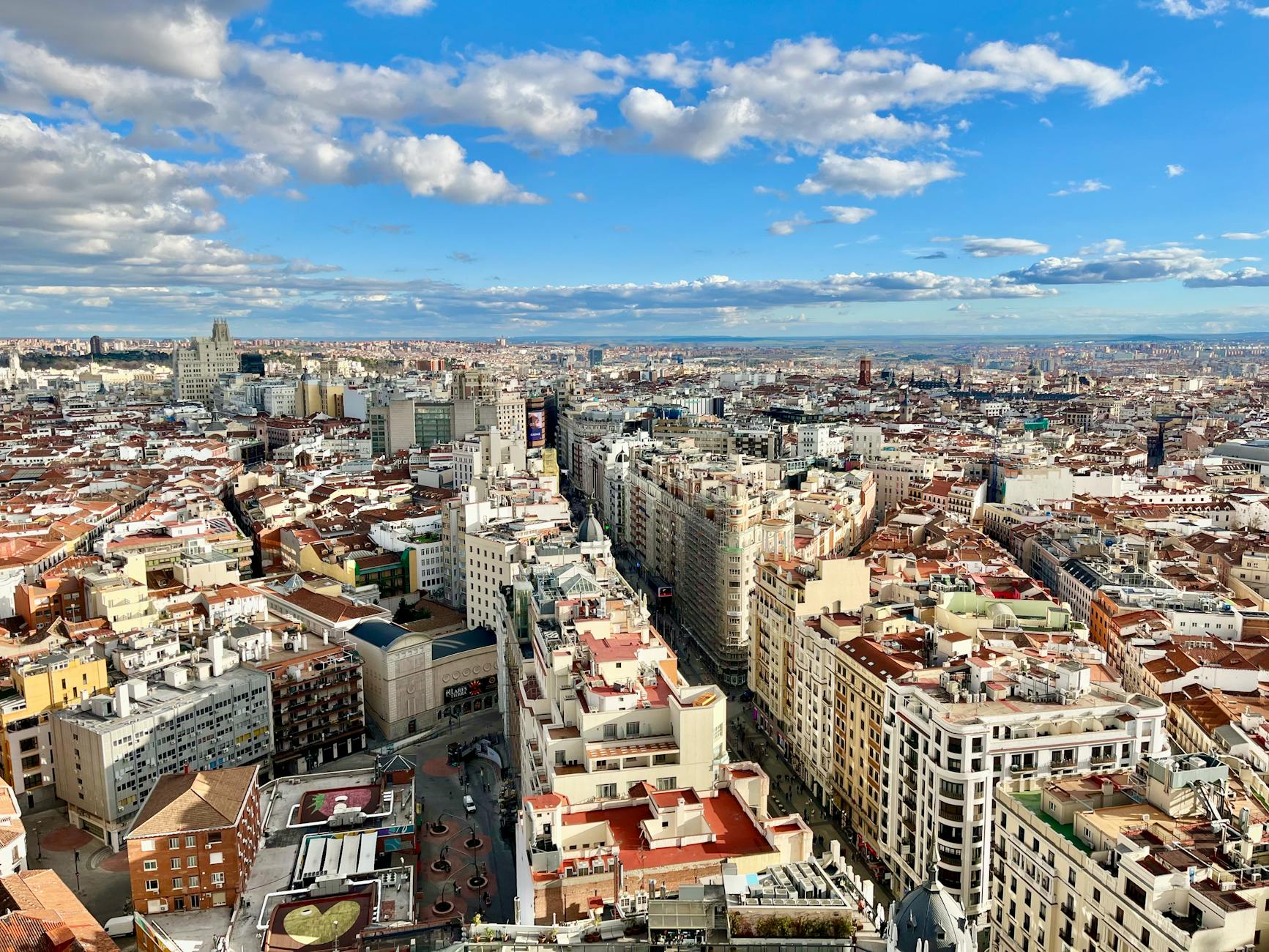
Madrid: A City That Rewards Every Type of Traveler
Madrid is one of those rare European capitals that manages to be both monumental and intimate. You can spend a morning lost in the masterpieces of the Prado, eat your way through a tapas crawl in La Latina by afternoon, and watch the sunset from a rooftop bar as the city’s terracotta skyline glows golden — all without breaking a sweat on public transport. But with so much to see and do, having a plan makes all the difference between a trip that feels rushed and one that feels complete.
This comprehensive itinerary and trip planning guide covers everything you need to know to make the most of your time in Madrid. Whether you have a long weekend or a full week, traveling solo or with family, on a tight budget or ready to splurge — the key is knowing what to prioritize and when. Madrid’s rhythm is unlike any other city in Europe: lunch starts at 2pm, dinner at 10pm, and the best nightlife doesn’t begin until midnight. Understanding this rhythm is essential to planning a trip that actually works.
How Many Days Do You Need in Madrid?
The ideal length of stay depends on your travel style and interests, but here are the general recommendations based on what most visitors want to experience:
2 Days (Weekend Getaway): Enough to hit the absolute highlights — the Prado or Reina Sofía, the Royal Palace, Retiro Park, a tapas crawl, and Plaza Mayor. You will feel rushed, but you will leave with a strong impression of the city. This works best for visitors who are combining Madrid with other Spanish destinations like Barcelona or Seville.
3 Days (The Sweet Spot): Three full days is the most commonly recommended duration for first-time visitors. This gives you time to cover all the major museums, explore two or three neighborhoods on foot, enjoy proper sit-down meals at local restaurants, catch a flamenco show, and still have breathing room for spontaneous discoveries. Most travelers find that three days gives them a satisfying overview without feeling exhausted.
4–5 Days (Ideal with Day Trips): If you want to add a day trip to Toledo, Segovia, or both, four to five days is the way to go. You get three full days in Madrid plus one or two excursions to nearby cities that are genuinely worth the trip. This is the ideal duration for travelers who want depth rather than just hitting the highlights.
7 Days (Deep Dive): A full week lets you explore lesser-known neighborhoods, visit smaller museums, take multiple day trips, and truly settle into Madrid’s rhythm. You will have time to revisit favorite spots, discover hidden corners, and live more like a local than a tourist. This is the best option if Madrid is your primary destination rather than part of a multi-city trip.
Madrid 3-Day Itinerary: The Essential First Visit
Day 1: Historic Heart and Royal Madrid
Morning (9:00 AM – 1:00 PM): Start your Madrid adventure at Puerta del Sol, the geographical heart of Spain. The famous Kilómetro Cero plaque marks the point from which all Spanish roads are measured. Take a moment to see the Bear and the Strawberry Tree statue — Madrid’s official symbol — before walking five minutes to Plaza Mayor, the grand rectangular square dating back to 1619. Admire the frescoed Casa de la Panadería and soak in the atmosphere, but save your appetite and your euros — the restaurants under the arches are overpriced tourist traps.
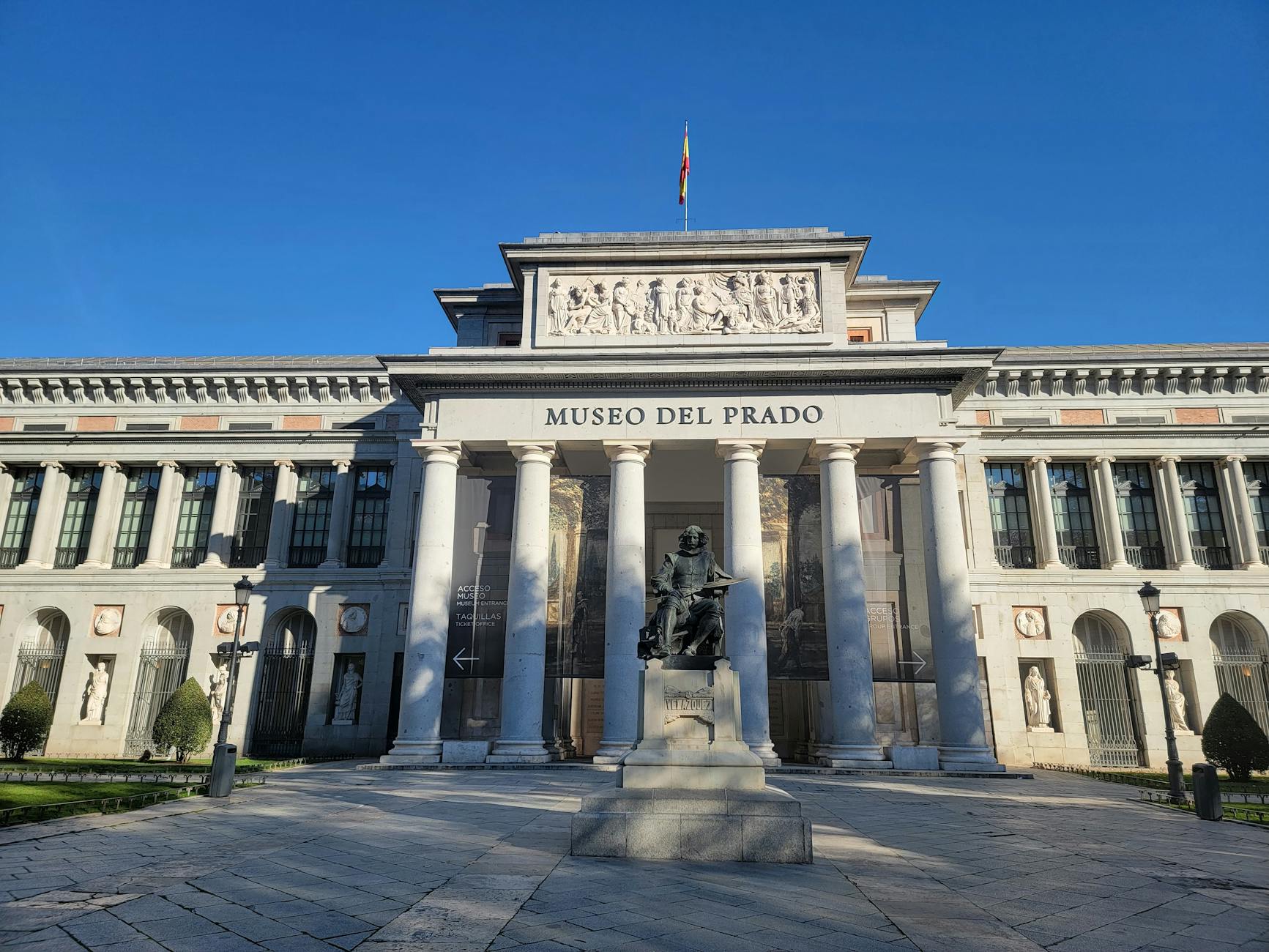
From Plaza Mayor, walk west through the narrow streets to the Royal Palace (Palacio Real). Even if you do not go inside, the exterior and the views from Plaza de Oriente are magnificent. If you do enter (tickets around €16, or free for EU citizens some evenings), allow at least 90 minutes for the 3,418 rooms open to the public. The Throne Room, the Hall of Mirrors, and Tiepolo’s ceiling frescoes are genuinely extraordinary. Right next to the palace, the Almudena Cathedral offers free entry and unexpected modern interiors behind its neoclassical facade.
Lunch (1:30 PM – 3:00 PM): Walk down to the Mercado de San Miguel, a beautifully restored iron-and-glass market where you can graze on pintxos, jamón ibérico, and fresh oysters with a glass of cava. It is touristy but genuinely enjoyable, and the quality is solid. For a more local experience, continue to Calle de la Cava Baja in La Latina — one of Madrid’s most famous tapas streets. Casa Lucas, Juana La Loca, and Txirimiri are all excellent choices for a proper menú del día around €13–16.
Afternoon (3:30 PM – 7:00 PM): Head to the Temple of Debod, an authentic Egyptian temple gifted to Spain in 1968. The surrounding park offers some of the best sunset views in Madrid, looking west over the Casa de Campo. This is an ideal spot to rest your feet and take photos. Then walk through the Sabatini Gardens behind the Royal Palace and stroll along Gran Vía, Madrid’s answer to Broadway — a grand avenue lined with early 20th-century buildings, theaters, and flagship stores.
Evening (9:00 PM onwards): For dinner, head to Malasaña. The neighborhood around Plaza del Dos de Mayo comes alive at night with locals spilling out of bars and restaurants. Try Bodega de la Ardosa for vermouth on tap and traditional croquetas, or La Barraca for excellent paella. After dinner, walk to a rooftop bar — the Círculo de Bellas Artes terrace (€5 entry) offers one of Madrid’s best panoramic views.
Day 2: Art, Culture, and Retiro Park
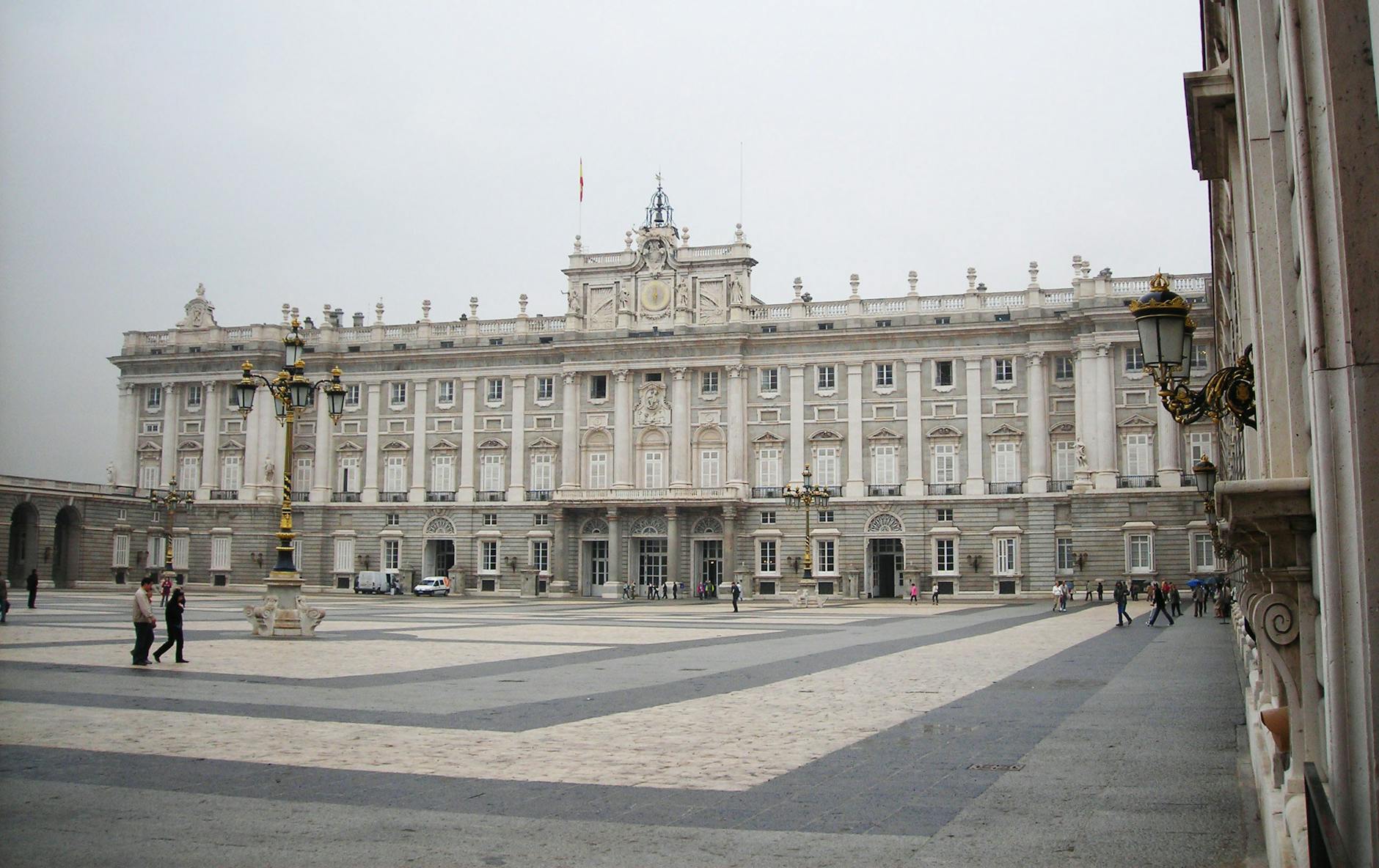
Morning (9:00 AM – 1:30 PM): Dedicate this morning to Madrid’s Golden Triangle of Art. Start at the Prado Museum, Spain’s most important art museum and one of the finest in the world. With over 8,000 works, you cannot see everything in one visit — focus on the highlights. Velázquez’s Las Meninas is the crown jewel; other must-sees include Goya’s Black Paintings, Bosch’s Garden of Earthly Delights, and El Greco’s The Holy Trinity. Book tickets online (€15) to skip the queue, and consider the free entry window from 6:00 PM to 8:00 PM Monday through Saturday.
After the Prado, walk five minutes to the Reina Sofía for Picasso’s Guernica — one of the most powerful anti-war paintings ever created. The museum’s free hours are Monday and Wednesday to Saturday from 7:00 PM to 9:00 PM. Even a quick visit to see Guernica and the surrounding exhibition takes about 45 minutes and is absolutely worthwhile. If you are a serious art lover, add the Thyssen-Bornemisza Museum to complete the triangle — its collection traces Western art from the 13th century to the present.
Lunch (2:00 PM – 3:30 PM): Eat near the Prado at Estado Puro, which serves excellent creative tapas, or walk to Barrio de las Letras (the Literary Quarter) for more authentic options. This neighborhood around Calle de las Huertas has a high concentration of good restaurants at reasonable prices. Look for the literary quotes embedded in the cobblestones — Cervantes once lived in this neighborhood.
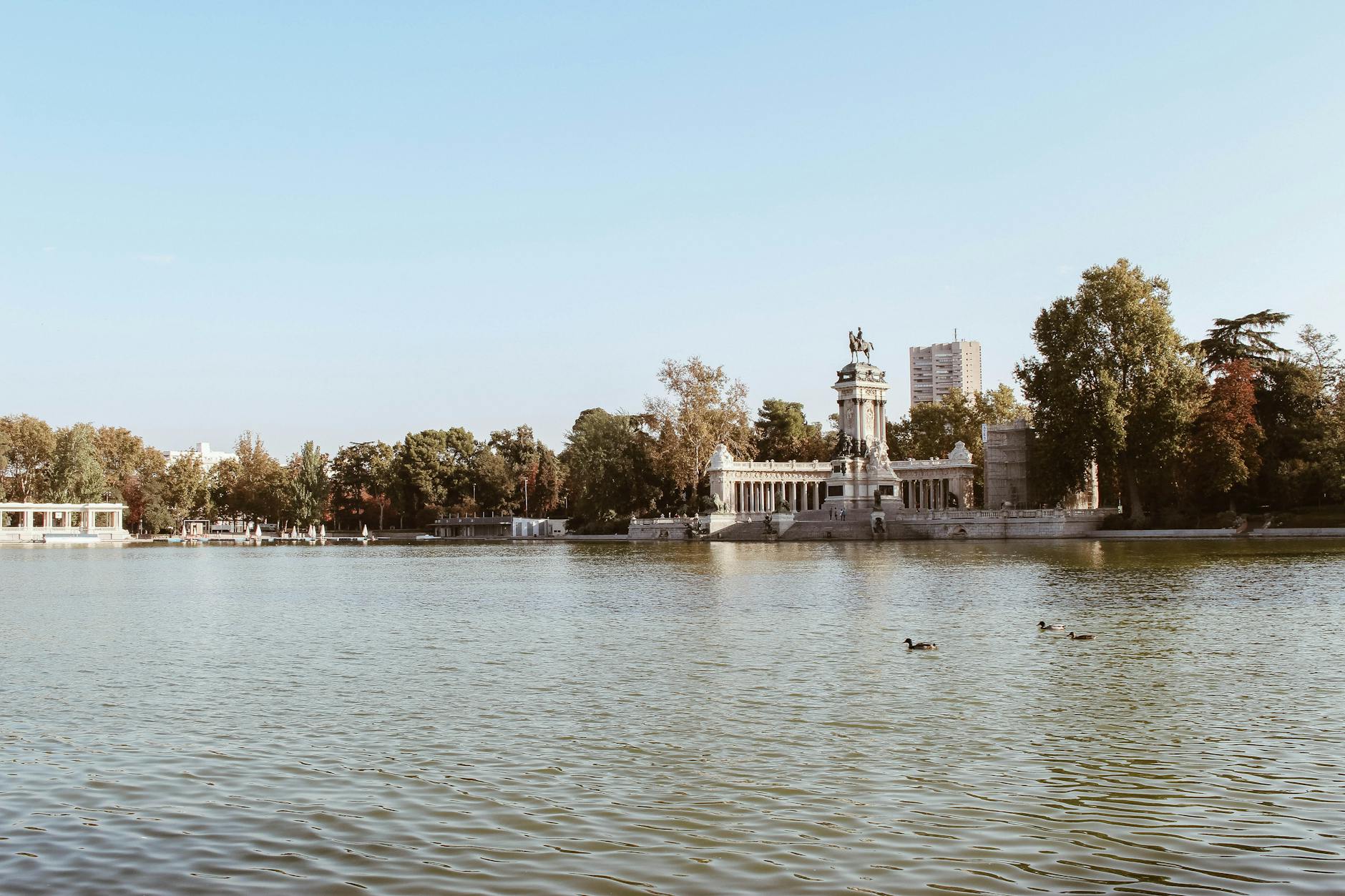
Afternoon (4:00 PM – 7:30 PM): Spend the afternoon in Retiro Park, Madrid’s green lung. Rent a rowboat on the lake (€8 for 45 minutes), visit the Crystal Palace (a stunning iron-and-glass structure hosting free art exhibitions), and wander through the rose garden. The park covers 125 hectares, so you will not see it all — focus on the lake, the Crystal Palace, and the Paseo de la Argentina lined with sculptures. If you have energy, visit the Real Jardín Botánico next to the Prado for a peaceful stroll through 5,000 plant species.
Evening (9:30 PM onwards): Tonight, experience a flamenco show. Corral de la Morería and Cardamomo are two of Madrid’s best tablaos, with shows around €45–55 including a drink. Book in advance as popular shows sell out. After flamenco, head to Chueca for cocktails — the neighborhood’s terrace bars are lively and welcoming.
Day 3: Neighborhoods, Markets, and Local Life
Morning (10:00 AM – 1:30 PM): If your third day falls on a Sunday, head straight to El Rastro — Madrid’s legendary flea market that has been running since the 16th century. Stretching from La Latina metro down to Ronda de Toledo, the market fills dozens of streets with stalls selling everything from vintage clothing and antiques to leather goods and curiosities. Arrive by 10:00 AM to avoid the worst crowds, keep your belongings secure, and follow the market down Calle de la Ribera de Curtidores. Even if it is not Sunday, the La Latina neighborhood is worth exploring for its medieval streets, traditional tabernas, and relaxed atmosphere.
If it is not Sunday, spend the morning exploring Malasaña and Chueca — Madrid’s hippest neighborhoods. Malasaña is known for its vintage shops, street art, and independent cafes. Chueca, Madrid’s LGBTQ+ quarter, has trendy boutiques, excellent brunch spots, and a vibrant cultural scene. Start at Fuencarral street and zigzag through side streets — the best discoveries are always off the main drag.
Lunch (2:00 PM – 3:30 PM): For your final Madrid lunch, go full local with a cocido madrileño — Madrid’s signature chickpea stew served in three courses (first the broth, then the chickpeas and vegetables, finally the meats). Lhardy (since 1839), La Bola, and Malacatín are the classic spots. This is a hearty, filling meal that is quintessentially Madrid.
Afternoon (4:00 PM – 7:00 PM): Visit the Santiago Bernabéu Stadium if you are a football fan. The stadium tour (€29) includes the trophy room, pitch-side access, and panoramic views. Even non-football fans find the scale impressive. Alternatively, explore the Salamanca neighborhood — Madrid’s most upscale district — with its designer boutiques, elegant streets, and the Lázaro Galdiano Museum (a hidden gem with an impressive private art collection).
Evening (9:00 PM onwards): End your Madrid trip with a sunset from the Templo de Debod or Parque del Oeste, followed by dinner at a traditional asador (grill restaurant). Celebrate your last night at one of Madrid’s rooftop bars — Azotea del Círculo, the Ginkgo Sky Bar, or the terrace at Dear Hotel all offer unforgettable views of the illuminated Gran Vía.
Madrid 5-Day Itinerary: Adding Day Trips
With five days, you have the luxury of three full days in Madrid (following the itinerary above) plus two day trips to nearby UNESCO World Heritage cities. Here is how to extend your stay:
Day 4: Toledo Day Trip
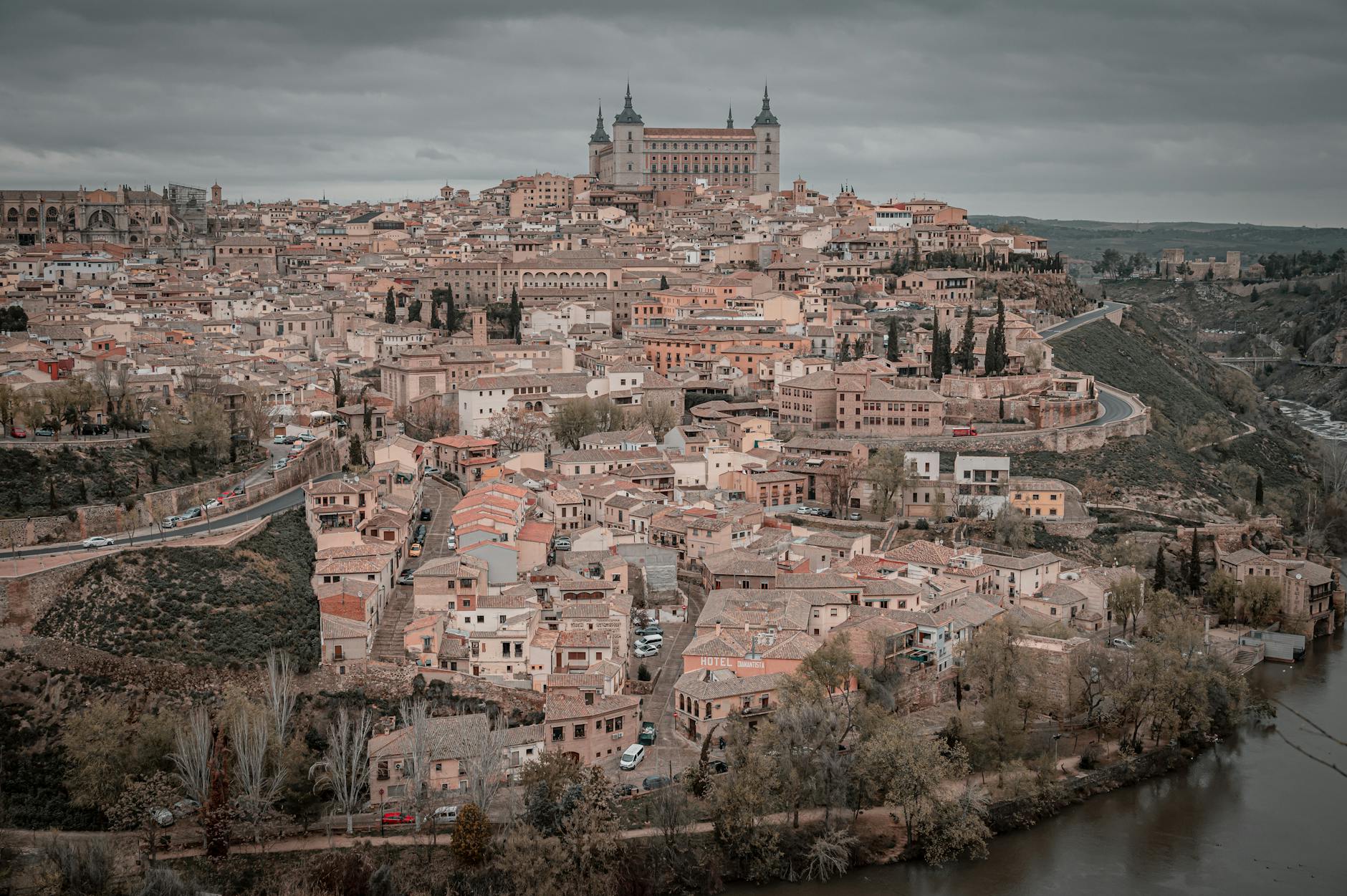
Toledo is the most rewarding day trip from Madrid and should be your first choice if you only have one extra day. Known as the “City of Three Cultures” for its Christian, Muslim, and Jewish heritage, Toledo is a living museum perched dramatically above the Tagus River. The journey takes just 33 minutes by AVE high-speed train from Atocha station (€13–26 round trip).
Start at the Alcázar fortress at the city’s highest point for orientation, then walk down through the medieval streets to the Cathedral — one of Spain’s most spectacular Gothic churches. Visit the Church of Santo Tomé to see El Greco’s masterpiece, The Burial of the Count of Orgaz. Walk through the former Jewish quarter, visit the Synagogue of Santa María la Blanca, and try mazapán — Toledo’s famous marzipan confection. Allow a full day (8:30 AM departure, return around 7:00 PM) to do Toledo justice.
Day 5: Segovia Day Trip
Segovia makes a perfect final day trip, offering one of Spain’s most photogenic landmarks — the Roman Aqueduct. Built in the 1st or 2nd century AD without mortar, this engineering marvel stretches 728 meters and stands 28 meters tall. The high-speed AVE train from Chamartín station reaches Segovia in 27 minutes (€12–24 round trip), or you can take the bus from Moncloa station (75 minutes, €8 round trip).
From the aqueduct, walk through the old town to the Cathedral and then to the Alcázar — the fairy-tale castle that reportedly inspired Disney’s Cinderella Castle. Climb the tower for panoramic views. For lunch, try Segovia’s famous cochinillo asado (roast suckling pig) at Mesón de Cándido or José María — two institutions that have been perfecting this dish for generations. The combination of Roman, medieval, and Renaissance architecture makes Segovia one of Spain’s most visually stunning cities.
Madrid 7-Day Itinerary: The Complete Experience
A full week in Madrid opens up possibilities for deeper exploration. Follow the 5-day itinerary above and add:
Day 6: Hidden Madrid and Lesser-Known Museums
Spend the morning at museums you missed earlier. The Sorolla Museum — the former home and studio of painter Joaquín Sorolla — is one of Madrid’s most charming small museums, with beautiful gardens and an intimate atmosphere that contrasts with the grand scale of the Prado. The Cerralbo Museum nearby offers a peek into 19th-century aristocratic life with an eclectic collection of art, armor, and decorative objects.
In the afternoon, explore the Chamberí neighborhood for a taste of local Madrid. Visit the ghost metro station Chamberí (Andén 0) — a beautifully preserved 1919 station that was closed in 1966 and reopened as a museum. Browse the Mercado de Vallehermoso for gourmet food stalls, and have coffee at one of the neighborhood’s independent cafes. This is where Madrileños actually live, away from the tourist crowds.
In the evening, catch a show on Gran Vía — Madrid’s theater district rivals London’s West End with musicals, plays, and comedy shows, often at much lower prices.
Day 7: Parks, Markets, and Farewell
Start your final day at the Matadero Madrid — a former slaughterhouse turned contemporary arts center in the Madrid Río area. The space hosts exhibitions, performances, and markets, and the surrounding riverbank park is perfect for a morning walk or jog. Cross the Manzanares River and explore the Arganzuela footbridge designed by Dominique Perrault.
Spend the afternoon at Casa de Campo — Madrid’s largest park at over 1,700 hectares. Take the Teleférico cable car from Paseo del Pintor Rosales for aerial views of the city, or simply enjoy the lake and forests. For last-minute souvenir shopping, head to the area around Sol and pick up Spanish olive oil, saffron, or turrones from gourmet shops like La Violeta (famous for its violet candies since 1915).
Best Time to Visit Madrid
Madrid has a continental climate with hot, dry summers and cool winters. Choosing when to visit significantly affects your experience, budget, and comfort level.
Spring (April – June): Best Overall
Spring is widely considered the best time to visit Madrid. Temperatures range from 15°C to 28°C, the parks are in full bloom, and the city’s outdoor terrace culture comes alive. May brings the Fiestas de San Isidro — Madrid’s patron saint festival — with concerts, processions, and traditional food. Late spring offers long daylight hours and pleasantly warm evenings for rooftop bars and terrace dining. Hotel prices are moderate, and crowds are manageable outside of major festival weekends.
Summer (July – August): Hot but Vibrant
Summer temperatures regularly exceed 35°C and can hit 40°C during heat waves. Many locals leave the city in August, and some smaller restaurants and shops close for vacation. However, summer has its advantages: extended museum hours, outdoor cinema and concert programs (Veranos de la Villa), lower hotel rates in August, and a lively atmosphere in the neighborhoods that stay open. If you visit in summer, plan indoor activities for the hottest hours (2:00 PM – 6:00 PM) and embrace the late-night culture.
Fall (September – October): The Local Favorite
Early fall rivals spring as the best time to visit. September still offers warm days (25°C – 30°C) with cooler evenings, while October brings comfortable temperatures and stunning autumn colors in Retiro Park and Casa de Campo. Tourist crowds thin out after summer, hotel prices drop, and Madrid’s cultural calendar ramps up with the Festival de Otoño and gallery openings. Many Madrileños consider this the best time of year in the city.
Winter (November – February): Budget-Friendly
Winter in Madrid is cold (5°C – 12°C) but rarely extreme. Snow is rare in the city center, and there are typically 5–6 hours of sunshine even in the shortest days. Christmas transforms Madrid with elaborate light displays along Gran Vía, holiday markets in Plaza Mayor, and the Cortylandia animated display. January and February offer the lowest hotel rates and shortest queues at museums. Winter is ideal for museum-heavy itineraries and food-focused trips — there is nothing better than a steaming bowl of cocido madrileño on a cold Madrid afternoon.
Madrid Trip Planning Essentials
Getting from the Airport to the City
Madrid-Barajas Airport (MAD) is well connected to the city center. The Metro (Line 8) takes 25–40 minutes to central stations like Sol or Gran Vía, costing around €5 including the airport supplement. The Express Airport Bus runs 24/7 to Atocha station for €5 and takes about 35 minutes. Taxis charge a flat rate of €33 to anywhere within the M-30 ring road. Private transfers typically cost €40–60. For most travelers, the Metro is the best combination of cost and convenience during daytime hours, while the Express Bus is ideal for late-night arrivals.
Where to Stay
Your base neighborhood dramatically affects your Madrid experience. Sol and Gran Vía are the most central and convenient for first-time visitors, with easy walking access to major sites. La Latina and Lavapiés offer authentic character and excellent food at lower prices. Malasaña and Chueca suit travelers who want nightlife, independent shops, and a young, creative vibe. Salamanca is the choice for luxury shopping and upscale dining. Retiro is quieter and family-friendly, with the park at your doorstep. Budget €60–100 per night for a decent mid-range hotel, €30–45 for hostels, or €80–150 for boutique options.
Getting Around
Madrid’s Metro is one of Europe’s most extensive, with 13 lines covering 302 stations. A Tourist Travel Pass offers unlimited travel for 1–7 days (Zone A covers the city center for €8.40/day to €35.40/7 days). Single tickets cost €1.50–2.00. Most of the historic center is walkable — the distance from Sol to the Prado is about 20 minutes on foot, and Sol to the Royal Palace is 10 minutes. Taxis are metered and affordable (minimum fare €3.50), and ride-sharing apps like Uber and Cabify operate normally.
Eating Like a Local
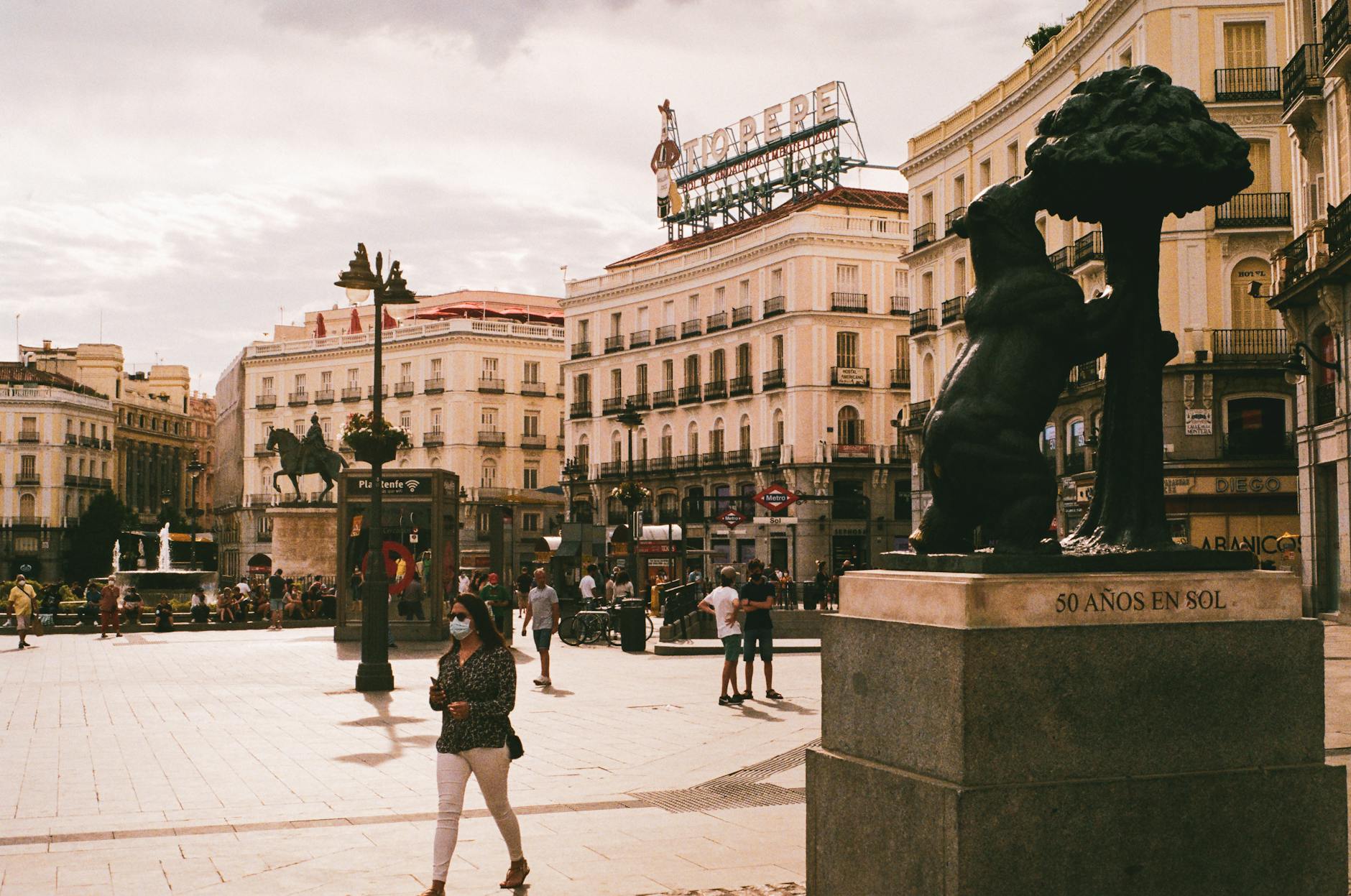
Understanding Madrid’s meal schedule is crucial for trip planning. Breakfast is light — coffee and a tostada (toast with tomato and olive oil) — and happens between 8:00 AM and 10:00 AM. Lunch is the main meal, served from 1:30 PM to 3:30 PM. Look for the menú del día at local restaurants — a three-course meal with bread, drink, and dessert for €12–16. This is the single best value in Spanish dining. Dinner is late, typically starting at 9:00 PM or later. Tapas can fill the gap between meals — a caña (small beer, €2–3) and a tapa at a bar around 7:00 PM is a perfectly normal pre-dinner ritual.
Top food experiences to build into your itinerary include a tapas crawl through La Latina’s Calle de la Cava Baja, churros with thick hot chocolate at Chocolatería San Ginés (open since 1894, open 24 hours), cocido madrileño at a traditional restaurant, and a vermouth (vermú) at a classic bar on a Sunday morning — the traditional Madrid aperitivo ritual.
Money-Saving Tips
Madrid is one of Western Europe’s most affordable capital cities, and smart planning can stretch your budget further. Many major museums offer free entry during evening hours — the Prado, Reina Sofía, and Thyssen all have free windows. The menú del día at lunch is always cheaper than ordering à la carte at dinner. Book museum tickets online to skip queues and sometimes get discounts. The Tourist Travel Pass pays for itself after about 4 metro rides per day. Tap water is safe and free in restaurants (ask for “agua del grifo”). Free walking tours operate daily from Puerta del Sol — tip what you feel the experience was worth.
Safety and Practical Tips
Madrid is a very safe city for tourists, but pickpocketing is common in crowded areas — particularly the Metro, Sol, Gran Vía, and Plaza Mayor. Use a money belt or front pocket for valuables, be alert in crowded situations, and never leave bags unattended at restaurant tables. The emergency number is 112 (English-speaking operators available). Pharmacies (farmacias) are marked with green crosses and rotate 24-hour duty schedules. Madrid’s tap water is excellent — among the best in Europe, coming from mountain reservoirs in the Sierra de Guadarrama.
Themed Itineraries for Special Interests
Madrid Art Lover’s Itinerary
Art enthusiasts could spend an entire week just visiting museums. Start with the Golden Triangle — Prado, Reina Sofía, Thyssen-Bornemisza — dedicating at least half a day to each. Add the Sorolla Museum for Spanish Impressionism, the Real Academia de Bellas Artes de San Fernando for its Goya collection, and the Lázaro Galdiano for eclectic private collecting at its finest. Explore the gallery scene in the Salamanca neighborhood along Calle de Claudio Coello, and visit the Matadero for cutting-edge contemporary art. Time your visit for ARCO Madrid (February), Spain’s premier international contemporary art fair.
Madrid Foodie Itinerary
Food-focused visitors should anchor their days around meals and markets. Begin mornings at Mercado de San Fernando (Lavapiés) or Mercado de Antón Martín for artisan breakfast. Take a cooking class to learn to make tortilla española and gazpacho. Schedule tapas crawls across different neighborhoods — La Latina for traditional, Malasaña for creative, Chueca for international fusion. Visit Mercado de San Miguel for gourmet grazing and Platea Madrid (in a former cinema) for its upscale food hall. Book a table at DiverXO, Madrid’s only three-Michelin-star restaurant, or try one of the city’s many one-star and two-star options for a fraction of the price.
Madrid Budget Backpacker Itinerary
Budget travelers can experience Madrid brilliantly on €50–70 per day. Stay in well-reviewed hostels (€18–30 per night) in Lavapiés or Malasaña. Take advantage of free museum hours, free walking tours, and Madrid’s many free parks and public spaces. Eat the menú del día for lunch (€12–15), shop at supermarkets for breakfast and snacks, and join the locals for cheap cañas and tapas in the evening. Many churches, including the Almudena Cathedral, are free to enter. The Temple of Debod, Retiro Park, Madrid Río, and the Sunday Rastro market cost nothing to enjoy.

Madrid Weekend Itinerary (Friday – Sunday)
For a long weekend, arrive Friday evening and head straight to a tapas bar in La Latina or Malasaña. Saturday, follow the Day 1 itinerary from the 3-day plan: Royal Palace, Plaza Mayor, Temple of Debod, and Gran Vía. Sunday, visit the Prado in the morning, El Rastro flea market mid-morning (if open), then Retiro Park in the afternoon. Pack meals into the schedule — Sunday brunch at Federal Café in Malasaña, and a farewell lunch at a traditional madrileño restaurant before heading to the airport.
Madrid Romantic Couples Itinerary
Madrid is wonderfully romantic. Start with a morning stroll through Retiro Park’s rose garden and a rowboat ride on the lake. Have lunch at a hidden courtyard restaurant in the Literary Quarter. Spend the afternoon exploring the Thyssen-Bornemisza (less crowded than the Prado, equally impressive). Watch the sunset from Templo de Debod hand in hand. Dress up for dinner at a rooftop restaurant with views, followed by a late-night flamenco show at Corral de la Morería. End the evening with a walk along the illuminated Gran Vía — Madrid’s neon-lit avenue is breathtaking after midnight.
Day-by-Day Packing and Planning Checklist
Before You Go
Book museum tickets online 1–2 weeks in advance, especially for the Prado and Reina Sofía during peak season. Reserve flamenco show tickets, Bernabéu tour tickets, and any restaurant reservations for popular spots. Download the Madrid Metro app and Google Maps offline maps. Purchase travel insurance that covers Europe. Check if your bank charges foreign transaction fees — notify them of your travel dates. EU citizens should bring their European Health Insurance Card; non-EU travelers should confirm their insurance covers Spain.
What to Pack
Madrid is a walking city, so comfortable shoes are non-negotiable. Pack layers — even in summer, air-conditioned museums can be chilly, and evenings cool down. Bring a small daypack for water, sunscreen, and museum purchases. Madrid is a stylish city, and Madrileños dress well — smart casual is appropriate for most restaurants and venues. If visiting in winter, bring a warm coat but leave the heavy boots at home — Madrid rarely gets snow. A power adapter (Type C/F, 230V) is essential for non-European electronics.
Madrid with Different Budgets
Budget (€50–80/day): Hostel dorm, menú del día for lunch, supermarket breakfast and dinner, free museum hours, walking and Metro, free activities. Madrid is very doable on a backpacker budget without sacrificing quality experiences.
Mid-Range (€120–200/day): Boutique hotel, restaurant meals, paid museum entries, Metro and occasional taxi, flamenco show, rooftop drinks. This is the sweet spot for most travelers — comfortable without being extravagant.
Luxury (€300+/day): Five-star hotel, Michelin dining, private tours, premium flamenco seating, spa experiences, shopping in Salamanca. Madrid’s luxury scene offers exceptional value compared to Paris, London, or Rome.
Common Mistakes to Avoid
First-time visitors to Madrid often make a few predictable mistakes that are easy to avoid with advance knowledge. Eating dinner at 7:00 PM means eating at tourist restaurants with tourist prices and tourist quality — wait until at least 9:00 PM when locals eat and the real kitchens open. Trying to see the entire Prado in one visit leads to museum fatigue and diminished enjoyment — pick your highlights and save the rest for a return trip. Spending all your time in the Sol-Gran Vía tourist corridor means missing the neighborhoods where Madrid’s real character lives — Malasaña, La Latina, Chueca, and Lavapiés.
Skipping the menú del día is leaving money on the table — this €12–16 three-course lunch deal is genuinely one of Europe’s best dining values. Not wearing sunscreen in spring and fall is a common oversight — Madrid sits at 650 meters elevation with intense sun even when temperatures feel mild. Taking a taxi during rush hour (8:00–10:00 AM and 6:00–8:00 PM) often takes longer and costs more than the Metro. And finally, not learning a few basic Spanish phrases — while many service workers speak English, a “buenos días,” “por favor,” and “gracias” go a remarkably long way in Madrid.
Planning Your Madrid Trip: Step by Step
8–12 Weeks Before: Book flights and accommodation. Mid-range hotels in central locations fill up fast during spring and fall. Compare prices on booking platforms and consider apartment rentals for stays of 4+ days.
4–6 Weeks Before: Book museum tickets, flamenco shows, and any specific tours. Reserve tables at popular restaurants for special dinners. Research and purchase travel insurance.
2 Weeks Before: Download apps (Madrid Metro, Google Maps, translation app). Create a daily itinerary with time blocks but leave room for spontaneity. Confirm all reservations. Check weather forecasts and adjust packing list.
Day Before: Charge devices, download offline maps, print any necessary confirmations. Pack your day bag with essentials. Set out comfortable walking shoes.
Madrid has a way of exceeding expectations. It is a city that reveals itself gradually — the more time you spend, the more you discover. Whether you have a weekend or a week, this guide will help you make every day count. The only guarantee is that you will want to come back.
Leave a Reply