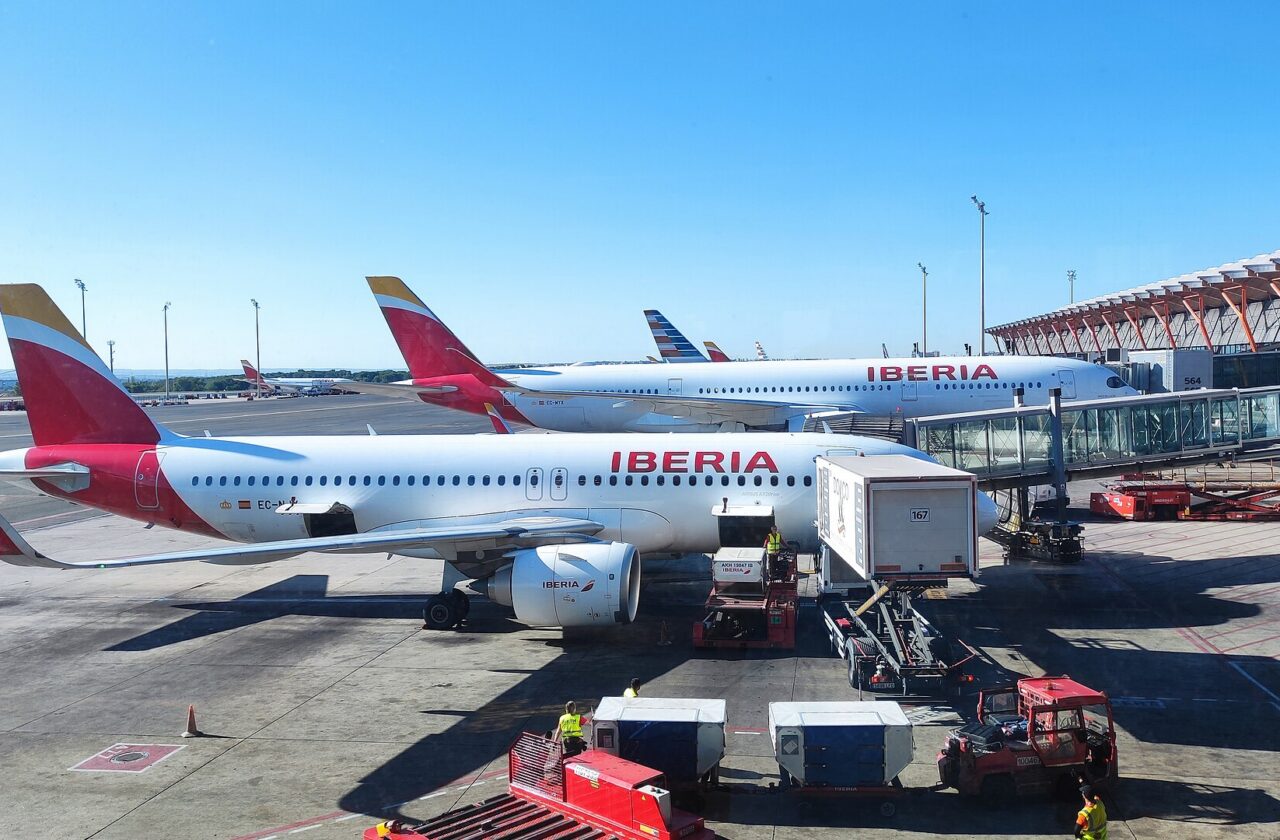
For decades, landing at Madrid-Barajas on a non-European passport ended with the same small ritual: a shuffling queue, a glance from the officer, the thump of a rubber stamp on a fresh page. The stamp has gone. Since 10 April 2026 passports are no longer stamped at the Schengen area’s external borders, and most visitors from outside the EU are registered in a database instead, with a photo and, if they don’t need a visa, four fingerprints. That is the change travellers notice first in the Spain entry requirements, and a second one, the ETIAS travel authorisation, is still to come.
This page covers what you need to enter Spain for a short stay: who needs a visa, the passport rules, the new Entry/Exit System (EES), where ETIAS stands, the documents a Spanish border officer can ask to see, the customs allowances, and what arrival actually looks like at Barajas. Every rule and fee here was checked on 21 November 2026 against the official EU and Spanish government pages linked below. These rules move, ETIAS’s start date above all, so look at those pages again before you book. For the rest of the practical groundwork, from money to meal times, start with our Madrid travel tips.
Spain Entry Requirements at a Glance
Find your passport in the left-hand column. Most of what follows is detail on one of these three rows.
| Your passport | Visa for a short stay? | At the border | ETIAS |
|---|---|---|---|
| EU, EEA (Iceland, Liechtenstein, Norway) or Swiss | No | Passport or national ID card; no EES registration | Not needed |
| UK, US, Canada, Australia, New Zealand and other visa-exempt countries | No, for up to 90 days in any 180 | EES registration on first entry: photo and four fingerprints | Not in operation on 21 November 2026; €20 once it starts |
| A country whose citizens need a Schengen visa | Yes, a Schengen short-stay visa | EES registration: photo only (your fingerprints are already in the visa record) | Not needed; the visa covers it |
What it costs
| Item | Cost | Notes |
|---|---|---|
| ETIAS travel authorisation | €20 | Free for under-18s and over-70s; only from the official EU site, once it launches |
| Schengen short-stay visa | €90 adults, €45 children aged 6 to 11 | Visa centres can add their own service fee |
| EES registration | Free | Done at the border, no advance application |
| Proof of funds (2026 figure) | €121.10 per person per day | Minimum €1,098.90 per person, however short the trip |
| Duty-free goods allowance | Up to €430 per person by air | €150 for travellers under 15; tobacco and alcohol counted separately |
First, Which Kind of Traveller Are You?
EU, EEA and Swiss citizens
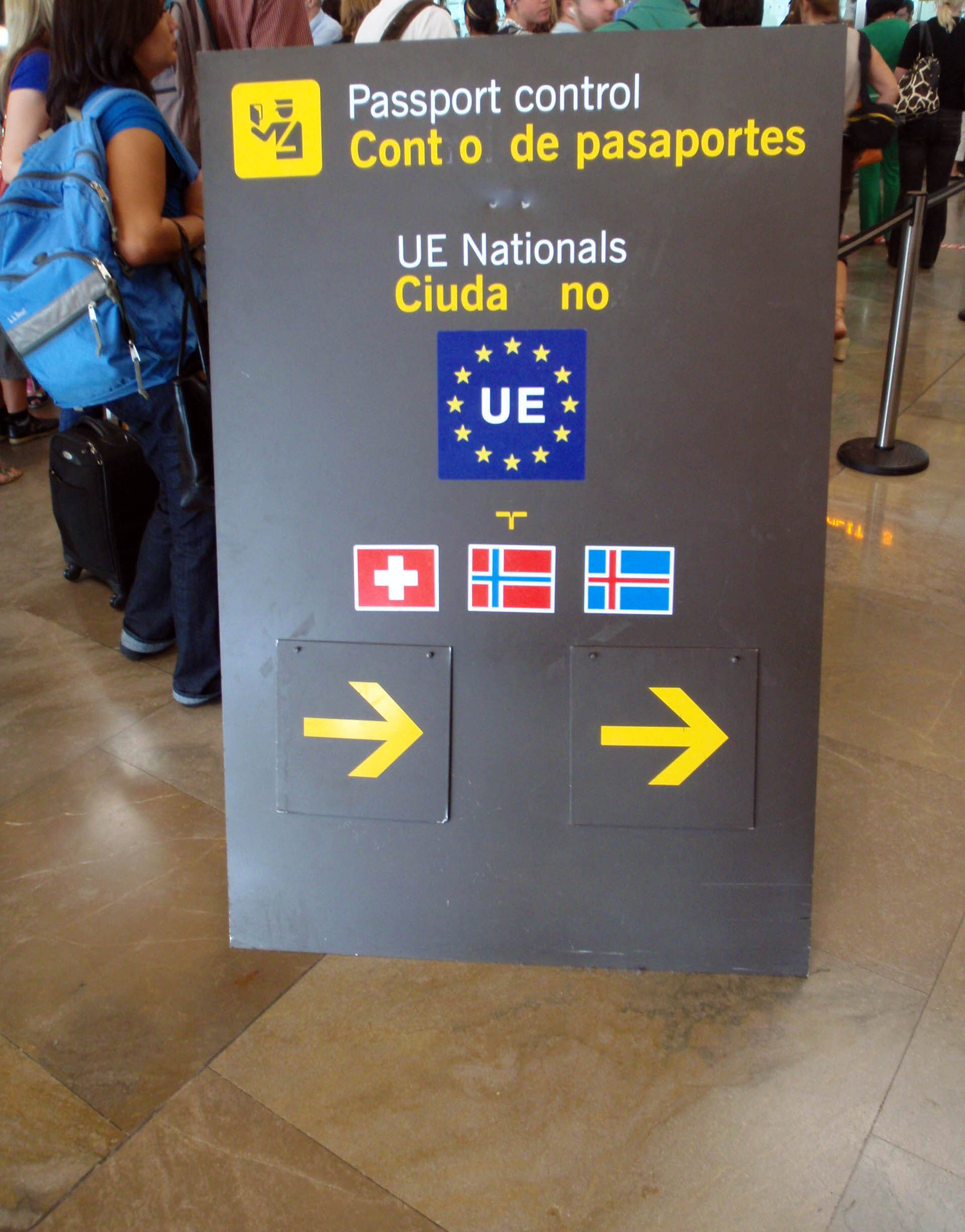
If you hold a passport from an EU country, Iceland, Liechtenstein, Norway or Switzerland, almost nothing on this page applies to you. You can enter Spain with a valid passport or national identity card, you are not registered in EES, and ETIAS will never apply to you. Irish citizens are EU citizens and travel on the same terms, even though Ireland sits outside the Schengen area.
Flying into Madrid from another Schengen country, you won’t see a passport desk at all, because routine checks at the Schengen area’s internal borders were abolished. Carry your ID anyway. Airlines ask for it at boarding, and the rules allow Schengen countries to bring back temporary border checks when they face a serious threat to public order or internal security.
Visa-exempt visitors: the UK, the US, Canada, Australia, New Zealand and many more
Citizens of a long list of countries can visit Spain without a visa for up to 90 days in any 180-day period, for holidays, family visits and other short stays. Taking up paid work is a different matter and needs a different visa. This group includes British citizens, who since Brexit are treated like any other non-EU visitors: no visa, but the 90/180 rule, EES registration and, once it starts, ETIAS.
This is the group the recent changes are aimed at. Your passport no longer collects stamps, your fingerprints and photo go on file the first time you cross, and at some point after its launch you will need an approved ETIAS before you fly.
Visitors who need a Schengen visa
If your country is not on the visa-exempt list, you need a Schengen short-stay visa before you travel. The fee is €90 for adults and €45 for children aged 6 to 11, and the visa centres many consulates use can add their own service charge on top. Travel medical insurance covering emergency treatment, hospital care and repatriation is a condition of the visa; check the minimum cover with the consulate when you apply. If Spain is your main destination, the application goes to Spain’s consulate, or the visa centre it appoints, in the country where you live. A Schengen visa holder is registered in EES too, but with a photo only, since the fingerprints were taken for the visa.
The 90/180-Day Rule, Without the Headache
The rule sounds simple and trips people up all the time. Visa-exempt visitors can spend up to 90 days in the Schengen area within any rolling 180-day period. Three details matter:
- It covers the whole Schengen area, not just Spain. The area has 29 countries: 25 EU members plus Iceland, Liechtenstein, Norway and Switzerland. A week in Lisbon and a fortnight in Paris count towards the same 90 days as your time in Madrid. Ireland and Cyprus are EU members outside Schengen, so days there don’t count, and neither do days in the UK.
- The window rolls. On any given day, look back 180 days and add up every day you spent in the area. If that total, including today, goes over 90, you are overstaying.
- Arrival and departure days both count as days of stay, even if you land at 23:50.
Until 2026, border officers did this arithmetic by squinting at a passport full of stamps. Now EES does it automatically, from the entries and exits it records, and it flags people who stay too long. Overstaying is the one mistake that the new system makes much harder to get away with, so if a long trip or a series of European visits is getting close to the limit, use the EU’s own “check how long you can stay” page before you book the next flight.
EES: What the New Border Check Involves
The Entry/Exit System is an EU database that records each short-stay visit by a non-EU traveller: who you are, which passport you travelled on, and where and when you entered and left. It replaces the stamp. The system started progressively on 12 October 2025, and in Spain it was used first at Madrid-Barajas, in Terminal 1, where 1,833 files were registered that first day for passengers from Canada, the United States, China, Argentina, Morocco and the UK. It has been fully operational at every external Schengen border crossing point since 10 April 2026, and that is when stamping ended.
What is recorded
- Visa-exempt travellers give a facial image and four fingerprints.
- Schengen visa holders give a facial image only; their fingerprints are already in the visa system.
- Children under 12 are registered, but their fingerprints are not taken.
- Every crossing is logged with its date and place, including refusals of entry.
Entry and exit records are kept for three years. If no exit is ever recorded, the file stays for five years from the end of the stay you were allowed.
First trip and later trips
Your first crossing after the system went live is the slow one, because that is when your file is created. On later trips the border checks your face or fingerprints against what is already held, which takes less time. The EU says the self-service steps some border points use before you reach the officer are there to keep queues down, and they only work with a biometric passport, the kind with the chip symbol on the cover. At Barajas, follow the signs and the staff directing the queue.
One thing you can’t do for Spain is register in advance. The EU’s Travel to Europe app offers pre-registration in the 72 hours before a crossing, but on 21 November 2026 it was available only for Sweden (passport data, photo and entry questionnaire) and Portugal (entry questionnaire only). Spain was not on the list, so there’s no point downloading it for a Madrid trip.
Who is exempt
EU, EEA and Swiss citizens are outside the system entirely. So are non-EU nationals who hold a residence permit or a long-stay visa from a Schengen country. Non-EU family members of EU citizens fall under lighter rules. British citizens who live in Spain under the Brexit Withdrawal Agreement are exempt only when they show the residence document issued under that agreement, so carry it every time you cross.
ETIAS: The Next Change, and Where It Stands
ETIAS, the European Travel Information and Authorisation System, is an online pre-travel check for visa-exempt visitors, in the same spirit as the American ESTA or the British ETA. On 21 November 2026 the official ETIAS site said the system was not in operation and was not collecting applications, and that the EU would announce the start date several months before launch. So until the EU sets a date and the system opens, a visa-exempt traveller flying to Madrid doesn’t need an ETIAS.
That also means anyone taking your money for an “ETIAS for Spain” today is not the official system, and the official site itself warns that intermediary sites may charge extra fees. The only official address is travel-europe.europa.eu.
How it will work once it starts
- Who needs it: visa-exempt travellers, which includes British, American, Canadian, Australian and New Zealand passport holders. EU, EEA and Swiss citizens and Schengen visa holders don’t.
- Cost: €20, non-refundable, waived for applicants under 18 and over 70.
- How long it takes: most applicants get a decision within minutes; some cases can take up to 30 days, so don’t leave it until the night before.
- How long it lasts: three years, or until the passport you applied with expires, whichever comes first. A new passport means a new application.
- What it isn’t: a visa. It doesn’t extend the 90/180-day rule, and the border officer still decides whether you come in.
The honest advice is to ignore ETIAS until the EU sets a date, then apply on the official site, which advises getting the authorisation before you buy tickets or book hotels. Check the ETIAS page again before any trip planned for 2027.
Passport Rules That Catch People Out
Visa-exempt visitors need a passport that meets two separate tests on the day they arrive:
- Validity: it must be valid for at least three months after the day you plan to leave the Schengen area. For a two-week trip, that means about three and a half months of validity left on arrival day.
- Issue date: it must have been issued within the previous ten years. This is the one that catches people. Some older passports were issued with spare months carried over from the previous one, so the expiry date can fall more than ten years after the issue date. At the Schengen border it’s the issue date that counts, not the expiry.
Both tests apply to children’s passports too. If either one fails, renew before you book; an airline can refuse to board you, and a border officer can refuse entry.
What a Spanish Border Officer Can Ask You For
Spain’s interior ministry publishes the entry conditions, and a passport is only the start. Officers can ask about the purpose of your trip and how you will support yourself, and they can ask to see:
- A return or onward ticket. The ministry says this is required in all cases.
- Proof of where you are staying: a hotel or apartment booking, a package-holiday booking, or, if you are staying with friends or family, a carta de invitación from your host. The ministry notes that the letter does not replace the other requirements.
- Proof of funds: in 2026, €121.10 per person for each day of the stay, counting both the arrival day and the departure day on your ticket, with a minimum of €1,098.90 per person however short the trip. You can show it in cash or with other documents.
The minimum does most of the work for short city breaks. Five days in Madrid works out at €605.50, so the €1,098.90 floor applies. Twelve days comes to €1,453.20. If you plan to rely on cards rather than cash, read the interior ministry’s entry conditions page before you go, so you carry the kind of paperwork it accepts.
Not every visitor gets asked, but the officer is entitled to ask, and the answers have to be ready. Keep the hotel confirmation and return booking on your phone, ideally with a printed copy in your bag, because a flat battery at the passport desk is a miserable way to start a holiday.
Travel insurance isn’t among the documents listed above, and the EU makes it a formal condition only for visa applicants. Buy it anyway. A broken ankle on the cobbles of La Latina costs the same whether or not the border asked about it.
Arriving at Madrid-Barajas: What It Actually Looks Like
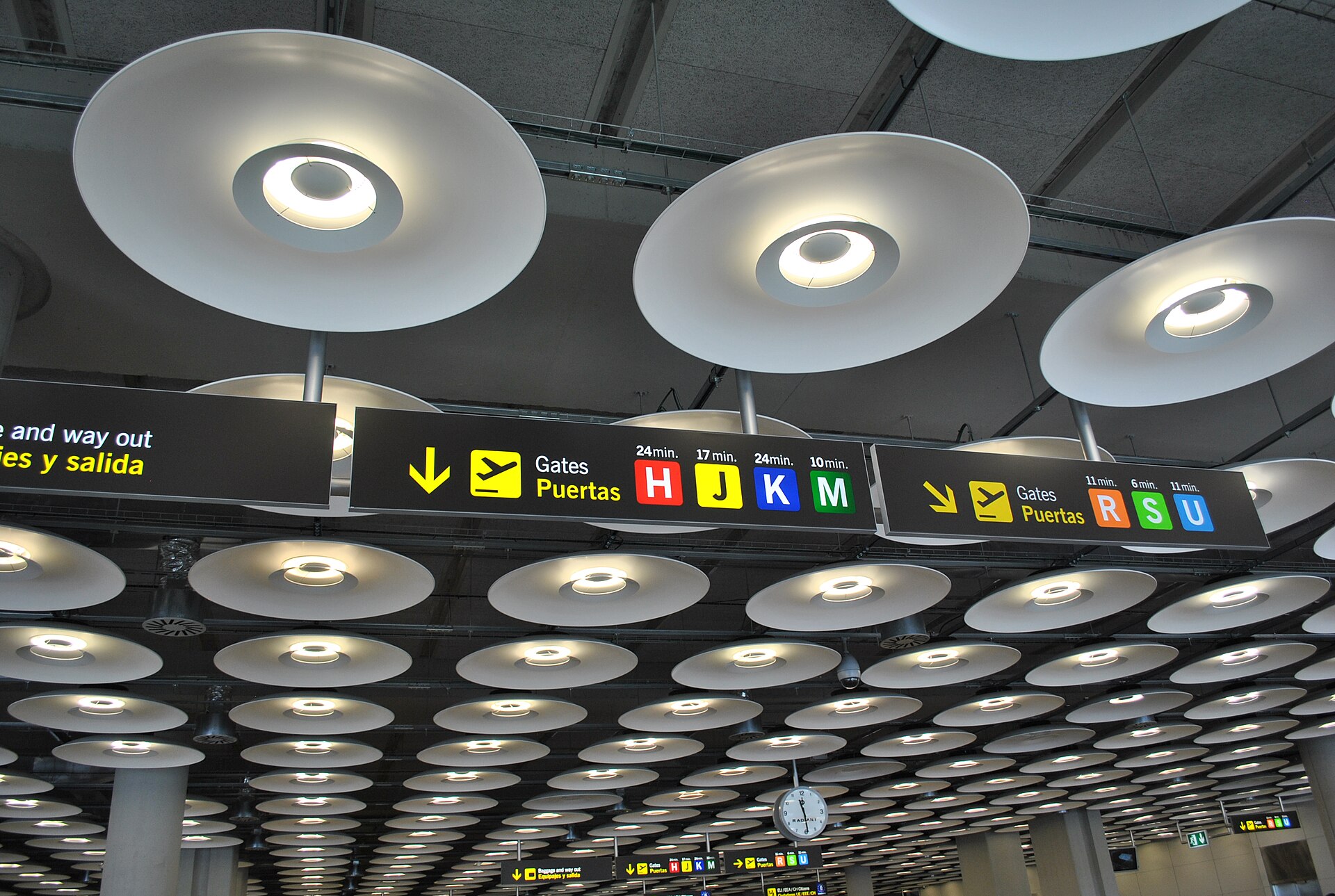
Barajas is really two airports: Terminals 1, 2 and 3 in one complex, and Terminal 4 with its satellite T4S in another, linked by a free 24-hour shuttle bus. Iberia, Iberia Express and their oneworld partners use T4 and T4S; most other airlines flying in from outside the Schengen area arrive at T1. Airlines do move, so your booking is the final word. Our Madrid-Barajas Airport guide covers the layout in full.
Coming from a Schengen country
From Paris, Rome or Lisbon you walk off the plane and straight to baggage reclaim. There is no passport control, no EES and nothing to fill in.
Coming from outside the Schengen area
From London, New York, Mexico City or anywhere else outside the area, passport control comes before baggage reclaim, wherever you land. The lanes split into EU, EEA and Swiss passports on one side and all other passports on the other. If you arrive at T4S, the satellite building, the underground people mover carries you to the main T4 building; you board it on level −2 and the baggage belts are in the main building.
At the desk or the self-service step, a first-time EES traveller can expect the following, in roughly this order:
- the passport is scanned and checked;
- a photo is taken and, for visa-exempt travellers aged 12 and over, four fingerprints are scanned;
- the officer may ask how long you are staying, where, and why, and may ask for the documents above;
- you are waved through with no stamp, because the entry now lives in the database.
Allow more time on your first post-April 2026 entry than you’re used to, especially if several long-haul flights land together in the early morning. If you are connecting rather than staying, the Madrid airport layover guide explains when passport control comes into it, and the Terminal 4 guide covers the T4 and T4S walk in detail.
Through to the city
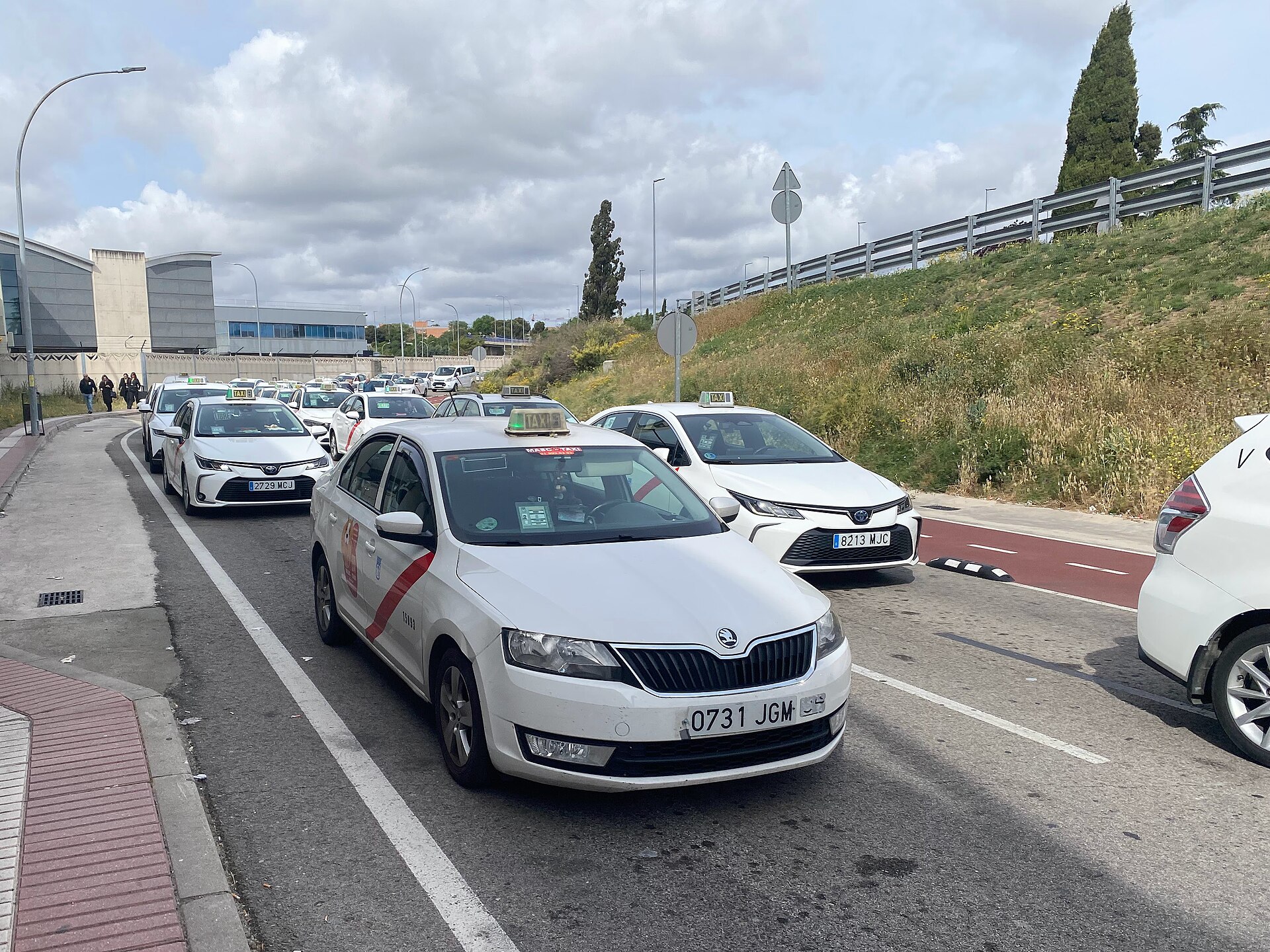
After the belts comes customs, where the green “nothing to declare” channel is the right one for almost everyone, and then the arrivals hall. From there it’s Metro Line 8, the Cercanías train from T4, the airport express bus or a taxi; our guide to getting from Madrid airport to the city centre compares them, and if your phone needs a data plan before you leave the terminal, see eSIMs and SIM cards for Madrid.
Leaving Spain: The Exit Check
EES records exits as well as entries, so non-EU travellers flying out of the Schengen area still pass through passport control on the way home, and still get no stamp. In Terminal 4, flights to non-Schengen destinations leave from the T4S satellite: you clear security in the main building, take the underground train, and meet passport control in the satellite. Build that train ride and queue into your timing.
If you are claiming a VAT refund on shopping, remember that the goods may have to be shown to customs along with your passport, receipts, boarding pass and refund forms, so validate them before you check the bags in.
Customs Allowances for Arrivals from Outside the EU
These are the per-person allowances Spain’s tax agency lists for travellers arriving from outside the EU. Within the EU, goods for your own use travel freely and these limits don’t apply.
| What | Allowance |
|---|---|
| Other goods (gifts, electronics, clothes) | Up to €430 by air or sea; €150 for travellers under 15 |
| Tobacco | 200 cigarettes, or 100 cigarillos, or 50 cigars, or 250 g of smoking tobacco |
| Spirits and other drinks | 1 litre of spirits over 22%, or 2 litres of lower-strength drinks such as sparkling or fortified wine |
| Wine and beer | 4 litres of still wine and 16 litres of beer, on top of the above |
| Under-17s | No tobacco or alcohol allowance |
| Cash | €10,000 or more must be declared, arriving or leaving, per person per trip |
The cash rule is the one to remember. It covers cash and other means of payment, and it applies on the way out as well as on the way in. The figures above come from the Agencia Tributaria’s traveller allowances page and its cash declaration page.
Travelling with Children
Children need their own passport, which has to pass the same validity and issue-date tests as an adult’s. Under EES they are registered with a photo, and children under 12 don’t give fingerprints. Once ETIAS starts, each child will need an approved authorisation of their own, but applicants under 18 won’t pay the fee.
If your child is travelling with only one parent, or with grandparents or a school group, carry a signed letter of consent from the absent parent with a copy of their passport, and check your own government’s advice and your airline’s rules before you go. It costs nothing to carry and can save a long conversation.
Staying Longer Than 90 Days
Anything beyond 90 days in 180 needs a national visa or a residence authorisation, applied for before you travel, usually through the Spanish consulate in the country where you live. Spain has routes for remote workers (the so-called digital nomad visa), for people living on their own means, for students and others, each with its own income and paperwork rules. Start early and ask the consulate what it needs. And no, a weekend in Morocco or London doesn’t reset the 90-day clock. It never did, and now the system does the counting.
Frequently Asked Questions
Do I need a visa for Spain?
Not if you are an EU, EEA or Swiss citizen, or a citizen of a visa-exempt country such as the UK, the US, Canada, Australia or New Zealand, staying up to 90 days in any 180-day period. Other nationalities need a Schengen short-stay visa, which costs €90 for adults and €45 for children aged 6 to 11.
Do I need ETIAS to visit Spain?
Not until the system starts. On 21 November 2026 the official site said ETIAS was not in operation and was not taking applications, and that the EU would announce the start date several months in advance. Check travel-europe.europa.eu before you travel, and never pay a third-party site for it.
How much will ETIAS cost?
€20 per application, free for applicants under 18 and over 70. It will be valid for three years or until your passport expires, whichever comes first.
Will my passport be stamped at Madrid airport?
No. Passport stamping at the Schengen area’s external borders ended on 10 April 2026, when the Entry/Exit System became fully operational. Your entry and exit are recorded electronically instead.
Do children have to give fingerprints for EES?
Children under 12 are registered with a photo but don’t have their fingerprints taken. From 12, visa-exempt travellers give four fingerprints like adults.
How much money do I need to show at the Spanish border?
In 2026 the figure is €121.10 per person per day of your stay, with a minimum of €1,098.90 per person. You may not be asked, but you should be able to show it in cash or with other documents if you are.
Can I pre-register for EES before flying to Madrid?
No. On 21 November 2026 the EU’s Travel to Europe app offered pre-registration only for Sweden, plus an entry questionnaire for Portugal. In Madrid you register at passport control.
Does time in other European countries count towards my 90 days?
Time in any of the 29 Schengen countries counts, so Portugal, France and Italy all eat into the same allowance as Spain. Days in the UK, Ireland or Cyprus don’t.
Related Madrid Guides
- Madrid travel tips
- Madrid-Barajas Airport guide
- Madrid Airport Terminal 4
- Madrid airport to the city centre
- Madrid airport layover guide
- Hotels near Madrid airport
- eSIMs and SIM cards for Madrid
- Tipping in Madrid
- Madrid travel budget
- Is Madrid safe?
Photo Credits
Iberia aircraft at the T4S satellite, Madrid-Barajas: Barajas t4s 1 by MdeVicente, CC0, via Wikimedia Commons.
Passport-control sign for EU, EEA and Swiss citizens at Madrid-Barajas: Frontera (3746093230) by Daniel Lobo, CC BY 2.0, via Wikimedia Commons.
Gate signs in Terminal 4: Madrid-Barajas Airport – Terminal 4 – 1 by ProtoplasmaKid, CC BY-SA 3.0, via Wikimedia Commons.
The taxi queue at Madrid-Barajas Airport: ESP Madrid, Aeropuerto Adolfo Suárez Madrid-Barajas 0017 by -wuppertaler, CC BY 4.0, via Wikimedia Commons.
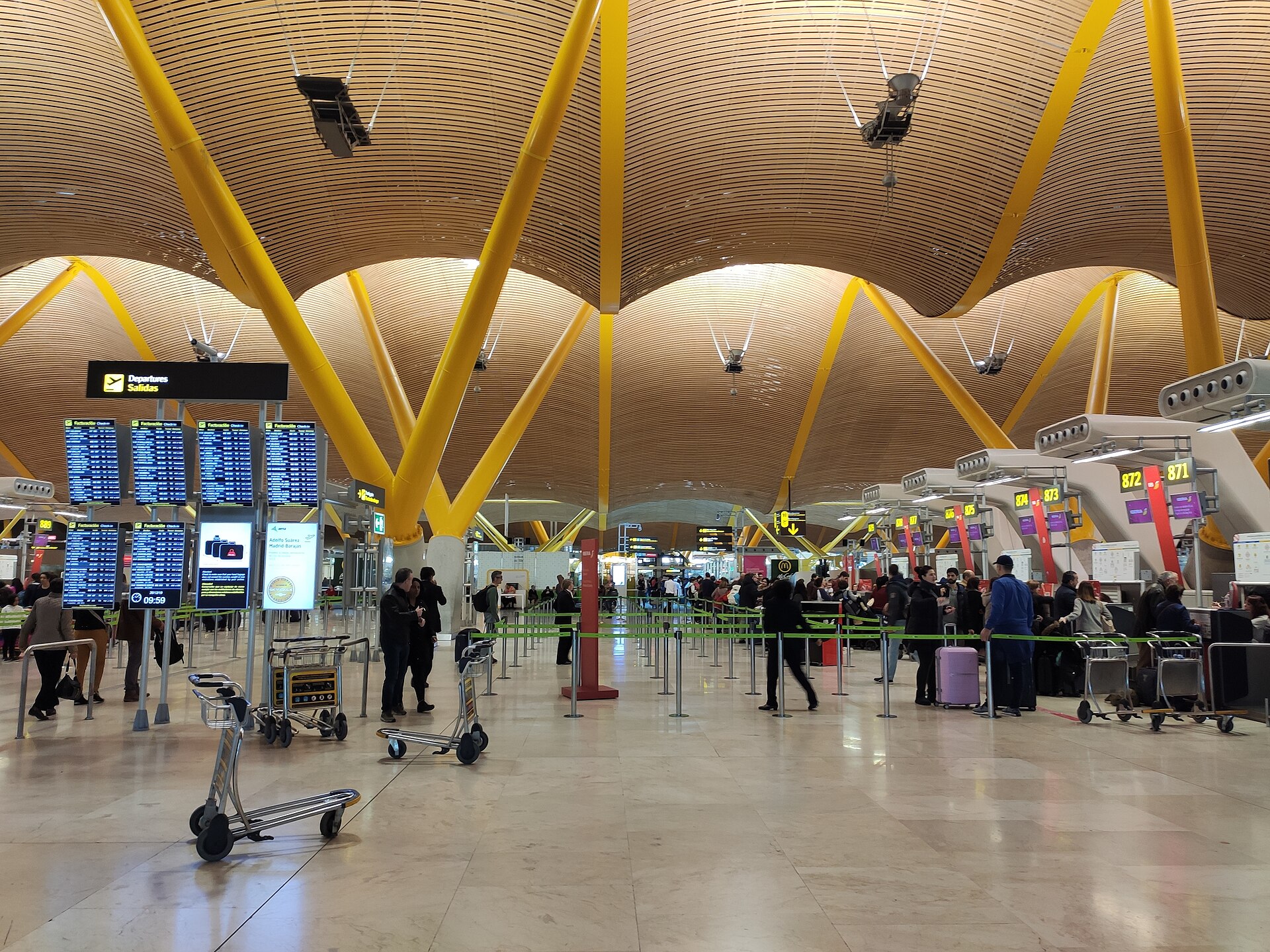
Madrid-Barajas Terminal 4 departure hall: Aeropuerto de Madrid-Barajas T4 – 003 by Américo Toledano, CC BY-SA 4.0, via Wikimedia Commons.
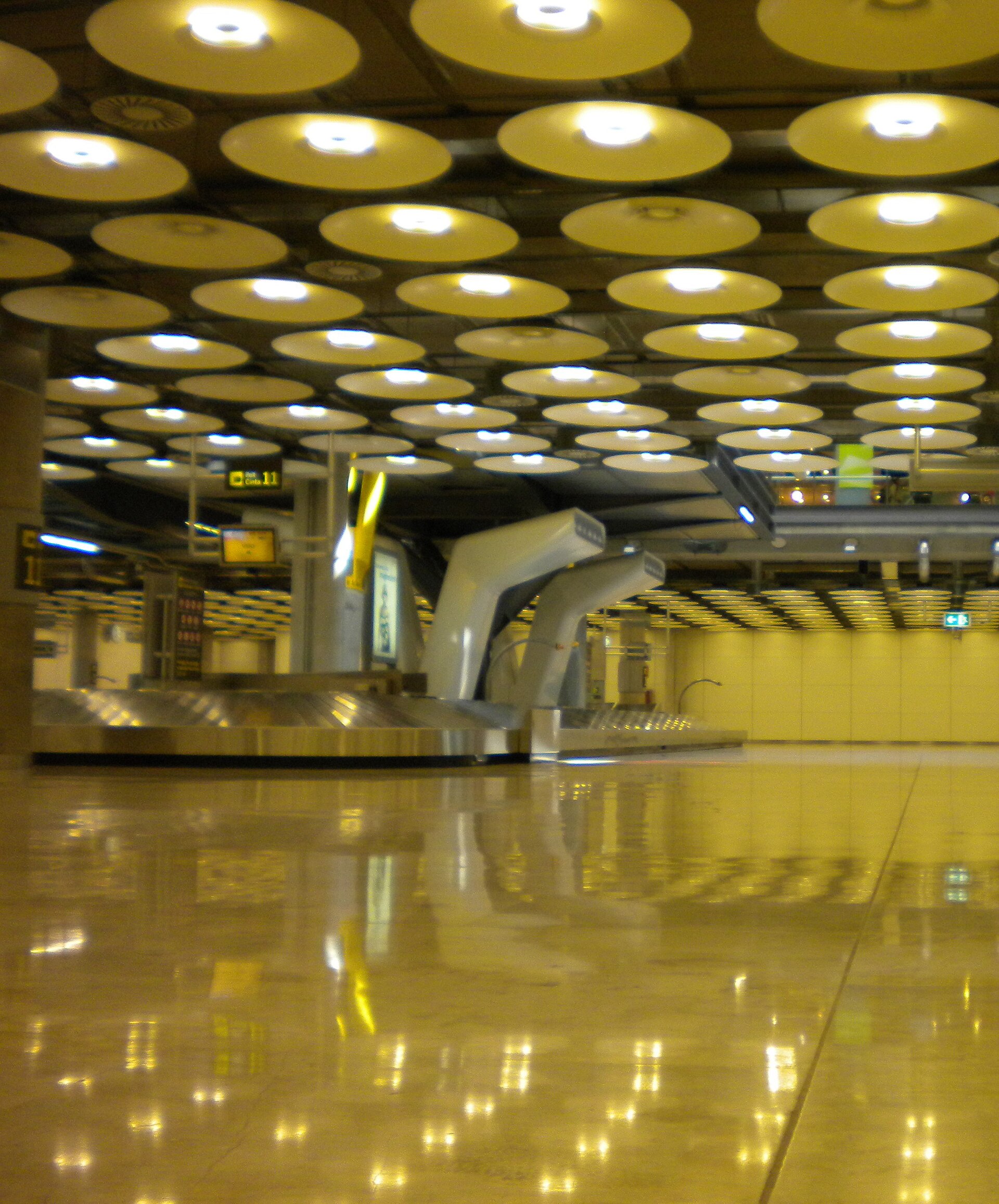
Baggage reclaim at Madrid-Barajas: MAD – Madrid – 2011 (2) by Vitorabdala, CC BY-SA 4.0, via Wikimedia Commons.