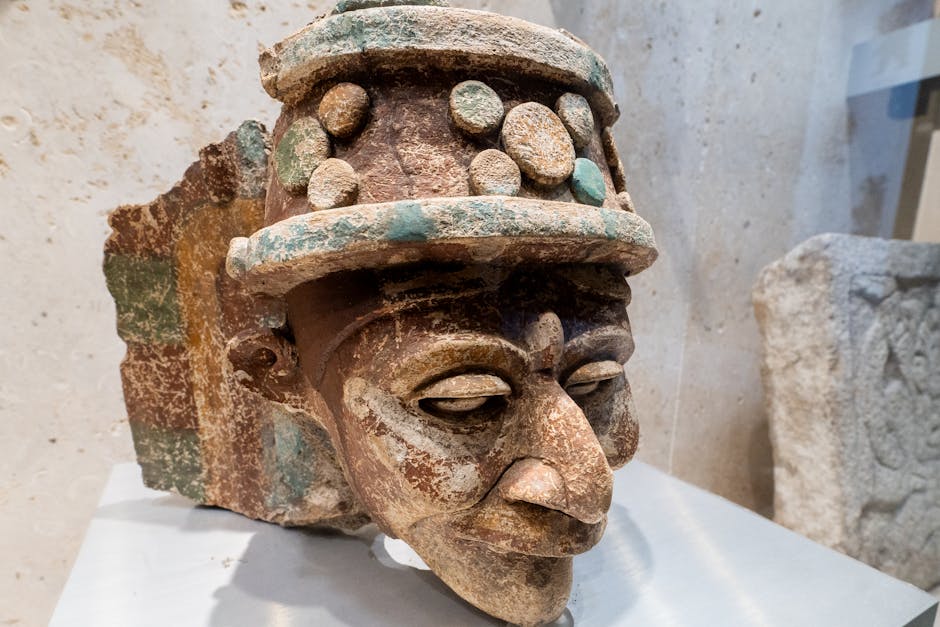
Madrid has more museums than most visitors ever get to, but one consistently flies under the radar: the Museo de América, tucked into the Moncloa district at Avenida de los Reyes Católicos 6. I’ve walked past dozens of tourists heading to the Prado who have no idea this place exists — which is frankly baffling, because where else in Europe can you see a genuine Mayan codex alongside Spanish colonial gold and a room full of Inca textiles? If you’re planning Madrid’s museums, the complete Madrid museums and art guide covers the full landscape — but the Museo de América deserves its own deep dive. At €3 a ticket (free Sundays), it’s also one of the best-value hours you can spend in the city.
Table of Contents
- Museum of America Madrid: At a Glance
- The Collection: What 25,000 Objects Looks Like
- Must-See Works
- The Tro-Cortesian Codex
- Tickets, Hours and Free Entry
- Practical Tips
- What to Do Nearby
- FAQs
Museum of America Madrid: At a Glance
- Full name: Museo de América (Museum of America Madrid)
- Address: Avenida de los Reyes Católicos 6, 28040 Madrid — Moncloa district
- Metro: Moncloa (Lines 3 and 6) — 5-minute walk
- Hours: Tue–Sat 9:30–15:00; Thursday until 19:00; Sun & holidays 10:00–15:00; closed Mondays
- Standard ticket: €3
- Reduced ticket: €1.50
- Free entry: Sundays; Thursday 16:00–19:00; May 18, October 12, December 6; permanent free for under-18s and EU students under 25
- Collection size: ~25,000 objects
- Average visit: 90–120 minutes
- Photography: Permitted without flash
The Collection: What 25,000 Objects Looks Like
The Museo de América holds roughly 25,000 objects spanning pre-Columbian, colonial, and modern American cultures — accumulated over five centuries of Spanish engagement with the Americas. The collection breaks down across two floors organized thematically rather than chronologically, which is an unusual choice but works well once you understand the logic.
First Floor: Knowledge of America
This floor is about how Spain came to know — and represent — the Americas. You’ll find early colonial cartography, conquistador-era manuscripts, and scientific drawings produced by Carlos III’s late-18th-century expeditions to Colombia and the Pacific. The Treasure of the Quimbayas anchors this floor: 122 pieces of pre-Columbian gold from what is now western Colombia, sent to Spain in 1893. The craftsmanship is extraordinary — thin-walled flasks, ritual figures, and pendants in sheet gold that goldsmiths today would struggle to replicate. Colombia has repeatedly requested their return. They remain in Madrid.
Second Floor: The Reality of America
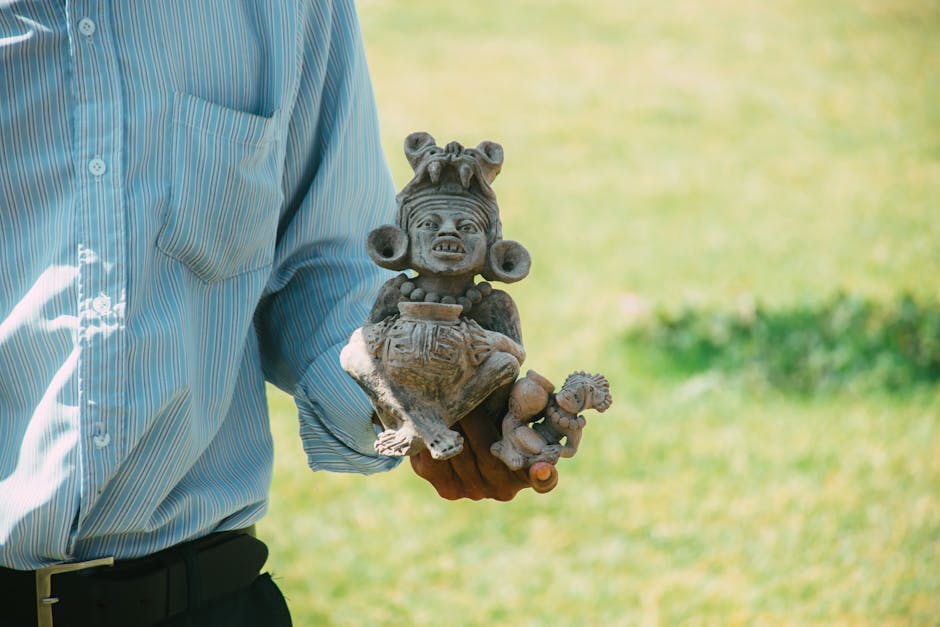
This is where the pre-Columbian and indigenous American art lives, organized thematically: Society, Religion, and Communication. Mesoamerican (Maya, Aztec, Olmec, Zapotec) and Andean (Inca, Moche, Chimú, Paracas) collections sit alongside each other in a way that encourages comparison across cultures and time periods. The Tro-Cortesian Codex — the museum’s single most significant object — is displayed on this floor.
Must-See Works
With 25,000 objects across two floors, some prioritization helps. These are the works worth finding specifically:
Treasure of the Quimbayas
122 pieces of Quimbaya gold-work (c. 600–1100 AD) — the finest pre-Columbian Colombian metalwork in any European museum. The hollow anthropomorphic flasks are the standout: technically demanding objects with serene, stylized human faces. They’re not large, but they reward close examination. The display case is well-lit and uncrowded, which is more than can be said for comparable collections in larger institutions.
Tudela Codex
A 16th-century painted manuscript documenting Aztec religious calendars, ritual customs, and cosmological beliefs — one of roughly 20 surviving pre-conquest-style Aztec codices anywhere in the world. The Tudela Codex combines indigenous pictorial tradition with Spanish colonial annotations in the margins, giving scholars a window into early contact-period interpretation of Aztec culture. One of about four major Mexican codices held in European museums.
Mayan Carved Stone Reliefs
Stone lintels and stelae from Maya cities including Yaxchilán — 8th-century limestone carvings depicting royal bloodletting rituals, accession ceremonies, and battle captives. The scale is impressive. The glyph-dense surfaces reward the time you spend trying to read them, and the museum’s interpretive panels do reasonable work explaining what you’re seeing.
Mochica Portrait Ceramics
Peruvian north-coast ceramics from the Moche culture (1st–7th century AD) — portrait vessels depicting specific individuals with an accuracy and expressiveness unusual in pre-Columbian art. These faces are particular rather than idealized, and some appear to show the same person at different life stages. They’re among the most compellingly human objects in the entire collection.
Paracas Embroidered Textiles and Inca Quipus
Funerary mantles from the Paracas culture (500 BC–200 AD) — woven and embroidered in wool with extraordinarily fine stitch-work depicting supernatural beings, serpents, and sacrificial figures. Color preservation is remarkable given the age. Alongside these sit Inca quipus — knotted-cord recording devices that encoded numerical and possibly narrative information — which are among the rarest objects in the museum.
Casta Paintings
18th-century Mexican paintings documenting racial mixture across colonial society — labelling the offspring of different racial combinations as “mestizo,” “mulato,” “castizo,” and dozens of other categories. These are historically essential and uncomfortable in equal measure: they show how colonial Spain classified and hierarchized its American populations. The museum’s casta paintings collection is one of the finest outside Mexico.
The Tro-Cortesian Codex: The Main Event
I want to spend a moment on this specific object, because it justifies the trip on its own for anyone interested in Mayan civilization.
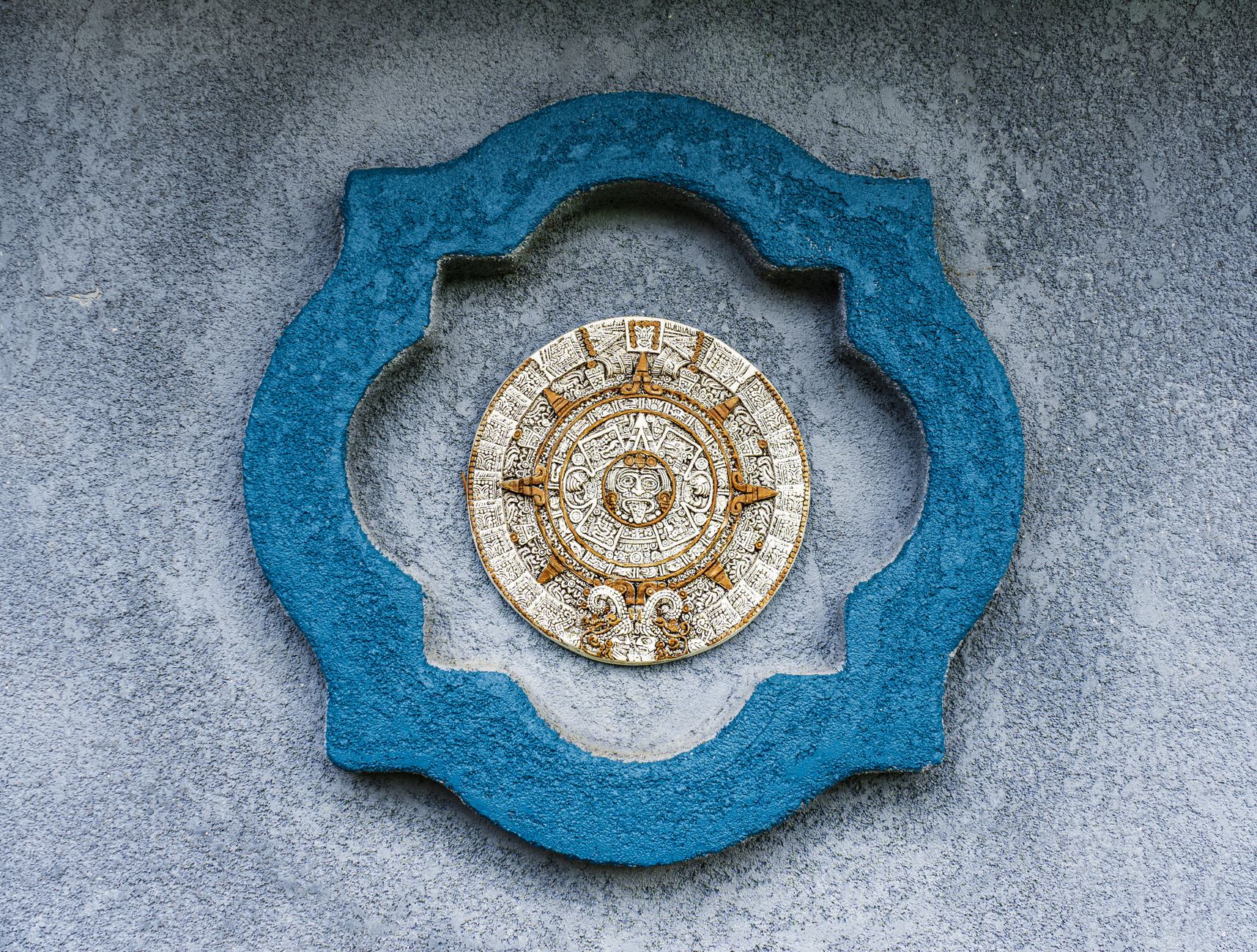
The Tro-Cortesian Codex (also called the Madrid Codex) is one of only three surviving pre-Columbian Maya books in the world. The other two are in Paris (Codex Peresianus) and Dresden (Codex Dresdensis). Written on fig-bark paper and folded accordion-style, it contains 112 pages of almanacs, astronomical tables, and ritual calendars used by Maya priests. It dates to the late pre-Classic period and is thought to have been produced somewhere in the Yucatán Peninsula.
It arrived in Spain in the 1860s, acquired in two separate pieces — hence the combined name: Tro (named after its first owner, Juan de Tro y Ortolano) and Cortesian (named after the Cortés collection in which the second section was found). The two fragments were identified as parts of the same codex in 1880.
Seeing it in person is a different experience from photographs. The color — ochre, red, black — is still vivid. The human and deity figures are drawn with confident, economical lines. The astronomical precision encoded in the tables is visible even without being able to read the glyphs. This is one of three surviving books from an entire pre-Columbian civilization. That fact doesn’t land the same way from a screen.
The museum has it well-displayed in a dedicated case with good lighting and interpretive text in Spanish and English. Allow at least 20 minutes here.
Tickets, Hours and Free Entry
The Museo de América is one of the cheapest major museums in Madrid. At €3 for a standard ticket, it costs less than most coffees plus a pastry at cafés in central Madrid.
- Standard ticket: €3
- Reduced ticket: €1.50 (students, seniors, groups)
- Free Sundays: 10:00–15:00
- Free Thursday afternoon: 16:00–19:00
- Free on: May 18 (International Museum Day), October 12 (Día de la Hispanidad), December 6 (Constitution Day)
- Always free: Under-18s; EU students under 25 with valid ID
- Audio guide: €4 — genuinely useful, since English signage is uneven
Opening hours (2026):
- Tuesday–Wednesday: 9:30–15:00
- Thursday: 9:30–19:00 (extended hours)
- Friday–Saturday: 9:30–15:00
- Sunday and holidays: 10:00–15:00
- Monday: Closed
Thursday is the best day to visit if you want extended hours combined with a free-entry window (16:00–19:00). Sunday mornings are quiet. For planning museum-heavy days around free admission windows across all of Madrid’s collections, the complete guide to free museum hours in Madrid maps out all the options.
Worth noting: the Madrid Museum Pass does not include the Museo de América. At €3, it doesn’t need to be — cheap enough to pay at the door without any pre-planning.
Practical Tips
- Get the audio guide: Many objects have minimal English signage. The audio guide fills the gap well. Worth the €4.
- Allow 90–120 minutes minimum: The collection is denser than the floor plan suggests. Budget more if you want to read all interpretive panels.
- Less crowded than the big three: Even on Saturdays, you won’t face the crowds of the Prado, Reina Sofía, or Thyssen. Part of the appeal.
- Photography permitted without flash. Tripods and selfie sticks are prohibited.
- Wheelchair accessible: Lifts between floors; accessible entrance from street level.
- Combine with Faro de Moncloa: The observation tower is directly across the street (€3; 110m; 360° views). A natural pairing.
- Holiday closures: January 1, January 6, May 1, December 24–25, December 31.
For context on how the Museo de América fits within Madrid’s broader cultural offer, the Golden Triangle of Madrid museums covers the Prado-Thyssen-Reina Sofía cluster — a useful counterpoint to what the Museo de América offers. For Madrid’s other major scientific collection, the National Archaeological Museum Madrid covers prehistoric and ancient European civilizations and makes a good companion visit on a separate day.
What to Do Nearby
The Moncloa district doesn’t get the tourist traffic of central Madrid, which is partly why the museum stays quiet. There’s a solid half-day itinerary around it though:
- Faro de Moncloa (across the street): €3 to ride to the top; 360° views over the city and Sierra de Guadarrama. Takes 20 minutes.
- Templo de Debod (10-minute walk): A genuine ancient Egyptian temple relocated to Madrid in 1968. Free entry. Improbable to find here; worth seeing.
- Parque del Oeste: The rose garden (Rosaleda) is one of Madrid’s best in May–June.
- Casa Mingo (Paseo de la Florida): Asturian cider house since 1888. Roast chicken, cider, cabrales cheese. No reservations; queue if busy. Worth it.
- Museo del Traje (Costume Museum, 10-minute walk): Free. Spain’s national fashion and textile museum — smaller but well-curated.
The Museo de América plus Templo de Debod plus Casa Mingo is a natural Moncloa loop that most visitors miss entirely. For broader Madrid planning, the complete things to do in Madrid guide puts this district in context alongside the rest of the city.
Museum of America Madrid: FAQs
Is the Museum of America Madrid worth visiting?
Yes — for anyone interested in pre-Columbian art, Mayan civilization, Aztec culture, Spanish colonial history, or South American archaeology. Completely overlooked by most tourists, which is frankly baffling. The Tro-Cortesian Codex alone makes it worth the trip. Less essential for visitors in Madrid for just one or two days who haven’t yet seen the Prado or Reina Sofía — prioritize those first, then come here.
How much does the Museum of America Madrid cost?
€3 standard, €1.50 reduced. Free on Sundays (10:00–15:00) and Thursday afternoons (16:00–19:00). Always free for under-18s and EU students under 25 with valid ID.
What are the Museum of America Madrid opening hours?
Tuesday–Saturday 9:30–15:00, with extended hours on Thursday until 19:00. Sunday and holidays 10:00–15:00. Closed Mondays and on January 1, January 6, May 1, December 24–25, December 31.
How long should I spend at the Museum of America Madrid?
90–120 minutes is enough for a thorough visit to the highlights. Allow 2.5–3 hours if you’re reading all the panels and spending real time with the codices and gold collection.
What is the most important object in the museum?
The Tro-Cortesian Codex (Madrid Codex) — one of only three surviving pre-Columbian Maya books in the world. The Treasure of the Quimbayas is the most spectacular single display, but the codex is historically irreplaceable.
Where exactly is the Museum of America Madrid?
Avenida de los Reyes Católicos 6, Moncloa district — west of central Madrid, near the university campus. Take Metro Line 3 or 6 to Moncloa station; the museum is a 5-minute walk. The Faro de Moncloa observation tower is visible directly across the street.
Is the Museum of America family-friendly?
Yes, for children 8 and older. Pre-Columbian objects — Mayan stone carvings, Inca pottery, Quimbaya gold — hold attention well. The museum runs weekend family workshops (check their website for current programming). Free for under-18s.
Does the Madrid Museum Pass include the Museum of America?
No. The Museo de América is not included in the Madrid Museum Pass. At €3 it doesn’t need to be — inexpensive enough to pay at the door.
What other museums should I combine with the Museum of America Madrid?
The Museo del Traje (Costume Museum, 10-minute walk, free) and Museo Cerralbo (15-minute walk, preserved aristocratic mansion) make excellent same-day combinations. For pre-Columbian and archaeological depth, the National Archaeological Museum works well on a separate day — different part of the city, complementary collection.
Background: Five Centuries of Collection
The Museo de América’s holdings reflect Spain’s five-century presence in the Americas (1492–1898) through three distinct phases of collecting. The earliest objects came from 16th–17th-century Spanish royal collections: things sent by viceroys, conquistadors, and missionaries as tribute, gifts, and curiosities — the codices, featherwork, and early-contact objects fall into this category. The second phase was the late-18th-century scientific expeditions commissioned by Carlos III — the Mutis expedition to New Granada (Colombia) and the Malaspina circumnavigation produced systematic natural history and ethnographic collections that form a substantial part of the museum’s current holdings. The third phase is the 19th–20th-century archaeological expeditions to Mexico, Guatemala, and Peru, which brought back the Maya stelae, Moche ceramics, and Andean textiles.
The museum building opened in 1965, designed by Luis Martínez Feduchi and Luis Moya in a functionalist style — not beautiful, but practical. Purpose-built galleries allow proper display of large stone objects and good light control for fragile manuscripts. It does its job.
Several of the museum’s most significant holdings are contested. The Treasure of the Quimbayas is claimed by Colombia; Maya objects are claimed by Guatemala and Mexico. These disputes are worth knowing about before you visit — they’re part of the context for what you’re seeing and how it got here.
Official Resources
- Museo de América official site: cultura.gob.es/mamerica
- Madrid official tourism: Museum of America on esmadrid.com
The Museo de América is the right choice for any Madrid visitor who wants a different angle on Spain’s history — one that looks westward rather than inward. Completely overlooked by most tourists, which means less competition for the best objects and a quieter, more considered visit. €3 gets you into one of Europe’s most important pre-Columbian collections, including one of only three surviving Maya books in existence. Hard to argue with that value proposition.