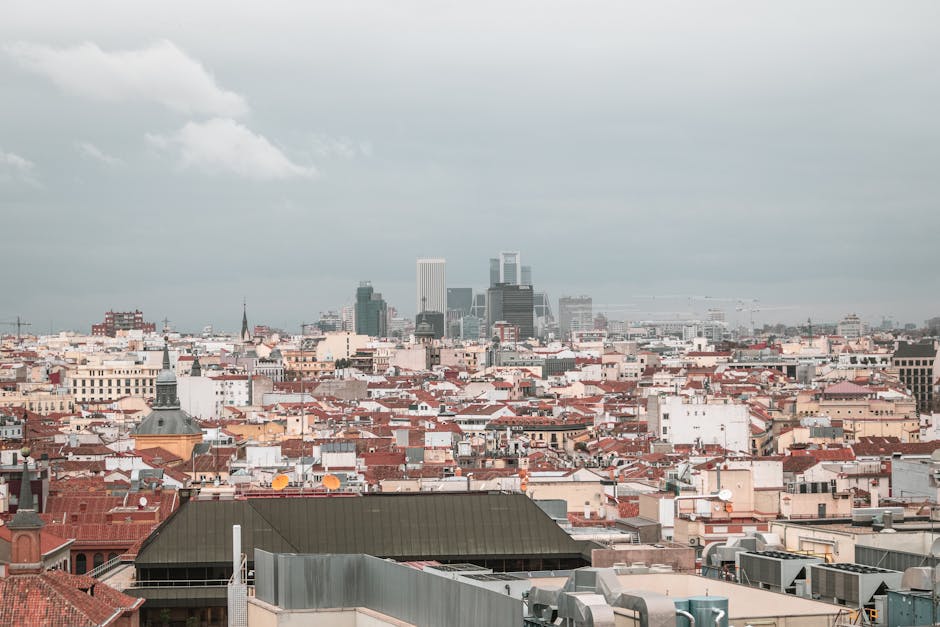
Three full days is what most first-time visitors actually need in Madrid. Two days is doable but tight — you’ll feel like you’re ticking boxes. Three days lets you see the Royal Palace, the Prado, Retiro Park, and two or three neighborhoods properly, with time for a slow lunch and a flamenco show. Four to five days is ideal if you want a day trip to Toledo or Segovia. A full week and you start feeling like a local. This guide lays out complete day-by-day itineraries for every trip length, plus essential planning facts about timing, transport, food, and money.
How Many Days Do You Need?
- 1 day: The whirlwind — Plaza Mayor, one museum, tapas dinner. You’ll see Madrid; you won’t know it.
- 2 days: The essentials without day trips. Workable for a city break if you’re also visiting Barcelona or Seville.
- 3 days: The balanced first visit. All major museums, the historic center, two neighborhoods, one evening out. This is the plan I recommend to 80% of first-timers.
- 4–5 days: Relaxed pace plus one or two day trips.
- 7+ days: Deep dive, multiple day trips, local rhythm. You’ll want to come back anyway.
Before you lock dates, plan around the season. Madrid sits on Spain’s central plateau at 650m — dry and sunny 300+ days a year, but with real temperature swings. April–May and September–October are the sweet spots: 18–26°C, long sunny days, outdoor terrace culture in full swing. Summer (July–August) can hit 40°C; midday becomes genuinely unpleasant, but evenings are magical. Winter offers the shortest queues and the Christmas lights on Gran Vía. For the full seasonal breakdown, see our things to do in Madrid guide.
Madrid in 24 Hours: The Whirlwind
Expect 18,000–22,000 steps. This route covers the essentials without leaving central Madrid.
- 9:00 AM: Churros con chocolate at Chocolatería San Ginés (open 24 hours since 1894).
- 9:45 AM: Walk to Plaza Mayor — enter through Arco de Cuchilleros.
- 10:15 AM: Royal Palace (book the 10 AM slot online; focus on the Throne Room and Royal Armory). Allow 90 minutes.
- 12:00 PM: Plaza de Oriente and Almudena Cathedral exterior; walk through Jardines de Sabatini.
- 1:00 PM: Tapas lunch at Mercado de San Miguel or Casa Labra.
- 2:30 PM: Prado Museum — pick 10 masterpieces from a curated list rather than attempting a full sweep. Allow 2.5 hours. Note: free entry 6–8 PM Tuesday–Saturday.
- 5:00 PM: Coffee at Café Gijón or Círculo de Bellas Artes rooftop (€5 entry, the best skyline view in the center).
- 6:00 PM: Retiro Park — rowboats on the lake, Crystal Palace, rose garden.
- 7:30 PM: Aperitivo and tapas crawl through Barrio de las Letras (Calle Huertas) or La Latina (Cava Baja).
- 10:30 PM: Flamenco show at Cardamomo or Corral de la Morería (book ahead — both sell out).
Madrid in 2 Days
Day 1 — Historic Madrid and the Prado
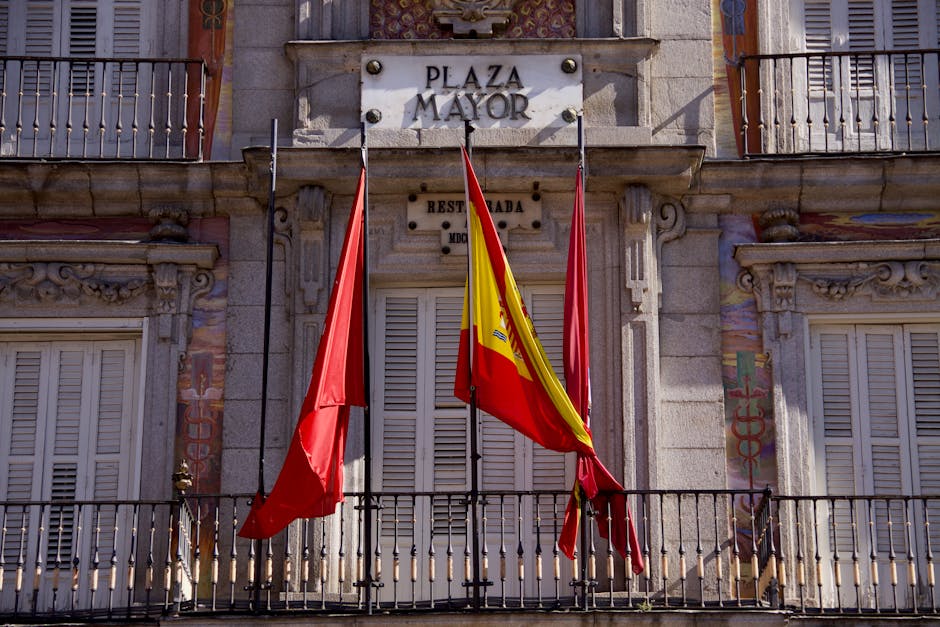
Morning: Start at Puerta del Sol (Kilómetro Cero — the geographic center of Spain). Walk to Plaza Mayor and eat a breakfast tostada on the terrace. Explore the Arco de Cuchilleros and drop into La Latina’s medieval streets. Visit the Royal Palace (pre-book an 11 AM slot; 90 minutes is enough for the highlights).
Lunch: Menú del día at a neighborhood restaurant in La Latina — La Musa Latina or La Concha both deliver good value at €14–20 per person.
Afternoon: Walk east to the Prado (2.5 hours with an audio guide). Short break in Retiro Park — rowboats on the Estanque Grande, a walk to the Crystal Palace.
Evening: Tapas crawl through Barrio de las Letras: start at La Venencia for sherry, then Casa Alberto (founded 1827), then La Taberna del Chato. Dinner around 9:30 PM.
Day 2 — Modern Art, Gran Vía, and Neighborhoods
Morning: Reina Sofía Museum (pre-book 10 AM slot). See Picasso’s Guernica and the Dalí/Miró collections. Allow 2.5 hours. Walk north through Lavapiés.
Lunch: Triciclo or Mercado de Antón Martín for a quick, good-quality bite.
Afternoon: Walk up Gran Vía — Madrid’s early-20th-century boulevard — through Callao to Plaza de España. Visit Templo de Debod (an authentic Egyptian temple, free, with panoramic views west). Continue to Malasaña for vintage shops and coffee at Toma Café.
Evening: Sunset drinks at Azotea del Círculo or Hat Madrid rooftop bar. Dinner at La Musa, Celso y Manolo, or Poncelet Cheese Bar in Malasaña or Chueca. Late cocktails at Salmón Gurú or 1862 Dry Bar.
Madrid in 3 Days: The Ideal First Visit
Day 1 — Royal Madrid and the Historic Center
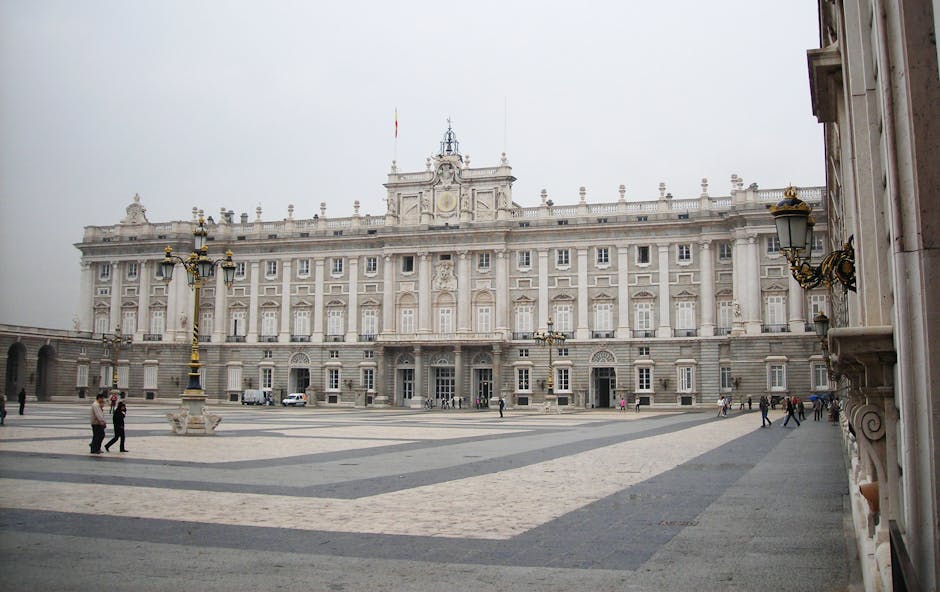
Morning: Puerta del Sol → Plaza Mayor → Calle Cava Baja → Royal Palace (10 AM slot, 2 hours). Visit the Almudena Cathedral next door — free to enter, with an unexpectedly modern interior behind the neoclassical facade.
Lunch: Casa Revuelta for legendary fried cod (very local, very cheap), or La Sanabresa for traditional Madrid comfort food.
Afternoon: Plaza de Oriente → Teatro Real → Jardines de Sabatini → back through the historic center. Coffee at Café del Nuncio, a cozy medieval bar with outdoor steps spilling onto the street.
Evening: Aperitivo on Plaza Mayor terraces. Sunset at Templo de Debod (arrive 30 minutes before sunset for the view). Dinner in Chueca — La Barraca for traditional paella, or Taberna del Chato for more creative tapas.
Day 2 — The Golden Triangle of Art
Morning: Prado Museum (10 AM, pre-booked, 3 hours with audio guide). Unmissables: Velázquez’s Las Meninas, Goya’s Black Paintings and Saturn Devouring His Son, Bosch’s Garden of Earthly Delights, El Greco’s Crucifixion.
Lunch: Casa González (5 minutes from the Prado) or Taberna La Bola for a proper cocido madrileño — the city’s signature chickpea stew, served in three courses.
Afternoon: Thyssen-Bornemisza (free Monday 12–4 PM, otherwise €13) — lighter and more varied than the Prado, tracing Western art from the 13th century to the present. Perfect post-lunch pace.
Evening: Retiro Park at golden hour — rowboats, the weekend puppet show (free, 6 PM Saturdays), Crystal Palace. Tapas dinner in Barrio de las Letras: Casa Alberto, La Dolores, Viva Madrid. End with a drink at one of the rooftop bars on Calle de Huertas.
Day 3 — Modern Madrid, Markets, and Flamenco
Morning: Reina Sofía (9:30 AM slot, 2.5 hours). Guernica is the centrepiece — allow 20 minutes in front of it, not 2. Walk through Lavapiés afterward — Madrid’s most genuinely multicultural neighborhood, with food from everywhere and street art on every block.
Lunch: Mercado de San Fernando in Lavapiés for street food from multiple stalls, or Baobab for Senegalese.
Afternoon: Choose your afternoon based on interests. Football fans: Bernabéu Stadium tour (€29, impressive even if you don’t follow the game). Shoppers: Salamanca luxury district or Malasaña vintage hunting on Calle de Fuencarral. Art lovers: Sorolla Museum (small, beautiful, uncrowded).
Evening: Rooftop cocktail at Azotea del Círculo. Flamenco show at 7 PM at Corral de la Morería or Cardamomo (earlier shows mean you can eat properly afterward). Late dinner in La Latina.
Madrid in 4–5 Days: Adding Day Trips
Follow the 3-day plan above, then add day trips on days 4 and 5.
Day 4 Option A — Toledo (Best First Day Trip)
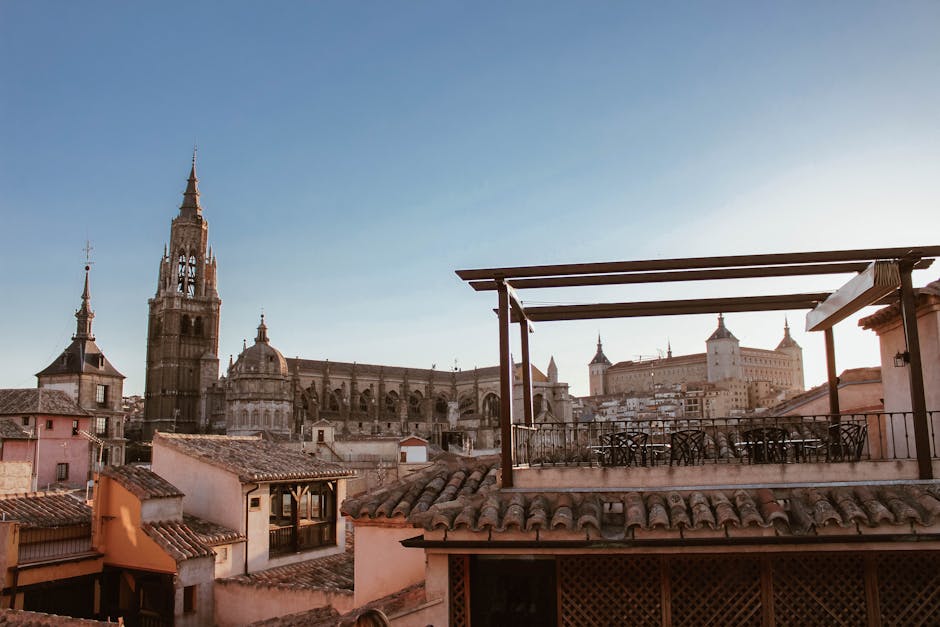
Toledo is the city of three cultures — Christian, Muslim, and Jewish — stacked dramatically above the Tagus River. The AVE high-speed train from Atocha takes 33 minutes (€13–26 round trip). Start at the Alcázar fortress at the city’s highest point, walk down through medieval streets to the Cathedral (one of Spain’s most spectacular Gothic buildings), then see El Greco’s masterpiece The Burial of the Count of Orgaz at the Church of Santo Tomé. Pick up mazapán — Toledo’s famous marzipan — at a specialist confectioner on the way back to the station.
👉 Full guide: Toledo day trip from Madrid — itinerary, tickets, and tips
Day 4 Option B — Segovia (Fairy-Tale Skyline)
Two landmarks make Segovia worth the trip: the Roman Aqueduct (728 metres long, built without mortar in the 1st or 2nd century AD) and the Alcázar castle (a fairy-tale silhouette said to have inspired Disney’s Cinderella Castle). The AVE from Chamartín takes 27 minutes (€12–24 round trip). Have the cochinillo asado (roast suckling pig) for lunch at Mesón de Cándido — the dish is carved tableside with the edge of a plate and the plate is then shattered for good luck.
👉 Full guide: Segovia day trip from Madrid
More Day Trip Options
If you have a fifth day, consider Ávila (city walls, 1.5 hours by train), Aranjuez (Royal Palace and gardens, 50 minutes by Cercanías), or El Escorial (Royal Monastery, 1 hour by train). For the full comparison of all options with travel times and costs, see our day trips from Madrid guide.
Madrid in 7 Days: The Full Experience
Follow the 5-day plan, then use the final two days for the Madrid most tourists never reach.
Day 6 — Smaller Museums and Local Neighborhoods
Morning: Sorolla Museum (the painter’s former home and studio, with beautiful gardens — one of Madrid’s most intimate small museums). Then the Cerralbo Museum nearby for 19th-century aristocratic life. Both are seriously undervisited. Afternoon: Chamberí neighborhood for a taste of local Madrid without tourists. Visit Andén 0 — the ghost metro station from 1919, beautifully preserved and free to visit on weekends. Browse Mercado de Vallehermoso for gourmet food stalls. Evening: Gran Vía theater — Madrid’s theater district rivals London’s West End at a fraction of the prices.
Day 7 — Parks, Markets, and Farewell
Morning: Matadero Madrid — a former slaughterhouse turned contemporary arts center in the Madrid Río area. Exhibitions, performances, and markets in an architecturally striking space. Afternoon: Casa de Campo by Teleférico cable car (departs Paseo del Pintor Rosales; 11-minute ride over the treetops). Evening: final tapas crawl in whichever neighborhood you haven’t yet exhausted, and last-minute gourmet shopping at a specialist food store.
Themed Itineraries
Art Lovers
Spend a week hitting every significant museum: Golden Triangle (Prado, Reina Sofía, Thyssen) plus the Sorolla, Real Academia de Bellas Artes de San Fernando (strong Goya collection), Lázaro Galdiano (spectacular private collection in a mansion), and the gallery scene on Calle de Claudio Coello in Salamanca. Check our Madrid museums and art guide for opening hours and free slots. Time it for February if you can — ARCO Madrid is Spain’s premier international art fair.
Food-Focused
Anchor days around meals and markets. Morning at Mercado de San Fernando or Mercado de Antón Martín. Tapas crawls across neighborhoods — La Latina for traditional, Malasaña for creative, Chueca for international. Cooking class for tortilla española and gazpacho. Reserve a table at a Michelin-starred restaurant for one serious dinner. For full food itinerary planning, see our Madrid food guide.
Budget Travelers
Madrid is genuinely affordable by Western European capital standards. Stay in Lavapiés or Malasaña hostels (€18–30/night). Free museum hours cover all three Golden Triangle museums. Menú del día for lunch (€12–15). Cañas (small beers €2–3) with tapas for evening meals. Free walking tours from Sol. Free parks (Retiro, Madrid Río, Casa de Campo, Templo de Debod). Free El Rastro on Sundays. See our free things to do in Madrid guide for the full list.
Couples
Start with a morning rowboat ride in Retiro Park’s rose garden. Lunch at a hidden courtyard restaurant in the Literary Quarter. Afternoon at the Thyssen-Bornemisza (more intimate than the Prado). Sunset at Templo de Debod. Dress up for dinner at a rooftop restaurant with views, then a flamenco show at Corral de la Morería. Finish the evening walking the illuminated Gran Vía — it’s genuinely spectacular after midnight.
Getting Around Madrid
Airport to City
From Madrid-Barajas (MAD): Metro Line 8 takes 25–40 minutes to central stations (Sol, Gran Vía), costs around €5 including the airport supplement. The Express Airport Bus (line 001) runs 24/7 to Atocha for €5 and takes about 35 minutes — better for late-night arrivals when the metro becomes infrequent. Taxis charge a flat €33 to anywhere inside the M-30 ring road. Private transfers cost €40–60 but include car seats for families. See our Madrid transportation guide for full details.
Within the City
The metro is one of Europe’s most extensive systems — 13 lines, 302 stations, and trains every 3–5 minutes during peak hours. A Tourist Travel Pass covers unlimited travel for 1–7 days (Zone A, covering the city center: €8.40 for 1 day up to €35.40 for 7 days). Single tickets cost €1.50–2.00. Most of the historic center is walkable — Sol to the Prado is a 20-minute walk; Sol to the Royal Palace is 10 minutes. Taxis are metered from €3.50 minimum; Uber and Cabify both operate normally. Avoid taxis during rush hours (8–10 AM, 6–8 PM) when the metro is faster.
Eating Like a Local: Timing Is Everything
Madrid’s meal schedule is genuinely different from northern Europe and North America. Breakfast is light — coffee and a tostada (toast with tomato and olive oil, €2–4) between 8–10 AM. Lunch is the main meal, served 1:30–3:30 PM. The menú del día is the single best food value in Spain: three courses with bread, drink, and dessert for €12–16 at local restaurants. Dinner starts at 9 PM at the earliest; the best restaurants don’t fill until 10 PM. Tapas fills the gap — a caña (small beer, €2–3) and a tapa at a bar around 7 PM is the standard pre-dinner ritual.
Essential food experiences to build in: churros con chocolate at Chocolatería San Ginés; a tapas crawl down Calle de la Cava Baja in La Latina; cocido madrileño (chickpea stew, three courses) at La Bola or Malacatín; Sunday vermouth at a classic bar — this is a Madrid institution as serious as the Prado.
Where to Stay
Your base neighborhood shapes the trip. Sol and Gran Vía put you within walking distance of everything for first-timers. La Latina and Lavapiés offer authentic character and excellent food. Malasaña and Chueca suit travelers who want nightlife and independent shops. Salamanca works for luxury shopping and upscale dining. Retiro is quieter and family-friendly, with the park at your doorstep. Budget €60–100/night for a decent mid-range hotel, €80–150 for boutique options.
👉 See our where to stay in Madrid guide for neighborhood-by-neighborhood hotel picks.
Practical Planning
Book in Advance
Reserve Prado and Reina Sofía tickets 1–2 weeks out during peak season (April–May, September–October). Flamenco shows at the top tablaos (Corral de la Morería, Cardamomo) sell out on weekends. The Bernabéu Stadium tour needs advance booking. Popular restaurants for special dinners should be reserved 1–2 weeks out. Everything else can be done day-of.
Free Entry Windows (2026)
Prado: free Tuesday–Saturday 6–8 PM, Sunday 5–7 PM. Reina Sofía: free Monday, Wednesday–Saturday 7–9 PM, Sunday 12:30–2:30 PM. Thyssen-Bornemisza: free Monday 12–4 PM. Retiro Park, Madrid Río, Casa de Campo, Templo de Debod: free always. Most national museums free for under-18s.
Common Mistakes
Eating dinner at 7 PM means tourist restaurants and tourist prices. Trying to see the entire Prado in one visit causes museum fatigue — pick 15 works and stop. Skipping the menú del día at lunch is leaving genuine money on the table. Staying only in the Sol–Gran Vía corridor misses where Madrid actually lives. Not wearing sunscreen in spring is a real oversight — at 650m altitude, UV exposure is stronger than coastal cities even when temperatures feel moderate.
Related Madrid Guides
- Things to do in Madrid — the full attractions guide
- Top things to see in Madrid — the 10 unmissable attractions for first-timers
- Prado Museum: tickets, hours and visitor guide
- Reina Sofía Museum and Guernica guide
- Royal Palace of Madrid: tickets and complete guide
- Retiro Park: 15 activities and visitor guide
- Toledo day trip from Madrid
- Segovia day trip from Madrid
- Where to stay in Madrid
- Madrid food guide
- Day trips from Madrid — all options compared
- Madrid transportation guide
- Madrid museums and art guide
Frequently Asked Questions
How many days is enough for Madrid?
Three full days covers the major museums, the historic center, two or three neighborhoods, and an evening out. Four to five days is better if you want a day trip. A week lets you settle in properly. Two days works if Madrid is one stop in a multi-city trip.
What should I not miss on a first visit to Madrid?
The Prado Museum (Las Meninas and Goya’s Black Paintings), the Royal Palace interior, Retiro Park (rowboats on the lake, Crystal Palace), a tapas crawl in La Latina, and the Reina Sofía for Guernica. The Templo de Debod at sunset is free and genuinely beautiful. Churros at San Ginés at some point.
Is Madrid expensive?
It’s one of Western Europe’s more affordable capitals. A menú del día lunch costs €12–16. A caña (small beer) is €2–3. Metro rides cost €1.50–2. The major museums all have free entry windows. You can have an excellent day for €30–40 if you’re careful, or spend €100+ easily on nicer restaurants and paid museum entries.
What is Madrid’s best neighborhood to stay in?
For first-timers, Sol or La Latina gives the best access to the historic center and tapas culture. For nightlife, Malasaña or Chueca. For quiet and family-friendly, Retiro or Salamanca. For budget and authenticity, Lavapiés or Argüelles.
Is Madrid safe for tourists?
Very safe. The main risk is petty pickpocketing in crowded areas — particularly the Metro, Sol, Gran Vía, and El Rastro. Use a front pocket or zipped bag for valuables. The emergency number is 112 and Spanish operators speak English.
2 responses
Comments are closed.