Category: Uncategorized

  • Madrid Itineraries & Trip Planning: 3, 5, and 7-Day Guides

    Madrid Itineraries & Trip Planning: 3, 5, and 7-Day Guides

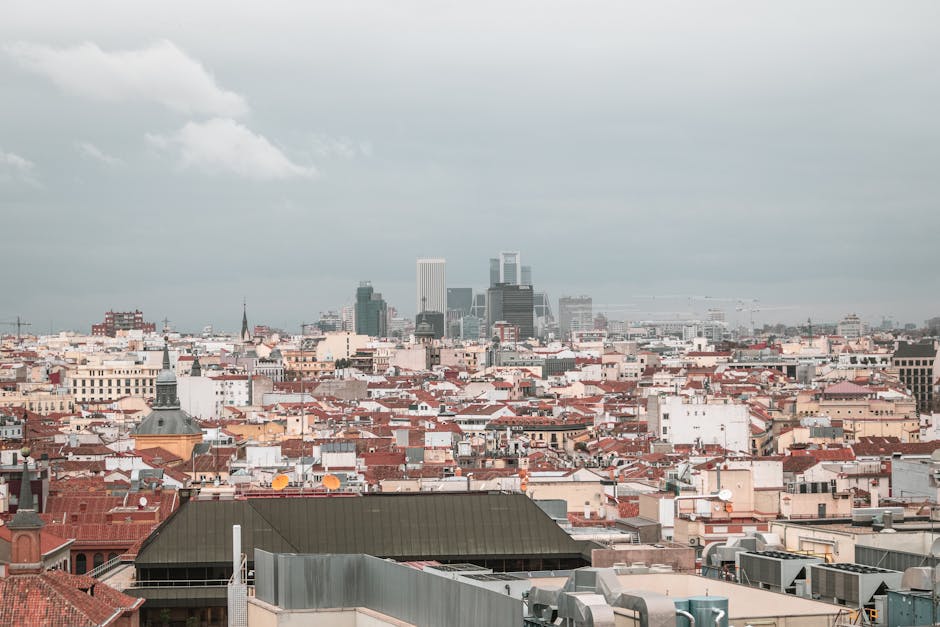
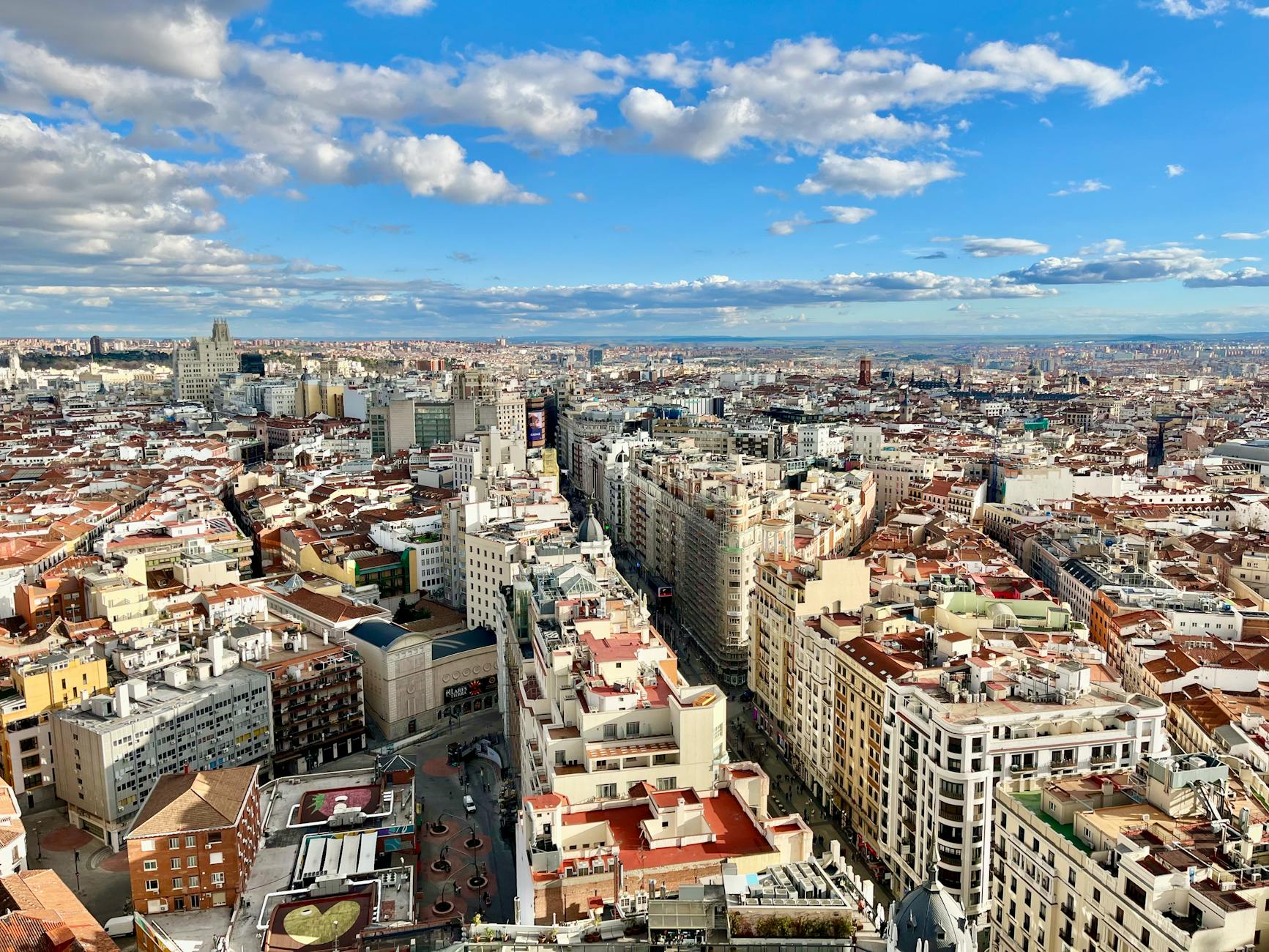
    Panoramic view of Madrid cityscape with historic buildings

    Madrid: A City That Rewards Every Type of Traveler

    Madrid is one of those rare European capitals that manages to be both monumental and intimate. You can spend a morning lost in the masterpieces of the Prado, eat your way through a tapas crawl in La Latina by afternoon, and watch the sunset from a rooftop bar as the city’s terracotta skyline glows golden — all without breaking a sweat on public transport. But with so much to see and do, having a plan makes all the difference between a trip that feels rushed and one that feels complete.

    This comprehensive itinerary and trip planning guide covers everything you need to know to make the most of your time in Madrid. Whether you have a long weekend or a full week, traveling solo or with family, on a tight budget or ready to splurge — the key is knowing what to prioritize and when. Madrid’s rhythm is unlike any other city in Europe: lunch starts at 2pm, dinner at 10pm, and the best nightlife doesn’t begin until midnight. Understanding this rhythm is essential to planning a trip that actually works.

    How Many Days Do You Need in Madrid?

    The ideal length of stay depends on your travel style and interests, but here are the general recommendations based on what most visitors want to experience:

    2 Days (Weekend Getaway): Enough to hit the absolute highlights — the Prado or Reina Sofía, the Royal Palace, Retiro Park, a tapas crawl, and Plaza Mayor. You will feel rushed, but you will leave with a strong impression of the city. This works best for visitors who are combining Madrid with other Spanish destinations like Barcelona or Seville.

    3 Days (The Sweet Spot): Three full days is the most commonly recommended duration for first-time visitors. This gives you time to cover all the major museums, explore two or three neighborhoods on foot, enjoy proper sit-down meals at local restaurants, catch a flamenco show, and still have breathing room for spontaneous discoveries. Most travelers find that three days gives them a satisfying overview without feeling exhausted.

    4–5 Days (Ideal with Day Trips): If you want to add a day trip to Toledo, Segovia, or both, four to five days is the way to go. You get three full days in Madrid plus one or two excursions to nearby cities that are genuinely worth the trip. This is the ideal duration for travelers who want depth rather than just hitting the highlights.

    7 Days (Deep Dive): A full week lets you explore lesser-known neighborhoods, visit smaller museums, take multiple day trips, and truly settle into Madrid’s rhythm. You will have time to revisit favorite spots, discover hidden corners, and live more like a local than a tourist. This is the best option if Madrid is your primary destination rather than part of a multi-city trip.
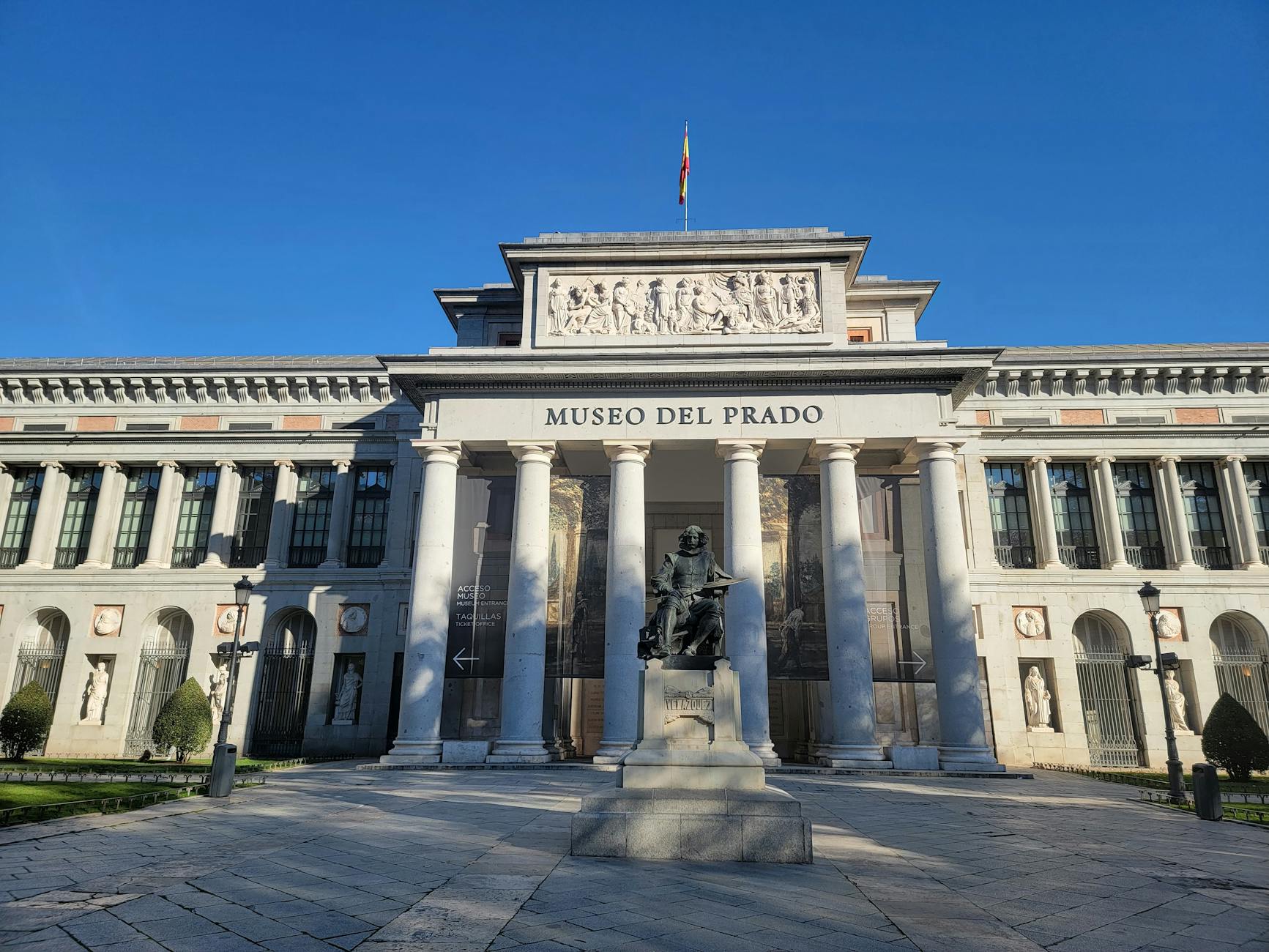
    The Prado Museum, one of Madrid's most iconic cultural attractions

    Madrid 3-Day Itinerary: The Essential First Visit

    Day 1: Historic Heart and Royal Madrid

    Morning (9:00 AM – 1:00 PM): Start your Madrid adventure at Puerta del Sol, the geographical heart of Spain. The famous Kilómetro Cero plaque marks the point from which all Spanish roads are measured. Take a moment to see the Bear and the Strawberry Tree statue — Madrid’s official symbol — before walking five minutes to Plaza Mayor, the grand rectangular square dating back to 1619. Admire the frescoed Casa de la Panadería and soak in the atmosphere, but save your appetite and your euros — the restaurants under the arches are overpriced tourist traps.

    From Plaza Mayor, walk west through the narrow streets to the Royal Palace (Palacio Real). Even if you do not go inside, the exterior and the views from Plaza de Oriente are magnificent. If you do enter (tickets around €16, or free for EU citizens some evenings), allow at least 90 minutes for the 3,418 rooms open to the public. The Throne Room, the Hall of Mirrors, and Tiepolo’s ceiling frescoes are genuinely extraordinary. Right next to the palace, the Almudena Cathedral offers free entry and unexpected modern interiors behind its neoclassical facade.

    Lunch (1:30 PM – 3:00 PM): Walk down to the Mercado de San Miguel, a beautifully restored iron-and-glass market where you can graze on pintxos, jamón ibérico, and fresh oysters with a glass of cava. It is touristy but genuinely enjoyable, and the quality is solid. For a more local experience, continue to Calle de la Cava Baja in La Latina — one of Madrid’s most famous tapas streets. Casa Lucas, Juana La Loca, and Txirimiri are all excellent choices for a proper menú del día around €13–16.

    Afternoon (3:30 PM – 7:00 PM): Head to the Temple of Debod, an authentic Egyptian temple gifted to Spain in 1968. The surrounding park offers some of the best sunset views in Madrid, looking west over the Casa de Campo. This is an ideal spot to rest your feet and take photos. Then walk through the Sabatini Gardens behind the Royal Palace and stroll along Gran Vía, Madrid’s answer to Broadway — a grand avenue lined with early 20th-century buildings, theaters, and flagship stores.

    Evening (9:00 PM onwards): For dinner, head to Malasaña. The neighborhood around Plaza del Dos de Mayo comes alive at night with locals spilling out of bars and restaurants. Try Bodega de la Ardosa for vermouth on tap and traditional croquetas, or La Barraca for excellent paella. After dinner, walk to a rooftop bar — the Círculo de Bellas Artes terrace (€5 entry) offers one of Madrid’s best panoramic views.
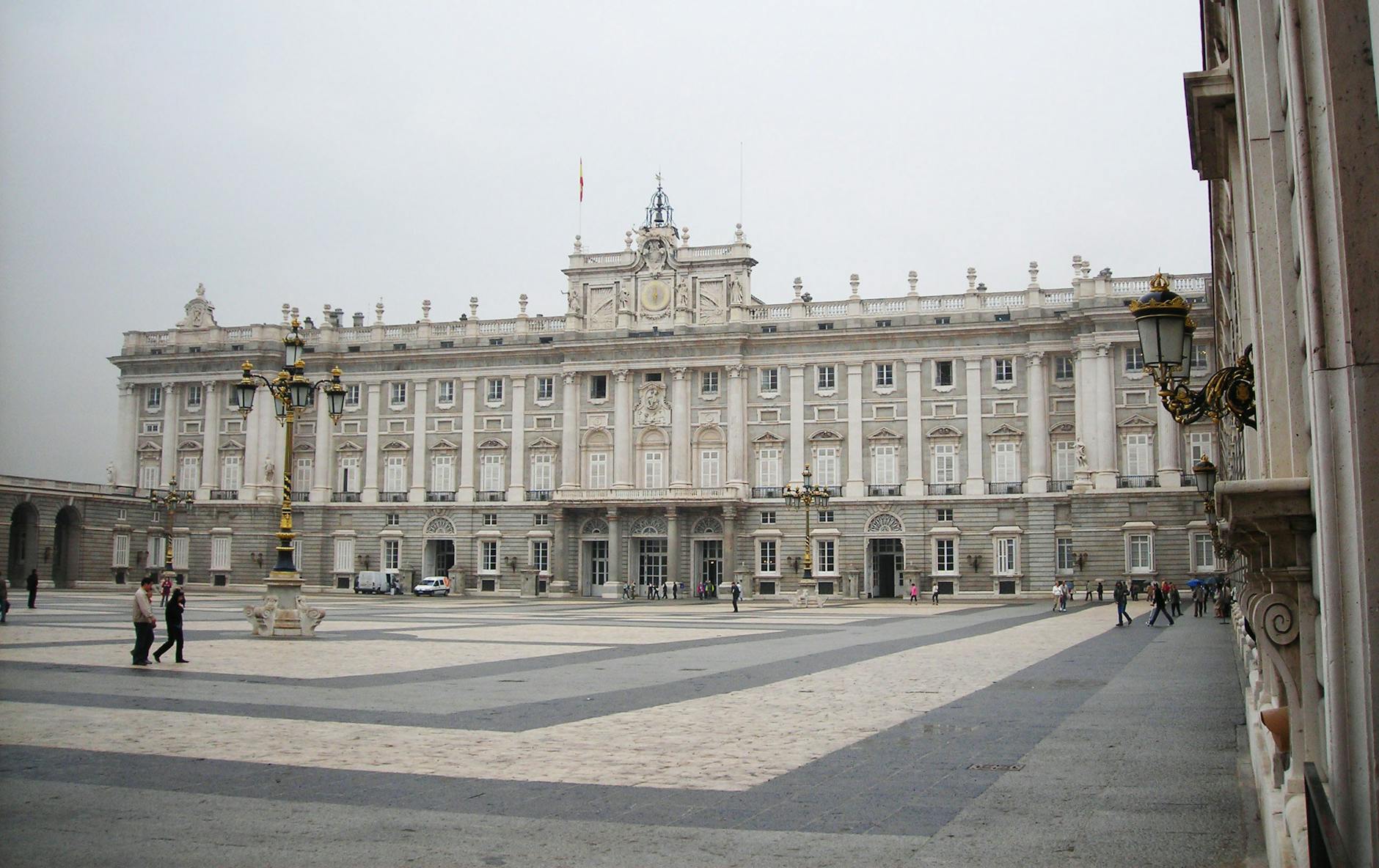
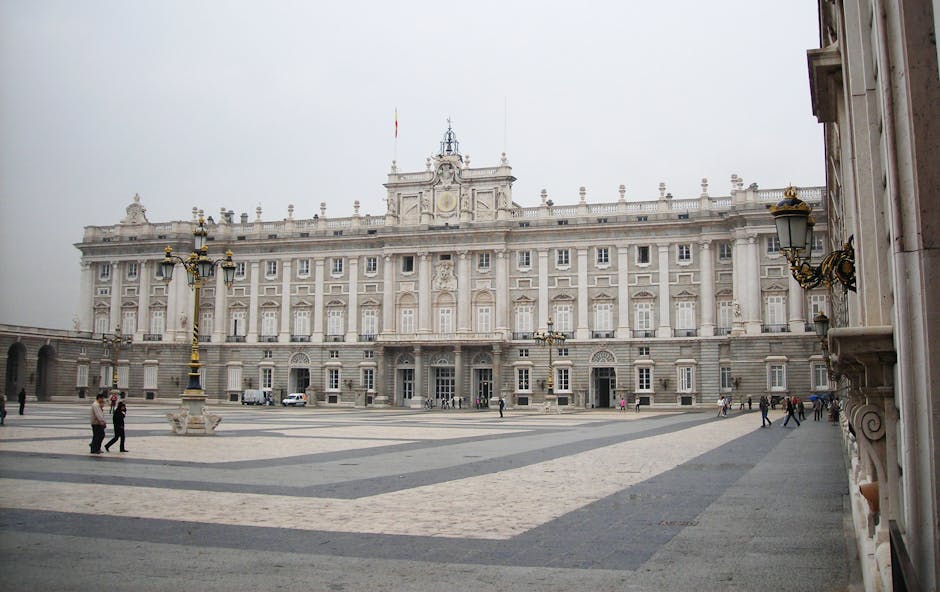
    The Royal Palace of Madrid, a must-see for first-time visitors

    Day 2: Art, Culture, and Retiro Park

    Morning (9:00 AM – 1:30 PM): Dedicate this morning to Madrid’s Golden Triangle of Art. Start at the Prado Museum, Spain’s most important art museum and one of the finest in the world. With over 8,000 works, you cannot see everything in one visit — focus on the highlights. Velázquez’s Las Meninas is the crown jewel; other must-sees include Goya’s Black Paintings, Bosch’s Garden of Earthly Delights, and El Greco’s The Holy Trinity. Book tickets online (€15) to skip the queue, and consider the free entry window from 6:00 PM to 8:00 PM Monday through Saturday.

    After the Prado, walk five minutes to the Reina Sofía for Picasso’s Guernica — one of the most powerful anti-war paintings ever created. The museum’s free hours are Monday and Wednesday to Saturday from 7:00 PM to 9:00 PM. Even a quick visit to see Guernica and the surrounding exhibition takes about 45 minutes and is absolutely worthwhile. If you are a serious art lover, add the Thyssen-Bornemisza Museum to complete the triangle — its collection traces Western art from the 13th century to the present.

    Lunch (2:00 PM – 3:30 PM): Eat near the Prado at Estado Puro, which serves excellent creative tapas, or walk to Barrio de las Letras (the Literary Quarter) for more authentic options. This neighborhood around Calle de las Huertas has a high concentration of good restaurants at reasonable prices. Look for the literary quotes embedded in the cobblestones — Cervantes once lived in this neighborhood.

    Afternoon (4:00 PM – 7:30 PM): Spend the afternoon in Retiro Park, Madrid’s green lung. Rent a rowboat on the lake (€8 for 45 minutes), visit the Crystal Palace (a stunning iron-and-glass structure hosting free art exhibitions), and wander through the rose garden. The park covers 125 hectares, so you will not see it all — focus on the lake, the Crystal Palace, and the Paseo de la Argentina lined with sculptures. If you have energy, visit the Real Jardín Botánico next to the Prado for a peaceful stroll through 5,000 plant species.

    Evening (9:30 PM onwards): Tonight, experience a flamenco show. Corral de la Morería and Cardamomo are two of Madrid’s best tablaos, with shows around €45–55 including a drink. Book in advance as popular shows sell out. After flamenco, head to Chueca for cocktails — the neighborhood’s terrace bars are lively and welcoming.
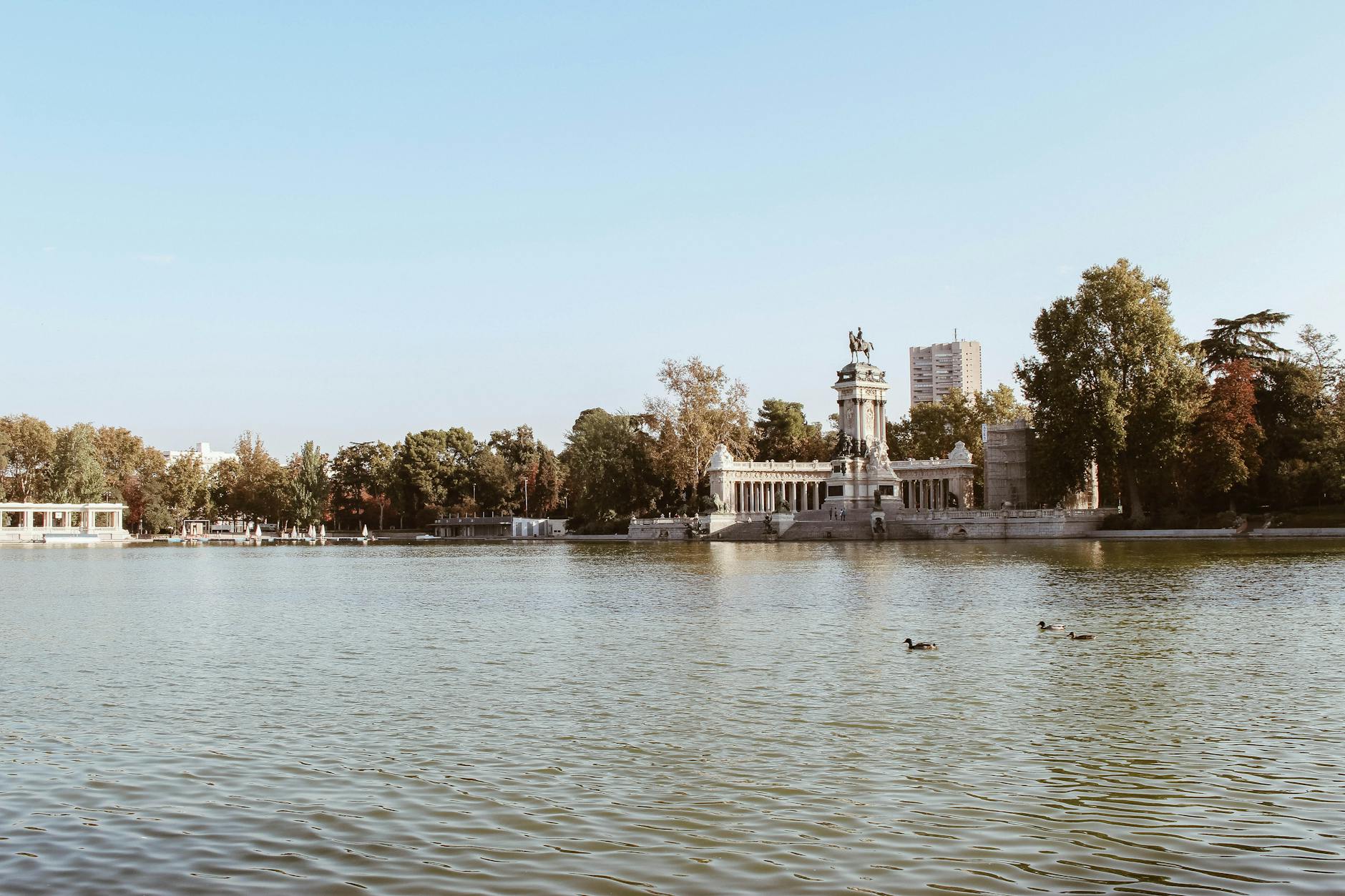
    Retiro Park's beautiful lake, perfect for a relaxing afternoon

    Day 3: Neighborhoods, Markets, and Local Life

    Morning (10:00 AM – 1:30 PM): If your third day falls on a Sunday, head straight to El Rastro — Madrid’s legendary flea market that has been running since the 16th century. Stretching from La Latina metro down to Ronda de Toledo, the market fills dozens of streets with stalls selling everything from vintage clothing and antiques to leather goods and curiosities. Arrive by 10:00 AM to avoid the worst crowds, keep your belongings secure, and follow the market down Calle de la Ribera de Curtidores. Even if it is not Sunday, the La Latina neighborhood is worth exploring for its medieval streets, traditional tabernas, and relaxed atmosphere.

    If it is not Sunday, spend the morning exploring Malasaña and Chueca — Madrid’s hippest neighborhoods. Malasaña is known for its vintage shops, street art, and independent cafes. Chueca, Madrid’s LGBTQ+ quarter, has trendy boutiques, excellent brunch spots, and a vibrant cultural scene. Start at Fuencarral street and zigzag through side streets — the best discoveries are always off the main drag.

    Lunch (2:00 PM – 3:30 PM): For your final Madrid lunch, go full local with a cocido madrileño — Madrid’s signature chickpea stew served in three courses (first the broth, then the chickpeas and vegetables, finally the meats). Lhardy (since 1839), La Bola, and Malacatín are the classic spots. This is a hearty, filling meal that is quintessentially Madrid.

    Afternoon (4:00 PM – 7:00 PM): Visit the Santiago Bernabéu Stadium if you are a football fan. The stadium tour (€29) includes the trophy room, pitch-side access, and panoramic views. Even non-football fans find the scale impressive. Alternatively, explore the Salamanca neighborhood — Madrid’s most upscale district — with its designer boutiques, elegant streets, and the Lázaro Galdiano Museum (a hidden gem with an impressive private art collection).

    Evening (9:00 PM onwards): End your Madrid trip with a sunset from the Templo de Debod or Parque del Oeste, followed by dinner at a traditional asador (grill restaurant). Celebrate your last night at one of Madrid’s rooftop bars — Azotea del Círculo, the Ginkgo Sky Bar, or the terrace at Dear Hotel all offer unforgettable views of the illuminated Gran Vía.

    Madrid 5-Day Itinerary: Adding Day Trips

    With five days, you have the luxury of three full days in Madrid (following the itinerary above) plus two day trips to nearby UNESCO World Heritage cities. Here is how to extend your stay:

    Day 4: Toledo Day Trip

    Toledo is the most rewarding day trip from Madrid and should be your first choice if you only have one extra day. Known as the “City of Three Cultures” for its Christian, Muslim, and Jewish heritage, Toledo is a living museum perched dramatically above the Tagus River. The journey takes just 33 minutes by AVE high-speed train from Atocha station (€13–26 round trip).

    Start at the Alcázar fortress at the city’s highest point for orientation, then walk down through the medieval streets to the Cathedral — one of Spain’s most spectacular Gothic churches. Visit the Church of Santo Tomé to see El Greco’s masterpiece, The Burial of the Count of Orgaz. Walk through the former Jewish quarter, visit the Synagogue of Santa María la Blanca, and try mazapán — Toledo’s famous marzipan confection. Allow a full day (8:30 AM departure, return around 7:00 PM) to do Toledo justice.
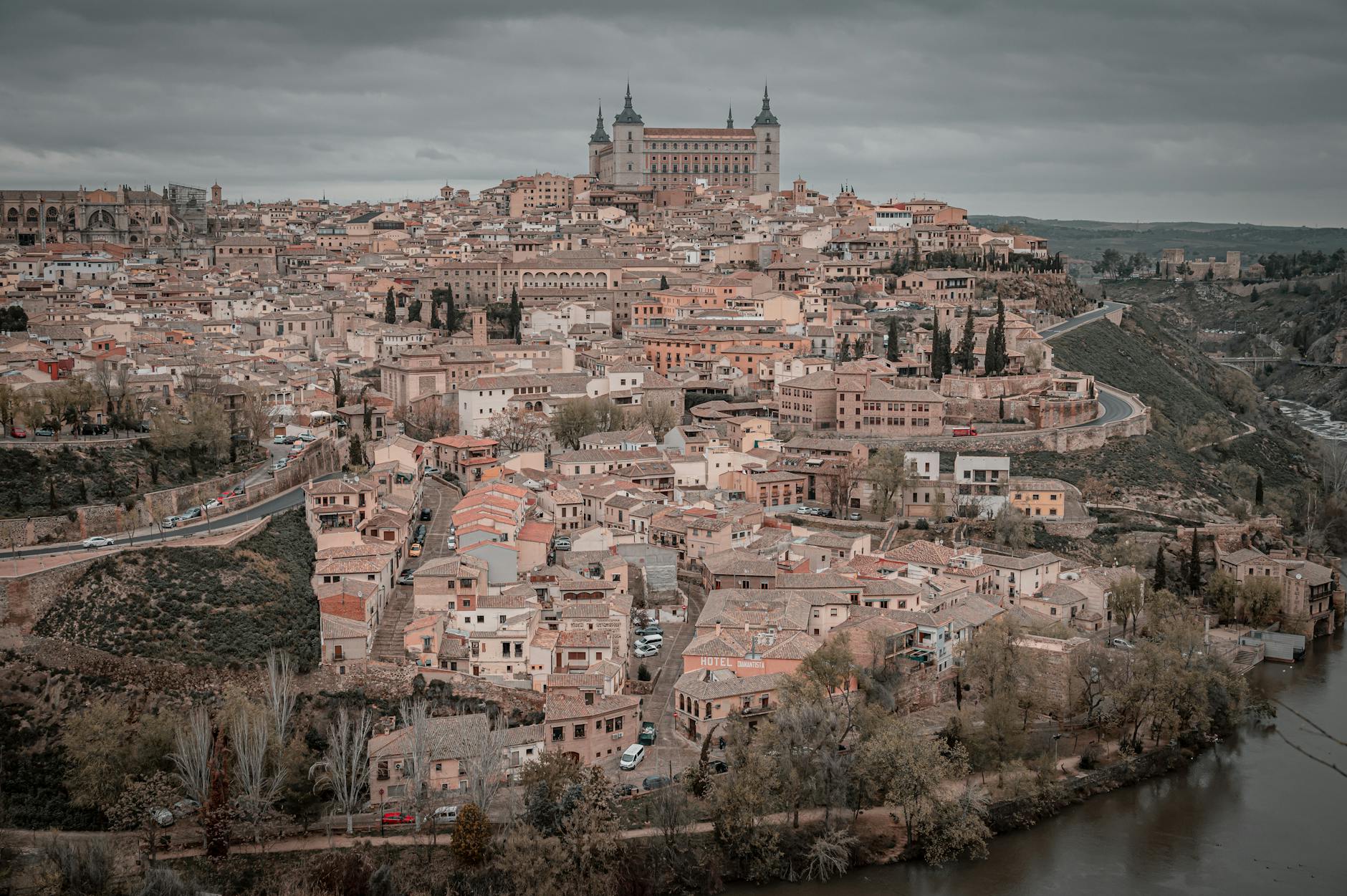
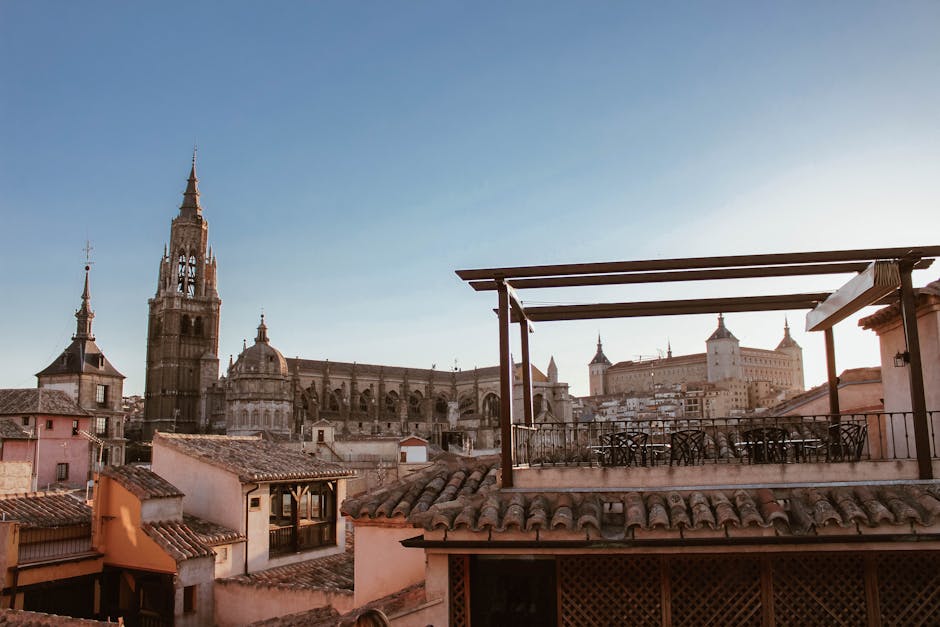
    Toledo, the most popular day trip from Madrid

    Day 5: Segovia Day Trip

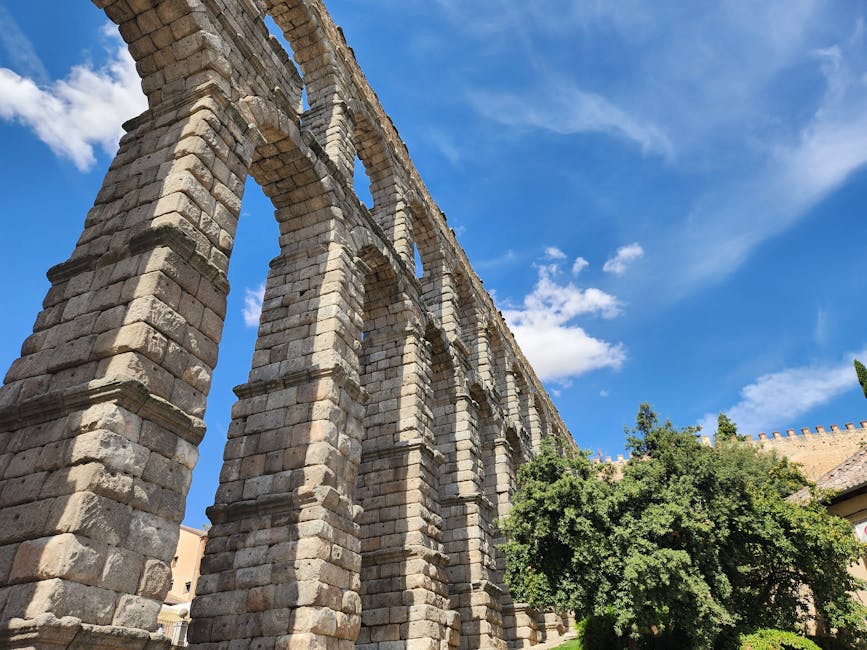
    Segovia makes a perfect final day trip, offering one of Spain’s most photogenic landmarks — the Roman Aqueduct. Built in the 1st or 2nd century AD without mortar, this engineering marvel stretches 728 meters and stands 28 meters tall. The high-speed AVE train from Chamartín station reaches Segovia in 27 minutes (€12–24 round trip), or you can take the bus from Moncloa station (75 minutes, €8 round trip).

    From the aqueduct, walk through the old town to the Cathedral and then to the Alcázar — the fairy-tale castle that reportedly inspired Disney’s Cinderella Castle. Climb the tower for panoramic views. For lunch, try Segovia’s famous cochinillo asado (roast suckling pig) at Mesón de Cándido or José María — two institutions that have been perfecting this dish for generations. The combination of Roman, medieval, and Renaissance architecture makes Segovia one of Spain’s most visually stunning cities.

    Madrid 7-Day Itinerary: The Complete Experience

    A full week in Madrid opens up possibilities for deeper exploration. Follow the 5-day itinerary above and add:

    Day 6: Hidden Madrid and Lesser-Known Museums

    Spend the morning at museums you missed earlier. The Sorolla Museum — the former home and studio of painter Joaquín Sorolla — is one of Madrid’s most charming small museums, with beautiful gardens and an intimate atmosphere that contrasts with the grand scale of the Prado. The Cerralbo Museum nearby offers a peek into 19th-century aristocratic life with an eclectic collection of art, armor, and decorative objects.

    In the afternoon, explore the Chamberí neighborhood for a taste of local Madrid. Visit the ghost metro station Chamberí (Andén 0) — a beautifully preserved 1919 station that was closed in 1966 and reopened as a museum. Browse the Mercado de Vallehermoso for gourmet food stalls, and have coffee at one of the neighborhood’s independent cafes. This is where Madrileños actually live, away from the tourist crowds.

    In the evening, catch a show on Gran Vía — Madrid’s theater district rivals London’s West End with musicals, plays, and comedy shows, often at much lower prices.

    Day 7: Parks, Markets, and Farewell

    Start your final day at the Matadero Madrid — a former slaughterhouse turned contemporary arts center in the Madrid Río area. The space hosts exhibitions, performances, and markets, and the surrounding riverbank park is perfect for a morning walk or jog. Cross the Manzanares River and explore the Arganzuela footbridge designed by Dominique Perrault.

    Spend the afternoon at Casa de Campo — Madrid’s largest park at over 1,700 hectares. Take the Teleférico cable car from Paseo del Pintor Rosales for aerial views of the city, or simply enjoy the lake and forests. For last-minute souvenir shopping, head to the area around Sol and pick up Spanish olive oil, saffron, or turrones from gourmet shops like La Violeta (famous for its violet candies since 1915).
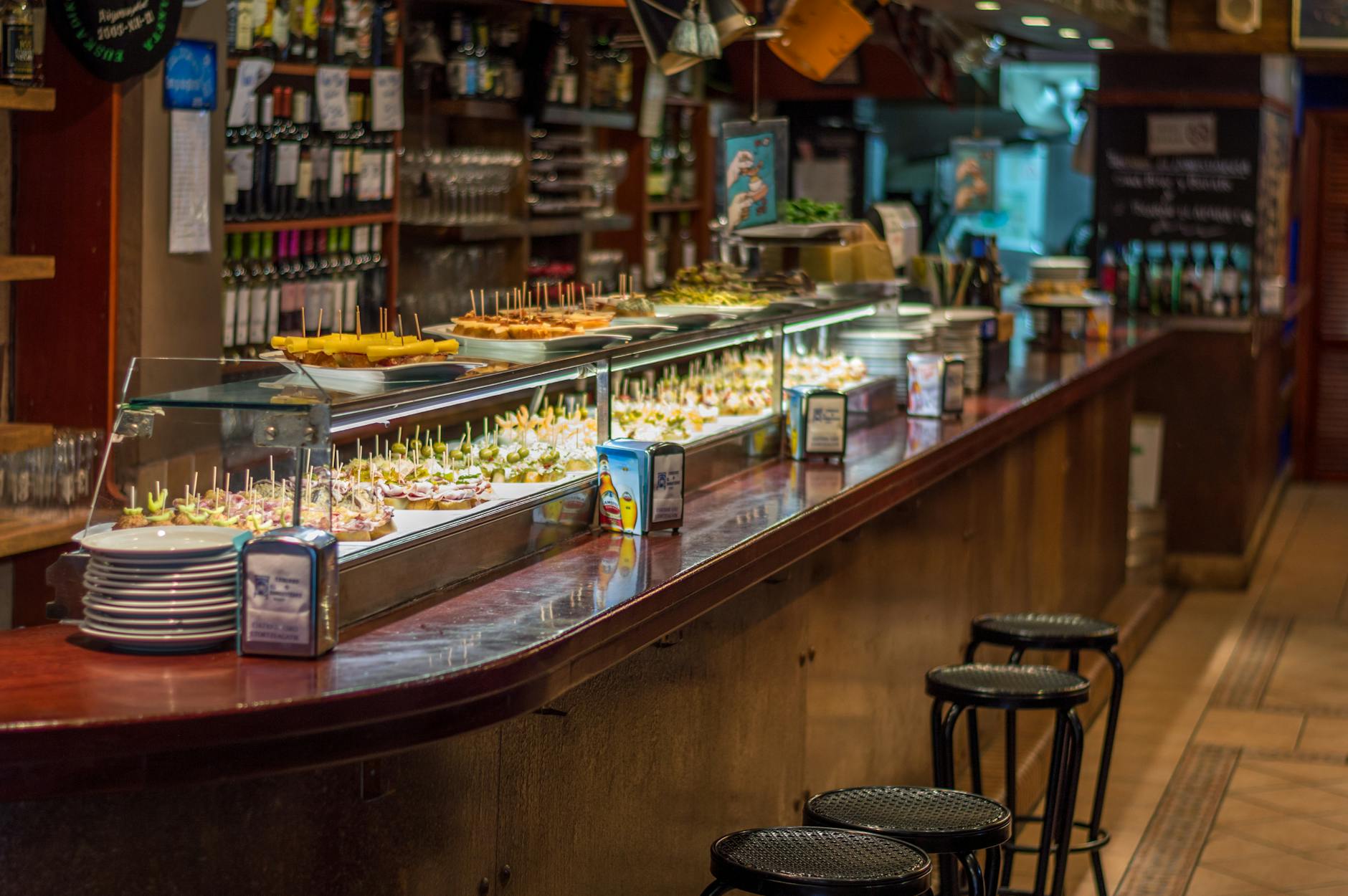
    Traditional Madrid tapas, an essential part of any Madrid itinerary

    Best Time to Visit Madrid

    Madrid has a continental climate with hot, dry summers and cool winters. Choosing when to visit significantly affects your experience, budget, and comfort level.

    Spring (April – June): Best Overall

    Spring is widely considered the best time to visit Madrid. Temperatures range from 15°C to 28°C, the parks are in full bloom, and the city’s outdoor terrace culture comes alive. May brings the Fiestas de San Isidro — Madrid’s patron saint festival — with concerts, processions, and traditional food. Late spring offers long daylight hours and pleasantly warm evenings for rooftop bars and terrace dining. Hotel prices are moderate, and crowds are manageable outside of major festival weekends.

    Summer (July – August): Hot but Vibrant

    Summer temperatures regularly exceed 35°C and can hit 40°C during heat waves. Many locals leave the city in August, and some smaller restaurants and shops close for vacation. However, summer has its advantages: extended museum hours, outdoor cinema and concert programs (Veranos de la Villa), lower hotel rates in August, and a lively atmosphere in the neighborhoods that stay open. If you visit in summer, plan indoor activities for the hottest hours (2:00 PM – 6:00 PM) and embrace the late-night culture.

    Fall (September – October): The Local Favorite

    Early fall rivals spring as the best time to visit. September still offers warm days (25°C – 30°C) with cooler evenings, while October brings comfortable temperatures and stunning autumn colors in Retiro Park and Casa de Campo. Tourist crowds thin out after summer, hotel prices drop, and Madrid’s cultural calendar ramps up with the Festival de Otoño and gallery openings. Many Madrileños consider this the best time of year in the city.

    Winter (November – February): Budget-Friendly

    Winter in Madrid is cold (5°C – 12°C) but rarely extreme. Snow is rare in the city center, and there are typically 5–6 hours of sunshine even in the shortest days. Christmas transforms Madrid with elaborate light displays along Gran Vía, holiday markets in Plaza Mayor, and the Cortylandia animated display. January and February offer the lowest hotel rates and shortest queues at museums. Winter is ideal for museum-heavy itineraries and food-focused trips — there is nothing better than a steaming bowl of cocido madrileño on a cold Madrid afternoon.

    Madrid Trip Planning Essentials

    Getting from the Airport to the City

    Madrid-Barajas Airport (MAD) is well connected to the city center. The Metro (Line 8) takes 25–40 minutes to central stations like Sol or Gran Vía, costing around €5 including the airport supplement. The Express Airport Bus runs 24/7 to Atocha station for €5 and takes about 35 minutes. Taxis charge a flat rate of €33 to anywhere within the M-30 ring road. Private transfers typically cost €40–60. For most travelers, the Metro is the best combination of cost and convenience during daytime hours, while the Express Bus is ideal for late-night arrivals.

    Where to Stay

    Your base neighborhood dramatically affects your Madrid experience. Sol and Gran Vía are the most central and convenient for first-time visitors, with easy walking access to major sites. La Latina and Lavapiés offer authentic character and excellent food at lower prices. Malasaña and Chueca suit travelers who want nightlife, independent shops, and a young, creative vibe. Salamanca is the choice for luxury shopping and upscale dining. Retiro is quieter and family-friendly, with the park at your doorstep. Budget €60–100 per night for a decent mid-range hotel, €30–45 for hostels, or €80–150 for boutique options.

    Getting Around

    Madrid’s Metro is one of Europe’s most extensive, with 13 lines covering 302 stations. A Tourist Travel Pass offers unlimited travel for 1–7 days (Zone A covers the city center for €8.40/day to €35.40/7 days). Single tickets cost €1.50–2.00. Most of the historic center is walkable — the distance from Sol to the Prado is about 20 minutes on foot, and Sol to the Royal Palace is 10 minutes. Taxis are metered and affordable (minimum fare €3.50), and ride-sharing apps like Uber and Cabify operate normally.
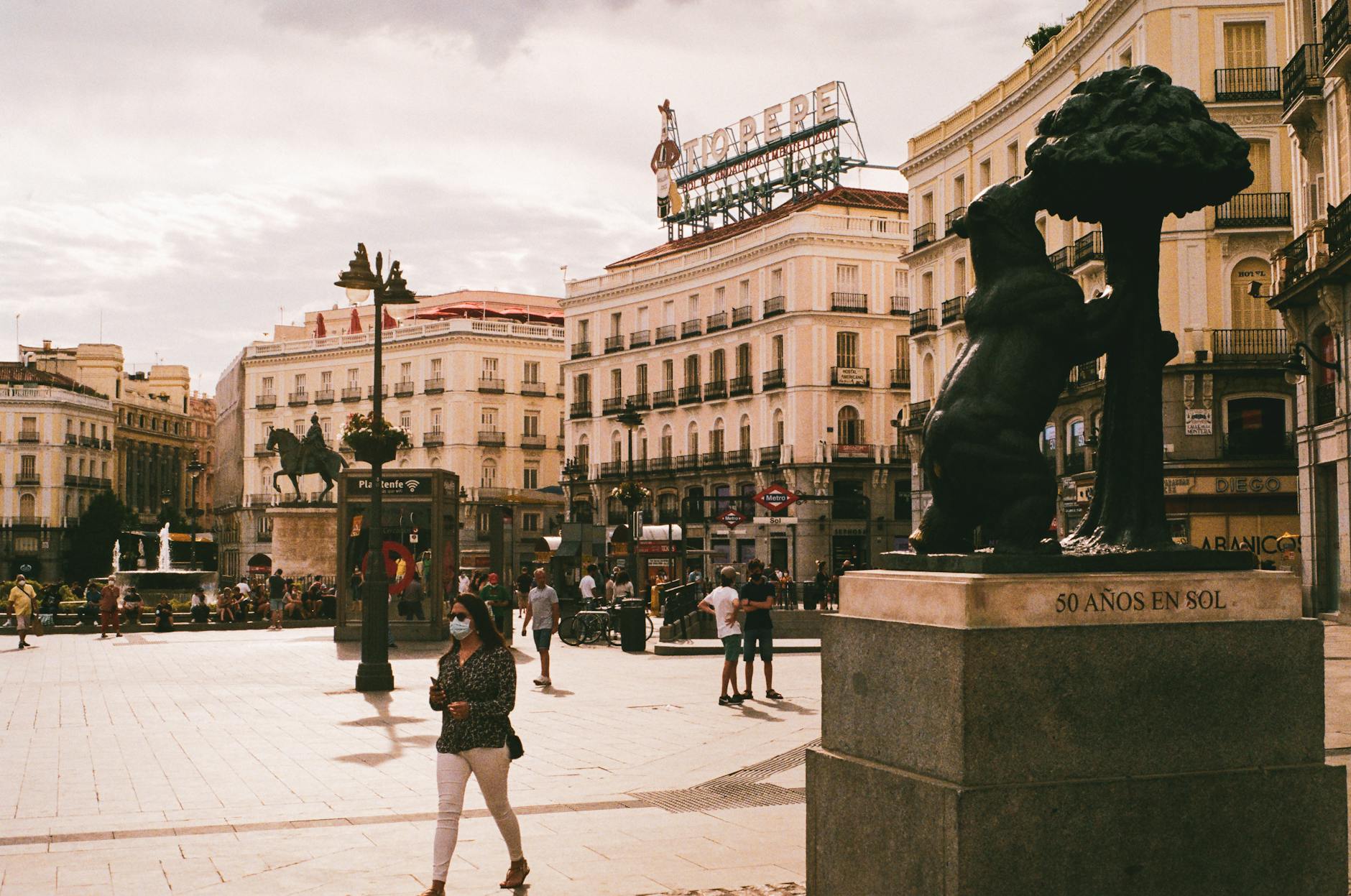
    Puerta del Sol, Madrid's central hub and starting point for exploration

    Eating Like a Local

    Understanding Madrid’s meal schedule is crucial for trip planning. Breakfast is light — coffee and a tostada (toast with tomato and olive oil) — and happens between 8:00 AM and 10:00 AM. Lunch is the main meal, served from 1:30 PM to 3:30 PM. Look for the menú del día at local restaurants — a three-course meal with bread, drink, and dessert for €12–16. This is the single best value in Spanish dining. Dinner is late, typically starting at 9:00 PM or later. Tapas can fill the gap between meals — a caña (small beer, €2–3) and a tapa at a bar around 7:00 PM is a perfectly normal pre-dinner ritual.

    Top food experiences to build into your itinerary include a tapas crawl through La Latina’s Calle de la Cava Baja, churros with thick hot chocolate at Chocolatería San Ginés (open since 1894, open 24 hours), cocido madrileño at a traditional restaurant, and a vermouth (vermú) at a classic bar on a Sunday morning — the traditional Madrid aperitivo ritual.

    Money-Saving Tips

    Madrid is one of Western Europe’s most affordable capital cities, and smart planning can stretch your budget further. Many major museums offer free entry during evening hours — the Prado, Reina Sofía, and Thyssen all have free windows. The menú del día at lunch is always cheaper than ordering à la carte at dinner. Book museum tickets online to skip queues and sometimes get discounts. The Tourist Travel Pass pays for itself after about 4 metro rides per day. Tap water is safe and free in restaurants (ask for “agua del grifo”). Free walking tours operate daily from Puerta del Sol — tip what you feel the experience was worth.

    Safety and Practical Tips

    Madrid is a very safe city for tourists, but pickpocketing is common in crowded areas — particularly the Metro, Sol, Gran Vía, and Plaza Mayor. Use a money belt or front pocket for valuables, be alert in crowded situations, and never leave bags unattended at restaurant tables. The emergency number is 112 (English-speaking operators available). Pharmacies (farmacias) are marked with green crosses and rotate 24-hour duty schedules. Madrid’s tap water is excellent — among the best in Europe, coming from mountain reservoirs in the Sierra de Guadarrama.

    Themed Itineraries for Special Interests

    Madrid Art Lover’s Itinerary

    Art enthusiasts could spend an entire week just visiting museums. Start with the Golden Triangle — Prado, Reina Sofía, Thyssen-Bornemisza — dedicating at least half a day to each. Add the Sorolla Museum for Spanish Impressionism, the Real Academia de Bellas Artes de San Fernando for its Goya collection, and the Lázaro Galdiano for eclectic private collecting at its finest. Explore the gallery scene in the Salamanca neighborhood along Calle de Claudio Coello, and visit the Matadero for cutting-edge contemporary art. Time your visit for ARCO Madrid (February), Spain’s premier international contemporary art fair.

    Madrid Foodie Itinerary

    Food-focused visitors should anchor their days around meals and markets. Begin mornings at Mercado de San Fernando (Lavapiés) or Mercado de Antón Martín for artisan breakfast. Take a cooking class to learn to make tortilla española and gazpacho. Schedule tapas crawls across different neighborhoods — La Latina for traditional, Malasaña for creative, Chueca for international fusion. Visit Mercado de San Miguel for gourmet grazing and Platea Madrid (in a former cinema) for its upscale food hall. Book a table at DiverXO, Madrid’s only three-Michelin-star restaurant, or try one of the city’s many one-star and two-star options for a fraction of the price.

    Madrid Budget Backpacker Itinerary

    Budget travelers can experience Madrid brilliantly on €50–70 per day. Stay in well-reviewed hostels (€18–30 per night) in Lavapiés or Malasaña. Take advantage of free museum hours, free walking tours, and Madrid’s many free parks and public spaces. Eat the menú del día for lunch (€12–15), shop at supermarkets for breakfast and snacks, and join the locals for cheap cañas and tapas in the evening. Many churches, including the Almudena Cathedral, are free to enter. The Temple of Debod, Retiro Park, Madrid Río, and the Sunday Rastro market cost nothing to enjoy.

    Madrid's stunning sunset skyline view from a rooftop

    Madrid Weekend Itinerary (Friday – Sunday)

    For a long weekend, arrive Friday evening and head straight to a tapas bar in La Latina or Malasaña. Saturday, follow the Day 1 itinerary from the 3-day plan: Royal Palace, Plaza Mayor, Temple of Debod, and Gran Vía. Sunday, visit the Prado in the morning, El Rastro flea market mid-morning (if open), then Retiro Park in the afternoon. Pack meals into the schedule — Sunday brunch at Federal Café in Malasaña, and a farewell lunch at a traditional madrileño restaurant before heading to the airport.

    Madrid Romantic Couples Itinerary

    Madrid is wonderfully romantic. Start with a morning stroll through Retiro Park’s rose garden and a rowboat ride on the lake. Have lunch at a hidden courtyard restaurant in the Literary Quarter. Spend the afternoon exploring the Thyssen-Bornemisza (less crowded than the Prado, equally impressive). Watch the sunset from Templo de Debod hand in hand. Dress up for dinner at a rooftop restaurant with views, followed by a late-night flamenco show at Corral de la Morería. End the evening with a walk along the illuminated Gran Vía — Madrid’s neon-lit avenue is breathtaking after midnight.

    Day-by-Day Packing and Planning Checklist

    Before You Go

    Book museum tickets online 1–2 weeks in advance, especially for the Prado and Reina Sofía during peak season. Reserve flamenco show tickets, Bernabéu tour tickets, and any restaurant reservations for popular spots. Download the Madrid Metro app and Google Maps offline maps. Purchase travel insurance that covers Europe. Check if your bank charges foreign transaction fees — notify them of your travel dates. EU citizens should bring their European Health Insurance Card; non-EU travelers should confirm their insurance covers Spain.

    What to Pack

    Madrid is a walking city, so comfortable shoes are non-negotiable. Pack layers — even in summer, air-conditioned museums can be chilly, and evenings cool down. Bring a small daypack for water, sunscreen, and museum purchases. Madrid is a stylish city, and Madrileños dress well — smart casual is appropriate for most restaurants and venues. If visiting in winter, bring a warm coat but leave the heavy boots at home — Madrid rarely gets snow. A power adapter (Type C/F, 230V) is essential for non-European electronics.

    Madrid with Different Budgets

    Budget (€50–80/day): Hostel dorm, menú del día for lunch, supermarket breakfast and dinner, free museum hours, walking and Metro, free activities. Madrid is very doable on a backpacker budget without sacrificing quality experiences.

    Mid-Range (€120–200/day): Boutique hotel, restaurant meals, paid museum entries, Metro and occasional taxi, flamenco show, rooftop drinks. This is the sweet spot for most travelers — comfortable without being extravagant.

    Luxury (€300+/day): Five-star hotel, Michelin dining, private tours, premium flamenco seating, spa experiences, shopping in Salamanca. Madrid’s luxury scene offers exceptional value compared to Paris, London, or Rome.

    Common Mistakes to Avoid

    First-time visitors to Madrid often make a few predictable mistakes that are easy to avoid with advance knowledge. Eating dinner at 7:00 PM means eating at tourist restaurants with tourist prices and tourist quality — wait until at least 9:00 PM when locals eat and the real kitchens open. Trying to see the entire Prado in one visit leads to museum fatigue and diminished enjoyment — pick your highlights and save the rest for a return trip. Spending all your time in the Sol-Gran Vía tourist corridor means missing the neighborhoods where Madrid’s real character lives — Malasaña, La Latina, Chueca, and Lavapiés.

    Skipping the menú del día is leaving money on the table — this €12–16 three-course lunch deal is genuinely one of Europe’s best dining values. Not wearing sunscreen in spring and fall is a common oversight — Madrid sits at 650 meters elevation with intense sun even when temperatures feel mild. Taking a taxi during rush hour (8:00–10:00 AM and 6:00–8:00 PM) often takes longer and costs more than the Metro. And finally, not learning a few basic Spanish phrases — while many service workers speak English, a “buenos días,” “por favor,” and “gracias” go a remarkably long way in Madrid.

    Planning Your Madrid Trip: Step by Step

    8–12 Weeks Before: Book flights and accommodation. Mid-range hotels in central locations fill up fast during spring and fall. Compare prices on booking platforms and consider apartment rentals for stays of 4+ days.

    4–6 Weeks Before: Book museum tickets, flamenco shows, and any specific tours. Reserve tables at popular restaurants for special dinners. Research and purchase travel insurance.

    2 Weeks Before: Download apps (Madrid Metro, Google Maps, translation app). Create a daily itinerary with time blocks but leave room for spontaneity. Confirm all reservations. Check weather forecasts and adjust packing list.

    Day Before: Charge devices, download offline maps, print any necessary confirmations. Pack your day bag with essentials. Set out comfortable walking shoes.

    Madrid has a way of exceeding expectations. It is a city that reveals itself gradually — the more time you spend, the more you discover. Whether you have a weekend or a week, this guide will help you make every day count. The only guarantee is that you will want to come back.
  • Madrid Shopping Guide: Best Districts, Markets & What to Buy

    Madrid Shopping Guide: Best Districts, Markets & What to Buy

    Madrid: A Shopper’s Paradise

    Madrid is a city that takes shopping seriously. From the luxury flagship stores lining the Salamanca district to the chaotic treasure hunt of El Rastro flea market, from cutting-edge Spanish fashion on Gran Vía to vintage gems hidden in Malasaña’s back streets, the Spanish capital offers a shopping experience as diverse and vibrant as the city itself. What makes Madrid particularly rewarding for shoppers is the concentration of distinct shopping districts, each with its own character, price points, and specialties — all connected by an efficient metro system that makes district-hopping effortless.

    Spain is the birthplace of global fashion powerhouses like Zara, Mango, and Loewe, and Madrid is where these brands showcase their latest collections first. The city also nurtures a thriving independent design scene, with young Spanish designers establishing boutiques in neighborhoods like Malasaña and Chueca. Whether you are hunting for luxury labels, Spanish souvenirs, vintage finds, or simply the latest European fashion at competitive prices, this guide covers every shopping district, market, and strategy you need to make the most of Madrid’s retail landscape.

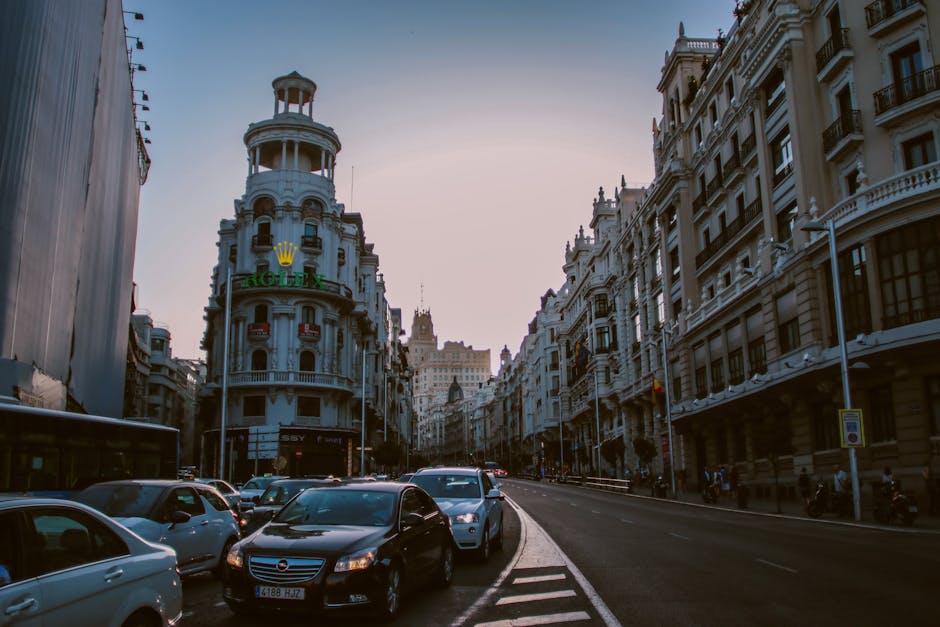
    Gran Via shopping street in Madrid with evening lights

    Madrid’s Best Shopping Districts

    Gran Vía: The Main Shopping Street

    Gran Vía is Madrid’s equivalent of Oxford Street or the Champs-Élysées — a grand boulevard packed with major international and Spanish fashion brands. The stretch between Plaza de Callao and Plaza de España concentrates the highest density of stores, including massive flagship locations for Zara, H&M, Primark, Nike, and Mango. The Primark on Gran Vía occupies a beautifully restored historic building and is one of the largest in Europe, spread across multiple floors.

    Shopping on Gran Vía is best for mainstream fashion at accessible prices. The major Spanish brands — Zara, Mango, Massimo Dutti, Bershka, Pull&Bear, and Stradivarius — all have prominent stores here, often with wider selections than their locations in other countries. Most stores open from 10:00 AM to 9:00 PM Monday through Saturday, with Sunday hours varying by season (many open Sundays in peak tourist months). The street is busiest on Saturday afternoons and during the winter sales period — visiting on weekday mornings provides a more relaxed experience.

    Salamanca: Luxury and Designer Shopping

    The Salamanca district is where Madrid does luxury. The so-called “Golden Mile” along Calle de Serrano houses the flagship stores of Spanish luxury brand Loewe alongside international houses including Chanel, Prada, Gucci, Louis Vuitton, and Hermès. Parallel streets like Calle de Ortega y Gasset, Calle de Jorge Juan, Calle de Lagasca, and Calle de Claudio Coello add depth to the luxury offering with smaller designer boutiques, independent jewelry designers, and curated concept stores.

    Beyond the global luxury brands, Salamanca is where you will find Spain’s most prestigious independent designers and multi-brand boutiques. Ekseption and Ekseption 2 stock curated selections of international and emerging designers. The ABC Serrano shopping center, housed in a converted newspaper headquarters, combines upscale shopping with restaurants and cultural spaces. For antiques and fine art, the galleries along Calle de Claudio Coello represent some of Madrid’s most distinguished dealers.

    Prices in Salamanca are predictably high, but the quality and exclusivity match. Even if luxury shopping is not in your budget, walking through the district offers architectural pleasure — many stores occupy beautifully maintained 19th-century buildings with ornate facades.

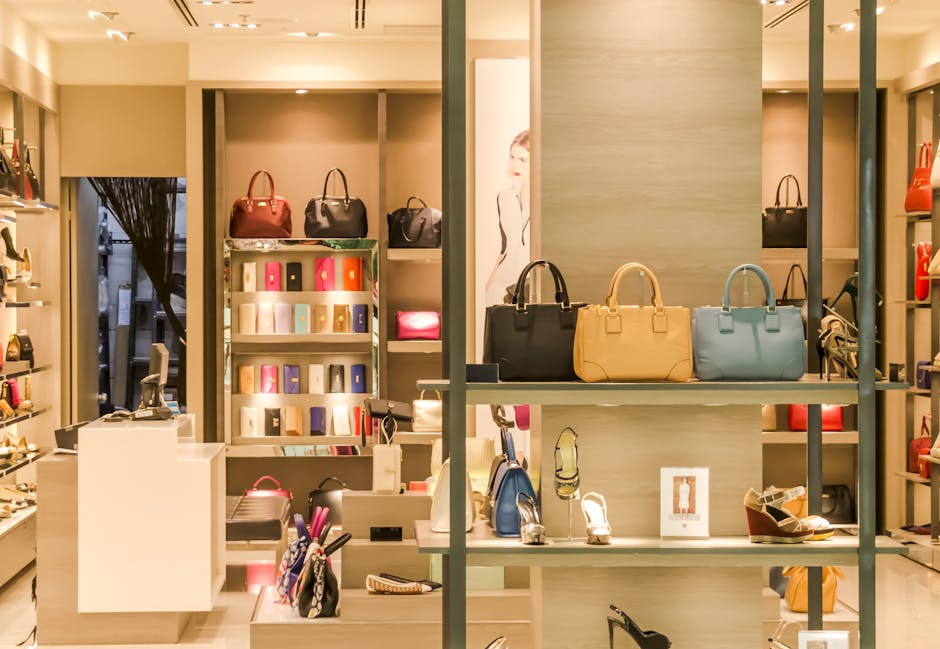
    Luxury boutique with designer handbags and shoes

    Malasaña: Vintage, Independent, and Alternative

    Malasaña is Madrid’s hipster shopping district, and it delivers exactly what that label promises: vintage clothing stores, independent designer boutiques, record shops, quirky homeware stores, and concept shops that defy easy categorization. The neighborhood’s main shopping artery is Calle de Fuencarral, which connects Gran Vía to the heart of Malasaña and transitions from mainstream brands at its southern end to increasingly independent and alternative shops as you walk north.

    For vintage clothing, the streets around Plaza del Dos de Mayo are rich hunting ground. Shops like Magpie and Flamingos Vintage Kilo sell second-hand clothing by weight, making designer finds possible at fraction of original prices. The neighborhood is also home to independent Spanish designers who sell directly from their workshop-studios — these one-of-a-kind pieces make distinctive souvenirs and gifts that you will never find in other cities.

    Beyond fashion, Malasaña rewards browsing for vinyl record enthusiasts (several vinyl vinyl shops carry Spanish rock, indie, and flamenco), book lovers (small independent bookshops specializing in art and photography), and anyone drawn to handmade ceramics, artisan leather goods, and locally produced cosmetics. Shopping hours in Malasaña tend to start later than mainstream districts — many independent shops do not open until 11:00 AM or noon, reflecting the neighborhood’s bohemian rhythms.

    Clothing rack in a boutique with diverse garments

    Chueca: Trendy Boutiques and Design

    Chueca offers a more polished version of independent shopping compared to neighboring Malasaña. The neighborhood is known for its fashion-forward boutiques, concept stores, and designer shops that sit somewhere between mainstream Gran Vía and ultra-luxury Salamanca. Calle de Hortaleza and Calle de Augusto Figueroa are the primary shopping streets, lined with both established Spanish designers and emerging brands.

    The neighborhood’s LGBTQ+ identity influences its retail character — you will find bold, colorful fashion, statement accessories, and design-forward homeware alongside more conventional boutiques. NAC, a colorful local brand, has become synonymous with Chueca’s shopping identity. Several perfumeries and cosmetics boutiques specialize in niche fragrances and natural beauty products. The Mercado de San Antón, Chueca’s renovated market, combines a ground-floor food market with an upstairs food court and rooftop terrace restaurant — making it a natural shopping break destination.

    Sol and Centro: Tourist Shopping Hub

    The area around Puerta del Sol and the streets connecting it to Plaza Mayor constitute Madrid’s tourist shopping center. Calle de Preciados and Calle del Carmen, both pedestrianized, are lined with mainstream brands, shoe shops, and the enormous El Corte Inglés department store at Callao. This area is convenient but rarely the best value — prices are at Madrid’s highest for mass-market goods, and the quality of souvenir shops varies wildly.

    That said, El Corte Inglés deserves special mention. This Spanish department store chain is an institution, offering everything from designer fashion and gourmet food to electronics and luggage across nine floors. The Gourmet Experience food hall on the top floor combines specialty food shopping with restaurant dining and rooftop views. El Corte Inglés also operates a dedicated tax-free shopping desk for non-EU visitors, simplifying the VAT refund process considerably. The Callao location is the most central, but the one on Calle de Serrano in Salamanca tends to be less crowded.

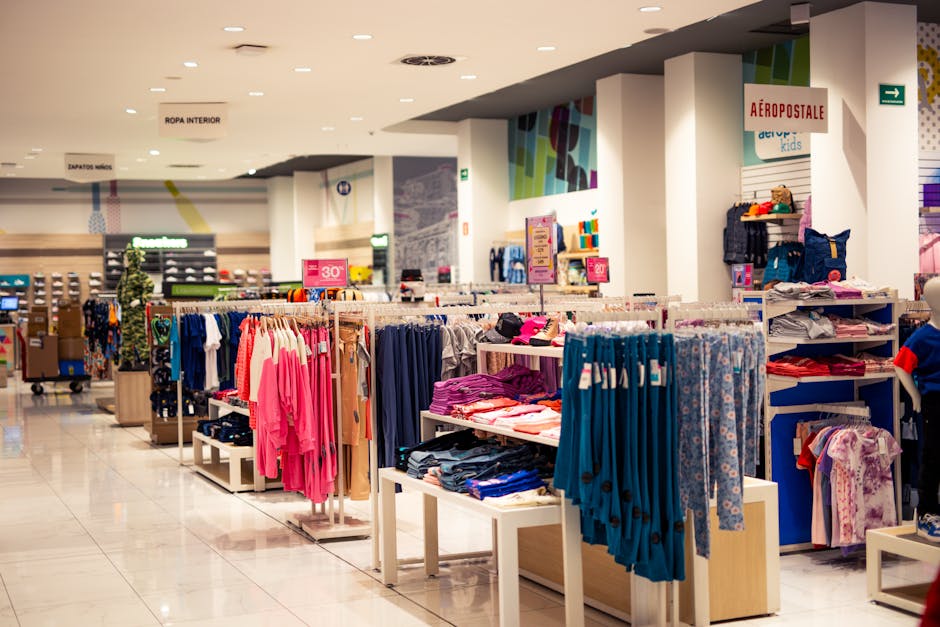
    Interior of a modern department store with clothing displays

    Markets: The Soul of Madrid Shopping

    El Rastro: Spain’s Most Famous Flea Market

    El Rastro is not just a market — it is a Madrid institution dating back to the Middle Ages. Every Sunday and public holiday from 9:00 AM to 3:00 PM, the streets of La Latina transform into a sprawling open-air bazaar with over 3,000 stalls stretching from Plaza de Cascorro down Ribera de Curtidores and along dozens of side streets. The market draws locals and tourists alike, creating a vibrant, crowded atmosphere that is quintessentially madrileño.

    What you will find at El Rastro spans an enormous range: antique furniture and vintage posters, leather goods and handmade jewelry, second-hand books and vinyl records, military surplus and vintage clothing, art prints and ceramics, pet supplies and electronics. The main drag along Ribera de Curtidores tends toward tourist-oriented goods and mass-produced items, while the side streets harbor more interesting finds — antique dealers on Calle de San Cayetano, book stalls on Calle de Carlos Arniches, and vintage clothing further into the residential streets.

    Tips for navigating El Rastro: arrive early (9:00-10:00 AM) for the best selection and thinner crowds, keep valuables secure in front pockets or zipped bags as pickpocketing is common in crowds, bargaining is expected at most stalls (start at 20-30% below asking price), and combine your visit with tapas in the surrounding La Latina bars that are at their liveliest during Sunday market hours. The market operates rain or shine, though rainy Sundays see fewer stalls and thinner crowds — making them actually better for serious shoppers.

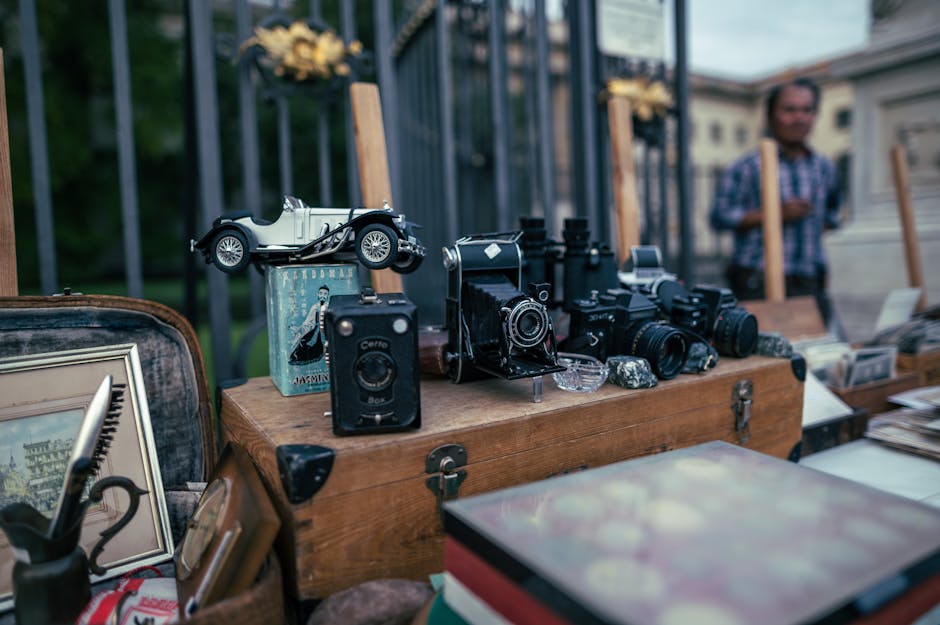
    Vintage items displayed at an outdoor flea market

    Mercado de Motores: Monthly Design Market

    Held on the second weekend of each month at the Railway Museum (Museo del Ferrocarril), the Mercado de Motores combines artisan crafts, independent fashion, vintage objects, and gourmet food trucks in a stunning industrial setting surrounded by historic locomotives. Entry is free, and the market typically runs from 11:00 AM to 10:00 PM on Saturday and until 8:00 PM on Sunday. The quality of vendors is generally higher than El Rastro, with more emphasis on handmade, designed, and curated products rather than mass-produced goods.

    Traditional Food Markets

    Madrid’s traditional food markets are shopping attractions in themselves. Mercado de San Miguel, the iron-and-glass market near Plaza Mayor, has evolved into a gourmet destination with artisan food stalls serving oysters, jamón, cheese, wine, and pastries — tourist-priced but atmospherically beautiful. For authentic local food shopping at real prices, Mercado de Maravillas in Cuatro Caminos is Europe’s largest covered market, where madrileños buy their fresh produce, meat, fish, and spices. Mercado de la Paz in Salamanca combines traditional food vendors with trendy gastro bars. Mercado de San Fernando in Lavapiés offers an eclectic mix of traditional food stalls and multicultural cuisine reflecting the neighborhood’s diversity.

    What to Buy in Madrid: Signature Products

    Spanish Fashion

    Spain’s fashion industry is one of Europe’s largest, and Madrid offers the widest selection of Spanish brands at their home-market prices — which are typically 10-20% lower than the same items sold internationally. The Inditex family of brands (Zara, Massimo Dutti, Uterqüe, Bershka, Pull&Bear, Stradivarius, Oysho) originated in Spain, and their Madrid flagship stores carry the most complete collections, including lines not available in smaller international stores. Mango, another Barcelona-born brand with strong Madrid presence, offers contemporary fashion at mid-range prices.

    For luxury Spanish fashion, Loewe stands as the country’s most prestigious leather goods and fashion house, with roots dating to 1846. Their Gran Vía and Serrano stores offer the full collection of bags, small leather goods, and ready-to-wear fashion. Balenciaga, while now under the Kering umbrella, was founded by Spanish designer Cristóbal Balenciaga and maintains a strong presence in Madrid’s luxury shopping scene. Adolfo Domínguez, Purificación García, and Pedro del Hierro represent the next tier of quality Spanish fashion available at more accessible price points.

    Fashion boutique displaying elegant clothing

    Leather Goods

    Spain has a long tradition of leather craftsmanship, and Madrid is an excellent place to buy quality leather goods at competitive prices. Beyond Loewe’s luxury offerings, shops throughout the city sell Spanish-made leather bags, belts, wallets, and shoes at various price points. The Salamanca district has the most upscale leather boutiques, while El Rastro’s permanent shops along Ribera de Curtidores include traditional leather workshops selling directly to customers. Antigua Casa Crespo, operating since 1863, sells hand-sewn espadrilles — a classic Spanish footwear purchase.

    Ceramics and Pottery

    Hand-painted Spanish ceramics make beautiful and authentic souvenirs. Traditional Talavera pottery, characterized by blue and white patterns, is available at specialty shops throughout the city. Look for pieces stamped with the maker’s mark indicating genuine artisan production rather than mass-manufactured copies. The Real Fábrica de Tapices (Royal Tapestry Factory), still operating since its founding in 1721, sells handmade tapestries and carpets, though at premium prices reflecting their museum-quality craftsmanship.

    Food and Drink Souvenirs

    Madrid’s gourmet food shops offer some of the best souvenir shopping in the city. Jamón ibérico (Iberian ham) is Spain’s most iconic food product — specialist ham shops (jamonerías) like Museo del Jamón or upscale options like Joselito offer vacuum-packed portions specifically for travelers. Spanish olive oil, saffron, pimentón de la Vera (smoked paprika), and manchego cheese all make excellent food gifts. Wine lovers should visit specialized wine shops (vinotecas) for Rioja, Ribera del Duero, and other Spanish wines at domestic prices. Turrones (nougat candies) from specialist shops make traditional holiday gifts.

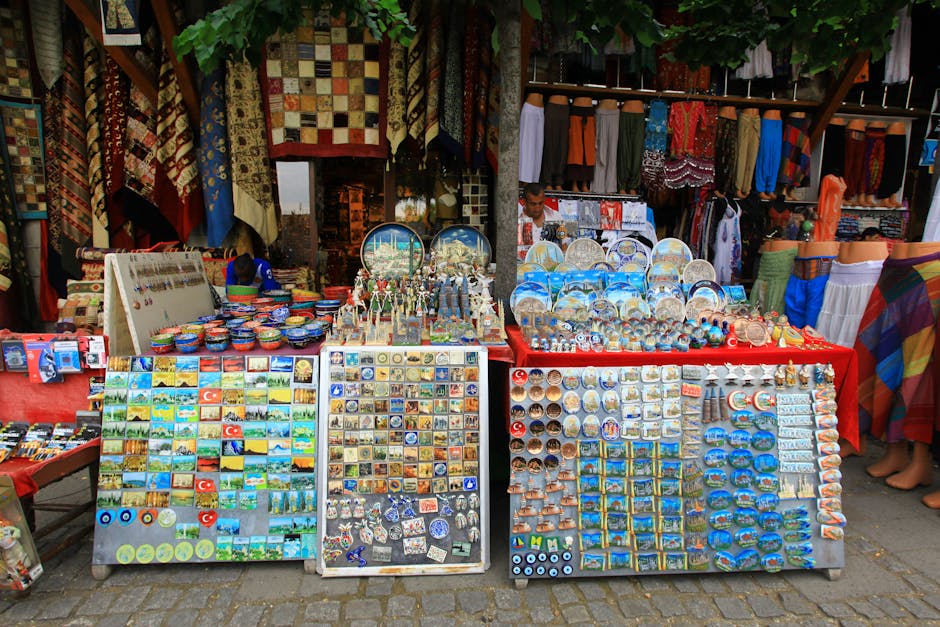
    Colorful display of souvenirs at an outdoor market

    Fans, Shawls, and Traditional Crafts

    Hand-painted abanicos (fans) are a classic Madrid souvenir. Quality ranges from cheap tourist versions (€5-10) to exquisite hand-crafted fans from specialty shops like Casa de Diego on Puerta del Sol (€30-200+), which has been selling fans since 1858. Mantones de Manila (embroidered silk shawls), originally associated with flamenco, are available at traditional shops throughout the city. Capas Seseña, established in 1901, is the only remaining capa (Spanish cape) maker in Madrid, producing hand-made woolen capes that have been worn by everyone from Picasso to Hillary Clinton.

    Tax-Free Shopping and VAT Refunds

    Non-EU residents (including UK citizens post-Brexit) can claim a VAT refund on purchases made in Spain. The standard Spanish VAT rate is 21%, and shoppers can typically recover 10-15% of the purchase price through the refund process. There is no minimum purchase requirement per transaction in Spain, though individual stores may set their own minimums for issuing tax-free forms.

    The process works as follows: present your passport at participating stores when making purchases and request a tax-free form. Before departing the EU, visit the customs desk at the airport to have your forms stamped (arrive early — queues can be long). Process your refund through the tax-free company’s desk at the airport, choosing between credit card refund, cash, or bank transfer. Major companies operating in Madrid include Global Blue and Planet Tax Free. El Corte Inglés has its own streamlined tax-free process that handles everything in-store.

    Important tip: purchases must leave the EU unused in their original packaging to qualify for a VAT refund. If you wear clothes or open products before departing, they technically no longer qualify. Digital tax-free solutions through apps like DIVA (Digital Invoice Validation for Airport) are increasingly available at Spanish airports, speeding up the validation process considerably.

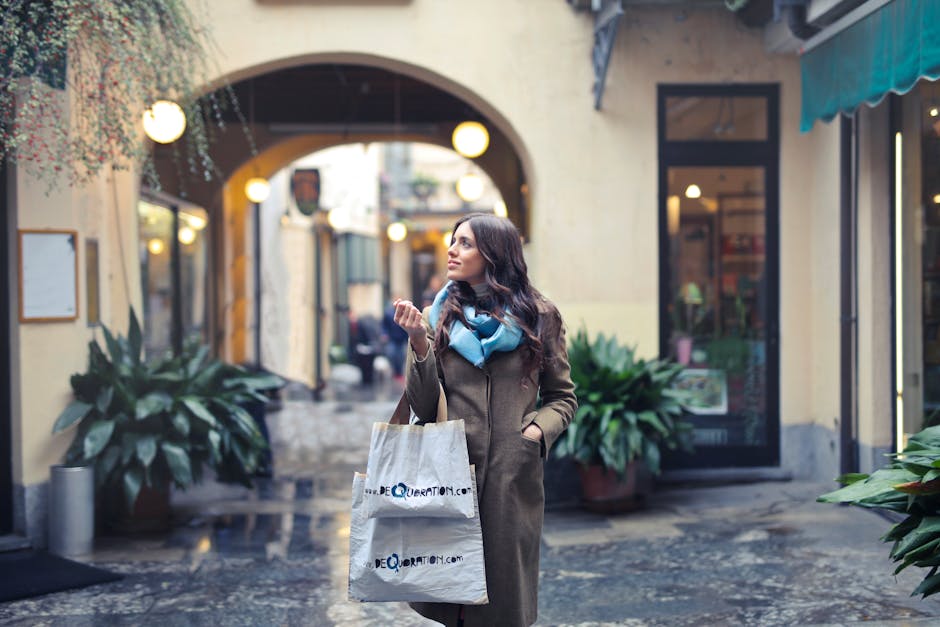
    Woman carrying shopping bags in a charming street

    Sales Seasons: Rebajas

    Spain’s sales seasons, known as rebajas, are regulated by law and represent the best time for bargain shopping. The winter rebajas begin on January 7 (the day after Epiphany, or Three Kings’ Day) and run through the end of February or early March. The summer rebajas start on July 1 and continue through August. Discounts during these periods are genuine and substantial — starting at 20-30% in the first week and reaching 50-70% by the final weeks as stores clear remaining inventory.

    The first days of rebajas see the longest queues and the best selection, while the final weeks offer the deepest discounts but more limited choices. Spanish consumers take rebajas seriously — the January 7 opening morning often sees queues forming before stores open on Gran Vía and at El Corte Inglés. Mid-season sales (mid-rebajas or pre-rebajas) with smaller discounts have become increasingly common in April and November, though they lack the drama and depth of the official rebajas periods.

    Shopping Centers and Outlets

    Las Rozas Village

    Located 30 minutes northwest of central Madrid, Las Rozas Village is an outlet shopping complex featuring over 100 brands at discounts of 30-60% year-round. The open-air village format includes both Spanish and international labels, with Loewe, Adolfo Domínguez, Carolina Herrera, Scalpers, and many more maintaining outlet stores here. A dedicated shopping bus runs from central Madrid (Paseo de la Castellana), or you can take the Cercanías commuter train to Las Rozas station. The village operates Monday through Saturday from 10:00 AM to 9:00 PM, with Sunday hours from 11:00 AM to 9:00 PM.

    Major Shopping Centers

    For rainy day shopping or one-stop convenience, Madrid’s shopping centers offer mainstream brands under one roof. La Vaguada in the Barrio del Pilar was Spain’s first large shopping center and remains one of Madrid’s biggest, with over 350 stores. Xanadú in Arroyomolinos combines shopping with an indoor ski slope and entertainment complex. Príncipe Pío, housed in a converted train station near the Royal Palace, offers convenient shopping in a historic setting. Parquesur in Leganés is one of Spain’s largest shopping centers, accessible via Cercanías train.

    Practical Shopping Tips

    Shopping Hours

    Standard Madrid shopping hours are Monday through Saturday, 10:00 AM to 9:00 PM for large stores and chains. Small independent shops, especially in Malasaña and Chueca, often open later (11:00 AM or noon) and may close for a lunch break between 2:00 and 5:00 PM, particularly in summer. Sunday shopping is available at stores in designated tourist zones (Gran Vía, Sol area) and at shopping centers, though many smaller shops remain closed. During the Christmas shopping season (December) and rebajas periods, extended hours are common across all districts.

    Payment Methods

    Credit and debit cards are accepted virtually everywhere in Madrid, including small boutiques and market stalls. Contactless payment is standard. Cash is still preferred at El Rastro flea market and some small traditional shops. If using a non-European card, always choose to be charged in euros rather than your home currency at the card terminal to avoid dynamic currency conversion fees that typically add 3-7% to the transaction.

    Shipping and Luggage

    Many luxury stores and El Corte Inglés offer international shipping for larger purchases. If you are shopping extensively and running out of luggage space, Madrid has several luggage storage services near major shopping areas, and shipping companies like Correos (the Spanish postal service) and private couriers can send purchases home. For fragile items like ceramics, ask shops to pack them securely — most reputable stores will do this at no extra charge.

    Bargaining Etiquette

    Bargaining is expected and appropriate at El Rastro flea market and at some antique shops, but is not customary at fixed-price retail stores, boutiques, or shopping centers. At markets, a polite approach works best — starting at 20-30% below the asking price and working toward a compromise is standard. Buying multiple items from the same vendor typically strengthens your bargaining position. At permanent shops, asking about any available discounts or upcoming promotions is acceptable, but haggling on displayed prices is not part of Spanish retail culture.

    Shopping by Neighborhood: Quick Reference

    Gran Vía and Sol: Mainstream international and Spanish fashion brands, department stores, tourist souvenirs. Best for: affordable fashion, convenience, one-stop shopping.

    Salamanca: Luxury designer labels, premium Spanish fashion, fine jewelry, antiques, art galleries. Best for: luxury shopping, designer labels, high-quality gifts.

    Malasaña: Vintage clothing, independent designers, record shops, alternative fashion, handmade crafts. Best for: unique finds, vintage fashion, creative gifts.

    Chueca: Trendy boutiques, fashion-forward design, niche perfumeries, concept stores. Best for: contemporary fashion, design objects, niche beauty.

    La Latina: El Rastro flea market (Sundays), antique shops, traditional crafts, leather goods. Best for: flea market finds, antiques, traditional crafts.

    Las Rozas Village: Designer outlet shopping with year-round discounts. Best for: discounted luxury brands, Spanish designer labels at reduced prices.

    Madrid’s shopping landscape rewards exploration and curiosity. The best purchases often come not from the famous streets and department stores, but from the small boutiques discovered on side streets, the unexpected find at El Rastro, or the specialty food shop where a knowledgeable owner guides you to the perfect olive oil or jamón. Give yourself time to browse without agenda, wander into shops that catch your eye, and let Madrid’s retail personality reveal itself at its own pace.

    Souvenir Shopping: What to Bring Home

    Authentic vs. Tourist Souvenirs

    Madrid’s souvenir shops cluster around Sol, Plaza Mayor, and Gran Vía, selling a predictable mix of flamenco figurines, bull-themed items, and Madrid-branded merchandise. While these have their place, more distinctive souvenirs are found elsewhere. For authentically Spanish gifts, seek out specialist shops rather than generic souvenir stores. A bottle of quality olive oil from a gourmet shop, a hand-painted fan from Casa de Diego, a leather wallet from a Salamanca boutique, or a tin of premium saffron from a spice shop all make more memorable and meaningful gifts than mass-produced tourist items.

    Where to Buy the Best Souvenirs

    The permanent antique shops along El Rastro’s side streets sell vintage tiles, prints, and decorative objects that make unique home décor souvenirs. Madrid’s bakeries sell beautifully boxed traditional sweets — violetas (violet candies), made exclusively in Madrid, are a signature confection available at specialty shops like La Violeta on Plaza de Canalejas, which has been producing them since 1915. For football fans, the official Real Madrid and Atlético Madrid shops stock authentic merchandise at guaranteed genuine prices.

    Bookshops and Cultural Shopping

    Madrid has a thriving bookshop culture that extends well beyond the usual chain stores. La Central on Calle del Postigo de San Martín stocks a beautifully curated selection of art, design, and literature books across three floors. Desperate Literature, a small English-language independent bookshop in Malasaña, has become a literary community hub. The Cuesta de Moyano, a permanent book market running along Retiro Park’s southern edge, features dozens of stalls selling second-hand and antiquarian books — particularly strong in Spanish-language literature, art books, and vintage maps. The Feria del Libro (Book Fair) held annually in Retiro Park in late May to early June is one of Madrid’s most beloved cultural events, where publishers, authors, and readers converge for two weeks of literary celebration.

    Jewelry and Accessories

    Madrid offers excellent jewelry shopping across all price points. The Salamanca district houses Spain’s fine jewelry establishments, with many family-owned businesses operating for generations. Calle de Serrano and Calle de Jorge Juan feature both international luxury brands (Tiffany, Cartier, Bulgari) and distinguished Spanish jewelers. For more accessible options, Chueca’s boutiques carry contemporary Spanish jewelry designers working in silver, gold, and semi-precious stones. The Tous brand, Spain’s most internationally recognized jewelry company, has multiple locations throughout the city. At El Rastro and in Malasaña, artisan jewelers sell handmade pieces in silver, leather, and recycled materials at very accessible prices.

    Shopping for Home and Design

    Madrid’s design scene extends into homeware and interior décor. Zara Home (part of the Inditex group) has multiple locations offering affordable contemporary home accessories. For more distinctive options, concept stores in Chueca and Malasaña stock curated selections of independent design objects, handmade ceramics, and artisan textiles. The Mercado de Motores monthly market is particularly strong in handmade homeware and decorative objects. Traditional Spanish azulejos (decorated tiles) make beautiful home accents — seek out specialty tile shops rather than generic souvenir stores for authentic hand-painted versions.

    Beauty and Perfume Shopping

    Spain’s beauty and cosmetics market offers several distinctive shopping opportunities. Sephora and Douglas have prominent locations on Gran Vía, but more interesting finds await at niche perfumeries in Chueca and Salamanca. Spanish pharmacy brands like MartiDerm, Sesderma, and Isdin are highly regarded internationally and significantly cheaper at Madrid pharmacies than abroad. Farmacia Coliseum on Gran Vía and other large pharmacies stock extensive cosmetics and skincare ranges. For artisan perfumery, boutique shops in the Letras neighborhood offer Spanish-made fragrances that make distinctive gifts.

    Planning Your Madrid Shopping Trip

    Best Days to Shop

    Weekday mornings offer the most relaxed shopping experience across all districts. Saturday afternoons are the busiest time throughout the city. Sundays are limited to tourist-zone stores, shopping centers, and El Rastro market. The first Sunday of each month tends to see more stores open than usual in the center. During rebajas periods, the first week sees the best selection while the final weeks offer the deepest discounts.

    Shopping Itinerary Suggestions

    For a focused half-day shopping trip, choose one district and explore it thoroughly rather than trying to cover multiple areas. A morning in Salamanca followed by lunch at Mercado de la Paz works well for luxury shoppers. A Sunday morning combining El Rastro browsing with tapas in La Latina is a classic Madrid experience. An afternoon starting at Gran Vía’s flagship stores, walking up Calle de Fuencarral into Malasaña, and finishing at a vintage shop near Plaza del Dos de Mayo covers mainstream to alternative shopping in a natural progression.

    For serious shoppers planning multiple shopping days, dedicate separate days to different districts: Salamanca for luxury, Malasaña and Chueca for independent and vintage, Gran Vía and Sol for mainstream brands, and a Sunday for El Rastro. This approach prevents shopping fatigue and ensures you can fully explore each area’s character.

  • Madrid Itinerary 2026: 1, 2, 3, 5 & 7-Day Trip Plans

    Madrid Itinerary 2026: 1, 2, 3, 5 & 7-Day Trip Plans

    How many days do you really need in Madrid? If you want the honest answer: two days lets you see the highlights, three days lets you see them without rushing, four to five days lets you breathe, add a day trip, and feel the city’s rhythm. Any longer and Madrid starts to feel like home — which is why so many visitors extend. This pillar guide lays out complete, walkable day-by-day itineraries for every trip length from 24 hours to a full week, plus first-timer essentials, themed itineraries for art lovers, foodies, families, and couples, the best day trips, and how to structure Madrid around Spanish meal times so you’re never the only hungry person in the restaurant at 7pm.

    Madrid cityscape capturing a multi-day travel itinerary overview
    Three to four days is the sweet spot for a first visit to Madrid.

    How Many Days Do You Need in Madrid?

    The short answer: three full days is the sweet spot for most first-time visitors. You can see the Royal Palace, all three major museums (Prado, Reina Sofía, Thyssen), walk the historic center, spend half a day in Retiro Park, eat two proper tapas-crawl dinners, and still have time to catch a flamenco show. Two days is doable but tight; you’ll likely skip one museum or compress everything. Four to five days lets you add a day trip, go deeper into neighborhoods like Malasaña or Lavapiés, and slow down to match the Spanish rhythm. A full week suits travelers who want to combine Madrid with one or two day trips (Toledo, Segovia, El Escorial, Ávila) or simply enjoy living like a local.

    • 1 day: The whirlwind — Plaza Mayor, one museum, tapas dinner
    • 2 days: Essentials without day trips
    • 3 days: The balanced first visit — ideal
    • 4–5 days: Relaxed pace plus one day trip
    • 7+ days: Deep dive, multiple day trips, local rhythm

    When to Visit Madrid

    Before locking your itinerary, pick the right season. Madrid sits on Spain’s arid central plateau at 650m, which means dry, sunny weather 300+ days per year but real temperature swings.

    • Best weather (peak): April, May, late September, October — 18–26°C, long sunny days, ideal for walking. Book 2–3 months ahead.
    • Shoulder: March, November, early December — 10–17°C, mild, great museum weather, lower prices.
    • Summer: July–August — 32–40°C, oppressive midday heat. Locals leave the city. Hotel rates drop 20–40%. Great if you can start early, siesta through afternoon, and come out at night.
    • Winter: December–February — 5–14°C. Cold but sunny afternoons. Crowds light, museum queues short. Christmas lights on Gran Vía are magical through January 6.

    Madrid in 24 Hours: The Whirlwind Itinerary

    Got one day? This route covers the essentials without leaving central Madrid. Expect 18,000–22,000 steps.

    • 9:00am: Chocolate con churros at Chocolatería San Ginés.
    • 9:45am: Walk to Plaza Mayor — enter through Arco de Cuchilleros.
    • 10:15am: Royal Palace (book 10am slot online). Focus on the Royal Armory and Throne Room. Allow 90 minutes.
    • 12:00pm: Plaza de Oriente and Cathedral exterior, walk through Jardines de Sabatini.
    • 1:00pm: Tapas lunch at Mercado de San Miguel or Casa Labra.
    • 2:30pm: Prado Museum — pick just 10 masterpieces from a curated list rather than trying to see everything. Allow 2.5 hours.
    • 5:00pm: Coffee break at Café Gijón or Círculo de Bellas Artes rooftop (€5 entry, best skyline view).
    • 6:00pm: Retiro Park — rowboats on the lake, Crystal Palace, Rosaleda.
    • 7:30pm: Aperitivo and tapas crawl through Barrio de las Letras (Calle Huertas) or La Latina (Cava Baja).
    • 10:30pm: Flamenco show at Cardamomo or Corral de la Morería (book in advance).

    Madrid in 2 Days

    Day 1 — Historic Madrid & The Prado

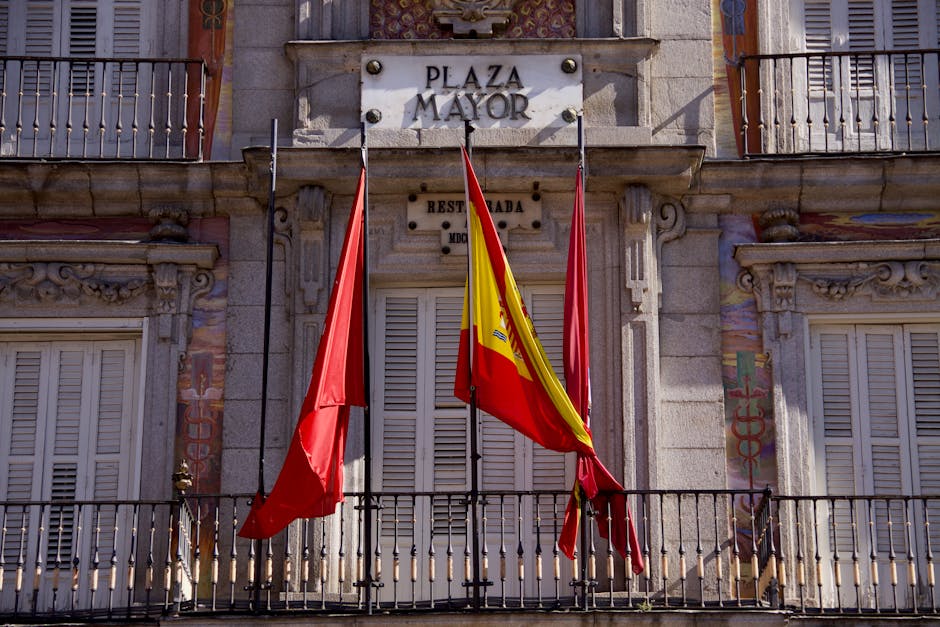
    Plaza Mayor in Madrid at the start of a classic city itinerary
    Start your first day in Madrid’s historic heart — Plaza Mayor.

    Morning: Start at Puerta del Sol (Madrid’s “Kilómetro 0”). Walk to Plaza Mayor and grab a breakfast tostada at a sun-drenched terrace. Explore Arco de Cuchilleros and descend into La Latina’s medieval streets. Visit the Royal Palace (pre-booked 11am slot, 90 minutes).

    Lunch: Menú del día at a neighborhood restaurant in La Latina — try La Musa Latina or La Concha. Budget €14–€20 per person.

    Afternoon: Walk east to the Prado Museum (2.5 hours with an audio guide). Take a short break at Retiro Park — walk to the Estanque Grande and Crystal Palace.

    Evening: Tapas crawl through Barrio de las Letras (start at La Venencia for sherry, then Casa Alberto, then La Taberna del Chato). Dinner around 9:30pm.

    Day 2 — Modern Art, Gran Vía & Neighborhoods

    Morning: Reina Sofía Museum (pre-booked 10am slot). See Picasso’s Guernica and the Dalí/Miró collections. Allow 2.5 hours. Walk north through Lavapiés neighborhood.

    Lunch: Triciclo or Casa González for tapas, or Mercado de Antón Martín for a quick bite.

    Afternoon: Walk up Gran Vía — Spain’s Broadway — through Callao to Plaza de España. Visit the Templo de Debod (ancient Egyptian temple, free, panoramic views). Continue to Malasaña for vintage shopping and coffee at Toma Café.

    Evening: Sunset drinks at Azotea del Círculo or Hat Madrid rooftop bar. Dinner at a Malasaña or Chueca restaurant — La Musa, Celso y Manolo, or Cheese Bar Poncelet. Late-night cocktails at Salmón Gurú or 1862 Dry Bar.

    Madrid in 3 Days: The Ideal First Visit

    This is the itinerary I recommend to 80% of first-time visitors. Every day has a clear theme, realistic pacing, and room to adapt.

    Day 1 — Royal Madrid & Historic Center

    Royal Palace of Madrid a must-see on any itinerary
    The Royal Palace anchors Day 1 of a classic Madrid itinerary.

    Morning: Start in Puerta del Sol. Walk through Plaza Mayor, Arco de Cuchilleros, down Calle Cava Baja. Royal Palace tour (10am slot, 2 hours). Visit the Almudena Cathedral next door.

    Lunch: Menú del día at Casa Revuelta for legendary fried cod, or La Sanabresa for traditional Madrid comfort food.

    Afternoon: Walk Plaza de Oriente → Teatro Real → Jardines de Sabatini → back through historic center. Coffee break at Café del Nuncio (cozy medieval bar).

    Evening: Aperitivo on Plaza Mayor terraces. Sunset at Templo de Debod. Dinner in Chueca — La Barraca for traditional paella or Taberna del Chato for creative tapas.

    Day 2 — The Golden Triangle of Art

    Morning: Prado Museum (10am, pre-booked, 3 hours with audio guide). See Velázquez’s Las Meninas, Goya’s Black Paintings, Bosch’s Garden of Earthly Delights, El Greco’s Crucifixion.

    Lunch: Casa González (within 5 min walk) or Taberna La Bola for classic cocido madrileño.

    Afternoon: Thyssen-Bornemisza (free Monday 12–4pm, otherwise €13) — lighter, more varied than the Prado. Perfect post-lunch break.

    Evening: Retiro Park stroll at golden hour (rowboats, puppet show at 6pm on weekends). Tapas dinner in Barrio de las Letras — Casa Alberto (1827), La Dolores, and Viva Madrid.

    Day 3 — Modern Madrid, Markets & Flamenco

    Morning: Reina Sofía (9:30am slot, 2.5 hours). Guernica, Dalí, Miró. Walk through Lavapiés streets — coolest multicultural neighborhood.

    Lunch: Mercado de San Fernando in Lavapiés for street food, or Baobab for Senegalese.

    Afternoon: Bernabéu Stadium tour (football fans) OR Salamanca luxury shopping OR Malasaña vintage + El Rastro-area antiques.

    Evening: Rooftop cocktail on Azotea del Círculo. Early flamenco show (7pm) at Corral de la Morería followed by late dinner in La Latina.

    Madrid in 4 Days: With a Day Trip

    Days 1–3 as above, then add Day 4 as a day trip. Best options:

    Option A — Toledo (best for first-time visitors)

    Historic Toledo seen on a day trip from Madrid
    Toledo’s layered Christian, Muslim, and Jewish heritage is an unmissable day trip from Madrid.

    AVANT high-speed train from Atocha, 33 minutes each way (€23 return). Walk the UNESCO old town, visit the Cathedral, the Santa María la Blanca synagogue, the Museo del Greco, and Alcázar. Lunch on marzipan and Manchego. Return by 7pm.

    Option B — Segovia (for architecture lovers)

    Segovia Roman aqueduct visible on a Madrid day trip
    Segovia’s 2,000-year-old Roman aqueduct is a day trip highlight.

    AVANT from Chamartín, 27 minutes each way (€27 return). See the Roman aqueduct (1st century AD), Alcázar castle (said to have inspired Disney’s castle), and Cathedral. Don’t miss roast suckling pig at Mesón de Cándido.

    Option C — El Escorial (for history buffs)

    Cercanías C-3 commuter train from Atocha or Chamartín, 50 minutes each way (€5 return). The largest Renaissance building in the world, burial site of Spanish kings, and a UNESCO site. Combine with the Valley of the Fallen.

    Option D — Ávila or Alcalá de Henares

    Ávila’s medieval walls (100 minutes each way) or Alcalá de Henares (Cervantes’ birthplace, 45 minutes by Cercanías) are quieter alternatives with fewer tour groups.

    Madrid in 5 Days: The Relaxed Itinerary

    Days 1–3 as above. Day 4 day trip. Day 5 is “deep Madrid” — pick two of the following:

    • Morning options: Museo Sorolla (the painter’s house, Spain’s most photogenic small museum), Real Jardín Botánico, Matadero Madrid cultural complex, CaixaForum, or Museo Nacional de Artes Decorativas.
    • Afternoon options: Bike Madrid Río Park, visit Casa de Campo via Teleférico cable car, Madrid Zoo & Aquarium, Museum of Illusions, Chamberí hidden gems.
    • Evening options: Real Madrid or Atlético match (if in season), hammam spa at Hammam Al Ándalus, jazz at Café Central, 1950s-style cocktails at Bar Museo Chicote.

    Madrid in a Week: Living Like a Local

    A full week lets you combine three day trips with a genuinely local Madrid rhythm. Suggested split:

    • Day 1: Historic Madrid (Royal Palace + old town)
    • Day 2: Prado + Thyssen + Retiro
    • Day 3: Reina Sofía + Lavapiés + flamenco
    • Day 4: Toledo day trip
    • Day 5: Madrid neighborhoods — Malasaña, Chueca, Salamanca, Chamberí
    • Day 6: Segovia + El Escorial combined (or one of each)
    • Day 7: Local-style day — picnic in Retiro, museum of your choice, farewell dinner at a traditional taberna

    Themed Itineraries

    For Art Lovers (4 days)

    Day 1 Prado (full day with guide). Day 2 Reina Sofía + Thyssen. Day 3 Museo Sorolla, Museo Lázaro Galdiano, Real Academia de Bellas Artes. Day 4 Toledo day trip (El Greco’s hometown). Book a Prado “Masterpieces Tour” (€80/person) for insight into Velázquez and Goya.

    For Foodies (3–4 days)

    Day 1 Mercado de San Miguel tastings + tapas crawl in La Latina. Day 2 Tapas tour with a local guide (€75–€110) through Chueca. Day 3 Cooking class (Spanish Cooking with Cristina or Alambique) + dinner at a Michelin starred restaurant. Day 4 Segovia for roast suckling pig and jamón tasting. Include meals at DiverXO (3-star), Coque (2-star), or Club Allard (fine dining with theater flair).

    For Families (5 days)

    See our full Madrid with Kids guide. Day 1 Royal Palace + Retiro + churros. Day 2 Madrid Zoo + Teleférico + Templo de Debod. Day 3 Parque Warner. Day 4 Toledo day trip (sword workshops, mini-train). Day 5 Madrid Río Park biking + Museum of Illusions.

    For Couples (3–4 days)

    Focus on rooftop sunsets, wine bars, flamenco intimate tablaos, and romantic day trips. Day 1 Prado + tapas dinner + cocktails at 1862 Dry Bar. Day 2 Retiro rowboats + sunset at Templo de Debod + Salmón Gurú cocktails + flamenco at Corral de la Morería. Day 3 Segovia day trip for the Alcázar castle and candlelit dinner. Day 4 slow morning, Mercado de San Antón lunch, afternoon spa at Hammam Al Ándalus, farewell tasting menu.

    For Solo Travelers (3 days)

    Madrid is one of Europe’s best solo-travel capitals. Book a walking tour on arrival (free tip-based tours leave from Plaza Mayor at 10am). Stay central in a design hostel (The Hat, Generator). Day 1 city walking tour + Prado. Day 2 Reina Sofía + tapas-crawl meetup via Devour Tours or Airbnb Experiences. Day 3 day trip to Toledo with a small group tour. Eat at bars, not tables — sitting at the bar is the universal solo-diner sign here.

    For Budget Travelers (3 days)

    Time museums for free hours (Prado 6–8pm, Reina Sofía 7–9pm, Thyssen Mon 12–4pm). Walk everywhere central. Eat menú del día lunch. Picnic in Retiro from a mercado. Free walking tours. See our Madrid travel budget guide for more detail. A realistic 3-day total: €300–€420 all in.

    Structuring Days Around Spanish Time

    Madrid’s daily rhythm is different from most of northern Europe and North America. If you don’t adjust your itinerary to it, you’ll eat expensive tourist meals in empty restaurants at the wrong times.

    • 8–10am: Breakfast at cafés (tostada con tomate, café con leche). Streets calm.
    • 10am–2pm: Prime sightseeing window — museums and attractions open.
    • 2–4pm: Lunch is the main meal. Restaurants fill. Menú del día at its best.
    • 4–7pm: Quiet hours. Many shops take siesta; museums stay open. Great for parks, coffee, and rooftop drinks.
    • 7–9:30pm: Aperitivo — vermú, cañas, free tapas at traditional bars.
    • 9:30–11:30pm: Dinner. Restaurants at peak.
    • 11:30pm onward: Madrid’s nightlife kicks in. Bars, flamenco late shows, terraces.