Category: Things to Do in Madrid

Guides and articles about Things to Do in Madrid.

  • Thyssen-Bornemisza Museum Madrid: Best Visitor Guide (2026)

    Thyssen-Bornemisza Museum Madrid: Best Visitor Guide (2026)

    The Thyssen-Bornemisza Museum is the third piece of the Golden Triangle of Madrid museums, alongside the Prado and the Reina Sofía. A private collection assembled over two generations, it fills exactly the gaps the other two leave: Italian Primitives to Hopper, Van Eyck to Rothko, Holbein to Matisse — an idiosyncratic march through 800 years of Western art in 80 manageable galleries. The Prado draws the crowds; the Thyssen rewards the visitor who stays curious. This guide covers the essential works, itineraries by time, and the practical logistics — alongside the complete picture of things to do in Madrid.

    Thyssen-Bornemisza Museum Madrid gallery visitor
    The Thyssen-Bornemisza Museum Madrid covers 800 years of Western art in 80 manageable galleries.

    Table of Contents

    Thyssen-Bornemisza Museum Madrid at a Glance

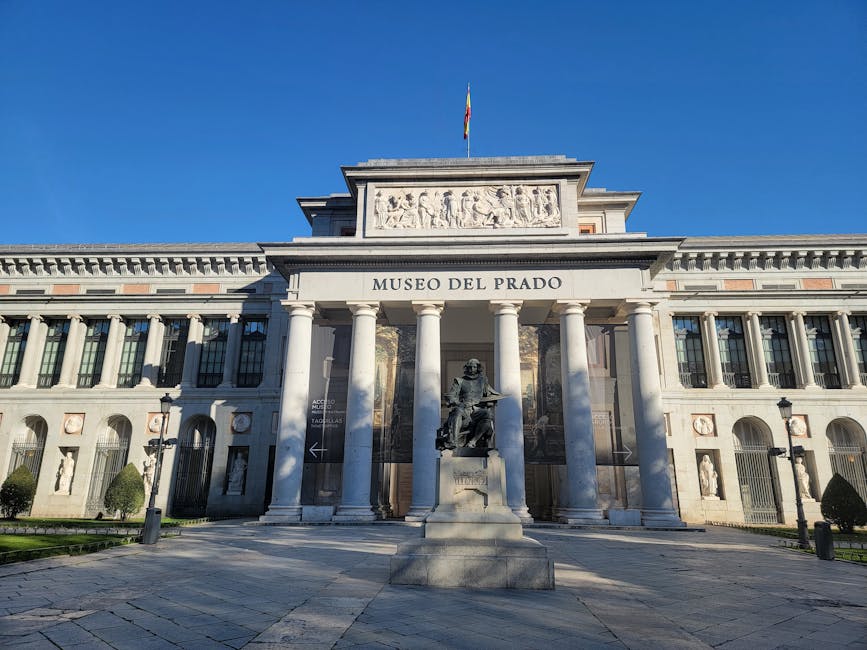
    • Address: Paseo del Prado 8, 28014 Madrid (across the street from the Prado)
    • Opening hours: Tuesday–Sunday 10am–7pm; Monday 12pm–4pm
    • Closed: January 1, May 1, December 25
    • Standard ticket: €13 (online or door, no surcharge)
    • Free entry: Mondays 12pm–4pm; permanent free for under-18s
    • Audio guide: €5
    • Average visit time: 2 hours
    • Metro: Banco de España (Line 2)

    A Brief History of the Collection

    The Thyssen-Bornemisza collection began with German-Hungarian industrialist Heinrich Thyssen-Bornemisza in the 1920s and grew through his son, Hans Heinrich Thyssen-Bornemisza (the “Baron”), through the 20th century into one of the world’s most important private collections. In 1988 the Spanish government secured a long-term loan agreement with Baron Thyssen, and the collection moved to Madrid in 1992. The Spanish state purchased the entire collection in 1993 for $350 million, making it permanently public. Carmen “Tita” Cervera, the Baron’s fifth wife, has additionally loaned her personal collection — visible in the museum’s “Carmen Thyssen-Bornemisza Collection” gallery rooms.

    The museum is housed in the late-18th-century Palacio de Villahermosa, on Paseo del Prado directly across from the Prado Museum. The neoclassical building was renovated in 1990 by Rafael Moneo to serve as a museum.

    Must-See Works at the Thyssen-Bornemisza Museum Madrid

    Thyssen-Bornemisza Museum Madrid classical paintings gallery
    The collection runs chronologically — start on the second floor for medieval works and descend.

    1. Christ and the Samaritan Woman — Duccio (c. 1310)

    The early Italian Renaissance founder’s gilt-ground altarpiece panel — a small but exquisite work in the museum’s medieval rooms.

    2. Portrait of Giovanna Tornabuoni — Domenico Ghirlandaio (1488)

    One of the museum’s signature works — the Florentine Renaissance portrait of a 22-year-old patrician woman, her elaborate dress and accessories conveying her family’s wealth and culture. Hangs in the early-Renaissance rooms.

    3. Henry VIII of England — Hans Holbein the Younger (1537)

    One of only a handful of confirmed autograph Holbein portraits of Henry VIII still in private hands until acquired by Thyssen. The image of imposing royal authority is one of the most recognizable portraits in Western art.

    4. The Annunciation — El Greco (c. 1576)

    An early El Greco work that fills a significant gap in the Spanish narrative covered partially by the Prado. The lively colors and elongated figures show El Greco emerging from his Italian training.

    5. Las Meninas (Velázquez fragment)

    A small Velázquez study related to the Prado’s masterpiece — interesting for direct comparison.

    6. View of Westminster Bridge — Canaletto (1746)

    The Venetian master’s London view — a great rare-for-Spain Italian Vedute work in superb condition.

    7. Several Impressionist Masterpieces

    The Thyssen has one of Europe’s strongest Impressionist collections outside Paris and Berlin: Monet’s Charing Cross Bridge, Pissarro’s Boulevard Montmartre series, Manet’s Amazone de Face, Degas’s ballet scenes, and Renoir’s portraits. Don’t rush this floor — these works are extraordinary.

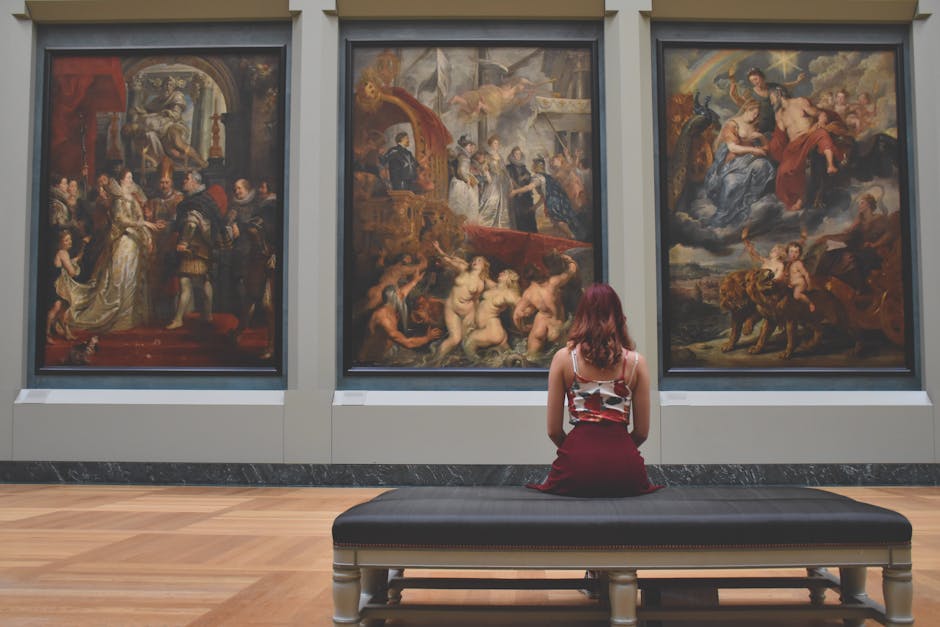
    Art museum gallery interior with Impressionist paintings hung on warm-lit walls
    The Thyssen Impressionist rooms on the first floor are among the best in southern Europe. Photo by Pexels

    8. Hotel Room — Edward Hopper (1931)

    One of the most famous works in the museum and a defining American 20th-century painting. The lonely woman in a Manhattan hotel — an essential image of urban modernity.

    9. The Saint-Thaddeus’ Pasture — Matisse (1949)

    Late Matisse — luminous color and rhythmic form.

    10. Brown and Silver I — Jackson Pollock (1951)

    One of the few major Pollocks in continental Europe — a 1951 drip painting on display in the modern galleries.

    11. Green on Maroon — Mark Rothko (1961)

    One of Rothko’s signature color-field paintings — meditative and immersive.

    12. The Carmen Thyssen-Bornemisza Collection

    An additional 200+ works on loan from Carmen Cervera, with strong holdings of late-19th-century Spanish painting (Joaquín Sorolla, Mariano Fortuny, Ignacio Zuloaga) and additional Impressionists.

    Suggested Itineraries

    If You Have 90 Minutes

    Skip the early medieval rooms (top floor) and head straight to the Renaissance galleries. Then descend to the Impressionists and the 20th-century rooms. Use the museum’s small format to stay focused.

    If You Have 2.5 Hours

    Start chronologically on the top floor (medieval and early Renaissance), descend through Renaissance and Baroque, then Impressionism, then 20th-century. The chronological flow is the museum’s strongest experience.

    If You Have a Full Half-Day

    Add the Carmen Thyssen-Bornemisza Collection (extension galleries) and any current temporary exhibition (always worth checking — the Thyssen consistently programs strong shows). Have lunch at the museum’s restaurant or in the Barrio de las Letras nearby.

    How to Buy Tickets to the Thyssen-Bornemisza Museum Madrid

    • Online: Buy at museothyssen.org. €13 standard, no surcharge.
    • Door: Same price; queues are typically much shorter than the Prado’s.
    • Free hours: Mondays 12pm–4pm. The museum is half-day open Mondays — a great free option.
    • Paseo del Arte combined ticket: €32 covers all three Golden Triangle museums (Prado, Reina Sofía, Thyssen) — saves €13 over separate tickets.
    • Free for: Under-18s, journalists, registered students, and on selected dates (May 18, October 12, December 6).

    Practical Tips for the Thyssen-Bornemisza Museum Madrid

    • Photography: Permitted without flash everywhere except temporary exhibitions and a few signposted areas.
    • Bag check: Mandatory for backpacks; free cloakroom at entrance.
    • Best time to visit: Tuesday or Wednesday morning, or Saturday afternoon. The free Monday hours are crowded.
    • Compared to the Prado: The Thyssen is much smaller, so 2 hours is sufficient — versus 3+ hours for the Prado. Pair them on the same day if energy allows.
    • Lunch: The museum café is decent. The surrounding Barrio de las Letras has many better options at the same price.
    • Wheelchair accessible: Yes, fully — the Moneo renovation included accessibility throughout.

    Where to Eat Near the Thyssen

    • Lhardy (Calle de la Carrera): 1839 historic restaurant, classic Castilian cuisine; book ahead.
    • El Sur (Calle de Espalter): Andalusian-style bistro within walking distance.
    • StreetXO (El Corte Inglés Castellana, slight detour): Dabiz Muñoz’s wild Asian fusion (€60+ menu).
    • La Castela (Calle del Doctor Castelo, 22): Classic neighborhood tavern with excellent croquetas.
    • Casa Lucio (Cava Baja, 35): Famous huevos estrellados; 15-minute walk.

    Thyssen-Bornemisza Museum Madrid FAQs

    Is the Thyssen-Bornemisza Museum Madrid worth visiting?

    Yes, especially for visitors who already plan to visit the Prado and Reina Sofía. The Thyssen fills important gaps — Italian Renaissance, Northern European, Anglo-American, Impressionism, German Expressionism, and Pop Art — that the other two largely don’t cover. It’s also smaller and less crowded.

    How long should I spend at the Thyssen?

    Plan 2 hours for the highlights. A complete chronological visit takes 2.5–3 hours. The museum is small enough that you can comfortably see most of it in a single focused visit.

    When is the Thyssen-Bornemisza Museum Madrid free?

    Mondays 12pm–4pm. The museum is half-day open Mondays specifically because of these free hours. Otherwise standard tickets apply (€13).

    Should I visit the Prado or the Thyssen first?

    If you only have one half-day, go to the Prado — it’s the bigger and more important collection. If you have a full day for art or are visiting both, do the Thyssen first (smaller, less tiring) and the Prado in the afternoon. The two are directly across the street from each other.

    Can I take photos at the Thyssen?

    Yes, photography without flash is allowed in the permanent galleries. Temporary exhibitions and select areas are exceptions; signs make these clear.

    What’s special about the Thyssen-Bornemisza collection?

    It’s the most comprehensive private painting collection in Europe — assembled across two generations of one of Europe’s wealthiest industrial families and acquired by the Spanish state in 1993 for $350 million. It covers 800 years of Western painting in 80 small rooms.

    Does the Thyssen have Picasso?

    Yes — several works including Harlequin with a Mirror (1923) and Bullfight. For Picasso’s Guernica and the deepest Picasso holdings in Madrid, visit the Reina Sofía.

    Is there a combined ticket for all three Madrid museums?

    Yes — the Paseo del Arte combined ticket is €32 and covers single visits to the Prado, Reina Sofía, and Thyssen-Bornemisza Museum Madrid within one year. Saves €13.

    Background and History

    The Museo Nacional Thyssen-Bornemisza opened in 1992 in the converted Palacio de Villahermosa on the Paseo del Prado, displaying the personal art collection of the Thyssen-Bornemisza family — assembled over three generations by August Thyssen-Bornemisza (German industrialist), his son Heinrich, and grandson Hans Heinrich. The Spanish state purchased the collection in 1993 for $350 million ($600 million inflation-adjusted) — one of the largest private art transactions in history. The acquisition was driven by Tita Cervera (Baroness Thyssen-Bornemisza), Hans Heinrich’s Spanish wife, who advocated for Spain over rival bidders New York and London. The Thyssen-Bornemisza Museum Madrid holds approximately 1,500 paintings spanning 800 years of Western art — from medieval icons (Berlinghiero) to American 20th-century painting (Hopper, Lichtenstein). The collection’s distinctive feature is its breadth: it fills gaps in the Prado (which has Spanish/Italian/Flemish but limited Northern Renaissance, Impressionism, or American art) and the Reina Sofía (which starts at 20th century). Together with the Prado and Reina Sofía, the Thyssen forms Madrid’s Golden Triangle of Art.

    Must-See Works at the Thyssen-Bornemisza Museum Madrid

    • Young Knight in a Landscape by Vittore Carpaccio (c. 1505) — Early Venetian Renaissance landmark; one of the museum’s most famous works.
    • Portrait of Henry VIII by Hans Holbein the Younger (c. 1534) — One of the few surviving Holbein portraits in private hands until Spain’s purchase.
    • Madonna of the Dry Tree by Petrus Christus (c. 1465) — Northern Renaissance jewel.
    • The Annunciation Diptych by Jan van Eyck (c. 1435) — Foundational early Netherlandish.
    • Self-Portrait by Albrecht Dürer (1498) — Renaissance self-portraiture milestone.
    • Portrait of a Young Man by Raphael (c. 1516) — Italian High Renaissance.
    • The Toilette of Venus by Rubens (c. 1635).
    • Portrait of Antonio Anselmi by Titian (c. 1550).
    • Hotel Room by Edward Hopper (1931) — Anchor of the American gallery; one of Hopper’s iconic interior compositions.
    • Brown and Silver I by Jackson Pollock (1951) — Major American abstract expressionism.
    • Woman in a Bathtub by Roy Lichtenstein.
    • Joan by Lucian Freud.
    • Picnic at Marlotte by Monet (1865).
    • The Dream by Paul Klee (1937).
    • Composition No. III by Piet Mondrian (1929).
    • Constructivist works: Strong Mondrian, Kandinsky, Klee holdings — better than Reina Sofía for European modernism.

    Visiting the Thyssen-Bornemisza Museum Madrid

    • Address: Paseo del Prado, 8 (opposite the Prado Museum).
    • Metro: Banco de España (Line 2) — 3-min walk.
    • Hours: Mon 12:00-16:00 (free); Tue-Sun 10:00-19:00.
    • Admission: €13 standard (permanent collection); €15 with temporary exhibition; free Mon 12:00-16:00 (permanent collection only).
    • Always free: Under-18, EU citizens 65+, EU students, journalists, disability cardholders.
    • Time required: 2-3 hours for full visit; 90 min for highlights.
    • Photography: Permitted in permanent collection without flash; prohibited in temporary exhibitions (varies).
    • Audio guide: €5; recommended.
    • Coat check: Free; bags larger than tote-size must be checked.
    • Café: Inside on the ground floor; better options nearby (Estado Puro across plaza).

    Optimal Visit Strategy for the Thyssen-Bornemisza Museum Madrid

    The Thyssen is organized chronologically across three floors — start at top and work down:

    • 10:00 — Second floor (medieval/Renaissance): 60 min. Carpaccio, Holbein, Petrus Christus, van Eyck, Dürer.
    • 11:00 — First floor (16th-19th century): 60 min. Titian, Rubens, Caravaggio, Goya, Manet, Renoir.
    • 12:00 — Ground floor (20th century): 45 min. Hopper, Pollock, Lichtenstein, Mondrian, Klee, Picasso.
    • 12:45 — Lunch at Estado Puro (across plaza).
    • 14:00 — Walk to Prado (3 min) for second museum visit.

    How to Visit the Thyssen-Bornemisza Museum Madrid Free

    Free hours: Monday 12:00-16:00 (permanent collection only). Always free for under-18, EU citizens 65+, EU students.

    Monday free hours queue 30-60 min. Better to pay €13 timed entry online for comfortable visit.

    Thyssen-Bornemisza Museum Madrid vs. Other Major Collections

    vs. Prado: Prado deeper Spanish/Italian/Flemish; Thyssen broader sweep including Northern Renaissance, Impressionism, American 20th century.

    vs. Reina Sofía: Reina Sofía pure 20th century; Thyssen 13th-20th centuries.

    vs. private collections elsewhere: The Frick (NYC) and Wallace Collection (London) are similar private-to-public conversions; Thyssen is broader.

    For travelers with one Madrid art day: Prado for depth; Thyssen for breadth. Many art lovers prefer Thyssen for its variety.

    More Thyssen-Bornemisza Museum Questions

    How does the Thyssen-Bornemisza Museum Madrid differ from the Prado?

    The Thyssen has broader range (medieval to 20th century, including Northern Renaissance, Impressionism, and American art). The Prado has deeper Spanish, Italian, and Flemish holdings. Together they cover Western art comprehensively.

    When is the Thyssen-Bornemisza Museum Madrid free?

    Monday 12:00-16:00 (permanent collection only). Always free for under-18, EU citizens 65+, and EU students.

    How long do I need at the Thyssen-Bornemisza Museum Madrid?

    2-3 hours for full visit; 90 minutes for highlights. Less time-intensive than the Prado.

    Can I take photos at the Thyssen-Bornemisza Museum Madrid?

    Yes in permanent collection (no flash); prohibited in temporary exhibitions.

    Should I see all three Golden Triangle museums?

    For dedicated art travelers: yes. The Paseo del Arte combined ticket (€34) covers all three at €6 savings.

    Where is Edward Hopper’s Hotel Room?

    Ground floor, American gallery. One of the most famous American paintings in Europe.

    Official Resources

    Plan Your Visit

    The Thyssen-Bornemisza Museum Madrid is the smartest single-visit complement to the Prado — smaller, less crowded, and covering exactly the periods the Prado doesn’t. With a Paseo del Arte combined ticket, you can see all three Golden Triangle museums for €32 over one or two days and leave Madrid with a comprehensive grasp of Western painting.

  • Real Madrid Stadium Tour Tickets: Complete Bernabéu Guide 2026

    Real Madrid Stadium Tour Tickets: Complete Bernabéu Guide 2026

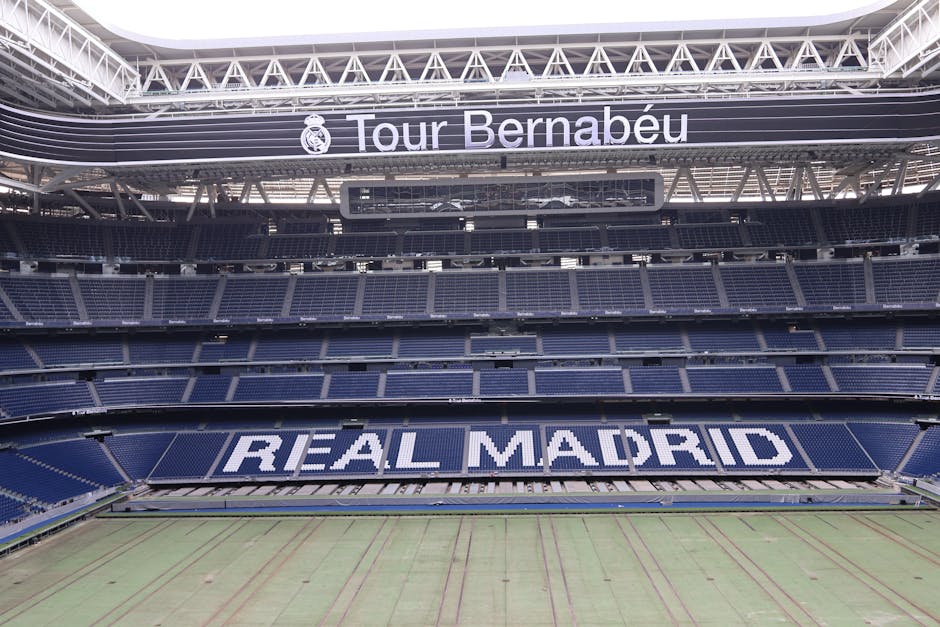
    The Santiago Bernabéu finished a €1.7 billion renovation in 2024 and it shows. The retractable roof, the underground hydraulic pitch that can be lowered for concerts, the 360-degree interior video screen, the renovated trophy room housing all 15 Champions League cups — the Bernabéu tour is genuinely worth €30 even if you don’t follow football. This guide covers ticket prices and tiers, what you’ll actually see on the tour, the new Skywalk on the stadium roof, how to handle match days, and the practical logistics of getting there and timing your visit well. It’s one of the most compelling things to do in Madrid for visitors of all ages.

    Real Madrid stadium tour tickets — Santiago Bernabéu exterior
    The renovated Santiago Bernabéu reopened in 2024 with a metallic-skinned facade and retractable roof.

    Table of Contents

    Real Madrid Stadium Tour Tickets and Prices

    • Standard Tour Bernabéu: €30 adults / €22 children (5–14)
    • Tour Bernabéu Premium: €45 adults — adds skip-the-line access and select premium areas
    • VIP Tour: €75–150 — includes guided tour by a Real Madrid host, locker-room visit on non-match days, and more
    • Family ticket: discounts available for 2 adults + 2 children
    • Free: Children under 5
    • Where to buy: Online at realmadrid.com (recommended — €5 cheaper than walk-up and skip-the-line)

    Booking Real Madrid stadium tour tickets in advance is strongly recommended in peak season (April–October) and on weekends — walk-up queues can stretch 30–60 minutes. Tickets are valid for the date and time slot selected; non-refundable but you can change the date with 48 hours’ notice.

    Opening Hours

    • Monday–Saturday: 9:30am–7:00pm (last entry 6pm)
    • Sunday and holidays: 10:00am–6:30pm (last entry 5:30pm)
    • Match days: Tour closed on La Liga or Champions League match days (and typically reopens with reduced hours the day after)
    • Closed: December 25, January 1

    Allow 2 hours minimum for the standard tour. Premium and VIP tours can take 2.5–3 hours. The tour is self-paced, so you can take longer if you wish.

    What You See on the Tour

    Real Madrid stadium tour tickets — Bernabéu seats and pitch
    The renovated bowl seats 81,000 fans, with a retractable roof and 360° video screen.

    1. The Stadium Bowl and Panoramic Views

    The tour begins with a sweeping view of the 81,000-seat bowl from the upper tier. The retractable roof and the 360° integrated LED screen are visible. On non-match days the underground hydraulic pitch is sometimes visible being lowered/raised — the Bernabéu can store its grass pitch underground to host concerts and other events on the field.

    2. Trophy Room (Sala de Trofeos)

    The undisputed centerpiece. Real Madrid’s 15 European Cup / Champions League trophies (more than any other club), 36 La Liga titles, and dozens more line a multi-room exhibit. Interactive screens cover club history from 1902 onwards. Don’t rush this — it’s the emotional core of the tour.

    Inside a large football stadium showing the pitch and tiered seating from the lower stands
    The renovated Bernabéu holds 81,000 fans and now ranks among Europe’s most technically advanced stadiums. Photo by Pexels

    3. The Press Room

    The recently renovated press room where post-match conferences happen. Visitors can sit at the dais. A photo opportunity for fans.

    4. Tunnel and Dugout Walk

    Walk the players’ tunnel from the dressing rooms to the pitch — the same path Vinícius, Bellingham, and Modrić take before kick-off. Reach the bench/dugout and sit in the same spots used by Carlo Ancelotti.

    5. Pitchside

    Stand at the edge of the pitch (you’re not allowed on the grass, but you can touch it from the perimeter). The renovated bowl rises dramatically above you.

    6. The Visitors’ Dressing Room

    Open to standard tour visitors. The Real Madrid first-team dressing room is reserved for VIP tour holders only.

    7. The Bernabéu Skywalk

    Added in the 2024 renovation: a 360-degree exterior walkway around the stadium’s roof, offering panoramic city views with the Cuatro Torres and the Sierra de Guadarrama on the horizon. Premium ticket only.

    8. Interactive Experiences

    The tour includes immersive video projections, holograms of past Real Madrid legends, and AR/VR experiences where you can virtually take a penalty kick, score in El Clásico, or pose for a photo with current first-team players.

    9. Real Madrid Megastore

    The 2,500-square-meter flagship store at the end of the tour. Jerseys (€90+ for replicas, €120+ for player versions), scarves, kids’ kits, and unique souvenirs. Customizable with player names and numbers.

    Going to a Real Madrid Match Instead

    If a match is happening during your visit, attending is the ultimate Bernabéu experience. La Liga season runs August through May (typically Saturday or Sunday matches). Champions League games are midweek (Tuesday or Wednesday).

    • Tickets: From €50 for upper-tier La Liga games against smaller clubs; €100–500+ for big matches (Barcelona, Atlético Madrid, Champions League quarterfinals+).
    • Where to buy: Always go through the official Real Madrid website to avoid scam tickets. Tickets typically released 2–3 weeks before each match.
    • Stadium opens: 90 minutes before kick-off; arrive 60 minutes early to navigate security and find your seat.
    • The atmosphere: Expect 80,000+ fans with the famous “Hala Madrid” chant. Even small La Liga games feel electric.

    Note: Real Madrid stadium tour tickets are not available on match days — you can only do the tour OR attend a game.

    How to Get to the Bernabéu

    • Metro: Santiago Bernabéu station (Line 10) is at the front gate — the easiest option. About 15 minutes from central Madrid.
    • Bus: Multiple lines stop at Plaza del Lima or along Paseo de la Castellana.
    • Walk: 30–35 minutes from Plaza de Cibeles up the Castellana — pleasant in good weather.
    • Address: Avenida de Concha Espina 1, 28036 Madrid.

    Practical Tips

    • Book Real Madrid stadium tour tickets in advance online: Saves €5 vs walk-up, skips the queue.
    • Best time of day: Open at 9:30am or after 4pm — middle of the day is busiest with tour groups.
    • Photography: Allowed everywhere except select interactive areas. Tripods not permitted.
    • Bag check: Mandatory; cloakroom available.
    • Wheelchair accessible: Yes throughout, with elevators on every level.
    • Children: Ages 5–14 pay €22; under 5 free. Highly recommended for football-loving kids.
    • Eat first: The food options at the stadium are limited and pricy. Surrounding Chamartín neighborhood has good cafés on Calle de Padre Damián.
    • Allow 2 full hours: Self-paced; serious fans easily spend 3+ hours.

    What About Atlético Madrid?

    Madrid’s other major club, Atlético, has its own stadium tour at the Riyadh Air Metropolitano (formerly Cívitas Metropolitano) east of the city. Tickets are €25 — slightly cheaper than the Bernabéu — and the tour is more compact but still excellent. If you’re a fan of Atléti or have a longer Madrid stay, it’s worth doing both.

    Real Madrid Stadium Tour Tickets FAQs

    How much are Real Madrid stadium tour tickets?

    Standard Real Madrid stadium tour tickets are €30 for adults and €22 for children 5–14. Premium tickets with skip-the-line and the rooftop Skywalk are €45. VIP options run €75–150.

    Where can I buy Real Madrid stadium tour tickets?

    The official Real Madrid website (realmadrid.com) is the cheapest and safest source. Get Your Guide and Viator also resell tickets at slight premiums. Avoid third-party street sellers near the stadium.

    Do I need to book Real Madrid stadium tour tickets in advance?

    Strongly recommended — especially in peak season (April–October), school holidays, and weekends. Walk-up tickets are available but you’ll wait 30–60 minutes and pay €5 more.

    How long is the Bernabéu tour?

    Allow at least 2 hours for the standard self-guided tour. Premium tours with the Skywalk add 30 minutes. VIP guided tours run 2.5–3 hours.

    Is the Bernabéu tour worth it for non-football fans?

    Yes — the renovated 2024 Bernabéu is now a tourist attraction in its own right, with the retractable roof, 360° video screen, and Skywalk being engineering and architectural feats. Even casual sports fans find the trophy room and the underground pitch system fascinating.

    Can I take photos on the tour?

    Yes, photography is permitted throughout the tour except in a few interactive areas. Tripods aren’t allowed; phones and handheld cameras are fine.

    Is the Bernabéu tour available on match days?

    No — the tour is closed on La Liga and Champions League match days. Check Real Madrid’s match calendar before booking.

    What’s the best time to visit Bernabéu?

    Right at opening (9:30am Mon–Sat or 10am Sun) or after 4pm. The middle of the day, especially school holidays, sees the biggest tour groups.

    Can I visit the dressing room?

    Standard tour visitors see the visitors’ dressing room. The Real Madrid first-team dressing room is reserved for VIP tour holders.

    Background and History

    The Santiago Bernabéu Stadium is Real Madrid’s home — the most successful football club in history with 15 European Cup/Champions League titles (as of 2024) and 36 La Liga championships. The stadium opened in 1947 (when it was named Estadio Chamartín) and was renamed in 1955 after club president Santiago Bernabéu, the visionary who built Real Madrid into the global brand it is today. The stadium underwent a €1.2 billion renovation 2019-2024, transforming it into one of football’s most futuristic venues — a retractable roof, retractable pitch (the grass surface can be lowered into underground storage), 360° interior video screens, premium hospitality areas, and a dramatically redesigned stadium tour experience that includes the trophy room with all 15 Champions League trophies, the dressing rooms, the press conference room, and pitchside views. Stadium capacity: 81,044. The Real Madrid stadium tour tickets sell out for big-match weekends and Champions League nights — book ahead. This guide covers everything: how to buy tickets, what to expect on the tour, when to visit, how to combine with a match-day experience, and practical logistics including metro access and food options.

    What to See on the Bernabéu Stadium Tour

    • Trophy Room: All 15 Champions League trophies, 36 La Liga titles, World Cup memorabilia. Arguably football’s most extensive trophy collection.
    • Players’ Dressing Rooms: Walk through Real Madrid’s home dressing room.
    • Tactical Discussion Room: Where Carlo Ancelotti delivers pre-match team talks.
    • Tunnel Walk: Walk the players’ tunnel from dressing room to pitch.
    • Pitchside Access: Stand on the touchline (no walking on pitch).
    • Bernabéu Crown Jewel Box (premium tour): VIP boxes with stadium overlook.
    • Press Conference Room: Where post-match press conferences happen.
    • Mixed Zone: The corridor where players speak to journalists.
    • Stadium history exhibition: Photographs, videos, jerseys spanning Real Madrid’s 122-year history.
    • 360° pitch viewing experience: New post-renovation video presentation.
    • Real Madrid official store: Ground floor; jerseys, scarves, memorabilia.

    Real Madrid Stadium Tour Tickets and Practical Information

    • Address: Avenida de Concha Espina, 1.
    • Metro: Santiago Bernabéu (Line 10) — directly outside.
    • Hours: Daily 10:00-19:00 (last entry 18:00); shorter on match days (closes 5 hours before kickoff).
    • Standard tour ticket: €30 adult; €20 child (5-14); under-5 free.
    • Premium experience tickets: €60-120 (includes Crown Jewel Box, VIP areas).
    • Buy tickets: Online at realmadrid.com — saves the queue. Print or mobile.
    • Tour duration: 90 minutes self-guided. Allow 2 hours including shop.
    • Photography: Permitted throughout; selfie sticks banned.
    • Match day closures: Tour closes 5 hours before kickoff and remains closed during matches.
    • Best times to visit: Tuesday-Thursday mid-day for fewest crowds.
    • Worst times: Champions League weeks (high tour demand from visiting fans).
    • Audio guide: Included with ticket.

    Combine Bernabéu Stadium Tour with Madrid North

    • 10:00-12:00 — Bernabéu Stadium Tour (2 hours including shop).
    • 12:00-13:30 — Lunch at Lakasa or Punto MX (Salamanca district nearby).
    • 13:30-15:00 — Walk south through Salamanca district.
    • 15:00-17:00 — Lázaro Galdiano Museum (15 min walk).
    • 17:00-19:00 — Calle Serrano shopping or Archaeological Museum.
    • 20:00-22:00 — Real Madrid match (if available): Return to Bernabéu for the game.

    Match Day Experience vs. Stadium Tour

    The Real Madrid match day experience and the stadium tour are complementary but separate:

    Stadium tour: €30 standard; daily; 90 min self-guided. Includes trophy room and dressing rooms (closed on match days).

    Match day: €40-300+ depending on opponent and seat. Buy at realmadrid.com (members priority); resale on Vivid Seats and StubHub.

    Combined experience: Many fans do tour during the day + match in the evening. Tour closes 5 hours before kickoff — plan accordingly.

    Bernabéu vs. Other Football Stadium Tours

    vs. Camp Nou (Barcelona): Camp Nou under renovation 2024-2026. Bernabéu’s 2024 reopening makes it the more impressive current experience.

    vs. Old Trafford (Manchester United): Bernabéu has more recent renovation; Old Trafford has more historic atmosphere.

    vs. Wembley (London): Wembley is national stadium; Bernabéu is club stadium with weekly home matches.

    For football fans: Bernabéu is among the world’s essential stadiums, especially after the 2024 renovation.

    More Bernabéu stadium tour Questions

    How much do Real Madrid stadium tour tickets cost?

    €30 for adults; €20 for children 5-14; under-5 free. Premium VIP experiences €60-120.

    Can I see the trophy room?

    Yes — the trophy room with all 15 Champions League trophies is included in the standard tour. One of the highlights.

    When is the Bernabéu Stadium tour closed?

    Closed during matches and 5 hours before kickoff. Verify match calendar at realmadrid.com before booking. Closed January 1 and December 25.

    Should I book Bernabéu tour tickets in advance?

    Yes — especially for Champions League weeks and weekends. Online ticket purchase saves the queue.

    Is the Bernabéu Stadium tour family-friendly?

    Excellent for ages 6+ — engaging trophy collection, tunnel walk, and pitchside experience. Younger children may find the 90-minute duration challenging.

    How do I get to the Bernabéu Stadium?

    Metro: Santiago Bernabéu (Line 10) directly outside the stadium. From central Madrid: ~15 min metro ride.

    Official Resources

    Plan Your Visit

    Buy Real Madrid stadium tour tickets in advance, time your visit either at opening or in the late afternoon, and budget at least 2 hours inside. With the 2024 renovation, the Bernabéu now belongs on every Madrid first-time itinerary — even for visitors with no particular allegiance to football.

  • What to Do in Madrid When It Rains: 15 Best Indoor Ideas (2026)

    What to Do in Madrid When It Rains: 15 Best Indoor Ideas (2026)

    Madrid gets around 60 rainy days a year, mostly in autumn and spring. When one ambushes your trip, the city barely misses a beat — the Prado alone absorbs three hours, the Reina Sofía another two, and the Thyssen-Bornemisza is the most manageable of the three at 90 minutes. Then there are the covered gourmet markets, the Royal Palace interior, Arab bathhouses, 16th-century convents, and what may be the world’s most beautiful library. This guide covers 15 indoor options ranked by how rainy-day-friendly they are, with enough logistics to plan start to finish.

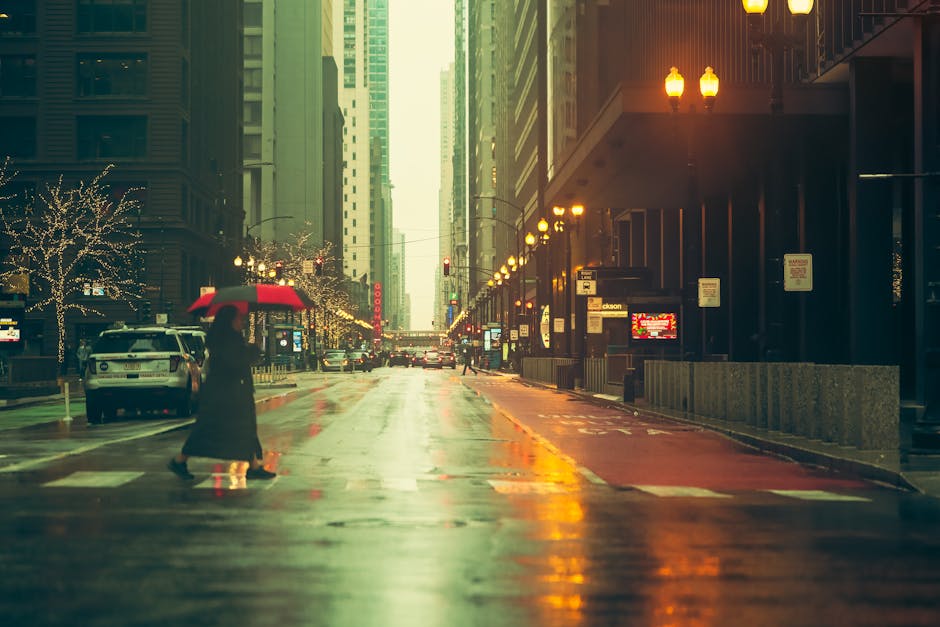
    What to do in Madrid when it rains — pedestrian on wet city street
    Madrid’s worst rainy days are still excellent for indoor culture.

    Table of Contents

    What to Do in Madrid When It Rains: 15 Best Indoor Ideas

    1. Prado Museum (3+ hours)

    The world-class collection of Velázquez, Goya, El Greco, and Bosch is the perfect rainy-day refuge. Indoor, climate-controlled, and you could easily spend half a day. €15 admission; free Mon–Sat 6pm–8pm. See our Prado Museum guide.

    2. Reina Sofía Museum (2.5+ hours)

    Picasso’s Guernica plus a stellar 20th-century collection. Closed Tuesdays, otherwise open until 9pm. €12 admission. See our Reina Sofía guide.

    3. Thyssen-Bornemisza Museum (2 hours)

    The smaller, less crowded third Golden Triangle museum, with strong Italian Renaissance, Anglo-American, and German Expressionist holdings. €13 admission, free Mondays 12pm–4pm. See our Thyssen guide.

    4. Royal Palace and Royal Collections Gallery (2-3 hours)

    The Palace’s 50 public rooms plus the new (2023) Galería de las Colecciones Reales next door make for an extensive rainy-day program. Combined ticket €19. See our Royal Palace tickets guide.

    5. Mercado de San Miguel (1–2 hours)

    The 1916 wrought-iron gourmet market is fully covered and ideal for grazing your way through Spanish specialties on a rainy afternoon. Pricier than neighborhood bars but perfect when you don’t want to stand in the rain hopping between tapas spots.

    Busy indoor food market with gourmet stalls under a glass and iron roof in Madrid
    Madrid’s covered mercados like San Miguel are ideal rainy-day destinations. Photo by Pexels

    6. CaixaForum (1.5 hours)

    Herzog & de Meuron’s striking cultural center on Paseo del Prado hosts free or low-cost rotating exhibitions. The vertical garden on its facade is photogenic even in the rain. Indoor café and bookshop are pleasant lingering spots.

    7. Hammam Al Ándalus Spa (2 hours)

    The Arab-style baths in a converted 12th-century cellar near Plaza Mayor are exquisite for a rainy afternoon. Hot, warm, and cold pools, hammam steam, and optional massage. €40–80 depending on package; book in advance.

    8. Convento de las Descalzas Reales (1.5 hours)

    This 16th-century royal convent — still home to cloistered Franciscan nuns — opens its 17th-century treasures (Rubens tapestries, painted staircase, royal portrait collection) on guided tours. €8. One of Madrid’s most underrated cultural sites and entirely indoors.

    9. Biblioteca Nacional (1 hour)

    The National Library’s main hall is one of Madrid’s most beautiful interiors, with rotating free exhibitions. The Museo de la Biblioteca on the lower level showcases manuscripts and rare books. Free.

    10. Cines Doré and Filmoteca Española (2 hours)

    The 1923 Cines Doré in Lavapiés is Spain’s national film archive cinema, showing classic and art-house films year-round at €3 admission. A perfect rainy afternoon for film lovers.

    Cozy Madrid café — what to do in Madrid when it rains
    Madrid’s historic cafés are the perfect refuge from a rainy afternoon.

    11. Café Gijón and Madrid’s Historic Cafés (1+ hours)

    The 1888 Café Gijón on Paseo de Recoletos has hosted Spain’s literary tertulias for over 130 years. Order a coffee or vermouth, sink into a leather banquette, and watch the rain fall. Other historic cafés worth knowing: Café Comercial (1887, recently revived), Café del Real (Plaza de Oriente, free piano music), and the Chocolatería San Ginés (open 24 hours, churros con chocolate since 1894).

    12. El Corte Inglés Department Store (1-2 hours)

    Spain’s flagship department store on Calle Preciados is huge, climate-controlled, and a rainy-day institution. The 9th-floor Gourmet Experience offers high-end food and drink with rooftop views over the city.

    13. Estación de Atocha Tropical Garden (30 minutes)

    The 1892 wrought-iron former concourse of Atocha Station has been converted into a covered tropical garden with palms, ponds, turtles, and tropical fish — a wonderful, free, indoor escape. A useful lobby for catching a Toledo or Seville train.

    14. Bernabéu Stadium Tour (2 hours)

    The renovated 2024 Bernabéu has a fully indoor, retractable-roof stadium tour. €30 admission. See our Real Madrid stadium tour tickets guide.

    15. Cooking Class or Flamenco Show (2-3 hours)

    Several Madrid cooking schools (Devour Madrid, Cooking Point) offer rain-proof half-day paella, tapas, and tortilla classes for €60–90 per person. Or book a flamenco tablao show — Corral de la Morería, Casa Patas, Cardamomo all run 1–2 hour shows starting around 6pm. €35–75.

    More Museums for a Rainy Day

    If the big three are crowded, Madrid has dozens of smaller museums perfect for a rainy day:

    • Museo Sorolla: The painter’s preserved home/studio in a small mansion — peaceful, beautiful, often nearly empty. €3.
    • Museo Lázaro Galdiano: A private collector’s mansion turned museum, with Goya, Bosch, El Greco. €7.
    • Museo del Romanticismo: A preserved 19th-century bourgeois palace. €3.
    • Museo Cerralbo: A 19th-century aristocratic home frozen in 1922. €3.
    • Museo Arqueológico Nacional: National Archaeological Museum on Calle Serrano, with the Dama de Elche. €3.
    • Museo Naval: Free. Naval history, ship models, the famous Juan de la Cosa world map (1500).
    • Museo del Traje: Spanish fashion and textile history. €3.
    • Museo de la Real Academia de Bellas Artes: “Madrid’s second Prado” — Goya, El Greco, Picasso. €8, free Wednesdays.

    Markets and Indoor Eating

    Madrid’s mercados — covered food markets — are excellent rainy-day spots. Beyond the famous Mercado de San Miguel:

    • Mercado de San Antón (Chueca): 3 floors of food, plus a rooftop bar.
    • Mercado de San Fernando (Lavapiés): Less touristy, neighborhood-feel.
    • Mercado de la Paz (Salamanca): Upscale, with the famous Casa Dani serving the best tortilla in Madrid.
    • Platea Madrid (Plaza de Colón): Former cinema converted into a multi-level food hall.
    • Mercado de Antón Martín: 1940s market with a strong Latin American food contingent and cooking classes.

    Wellness and Relaxation

    Beyond the Hammam Al Ándalus, several Madrid spas offer indoor warmth on a rainy day: Sky Wellness Spa at the Riu Plaza España, Le Spa Royal Theatre at the InterContinental, and the Bodega Nuestro Vino wine spa concept where wine tasting and treatments combine. Most cost €40–120 per session.

    A Sample Rainy-Day Itinerary

    • 9:30am: Breakfast at Café Comercial or Chocolatería San Ginés (churros con chocolate).
    • 10:30am: Prado Museum opens — head straight to Las Meninas and Goya’s Black Paintings.
    • 1:30pm: Walk (with umbrella) or metro to Plaza Mayor; grab lunch at Mercado de San Miguel.
    • 3:00pm: Convento de las Descalzas Reales guided tour.
    • 5:00pm: Hammam Al Ándalus session (book the 5pm slot in advance).
    • 8:00pm: Dinner at a covered tapas spot — Casa Lucio, Botín, or any Cava Baja taberna.
    • 11:00pm: Late-night cocktails at Salmón Gurú (an indoor mixology bar).

    Tips for Madrid in the Rain

    • Bring a folding umbrella: Sold at every kiosk if needed (€8–15).
    • Wear waterproof shoes: Madrid streets pool quickly during downpours.
    • Rain rarely lasts all day: Spring storms typically clear within 2-3 hours; plan an indoor morning and outdoor afternoon if possible.
    • Metro and bus run smoothly in the rain: Public transport is fully under cover and usually faster than walking when wet.
    • Avoid the rooftop bars: Most close in heavy rain; many transition to covered indoor sections.
    • Madrid’s metro art: Several stations have notable art installations — Pacífico’s mural, Conde de Casal’s stained glass — making metro waits more interesting.

    What to Do in Madrid When It Rains FAQs

    Does it rain a lot in Madrid?

    No — Madrid averages only about 60 rainy days per year and roughly 420mm of rain. The wettest months are October, November, and April. Summer is essentially dry. So if it’s raining during your visit, it’s relatively unusual.

    What’s the best indoor activity in Madrid?

    The Prado Museum is the consensus answer for what to do in Madrid when it rains — world-class, climate-controlled, and easily fills 3-4 hours. Add the Reina Sofía or Royal Palace for a full rainy day.

    Are Madrid’s museums good for kids on a rainy day?

    The Wax Museum, Museum of Illusions, and Telefónica Museum are all kid-friendly indoor options. CosmoCaixa science museum, the Museum of Natural Sciences, and the Bernabéu tour also work well. See our Madrid with kids guide.

    Can I do a Toledo day trip if it’s raining?

    Less ideal — Toledo’s charm is largely outdoor (the cobblestone streets, viewpoints, river walks). If a downpour is forecast all day, save Toledo for a clearer day. The Cathedral, synagogues, and Alcázar are indoors but the walks between them are exposed.

    What’s the best free thing to do when it rains?

    Free options for what to do in Madrid when it rains include: Biblioteca Nacional, CaixaForum exhibitions, Atocha tropical garden, El Corte Inglés (window shopping), Estación de Príncipe Pío shopping, and free museum hours at the big three. See our free things to do guide.

    Are Madrid’s parks closed when it rains?

    No — Retiro, Madrid Río, and Casa de Campo all stay open. But the dirt and gravel paths can become muddy. Sticking to paved main avenues works fine. The Crystal Palace in Retiro is gorgeous in rain.

    Can I get a same-day Bernabéu tour ticket if it’s raining?

    Usually yes — Bernabéu sells walk-up tickets but you’ll save €5 and skip the queue by booking online. Match days are exceptions; the tour doesn’t run on those days.

    Background and History

    Madrid receives approximately 440 mm of rain per year — relatively dry compared to northern Spanish cities, but still with 60+ rainy days annually concentrated in November-April. When Madrid does rain, the city offers exceptionally strong indoor cultural infrastructure: world-class museums, historic taverns, covered food markets, indoor shopping districts (El Corte Inglés, Mercado de San Antón), traditional cafés, and the Royal Palace’s vast indoor tour. Rainy days in Madrid actually have advantages: museums are less crowded, rooftop terraces have indoor alternatives, and the city’s afternoon-coffee café culture comes alive. This guide covers all the best things to do in Madrid when it rains — museums, food markets, taverns, indoor shopping, hammams, hot chocolate destinations, and indoor entertainment.

    Top Things to Do in Madrid When It Rains

    Major museums (perfect for rain):

    • Prado Museum — 3+ hours indoor.
    • Reina Sofía — 2-3 hours indoor.
    • Thyssen-Bornemisza — 2 hours indoor.
    • Royal Palace tour — 2-3 hours indoor.
    • Sorolla Museum, Lázaro Galdiano, Cerralbo — smaller museums, all indoor.
    • Archaeological Museum, Naval Museum.

    Indoor food experiences:

    • Mercado de San Miguel (covered).
    • Mercado de San Antón (covered, restaurant level).
    • Mercado de la Reina (Gran Vía).
    • Long lunch at La Bola (cocido) or Lhardy.
    • Hot chocolate at San Ginés (open 24h).
    • Wine tasting at Casa González.

    Indoor shopping:

    • El Corte Inglés flagship (Calle Preciados).
    • Mercado de la Paz (Salamanca, covered).
    • Galería Canalejas (luxury shopping).
    • Books at La Central (Reina Sofía area).
    • Antique shopping in Salesas district.

    Indoor entertainment:

    • Teatro Real opera or ballet performance.
    • Flamenco tablao show (Corral de la Morería, Cardamomo).
    • Cinema (multiple central options).
    • Bowling at Bowling Chamartín.
    • Indoor escape room.

    Wellness:

    • Hammam Al Ándalus (Arab-style baths in old Madrid). €40-60.
    • Aire Ancient Baths (luxury Roman baths). €80-120.
    • Spa days at Mandarin Oriental Ritz or Hotel Wellington.

    Architecture you can shelter in:

    • Almudena Cathedral.
    • Atocha Train Station tropical garden (free, indoor jungle).
    • Círculo de Bellas Artes (cultural center with rooftop).
    • CentroCentro at Palacio de Cibeles.

    Practical Tips for Rainy Days in Madrid

    • Metro is your friend: €10/day pass for unlimited rides; many central stations connect to museums and shopping.
    • Umbrellas: Purchase at any Chinese-owned bazar for €4-6.
    • Heated taxi: €5-15 for short rides; useful for elderly travelers.
    • Atocha Train Station tropical garden: Free indoor jungle; good if you have time before train.
    • Avoid Retiro Park: Most paths get muddy.
    • Avoid outdoor tapas terraces: Indoor tapas bars (Casa Lucio, Bodega de la Ardosa) preferred.
    • Best rainy-day food: Cocido madrileño (heavy stew) at La Bola Taberna.

    Sample Rainy Day Madrid Itinerary

    • 10:00 — Prado Museum (3 hours indoor).
    • 13:00 — Lunch at La Bola Taberna: Cocido madrileño in 1870 setting.
    • 14:30 — Walk to Royal Palace (umbrella).
    • 15:00 — Royal Palace tour (3 hours indoor).
    • 18:00 — San Ginés hot chocolate.
    • 19:00 — Mercado de San Miguel: Indoor tapas + vermouth.
    • 21:00 — Indoor flamenco at Corral de la Morería: Show + dinner.

    Free Rainy Day Activities

    • Prado free hours 18:00-20:00.
    • Reina Sofía free 19:00-21:00.
    • Atocha Station tropical garden — always free.
    • Almudena Cathedral — always free.
    • Naval Museum — always free.
    • El Corte Inglés flagship browsing — always free.
    • CentroCentro at Palacio de Cibeles — exhibitions free.
    • Window shopping in Salamanca district.

    Madrid vs. Other Rainy European Cities

    Madrid rainy days: Strong museum infrastructure; warm taverns; indoor food markets.

    London: More museum density; pub culture; covered Borough Market.

    Paris: Indoor cafés; covered passages; Louvre.

    Madrid’s advantage: Less rain overall (60 rainy days/year vs. 100+ in London); when it rains, indoor culture is excellent.

    More Rainy day Madrid Questions

    Does it rain a lot in Madrid?

    No — Madrid is one of Europe’s drier capital cities, with about 440 mm of rain per year and 60 rainy days annually. November-April is the wet season.

    What’s the best museum for a rainy day in Madrid?

    The Prado Museum — 3+ hours of indoor visit; the world’s top Spanish art collection. Or the Royal Palace for variety (architecture, art, weapons, kitchens).

    Where can I get dry shelter in central Madrid?

    Atocha Train Station tropical garden (free indoor jungle), El Corte Inglés flagship, any of Madrid’s covered food markets (San Miguel, San Antón), or the Mercado de la Paz.

    Are Madrid’s hammams worth it on rainy days?

    Yes — Hammam Al Ándalus and Aire Ancient Baths offer 90-minute Arab-style bath experiences (€40-120) — perfect rainy-day indoor luxury.

    Can I walk in Retiro Park when it rains?

    Possible but paths get muddy; most paved areas remain walkable. Better to choose indoor activities during heavy rain.

    What’s the iconic Madrid rainy-day food?

    Hot chocolate with churros at Chocolatería San Ginés (open 24 hours) or cocido madrileño (chickpea stew) at La Bola Taberna.

    Official Resources

    Plan Your Visit

    Knowing what to do in Madrid when it rains turns a potentially disappointing day into one of the best of a trip — Madrid’s indoor culture is so deep that many travelers find a rainy afternoon at the Prado or in the Hammam more memorable than a sunny day in a crowded plaza.

  • Top Things to See in Madrid: 10 Best Attractions for First-Timers

    Top Things to See in Madrid: 10 Best Attractions for First-Timers

    Here are the top things to see in Madrid on a first visit — distilled from over a dozen attractions to the ten that consistently top travelers’ “best of Madrid” lists. This is the shortlist I give every first-time Madrid visitor: ten sights that consistently deliver, ranked by impact. The Prado for Velázquez and Goya. The Royal Palace for sheer Baroque scale. Plaza Mayor for Habsburg atmosphere. Retiro Park for a free afternoon. And Guernica at the Reina Sofía, which stops people in their tracks every time. Each entry covers what to see, how long you need, what tickets cost, and how to fit it into a sensible multi-day plan.

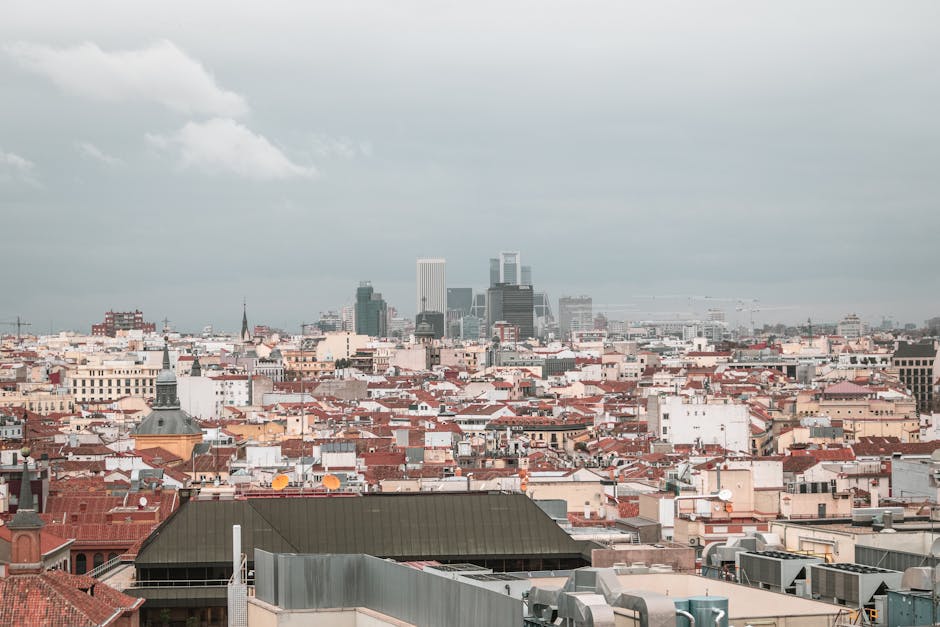
    Top things to see in Madrid — aerial city skyline
    Madrid is one of Europe’s most walkable capitals — most top sights cluster within a 2 km radius.

    Table of Contents

    Top Things to See in Madrid: The Definitive List

    1. Prado Museum

    Spain’s national art museum is the single greatest cultural attraction in Madrid and a top-five painting collection in the world. Velázquez’s Las Meninas, Goya’s Black Paintings, and Bosch’s Garden of Earthly Delights alone justify the €15 ticket. Allow 2.5–4 hours. See our complete Prado Museum guide.

    2. Royal Palace and Almudena Cathedral

    The largest functioning royal palace in Western Europe — 3,418 rooms, around 50 open to the public. The Throne Room, Gasparini Room, and Porcelain Room are extraordinary. Combine with Almudena Cathedral across the Plaza de la Armería. €14 admission. Allow 2–3 hours. See our Royal Palace tickets guide.

    3. Reina Sofía and Picasso’s Guernica

    The 20th-century art counterpart to the Prado. Picasso’s monumental Guernica is the centerpiece, but the Dalí, Miró, and Spanish post-war collections are also essential. €12 admission. Allow 2.5 hours. See our Reina Sofía and Guernica guide.

    4. Plaza Mayor

    The 1619 Habsburg ceremonial square is Madrid’s symbolic heart. Bullfights, coronations, and even autos-da-fé happened here. Free to enter; the cafés on the square charge premium tourist prices. Combine with a tapas crawl down Calle Cava Baja afterward.

    Puerta del Sol — top things to see in Madrid
    Puerta del Sol — the symbolic center of Madrid and Spain (Kilometre Zero is here).

    5. Retiro Park

    Madrid’s central park — 125 hectares with rowboats on the Estanque, the Crystal Palace, the rose garden in May, and free Sunday street performers. Especially atmospheric on weekends. Free entry. See our Retiro Park activities guide.

    6. Templo de Debod and Sunset Views

    An actual ancient Egyptian temple (2nd century BCE) reassembled in Madrid in 1968 — a gift from Egypt for Spanish help saving the Abu Simbel monuments. The surrounding hilltop park offers Madrid’s most legendary sunset view, looking west over Casa de Campo and the Sierra mountains. Free.

    7. Mercado de San Miguel and Tapas Crawl

    The 1916 wrought-iron Mercado de San Miguel, a few steps from Plaza Mayor, is Madrid’s most famous gourmet food market — touristy but lovely for a sample plate of jamón, oysters, croquetas, and vermouth. Then walk to Calle Cava Baja or Lavapiés for proper tapas at neighborhood prices.

    8. Gran Vía and Architectural Walk

    Madrid’s grand 1910s–1930s avenue is a free open-air architecture museum. Walk from Plaza de España to Plaza de Cibeles passing the Edificio España, the Telefónica Building (Madrid’s first skyscraper), the Metropolis Building with its winged Victory, and other Beaux-Arts and Art Deco landmarks. End on the rooftop of the Círculo de Bellas Artes (€5) for panoramic city views. See our Madrid history and architecture guide.

    9. Bernabéu Stadium Tour (Real Madrid)

    Real Madrid’s Santiago Bernabéu Stadium reopened in 2024 after a complete renovation — making the Tour Bernabéu the most state-of-the-art stadium tour in Europe. €30 admission. Allow 2 hours. See our Bernabéu stadium tour guide for booking tips.

    10. Toledo Day Trip

    30 minutes south by AVE train, the medieval UNESCO World Heritage city of Toledo is the best day trip from Madrid — a Gothic cathedral, ancient synagogues, El Greco paintings, and the most photogenic skyline in central Spain. Allow a full day. See our Toledo day trip guide.

    Honorable Mentions

    Beyond the top ten, several other top things to see in Madrid round out a longer visit: the Thyssen-Bornemisza Museum (the third Golden Triangle museum, often less crowded than the Prado), El Rastro Sunday flea market in La Latina, Madrid Río linear park along the Manzanares, the Mercado de San Antón in Chueca, the Convento de las Descalzas Reales (a 16th-century royal convent rarely on tourist itineraries), and the Parque del Capricho (a hidden 18th-century romantic garden, only open weekends).

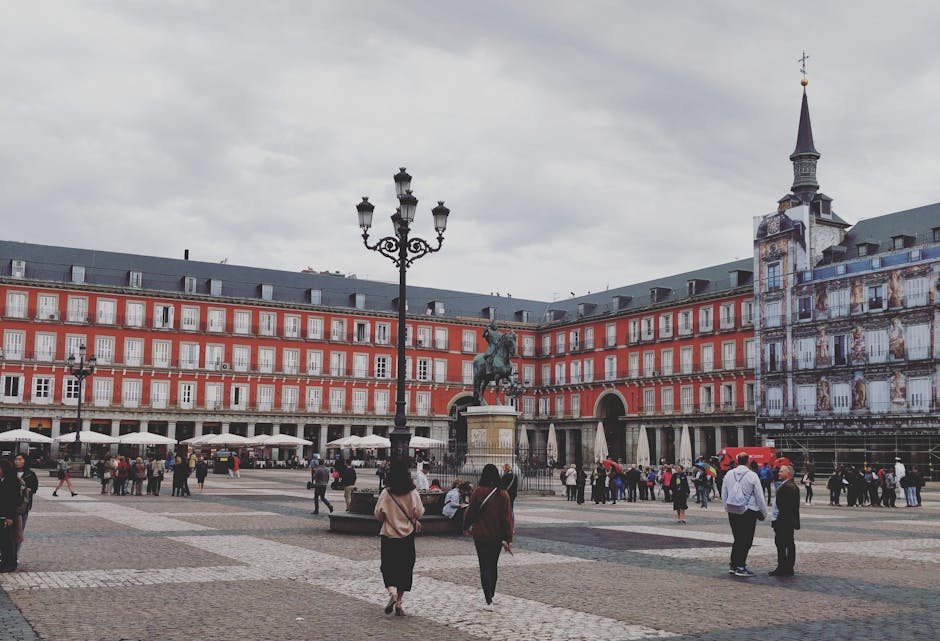
    Plaza Mayor Madrid historic Habsburg square with arched buildings and central plaza
    Plaza Mayor, built in 1619, is free to enter and the most photogenic square in Madrid. Photo by Pexels

    A 3-Day Plan to See Them All

    Day 1 — Habsburg Madrid and the Prado

    Morning: Plaza Mayor → Mercado de San Miguel for coffee → Calle Mayor walk to Plaza de Oriente → Royal Palace tour. Afternoon: Lunch in La Latina → Prado Museum. Evening: Tapas crawl on Calle Cava Baja or Calle de la Cruz.

    Day 2 — Bourbon Madrid and Modern Art

    Morning: Reina Sofía Museum (with Guernica). Lunch: Lavapiés tapas. Afternoon: Retiro Park (Crystal Palace, Estanque rowboats). Evening: Sunset at Templo de Debod, dinner in Malasaña or Chueca.

    Day 3 — Day Trip and Football

    Morning to mid-afternoon: Toledo day trip. Late afternoon: Bernabéu Stadium tour (or, if matchday, attend a game). Evening: Dinner in Salamanca or Chamberí.

    For more detailed day-by-day plans (including 5- and 7-day options), see our Madrid itinerary planner.

    Ticket Strategy: How to Save Time and Money

    • Paseo del Arte combined ticket (€32): Covers all three Golden Triangle museums (Prado, Reina Sofía, Thyssen) — saves €13 over separate tickets.
    • Madrid Tourist Travel Pass: Unlimited public transport for 1, 2, 3, 5, or 7 days (€9–47) — pays for itself if you take 5+ trips/day.
    • Bernabéu Tour: Book online to avoid €5 walk-up surcharge.
    • Free museum hours: Prado free Mon–Sat 6pm–8pm and Sun 5pm–7pm; Reina Sofía free 7pm–9pm Mon, Wed–Sat. Beats paying €15 if you don’t mind queues.
    • Toledo train tickets: Book at renfe.com 7+ days ahead for cheapest fares.

    First-Time Visitor Tips

    • Walk everywhere central: The top things to see in Madrid cluster within a 2 km radius. Use the metro only for longer hops (Bernabéu, IFEMA, day-trip stations).
    • Eat late, like locals: Lunch 2–4pm, dinner 9–11pm. Most tourist restaurants will serve at any time, but the energy peaks when locals arrive.
    • Stay 4+ nights: Madrid rewards a longer stay than people typically allow.
    • Book popular tickets in advance: Royal Palace, Bernabéu, Toledo trains, top tapas tours.
    • Use BiciMAD for short hops: The municipal e-bike share is cheap and beats a metro ride for short trips.
    • Avoid Tuesdays for the Reina Sofía: It’s closed.
    • Pickpockets exist in tourist zones: Same vigilance as Paris or Barcelona — front pockets, no phone in back pocket on Gran Vía or in the metro at rush hour.

    Top Things to See in Madrid FAQs

    What is the #1 thing to see in Madrid?

    The Prado Museum is the single most important attraction in Madrid by general agreement of art critics, travel writers, and visitor reviews. Even visitors who don’t usually love art museums find Las Meninas, the Bosch triptych, and Goya’s Black Paintings extraordinary.

    How many days do I need to see the top things in Madrid?

    Three full days covers the essential top things to see in Madrid plus a Toledo day trip. Add 2 more days if you want to fit Segovia, El Escorial, or a beach excursion. See our Madrid itinerary planner.

    Are the top things to see in Madrid expensive?

    Less expensive than Paris or London. The three big museums total €39 (or €32 with the combined pass). The Royal Palace is €14. Templo de Debod and Plaza Mayor are free. A reasonable day visiting 2–3 paid attractions, eating well, and using transport runs €60–80 per person. See our Madrid travel cost guide.

    When is the best time to visit Madrid?

    April–June and September–November offer the best weather (15–25°C) and reasonable crowds. Summer (July–August) is hot (35–40°C) and many locals leave town. December has Christmas markets and lights. Avoid August if you want a fully open city.

    Is Madrid better than Barcelona?

    They’re different. Madrid is the better choice for art (the Prado/Reina Sofía/Thyssen rival anywhere in Europe), traditional Spanish culture, royal sites, and food markets. Barcelona is better for Gaudí architecture, Mediterranean beach, and Modernisme. Most travelers see both.

    What top things to see in Madrid are free?

    Plaza Mayor, Templo de Debod, Retiro Park, Madrid Río, all major squares (Cibeles, Sol, Oriente), Almudena Cathedral exterior, and the Gran Vía architectural walk. Plus free museum hours at the Prado, Reina Sofía, and Thyssen on specific days. See our free things to do in Madrid guide.

    Should I do a Hop-On Hop-Off bus tour?

    Most travelers find Madrid too walkable for the hop-on/hop-off bus to be useful. The exceptions are visitors with limited mobility or those wanting an overview on the first day. Tickets are €25 for 24 hours.

    Background and History

    Madrid is Spain’s capital, geographic center, and largest city — a Habsburg-era court that became Spain’s political and cultural center under Felipe II’s 1561 royal court relocation, expanded into a 19th-century commercial capital, and emerged in the 21st century as one of Europe’s most dynamic cultural cities. The top things to see in Madrid for first-time visitors fall into several categories: world-class museums (the Golden Triangle of Prado, Reina Sofía, and Thyssen-Bornemisza), royal heritage (Royal Palace, Almudena Cathedral, Royal Theatre), historic squares (Plaza Mayor, Puerta del Sol, Plaza de Cibeles), parks (Retiro, Casa de Campo, Madrid Río), neighborhoods (La Latina tapas, Salamanca shopping, Malasaña hipster), and gastronomy (cocido madrileño, churros con chocolate, jamón ibérico, vermouth crawl). This guide ranks the absolute essential top things to see in Madrid for first-time visitors, with practical timing, ticket information, and recommended itineraries by trip length (1-day to 7-day Madrid trips).

    Top 10 Things to See in Madrid (Ranked for First-Timers)

    • 1. Prado Museum: Spain’s national art museum — Velázquez’s Las Meninas, Goya’s Black Paintings, Bosch’s Garden of Earthly Delights. 3 hours minimum. €15.
    • 2. Royal Palace of Madrid: Western Europe’s largest royal palace; 3,418 rooms; Throne Room, Royal Armory, Royal Kitchens. 2-3 hours. €13.
    • 3. Plaza Mayor: 1620 Habsburg square — Madrid’s iconic public space. Free.
    • 4. Reina Sofía Museum: Picasso’s Guernica + Dalí, Miró, Spanish post-war art. 2-3 hours. €12.
    • 5. Retiro Park: 1.4 km² central park — boating lake, Crystal Palace, rose garden. 1-3 hours. Free.
    • 6. Mercado de San Miguel: Iconic 1916 gourmet food market adjacent to Plaza Mayor. 1 hour. Free entry.
    • 7. Thyssen-Bornemisza Museum: Europe’s broadest art-historical sweep — Van Eyck to Hopper. 2 hours. €13.
    • 8. La Latina tapas crawl: Calle Cava Baja and surrounding streets — Madrid’s premier tapas district. 2-4 hours. €20-40.
    • 9. Puerta del Sol: Spain’s geographic center; KM zero stone. Free.
    • 10. Templo de Debod: 4th-century BC Egyptian temple in Parque del Oeste. 1 hour. Free.

    Beyond the Top 10: Secondary Top Things to See in Madrid

    • 11. Bernabéu Stadium tour (Real Madrid).
    • 12. Almudena Cathedral.
    • 13. Plaza de Cibeles + Cibeles Palace.
    • 14. Sorolla Museum.
    • 15. El Rastro Sunday flea market.
    • 16. Sabatini Gardens.
    • 17. Faro de Moncloa observation tower.
    • 18. Gran Vía architectural walk.
    • 19. Cibeles Sunset from Círculo de Bellas Artes rooftop.
    • 20. Day trip to Toledo, Segovia, or El Escorial.

    Itineraries by Trip Length (Top Things to See in Madrid)

    1 Day in Madrid:

    • 10:00-13:00 Prado Museum.
    • 13:00-14:30 Lunch at Estado Puro.
    • 14:30-16:30 Royal Palace.
    • 16:30-17:30 Plaza Mayor + Mercado de San Miguel.
    • 17:30-19:00 Walk through La Latina; tapas at Casa Lucio.

    3 Days in Madrid:

    • Day 1: Prado, Plaza Mayor, La Latina tapas.
    • Day 2: Reina Sofía (Guernica), Royal Palace, Templo de Debod sunset.
    • Day 3: Toledo day trip OR Thyssen + Salamanca shopping.

    5 Days in Madrid:

    • Day 1: Prado + Retiro Park.
    • Day 2: Reina Sofía + Royal Palace.
    • Day 3: Toledo day trip.
    • Day 4: Segovia day trip OR Madrid neighborhoods (Malasaña, Chueca).
    • Day 5: Thyssen + Bernabéu Stadium tour.

    7 Days in Madrid:

    • Days 1-2: Madrid major museums.
    • Day 3: Toledo.
    • Day 4: Segovia + La Granja.
    • Day 5: Aranjuez + Chinchón.
    • Day 6: Madrid hidden gems (Sorolla, Cerralbo, Lázaro Galdiano).
    • Day 7: El Rastro Sunday + La Latina vermouth crawl.

    Top Things to See in Madrid for Budget Travelers

    Free or sub-€5 essentials:

    • Prado Museum (free 18:00-20:00 daily).
    • Reina Sofía (free 19:00-21:00 most days).
    • Royal Palace (free EU citizen hours Mon-Thu).
    • Plaza Mayor (free).
    • Retiro Park (free).
    • Templo de Debod (free).
    • Puerta del Sol (free).
    • Mercado de San Miguel (free entry; tapas €5+).
    • El Rastro Sunday market (free).
    • Free walking tours (tip €10-15).

    Top Things to See in Madrid vs. Other Spanish Cities

    Madrid: Best art museums in Spain (Golden Triangle); royal heritage; central location for day trips; less seafood-focused than Barcelona.

    Barcelona: Gaudí architecture; beaches; Catalan culture; pricier; coastal.

    Seville: Andalusian flamenco heart; Moorish architecture; smaller scale; warmer weather.

    Granada: Alhambra; Sierra Nevada mountains.

    Valencia: Paella origin; modernist architecture; Mediterranean coast.

    Verdict: Madrid for art-and-history travelers; Barcelona for architecture-and-beach; Seville for romantic Andalusia.

    More Top things to see in Madrid Questions

    What is the number-one thing to see in Madrid?

    The Prado Museum — among the world’s top three art museums, with unrivaled holdings of Spanish, Italian, and Flemish painting.

    How many days do I need in Madrid?

    Minimum 3 days for the major museums + Royal Palace + neighborhoods. 5-7 days ideal to add day trips (Toledo, Segovia) and slower exploration.

    What’s the best time to visit Madrid?

    April-June and September-October — pleasant temperatures, manageable crowds. Avoid July-August (35°C+).

    Is Madrid expensive?

    Mid-range — cheaper than Paris or London, more expensive than Lisbon. Budget travelers can do Madrid on €60-80/day; mid-range €120-200/day; luxury €300+/day.

    What’s the best free thing to see in Madrid?

    Retiro Park (always free; 1.4 km²) and the Prado Museum during free hours (Mon-Sat 18:00-20:00).

    Should I take guided tours in Madrid?

    Optional — Madrid is walkable and well-signed. Free walking tours (tip-based) are excellent value. Guided museum tours add depth but cost €30-80.

    Official Resources

    Plan Your Visit

    The top things to see in Madrid reward a focused first-time itinerary: don’t try to do everything. Pick the ten attractions above, give each the time it deserves, and you’ll leave with a real sense of why Madrid has been Spain’s capital for 460 years.

  • Free Things to Do in Madrid: Museums, Attractions and Events

    Free Things to Do in Madrid: Museums, Attractions and Events

    The Prado is free from 6pm Monday to Saturday. The Reina Sofía is free most evenings too. Retiro Park — 125 hectares of gardens, a boating lake, and a Crystal Palace showing contemporary art — costs nothing to enter. El Rastro fills La Latina with 3,500 stalls every Sunday morning, and the city’s San Isidro festival in May runs for ten free days. I’ve spent full weeks in Madrid doing genuinely excellent things without paying a euro for culture, and this guide breaks it all down by category: free museum hours, free parks, free festivals, free walking tours, and a sample free-day itinerary you can follow start to finish. For a broader look at how to spend your time, see the complete things to do in Madrid guide.

    Plaza Mayor — top of any list of free things to do in Madrid
    Plaza Mayor — completely free to wander, with cafés priced at premium tourist rates if you sit down.

    Table of Contents

    Free Museums — The Best Free Things to Do in Madrid

    Prado Museum — Free 6pm–8pm Mon–Sat (and Sunday 5pm–7pm)

    Spain’s national art museum is free during these final hours each day. Plan to queue 30–45 minutes during peak season; bring water and snacks. Two hours is enough to hit the highlights (Velázquez’s Las Meninas, Goya’s Black Paintings, the Bosch triptych). See our complete Prado Museum guide for tips.

    Reina Sofía Museum — Free 7pm–9pm Mon, Wed–Sat (and Sun 12:30–2:30pm)

    The 20th-century art museum, including Picasso’s Guernica. Closed Tuesdays. Sunday morning’s free slot is the most crowded — try the weekday evening hours for shorter waits. See our Reina Sofía guide.

    Thyssen-Bornemisza Museum — Free Mondays 12pm–4pm

    The third Golden Triangle museum, with a private collection that fills gaps the other two leave: Italian Renaissance, Anglo-American, German Expressionism. Smaller and quicker than the Prado. For the full schedule of which museums are free and when, the free museum hours Madrid guide has the complete up-to-date timetable.

    Museum of the History of Madrid — Always Free

    Housed in the spectacular Churrigueresque-facaded former Hospicio de San Fernando on Calle Fuencarral. Tells the city’s story from medieval beginnings to the 20th century with a beautiful 1830 model of Madrid in the basement.

    Museum of Romantic Madrid — Free Saturdays 2pm–close, Sundays

    A preserved 19th-century bourgeois mansion on Calle San Mateo, with period rooms, paintings, and decorative objects.

    Royal Palace — Free for EU Citizens (Specific Hours)

    EU/Latin American citizens get free entry Mon–Sat 4pm–6pm (winter) or 6pm–8pm (summer), plus Sun 3pm–5pm or 4pm–6pm. Bring photo ID. Reserve a free timed slot online at patrimonionacional.es.

    CaixaForum — Free Most Exhibitions

    The Herzog & de Meuron-designed CaixaForum on Paseo del Prado has free or low-cost exhibitions year-round. The vertical garden on its facade is itself a free attraction.

    Conde Duque Cultural Center — Always Free

    An 18th-century barracks converted into a major cultural center in Malasaña. Hosts free contemporary art exhibitions, library, music programming, and outdoor summer concerts.

    Other Always-Free Museums

    • Museo Tiflológico: A rare museum specifically designed for blind and visually impaired visitors — fully tactile experience open to anyone.
    • Museo de la Real Academia de Bellas Artes de San Fernando: Free Wednesdays. Features Goya, El Greco, Zurbarán, Picasso.
    • Museo Geominero: Spectacular geological/mineral museum in a beautiful 1880s building near Atocha. Always free.
    • Real Casa de Correos at Puerta del Sol: Free guided tours of the historic building (must book in advance).

    Free Attractions and Landmarks

    Plaza Mayor

    The 1619 Habsburg ceremonial square is completely free to wander. The cafés on the square charge premium tourist prices — sit with a single coffee for 30 minutes if you want to soak in the atmosphere, or head two streets away for proper local prices.

    Templo de Debod

    An actual Egyptian temple from the 2nd century BCE, transplanted to Madrid in 1968 in gratitude for Spanish help saving the Abu Simbel monuments from the Aswan Dam. Free entry to the surrounding park; the temple interior has limited free admission times. Sunset views from the surrounding hill are legendary.

    Almudena Cathedral

    Free to enter the cathedral itself (small donation suggested). A small fee applies for the museum and rooftop tour. Stunning location next to the Royal Palace.

    Puerta del Sol

    Madrid’s geographic and symbolic center. Look for the famous Bear and Strawberry Tree statue (the city’s coat of arms), the Real Casa de Correos with its clock tower (where Madrileños eat the New Year’s Eve grapes), and Kilometer Zero — the marker from which all Spanish road distances are measured, embedded in the pavement.

    Puerta de Alcalá

    The 1778 triumphal arch, Europe’s first modern triumphal arch, predating the Arc de Triomphe by three decades. Free to admire from any angle.

    Plaza de Cibeles and Palacio de Cibeles

    The fountain of Cibeles is one of Madrid’s iconic photo spots and where Real Madrid celebrates league titles. The Palacio de Cibeles (former post office, now city hall) has free access to the lobby and a small fee (€3) for the rooftop viewing terrace.

    Gran Vía

    Madrid’s grand 1910s–1930s avenue is essentially a free open-air architecture museum. Walk from Plaza de España to Plaza de Cibeles to see the Edificio España, the Telefónica Building (Madrid’s first skyscraper), the Metropolis Building with its winged Victory, and dozens of other Beaux-Arts and Art Deco landmarks.

    El Rastro Flea Market (Sundays 9am–3pm)

    Madrid’s massive Sunday flea market sprawls across the streets of La Latina. Free to browse — bring small euros if you want to bargain. Combined with traditional tapas afterwards on Calle Cava Baja, it’s the quintessential Madrid Sunday.

    El Rastro Sunday flea market in La Latina Madrid with stalls lining the street
    El Rastro fills the streets of La Latina every Sunday morning — free to browse, endlessly entertaining. Photo by Alonso Romero / Pexels

    Free Parks and Gardens

    • Parque del Retiro: Madrid’s central park — free, with free puppet shows on weekends and free Crystal Palace exhibitions. See our Retiro guide.
    • Madrid Río: 6 km riverside park — free, with playgrounds, splash pads, skate parks.
    • Parque del Capricho: Madrid’s most beautiful hidden garden — free, but only open weekends.
    • Parque del Oeste: Hillside park with Templo de Debod and the rosaleda — free.
    • Casa de Campo: Massive urban forest — free; attractions inside (zoo, theme park) charge separately.
    • Quinta de los Molinos: Free almond-blossom park (peak late February to mid-March).
    • Jardines de Sabatini: Free formal gardens flanking the Royal Palace.
    • Campo del Moro: Free park with the best view of the Royal Palace’s western facade.

    Free Viewpoints

    Madrid rooftop skyline panorama at sunset
    Madrid’s free viewpoints offer some of the city’s best photo opportunities.
    • Templo de Debod hilltop: Madrid’s classic sunset spot — totally free.
    • Plaza de Oriente: Free square between the Royal Palace and the Royal Theatre — beautiful at dusk.
    • Las Vistillas: Free park with views over the Manzanares valley and the Sierra mountains beyond.
    • Cuesta de la Vega: Below the Almudena Cathedral, with the original 9th-century Moorish wall fragments — Madrid’s oldest visible structure.

    Free Walking Tours

    Several companies offer “free” tip-based walking tours daily from Plaza Mayor or Puerta del Sol. They typically last 2–2.5 hours and cover Habsburg Madrid, Bourbon Madrid, or the historic center. Companies include Sandeman’s New Europe, Madrid Free Tour, and Free Tour Madrid. There’s no fee, but a tip of €10–15 per person is expected at the end. Quality varies — read reviews before choosing.

    Free Religious Sites

    • Almudena Cathedral: Free entry to the church.
    • San Francisco el Grande Basilica: Free entry to the church (small fee for guided tour of paintings including Goya).
    • Ermita de San Antonio de la Florida: Free entry; preserves Goya’s only intact dome fresco and his tomb.
    • Iglesia de los Jerónimos: Free entry; the church where Spanish kings were once formally announced.
    • Convento de las Descalzas Reales: Not free (€8 guided tour) but extraordinary 16th-century convent.

    Free Festivals and Events

    • Three Kings Parade (January 5): Free; arrive 4pm for a curbside spot on the Castellana.
    • Dos de Mayo (May 2): Free street festival in Malasaña.
    • San Isidro (mid-May): Free concerts in Plaza Mayor, free chotis dancing, the Pradera de San Isidro picnic — entirely free.
    • Madrid Pride / Orgullo (early July): Free parade and concerts.
    • Veranos de la Villa (July–August): Many free open-air theater, music, and dance events.
    • La Paloma fiesta (August 15): Free traditional festival in La Latina.
    • Hispanidad Day (October 12): Free military parade.
    • Christmas lights (late November–January 6): Free; Plaza Mayor’s Christmas market is free to browse.
    • New Year’s Eve at Puerta del Sol: Free.

    See our complete Madrid festivals calendar for dates and details.

    Free Cultural Programming Year-Round

    • Plaza Mayor weekend buskers: Free flamenco guitar, classical violin, opera-style street singing.
    • Retiro Sunday performers: Tango, drums, magic, marionettes.
    • Cultural Center concerts: Conde Duque, Matadero Madrid, and most Centros Culturales offer free concerts and cinema.
    • Free university lectures: Universidad Complutense and Universidad Autónoma occasionally open lectures to the public.
    • Embassy cultural events: Many embassies host free cinema and music — check the Spanish Cultural Action Society (AC/E) calendar.
    • Library exhibitions: Biblioteca Nacional has rotating free exhibitions in its main hall.

    A Free Day in Madrid: Sample Itinerary

    Morning: Walk the Madrid de los Austrias (Habsburg old town) — Plaza Mayor → Plaza de la Villa → Plaza de Oriente → Royal Palace exterior and Plaza de la Armería. About 90 minutes, all free.

    Late morning: Free museum visit. If Wednesday, Real Academia de Bellas Artes; otherwise the Museo de Historia de Madrid (always free).

    Lunch: Picnic ingredients from a supermarket like Mercadona (€5–8 per person), eaten in Retiro Park or Madrid Río. If you prefer a sit-down meal, the cheap eats in Madrid guide covers menú del día spots where a full lunch runs €10–12.

    Afternoon: Walk Retiro Park, free Crystal Palace exhibition, see the Estanque, find the Fallen Angel.

    Late afternoon: Free Prado Museum (Mon–Sat 6pm–8pm) — focus on the Spanish masters.

    Evening: Walk Gran Vía at dusk; sunset at Templo de Debod for free views.

    Night: Tapas in La Latina — a glass of wine and a few bites is €5–8, technically not free but as cheap as Madrid food gets.

    Free Things to Do in Madrid FAQs

    What is the best free thing to do in Madrid?

    Visiting the Prado Museum during free hours (6pm–8pm Mon–Sat). Two free hours with one of the world’s great art collections is unbeatable value. The runner-up is sunset at Templo de Debod — Madrid’s most photographed free experience.

    Are Madrid’s free museum hours worth it?

    Yes if you’re on a budget — but expect crowds, especially at the Prado and Reina Sofía’s free hours. If you can afford the €12–15 ticket, you’ll have a much better experience during regular hours.

    Do I need to book free museum entries in advance?

    Generally yes for the Royal Palace (must reserve a free timed slot online). For most other museums, free hours are walk-up only — arrive 30–45 minutes before opening for a reasonable position in the queue.

    Are there free walking tours in Madrid?

    Yes — multiple companies offer tip-based “free” tours from Plaza Mayor or Puerta del Sol daily. A tip of €10–15 per person at the end is expected.

    Is Plaza Mayor free?

    Yes, completely free to enter and walk around. The cafés inside the square charge tourist prices for sitting; standing or walking costs nothing.

    Is the Templo de Debod free?

    The surrounding park and viewpoint are always free. The temple interior is also free but has limited opening hours (typically Tue–Sun mornings).

    Are Madrid’s parks free?

    Yes — every public park in Madrid (Retiro, Madrid Río, Casa de Campo, El Capricho, Parque del Oeste, etc.) is completely free. The only Madrid garden that charges is the Real Jardín Botánico (€6).

    Can I visit the Royal Palace for free?

    EU and Latin American citizens can visit free during designated hours (4pm–6pm or 6pm–8pm depending on season). Tourists from other regions cannot use this free entry. The exterior, Plaza de la Armería, and surrounding gardens are free for everyone.

    What’s free for kids in Madrid?

    Under-18s enter most state museums free anytime. Free puppet shows in Retiro on weekends. All public parks. Madrid Río’s playgrounds and splash pads. Plaza Mayor’s holiday markets and street performers. See our complete Madrid with kids guide.

    When is the best free festival in Madrid?

    San Isidro in mid-May offers more days of free programming than any other festival — concerts, dancing, processions, free entry to many museums and palaces — all happening over a 7-10 day stretch. Pride in early July is also massive and free to experience.

    Official Resources

    The single best of the free things to do in Madrid is the Prado Museum during its 6pm–8pm free hour — two hours with one of the world’s greatest art collections, at no cost.

    Background and History

    Madrid is one of Europe’s most generous cities for free cultural experiences. The combination of Spain’s strong post-Franco democratic commitment to public culture, the city’s historic walking-friendly center, abundant free parks and gardens, free museum hours at every major institution, the Royal Palace’s free EU citizen hours, and dozens of always-free smaller museums means a 5-day Madrid trip can deliver world-class cultural experiences for under €50 in cultural admissions. This guide identifies all the genuinely worthwhile free things to do in Madrid — the museums always free, the museum free hours, the free Royal Palace hours for EU citizens, the free walking tours, the free parks and viewpoints, the free festivals and concerts, the free historic squares and architecture. Combined with cheap menú del día lunches (€10-15) and Madrid’s affordable public transport (€10/day metro pass), the city offers genuinely high-quality budget travel.

    100 Free Things to Do in Madrid (Categorized)

    Always free museums (no admission needed):

    • Templo de Debod (Egyptian temple, 4th century BC) — always free.
    • Naval Museum (€3 donation suggested but not required).
    • Crystal Palace and Velázquez Palace exhibitions in Retiro Park.
    • Cathedral of La Almudena (the cathedral itself; museum and dome charge).
    • Casa de la Entrevista in Alcalá (where Isabella met Columbus).
    • Caixa Forum Madrid (free admission to most exhibitions).
    • CentroCentro at Palacio de Cibeles (rotating exhibitions, free).

    Major museums during free hours:

    • Prado Museum: Mon-Sat 18:00-20:00; Sun 17:00-19:00.
    • Reina Sofía: Mon and Wed-Sat 19:00-21:00; Sun 12:30-14:30.
    • Thyssen-Bornemisza: Mon 12:00-16:00.
    • Royal Palace of Madrid: EU citizens Mon-Thu 17:00-19:00 (winter) / 18:00-20:00 (summer).
    • Sorolla Museum: Sat 14:00-20:00; Sun 10:00-15:00.
    • Lázaro Galdiano: Last hour daily; Sun 14:00-16:00.
    • Cerralbo Museum: Thu 17:00-20:00; Sat 14:00-15:00; Sun 10:00-15:00.
    • Archaeological Museum: Sat 14:00-20:00; Sun 9:30-15:00.
    • Museo de América: Thu 16:00-19:00; Sun 9:30-15:00.
    • Museo del Romanticismo: Sat 14:00-18:30; Sun 10:00-15:00.

    Free parks and gardens:

    • Retiro Park (1.4 km²; rowboating extra).
    • Casa de Campo (5x bigger than Hyde Park; lake, paths, hiking).
    • Madrid Río (walkable promenade along the Manzanares).
    • Parque del Oeste (rose garden in May-June).
    • Parque del Capricho (Romantic 18th-century garden).
    • Parque Juan Carlos I (large modern park).
    • Sabatini Gardens (next to Royal Palace).
    • Plaza de Oriente (palace plaza).

    Free walking tours:

    • Sandeman’s Free Walking Tour Madrid (tip-based; 10:30 daily).
    • Free Tour Madrid (multiple tours; tip-based).
    • Strawberry Tours (multiple itineraries; tip-based).
    • Tip recommended: €10-15 per person.

    Free historic plazas and architecture:

    • Plaza Mayor (1620 Habsburg square).
    • Puerta del Sol (Spanish kilometer zero).
    • Plaza de Cibeles (Cybele Fountain).
    • Puerta de Alcalá (1778 Neoclassical gate).
    • Plaza de España (Cervantes monument).
    • Plaza de Oriente.
    • Plaza de la Villa.
    • Calle Gran Vía architecture.

    Free festivals and events:

    • San Isidro festival (May 15) — concerts, processions, fireworks.
    • Madrid Pride parade (early July).
    • Easter Holy Week processions.
    • Cabalgata de Reyes (January 5 — Three Kings parade).
    • Chinese New Year parade (Lavapiés).
    • Free Saturday concerts at Templete del Retiro (summer).

    Sample 5-Day Free Madrid Itinerary

    Day 1 (Sunday, museum focus): Reina Sofía free 12:30-14:30 (Guernica); Prado free 17:00-19:00.

    Day 2 (Monday): Royal Palace free 17:00-19:00 (EU citizens). Templo de Debod sunset.

    Day 3 (Tuesday): Sorolla Museum (€3 paid; cheaper than free hour wait) + Retiro Park.

    Day 4 (Wednesday): Free walking tour 10:30; Cerralbo Museum free 17:00-20:00.

    Day 5 (Saturday): Archaeological Museum free 14:00-20:00; Crystal Palace exhibition.

    Total cultural admissions: €0. Plus food, transport, lodging.

    Free Things to Do in Madrid: Strategy Tips

    • Plan around free hours: Each major museum has specific windows.
    • Bring ID: EU passport or national ID for citizen-specific free hours.
    • Arrive early: Free hour queues 30-60 min at popular museums.
    • Combine smaller museums: Several €3 museums offer better value than queuing 60 min for free Prado entry.
    • Free walking tours: Tip €10-15 per person — still cheap for 2-3 hour expert guidance.
    • Picnic in parks: €5 for supplies vs. €15-25 restaurant lunch.
    • Use Madrid metro €10 day pass: Cheap intra-city transport.
    • Avoid Tuesdays (Reina Sofía closed) and Mondays (most other museums closed).

    Free Things to Do in Madrid vs. Other European Capitals

    Madrid: Daily free museum hours; many always-free smaller museums; free royal palace hours.

    London: All major national museums free always (more generous overall).

    Paris: First-Sunday free at Louvre/Orsay; less generous than Madrid.

    Berlin: €10-12 individual entries; some city-funded free hours.

    Rome: Few free hours; first-Sunday free at state museums.

    Verdict: Madrid is among Europe’s most free-friendly capitals — slightly less generous than London but more generous than most.

    More Free things to do in Madrid Questions

    What is the best free thing to do in Madrid?

    Visiting the Prado Museum during free hours (Mon-Sat 18:00-20:00, Sun 17:00-19:00) is the highest-value free experience in Madrid.

    Are Madrid walking tours really free?

    Yes, but tip-based. Guides expect €10-15 per person at the end. Still excellent value for 2-3 hour expert guidance.

    Can I see the Royal Palace for free?

    EU citizens can: Mon-Thu 17:00-19:00 (winter) / 18:00-20:00 (summer). Bring passport. Non-EU citizens pay €13.

    Is the Templo de Debod free?

    Yes — always free. The 4th-century BC Egyptian temple was gifted by Egypt to Spain in 1968.

    How much can I save with free hours?

    €60-100 across a 5-day Madrid trip if visiting major museums during free hours instead of paying.

    When are most free hours in Madrid?

    Late afternoons and evenings (17:00-21:00) at most major museums. Sunday morning at some smaller museums.

    Plan Your Visit

    Madrid rewards budget travelers more than most major capitals. Time your museum visits, time your meals at midday menús del día, walk the city instead of taking taxis, and you can have a full week of world-class culture for the price of a single splurge dinner elsewhere.

  • Retiro Park Madrid: 15 Activities and Visitor Guide

    Retiro Park Madrid: 15 Activities and Visitor Guide

    Retiro Park Madrid is 125 hectares of free park five minutes from the Prado — and it’s the place Madrileños actually spend their Sundays. Row a boat on the 17th-century Estanque, watch street performers next to the Alfonso XII monument, duck into the 1887 Crystal Palace for a free contemporary art show, or find the park’s 400-year-old Mexican cypress planted by Felipe IV. Originally a royal pleasure garden, opened to the public in 1868, and inscribed on the UNESCO World Heritage list in 2021, Retiro is the city’s communal living room. This guide covers 15 activities, the best self-guided walk, and everything practical you need for a visit. For the broader picture of things to do in Madrid, Retiro pairs perfectly with a morning at the Prado — they’re a 10-minute walk apart.

    Retiro Park Madrid activities — lake and Alfonso XII monument
    The Estanque and Alfonso XII monument are the photogenic heart of the park.

    Table of Contents

    Quick Facts About Retiro Park

    • Size: 125 hectares (about 309 acres)
    • Hours: Daily from 6am. Closes 10pm in winter, midnight in summer
    • Entry: Free
    • Metro: Retiro (Line 2) for the main entrance; Ibiza (Line 9), Atocha (Line 1), or Príncipe de Vergara (Line 9) for other gates
    • Nearest sights: Prado Museum, Reina Sofía, Real Jardín Botánico, Puerta de Alcalá
    • UNESCO World Heritage: Inscribed 2021 as part of “Paseo del Prado and Buen Retiro: a landscape of Arts and Sciences”

    Retiro Park Madrid Activities: 15 Things to Do

    1. Row a Boat on the Estanque

    The 19th-century rectangular boating lake at the heart of the park is Retiro’s signature image. The Alfonso XII monument — a colonnade with bronze lions guarding it — rises behind the lake, completed in 1922. Rowboats are €6 per 45 minutes for up to 4 people, available at the boating dock on the lake’s south shore. Hours vary seasonally (typically 10am–7pm summer, 10am–5:30pm winter). Cash or card. Don’t bring valuables; you will be on water.

    Rowing boats on Retiro Park lake with autumn trees in background
    Rowboat rentals at the Estanque are one of Madrid’s most enduring traditions.

    2. Visit the Crystal Palace (Palacio de Cristal)

    This 1887 glass-and-iron pavilion, built for the Philippine Exposition, is Retiro’s most photogenic single building. It now functions as a satellite gallery of the Reina Sofía Museum, hosting rotating contemporary art installations (often immersive or sculptural — past shows have included Anish Kapoor, Cristina Iglesias, and Adrián Villar Rojas). Free entry, generally open Wednesday–Sunday. Even when no exhibition is on, the building reflecting in its small lake is unmissable.

    Retiro Park Madrid Crystal Palace glass pavilion reflected in the park lake
    The Crystal Palace in Retiro Park hosts free contemporary art exhibitions year-round. Photo by Mikkel Kvist / Pexels

    3. Explore the Velázquez Palace

    An 1883 sister exhibition pavilion (also a Reina Sofía annex), with rotating contemporary exhibitions. Less photographed than the Crystal Palace but often shows substantial mid-career or retrospective shows. Free entry.

    4. Stroll the Rosaleda (Rose Garden)

    Retiro’s formal rose garden contains 4,000+ roses of more than 100 varieties. Peak bloom is mid-May through early June, with a smaller secondary bloom in October. Even outside peak times, the formal layout, fountain, and rose-covered arbors are charming. Located on the southwest side of the park.

    5. Find the Fallen Angel (Ángel Caído)

    Sculpted by Ricardo Bellver in 1877, this is one of the only public monuments to Lucifer in the world. The statue depicts the moment of expulsion from heaven, and locals point out that it stands at exactly 666 meters above sea level — likely a coincidence given the era of construction. Located near the southern end of the park.

    6. Watch the Sunday Street Performers

    Sunday afternoons (especially 12pm–6pm) transform Retiro into Madrid’s open-air entertainment hub: tango dancers, flamenco guitarists, jugglers, mimes, fortune-tellers, marionettes, magicians, drum circles. The Plaza de la Independencia entrance through the Estanque is the busiest stretch. Bring small euro coins to tip performers.

    7. Catch a Free Puppet Show

    The Teatro de Títeres is a permanent puppet theater inside the park, offering free shows every Saturday and Sunday afternoon (typically 1pm and 7pm; check the official schedule). Performances are in Spanish but visual enough that international kids enjoy them. A 100-year-old Madrid tradition, especially beloved by families.

    8. Visit the Bosque del Recuerdo

    The “Forest of Remembrance” is a quiet living memorial to the 192 victims of the March 11, 2004 Madrid commuter train bombings. 192 olive and cypress trees, one for each victim, form a contemplative grove on the park’s western edge. A profoundly moving spot.

    9. Find Madrid’s Oldest Tree

    The “Ahuehuete” — a Mexican Montezuma cypress — was planted in the 1630s during the original Buen Retiro palace’s construction, making it Madrid’s oldest known tree at 400+ years old. It stands in the Jardines del Buen Retiro (the formal Parterre section) near the eastern edge of the park.

    10. Run, Walk, or Cycle the 4 km Loop

    The flat 4-kilometer perimeter loop is one of Madrid’s most popular running routes. Cycling is permitted on designated paths only (not all paths). Many Madrileños do their morning workouts here; expect company at any hour after 7am.

    11. Picnic Under the Trees

    Picnicking is not officially allowed on manicured lawns (signs are selectively enforced) but is generally fine on the wilder grass areas under the plane trees. If you want to plan a full free day around the park, check the free things to do in Madrid guide — it covers free museum hours and events that pair well with Retiro. The Mercado de la Paz or any nearby supermarket can supply your jamón, olives, bread, and wine. Locals do this constantly, especially on weekends.

    12. Browse the Madrid Book Fair (May–June)

    For two weeks in late May and early June, the Feria del Libro de Madrid takes over the western promenade with 350+ booksellers and publishers. Authors sign books at scheduled times. Free entry, very atmospheric, and one of Madrid’s signature annual cultural events.

    13. Watch the Peacocks at Cecilio Rodríguez Garden

    This small enclosed garden in Andalusian style — with cypress hedges, fountains, and a long reflecting pool — is home to a small flock of resident peacocks. They wander freely. Fully fenced with a single gate, so no risk of getting lost.

    14. Find the Statue of the Devil’s Friend (Estatua del Amigo del Diablo)

    Tucked away in a quiet corner near the Crystal Palace, this small bronze depicts a man coyly conversing with a small devil — sculpted by José Luis Iniesta in 1991. Easy to miss but a fun photo find for those who like quirky urban statues.

    15. Have Coffee at El Florida Park or Pavilion Cafés

    Several cafés operate inside the park. El Florida Park (with weekend brunch and DJ sets in summer) is the trendiest. The various small kiosks scattered around the Estanque sell coffee, ice cream, and snacks at fair prices.

    For a quick taste of the best Retiro Park Madrid activities without committing to a full day, this 90-minute self-guided walk hits the highlights in one efficient loop.

    A 90-Minute Self-Guided Walk

    Enter from the Plaza de la Independencia gate (next to the Puerta de Alcalá and Retiro metro station). Walk straight ahead down the Paseo de las Estatuas — a tree-lined avenue with statues of Spanish monarchs. Continue to the Estanque, the great rectangular boating lake. Walk around it counter-clockwise; pause at the Alfonso XII monument for the famous photo. Continue south to the Crystal Palace and its small lake; if there’s an exhibition, go in (free). Walk west to the Rosaleda for rose-garden time. Loop back north past the Velázquez Palace and exit via the Puerta de Madrid back to where you started. Easy 90-minute self-guided introduction to the park.

    Weekday mornings offer the most relaxed Retiro Park Madrid activities, while Sunday afternoons deliver the highest-energy street-performer scene.

    Best Times to Visit Retiro

    • Spring (April–June): Roses in bloom, mild weather, the Book Fair takes over in late May. The single best time to visit.
    • Autumn (October–November): Spectacular foliage, especially the chestnuts and plane trees. Photographer’s gold.
    • Summer mornings (June–August): Until 10am, before the heat hits. Avoid midday in summer (35–40°C).
    • Winter (December–February): Bare trees but crisp light and uncrowded paths. Skating rink occasionally appears at one of the gates during Christmas season.
    • Sunday afternoon: Most atmospheric — full of Madrileños, performers, families.
    • Weekday morning: Quietest, best for photographs without crowds.

    Where to Eat Near Retiro

    • El Florida Park: Inside the park, weekend brunch and dinner.
    • El Sur (Calle de Espalter, just outside the park): Andalusian-style bistro.
    • Mercado de la Paz (Calle de Ayala, 12-min walk): Salamanca neighborhood food market with sit-down counters.
    • Pum Pum Café (Calle de la Tribulete): Brunch favorite for younger visitors.
    • Cervecería Cervantes (Plaza Jesús): Classic neighborhood tavern.

    A few practical tips will make any of the Retiro Park Madrid activities below much smoother — bring water, wear comfortable shoes, and carry small euros for tips and rentals.

    Tips for Visiting Retiro

    • Bring water in summer — fountains exist but spread out.
    • Sun protection: Hat and sunscreen even in shoulder seasons; the Meseta sun is strong.
    • Cash for boats: Rowboat rental and some park kiosks prefer cash.
    • Restrooms: Available near the main entrances and the Estanque; not always immaculate.
    • Bicycles: Allowed on designated paths only. BiciMAD stations are at most major entrances.
    • Dogs: Welcome on leash; some specific dog-friendly zones exist for off-leash play.
    • Strollers and wheelchairs: Main paths are paved and accessible; some side paths are gravel.
    • Don’t feed the pigeons: Discouraged, and there are many pigeons.

    Retiro Park FAQs

    Is Retiro Park free?

    Yes, Retiro is completely free. Some attractions inside (rowboats, occasional ticketed events) charge separately, but entry to the park is always free.

    How long should I spend in Retiro?

    At minimum 90 minutes for a highlights walk. Allow half a day if you want to rent a boat, visit both palace exhibitions, and have a leisurely picnic. A full day is plausible for serious garden lovers or photographers.

    Can you swim in Retiro Park?

    No — swimming is not permitted in the Estanque or any other body of water in the park. The Estanque is for rowboats only.

    Can I rent a bike in Retiro?

    Yes. BiciMAD e-bike share has stations at most park entrances; bikes are €2/hour or €7 for a 3-day tourist pass. Several private bike-rental shops near the Prado also rent for €15–25/day.

    Are there guided tours of Retiro?

    Yes. The Madrid tourism authority offers free guided walks (book at esmadrid.com). Several private companies offer 2-hour Retiro-focused walks for €15–25.

    Is Retiro Park safe at night?

    Generally yes — well-lit on main paths and patrolled. The park officially closes at 10pm in winter and midnight in summer; police politely ask people to leave at closing time. Some of the wilder, less-lit areas should be avoided after dark.

    Can I drink alcohol in Retiro Park?

    Technically Madrid’s “botellón” ordinance prohibits public alcohol consumption. Enforcement in Retiro is generally relaxed for picnickers with a discreet bottle of wine, but police do issue fines occasionally. Drink with discretion or use the park’s licensed cafés instead.

    When does the Crystal Palace have exhibitions?

    The Palacio de Cristal hosts contemporary art exhibitions year-round on a rotating schedule, generally Wednesday–Sunday. Schedules are published on museoreinasofia.es. Even between exhibitions the building’s exterior alone justifies a visit.

    Is Retiro Park stroller and wheelchair accessible?

    Yes — the main paths are wide and paved. Some side paths and the rosaleda interior have gravel. The Crystal Palace and Velázquez Palace have ramped entries. Fully accessible restrooms are available near major gates.

    Official Resources

    The best Retiro Park Madrid activities are free — including the Crystal Palace exhibitions, the weekend puppet shows, the Sunday street performers, and the rose garden in May.

    Background and History

    The Parque del Buen Retiro began as a private royal estate in the early 17th century — Felipe IV’s court favorite the Conde-Duque de Olivares acquired the land in 1631 and developed it as the king’s pleasure retreat (“Buen Retiro” = good retreat). The original Buen Retiro Palace stood on the site of the current Casón del Buen Retiro and held a royal art collection that included Velázquez’s Las Meninas (later transferred to the Royal Palace and then the Prado). Most of the palace was destroyed during the Napoleonic invasion (1808-1814); the surviving outbuildings include the Casón (now Prado-extension), the Salón de Reinos (former throne room), and the Crystal Palace and Velázquez Palace. The estate was opened to the public in 1868. UNESCO inscribed the Retiro and the adjacent Paseo del Prado as the “Landscape of Light” World Heritage Site in 2021. Today the Retiro Park Madrid covers 1.4 km² and serves as Madrid’s central park — daily destination for walks, rowing on the boating lake, picnics, weekend tarot readers and street performers, free Saturday concerts in the Templete del Retiro, and the famous Crystal Palace exhibitions. The Retiro contains 19,000 trees, 27 themed gardens, and dozens of monuments and sculptures.

    Top Things to Do in Retiro Park Madrid

    • Boating Lake (Estanque del Retiro): Rent a rowboat (€8 for 45 min). Built 1634. Centerpiece of the park.
    • Monumento a Alfonso XII: 1922 colonnaded monument behind the boating lake; the iconic Retiro photograph.
    • Crystal Palace (Palacio de Cristal): 1887 glass-and-iron pavilion; rotating contemporary art exhibitions (free admission, organized by Reina Sofía).
    • Velázquez Palace: 1883 brick-and-tile pavilion; also hosts Reina Sofía contemporary art exhibitions, free.
    • Rosaleda (Rose Garden): 4,000+ rose bushes; spectacular May-June bloom. Free entry.
    • Bosque del Recuerdo: 192 olive and cypress trees commemorating victims of the 2004 Madrid train bombings.
    • Estatua del Ángel Caído (Fallen Angel): One of few public statues to Lucifer — 1885 Plaza de España by Ricardo Bellver.
    • Paseo de la Argentina: Tree-lined avenue lined with statues of Spanish kings.
    • Templete del Retiro: Hosts free weekend concerts in summer.
    • Paseo de las Estatuas: Statue alley.
    • Casa de Vacas: Cultural center hosting exhibitions; café.
    • Children’s playground: Large, well-equipped near Plaza de la Independencia entrance.
    • Sunday street performers: Tarot readers, musicians, dancers cluster near the boating lake.

    Visiting the Retiro Park Madrid: Practical Information

    • Address: Plaza de la Independencia (main entrance) and 13 other entrances.
    • Metro: Retiro (Line 2), Príncipe de Vergara (Lines 2 and 9), Atocha (Line 1) all access the park.
    • Hours: Daily 06:00-midnight (October-March); 06:00-midnight (April-September). Free entry 24/7 — but Casón del Retiro and Crystal Palace exhibitions have set hours.
    • Admission: Free. Activities (boating, exhibitions): variable.
    • Boating: €8 for 45 min for 4 people; lake operates 10:00-21:00 summer / 10:00-18:00 winter.
    • Crystal Palace: Free; exhibitions Tuesday-Sunday 11:00-19:00 (winter) / 11:00-21:00 (summer).
    • Time required: 1-3 hours for casual visit; 4+ hours for full park exploration.
    • Best entrances: Puerta de Alcalá (north), Puerta de España (west, near Prado).
    • Restrooms: Multiple locations including near boating lake.
    • Picnics: Permitted; many designated areas.
    • Dogs: Allowed on leash; specific off-leash zones.

    Half-Day Retiro Park Itinerary

    • 10:00 — Enter Plaza de la Independencia: See Puerta de Alcalá adjacent.
    • 10:15 — Walk to Estanque (boating lake): 10 min through main avenues.
    • 10:30 — Boating + Alfonso XII monument: 60 min including row boat.
    • 11:30 — Crystal Palace: 30 min (current exhibition).
    • 12:00 — Velázquez Palace: 20 min.
    • 12:30 — Rosaleda: 30 min (essential May-June).
    • 13:00 — Bosque del Recuerdo: 15 min.
    • 13:15 — Lunch at Casa de Vacas café: Park-side dining.
    • 14:30 — Florida Park or El Pabellón cocktail bar: Afternoon.
    • 15:30 — Walk south to Real Jardín Botánico (€7, separate entry).

    Free Activities in Retiro Park Madrid

    Almost everything in the Retiro is free:

    • Park entry: free always.
    • Crystal Palace exhibitions: free always.
    • Velázquez Palace exhibitions: free always.
    • Rosaleda: free always.
    • Saturday Templete concerts (summer): free.
    • Sunday street performers: free.
    • Children’s playgrounds: free.
    • Picnics: free.

    Paid activities: rowboat rental (€8), Real Jardín Botánico (separate entry €7).

    Retiro Park Madrid vs. Other Major European City Parks

    vs. Hyde Park (London): Hyde Park larger (1.4 km² vs. 1.4 km² — comparable); Retiro more historic and statue-filled.

    vs. Central Park (New York): Central Park much larger (3.4 km²); Retiro more compact and walkable.

    vs. Tuileries (Paris): Tuileries smaller and more formal; Retiro more diverse.

    vs. Tiergarten (Berlin): Tiergarten larger and wilder; Retiro more designed and curated.

    More Retiro Park Questions

    Is the Retiro Park free?

    Yes — entry always free. Boating costs €8; some exhibitions and the adjacent botanical garden charge.

    When does Retiro Park close?

    Open daily 06:00-midnight year-round. Some specific buildings (Crystal Palace) close earlier.

    Can I picnic in Retiro Park?

    Yes — many designated areas. Standard rules: clean up after yourself, no glass containers in some zones.

    When is the rose garden in bloom?

    May-June peak; some blooms April and into July. The Rosaleda (rose garden) has 4,000+ rose bushes.

    How long do I need at Retiro Park Madrid?

    1-2 hours for highlights (lake, monument, Crystal Palace); 3-4 hours for a full park exploration with rose garden, statue alley, and Velázquez Palace.

    Is Retiro Park safe at night?

    Generally safe but quieter — most visitors leave by sunset. Park officially closes at midnight.

    Plan Your Visit

    Retiro Park is more than a green break between museums — it’s central Madrid’s communal living room. Spend an hour or a full day; either way, you’ll come away understanding how Madrileños live with their city.

  • Royal Palace of Madrid: Tickets, Hours and Complete Guide 2026

    Royal Palace of Madrid: Tickets, Hours and Complete Guide 2026

    The Royal Palace of Madrid is the largest functioning royal palace in Western Europe — 3,418 rooms, 135,000 square meters, more floor space than Versailles. King Felipe VI doesn’t live here (the royal family uses the quieter Zarzuela Palace outside the city), but the Palacio Real remains Spain’s official royal residence and is used for state receptions. About 50 rooms are open to the public daily. Tickets cost €14 (2026) for general admission, with free entry on certain afternoons. If you’re planning your first visit, this fits neatly into a broader day of things to do in Madrid — it’s a 15-minute walk from the Prado and a 5-minute walk from Plaza Mayor.

    Royal Palace Madrid tickets — Palacio Real exterior under blue sky
    The Palacio Real, begun in 1738 by Felipe V on the site of the burned Habsburg Alcázar.

    Table of Contents

    Tickets: Prices and Where to Buy

    • General admission: €14 (2026)
    • Reduced: €7 (students, seniors 65+, large families, disabled visitors)
    • Under 5: Free
    • Free entry: Monday–Thursday 4pm–6pm (October–March) or 5pm–7pm (April–September); also free for EU citizens on certain national holidays. Last entry 1 hour before close
    • Audio guide: Included in the ticket price — genuine added value, covers all main rooms
    • Where to book: entradas.patrimonionacional.es — the official site, no booking fee

    I recommend booking online, especially on weekends and in summer. The ticket booth queue at peak times can run 30 minutes, and the free hours are genuinely crowded. If budget is a concern, the free Madrid attractions guide covers exactly when and how to visit for nothing.

    Opening Hours

    • April–September: 10am–8pm daily
    • October–March: 10am–6pm daily
    • Closed: Some national holidays and during official state ceremonies (check patrimonionacional.es before visiting)
    • Last entry: 1 hour before closing
    • Metro: Ópera (Lines 2 and 5) — 3-minute walk

    What You’ll See: The Key Rooms

    The Palace visit is self-guided with the included audio guide. You follow a fixed route through approximately 50 rooms. These are the highlights:

    The Throne Room (Salón del Trono)

    The most spectacular single room in the Palace — red velvet walls, gilded bronze decor by Giambattista Tiepolo, and the original 18th-century thrones still in use for royal ceremonies. The ceiling fresco by Tiepolo depicting the allegory of the Spanish monarchy is extraordinary and takes most people completely by surprise. This is the room that stays with you.

    The Royal Armory (Real Armería)

    One of the finest collections of royal arms and armor in the world — the jousting suits, field armor, and ceremonial weapons of the Habsburg and Bourbon monarchs assembled across 400 years. Carlos V’s tournament armor from 1540 is particularly remarkable. Included in the ticket.

    The Gasparini Room

    An over-the-top chinoiserie dressing room designed for Carlos III — embroidered silk walls, stucco ceiling in the shape of interlocking flowers, and a floor of mosaic marble. It looks like a room from a fever dream but it’s all authentic 18th-century craftsmanship.

    The Royal Chapel

    Still used for royal baptisms and weddings. The Italianate frescoes are by Corrado Giaquinto; the altarpiece paintings include work by Luca Giordano. Worth pausing for 10 minutes.

    The Royal Kitchen

    Often overlooked, but one of the most interesting rooms in the Palace — the vast 18th-century kitchen gives a surprisingly human sense of what it took to feed an 18th-century royal court. The original copper pots, rotating spits, and cold storage are intact.

    The Stradivarius Collection

    The Palace holds one of the largest collections of Stradivarius instruments in the world — five violins, two violas, and a cello, all still played at royal concerts. Displayed in the Royal Pharmacy wing.

    Royal Palace Madrid courtyard showing the baroque facade and Plaza de la Armería
    The Plaza de la Armería in front of the Palacio Real, with the Almudena Cathedral visible to the south. Photo by Esteban Arango / Pexels

    Galería de las Colecciones Reales

    Opened in 2024 directly next to the Palace, the Galería de las Colecciones Reales is a new underground museum displaying the Spanish royal collection: tapestries, paintings, carriages, silverware, and decorative arts assembled by the Habsburgs and Bourbons. Entry is separate (€10, 2026) but it’s worth combining with the Palace if you have a full morning. The building itself — partially underground with views through glazed walls to the Almudena Cathedral — is an architectural experience in its own right.

    Changing of the Guard

    The solemn changing of the guard happens at the Plaza de la Armería every Wednesday and Saturday at noon. It runs about 45 minutes and involves the full ceremonial cavalry and infantry units — genuinely impressive. Check patrimonionacional.es before visiting, as it’s occasionally suspended for state events. The simplified version of the guard change happens daily at 10am–noon; the full ceremony on Wednesdays and Saturdays is worth timing your visit around.

    Practical Tips

    • Metro: Ópera (Lines 2 and 5) is the closest stop — 3-minute walk. Sol is also walkable at about 12 minutes.
    • Photography: Not permitted inside the main palace rooms. The exterior, Plaza de la Armería, and gardens are fine.
    • Audio guide: Included with your ticket — good English commentary, use it.
    • Bag check: Large bags and backpacks must be checked (free).
    • Best time: Weekday mornings at opening. Wednesday or Saturday at noon if you want the full Changing of the Guard.
    • Combine with: The Almudena Cathedral (free, adjacent), the Jardines de Sabatini (free gardens behind the Palace), and the Viaducto viewpoint over the Casa de Campo valley — all within a 5-minute walk.
    • Allow: 2–2.5 hours for the Palace route + Armory. Add an hour for the Galería de las Colecciones Reales if you visit that too.

    The Palace in Context

    The current building dates from 1738–1755 — Felipe V commissioned it after the original medieval Alcázar burned down in 1734, specifically requesting a building “without wood” (i.e., fireproof). The Italian architects Juvara and Sacchetti produced a Baroque-neoclassical hybrid that was already considered outdated by the time it was finished. Carlos III was the first monarch to actually live here, moving in 1764. The last king to use it as a full-time residence was Alfonso XIII, who left in 1931 when Spain became a republic. For more on how the Palace fits into Madrid’s architectural history, the Madrid history and architecture guide covers it in detail.

    👉 Full guide: Madrid museums guide — what’s worth visiting and what to skip

    Ornate royal palace interior with gilded ceiling chandelier and baroque decoration
    The Gasparini Room and Throne Room are the visual highlight of any Royal Palace visit. Photo by Pexels

    Royal Palace Madrid FAQs

    How much are Royal Palace Madrid tickets?

    General admission is €14 (2026). Reduced rate (students, seniors, families) is €7. Under-5s free. Free entry on weekday afternoons — check exact hours on patrimonionacional.es as they change seasonally.

    How long does a visit take?

    The standard self-guided route with audio guide takes 1.5–2 hours. Adding the Royal Armory extends that to about 2.5 hours. Budget 3–3.5 hours if you also visit the Galería de las Colecciones Reales.

    Is the Royal Palace of Madrid worth visiting?

    Yes — the Throne Room alone is worth the €14. The combination of historical decoration, the Armory, and the new Galería makes it one of the most complete royal palace experiences in Europe. It’s particularly good for visitors interested in Habsburg and Bourbon history.

    Does the king live in the Royal Palace?

    No. King Felipe VI and the royal family live at Zarzuela Palace, a smaller estate outside Madrid. The Palacio Real is the official ceremonial residence, used for state receptions, investitures, and royal events.

    When is the Changing of the Guard?

    The full ceremony (cavalry + infantry) is Wednesday and Saturday at noon. A shorter daily ceremony runs 10am–noon. Both are free to watch from the Plaza de la Armería. Check patrimonionacional.es as it’s sometimes suspended for state events.

    Can I visit the Almudena Cathedral on the same day?

    Absolutely — it’s directly across the plaza from the Palace entrance, free to enter, and takes 30–45 minutes. The rooftop tour (paid separately) gives good views over the Palace.

    Plan Your Visit

    The Royal Palace is one of those places that exceeds expectations even for people who aren’t especially interested in royal history. The sheer scale — and the Tiepolo throne room ceiling in particular — tends to catch people off guard. Give it at least 2 hours.

  • Prado Museum Madrid: Tickets, Hours and Visitor Guide

    Prado Museum Madrid: Tickets, Hours and Visitor Guide

    The Prado holds one of the greatest concentrations of European painting anywhere on earth — around 1,500 works on permanent display from a collection of 8,000+ paintings built by Spanish royalty across five centuries. If you only go to one museum in Madrid, this is it. This guide covers tickets (€15, or free during evening hours), the unmissable masterpieces by room number, suggested itineraries by time budget, and practical tips that will save you a queuing headache. For a fuller picture of things to do in Madrid, the Prado fits naturally into a morning before an afternoon in nearby Retiro Park.

    Prado Museum Madrid neoclassical facade by Juan de Villanueva
    The Prado’s main building, designed by Juan de Villanueva and opened in 1819.

    Table of Contents

    Prado Museum: At a Glance

    • Address: Calle de Ruiz de Alarcón 23, 28014 Madrid
    • Opening hours: Monday–Saturday 10am–8pm; Sunday and holidays 10am–7pm; January 6, December 24, and 31 close at 2pm
    • Closed: January 1, May 1, December 25
    • Standard ticket: €15 (online or at the door — no booking surcharge)
    • Free entry: Monday–Saturday 6pm–8pm; Sunday and holidays 5pm–7pm; permanent free for under-18s, students under 25 with EU ID, and on certain dates (May 18 International Museum Day, October 12, November 9, December 6)
    • Audio guide: €5 — worth it for first-time visitors
    • Average visit: 2.5–4 hours; obsessives can spend 6+
    • Metro: Banco de España (Line 2), Atocha (Line 1), or Estación del Arte (Line 1)

    A Brief History

    Juan de Villanueva designed the Prado building in 1785 for Carlos III — originally as a natural history cabinet, part of the Bourbon Enlightenment project that reshaped the Paseo del Prado into a science-and-arts axis alongside the Botanical Garden and the Royal Observatory. The Peninsular War derailed the science plan; Fernando VII’s wife María Isabel de Braganza pushed to repurpose it for the royal art collection. The Real Museo de Pintura y Escultura opened on November 19, 1819, with 311 paintings on display. Today the collection runs to roughly 27,000 works — about 1,500 on view at any time.

    12 Paintings You Should Not Miss

    This is where I’d steer any first-timer. These are in rough order of priority:

    1. Las Meninas — Diego Velázquez (1656)

    The single most debated painting in Western art. Velázquez paints himself painting the king and queen, who appear only in a small mirror at the back — making the viewer the implied subject. Room 12, first floor. Budget 10 minutes minimum and try to visit early before the crowds close in.

    2. The Garden of Earthly Delights — Hieronymus Bosch (c. 1500)

    The astonishing Flemish triptych of paradise, sin, and damnation — every inch packed with symbolism that still defies full explanation 500 years later. The Spanish kings collected Bosch voraciously; the Prado holds the deepest Bosch holdings in the world. Room 56A. Don’t rush it.

    3. The Third of May 1808 — Francisco de Goya (1814)

    Goya’s painting of Spanish patriots being executed by Napoleonic firing squads — often called the first modern painting for its raw emotional charge and rejection of heroic conventions. Hangs in Room 64 alongside its companion “The Second of May 1808.” One of the most affecting works in any museum.

    4. The Black Paintings — Goya (1819–1823)

    Goya’s late, despairing murals — Saturn Devouring His Son, Witches’ Sabbath, The Dog — were originally painted directly onto the walls of his country house and transferred to canvas after his death. Rooms 66–67. Some of the most psychologically intense painting ever made.

    5. The Naked Maja and The Clothed Maja — Goya (c. 1797–1800)

    The first non-allegorical nude in Spanish art — a real woman staring straight at you. Goya was investigated by the Inquisition for it. The clothed version was likely made to slide over the nude when visitors came. Room 36.

    Inside a classical art museum showing large paintings hung on white walls in a Prado-style gallery
    The Prado’s galleries display works salon-style across over 100 rooms. Photo by Darya Sannikova / Pexels

    6. The Surrender of Breda — Velázquez (1635)

    The Spanish general Spínola receives the keys to the surrendered Dutch city in a gesture of magnanimity rather than triumph. A masterclass in dignified diplomacy. Room 9A.

    7. The Knight with His Hand on His Chest — El Greco (1580)

    El Greco’s most iconic Spanish portrait, painted in his distinctive elongated style with that charged, hovering light he never fully explained. Room 9B.

    8. The Three Graces — Peter Paul Rubens (1636)

    One of Rubens’s most opulent late works. The Prado holds Spain’s enormous Habsburg collection of Rubens — far more than most visitors expect. Room 29.

    9. Charles V at Mühlberg — Titian (1548)

    The Holy Roman Emperor on horseback in full armor — the defining image of Renaissance kingship that influenced equestrian portraits for the next two centuries. Room 27.

    10. Adam and Eve — Albrecht Dürer (1507)

    The Northern Renaissance master’s only large-scale paintings of nudes — and a rare Dürer presence in any Spanish collection. Room 55B.

    11. The Descent from the Cross — Rogier van der Weyden (c. 1435)

    One of the supreme works of Northern Renaissance painting, with a psychological intensity that still stops people cold. Room 58.

    12. The Annunciation — Fra Angelico (c. 1426)

    Serene, gold-ground Italian early Renaissance — a quiet room after the drama of Goya. Room 56B.

    How to Plan Your Time

    90 Minutes

    Focus only on the Spanish masters: Velázquez (Rooms 9–14, especially Las Meninas in Room 12) → Goya (Rooms 64–67, especially the Third of May and the Black Paintings) → El Greco (Room 9B). This is the most important Spanish art in the world. Everything else can wait for a return visit.

    3 Hours (recommended first visit)

    Add the Italian Renaissance (Rooms 49, 27, 56B) and Flemish/Northern masters (Room 56A for Bosch, Room 58 for van der Weyden, Room 55B for Dürer). Take a 20-minute coffee break in the basement café to reset your eyes around the 90-minute mark.

    Full Day

    Add Rubens and Flemish baroque (Rooms 16B, 29), Spanish 19th century (Rooms 60–61), the temporary exhibitions in the Jerónimos extension, and the sculpture and decorative arts on the lower floor. Take a proper lunch break — the museum café is functional but the surrounding Barrio de las Letras has far better options in every direction.

    Tickets: What to Know

    Online (Official Website)

    Book at museodelprado.es — official, no surcharge, printable QR. In peak season (late spring through summer, plus weekends year-round), door queues can run 30–60 minutes. Online is the smarter move.

    At the Door

    Same price as online: €15 (2026). The Goya entrance (north side) usually has shorter queues than the Velázquez entrance (west side). Avoid Sunday afternoons and the free-hours rush.

    Free Hours

    Free entry runs 6pm–8pm Monday–Saturday and 5pm–7pm Sunday/holidays. There’s a genuine trade-off: the queue forms 45–60 minutes before doors open, the museum fills up, and you only have 2 hours inside. If €15 isn’t a stretch, the paid daytime slot is a noticeably better experience. If you’re on a tight budget, check the free things to do in Madrid guide — there’s a full breakdown of exactly when and how to get the free entry without the worst of the crowds.

    Paseo del Arte Combined Pass

    For €32 (2026), this covers one visit each to the Prado, the Reina Sofía, and the Thyssen-Bornemisza — valid for a year. Saves €13 over buying separately, and if you’re planning the full Golden Triangle of Madrid museums, it’s the obvious choice.

    Practical Tips

    • Bag check is mandatory for bags larger than 30x30cm. Free cloakroom at the entrance — drop your backpack and you’ll move much more easily through the galleries.
    • Photography is prohibited inside the galleries. Pencil sketching is permitted (bring your own pencils).
    • Free Prado app: Download before you visit — it has audio commentary and room-by-room maps, a genuine alternative to the paid audio guide.
    • Best entrance: The Jerónimos entrance (north side, modern extension) consistently has the shortest queues.
    • Best time: Tuesday or Wednesday morning at 10am, or late Friday afternoon around 4pm. Avoid Saturday afternoons and the last weekend of any month.
    • Eat nearby: La Castela (Calle del Doctor Castelo, 22) for excellent croquetas; El Brillante near Atocha for a quick bocadillo de calamares (about €3.50 in 2026). Both are better than the museum café.
    • Wear comfortable shoes: Hard floors, lots of walking. Layers help — gallery temperatures vary.

    Guided Tours

    Several options exist for going deeper:

    • Official Prado tours: 1-hour highlights tour (€10 add-on to ticket); themed tours throughout the year.
    • Context Travel: Small-group (max 6) art-historian-led tours for around €70–90 per person — the gold standard for serious art lovers.
    • Private guides: €150–250 for a 2-hour private tour via licensed guides on madridguias.es.

    Where to Eat Near the Prado

    The Prado sits in the Barrio de las Letras (Literary Quarter), one of Madrid’s best-eating neighborhoods:

    • La Castela (Calle del Doctor Castelo, 22): Classic neighborhood tavern, excellent croquetas, 5-minute walk.
    • El Brillante (Plaza del Emperador Carlos V): Bocadillo de calamares, €3.50 (2026), 8-minute walk.
    • Casa Lucio (Cava Baja, 35): The famous huevos estrellados — 15-minute walk, book ahead.
    • Botin (Calle Cuchilleros, 17): World’s oldest restaurant per Guinness — 15-minute walk, always needs a reservation.

    👉 Full guide: Madrid food guide — where and what to eat

    Goya paintings displayed in a darkly lit museum gallery at the Prado Madrid
    Goya’s Black Paintings occupy their own dedicated rooms (66-67) and are unlike anything else in any museum. Photo by Pexels

    Prado Museum FAQs

    Is the Prado worth visiting?

    Yes — unequivocally. It’s among the world’s top five art museums by collection quality. Even visitors who don’t normally enjoy museums find Las Meninas, the Bosch triptych, and Goya’s Black Paintings extraordinary. Plan a minimum 90-minute visit.

    Can I take photos inside?

    No. Photography is strictly prohibited in the galleries. Photos are fine in the lobby and outside the building.

    How much time do I need?

    90 minutes for a focused highlights tour. 3–4 hours for a thorough first visit. 6+ hours for a comprehensive deep dive, possibly split across two days.

    Is entry free on Sundays?

    Free entry runs Sunday 5pm–7pm and Monday–Saturday 6pm–8pm. Otherwise the standard ticket is €15 (2026).

    Is it wheelchair accessible?

    Yes. The museum has elevators serving all floors, accessible restrooms, and wheelchairs available free at the cloakroom (first-come basis).

    What’s the difference between the Prado and the Reina Sofía?

    The Prado covers art from roughly the 12th through the 19th century — medieval, Renaissance, baroque, and Goya. The Reina Sofía covers 20th-century Spanish art: Picasso’s Guernica, Dalí, Miró. They’re complementary; see both if you have the time.

    When is the Prado least crowded?

    Tuesday and Wednesday mornings at 10am opening are the quietest. Avoid Sunday afternoons (free-entry rush), Saturdays generally, and the summer midday peak.

    Official Resources

    Plan Your Madrid Visit

    The Prado pairs well with a full-day art itinerary along the Paseo del Arte. Combine it with the Reina Sofía and Thyssen and you’ve covered the entire sweep of Western painting in a single day — though most people find one museum is plenty for one day. If you’re combining with a walk, Retiro Park is a 10-minute walk from the Prado’s south entrance.

    The Prado is dense, magnificent, and entirely doable in a focused half-day. Plan ahead, prioritize the masterpieces, and let the rest unfold at whatever pace your eyes can absorb.

  • Things to Do in Madrid: The Ultimate Guide to Madrid’s Best Attractions & Activities

    Things to Do in Madrid: The Ultimate Guide to Madrid’s Best Attractions & Activities

    Stunning Madrid skyline at sunset with illuminated skyscrapers
    Madrid Skyline at Sunset — Photo by contributor via Pexels

    Madrid doesn’t win you over with a single postcard icon the way Paris has its tower or Rome its Colosseum. The appeal is cumulative. It’s three of the best art museums on earth sitting within a ten-minute walk of each other, a main square built for nursing a vermouth and watching the world go by, and a city that eats dinner at 10pm and somehow makes you feel like you’ve been doing it wrong your whole life. You come for the Prado and end up remembering a midnight plate of churros.

    The short answer: the unmissable things to do in Madrid are the Prado, Reina Sofía and Thyssen museums; the Royal Palace and Plaza Mayor; a slow afternoon in Retiro Park; a tapas crawl through La Latina; and at least one flamenco show or rooftop sunset. Nearly all of it sits within a 30-minute walk, so two or three days covers the headliners without ever touching the metro.

    I’ve organized this guide the way you’d actually plan a trip — by what you want to do: art, landmarks, parks, food, shopping, nightlife, football, and day trips. Expect honest picks, current 2026 prices, and a link to a deeper guide whenever you want to go further on something. First time and short on time? Start with the 10 best attractions for first-timers, or the free things to do in Madrid if you’re watching the budget. Rain in the forecast? There’s a rainy-day plan for that.

    World-Class Museums & Art Galleries: Madrid’s Cultural Treasures

    Madrid’s reputation as a cultural powerhouse is fundamentally built on its extraordinary collection of art museums. The city is home to one of the world’s most impressive concentrations of museums, and the world-famous “Golden Triangle of Art”—formed by three consecutive museums along the Paseo del Prado—is absolutely not to be missed. This triumvirate of institutions houses some of humanity’s greatest artistic achievements and collectively represents millennia of Western artistic expression.

    Prado Museum iconic neoclassical facade under blue skies in Madrid
    Prado Museum — Photo via Pexels

    The Prado Museum: A Cathedral of Masterpieces

    👉 Full guide: Prado Museum tickets, hours & what to see.

    The Museo del Prado is one of the world’s finest art museums, housing an unparalleled collection of Spanish, European, and Flemish art spanning from the 12th to the early 19th centuries. This neoclassical building, which opened in 1819, contains works that have literally shaped how we understand and appreciate art itself. A single visit is rarely enough to adequately absorb the wealth of masterpieces within its walls.

    Cornerstone works that demand your attention include Diego Velázquez’s iconic “Las Meninas” (1656), often considered the greatest painting ever created, which hangs in a specially lit gallery that invites prolonged contemplation. The painting’s mysterious composition and revolutionary use of perspective continue to fascinate art historians centuries after its creation. You’ll also encounter Goya’s haunting “The Third of May 1808” (El tres de mayo de 1808), a visceral and powerful depiction of war’s brutality that remains as emotionally impactful today as it was nearly 200 years ago. Hieronymus Bosch’s fantastical “The Garden of Earthly Delights” with its surrealist dream-logic offers hours of discovery with each viewing, while works by El Greco showcase the distinctive Byzantine-influenced style that makes his paintings instantly recognizable.

    Admission to the Prado costs €15 for general entry, but the museum offers several money-saving opportunities worth noting. Free admission is available from 6:00 PM to 8:00 PM Monday through Saturday, and from 5:00 PM to 7:00 PM on Sundays—though be prepared for significant crowds during these windows. The museum is open Tuesday through Saturday from 10:00 AM to 8:00 PM, Sunday from 10:00 AM to 7:00 PM, and Monday from 10:00 AM to 5:00 PM. I recommend arriving early in the morning before crowds build, as this allows for a more contemplative experience.

    Museo Reina Sofía: Contemporary Masterpieces and Picasso’s Guernica

    👉 Full guide: Reina Sofía and seeing Guernica.

    If the Prado represents centuries of classical Western art, the Museo Reina Sofía focuses on modern and contemporary works, anchored by Pablo Picasso’s monumental “Guernica” (1937). This black-and-white oil painting, measuring nearly 4 meters tall and 3.5 meters wide, is perhaps the 20th century’s most powerful artistic statement against war and violence. Painted in response to the bombing of the Basque city of Guernica during the Spanish Civil War, this cubist masterpiece combines distorted human and animal figures in a composition that radiates anguish and chaos. Standing before Guernica for the first time is an emotionally profound experience that many visitors describe as transcendent.

    Beyond Guernica, the Reina Sofía houses an impressive collection of contemporary Spanish and international art, including works by Dalí, Miró, and other 20th and 21st-century artists. The museum building itself, a converted hospital from the 18th century augmented with a modern glass addition, is architecturally interesting and worth exploring. General admission costs €12, with free hours available 7:00 PM to 9:00 PM Monday, Wednesday through Saturday, and from 1:30 PM to 7:00 PM on Sundays. The museum operates Tuesday through Sunday from 10:00 AM to 9:00 PM (closed Mondays), making it an ideal evening visit option if you want to maximize your day.

    Thyssen-Bornemisza Museum: Art Across the Centuries

    👉 Full guide: visiting the Thyssen-Bornemisza.

    The final piece of Madrid’s Golden Triangle of Art, the Museo Thyssen-Bornemisza, presents an ambitious chronological journey through Western art from the 13th century through the late 20th century. This museum fills gaps that the Prado and Reina Sofía leave, with particularly strong holdings in Renaissance Italian painting, Impressionist works, and American contemporary art. The collection includes pieces by Caravaggio, Rubens, Canaletto, Monet, Van Gogh, and more modern figures like Kandinsky, Hopper, and Pollock.

    The Thyssen-Bornemisza stands out among the three for its accessibility and manageable size—it’s possible to see the highlights without feeling overwhelmed by the scope of the collection. Admission is €13, but the museum offers a particularly generous free admission policy: entry is completely free every Monday from noon to 4:00 PM, making it an excellent option if you’re visiting on a Monday and want to maximize your museum time without exceeding your budget. The museum is open Tuesday through Sunday from 10:00 AM to 7:00 PM and Tuesday through Sunday evenings until 9:00 PM, providing evening options as well.

    Other Notable Museums Worth Your Time

    Beyond the Golden Triangle, Madrid has other excellent museums that deserve consideration depending on your interests. The Sorolla Museum, housed in the former home and studio of Spanish painter Joaquín Sorolla, offers an intimate glimpse into an artist’s working life, with his most celebrated luminous paintings of beaches and sunlit gardens. The Archaeology Museum contains Spanish archaeological treasures including the famous Lady of Elche. The Cerralbo Museum showcases an eclectic private collection including paintings, sculptures, furniture, and decorative arts. For film enthusiasts, the Spanish Cinema Museum (Museo del Cine) houses extensive collections related to Spanish cinematic history.

    Iconic Landmarks & Historic Sites: Royal Madrid and Beyond

    Beyond its museums, Madrid’s historic landmarks and monuments offer tangible connections to centuries of Spanish royal history and urban development. These sites represent not just architectural achievements but also pivotal moments in European history.

    The Royal Palace of Madrid facade in the historical plaza
    Royal Palace of Madrid — Photo by Konstantinos Porikis on Pexels

    The Royal Palace: Europe’s Grandest Surviving Royal Residence

    👉 Full guide: Royal Palace tickets and what to see.

    The Palacio Real de Madrid (Royal Palace of Madrid) is the official residence of the Spanish monarchy and is the largest royal palace in Western Europe—larger even than Versailles, with over 3,000 rooms and more than 135,000 square meters of floor space. Though the Spanish royal family now resides at the smaller Zarzuela Palace on the city’s outskirts, the Royal Palace remains a powerfully symbolic seat of monarchy and serves as the location for state ceremonies and official functions.

    Constructed between 1738 and 1755 in response to the original Alcázar palace burning in 1734, the Royal Palace exemplifies 18th-century Spanish royal architecture, with influences from Italian and French palatial design. The facade stretches across an enormous plaza, and the interior is a marvel of baroque and neoclassical decoration. Visitors can tour approximately 18 richly decorated rooms open to the public, including the lavish Throne Room with its gilded throne and elaborate frescoed ceiling, the Mirror Galleries, and the Royal Armoury—a museum-within-a-palace containing historic weapons and armor. The Palace’s staircases alone are architectural marvels, with some spanning entire stories without visible support.

    General admission costs approximately €15, with discounts available for students, seniors, and groups. Visiting hours are Monday through Saturday from 10:00 AM to 6:00 PM (8:00 PM in summer), and Sundays from 10:00 AM to 3:00 PM. I recommend booking tickets in advance online to skip queues, particularly during peak tourist season. Allow 2-3 hours for a thorough visit, though you could spend an entire day if you become absorbed in the palace’s history and architecture. The surrounding plaza offers excellent photo opportunities, and the palace’s proximity to other attractions makes it easy to incorporate into a walking itinerary.

    Plaza Mayor: The Heart of Historic Madrid

    Plaza Mayor in Madrid with the Philip III equestrian statue
    Plaza Mayor Madrid — Photo via Pexels

    Plaza Mayor is the beating heart of old Madrid, a vast rectangular plaza surrounded by uniform arcaded buildings dating back to the 17th century during Madrid’s development as the Spanish capital. Constructed between 1580 and 1619, this plaza has served countless functions throughout Madrid’s history—from bullfights and executions to markets and public celebrations. Today, it pulses with life: tourists mingling with locals, street musicians and artists creating entertainment, outdoor restaurants serving sangria and bocadillos, and the iconic equestrian statue of King Philip III commanding the center of the plaza.

    The plaza is surrounded by elegant porticoes with hundreds of small shops, restaurants, and cafes built into the ground floor, while the apartments above maintained their residential purpose for centuries. Exploring the various shops and cafes beneath the archways is itself an enjoyable experience, as you’ll find vintage bookshops, souvenir vendors, and family-run restaurants that have operated in the same locations for generations. The plaza comes alive at different times of the day—peaceful and atmospheric in early morning, busy with activity in afternoon, and beautifully lit by evening, making it worth visiting multiple times during your Madrid stay.

    Puerta del Sol: Madrid’s Iconic Center Point

    Puerta del Sol (Gate of the Sun) represents Madrid’s most symbolic public space and the literal center of Madrid. This iconic plaza features the Kilometer Zero marker—a brass marker embedded in the ground from which all distances on Spanish national roads are measured. At Puerta del Sol, you’ll find the famous Bear and Strawberry Tree statue (El Oso y el Madroño), which has become an unofficial symbol of Madrid and the city’s coat of arms.

    The plaza has played a central role in Spanish history: it was the site of uprisings against Napoleonic occupation, key moments during the Spanish Civil War, and countless celebrations and demonstrations throughout the modern era. The Royal Palace, Prime Minister’s office, and other governmental institutions are within walking distance, making the area a nexus of Spanish political and cultural life. The plaza itself is a major public gathering space and the starting point for New Year’s Eve celebrations each December 31st, when thousands of madrileños converge to watch the clock tower and consume their traditional twelve grapes as the clock strikes midnight.

    Almudena Cathedral: Madrid’s Most Important Religious Site

    The Santa María la Real de la Almudena Cathedral stands directly adjacent to the Royal Palace, offering a striking visual and spiritual counterpoint to the royal residence. Unlike many European cathedrals built over centuries in medieval and Renaissance styles, the Almudena was constructed between 1879 and 1993, making it one of Europe’s newer major cathedrals. Its Neo-Gothic exterior contrasts dramatically with a bright, modern interior featuring contemporary stained glass and artwork, creating an unusual aesthetic that bridges historical reverence with modern spirituality.

    The cathedral’s construction story itself is fascinating—the site has been sacred since the 9th century, but the current building wasn’t completed until over a century after construction began. Pope John Paul II consecrated the cathedral in 1993, and it remains an important pilgrimage site and destination for weddings and religious ceremonies. Visitors can explore the interior free of charge, and the crypt contains religious artifacts including relics of various saints. The cathedral’s location directly adjacent to the Royal Palace makes it convenient to visit during a palace tour, and the juxtaposition of the two buildings offers interesting perspectives on Madrid’s layered history.

    Parks & Outdoor Spaces: Madrid’s Green Lungs

    Madrid’s parks provide essential respite from urban hustle and showcase the city’s commitment to urban green spaces. From sprawling former royal hunting grounds to carefully curated gardens, Madrid’s parks offer diverse outdoor experiences for relaxation, exercise, and nature appreciation.

    Monument and lake at El Retiro Park in Madrid under blue sky
    El Retiro Park Madrid — Photo via Pexels

    Retiro Park: Madrid’s Most Iconic Green Space

    👉 Full guide: 15 things to do in Retiro Park.

    Retiro Park (Parque del Buen Retiro) sprawls across 300 acres in central Madrid and is one of Europe’s greatest urban parks, recognized as a UNESCO World Heritage Site. Originally developed as a royal retreat and hunting ground beginning in the 17th century, the park was opened to the public in the 19th century and has since become a beloved destination for madrileños and visitors alike. A morning or afternoon wandering through Retiro’s pathways, gardens, and lakeside promenades provides a quintessentially Madrid experience.

    The park’s highlights include the stunning Retiro Lake (Estanque del Retiro), where you can rent rowboats for leisurely recreation on the water while surrounded by landscaping and monuments. The park contains numerous statues and monuments commemorating Spanish historical figures, the beautiful Rosaleda rose garden featuring over 4,000 roses that bloom spectacularly in spring and early summer, and the ethereal Crystal Palace (Palacio de Cristal)—a striking iron-and-glass pavilion originally built in 1887 as a winter garden that now serves as an exhibition space. The Ángel Caído monument, depicting a falling angel, has become a symbol of the park and offers excellent photo opportunities from nearby benches.

    Retiro is completely free to enter and open from 6:00 AM until sunset (times vary seasonally). The park is easily accessible via Metro Line 2 (Retiro station) or Line 9 (Ibiza station), making it convenient to incorporate into your itinerary. I recommend spending at least 2-3 hours exploring, though many visitors spend entire afternoons here, renting boats, visiting the Crystal Palace, and simply enjoying the atmosphere. The park is particularly beautiful in spring when flowers bloom and weather becomes warm, and equally lovely in autumn when temperatures cool and crowds diminish.

    Temple of Debod: Ancient Egypt in the Heart of Madrid

    Ancient Temple of Debod in Madrid with modern cityscape background
    Temple of Debod Madrid — Photo via Pexels

    The Temple of Debod represents an extraordinary example of international cultural generosity and is one of Madrid’s most unique attractions. This authentic ancient Egyptian temple, dating to the 2nd century BC, was originally constructed in Nubia (modern-day Sudan) as a place of worship dedicated to the god Amun. When the Aswan High Dam’s construction threatened to submerge the temple forever under rising waters, the Egyptian government, in gratitude for UNESCO’s efforts to save Abu Simbel, donated the temple to Spain in 1968. Spanish archaeologists carefully dismantled, transported, and reassembled the temple in Madrid, where it reopened to the public in 1972.

    Today, the Temple of Debod stands in a peaceful plaza surrounded by gardens, offering an otherworldly experience as you encounter this 2,000-year-old structure with Madrid’s modern skyline visible in the background. The juxtaposition of ancient architecture with contemporary surroundings creates a surreal atmosphere that fascinates visitors. The temple is completely free to enter and explore, with the interior containing small exhibition spaces explaining the temple’s history and significance. However, the real magic happens at sunset, when golden light illuminates the temple’s sandstone walls while the city lights begin to twinkle in the distance—many photographers and visitors time their visit specifically for this golden hour experience.

    Located in the Moncloa neighborhood west of the city center, the Temple of Debod is accessible via Metro Line 2 (Moncloa station) with a short walk through surrounding streets. The surrounding area contains additional parks and museums, making it possible to combine a temple visit with exploration of the broader neighborhood. Hours are typically 10:00 AM to 7:00 PM Tuesday through Sunday (extended to 8:00 PM in summer), closed Mondays.

    Casa de Campo & Madrid Río: Larger Parks and Waterside Recreation

    Casa de Campo, Madrid’s largest park spanning 3,070 acres, offers extensive opportunities for outdoor recreation including a lake for boating, bicycle rental, recreational areas, and even a zoo and amusement park within its boundaries. The park originated as a royal hunting ground and retains that expansive, natural quality despite its location within the city. Casa de Campo attracts locals seeking serious outdoor recreation and is ideal if you want to escape the dense urban core for extended nature time.

    Madrid Río represents a newer urban development along the Manzanares River, creating recreational and cultural spaces through architectural intervention and park development. The project transformed what had been an underutilized area into a series of connected parks, bridges, and cultural spaces offering riverside recreation, public art installations, and access to museums and cultural venues. Madrid Río is particularly popular for cycling, and the pathway system makes it accessible for runners, walkers, and families.

    Food & Culinary Experiences: Spain’s Gastronomic Traditions

    Madrid’s culinary scene represents one of Spain’s greatest pleasures—a combination of traditional Spanish dishes, modern innovative cuisine, and the famous tapas culture that transforms eating into a social experience. From standing at a bar to enjoy wine and small plates to sitting for elaborate multi-course meals, Madrid offers gastronomy at every level.

    Traditional Spanish tapas served on rustic wooden boards
    Traditional Spanish Tapas — Photo via Pexels

    Tapas Culture: Madrid’s Soul Food

    The tapas tradition—eating small plates of cured meats, cheeses, seafood, and cooked dishes while enjoying wine or beer in social settings—represents the heart of Madrid’s food culture. The origin of tapas remains debated among food historians, but the most charming explanation suggests that bartenders covered drinks with saucers (tapas means “covers” or “lids”) topped with cheese or ham to keep flies away, and customers eventually expected food with their drinks. Today, tapas have evolved into an entire culinary art form, with elaborate small plates available at everything from casual neighborhood bars to Michelin-starred establishments.

    The traditional Madrid tapas experience involves moving from bar to bar (called a “tapeo”), ordering small plates and drinks at each location, enjoying the social atmosphere, and gradually sampling a wide variety of dishes. Iconic Madrid tapas include “bocadillo de calamares” (squid sandwich), particularly famous from Plaza Mayor establishments that have perfected this simple-yet-delicious combination of fried squid on crusty bread; “croquetas” in varieties like jamón ibérico (Iberian ham), cod, or mushroom; “albóndigas” (meatballs); “aceitunas” (olives); “jamón serrano” (cured ham); “queso manchego” (cheese); “gambas al ajillo” (garlic shrimp); and countless preparations of fish, seafood, and vegetables.

    For a curated tapas introduction, visit the classic neighborhood bars in La Latina or Malasaña districts, where you’ll find authentic establishments that cater more to locals than tourists. Casa Lucio, a legendary Madrid institution operating since 1932, serves excellent traditional fare in an atmospheric setting. Alternatively, the modern tapas scene offers innovative approaches at restaurants like Punto MG or Bazaar, where acclaimed chefs reimagine traditional dishes with contemporary techniques.

    Mercado San Miguel: Gourmet Market & Social Hub

    👉 Full guide: Mercado de San Miguel stalls and tips.

    Mercado San Miguel represents Madrid’s most famous food market—a stunning iron-framed structure originally built in 1916 that has been transformed into a gourmet tapas marketplace and social hub. This beautiful Belle Époque building houses dozens of specialty food stalls offering everything from fresh seafood to ibérico ham, artisanal cheeses, Spanish wines, craft beers, and prepared tapas that you can enjoy standing at high tables throughout the market’s interior.

    The market operates as a both a destination unto itself and a starting point for explorations into Madrid’s food culture. If you want to sample multiple small bites from various vendors, purchase specialty ingredients to take home, or spend an afternoon standing among crowds of locals and tourists enjoying drinks and food, Mercado San Miguel accommodates all approaches. The market is located directly adjacent to Plaza Mayor, making it convenient to visit during your exploration of that historic plaza. Hours are typically 10:00 AM to midnight daily, with drinks and tapas service from noon onwards.

    Traditional Madrid Cuisine: Cocido Madrileño and Beyond

    👉 Full guide: where to eat cocido madrileño.

    Beyond tapas, Madrid possesses distinctive traditional dishes that reflect the city’s history and culture. Cocido Madrileño is Madrid’s most famous traditional dish—a hearty chickpea stew historically eaten by working-class madrileños and now considered a cultural treasure. This rich, warming dish features chickpeas, various cuts of pork (including ham bones, ribs, and sausages), chicken, beef, and vegetables like carrots, turnips, and cabbage, traditionally served as a three-course meal: first the broth with pasta or rice, then the vegetables and legumes, finally the meats. This dish represents comfort food at its finest and remains beloved among madrileños, available at traditional restaurants throughout the city.

    Other important traditional Madrid dishes include “rabo de toro” (oxtail stew), various meat and vegetable preparations reflecting Spanish culinary traditions, and desserts like “torrijas” (Spanish French toast) and “churros con chocolate” (fried dough with hot chocolate). The neighborhoods of La Latina, Chamberí, and Malasaña contain numerous traditional restaurants (tascas) that have served these dishes for generations, offering authentic experiences at reasonable prices.

    Shopping for Food: Markets and Specialty Shops

    Madrid’s food markets and specialty shops provide opportunities to shop like locals and discover authentic ingredients. Beyond Mercado San Miguel, visit neighborhood markets like Mercado de San Antón or numerous neighborhood markets scattered throughout the city where locals shop for fresh produce, fish, and meat. Specialty shops selling jamón ibérico, Spanish wines, and regional products allow you to explore Spain’s culinary diversity and potentially purchase items to take home. The Salamanca neighborhood contains particularly upscale food shops catering to Madrid’s wealthiest residents.

    Shopping & Markets: Madrid’s Commercial Districts

    Madrid offers shopping experiences ranging from historic flea markets to contemporary shopping districts, with options to suit every budget and aesthetic preference.

    Gran Via street in Madrid with classic urban architecture under clear skies
    Gran Vía Madrid — Photo via Pexels

    Gran Vía: Madrid’s Broadway

    👉 Full guide: Gran Vía architecture, shops and nightlife.

    Gran Vía represents Madrid’s most famous avenue and principal shopping street, stretching nearly 1.3 kilometers through the heart of the city. Constructed between 1910 and 1952, this grand avenue was designed to modernize Madrid and provide a monumental thoroughfare comparable to Paris’s Champs-Élysées or Barcelona’s Passeig de Gràcia. The avenue’s architecture showcases distinctive early 20th-century styles including Art Nouveau, Art Deco, and Spanish regionalism, with impressive buildings housing international fashion brands, major department stores, theaters, and restaurants.

    Walking Gran Vía provides both shopping and architectural exploration, as the street itself is as much a tourist attraction as its individual establishments. The street features wide sidewalks, outdoor seating areas, and numerous interesting buildings worth examining. Major anchors include the flagship stores of luxury brands, the Corte Inglés (Spain’s premier department store), and theaters featuring theatrical productions. Gran Vía is easily accessible via Metro and served by numerous bus lines, making it a natural focal point during Madrid visits.

    El Rastro: Madrid’s Historic Flea Market

    El Rastro is Madrid’s most famous flea market and an institution in the city’s culture for over 400 years. This massive weekly market sprawls through the La Latina neighborhood every Sunday (and some holidays) from approximately 9:00 AM to 3:00 PM, with hundreds of vendors selling everything from antique furniture and vintage clothing to books, records, art, collectibles, and genuine junk. The market has traditionally attracted both serious collectors seeking valuable items and casual browsers looking for unusual finds and entertainment.

    The experience of El Rastro is as much about the atmosphere and social experience as about actual shopping. Sunday mornings in La Latina are quintessentially Madrid—madrileños browsing for bargains, international visitors hunting for unique souvenirs, musicians playing in the streets, and the distinctive energy of a city-wide ritual that’s been repeated for centuries. The markets offer opportunities to practice Spanish while negotiating prices, discover unusual artifacts, and experience an authentically local tradition. Even if you don’t intend to purchase anything, spending a few hours wandering through El Rastro provides genuine insights into Madrid’s character.

    The Salamanca District: Upscale Shopping & Designer Boutiques

    The Salamanca district, located in the eastern part of central Madrid, represents the city’s most exclusive and upscale shopping neighborhood. This wealthy residential and commercial area features independent designer boutiques, flagship stores for international fashion houses, luxury home goods shops, and gourmet food establishments catering to the district’s affluent residents. Calle Serrano particularly serves as the main thoroughfare for luxury shopping, with virtually every major European designer maintaining a presence.

    The Salamanca district also encompasses beautiful Belle Époque architecture, intimate plazas, and numerous excellent restaurants and cafes. While less about flea-market discovery and more about contemporary fashion, the Salamanca district offers an aspirational window into Spanish style and an opportunity to understand how Madrid’s most affluent residents shop and live. The district is easily accessible via Metro and provides a neighborhood-focused experience unlike the crowds of Gran Vía.

    Fuencarral & Alternative Shopping Districts

    For alternative, vintage, and indie shopping, the Calle Fuencarral and the surrounding Malasaña neighborhood offer a more bohemian and artistic shopping experience. This historic street connects Gran Vía to Madrid’s most alternative neighborhood, lined with independent boutiques, vintage shops, punk stores, thrift outlets, and quirky establishments that reflect the neighborhood’s artistic and countercultural history. The shopping here is less about brand names and more about individual style and discovery.

    Nightlife & Entertainment: Evening Experiences in Madrid

    Madrid’s nightlife scene is renowned throughout Europe for its energy, diversity, and late-night culture. Madrileños embrace a distinctive schedule where dinner often begins at 9:00 PM, bars fill after 11:00 PM, and nightclubs don’t peak until 1:00 or 2:00 AM—an adjustment that international visitors must prepare for psychologically and physically.

    Two flamenco dancers in traditional Spanish attire
    Flamenco Dancers — Photo via Pexels

    Flamenco: Authentic Spanish Passion

    👉 Full guide: the best flamenco dinner shows.

    Flamenco dancing and music represent quintessential Spanish cultural expressions, and Madrid offers numerous opportunities to experience this passionate art form. Authentic flamenco originated in Andalusia (southern Spain) but has become embraced throughout Spain, and Madrid’s flamenco venues range from casual taverns where spontaneous performances occur to professional theaters featuring polished productions.

    For authentic experiences, seek out traditional “peñas” (flamenco clubs) in neighborhoods like La Latina or Malasaña, where you might encounter impromptu performances by regular members and experience the art in its most genuine context. For more formal productions, established venues like Cardamomo, Teatro Flamenco, and Las Tablas offer nightly performances featuring professional dancers and musicians. These venues typically offer dining packages where you enjoy dinner while watching the performance, creating a complete evening entertainment experience.

    Be aware that flamenco as a commercial tourist product can sometimes feel manufactured or watered down compared to authentic performances. Research venues carefully, read recent reviews, and consider recommendations from locals. Many tourists find that the most memorable flamenco experiences occur unexpectedly in neighborhood bars or cultural centers rather than at formal venues explicitly marketing to tourists.

    Rooftop Bars & Cocktail Culture

    Madrid’s rooftop bar scene has exploded in recent years, with numerous establishments offering elevated vantage points over the city combined with sophisticated cocktails. These venues are particularly popular in summer when temperatures cool in the evening and the outdoor experience becomes one of the evening’s highlights. Venues like Círculo Gran Vía, El Club Allard’s sister venue, and numerous rooftop spaces throughout the city offer craft cocktails, often prepared by talented bartenders, combined with views of illuminated monuments and cityscape.

    The rooftop bar experience has become increasingly important to Madrid’s nightlife scene, attracting locals and tourists alike who want entertainment with a view. Many upscale hotels incorporate rooftop bars or lounges, making it possible to enjoy the experience even without patronizing exclusively nightlife establishments.

    Malasaña & Chueca: Madrid’s Alternative Nightlife Neighborhoods

    Malasaña and Chueca neighborhoods represent the heart of Madrid’s alternative, bohemian, LGBTQ-friendly, and independent nightlife scenes. These adjacent neighborhoods near the city center contain numerous bars, clubs, and establishments catering to diverse crowds and offering an authentic neighborhood nightlife experience distinct from the more touristy areas.

    Malasaña particularly emerged from working-class origins to become Madrid’s countercultural epicenter in the 1980s, and while gentrification has transformed the neighborhood significantly, it retains artistic and alternative character. The area contains vintage shops, street art, indie bars, and a bohemian atmosphere that appeals to visitors seeking Madrid beyond tourist circuits. Chueca, historically Madrid’s LGBTQ neighborhood, remains lively with diverse bars, clubs, and cultural venues creating an inclusive and energetic atmosphere throughout the evening and night hours.

    Live Music & Jazz Venues

    Madrid’s live music scene encompasses everything from jazz clubs to rock venues to contemporary concert halls. Venues like Café Central, one of Europe’s oldest jazz clubs, offer intimate performances in atmospheric settings. Sala Berlín, La Riviera, and other mid-sized venues host rock, pop, and alternative bands. The Auditorio Nacional presents classical music and larger contemporary performances. The Theater District along Gran Vía offers theatrical productions and cultural performances for all interests.

    Live music venues and concert calendars change seasonally and frequently, so I recommend checking venue websites or asking your hotel concierge for current performance schedules. Many venues don’t require reservations and welcome walk-ups, making it possible to spontaneously experience live music during your visit.

    Sports & Stadium Tours: Real Madrid and Atlético Madrid

    Madrid is home to two of Europe’s greatest football clubs—Real Madrid and Atlético Madrid—whose headquarters and stadiums draw visitors from around the world, even those with only casual interest in football. These visits provide insights into Spanish sporting culture and the architectural/institutional significance of football in Spanish society.

    Santiago Bernabéu Stadium: Real Madrid’s Temple

    👉 Full guide: Bernabéu stadium tour tickets.

    Real Madrid’s Santiago Bernabéu Stadium is one of world football’s most iconic venues, with a capacity exceeding 81,000 and a legendary history spanning decades. The recently completed renovation of the stadium included a complete modernization while respecting the venue’s historical significance. Stadium tours available Monday through Saturday from 9:30 AM to 7:00 PM and Sunday from 10:00 AM to 6:30 PM provide access to the pitch, press areas, player tunnels, and a museum documenting the club’s extensive trophy collection and history.

    Even visitors without deep football enthusiasm often find the stadium experience meaningful, as it represents a significant cultural institution in Spanish society. The tour includes access to the Real Madrid Museum, which contains the club’s historic trophies including multiple European Cups, La Liga championships, and memorabilia spanning the club’s illustrious history. Attending an actual match, if scheduling permits, provides an incomparably authentic experience of stadium atmosphere and Spanish sporting passion, though tickets for marquee matches become very difficult to obtain.

    Wanda Metropolitano: Atlético Madrid’s Modern Stadium

    Atlético Madrid’s newer Wanda Metropolitano Stadium, opened in 2017, represents state-of-the-art sporting facility design with a capacity of 68,000. The stadium, constructed outside the city center in the San Blas district, includes modern amenities and a contemporary museum documenting Atlético Madrid’s history and achievements. Stadium tours and museum access provide insights into this club’s culture and heritage, often with less crowding than the more famous Real Madrid facility.

    Day Trips from Madrid: Regional Exploration

    Madrid’s central location in Spain makes it an excellent base for exploring neighboring regions and historic cities. While comprehensive coverage of day trips deserves dedicated guides (which you’ll find in our detailed destination pages), these three destinations offer particularly rewarding excursions from Madrid.

    Toledo: Medieval Masterpiece

    👉 Full guide: the perfect Toledo day trip.

    Toledo, perched dramatically on a hilltop approximately 70 kilometers south of Madrid, represents one of Spain’s most visually stunning historic cities. This UNESCO World Heritage Site features medieval architecture, narrow winding streets, historic religious sites, and an intensely atmospheric environment that seems frozen in earlier centuries. Toledo was Spain’s capital before Madrid and remains an important spiritual and cultural center. The city’s layered religious history—with Christian churches, mosques, and synagogues occupying the same spaces—reflects medieval Spain’s unique multicultural character.

    Toledo is easily reached by train from Madrid (approximately 30-40 minutes) and worth a full day of exploration. El Greco, the iconic painter, spent much of his career in Toledo, and the city contains numerous his works as well as the artist’s former house, now a museum. The Cathedral of Toledo, one of Spain’s greatest Gothic structures, contains masterworks of Spanish art. Wandering through Toledo’s atmospheric medieval streets, eating at local restaurants, and enjoying views from the surrounding hillsides create memorable experiences distinct from Madrid’s contemporary urban character.

    Segovia: Roman Engineering & Culinary Excellence

    👉 Full guide: a Segovia day trip from Madrid.

    Segovia, located approximately 90 kilometers northwest of Madrid, enchants visitors with its extraordinarily preserved medieval character, a magnificent Roman aqueduct, and a reputation for exceptional cuisine. The Aqueduct of Segovia, constructed by Roman engineers approximately 2,000 years ago and remarkably preserved, is one of Europe’s finest examples of Roman engineering, stretching over 800 meters through the city’s historic center with 166 arches supporting its structure.

    Segovia’s Alcázar castle dominates the skyline and inspired Disney’s Cinderella castle design. The Cathedral of Segovia showcases late Gothic architecture, and the Plaza Mayor provides a charming central gathering space. The city’s culinary reputation centers on “cochinillo asado” (roasted suckling pig) and “cordero asado” (roasted lamb), with numerous traditional restaurants serving these specialties in centuries-old dining rooms. Segovia is reached by train or bus from Madrid (approximately 30 minutes) and rewards a full day of exploration combining sightseeing with dining experiences.

    El Escorial: Royal Monastery & Felipe II’s Legacy

    El Escorial, located approximately 45 kilometers northwest of Madrid, houses one of Spain’s most important historical monuments—a massive monastery, royal palace, library, and mausoleum commissioned by King Philip II in the 16th century. This austere yet magnificent complex served as the Spanish royal residence for centuries and contains an extraordinary collection of art, manuscripts, and historical artifacts. The library contains over 40,000 volumes including medieval manuscripts and first editions. The extensive museum contains works by Velázquez, Titian, and other masters of European art.

    El Escorial is easily reached by train from Madrid’s Atocha station (approximately 45-60 minutes) or by car. A full day exploring the complex—including its numerous galleries, royal apartments, monastery spaces, and surrounding gardens—allows adequate time to appreciate its significance. El Escorial’s architectural influence on Spanish palace design and its importance to Spanish royal history make it essential for those interested in Spanish cultural heritage.

    Practical Tips for Visiting Madrid

    Best Time to Visit

    Madrid’s climate makes spring (March through May) and autumn (September through November) ideal visiting seasons. Temperatures during these periods range from comfortable 15-24°C (59-75°F), with sunny weather most days and minimal rain. Spring brings blooming flowers, particularly spectacular in Retiro Park’s rose gardens, while autumn offers pleasant temperatures and fewer crowds than summer. July and August, while sunny, bring intense heat (often exceeding 35°C/95°F) and reduced activity due to madrileño holidays, making museums and restaurants less busy but the city feeling less lively. Winter (December-February) brings cold temperatures (5-10°C/41-50°F) and occasional rain but also reduced crowds and festive holiday atmospheres in December.

    Madrid Tourist Pass & Museum Access

    The Madrid Tourist Pass, available in 3-day (approximately €95) and 5-day (approximately €135) options, includes skip-the-line admission to over 50 attractions plus unlimited public transportation. For visitors planning to visit multiple museums, this pass often delivers excellent value by reducing both costs and queuing time. However, if you’re interested in only a few specific museums, individual admission may be more economical. The pass is purchased online and allows flexibility in choosing which attractions to visit during the validity period.

    For budget-conscious travelers, remember that major museums offer free admission during specific hours: Prado Museum free 6-8 PM Monday-Saturday and 5-7 PM Sunday, Reina Sofía free 7-9 PM Monday, Wednesday-Saturday and 1:30-7 PM Sunday, and Thyssen-Bornemisza free Mondays noon-4 PM. Planning museum visits around these free hours requires schedule flexibility but allows visiting multiple museums without admission charges.

    Getting Around Madrid

    Madrid’s public transportation system, operated by Metro de Madrid, is one of Europe’s most efficient. The Metro system includes 12 lines serving 302 stations throughout the city, with trains running from 6:00 AM until 1:30 AM daily. The network provides coverage to virtually all major attractions and neighborhoods, making it unnecessary to rent a car for city exploration. A 10-trip MetroBús pass (valid on both Metro and buses) costs approximately €12.20, providing excellent value for transportation. Single journeys typically cost €1.50-€3.00 depending on zones traveled. Tickets can be purchased at ticket offices or automated machines in Metro stations.

    For exploring specific neighborhoods on foot, walking represents an excellent option as Madrid is designed for pedestrians with sidewalks, traffic regulations protecting walkers, and compact neighborhoods encouraging exploration by foot. However, the city’s size means some connections require public transportation or taxis. Ride-hailing services like Uber and Bolt operate in Madrid, offering convenient alternatives to traditional taxis, particularly during peak nightlife hours.

    Budget Planning

    Madrid offers good value for European travel. Mid-range visitors typically budget €80-120 per person daily when accounting for moderate accommodation (€60-100 per night for mid-range hotels), dining (€30-50 daily for mixed restaurant and tapas experiences), and activities/attractions (€20-50 daily depending on museum and activity choices). This estimate assumes enjoying Madrid’s excellent food culture and visiting museums, though costs can be reduced through free activities (parks, plazas, free museum hours) and budget accommodations/dining.

    Safety & Practical Considerations

    Madrid is generally a safe city for tourists who exercise normal urban precautions. Pickpocketing occurs in tourist-heavy areas and on crowded public transportation, so secure valuables and remain aware of surroundings in crowded areas. Avoid walking alone in unfamiliar neighborhoods very late at night, though central areas remain well-lit and busy even late. The Spanish health system is excellent, with pharmacies (“farmacias”) clearly marked with illuminated green crosses widely available throughout the city.

    Language considerations: English is increasingly spoken in tourist areas, hotels, and restaurants, but learning basic Spanish phrases significantly enhances interactions with locals. Many museums and cultural institutions provide English language information, though having a translation app on your phone provides backup support for communication.

    Hidden Gems & Local Favorites: Beyond Tourist Circuits

    Beyond the famous attractions, Madrid contains numerous establishments and locations that madrileños frequent regularly but tourists often miss. These local favorites offer more authentic experiences and insight into how residents actually engage with their city.

    Matadero Madrid: Contemporary Culture in Unexpected Spaces

    Matadero Madrid, located in the Arganzuela neighborhood, occupies a stunningly converted neo-mudéjar slaughterhouse dating to the 1920s. This industrial-turned-cultural-center now houses art studios, galleries, performance spaces, and laboratories for artistic experimentation. The architectural transformation of the building—maintaining its distinctive industrial character while creating contemporary art spaces—represents fascinating adaptive reuse of historic infrastructure. Matadero hosts experimental performances, art exhibitions, design shows, and cultural events that offer insights into Madrid’s contemporary art scene beyond mainstream museums. The surrounding neighborhood, once industrial, has similarly transformed into an artistic and creative district worth exploring.

    Sorolla Museum: Intimate Artist’s Legacy

    👉 Full guide: the Sorolla Museum.

    The Sorolla Museum, located in the former home and studio of Spanish painter Joaquín Sorolla, offers an intimate museum experience quite different from Madrid’s larger institutions. This modest mansion maintains much of the artist’s original studio arrangement and personal collection, creating an impression of stepping directly into the artist’s working environment. Sorolla’s luminous paintings of beaches, gardens, and sunlit figures showcase his mastery of light and color. The museum’s small size allows for a contemplative experience without crowds, and the surrounding garden, originally designed by Sorolla himself, provides peaceful refuge. This museum particularly appeals to those who find larger museums overwhelming and prefer intimate encounters with art and artist’s personal spaces.

    Quinta de los Molinos: Suburban Oasis

    Quinta de los Molinos, a historic estate and park in Madrid’s northeastern suburbs, offers a tranquil alternative to central park experiences. This 18th-century estate retains its original gardens, sculpture collections, and peaceful atmosphere, making it popular with locals seeking escape from urban intensity. The gardens feature various themed areas including a rose garden, English garden areas, and a sculpture collection. The estate’s historical significance and beautiful landscaping create an experience quite different from Retiro Park’s grandeur, appealing to visitors seeking quieter, more intimate natural settings.

    Cecilio Rodríguez Gardens: Peaceful Respite

    Located adjacent to Retiro Park but less touristed, the Cecilio Rodríguez Gardens provide peaceful spaces for walking, relaxation, and nature appreciation. These gardens, originally a palace site, feature beautiful landscaping, sculptures, and vegetation. The combination of formal garden areas and more natural zones creates diverse experiences within a single park. Many locals prefer these gardens to the more crowded Retiro, making them ideal for visitors seeking authentic local park experiences.

    Mercado de Motores: Alternative Market Culture

    Mercado de Motores, an alternative market operating in a unique industrial space, represents a more contemporary take on Madrid’s market culture. Hosting independent vendors, designers, artisans, and food producers, this weekend market has become a gathering space for Madrid’s creative community and visitors seeking handmade, vintage, and local products. The market atmosphere blends commercial activity with artistic performance and socializing, reflecting Madrid’s evolving cultural landscape.

    Neighborhood Exploration: Chamberí, Salamanca, and Moncloa

    Beyond the main districts, exploring residential neighborhoods provides genuine insights into how madrileños actually live. Chamberí, a mid-range residential neighborhood, contains historic architecture, neighborhood plazas, independent shops and restaurants, and the authentic character of local life. The Salamanca district, while more upscale, reflects how wealthy madrileños create beautiful urban environments with distinctive architecture and cultural sophistication. Moncloa, historically a university and working-class area, offers alternative culture, student energy, and access to outdoor areas including the Temple of Debod. Simply wandering these neighborhoods, eating at neighborhood restaurants, and observing daily life provides culturally enriching experiences distinct from tourist-heavy areas.

    Plan your trip: in-depth Madrid guides

    This pillar is the map; these are the close-ups. Each guide below goes deep on tickets, hours, prices, and the small stuff that saves you time on the ground.

    Things to do in Madrid: FAQ

    How many days do you need in Madrid? Two full days covers the museums, the Royal Palace, and a couple of neighborhoods. Three or four lets you slow down and add a Toledo or Segovia day trip without rushing.

    What’s the one thing you shouldn’t miss? The Prado — even if you’re “not a museum person,” give it 90 minutes. Go late afternoon when the tour groups thin out, or during the free evening hours.

    Is Madrid walkable? Very. The historic center, museums, and Retiro form a compact triangle you can cross on foot in 25-30 minutes. You’ll only really need the metro for the airport, the Bernabéu, or getting home at 3am.

    What’s the best free thing to do? Sunset from the Templo de Debod, then a stroll down to the Royal Palace. It costs nothing and it’s the prettiest hour in the city. More ideas in free things to do in Madrid.

    Conclusion: Planning Your Perfect Madrid Adventure

    Madrid rewards visitors with a seemingly inexhaustible array of experiences combining world-class art and culture, historic landmarks representing centuries of Spanish heritage, culinary traditions expressing Spain’s regional diversity, lively neighborhoods each with distinctive personalities, and a spirit of urban energy and creativity that makes the city feel alive and welcoming. If you visit for three days or three weeks, if you’re a first-time visitor or a returning explorer, Madrid offers discoveries that deepen your appreciation for both the city and Spain itself.

    Your ideal Madrid itinerary depends on your personal interests, but I recommend balancing museum experiences with neighborhood exploration, reserving time for leisurely meals and social experiences that reflect Spanish food culture, and maintaining flexibility to discover unexpected neighborhoods and establishments that capture your attention. The madrileños’ ability to enjoy life—whether through conversations with friends over coffee, spontaneous bar-hopping for tapas, or late-night social gatherings—represents perhaps the city’s greatest cultural lesson.

    Start your Madrid planning by identifying your core interests—are you primarily motivated by art and museums, historical sites and architecture, food experiences, nightlife and entertainment, or outdoor recreation? This will help you prioritize from among Madrid’s countless attractions. Consider purchasing the Madrid Tourist Pass if planning multiple museum visits, research free museum hours if budget-conscious, and structure your days to balance major attractions with unplanned neighborhood exploration.

    Remember that the best travel experiences often come not from checking items off pre-planned itineraries but from spontaneous discoveries, conversations with locals, unexpected restaurants, and simply wandering with openness to surprise. Madrid is designed for this kind of exploration—safe enough to wander, compact enough to explore on foot, with friendly residents generally happy to help visitors, and with countless hidden corners awaiting discovery.

    We hope this guide has prepared you for an extraordinary Madrid adventure. The city awaits with its museums, monuments, parks, restaurants, neighborhoods, and distinctive energy. Whether this is your first visit or a return journey, Madrid invites you to experience the Spanish capital’s magic and understand why millions of visitors return annually to this striking city.

    Ready to start your Madrid adventure? Explore our detailed guides to specific neighborhoods, museums, restaurants, and activities to dive deeper into any aspect of Madrid that has captured your interest. Share your Madrid experiences, tips, and discoveries in our community forums, and help future travelers discover their own perfect Madrid moments.